
Astronomy

CITE
We have made every effort to follow citation style rules, but there may be some minor differences. If in doubt, please refer to the appropriate citation style manual.
Space exploration. (2026). In Q-files Encyclopedia, Space, Astronomy. Retrieved from
https://www.q-files.com/space/astronomy/space-exploration
"Space exploration." Space, Astronomy, Q-files Encyclopedia, 3 Apr. 2026.
https://www.q-files.com/space/astronomy/space-exploration.
Accessed 13 Sep. 2026.
Space exploration 2026. Space, Astronomy. Retrieved 13 September 2026, from
https://www.q-files.com/space/astronomy/space-exploration
Space, Astronomy, s.v. "Space exploration," accessed September 13, 2026.
https://www.q-files.com/space/astronomy/space-exploration


Space exploration
The modern era of space exploration is dominated by two major players: USA and China. Both have advanced plans to send astronauts to the Moon and to establish permanent bases there. To many experts, the rivalry between the USA and China mirrors that which took place between the US and the USSR (Soviet Union) in the 1950s, 60s and 70s. Known as the Space Race, it took place against the background of the Cold War (1945–91), a period of hostility between the two powers who nevertheless never fought each other directly. After the break-up of the Soviet Union in 1991, Russia inherited its space programme, but it has been overtaken as a space power by China. In the 2020s, both the US and China's space programmes are geared towards potentially exploiting the Moon's mineral resources and, in the case of the US, the first step in their bid to send a crewed mission to Mars.
3rd April 2026

Space Race
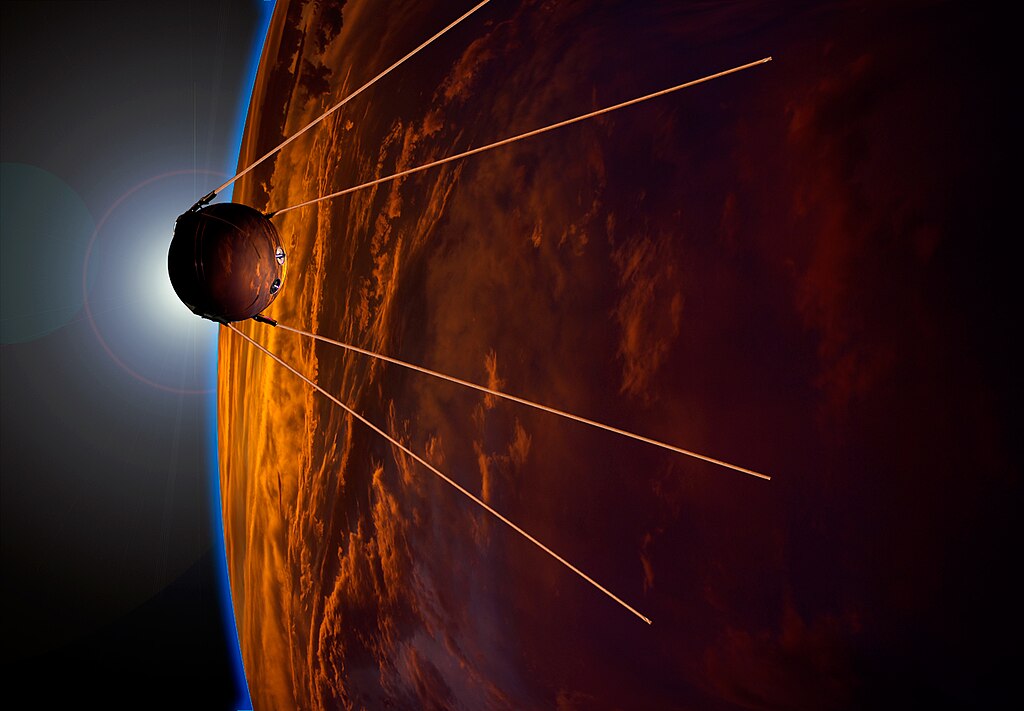
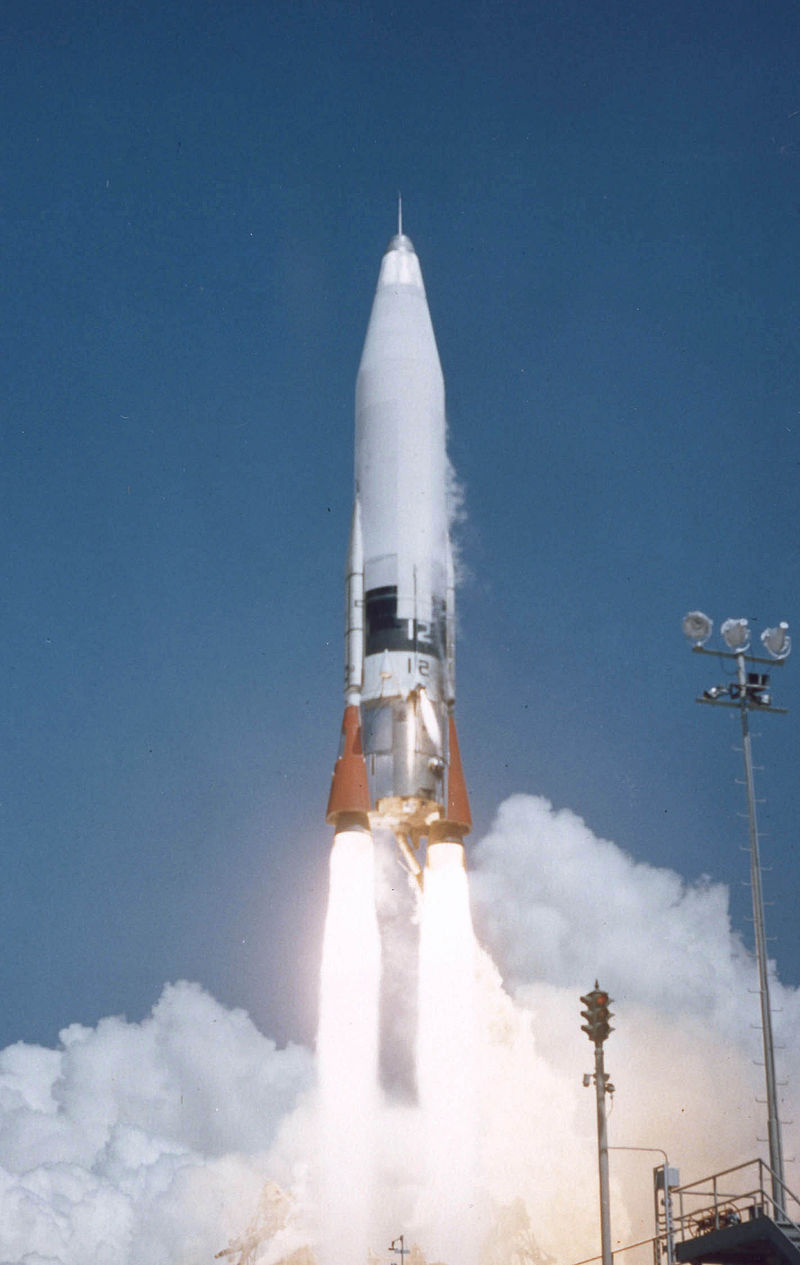
Competition between the US and USSR to develop intercontinental ballistic missiles, armed with nuclear warheads, began in the 1950s, during the early years of the Cold War. Giant launch vehicles, powered by rocket engines, were needed to blast these missiles into space and travel thousands of kilometres towards their targets. This greatly accelerated efforts to develop rocket technology. The rivalry between the US and the USSR to achieve superior spaceflight capability became known as the Space Race.
The USSR gained an early lead by becoming the first to achieve the successful launch of a satellite, Sputnik 1, on 4th October 1957. It then sent the first human to space with the orbital flight of Yuri Gagarin on 12th April 1961. An unmanned Luna 9 spacecraft made the first landing on the Moon in 1966. The US responded by achieving the first manned landing on the Moon, by Apollo 11 on 20th July 1969.
The USSR switched their focus to Salyut, the first space station programme, and the first robotic landings on Venus and on Mars. The US continued exploration of the planets and their moons using unmanned space probes, and developed the Space Shuttle, a reusable spacecraft.
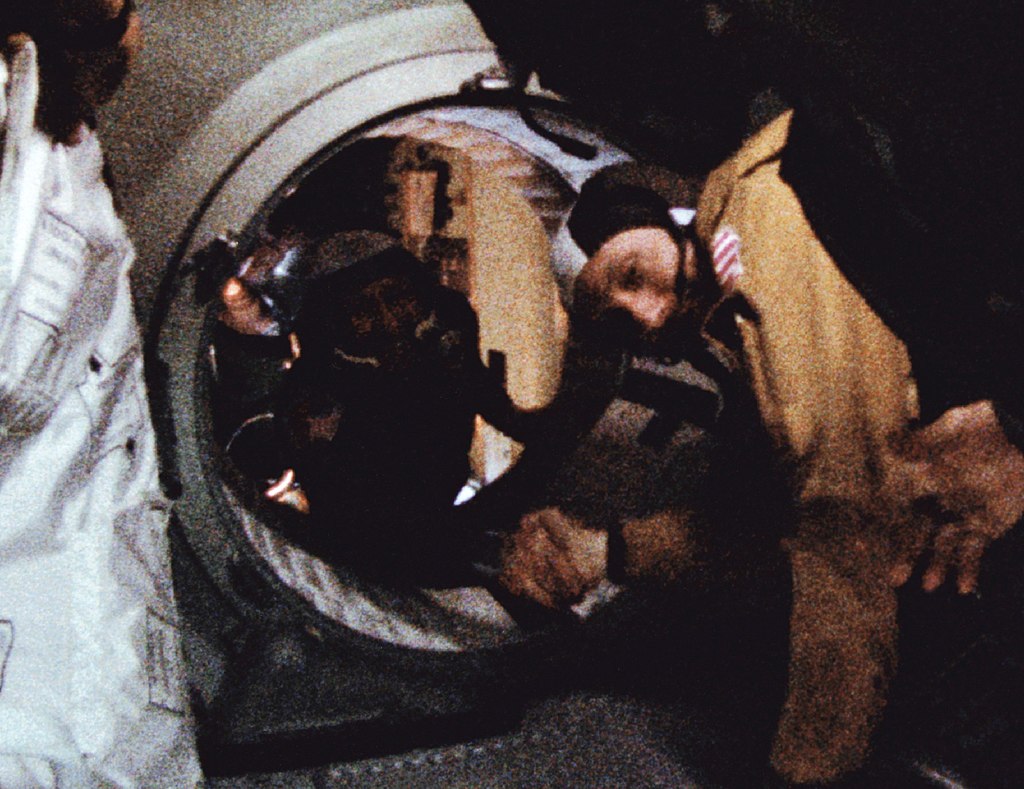
Following the July 1975 rendezvous in Earth orbit of a US astronaut crew with a Soviet cosmonaut crew—widely regarded as the final act of the Space Race—competition was gradually replaced by collaboration. The US and Russia agreed to participate in the International Space Station (ISS) programme in 1993. Since 2000, Russians and Americans, along with astronauts of many different nationalities have been living and working together on experiments in the orbiting laboratory.
This era of co-operation came to an end in 2022 with the Russian full-scale invasion of Ukraine and the decision by the Russian space agency Roscosmos to end its involvement in the ISS.
Space exploration in the 21st century

Besides the US, Russia and China, around 80 countries—as well as a number of private companies—have space programmes—many of them involved in launching satellites. With several successful missions accomplished, India and Japan are now considered space powers, while the United Arab Emirates put a space probe into orbit around Mars in 2021. Regional collaborations, like the European Space Agency (ESA) and African Space Agency, reflect the diversity of space exploration.
Leaps in technology, including advances in rocket design and small satellite technology, have significantly reduced costs. While space exploration is still mainly focused on scientific study—for example, the search for life on Mars and elsewhere in the Solar System—it is now also driven by the search for resources, including valuable minerals known to exist on the Moon.
A successful space industry can also boost national prestige and benefit a country's economy through technical innovation and creating jobs.

Companies like SpaceX, Blue Origin and Virgin Galactic see commercial possibilities in space exploration, previously considered only affordable by nation states. These companies are currently pioneering space tourism and satellite internet, but some, such as SpaceX (see below), are already involved with government space programmes.
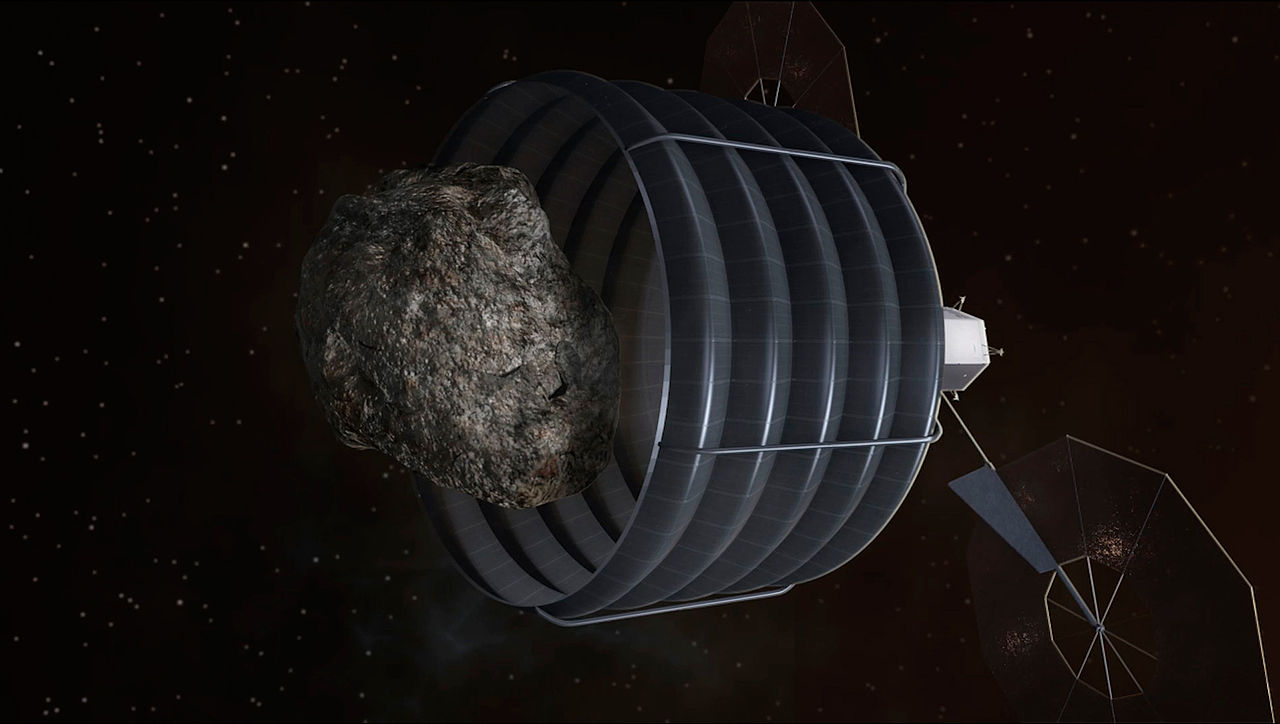
In the more distant future, private companies may undertake asteroid mining—ambitious schemes to extract platinum, iridium and rare earth metals from metallic (M-type) asteroids.
SpaceX
SpaceX (Space Exploration Technologies Corp.) was founded by US businessman Elon Musk in 2002 with the long-term objective of establishing a sustainable colony on Mars. Focusing on substantially reducing the costs of rocket launches, the company has made many significant advances in rocket propulsion, reusable launch vehicles, human spaceflight and satellite constellation technology. SpaceX has developed the Falcon 9 Full Thrust, a partially reusable, medium-lift launch vehicle, and Dragon 2, a reusable capsule developed chiefly for crewed flights to the International Space Station.
Currently under development is Starship, a fully-reusable and super heavy-lift rocket. When operational, Starship will enable the large-scale transport of humans and cargo to the Moon and Mars. SpaceX is also developing a lander for crewed lunar missions under NASA's Artemis programme (see below). In 2019, the first operational satellite of its Starlink internet satellite constellation came into operation.

Resources on the Moon

Ever since India’s Chandrayaan-1 probe discovered the likely existence of ice in the permanently shadowed craters at the Moon's south pole in 2009, scientists have wanted to know more about the Moon's potential water reserves. If it is readily available to use, occupants of a lunar base (see below) could use the water for drinking. By splitting the water molecules into hydrogen and oxygen, it could be used not only to generate oxygen for breathing, but for making rocket fuel, allowing astronauts to travel from the Moon to Mars and beyond.

Lunar craters are known to contain minerals, including rare earth metals and metals such as iron, aluminium and titanium. There are also high concentrations of helium-3, an isotope of helium. This gas can—theoretically at least—be used to create nuclear fusion. Because it would not emit the dangerous radiation of "traditional" fusion or require the much higher temperatures, it is viewed as a highly desirable future energy source. On Earth, only about 0.0001% of helium is helium-3, but it is estimated that there may be more than a million tonnes of it on the Moon.
Moon base

While space missions of the 2020s and 30s are likely to involve short, exploratory visits to the Moon, both the US and China (in partnership with Russia) plan to build permanent bases on the lunar surface. A base can serve as a launch pad for travelling on to Mars. It can also be used as a centre for mining and water extraction as well as scientific research.
In 2025, both China and the US announced separate plans to build automated nuclear power stations on the Moon. A nuclear reactor is regarded as the best way (perhaps the only way) to provide continuous electrical power to support a crewed base on the lunar surface.
China
China's space programme began in 1993 with the founding of China National Space Administration (CNSA). Despite lagging several decades behind the US, China has caught up rapidly. Its Long March rockets successfully launched the Shenzhou 5 spacecraft, carrying China's first astronaut (known in China as a taikonaut) into space in 2003.
in January 2019 China became the first nation to land a spacecraft on the far side of the Moon with Chang'e 4. In December 2020, Chang'e 5 became the first uncrewed mission to successfully collect and return lunar soil to Earth. Chang'e 6, launched in 2024, repeated the feat, this time from the far side of the Moon.
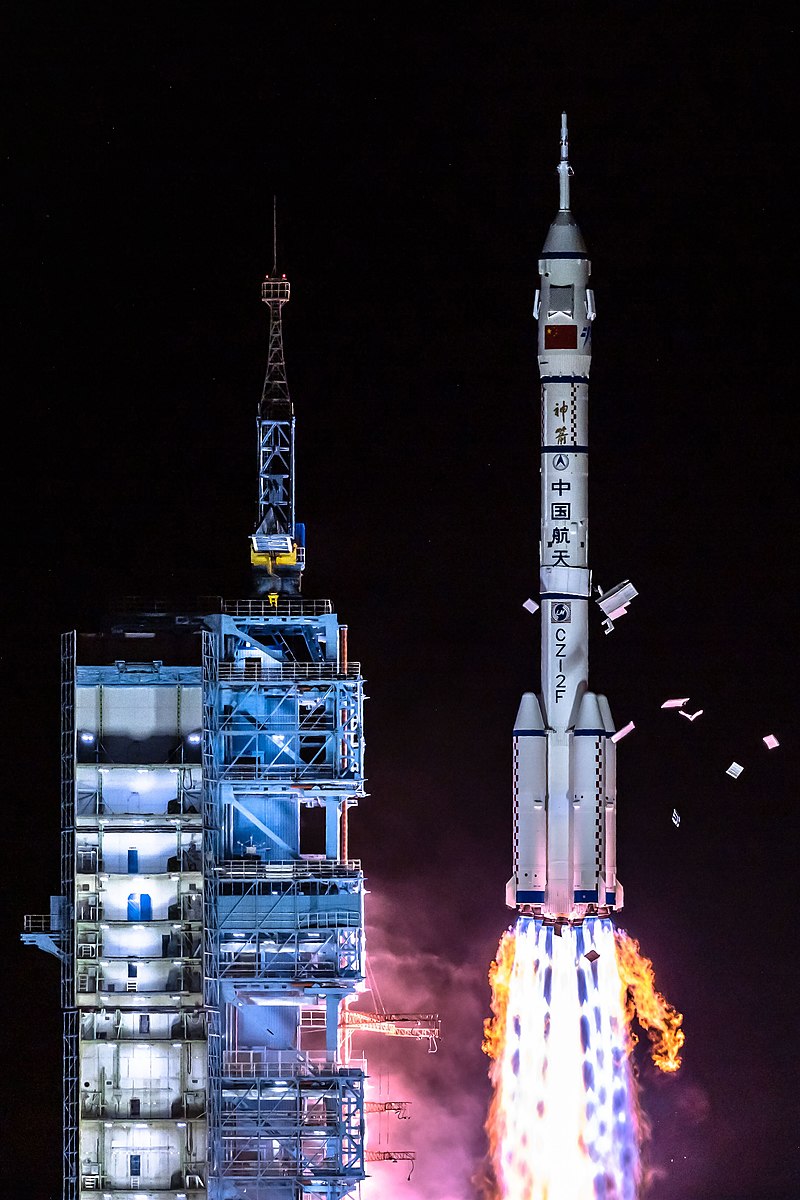

Future Chang'e missions, scheduled for 2026 and 2028, will explore the Moon's south pole region, searching for water and potentially useful mineral resources. The missions will also test the technology necessary for the construction of a lunar base—the International Lunar Research Station (ILRS), a joint project with Russia—scheduled for around 2035. A crewed exploration of the Moon is planned for 2030.

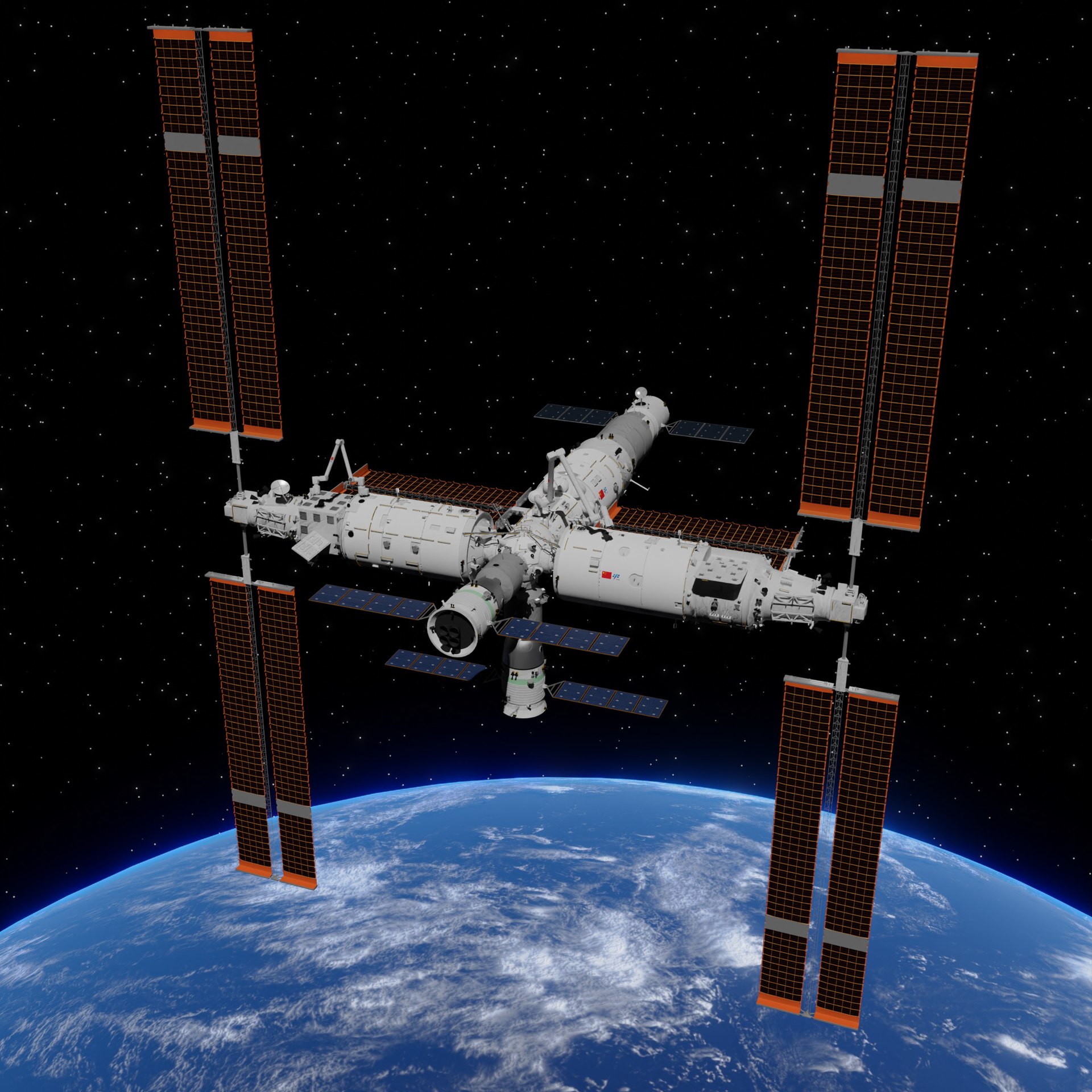
China's space programme extends beyond exploration of the Moon. It has also successfully landed a rover on Mars with Tianwen-1 on 14th May 2021, making China only the second nation after the US to do so. China's new space station, Tiangong ("Palace in the Sky"), became fully operational on 29th November 2022 with the launch of a Shenzhou 15 spacecraft delivering a crew of three taikonauts to begin research there.
The China Aerospace Science and Technology Corporation (CASC) is working on what it calls the next-generation crewed spacecraft, a type of re-usable spacecraft designed both to ferry taikonauts to Tiangong in Earth orbit, then later to the Moon. Intended to replace the Shenzhou spacecraft, the prototype of the new spacecraft, possibly a type of spaceplane, has made several uncrewed test flights in the 2020s.
India
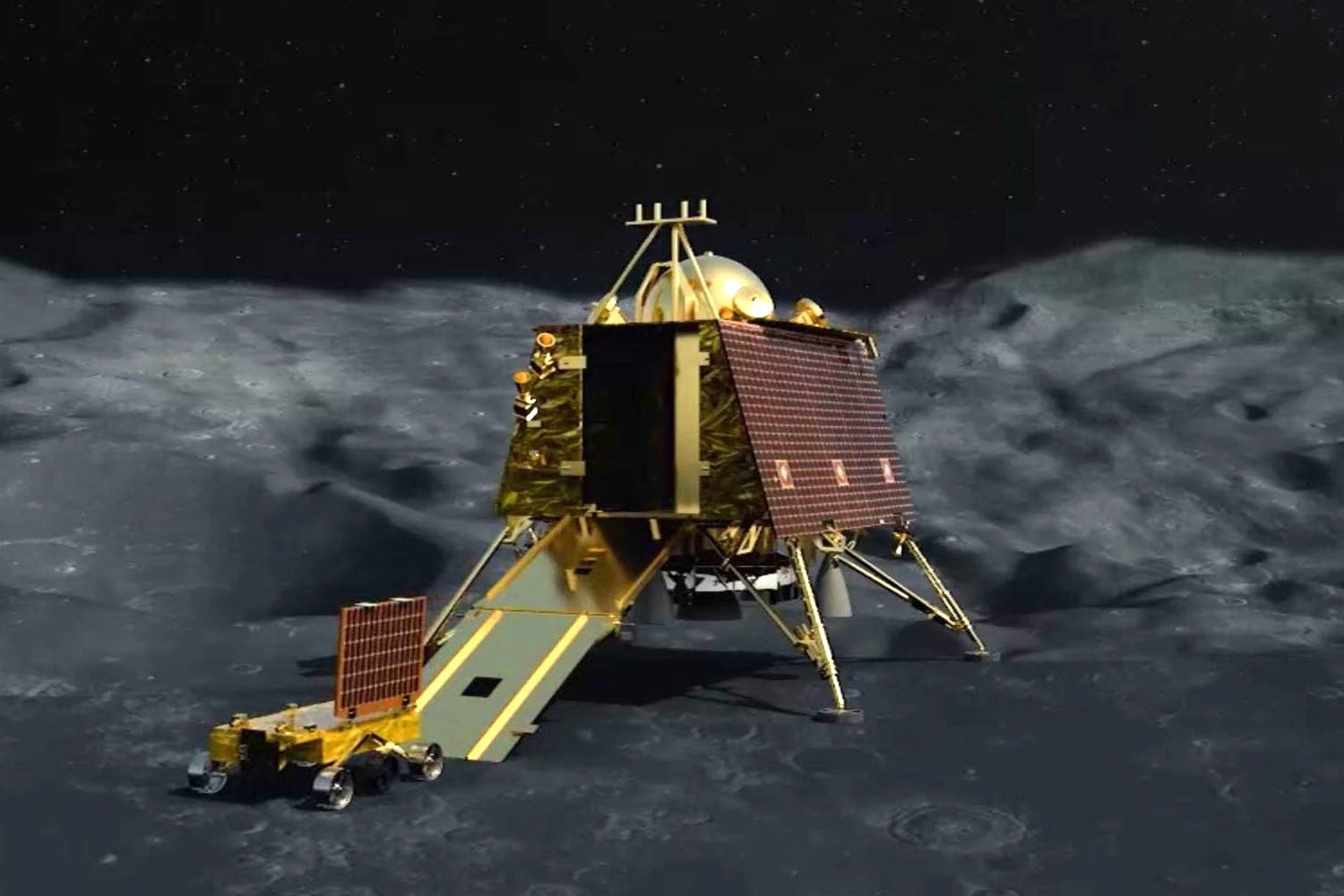
In August 2023, the Indian Space Research Organization (ISRO) successfully achieved a soft landing on the Moon’s surface, making India only the fourth nation after the US, Soviet Union and China to do so. Its Vikram lander, part of the Chandrayaan-3 mission, touched down near the Moon's south pole—a world first for any space programme. India’s Polar Satellite Launch Vehicle (PSLV) sent the missions to the Moon. ISRO had earlier launched the Mars Orbiter Mission, known as Mangalyaan, aboard a PSLV in 2013. The following year, it became the first Asian spacecraft to enter Martian orbit, making India the first country to succeed at this on its first attempt.
Japan
In January 2024, Japan’s Aerospace Exploration Agency (JAXA) successfully landed its Smart Lander for Investigating the Moon (SLIM) on the lunar surface. This mission made Japan the fifth country (after the US, USSR, China and India) to achieve a soft landing on the Moon. Japanese rockets have delivered satellites into orbit and resupplied the Kibo Japanese Experiment Module on the International Space Station. Japan has also launched successful uncrewed missions such as SELENE (nicknamed Kaguya), which orbited the Moon 2007–09, and the Hayabusa missions, which successfully collected dust samples from asteroids Itokawa and Ryugu and returned them to Earth for analysis (Hayabusa in 2010, Hayabusa2 in 2020).

United States: NASA
Established in 1958, National Aeronautics and Space Administration (NASA) is an agency of the US government. It has led most of the US's space exploration programmes, including the Apollo missions, the Space Shuttle and the International Space Station. It is currently overseeing the Artemis programme.
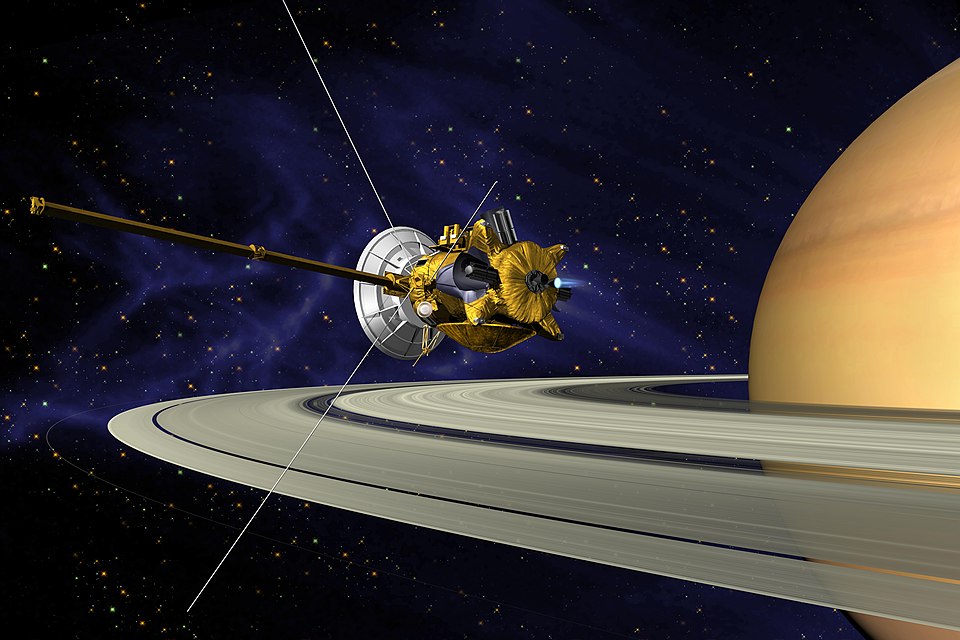
NASA's science division includes its Earth Observing System (a series of satellites in Earth orbit monitoring our planet); the exploration of planets, moons, asteroids and other Solar System bodies with space probes such as Voyagers 1 and 2, Galileo, Cassini–Huygens, Juno, New Horizons and OSIRIS-REx, and Mars rovers such as Curiosity and Perseverance; astronomical work through the James Webb Space Telescope and other space-based observatories.
United States: Artemis programme
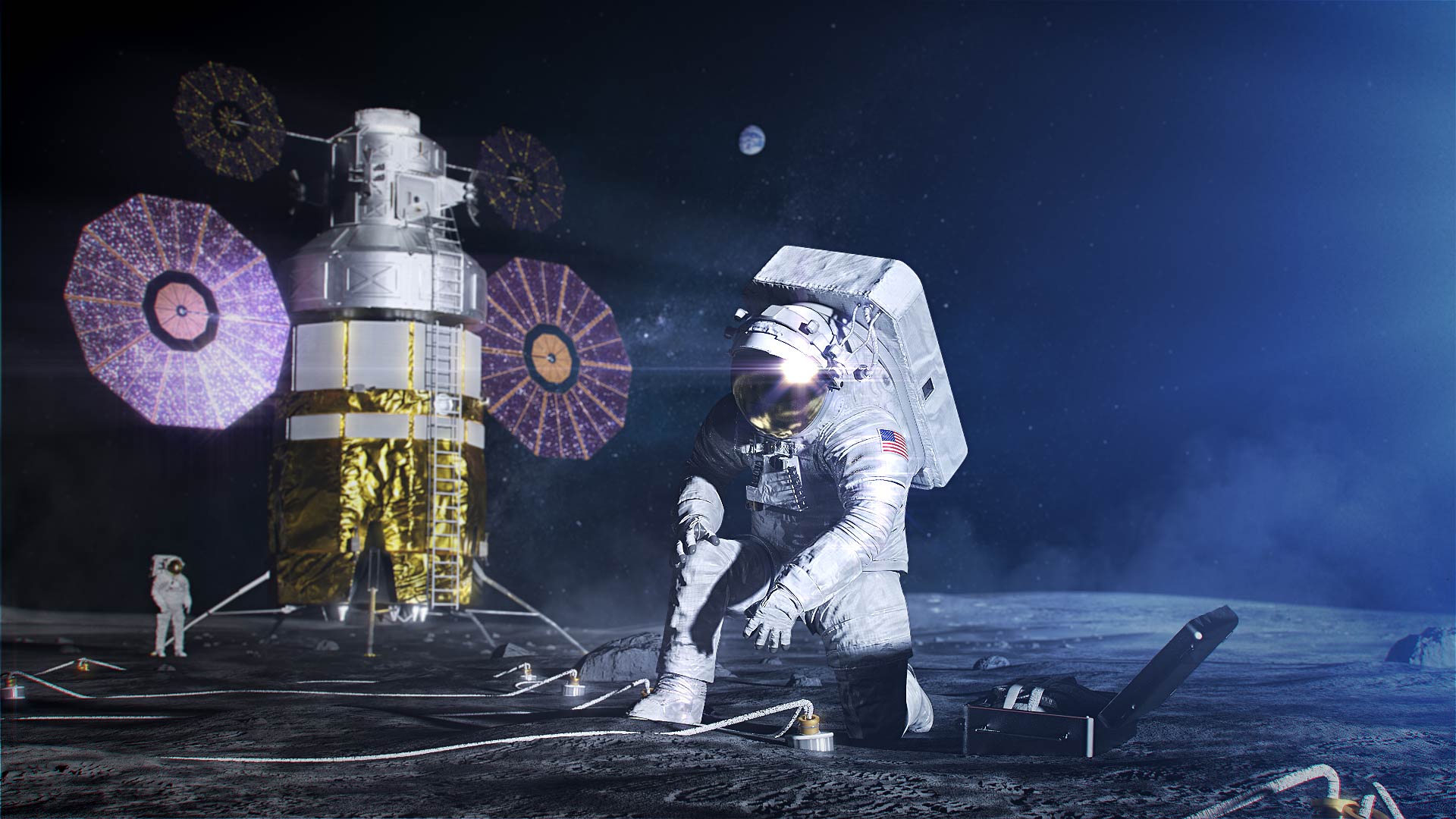
Artemis, named after the Greek goddess of the Moon and twin sister to Apollo, is a successor to NASA's Apollo programme. This achieved six manned lunar landings at the height of the Space Race (see above) with the Soviet Union in the 1960s and 1970s. At the centre of the new Artemis programme is NASA's new launch vehicle, the Space Launch System (SLS) rocket, and the Orion spacecraft, a capsule inside which the astronauts will travel to and from lunar orbit. The Artemis programme's long-term goal is to establish a permanent lunar base camp, from which to launch crewed missions to Mars by the 2040s.
The first Artemis mission, an uncrewed spaceflight to test both the safety of the SLS rocket and Orion's ability to go into in lunar orbit and return to Earth for an ocean splashdown, was successfully achieved in December 2022. The second Artemis mission, which was launched on 1st April 2026, will see the Orion capsule carrying four astronauts on a 10-day mission around the Moon (but not landing on it) before returning to Earth. The object is to ensure all the systems work perfectly while carrying humans.
The original object of the third mission was to land people on the Moon. In February 2026 NASA announced that Artemis III will now be launched by mid-2027 as a low-Earth orbit mission instead. The extra stage is considered necessary to test lunar landers from the private space companies SpaceX (see above) and Blue Origin.
Should everything go to plan, a new Artemis IV mission will launched in 2028 to land two astronauts—including the first woman—on to the lunar surface. They will remain on the Moon, exploring its south polar region, for around a week. The Artemis IV crew lander, which will carry the astronauts down to the lunar surface, is currently scheduled to be a variant of SpaceX's Starship: Starship HLS (Human Landing System).


Territorial claims
Could the US, China or any another nation legally claim territory on the Moon or another world in space? Are "keep-out zones" on the Moon likely to come about? If such claims were disputed, it could lead to conflict between the nations. Both the US and China, along with 132 others, are signatories to the 1967 Outer Space Treaty, which states that "Outer space, including the Moon and other celestial bodies, is not subject to national appropriation by claim of sovereignty, by means of use or occupation, or by any other means."
Although the Outer Space Treaty does not cover some recently developed activities such as mining on the Moon or asteroids, its principles of promoting peaceful use of space continue to apply to all space exploration, including the rival programmes being carried out by the US and China.
However, with mining on the Moon becoming a more realistic possibility, the US has proposed an update to the Outer Space Treaty. Called the Artemis Accords, they state that extraction and use of resources on the Moon should be done in a way complies with the Outer Space Treaty. As of May 2025, 55 countries have signed the Accords, but China is not yet among them.

pics

Without in any way limiting Q-files Ltd’s exclusive rights under copyright, any use of this publication to “train” generative artificial intelligence (AI) technologies to generate text is expressly prohibited. Q-files Ltd reserves all rights to license use of this work for generative AI training and development of machine learning language models.