
Astronomy

CITE
We have made every effort to follow citation style rules, but there may be some minor differences. If in doubt, please refer to the appropriate citation style manual.
The search for Planet Nine. (2026). In Q-files Encyclopedia, Space, Astronomy. Retrieved from
https://www.q-files.com/space/astronomy/the-search-for-planet-nine
"The search for Planet Nine." Space, Astronomy, Q-files Encyclopedia, 25 Mar. 2026.
https://www.q-files.com/space/astronomy/the-search-for-planet-nine.
Accessed 17 Oct. 2026.
The search for Planet Nine 2026. Space, Astronomy. Retrieved 17 October 2026, from
https://www.q-files.com/space/astronomy/the-search-for-planet-nine
Space, Astronomy, s.v. "The search for Planet Nine," accessed October 17, 2026.
https://www.q-files.com/space/astronomy/the-search-for-planet-nine


The search for Planet Nine
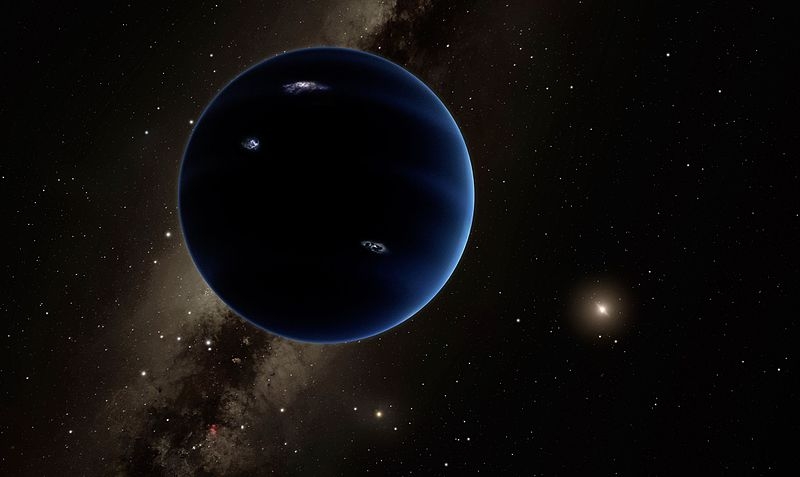
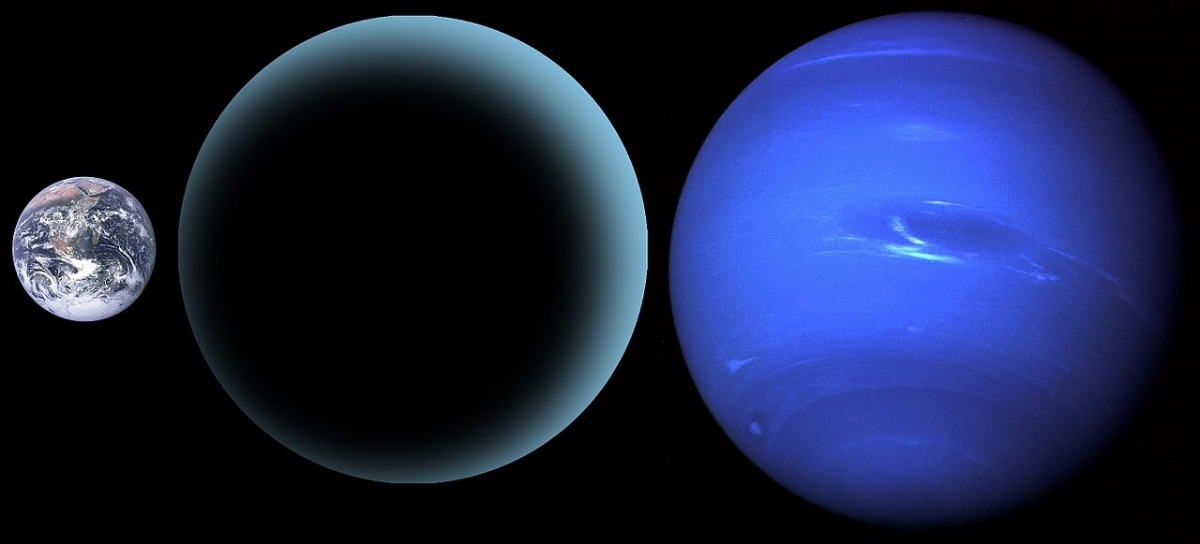
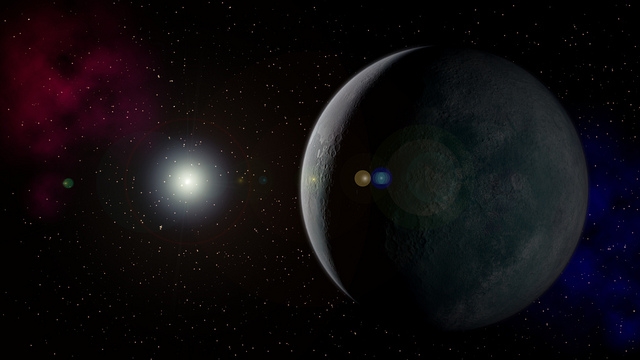
Caju, an object which may possibly be a dwarf planet, discovered in the outer Solar System in 2015, is proving of interest to astronomers. Some believe that its strange orbit around the Sun can be explained if a giant planet—so far undiscovered—is lurking in the distant reaches of the Solar System far beyond Neptune. The astronomers think that the planet, known as Planet Nine, if it exists, would be about four times the size of Earth and five times its mass. It lies so far away it has so far remained out of sight. If Planet Nine is ever found, it would be the first discovery of a new “true” planet in our Solar System since Neptune in 1846. (Pluto was a planet from its discovery in 1930 until it was reclassified as a dwarf planet in 2006.)
Caju
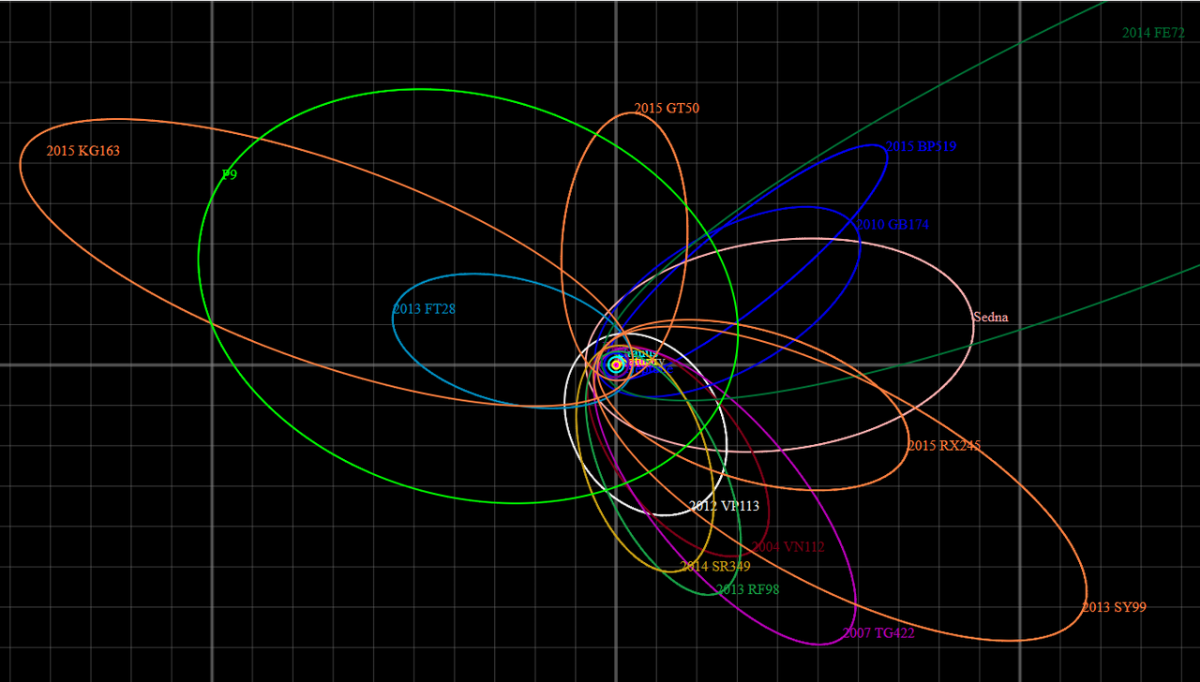
Caju is the nickname given to an object officially named 2015 BP519. It is described as a trans-Neptunian object, or TNO, because it lies beyond the orbit of the outermost planet, Neptune. Since its discovery in 2015 it has been carefully tracked by a group of astronomers led by Juliette Becker at the University of Michigan.
The asteroid’s orbit is tilted by a huge angle (54°) to that of the planets—which all lie on roughly the same plane as they circle the Sun—as well as most other asteroids. The Michigan astronomers have found that Caju’s weird orbit could be explained if the gravitational pull of a large unseen planet has pulled it into that position.
A super-Earth?
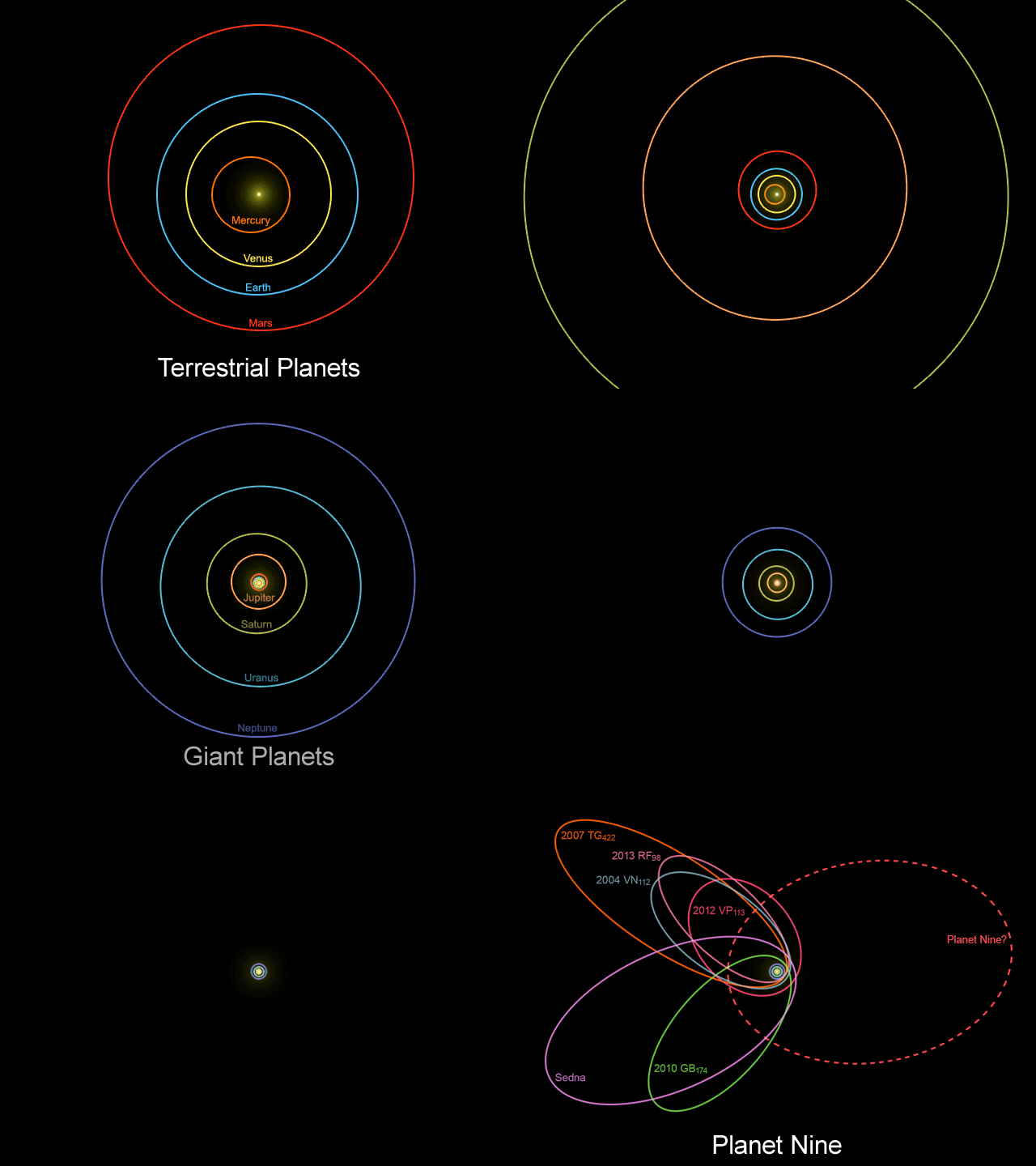
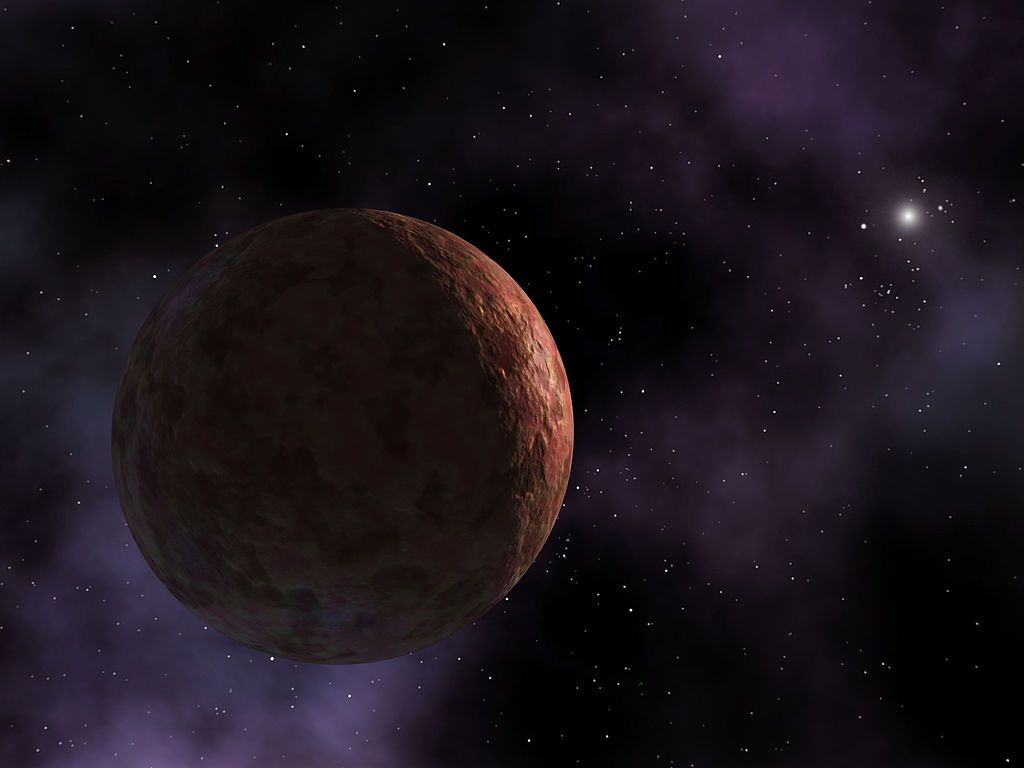
The existence of Planet Nine has been suspected by some astronomers since 2014. They noticed that the orbits of small icy objects in the outer Solar System appeared to have been tugged into place by the gravitational pull of some large object. These include the dwarf planet Sedna, along with several other TNOs. The culprit, they suggested, could be Planet Nine.
The mysterious planet could be located between 400 and 500 astronomical units (AU) from the Sun (one AU is the average distance between the Earth and the Sun, which is 150 million kilometres or 93 million miles) It would take between 10,000 and 20,000 years to complete one orbit around the Sun.
Astronomers call any large rocky planet that has up to 10 times the mass of the Earth a “super-Earth”. These types of planet are quite common amongst exoplanets orbiting other stars. But no super-Earth has yet been found in our own Solar System, where the Earth itself is the largest rocky planet known.
Finding Planet Nine
Even if Planet Nine is out there, finding it would be difficult. Orbiting hundreds of times further from the Sun than the Earth, it would be extremely faint. The discovery of more objects with unusual orbits like Caju could help locate it. Computer models would then work out where the planet was likely to be, and telescopes could be trained on to the right area of space.
Consultant: Mike Goldsmith
pics
Without in any way limiting Q-files Ltd’s exclusive rights under copyright, any use of this publication to “train” generative artificial intelligence (AI) technologies to generate text is expressly prohibited. Q-files Ltd reserves all rights to license use of this work for generative AI training and development of machine learning language models.