
Life

CITE
We have made every effort to follow citation style rules, but there may be some minor differences. If in doubt, please refer to the appropriate citation style manual.
Origins of life. (2026). In Q-files Encyclopedia, Life, Life. Retrieved from
https://www.q-files.com/life/life/origins-of-life
"Origins of life." Life, Life, Q-files Encyclopedia, 23 Jul. 2026.
https://www.q-files.com/life/life/origins-of-life.
Accessed 6 Aug. 2026.
Origins of life 2026. Life, Life. Retrieved 6 August 2026, from
https://www.q-files.com/life/life/origins-of-life
Life, Life, s.v. "Origins of life," accessed August 6, 2026.
https://www.q-files.com/life/life/origins-of-life


Origins of life
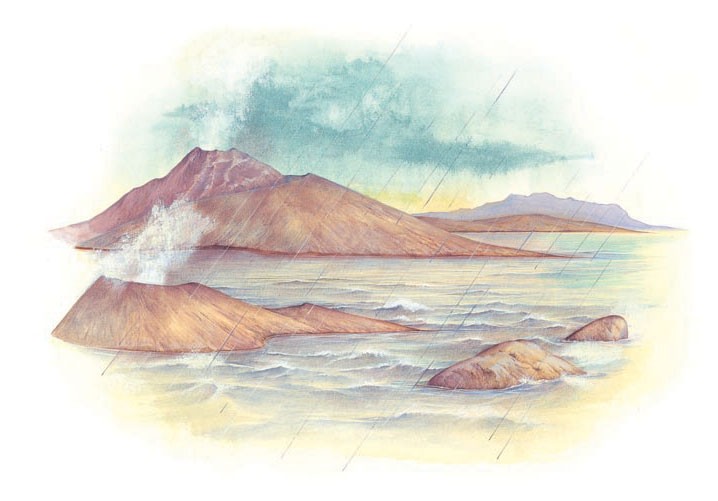
The early Earth was a hostile, lifeless place. Volcanoes poured out red-hot molten rocks and poisonous fumes. Gigantic storms flooded the new land, causing vast clouds of ash, spray and steam. But, over tens of millions of years, conditions cooled. Somewhere, somehow, life began on Earth. It may have first emerged in warm, shallow seas; it may have formed deep in the oceans, close to mineral-rich jets of warm water shooting up through the Earth's crust; or it may even have formed elsewhere in space, with simple organisms arriving on Earth carried on a meteorite—although this theory is not accepted by most scientists.
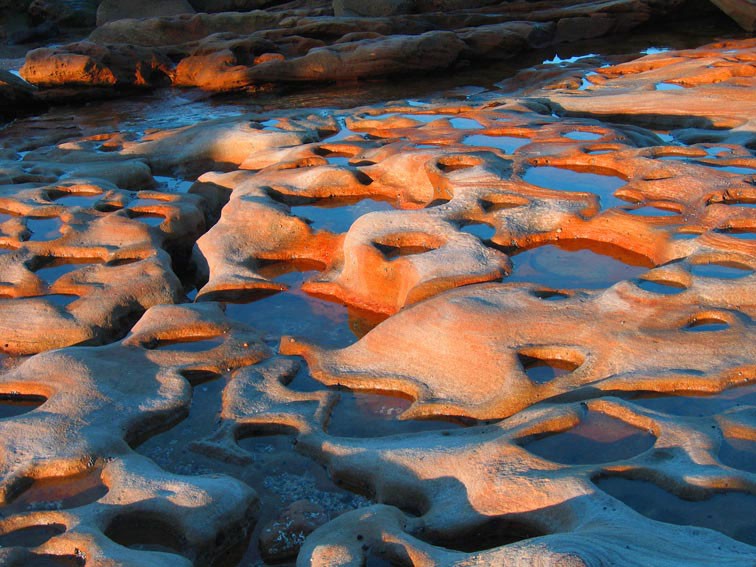
Shallow seas
Scientific studies show that planet Earth formed about 4.6 billion years ago, from a massive ball of cloud, dust and gases whirling through space. At first, the rocks of Earth were far too hot for life. But gradually they cooled and massive rainstorms lasting many thousands of years filled the lakes, seas and oceans with water.
These seas contained all kinds of salts, minerals and other chemical substances, sometimes described as a “primordial soup”. By chance, some of the chemicals may have joined to each other—perhaps helped by the energy of lightning flashes from the storms that raged across the globe. Other chemicals joined around them. These others then broke off to form blobs of their own: the first very simple living things had reproduced. This may have happened as long as 4.2 billion years ago, probably hundreds of millions of years earlier. Life stayed as simple microscopic organisms for another 3.6 billion years.
Hydrothermal vents
Snaking across the ocean floor is a vast undersea mountain chain known as the Mid-Oceanic Ridge. Here, the Earth’s crust is gradually spreading apart and magma, hot molten rock from beneath the crust, rises to the surface of the seabed. In some places along the ridge, water seeping down into the rocks is heated by the magma. It shoots up through cracks in the ocean floor, known as hydrothermal vents. These jets of water are rich in minerals from the Earth’s crust, especially sulphur. As the minerals emerge, they are gradually deposited around the vents, creating tall chimneys. The sulphur turns the waters around the vents black, and gives these chimneys their name: black smokers. Hydrothermal vents could have provided the ideal conditions for the origins of life.


Organic molecules
in space
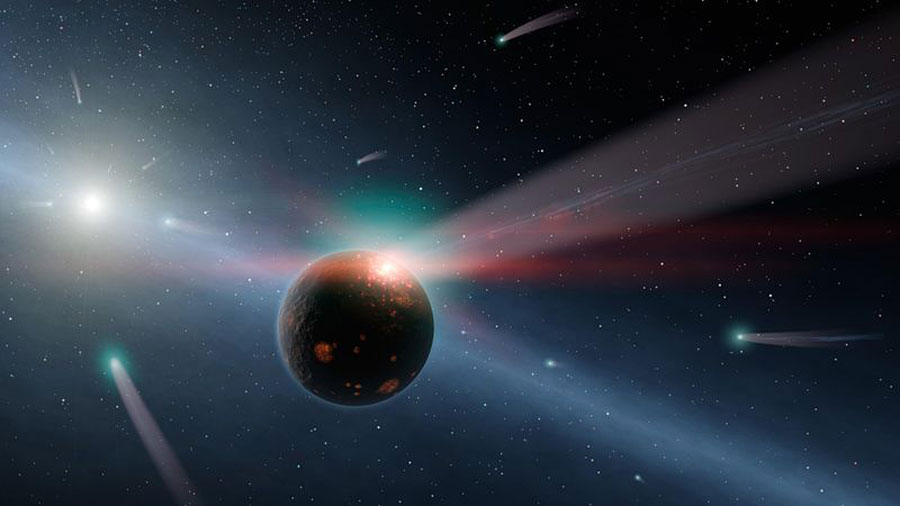
There is evidence that at least some of Earth's water was delivered to it by impacts from icy planetesimals during the planet's formation around 4.6 billion years ago. One of these, Theia, is thought to have collided with Earth with the resulting debris forming the Moon—and it may have brought substantial amounts of water with it as well. Evidence is emerging that the chemicals needed for life may also have come from outer space, brought by objects colliding with the young Earth, such as asteroids, comets and meteorites.
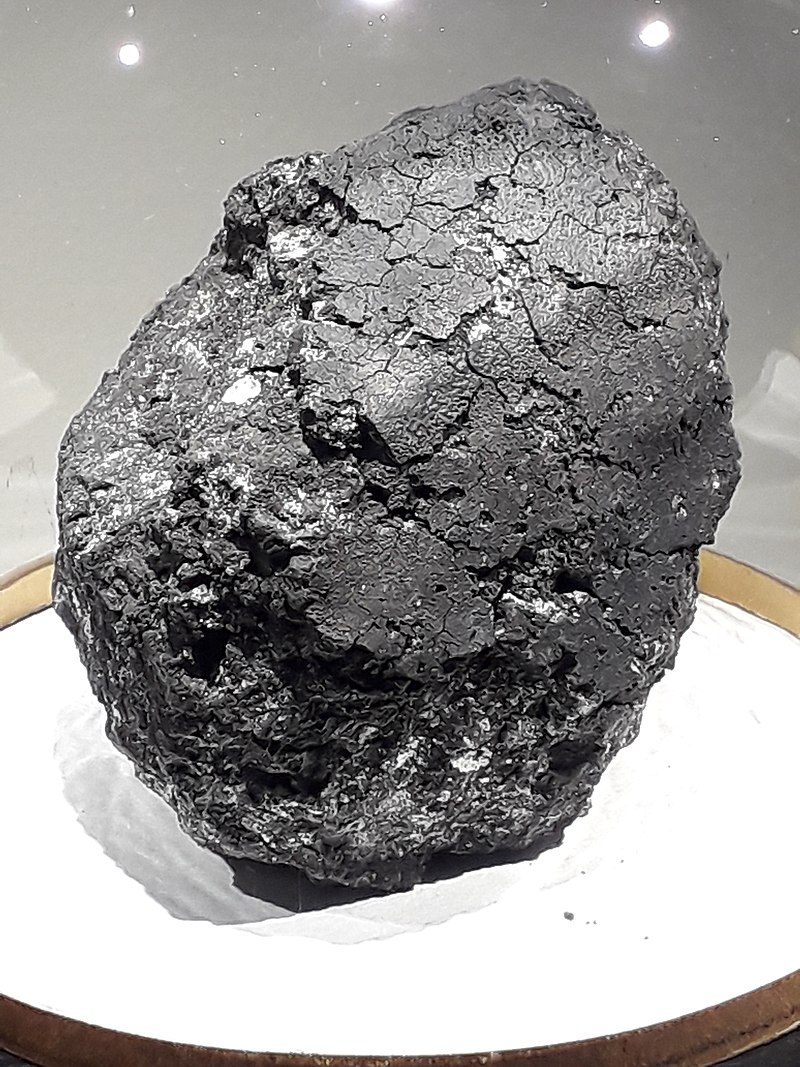
Tiny fragments from the asteroid Bennu, collected by the OSIRIS-REx space probe and returned to Earth in September 2023, were found to contain both carbon and water-bearing clay minerals. In January 2025 it was reported that thousands of organic compounds had been identified in the samples, including 14 of the 20 amino acids that make up proteins in living things, as well as the molecules adenine, thymine, cytosine and guanine, found in DNA. This shows that the building blocks of life on Earth are found on asteroids. The discovery raises the possibility that, billion of years ago, meteorites originating from objects like Bennu might have seeded Earth with organic molecules from which life later developed.
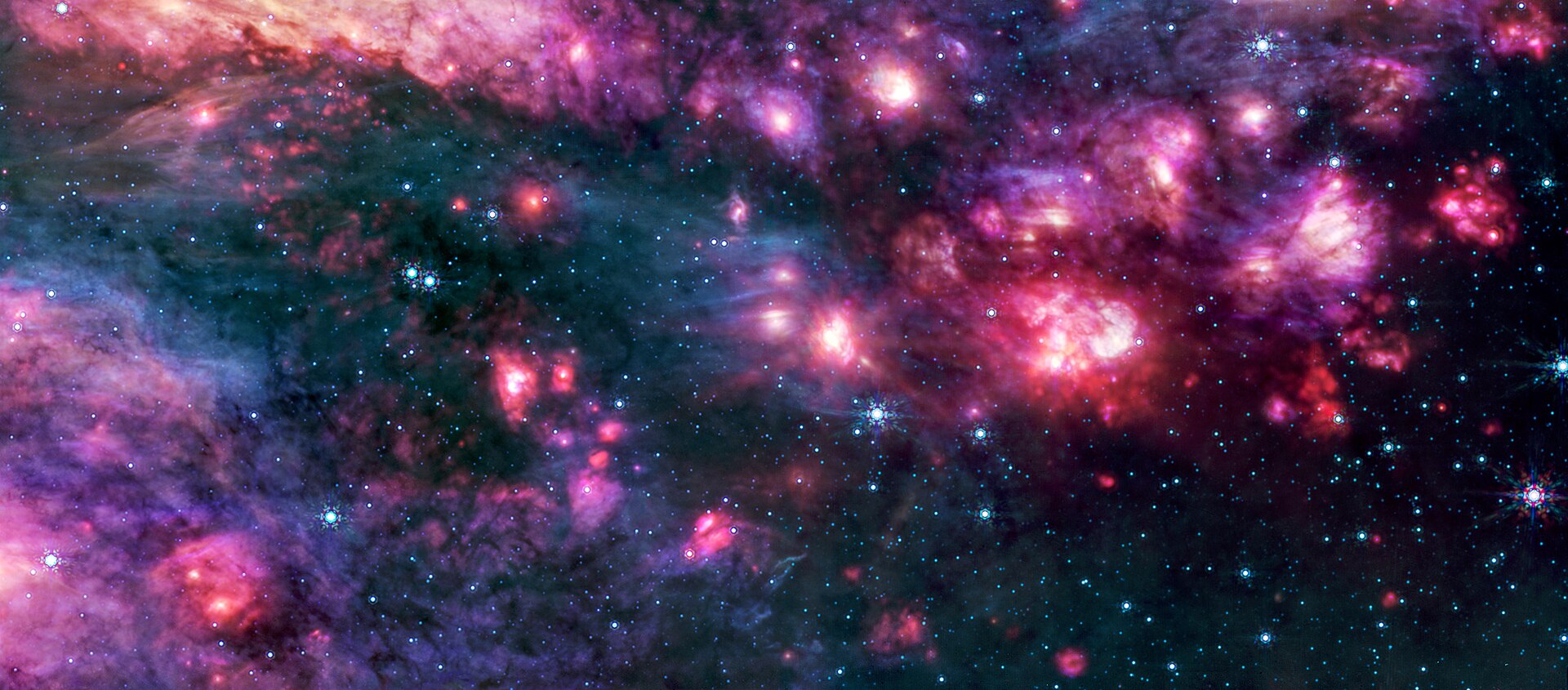
The detection of sugar molecules among the organic compounds found in Bennu suggested that some sugars may be found in space, but until recently none had been detected in what astronomers call the interstellar medium (the gas and dust that fills the space between stars in a galaxy). Then, in 2026, it was announced that, using radio telescopes, scientists had detected the presence of a natural sugar compound in a molecular cloud—an enormous cloud of dust and gas—near the heart of the Milky Way Galaxy.
Erythrulose, a naturally occurring sugar found in raspberries and other fruits, appears to be produced through chemical reactions on tiny interstellar dust grains. This dust may have coated the surface of comets that eventually crashed into Earth. Millions of tonnes of erythrulose could have rained down on Earth when asteroids and comets battered the planet during the Late Heavy Bombardment 4.1 to 3.8 billion years ago.
As well as providing energy for life, simple sugars such as erythrulose can react to form ribonucleotides, the building blocks of the genetic material, RNA. It is possible that this may have been the process by which life originated on Earth.
Luca (last universal common ancestor)
All living things, from microbes to whales, have ancestors from which they evolved over many millions of years. Together, they form one vast tree of life, with different families and individual species branching off from one another at certain points in the past. For example, the most recent ancestor to both humans and our closest living relatives, chimpanzees, was an animal—our last common ancestor—that lived between 6 and 8 million years ago. The last common ancestor shared by chimps, other apes and monkeys lived about 25 million years ago. Going further back, the last common ancestor to every kind of mammal lived around 200 million years ago. Long before that lived the animal that was the last ancestor common to all vertebrates (mammals, birds, reptiles, amphibians and fish).
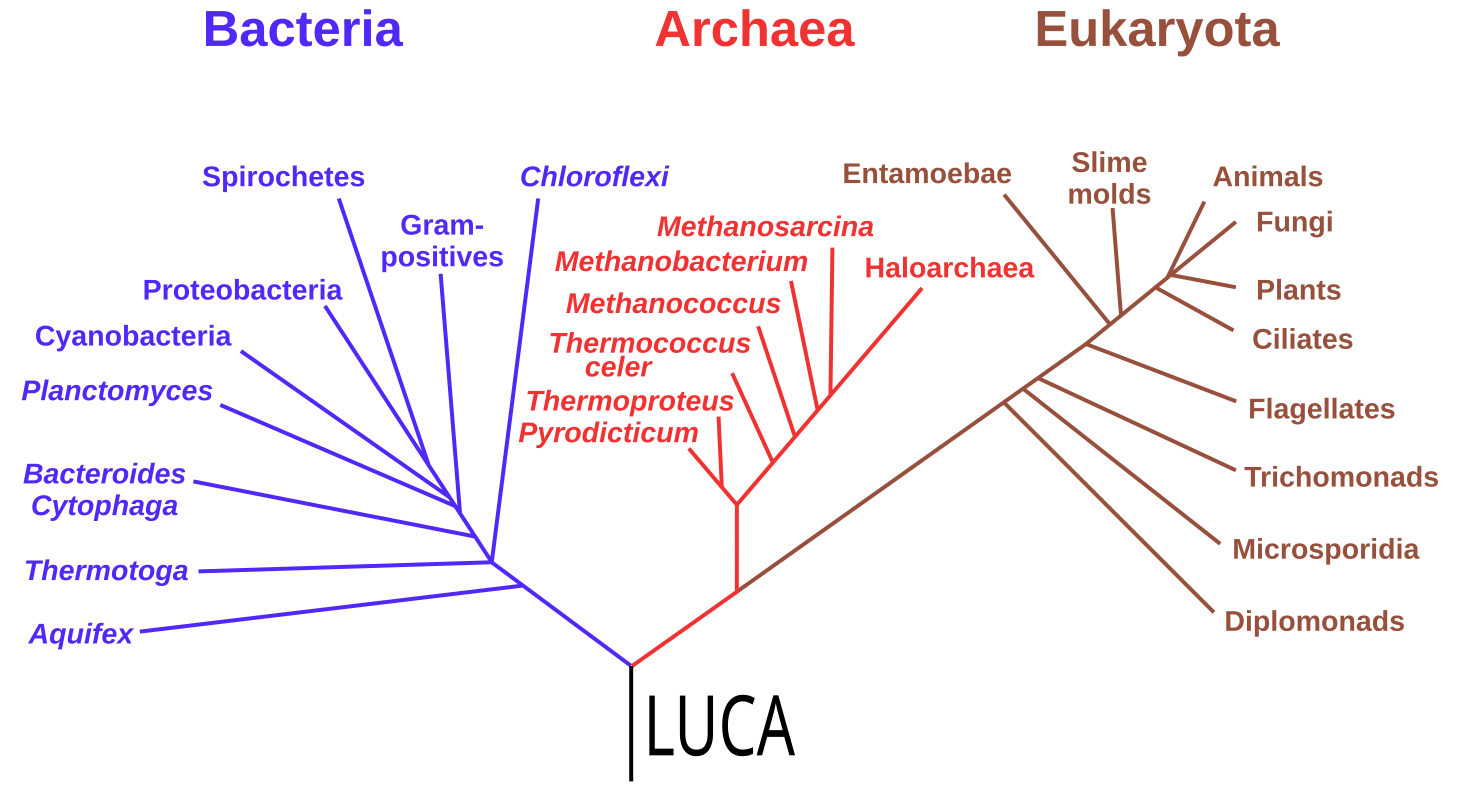
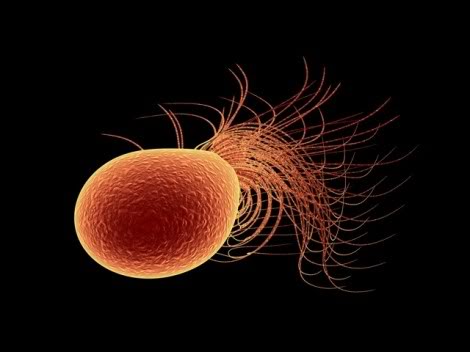
The last ancestor to all living things—bacteria, archaea (other kinds of micro-organisms) and eukaryota (including all animals, plants and fungi), which make up the three domains of life—is called the last universal common ancestor. It often goes by its acronym, LUCA.
According to latest research, Luca was born 4.2 billion years ago. Although there are no fossil records of life that long ago, scientists have been able to estimate Luca's age by identifying the genes shared by archaea and bacteria alive today.
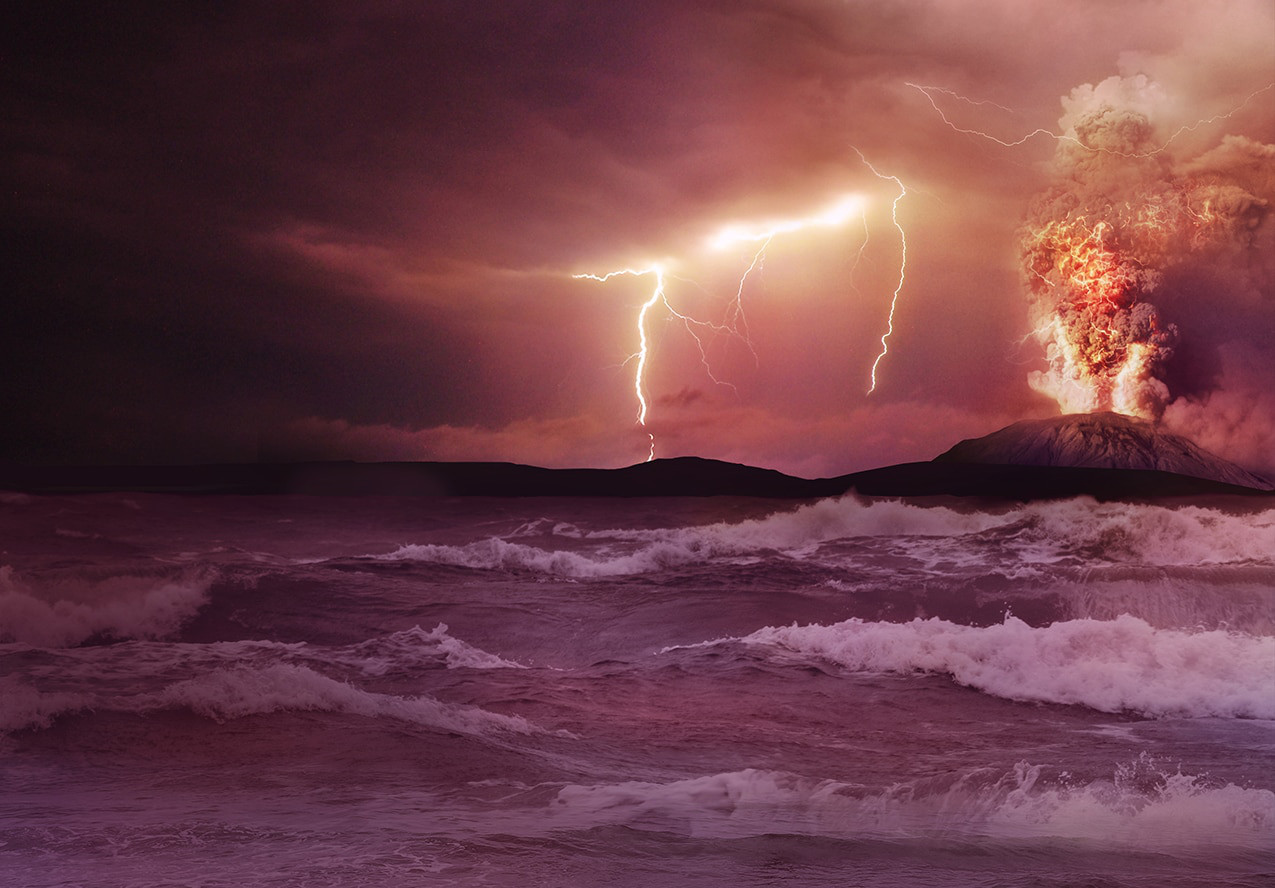
Luca lived during what is known the Hadean eon (4.6 to 4 billion years ago), the very earliest part of the Precambrian, which began with the formation of the Earth itself. At that time, the air contained little or no oxygen (oxygen today is produced by photosynthesis by plants and bacteria, which evolved later), but consisted mostly of carbon dioxide with small amounts of ammonia, methane and other gases erupted from volcanoes. The Earth was, apart from volcanoes standing above the waves, entirely covered by oceans of hot water.
Despite these harsh conditions, Luca flourished, feeding on simple molecules, compounds of carbon and hydrogen, it took in from its surroundings. It could have obtained them directly from the air above the water's surface, from the mineral-rich hydrothermal vents in the deep ocean, or even from rocks inside the Earth's crust. Luca might also have been nourished by the methane produced by other micro-organisms.

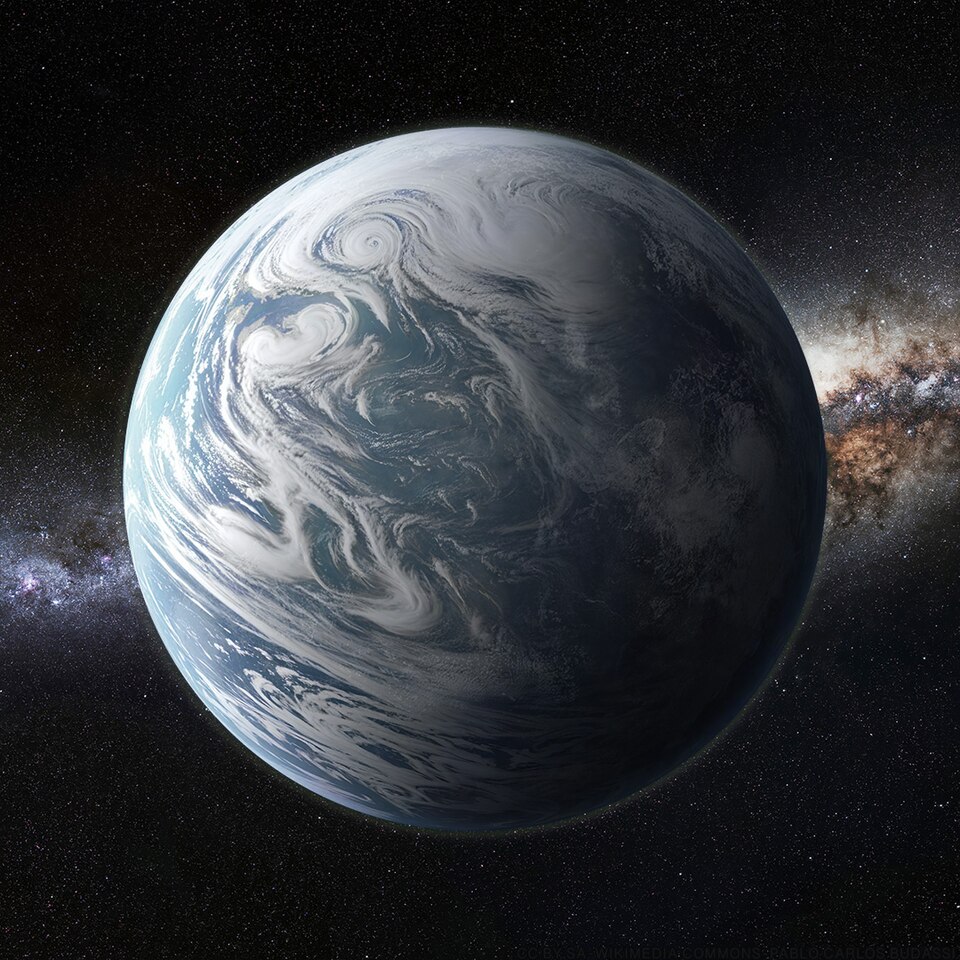
Luca is not, itself, the origin of life: it had ancestors of its own. Even by 4.2 billion years ago, Luca was already quite a complex organism with an immune system to protect it from infection by viruses (further evidence that Luca was part of an ecosystem, a densely connected web of organisms). Luca and its Hadean neighbours had clearly been evolving for some time, although only Luca left descendants that are alive today.
The fact that a 4.2 billion-year-old and already fairly highly evolved organism lived on a planet that had been in existence for "just" 400 million years or so suggests that life can start quite easily on a world where liquid water and essential chemical ingredients are present. This means that life might not be a rare occurrence at all, but commonly found across the Universe: on planets and moons orbiting stars in the Milky Way and other galaxies—even in our own Solar System.
Consultant: Chris Jarvis
pics

Without in any way limiting Q-files Ltd’s exclusive rights under copyright, any use of this publication to “train” generative artificial intelligence (AI) technologies to generate text is expressly prohibited. Q-files Ltd reserves all rights to license use of this work for generative AI training and development of machine learning language models.