
Satellites

CITE
We have made every effort to follow citation style rules, but there may be some minor differences. If in doubt, please refer to the appropriate citation style manual.
Space debris. (2026). In Q-files Encyclopedia, Technology, Satellites. Retrieved from
https://www.q-files.com/technology/satellites/space-debris
"Space debris." Technology, Satellites, Q-files Encyclopedia, 2 Jun. 2026.
https://www.q-files.com/technology/satellites/space-debris.
Accessed 22 Sep. 2026.
Space debris 2026. Technology, Satellites. Retrieved 22 September 2026, from
https://www.q-files.com/technology/satellites/space-debris
Technology, Satellites, s.v. "Space debris," accessed September 22, 2026.
https://www.q-files.com/technology/satellites/space-debris


Space debris
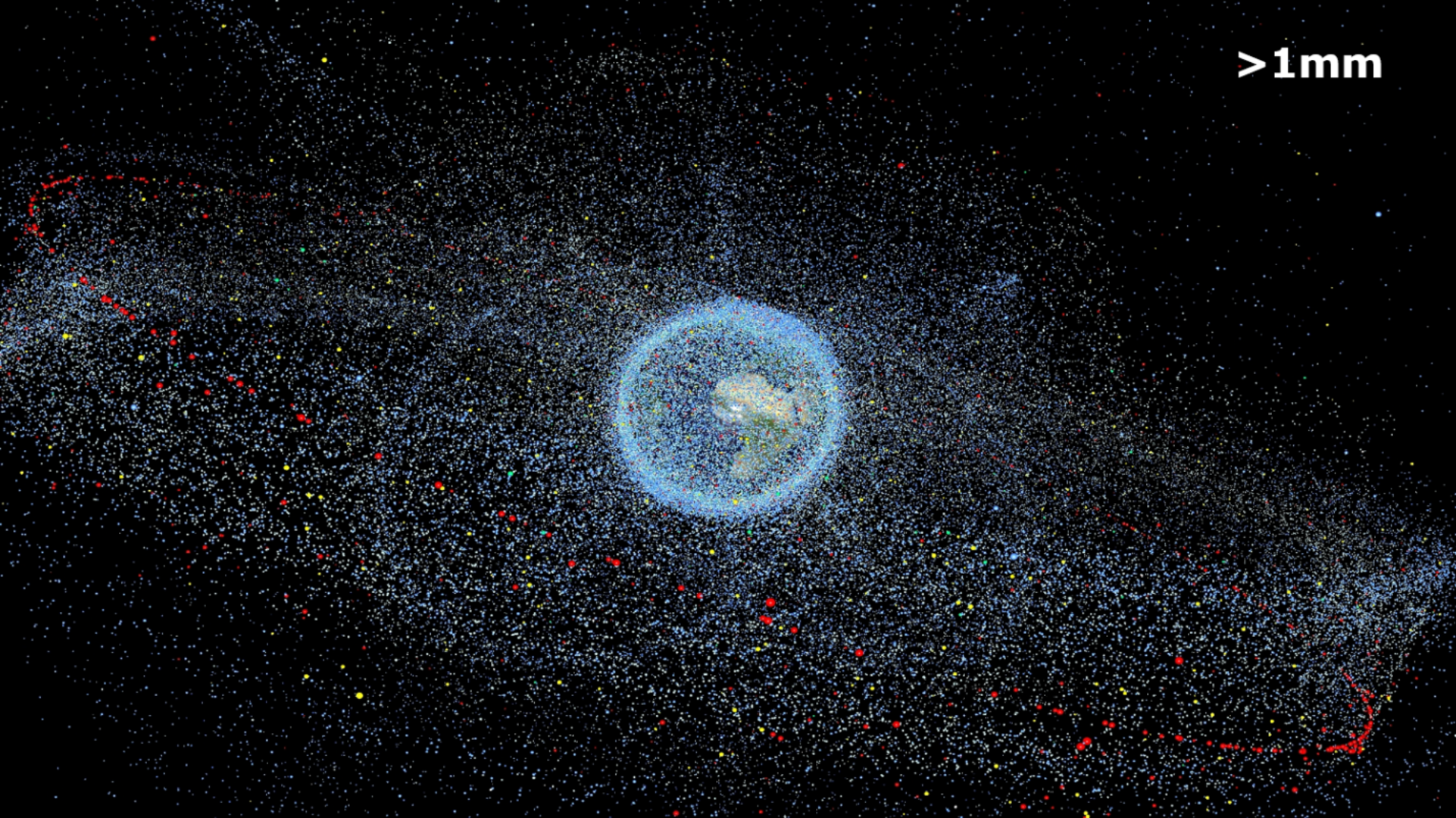
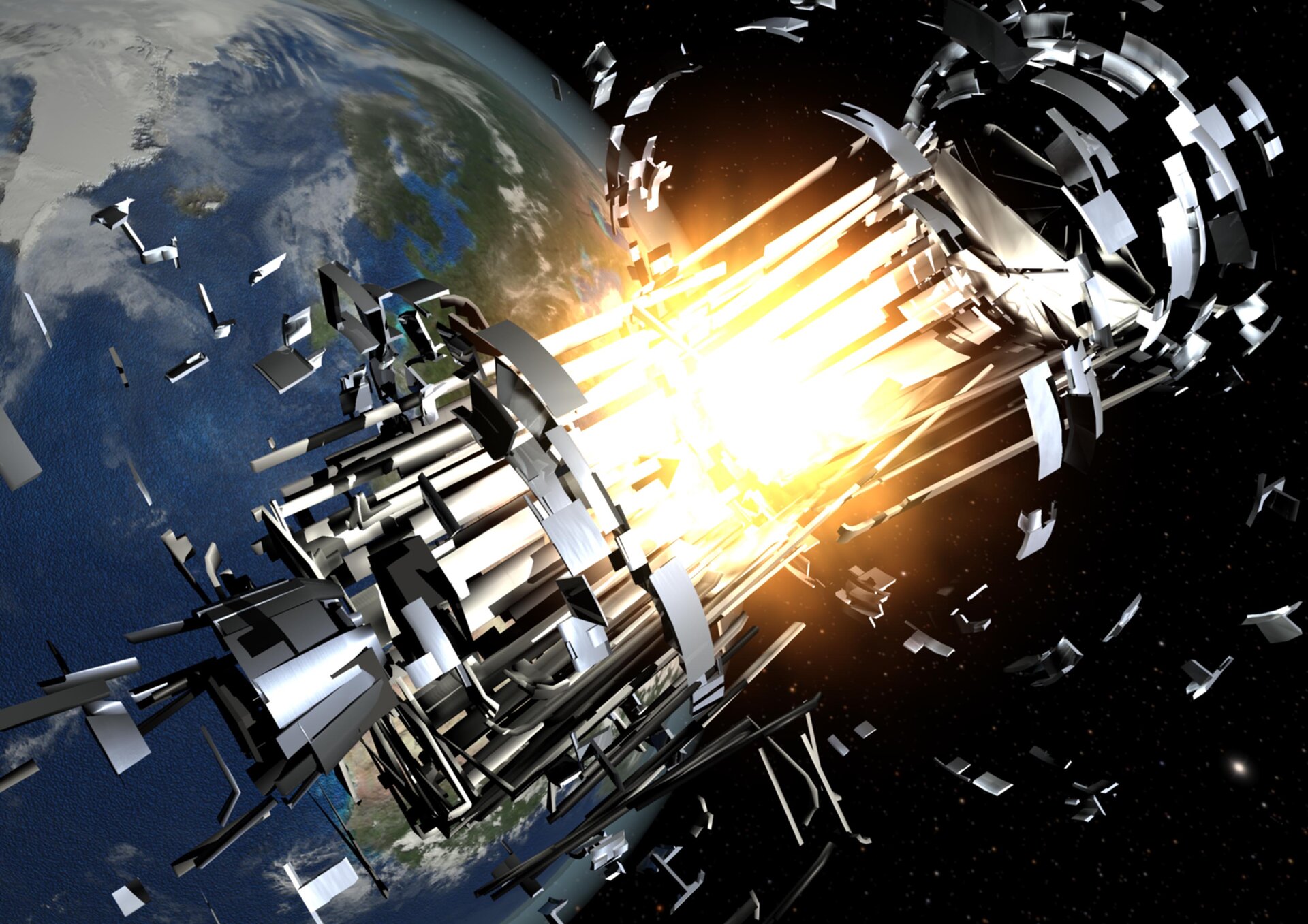
Space debris, also called space junk, is any artificial material in space which no longer has a useful function. The debris is made up from inactive satellites and discarded rocket stages, as well as millions of fragments of metal large and small—and even microscopic chips of paint. Much of this debris is found in Low Earth orbit (within 1000 kilometres or 600 miles of Earth's surface), but some of it lies in geostationary orbit 35,786 kilometres (22,236 miles) above the Equator. Some space debris results from collisions between satellites, but most of it comes from past explosions of satellites, spent rocket stages and other spacecraft. Some explosions came from spacecraft destroyed by anti-satellite missiles fired from Earth.
Updated 2nd June 2026
Origins
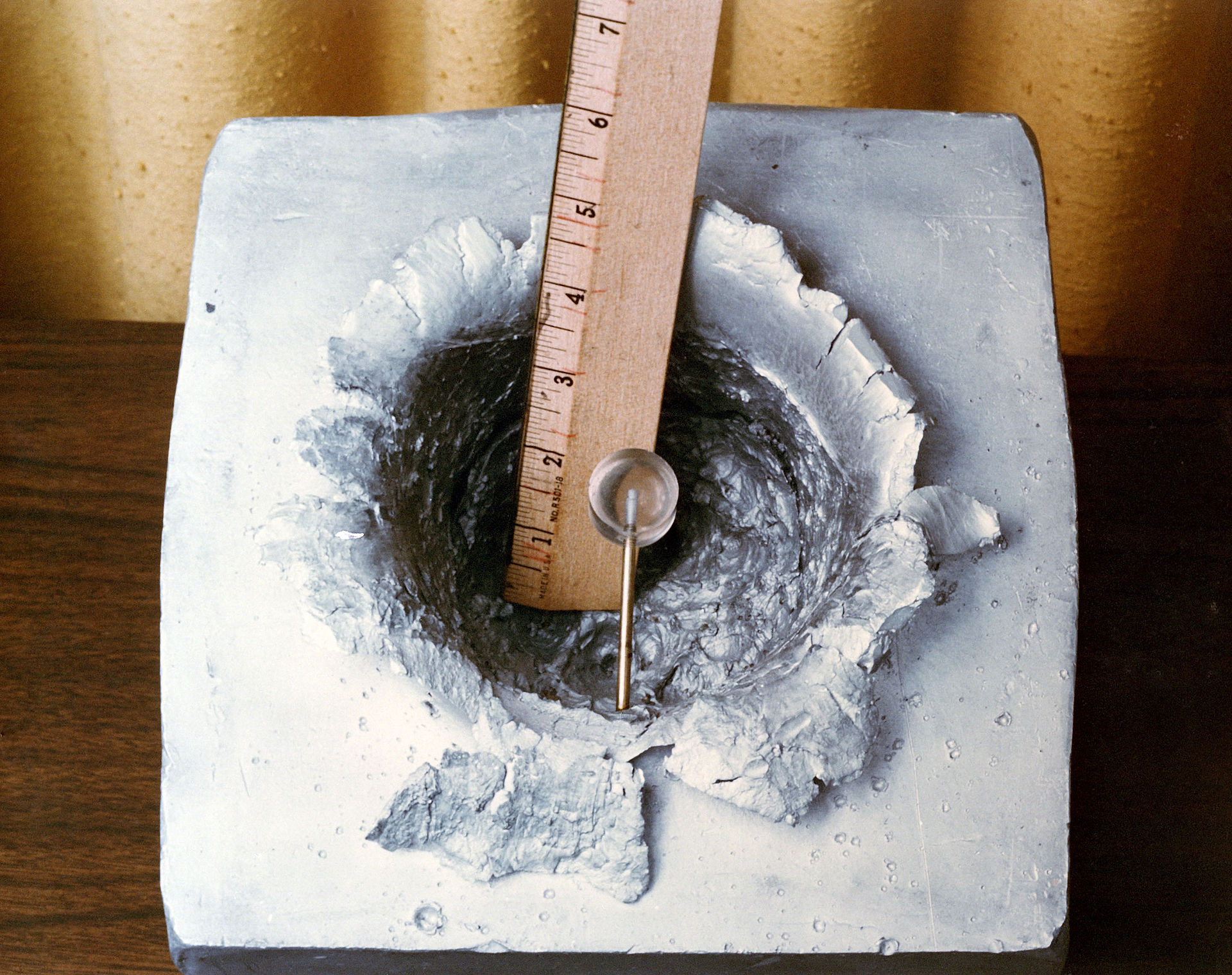
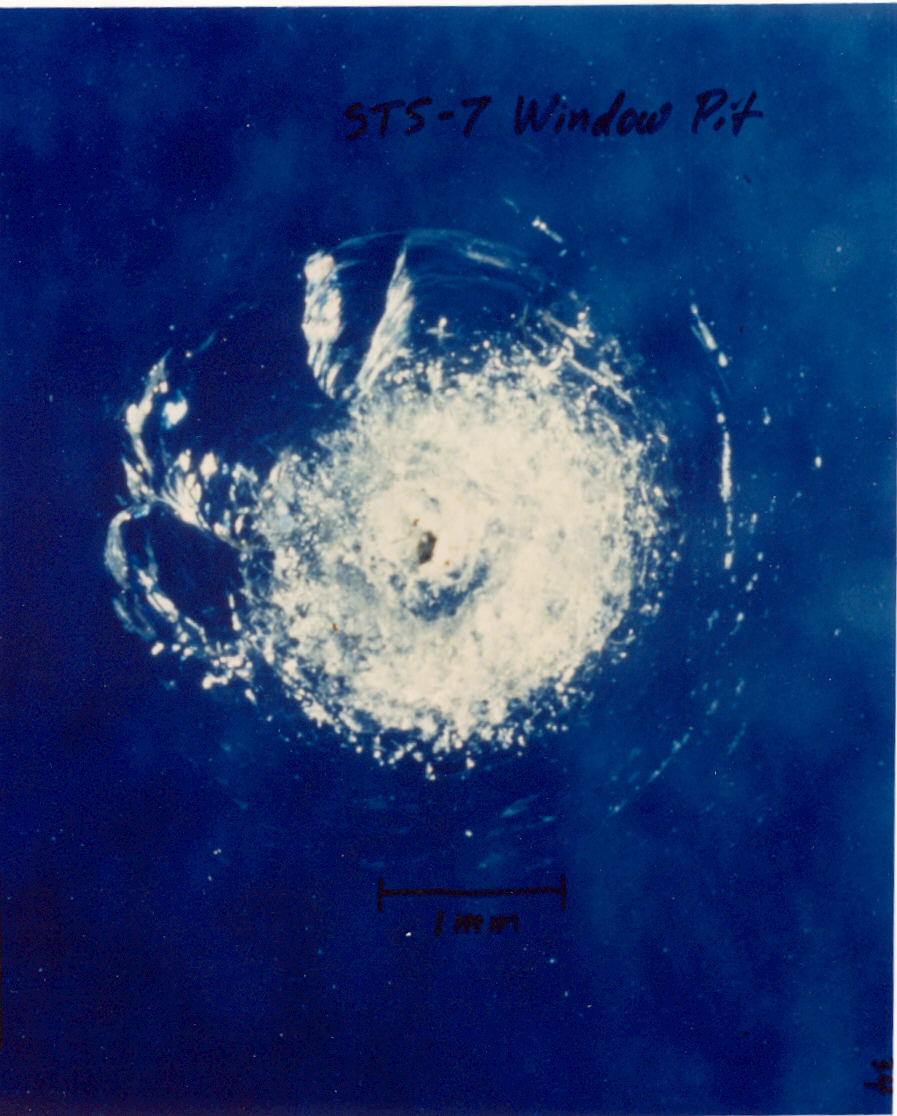
Since the Space Age began in the 1950s, more than 6000 rockets and 12,000 satellites have been launched into orbit around Earth. Many are still there—some active, some not. Besides the 10,000 or so currently active satellites (around 10,000 belonging to Starlink) and 2800 "dead" ones, there are about 36,500 bits of space debris larger than 10 centimetres (4 inches) in size, plus billions of smaller pieces, including dust from rocket motors, frozen droplets of coolant from nuclear-powered satellites and countless flecks of paint from various rocket and satellite parts. Although tiny, these fragments are travelling at up to 8 kilometres (5 miles) per second and could cause severe damage if they hit anything else. In the past, a number of Space Shuttle windows have needed replacing because of the damage caused by high-speed paint flecks. It is these tiniest pieces of debris that represent the highest risk to most spacecraft operating in Low Earth orbit, simply because there are so many of them and that they are untrackable.
Meteoroids, mostly small fragments of asteroids or comets that hurtle across the Solar System, or micrometeoroids, tiny particles weighing less than a gram, rain down on Earth in their millions each day. As they burn up in the atmosphere, we see them as bright streaks of light called meteors or shooting stars. Most of these meteoroids, made of rock and metal, are no bigger than grains of sand, but travel at high speed. Although not classified as space debris, they are also a danger to spacecraft.
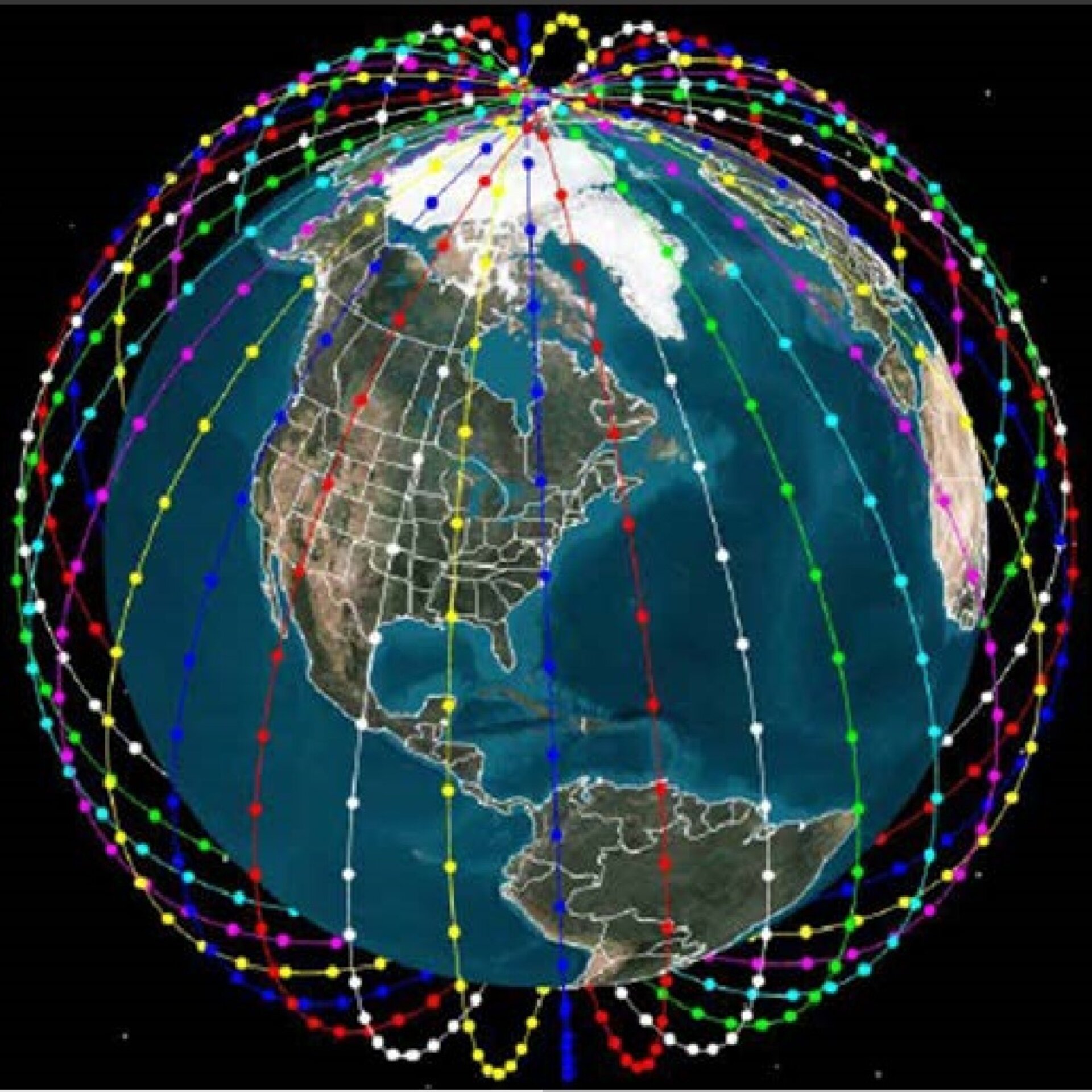
Plans to launch huge groups of satellites, called megaconstellations, to provide global satellite internet coverage, such as SpaceX's Starlink, could mean an additional 50,000 satellites in orbit in the coming decade. This will greatly increase the risk of impacts, which will mean, in turn, that satellites will need to perform more Debris Avoidance Manoeuvres (DAMs) to avoid being damaged or even destroyed.
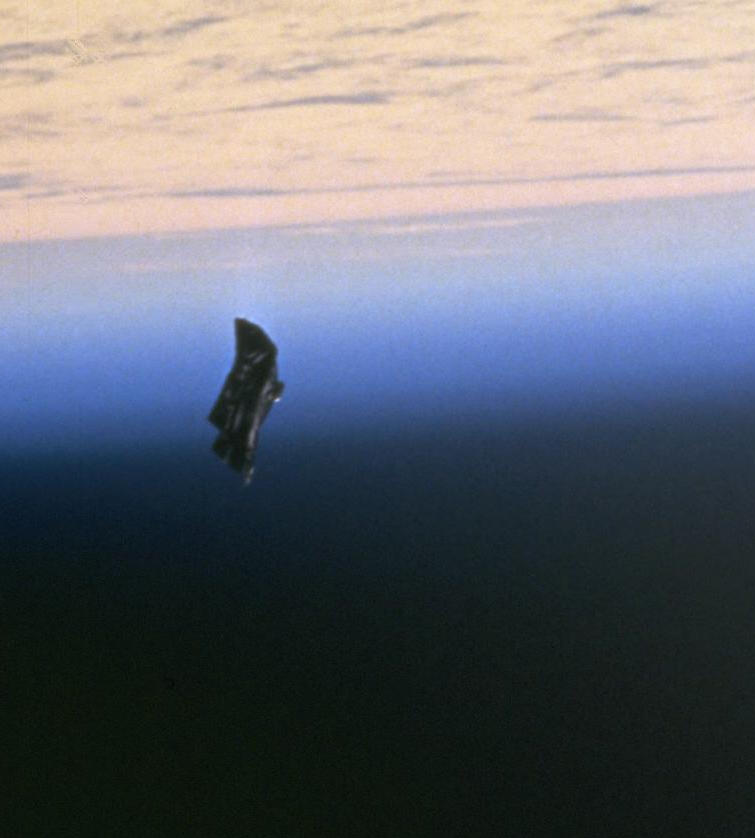
Some satellites in Low Earth orbit—just a few hundred kilometres above Earth's surface—end their active lives and fall towards Earth after a few years. For the most part, they quickly burn up in the atmosphere and never reach the ground. But those satellites orbiting above 1000 kilometres (600 miles) may continue to circle Earth for hundreds or even thousands of years long after they fall out of use.
In June 2024, the inactive Russian Earth observation satellite Resurs-P1 broke up into nearly 200 pieces of debris while in in Low Earth orbit. The break-up may have been caused by leftover fuel onboard causing an explosion. Astronauts on the International Space Station, which occupies a nearby orbit, were forced to take shelter for about an hour in the spacecraft currently docked to the ISS.
Dangers
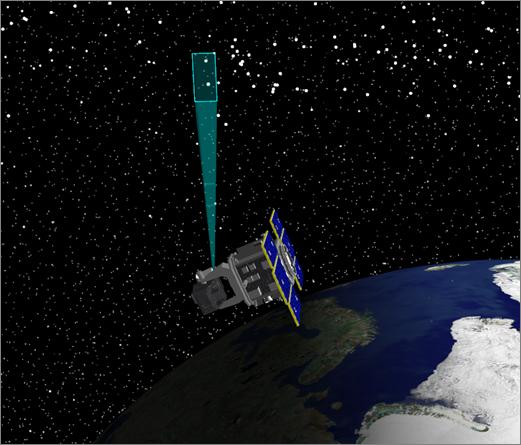
The biggest danger space debris poses is to other satellites. They must move out of the way to avoid being hit, damaged or even destroyed. Hundreds of avoidance manoeuvres are already performed each year, acting on information provided by the Space Surveillance Networks. These are able to track objects with diameters of 10 centimetres (4 inches) or larger travelling in Low Earth orbit.
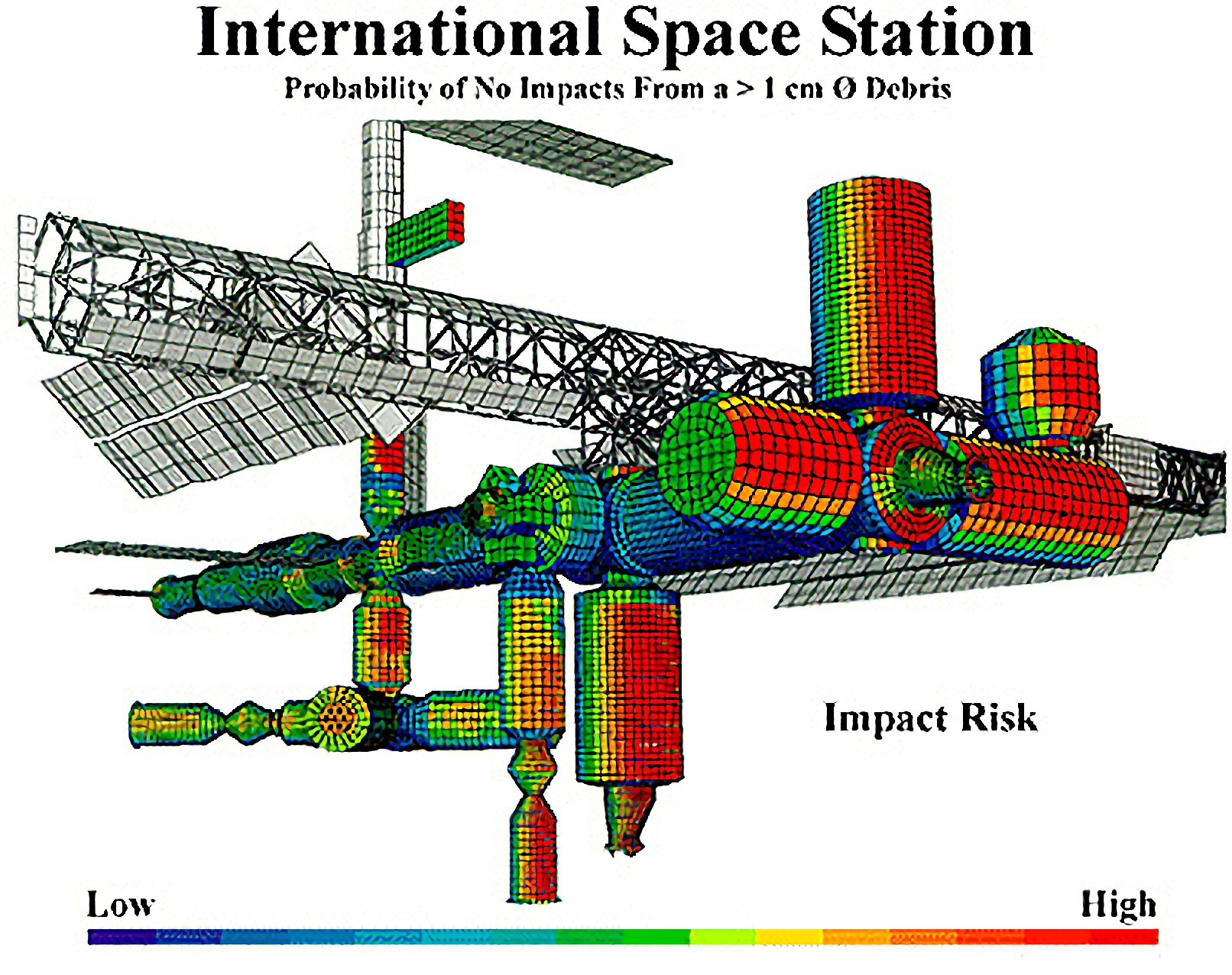
The International Space Station, where seven astronauts are stationed, has carried out 29 Debris Avoidance Manoeuvres since 1999. The station uses its thrusters, or those on one of the docked spacecraft, to shift its position. The latest swerve took place on 30th April 2025, when its thrusters were fired for 3 minutes 33 seconds to avoid collision with a fragment of a Chinese Long March rocket that was launched in 2005. Spacecraft, such as SpaceX's Crew Dragon, which is used to carry astronauts up to the ISS, is also at risk from debris.
Smaller objects are usually too small to track for collision avoidance. Instead, debris shields are effective in withstanding impacts of particles smaller than 1 centimetre (half an inch).
Collisions
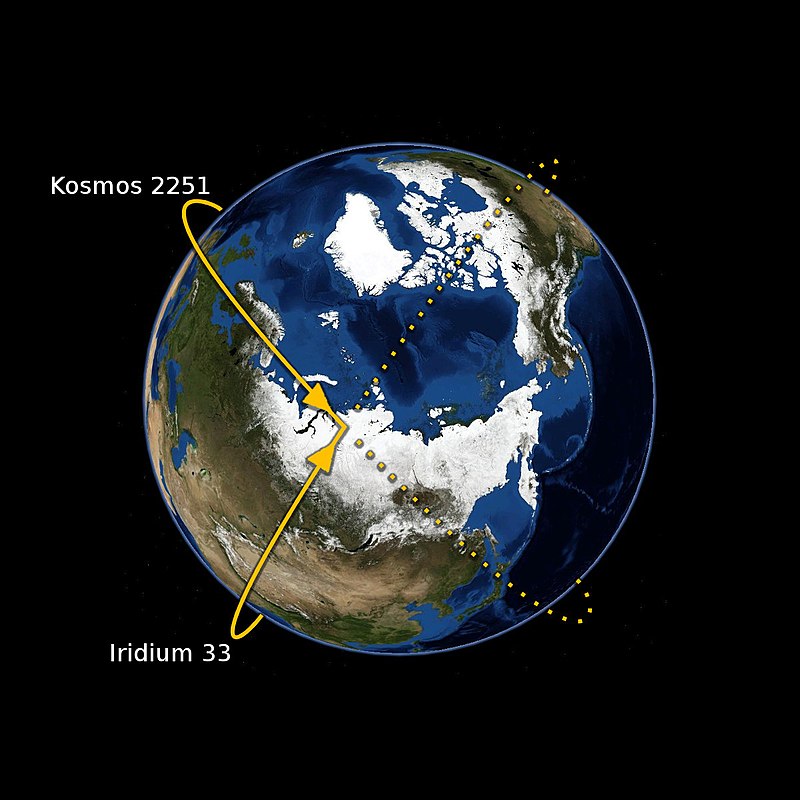
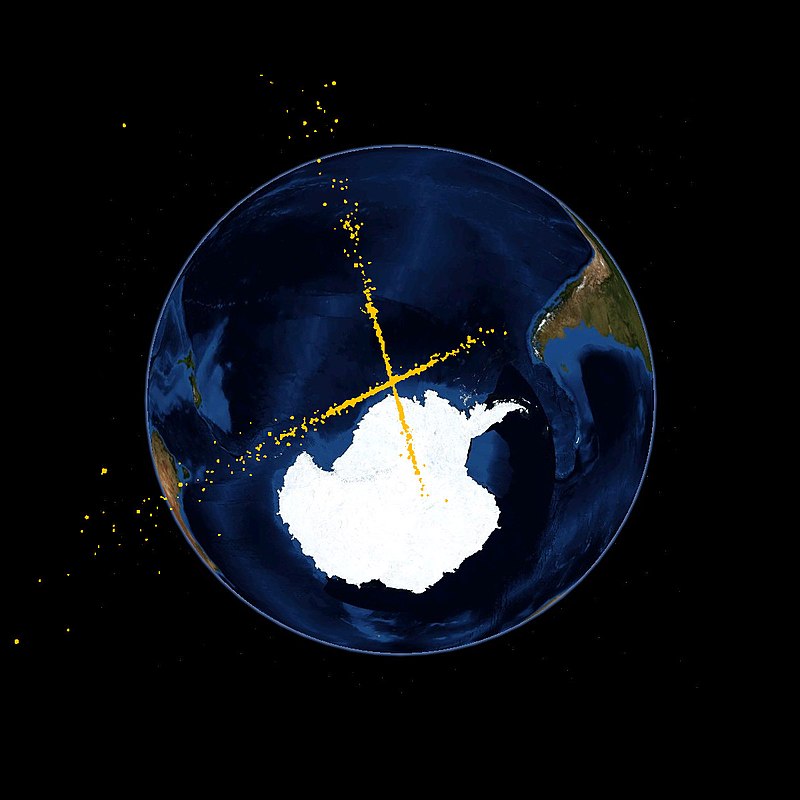
The first collision between two satellites occurred on 10th February 2009. An American communications satellite, Iridium-33, collided with Kosmos 2251, an inactive Russian military communications satellite, at 776 kilometres (482 miles) above northern Siberia. Both spacecraft were destroyed, creating more than 2300 objects trackable by Space Surveillance Networks, along with many more fragments too small to track. Some of these pieces have since re-entered and burned up in Earth's atmosphere, but the vast majority remain in orbit. Fragments from the Iridium and Kosmos satellites, along with Fengyun-1C (see below), together now account for about one half of the mass of all debris in Low Earth orbit.
In March 2021, Yunhai 1-02, a Chinese military satellite launched in 2019 suffered damage after colliding with a piece of debris between 10 and 50 centimetres (4–20 inches) wide from an old Russian Zenit-2 rocket.
While serious collisions between debris and satellites are still rare, they are expected to become the most significant source of space debris in the near future.
Anti-satellite missiles
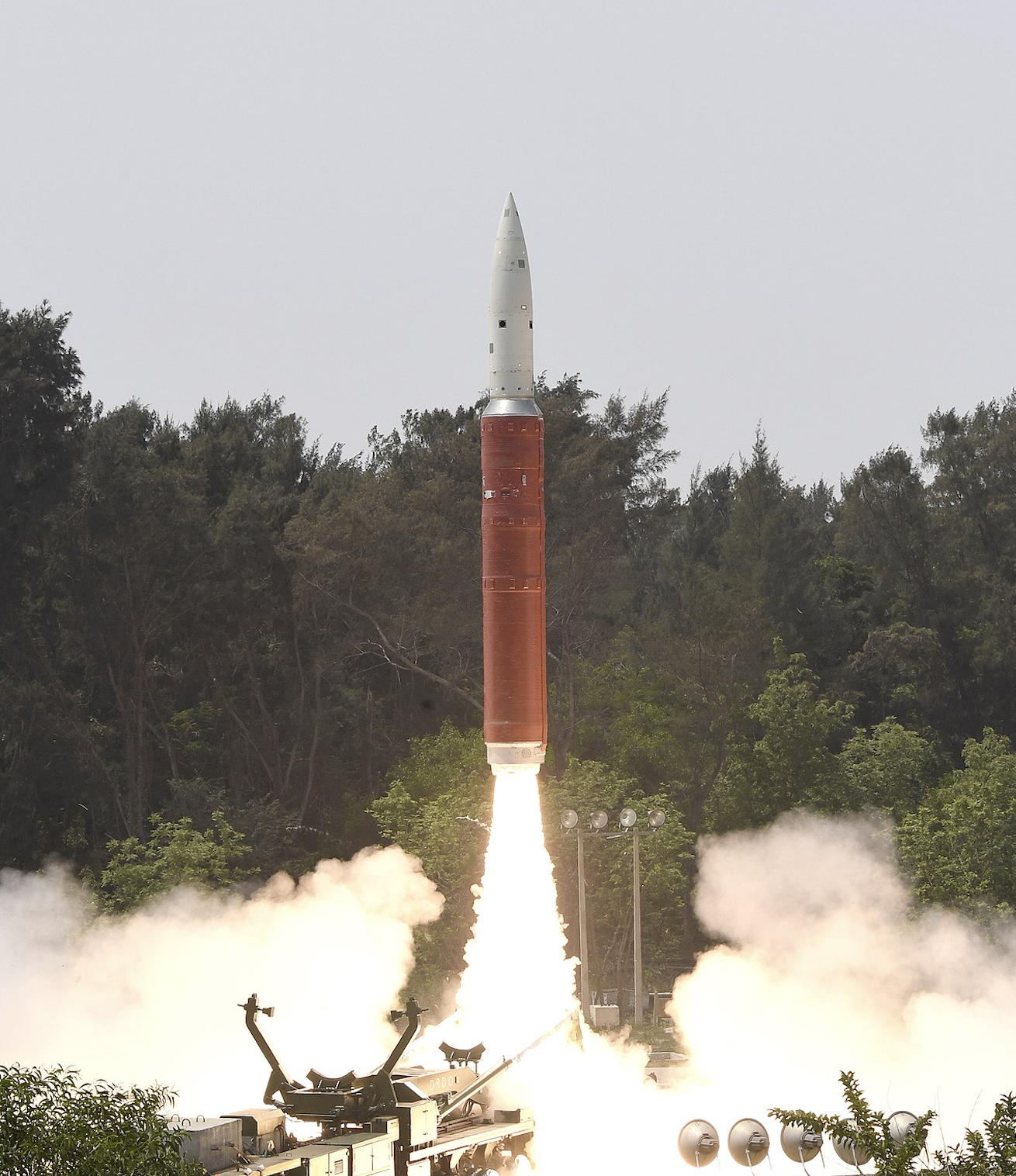
Besides accidental break-ups, the deliberate destruction of satellites by surface-launched missiles is a major contributor to space debris. The most significant event of this kind took place on 11th January 2007 when the Chinese destroyed their Fengyun-1C weather satellite during a test of an anti-satellite system. This created more than 3500 large fragments and many more smaller ones. Within two years, the fragments had spread out from the satellite’s original orbit to form a debris cloud that completely encircled Earth. Fengyun-1C orbited between 850 and 882 kilometres (530–548 miles), a region of space most densely populated by other satellites.
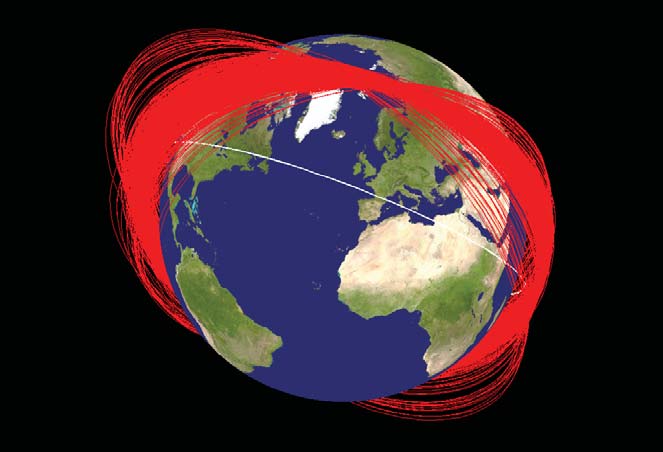
Today, this single event alone accounts for more than 20% of all space debris by mass. The fragments are not expected to re-enter and burn up in the atmosphere for decades. While in orbit, the Fengyun-1C debris represents a danger to other satellites in LEO. On 23rd January 2013, for example, the Russian satellite BLITS experienced a sudden change in its orbit, probably as a result of being struck by a piece of Fengyun-1C debris.
An anti-satellite missile test carried out by Russia on 15th November 2021 destroyed the Kosmos 1408 satellite orbiting at around 450 kilometres (280 miles). This created some 1500 trackable fragments along with a cloud of smaller debris in Low Earth orbit. The debris will pose a danger to the ISS (orbiting at around 400 kilometres or 250 miles) and other spacecraft for years to come.
Kessler Syndrome
In 1978, NASA scientist Donald Kessler predicted if there was too much space debris in orbit, it could set off a chain reaction of collisions: more and more objects collide, creating more, smaller pieces of space debris, leading to more collisions, and so on. This "collisional cascading" scenario is known as the Kessler Syndrome. If it were to occur, Low Earth orbit in particular might soon become unusable—it would be impossible to deliver any new satellites into orbit, nor launch any spacecraft, without setting in train a host of collisions.

A report by the global communications company Viasat published in 2022, expressed serious concerns about the possibility of Kessler Syndrome occurring: “If a tipping point is reached, all of humanity would watch helplessly as space junk multiplies uncontrollably. Without timely intervention, we risk ... trapping humanity on Earth under a layer of its own trash for centuries, or even millennia ... Not only an abrupt end to space exploration, but also the loss of all the benefits of space technology—including navigation, weather forecasting, climate measurements, and even satellite broadband."
Clearing up the debris

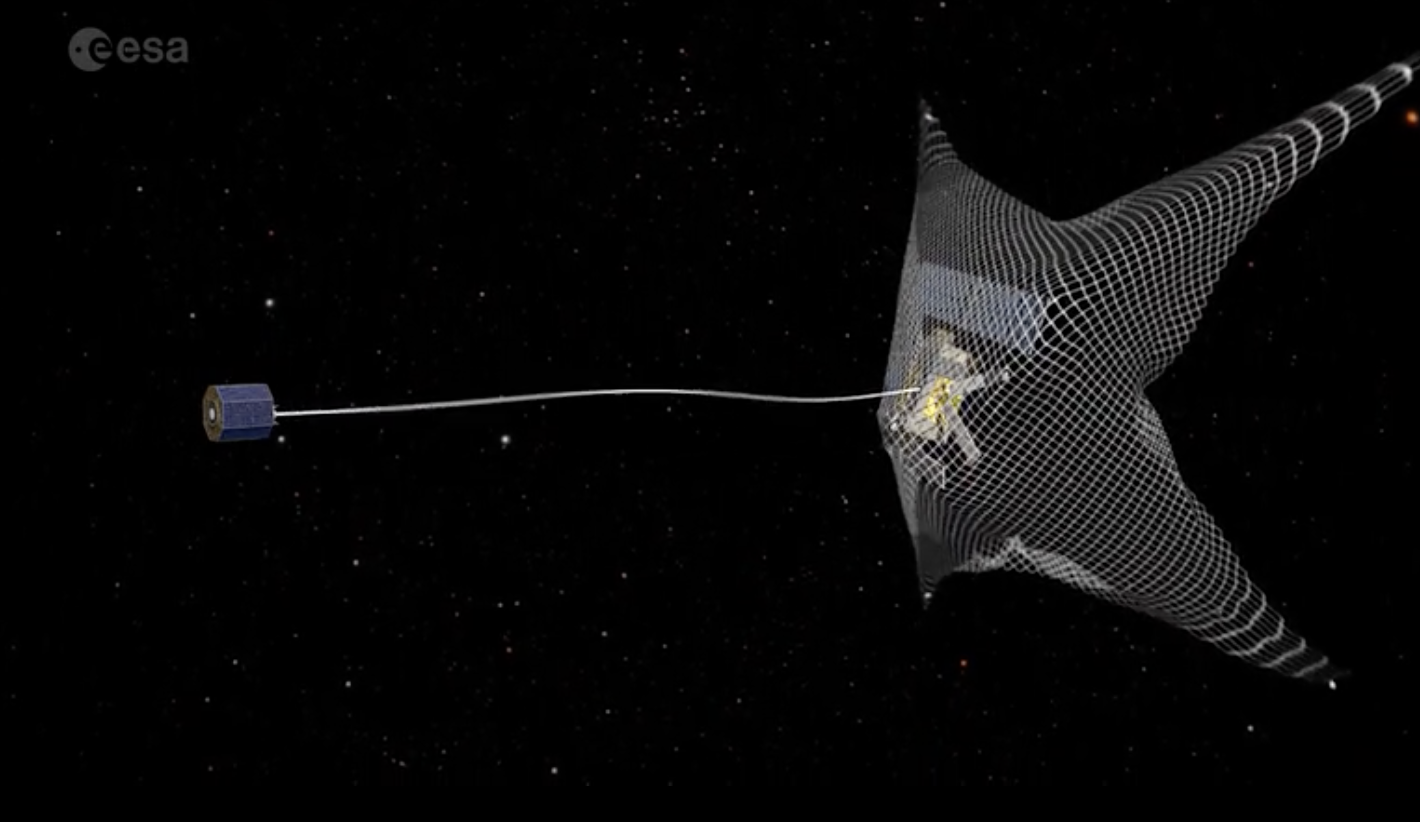
The removal of inactive or "dead" satellites could significantly reduce the risk of collisions in future. Removal could be done by grabbing the satellites while they are still in orbit—using harpoons, magnets or huge nets—and dragging them down into the atmosphere, where they would burn up. Another method is to direct a laser based on Earth (called a "laser broom") at pieces of space debris, causing them to vaporize (turn into hot gas). Laser brooms could deal with objects in the 1 to 10 centimetre range—not large, intact satellites or the myriad of smaller pieces of debris such as paint flakes or small fragments of metal.
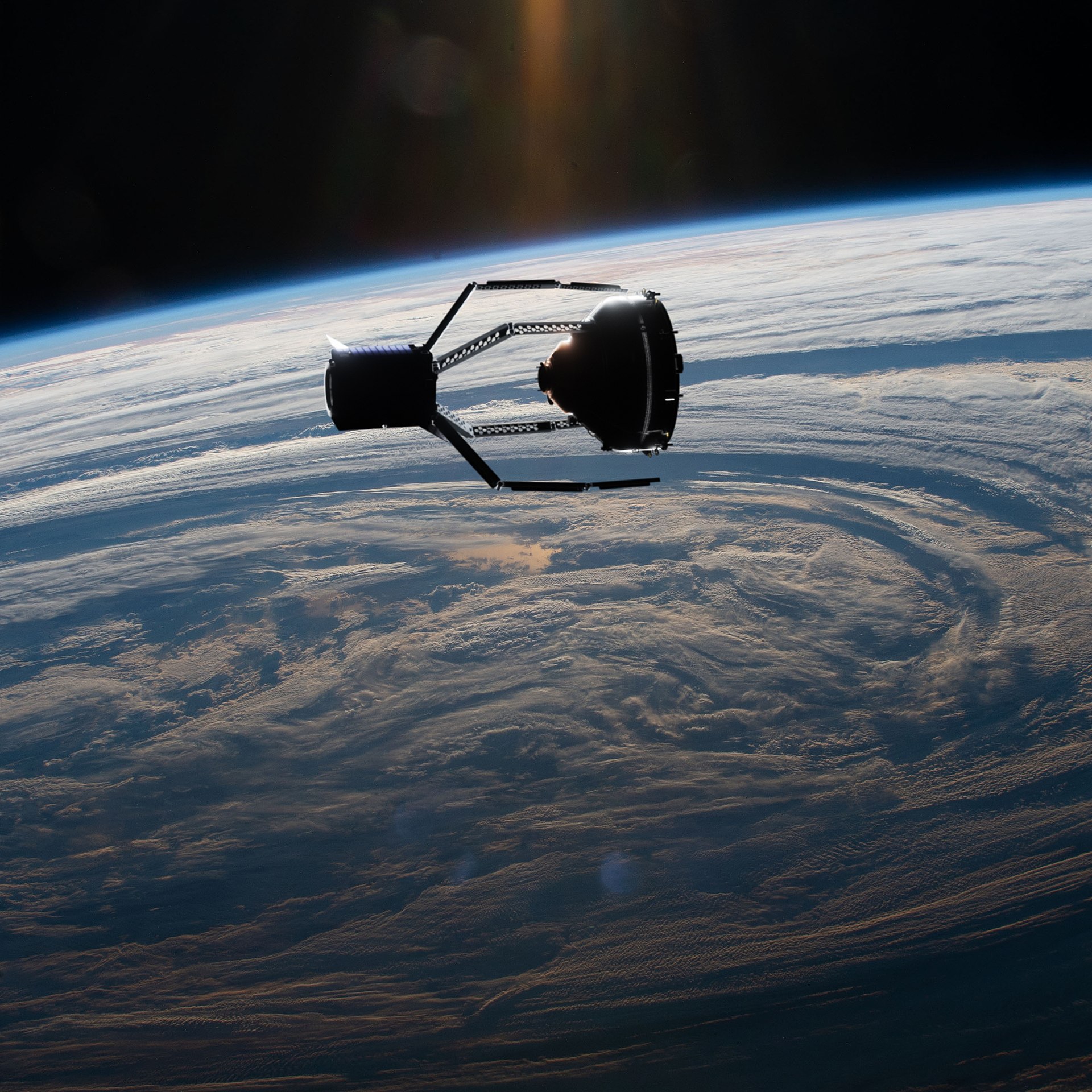
Space agencies have looked at other ways to stop debris building up. Burning up all the fuel in a rocket stage so it does not explode later would stop much of the debris appearing in the first place. To avoid potential collisions, satellites in geostationary orbit that are near the end of their active lives can be moved to a “graveyard” orbit 300 kilometres (200 miles) higher and away from the orbital paths of active satellites.
Consultant: Mike Goldsmith
pics
Without in any way limiting Q-files Ltd’s exclusive rights under copyright, any use of this publication to “train” generative artificial intelligence (AI) technologies to generate text is expressly prohibited. Q-files Ltd reserves all rights to license use of this work for generative AI training and development of machine learning language models.