
Environment

CITE
We have made every effort to follow citation style rules, but there may be some minor differences. If in doubt, please refer to the appropriate citation style manual.
Halting global warming. (2026). In Q-files Encyclopedia, Geography, Environment. Retrieved from
https://www.q-files.com/geography/environment/halting-global-warming
"Halting global warming." Geography, Environment, Q-files Encyclopedia, 1 Apr. 2026.
https://www.q-files.com/geography/environment/halting-global-warming.
Accessed 21 Sep. 2026.
Halting global warming 2026. Geography, Environment. Retrieved 21 September 2026, from
https://www.q-files.com/geography/environment/halting-global-warming
Geography, Environment, s.v. "Halting global warming," accessed September 21, 2026.
https://www.q-files.com/geography/environment/halting-global-warming


Halting global warming
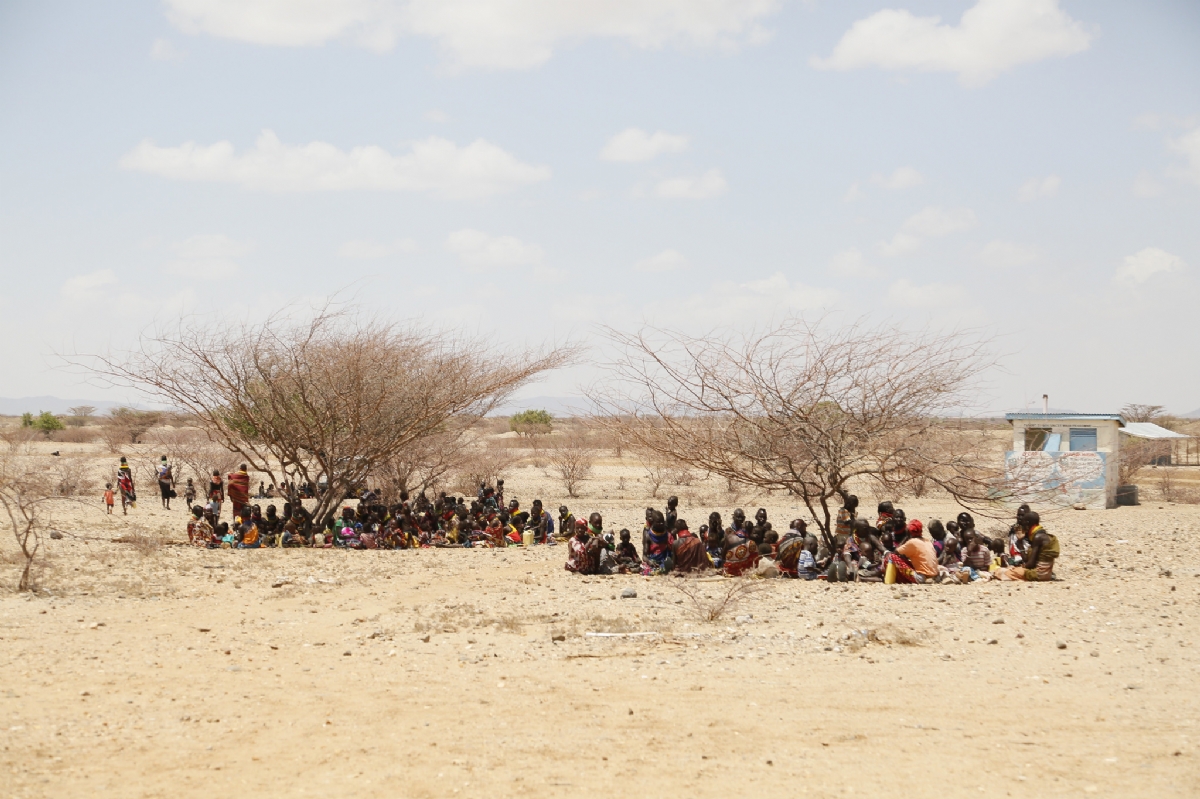
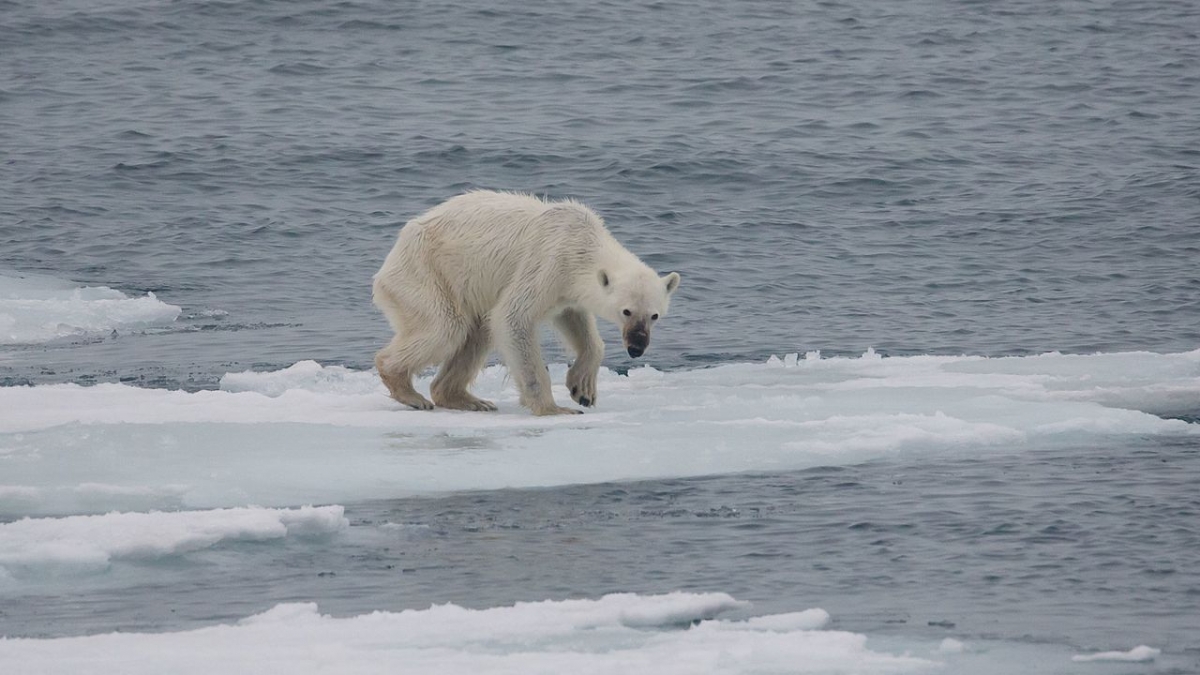
Global warming has become an urgent issue. The Intergovernmental Panel on Climate Change (IPCC) has warned of serious consequences for the planet if global average temperature rises by more than 1.5°C (2.5°F) above pre-industrial levels (those recorded in 1850s, before most of the world became industralized. This may not seem very much at all, but the increase that has already occurred—about 1.18°C—is having a major impact, with torrential storms, heatwaves and wildfires becoming much more frequent. The higher temperatures climb, the greater the risk of polar ice sheets melting. This would trigger a sea level rise of several metres, enough to flood coastal regions across the world. Scientists fear that a "tipping point" will be reached when global warming starts to accelerate of its own accord. We know beyond doubt that human activity, through the rapid increase in carbon dioxide emissions, is the cause of global warming. What, then, can we do to halt it?
Updated 20th January 2025

Greenhouse gases

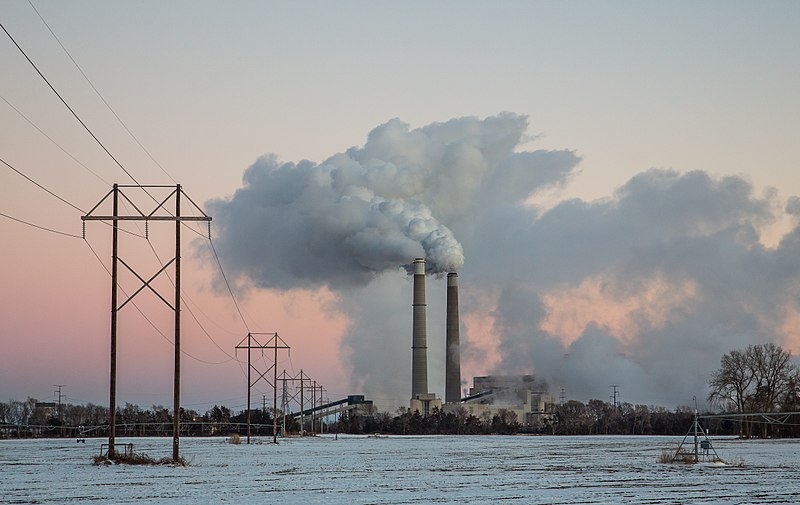
Certain gases in the atmosphere, such as carbon dioxide (CO2) and methane, prevent some of the Sun's heat from radiating back into space, warming the planet's surface. They are known as greenhouse gases, because they act in a similar way to the glass in a garden greenhouse, keeping it warm inside. In fact, natural levels of greenhouse gases are essential to life on Earth. If they were not present, our planet would have an average temperature of -30°C (-22°F).
But the development of modern industry is altering that natural balance. Power stations, aircraft and vehicles, all of which burn fossil fuels (coal, oil and gas), emit extra CO2 into the air. Farm animals, such as cattle and sheep, give off methane. These extra greenhouse gases cause the temperature of the planet to rise rapidly. We call this global warming.
How fast are emissions rising?
Fossil fuel burning, cutting down forests (which naturally absorb CO2 in the air) and even the production of cement have all contributed to the estimated 70% rise in global greenhouse gas emissions due to human activities between 1970 and 2004.
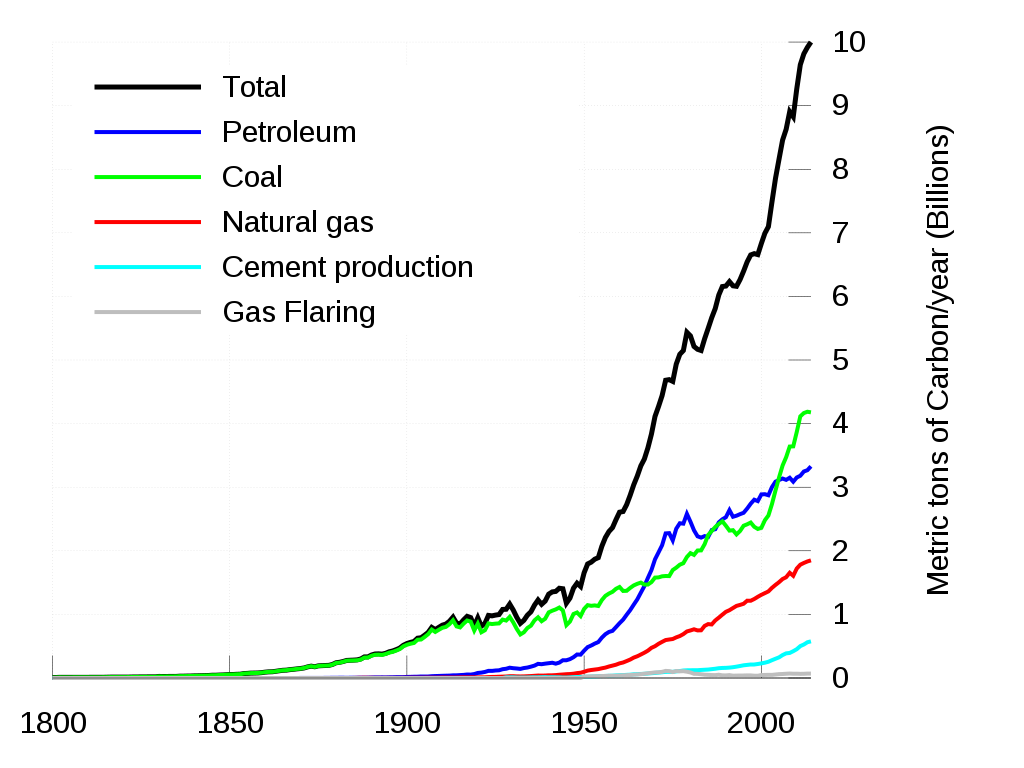
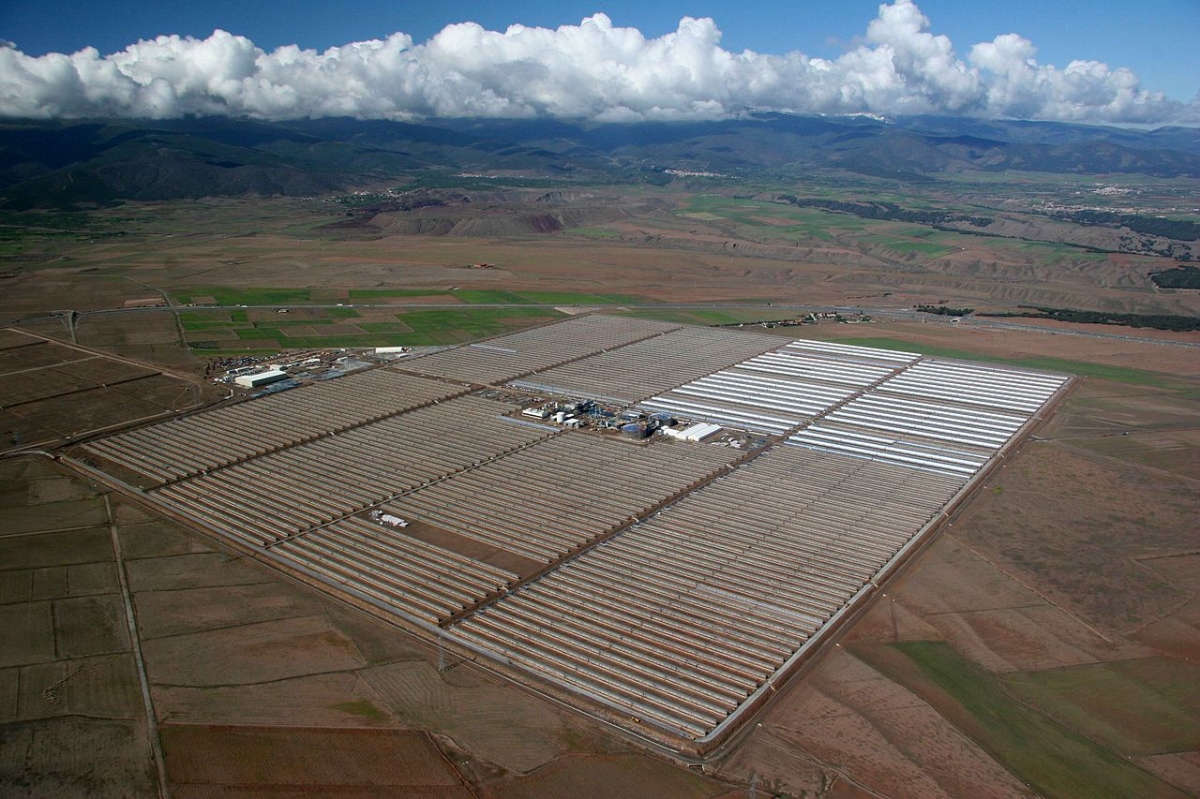
Aware of the harmful consequences of climate change, some countries have now begun to take steps to reduce carbon emissions. Fossil fuel power plants have closed down, while wind farms, geothermal energy, solar energy and hydro-electric power plants have been opened in their place. CO2 emissions have continued their relentless rise however, with the US, China and India major contributors.
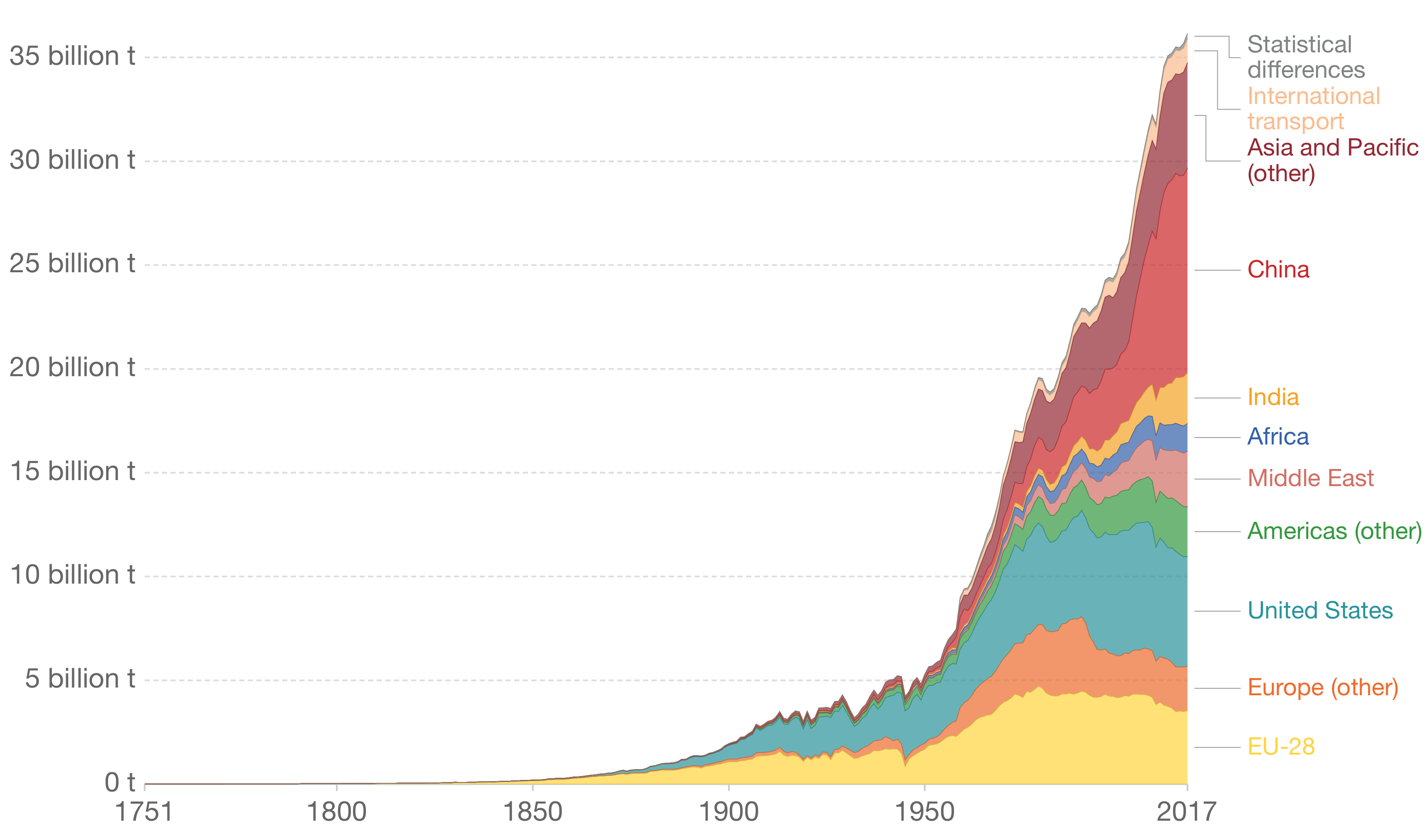
In 2013, the daily level of CO2 in the atmosphere rose above 400 parts per million for the first time in human history. In 1750, before industrialization began, that figure was 280 ppm. By 2024, it had already risen to 423.6 ppm.
We know that CO2 lingers in the atmosphere for hundreds of years, and the planet takes a while to respond to warming. So even if we stopped emitting all CO2 today, global warming would continue to affect future generations.

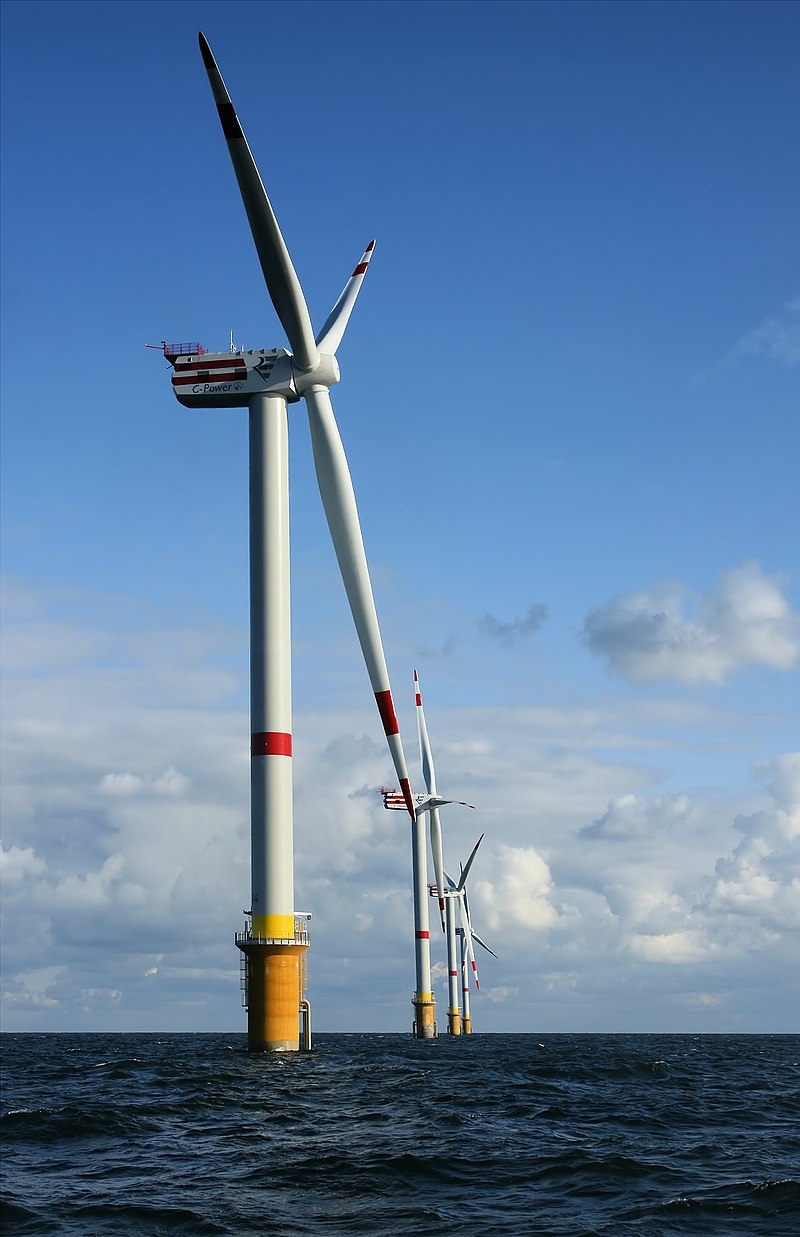
How can we reduce carbon emissions?
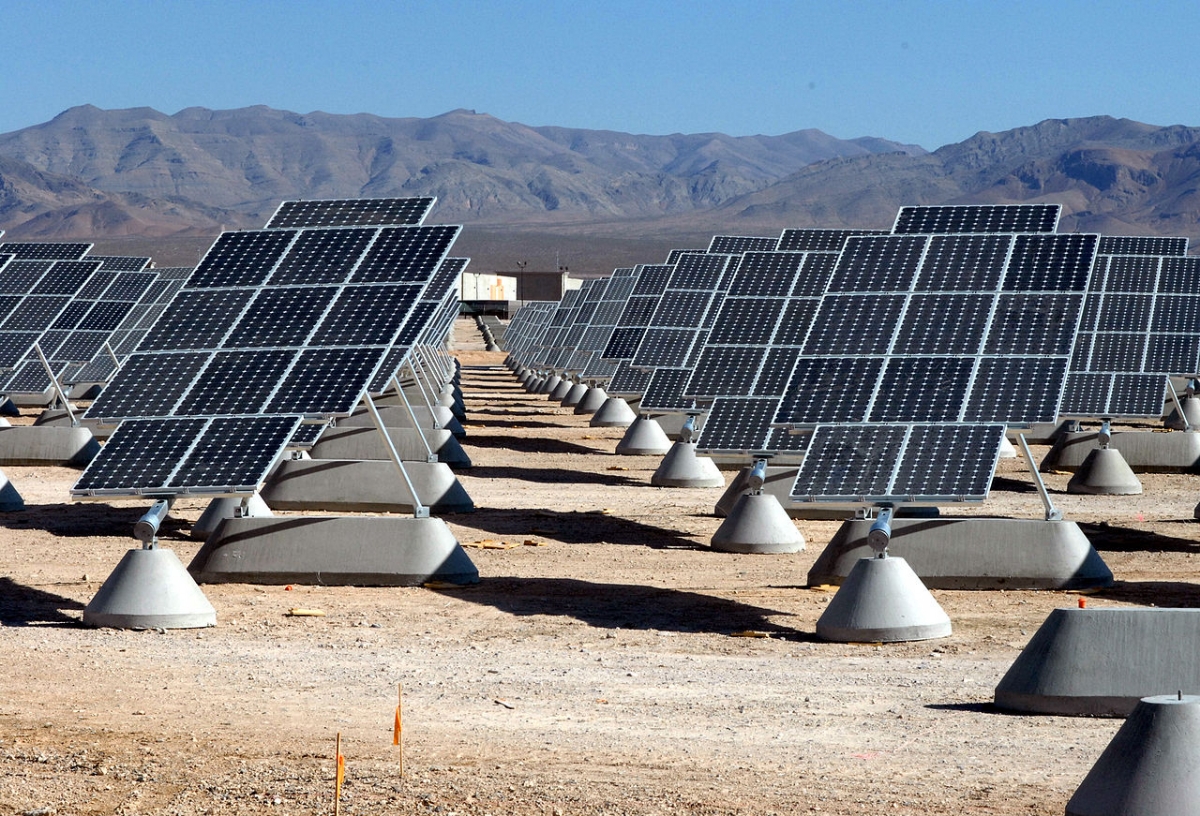
Efforts to reduce greenhouse gas emissions are known as decarbonization. "Clean energy" sources, including renewables such as wind, waves, tides, solar and geothermal, along with nuclear power, do not emit CO2. Switching to them thus contributes significantly to decarbonization.
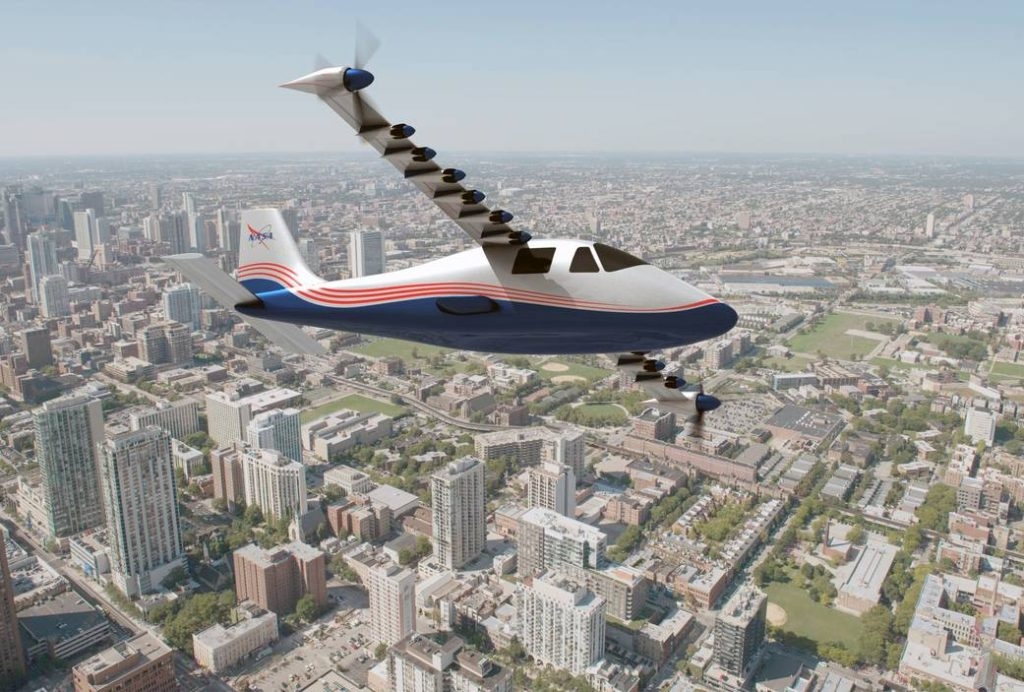
Many forms of transport, including road vehicles, ships and planes, rely on fossil fuels to power them. Replacing them with battery-powered versions will also speed up decarbonization—so long as the electricity they use is itself generated by clean energy.
Maximizing energy efficiency, for example, through energy-efficient building design, "smart" electricity grids and capturing waste heat from engines and machines, could all help with decarbonization.
Changes in lifestyle will be needed, too. For example, eating food that does not need to be transported long distances or which is not derived from farm animals will help with decarbonization. Travel by electric car or train and cutting out long-distance travel by plane will also become essential.

How can we reduce methane emissions?
Although the presence of methane in the atmosphere is tiny (around 1.8 parts per million), the gas is a very effective absorber of heat, estimated to be more than 80 times as powerful as CO2, 20 years after its release into the atmosphere. Methane accounts for about 25% of the heating effects of all of the greenhouse gases combined. Emissions have increased by between 8 to 10% in the 2000s. The rapid rise may be due to global warming driving more natural methane production in wetlands. This makes cutting human-caused methane emissions an urgent priority.
A scheme to cut 30% of methane emissions by 2030 was agreed at Cop26 by some 150 countries—but not by China, Russia and India, among the biggest emitters.
Decomposing waste is responsible for about 20% of human-caused methane emissions. Leaks from fossil fuel operations (coal mines and oil and gas drilling) account for 40% of emissions—many of which could be easily fixed with existing technology—while cattle and rice paddies are responsible for the other 40% of emissions.


Landfills emit methane when organic waste such as food, wood, card, paper and garden waste decompose in the absence of oxygen. About 40% of the world’s waste still goes to unmanaged dumps. It is feared emissions from these could double by 2050 as urban populations grow.

Emissions from landfills can be reduced by ensuring less organic waste accumulates there in the first place, and by capturing some of the methane that is being released and converting it to fuel—helping to meet a country's energy needs. Burning converts methane to CO2, a much less powerful greenhouse gas. Simply covering the landfill with soil is a cheap and effective solution. Microbes in the soil convert methane into CO2, causing it to lose almost all of its greenhouse impact. Cleaning up landfills would also end the fires that regularly break out and reduce the serious air and water pollution they cause.
Hydrogen power
Hydrogen is a common, flammable gas. Burning it releases no CO2 into the atmosphere, meaning it can be considered a clean fuel. Fuel cells, kinds of battery, create electricity through a reaction between hydrogen and oxygen, and can be used to power cars, trains and other forms of transport. Could hydrogen replace fossil fuels?
Hydrogen, however, does not occur naturally. Nearly all hydrogen is produced from natural gas using a process called steam reforming. Because fossil fuels are used in its production, using hydrogen as a fuel would still create CO2 emissions. Electricity from renewable or nuclear resources must therefore first be achieved before hydrogen can become a useful clean fuel.

Is "zero carbon" possible?
Effective techniques for zero emissions—including the decarbonization of energy, vehicle electrification and other measures—are already available and in use. And the results in some countries are looking promising: in 2019, 39% of UK electricity was generated by oil, coal and gas power stations (down from 62.5% in 2013), while renewables provided 40% (up from 14.9% in 2013) of electricity generated.
But there are other sources of CO2 that are less easy to eliminate from everyday life. Gas boilers are in common use in many homes in wealthy countries. The manufacture of cement—part of concrete, an essential construction material—involves breaking down limestone to obtain calcium oxide. This process releases vast amounts of CO2: about 8% of current global emissions. The manufacturing process of many other products involves the release of at least small amounts of CO2.
It is possible to use batteries to power small planes for short distances, but for transatlantic flights liquid fossil fuels will still be needed: no alternative has yet been invented. Raising cows and sheep for their meat, milk and hides or wool has a major impact on emission levels, and ridding the planet of them would have a huge impact on livelihoods.
For these reasons, scientists say it will simply not be possible to reduce CO2 emissions to zero in the next 30 years. To compensate for this failure to achieve zero carbon, methods will be needed to take CO2 out of the atmosphere instead. Zero net carbon emissions, called carbon neutrality or net zero, can be realistically achieved by 2050 by balancing the amount of carbon emitted with the same amount taken out of the atmosphere.

Why has a 1.5°C target been set?
The Special Report on Global Warming of 1.5°C was published by the IPCC on 8th October 2018. Its key finding is that meeting a target of an increase in global average temperatures to 1.5°C (2.7°F) above pre-industrial levels was possible, but would require "deep emissions reductions" and "rapid, far-reaching and unprecedented changes in all aspects of society."
The report found that a 2°C temperature increase—the aim of the Paris Agreement, signed in 2016—would significantly increase extreme weather, the loss of sea ice, the pace at which ice sheets melted, coral bleaching and the damage to ecosystems. For global warming to be limited to 1.5°C, "Global net human-caused emissions of CO2 would have to fall by about 45% from 2010 levels by 2030, reaching net zero by 2050." This means that by 2050, any greenhouse gases we release into the atmosphere must be balanced by the removal of an equivalent amount from the atmosphere.
How can we remove carbon emissions?
Achieving net zero emissions, or carbon neutrality, by 2050 would mean deep decarbonization (reducing carbon emissions, see above) combined with efforts to draw down CO2 from the atmosphere, known as "negative emissions".
Plants absorb CO2 naturally as part of the photosynthesis process; forests do this on such a grand scale they are known as carbon sinks. Protecting existing forests, and growing (or re-growing) new ones, are low-cost, low-tech negative emission methods.
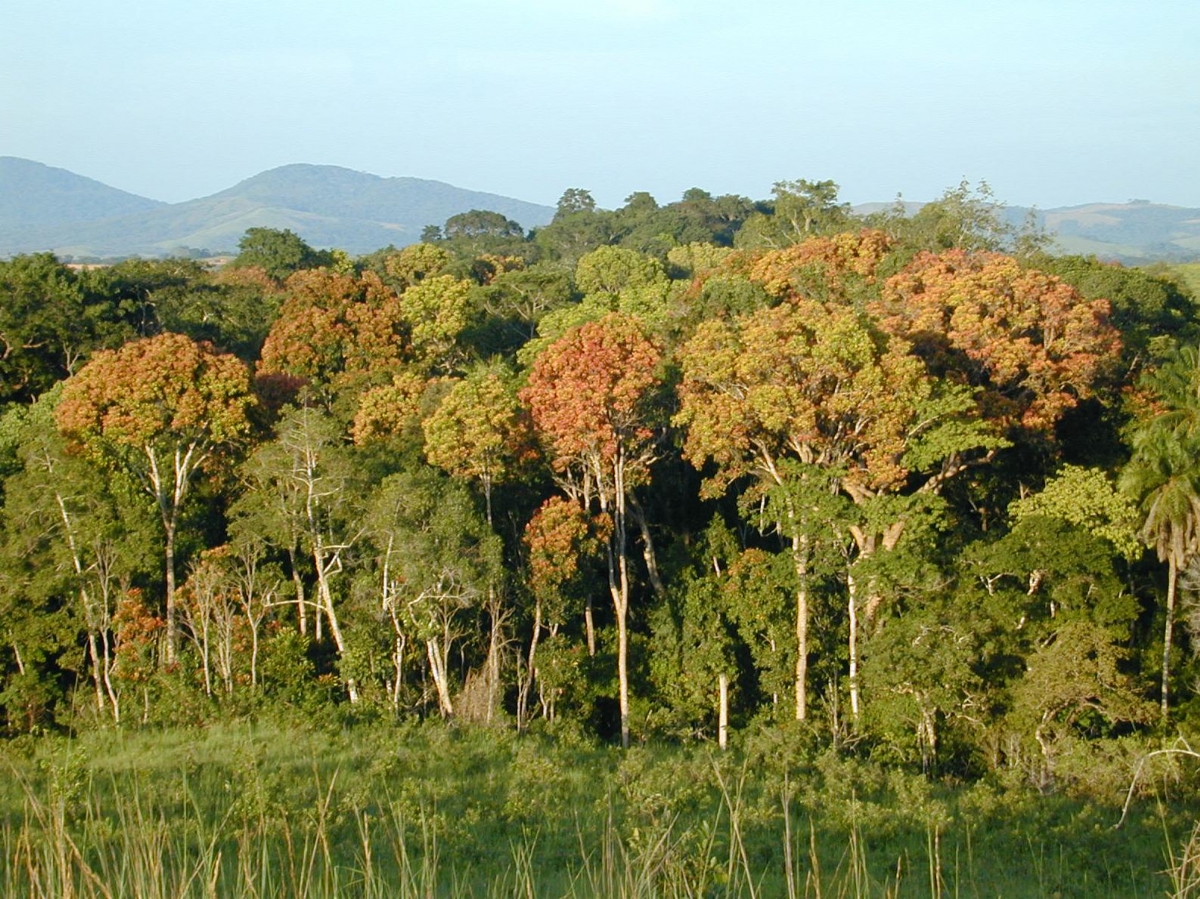

New technologies to remove CO2 emissions from the atmosphere are being developed. Using a method called carbon capture and storage (CCS), CO2 is filtered out of a power station's flue gases using a solvent as the gases rise out of the smokestack. The CO2 is then pumped along a pipeline to an underground storage site, such as an old oil or gas reservoir. CO2 is allowed to seep into the spaces in porous rocks while overlying rocks form a seal, keeping the gas contained and unable to leak into the atmosphere.

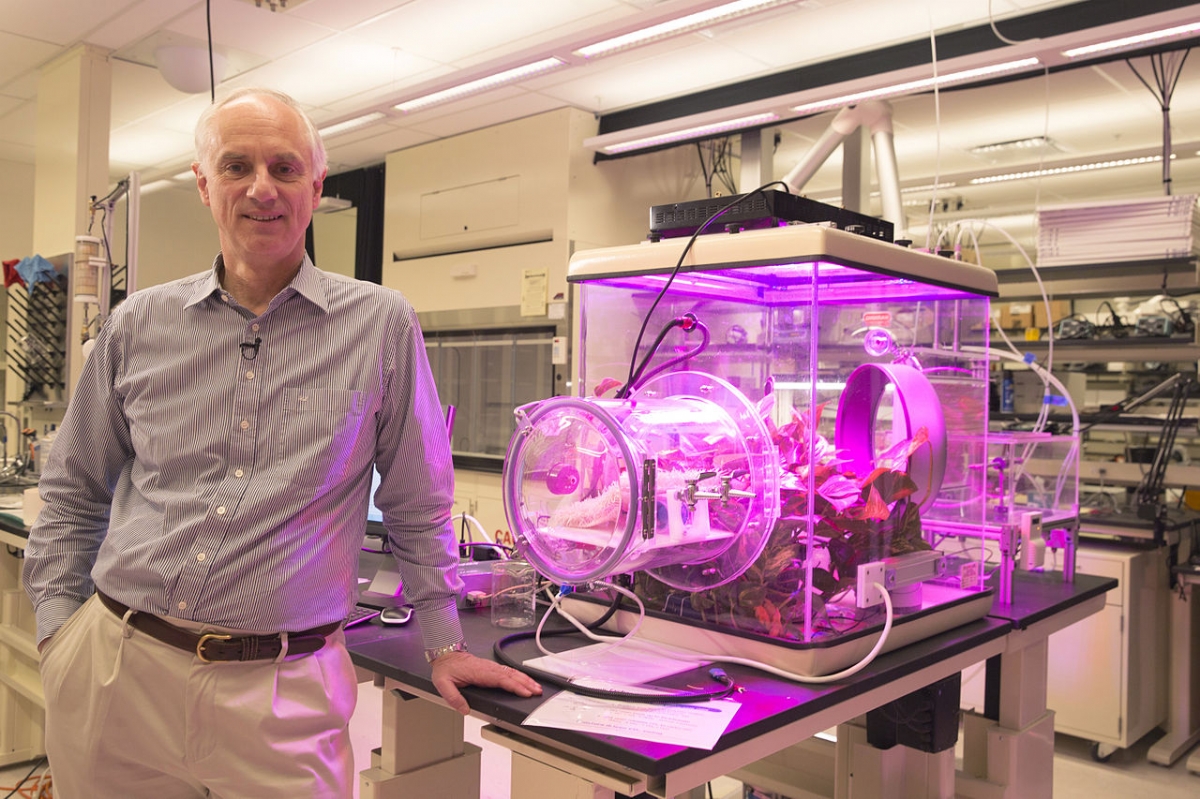
Direct air capture (DAC) uses man-made air filters to trap CO2 straight from the air, rather than from a power plant source. This is also called carbon dioxide scrubbing. The creator of this technology, Klaus Lackner, sees his carbon dioxide scrubbers as "artificial trees" dotting the landscape.
CO2 emissions are bound to continue, so CCS and DAC are useful methods of dealing with them. However, both technologies are expensive and consume vast amounts of energy.
How soon can we achieve net zero?
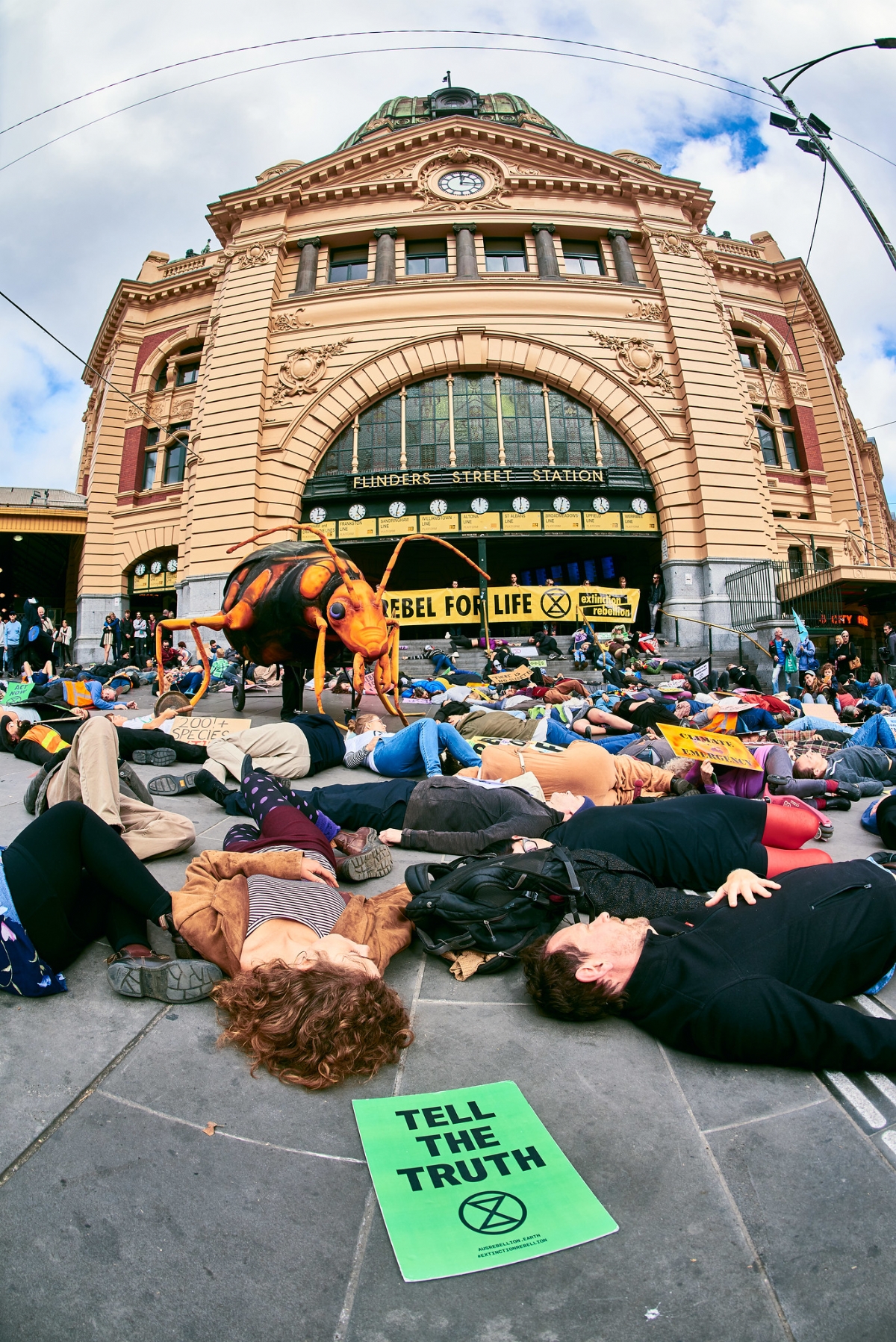
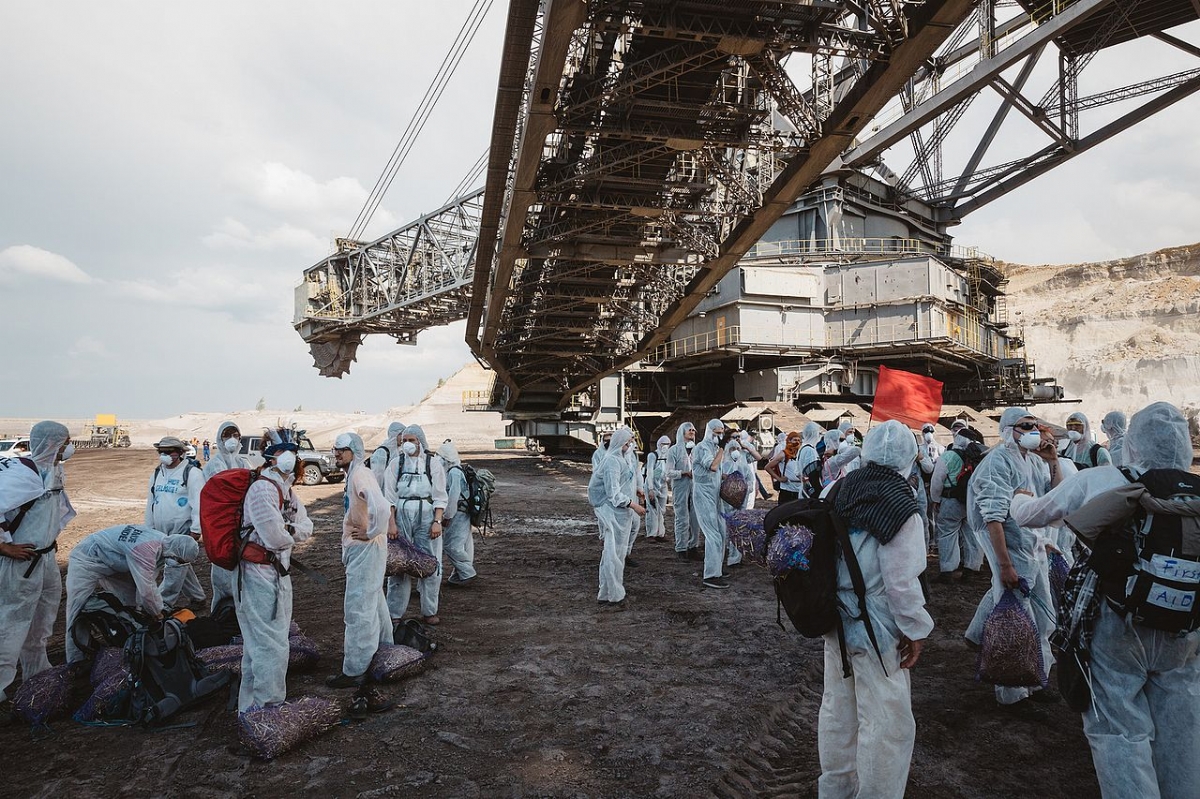
Protest movements argue that wealthy countries must cut carbon emissions to zero without delay. Only widespread and rapid intervention can save us from climate catastrophe, they say. To achieve this goal would mean drastic reduction in travel by car or plane, major changes in food production, the immediate construction of thousands of wind farms and solar plants—and, above all, the immediate end to the burning of fossil fuels.
Many scientists and policy-makers argue that such measures are completely impracticable, with the extremely high costs and rapid changes in lifestyle either impracticable or unpopular. To keep global warming to no more than 1.5°C, as called for in the Paris Agreement, emissions need to be reduced by 45% by 2030 and reach net zero by 2050.
Carbon offset

By a scheme known as carbon offset, businesses in wealthy countries that find it costly or impractical to cut their emissions can instead fund emissions reduction projects in developing nations. For this they receive what are called carbon credits, which permit them to continue to produce carbon and declare their products are "carbon neutral". Many are projects that prevent greenhouse gases from being released from deforestation or fossil fuels, but do not actually remove carbon from the atmosphere. Known as "avoided-emission projects", rainforest protection programmes make up a significant proportion of carbon offsets. Carbon credits are awarded for keeping areas of forest standing that would otherwise be cut down (known as "additionality").
Although this is a way of achieving net carbon emission targets in the short term—and helps developing nations build their economies without increasing the burning of fossil fuels—critics say that carbon offsetting does not actually lower global CO2 emissions. It simply puts more pressure on negative emission programmes or technologies to balance these out. In many cases, there is little evidence that meaningful reduction in deforestation has occurred, especially in the Amazon rainforest where illegal logging is widespread.
Consultant: Ian Fairchild
pics

Without in any way limiting Q-files Ltd’s exclusive rights under copyright, any use of this publication to “train” generative artificial intelligence (AI) technologies to generate text is expressly prohibited. Q-files Ltd reserves all rights to license use of this work for generative AI training and development of machine learning language models.