
Q-news

CITE
We have made every effort to follow citation style rules, but there may be some minor differences. If in doubt, please refer to the appropriate citation style manual.
Cutting methane emissions is most effective way to slow global warming. (2022). In Q-files Encyclopedia, , Q-news. Retrieved from
https://www.q-files.com/news/cutting-methane-emissions-is-most-effective-way-to-slow-global-warming
"Cutting methane emissions is most effective way to slow global warming." , Q-news, Q-files Encyclopedia, 10 Feb. 2022.
https://www.q-files.com/news/cutting-methane-emissions-is-most-effective-way-to-slow-global-warming.
Accessed 8 Nov. 2026.
Cutting methane emissions is most effective way to slow global warming 2022. , Q-news. Retrieved 8 November 2026, from
https://www.q-files.com/news/cutting-methane-emissions-is-most-effective-way-to-slow-global-warming
, Q-news, s.v. "Cutting methane emissions is most effective way to slow global warming," accessed November 8, 2026.
https://www.q-files.com/news/cutting-methane-emissions-is-most-effective-way-to-slow-global-warming


Cutting methane emissions is most effective way to slow global warming
In 2020, there was a record rise in the amount of the gas methane in the atmosphere. According to a new report for the United Nations, methane emissions are increasing faster now than at any time since records began nearly 40 years ago. The report's authors, an international team of scientists, are concerned because methane is a powerful greenhouse gas which contributes significantly to global warming. In fact, levels of both methane and carbon dioxide reached record highs last year, despite the economic slowdown caused by the coronavirus pandemic. The report recommends immediate steps to reduce emissions of methane, vital for slowing global warming in the short term. Reducing carbon emissions remains the long-term goal.
19th May 2021


Methane
Like carbon dioxide (CO2), which is also a greenhouse gas, methane traps part of the Sun's heat that would otherwise be radiated back into space, warming the Earth's surface. Although the presence of methane in the atmosphere is tiny (around 1.8 parts per million), the gas is a very effective absorber of heat—more than 25 times greater than CO2. Methane accounts for about 20% of the heating effects of all of the greenhouse gases produced by human activities combined.
Scientists agree that reducing methane emissions is a far easier task than tackling carbon dioxide. According to the report, simply by using existing technologies (which are also low-cost), methane emissions could be reduced by as much as 45%. Achieving this would remove nearly 0.3˚C of global heating by 2045. This would keep the world on track for the Paris Agreement’s goal of limiting the rise in average global temperature to 1.5˚C. This target, seemingly so small, is nevertheless considered to be the threshold to "dangerous" warming. If global temperatures rise by more than that, it is feared the planet could experience the most severe effects of climate change: rising sea levels, worsening droughts and floods, mass extinctions and more.
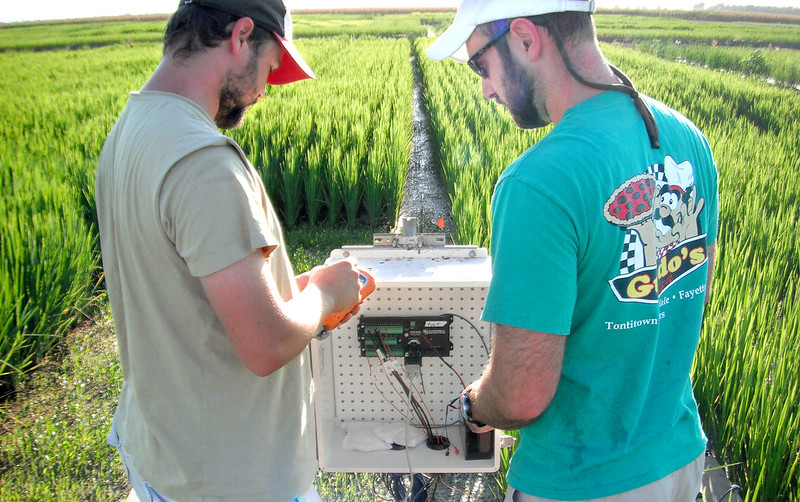

Cutting carbon emissions remains essential to dealing with the climate emergency. Some experts liken the effort of reducing CO2 levels to halting the forward progress of a supertanker—a lengthy process. But lowering methane levels, they say, is like cutting the engine on a speedboat, bringing it to a rapid halt. So, how do we go about it?
Cutting methane emissions
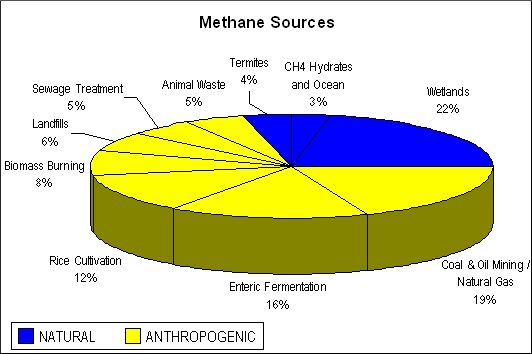
About a third of methane emissions into the atmosphere come from natural sources. These include the decomposition of organic matter by micro-organisms called archaea, found especially in wetlands, and in the digestive processes of animals that eat cellulose, chiefly grazing animals and termites. Methane is also the major ingredient of natural gas, small amounts of which leak into the atmosphere from natural reservoirs under the sea. But most methane emissions come from processes caused by human activity: the fossil fuel industry, cattle rearing, rice cultivation and rotting waste.
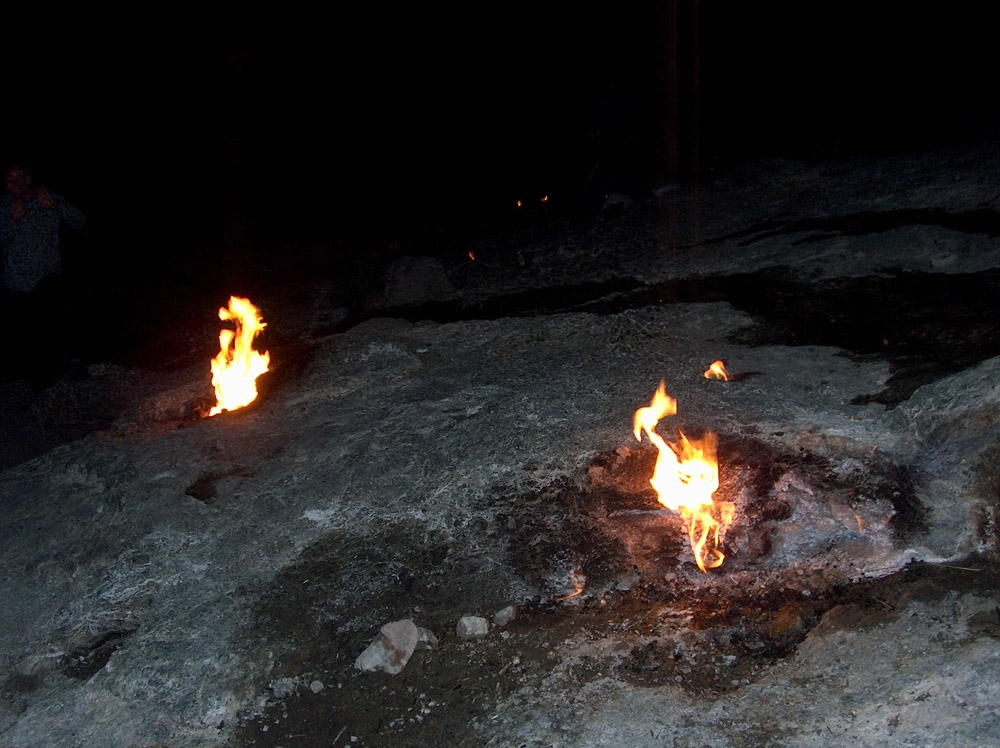
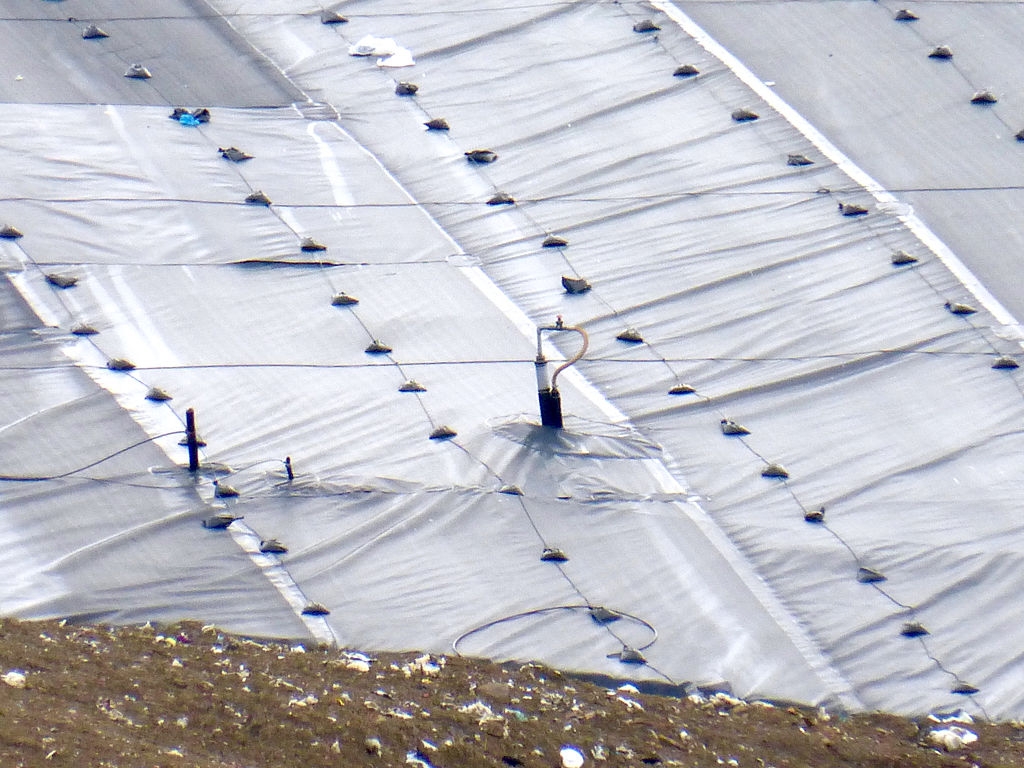
The report found that leaks of methane from fossil fuel drilling sites, coalmines and pipelines produce 36% of total methane emissions. Plugging the leaks could cut as much as 60% of these from this source (and help the operating companies make money) by 2030. Waste dumps and landfill are responsible for another 18% of the total. Reducing the amount of organic waste sent to landfill sites and better sewage treatment could cut about 35% of emissions from this source.

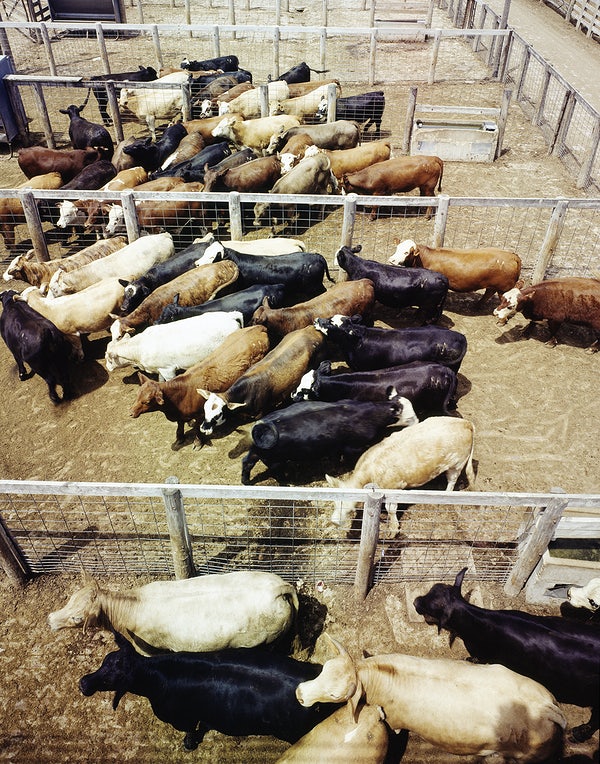
But most human-caused methane emissions, about 42% of the total, come from agriculture, including burping livestock, manure and rice paddy fields. The report foresees only a quarter of emissions being cut from this source over the next decade. Much more could be achieved by a change in our diets (that is, eating less meat and dairy foods), but the report's authors accept that this shift in consumption will probably take longer.
Biological sources
of methane
From analysis of air samples, scientists think the main cause of the recent surge in methane levels is likely to be from biological sources such as wetlands or livestock, rather than oil and gas production. They cannot say, however, exactly which biological source or sources are responsible, although satellite data reveals that methane emissions are rising mostly in the tropics and subtropics of the Northern Hemisphere.
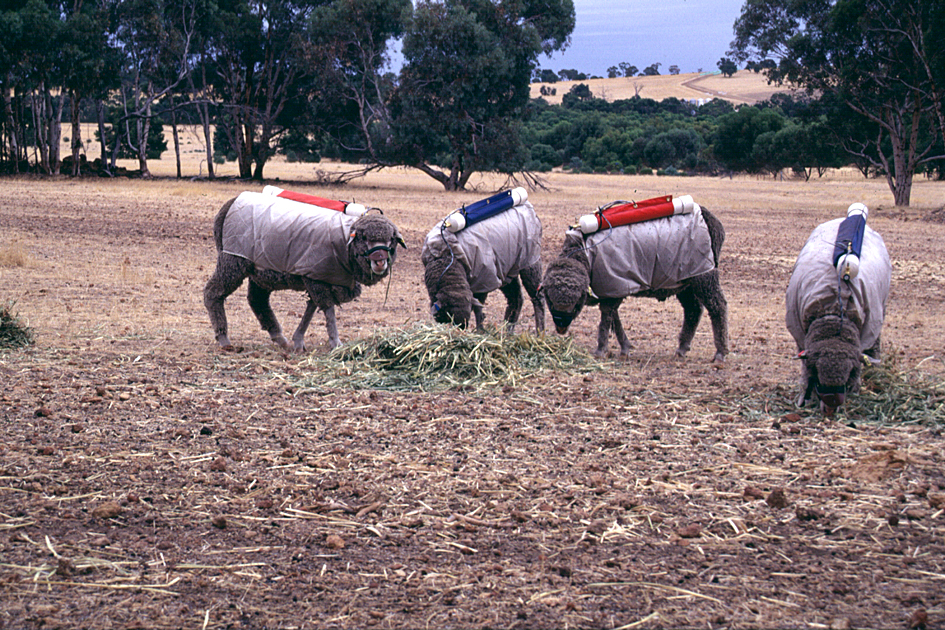
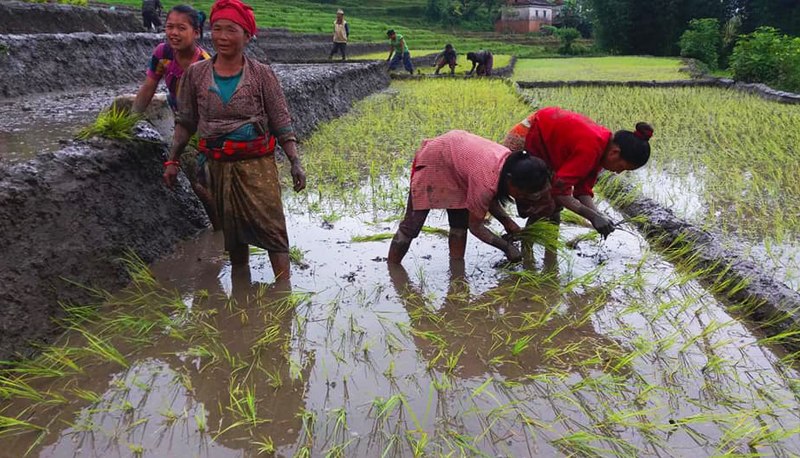
Agricultural sources of methane include rice farming and burping from ruminant livestock (including cattle and sheep). The world’s largest population of ruminants is in India, while most rice cultivation takes place in China, Southeast Asia and India again. The tropics also have the world’s largest wetlands. There is no evidence for a large increase in either ruminant populations or rice cultivation areas in recent years. On the other hand, it is known that methane emissions from natural wetlands increase rapidly as a result of increased rainfall and air temperatures. In other words, it seems likely that global warming itself is causing natural wetlands to emit more methane than ever before.
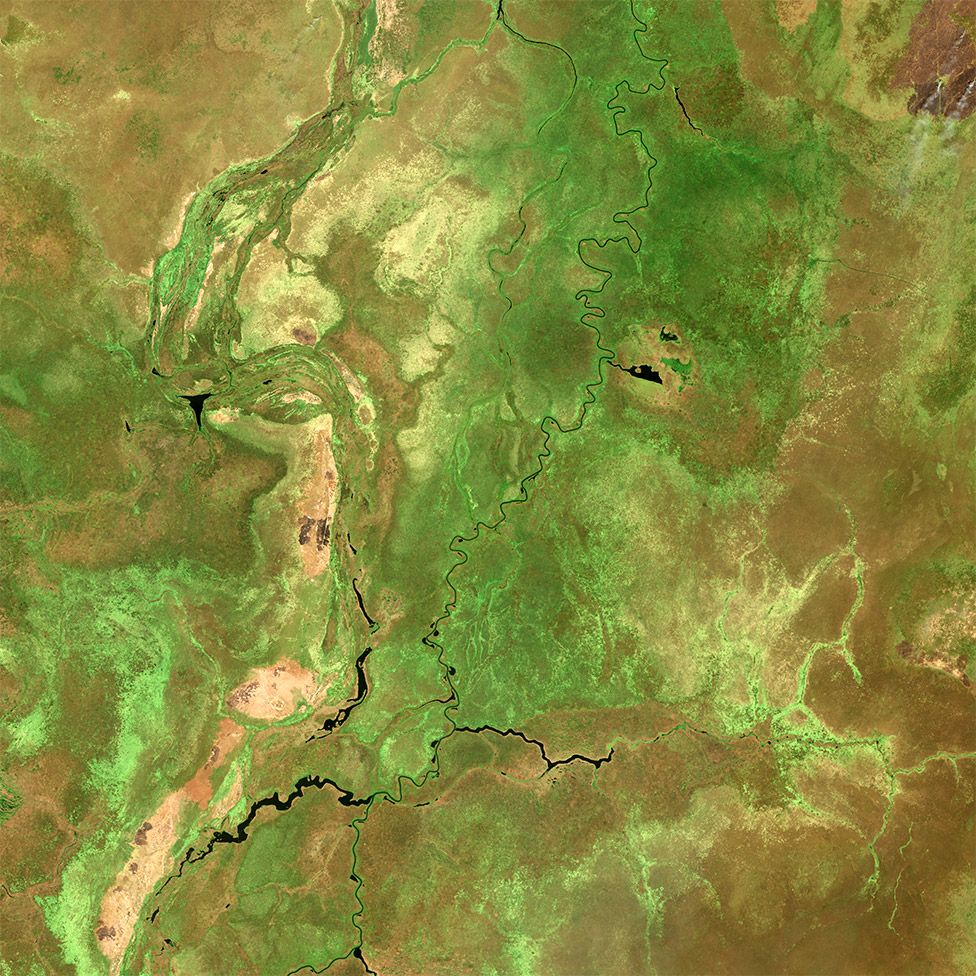
Satellite data can also help scientists pinpoint exactly where in the world methane levels are rising most rapidly. A big jump in emissions has been recorded coming from the Sudd wetlands of South Sudan. The data indicates that the region has received a large surge of water from East African lakes, including Lake Victoria, feeding the Nile, which flows through the Sudd. This would have boosted the presence of soil microbes in the Sudd wetlands, known to produce high levels of methane.

A methane bomb?
Scientists have long recognized the possibility that global warming could ignite a “methane bomb” in the Arctic tundra—the rapid release of huge amounts of methane from thawing permafrost (permanently frozen soils) as temperatures climb in the far north. Deep layers of peaty soil, frozen in winter and waterlogged through short summers, are full of microbes that give off methane rather than carbon dioxide. Such a release of methane from thawing Arctic permafrost could trigger a catastrophic acceleration of global warming.
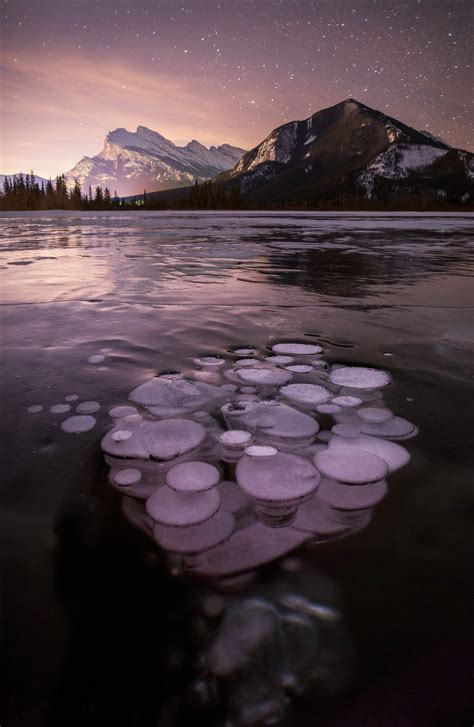
But, thankfully, there is no evidence that the rate of Arctic methane emissions is rising over the long term. In fact, recent research shows that as Arctic permafrost thaws, it is releasing increasing amounts of carbon dioxide, not methane. Whether this is also the case for Arctic lakes, we do not yet know.
pics


Without in any way limiting Q-files Ltd’s exclusive rights under copyright, any use of this publication to “train” generative artificial intelligence (AI) technologies to generate text is expressly prohibited. Q-files Ltd reserves all rights to license use of this work for generative AI training and development of machine learning language models.