
Q-news

CITE
We have made every effort to follow citation style rules, but there may be some minor differences. If in doubt, please refer to the appropriate citation style manual.
Deadly flash floods devastate a valley in Nepal and Tibet. (2026). In Q-files Encyclopedia, , Q-news. Retrieved from
https://www.q-files.com/news/deadly-flash-floods-devastate-a-valley-in-nepal-and-tibet
"Deadly flash floods devastate a valley in Nepal and Tibet." , Q-news, Q-files Encyclopedia, 17 Sep. 2026.
https://www.q-files.com/news/deadly-flash-floods-devastate-a-valley-in-nepal-and-tibet.
Accessed 28 Oct. 2026.
Deadly flash floods devastate a valley in Nepal and Tibet 2026. , Q-news. Retrieved 28 October 2026, from
https://www.q-files.com/news/deadly-flash-floods-devastate-a-valley-in-nepal-and-tibet
, Q-news, s.v. "Deadly flash floods devastate a valley in Nepal and Tibet," accessed October 28, 2026.
https://www.q-files.com/news/deadly-flash-floods-devastate-a-valley-in-nepal-and-tibet


Deadly flash floods devastate a valley in Nepal and Tibet
A massive search and rescue effort is under way in Nepal and Tibet following a series of deadly flash floods. On the morning of 26th August 2026, floodwaters surged through Gyirong Port, a border crossing between Nepal and Tibet, before devastating dozens of settlements along a 72-kilometre (45-mile) stretch of the River Trishuli in Nepal. As of 17th September, at least 1403 deaths and 6150 people missing were reported in Nepal, with an additional 43 dead and 519 missing in the Tibet Autonomous Region of China. The death toll is likely to rise steeply.
Updated 17th September 2026
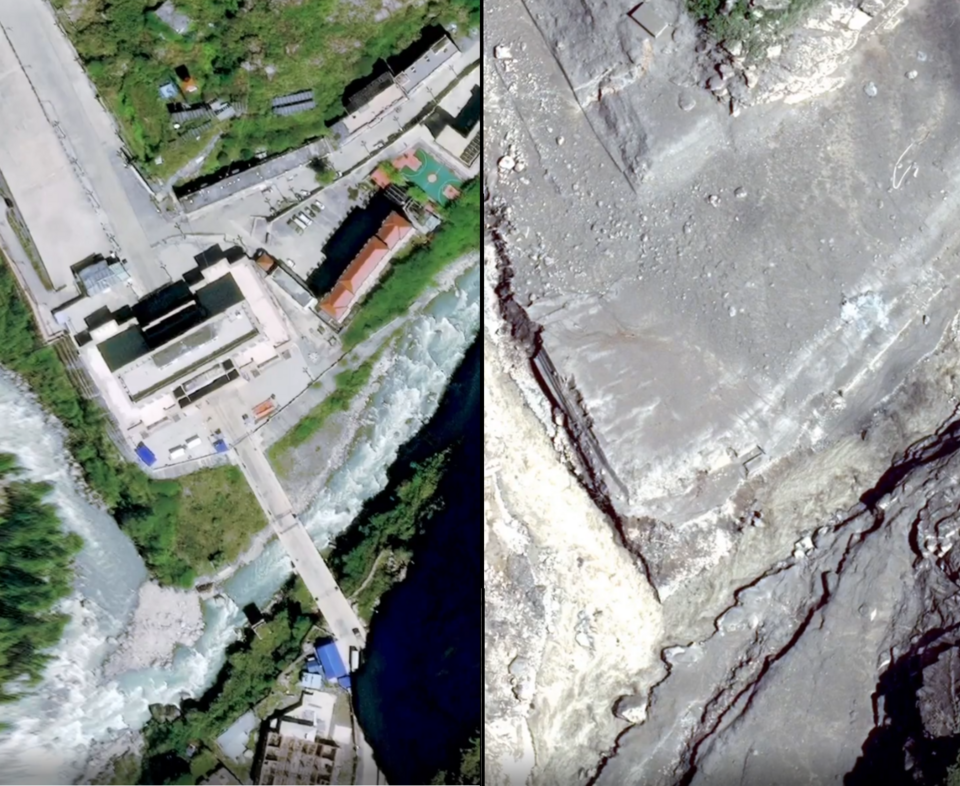
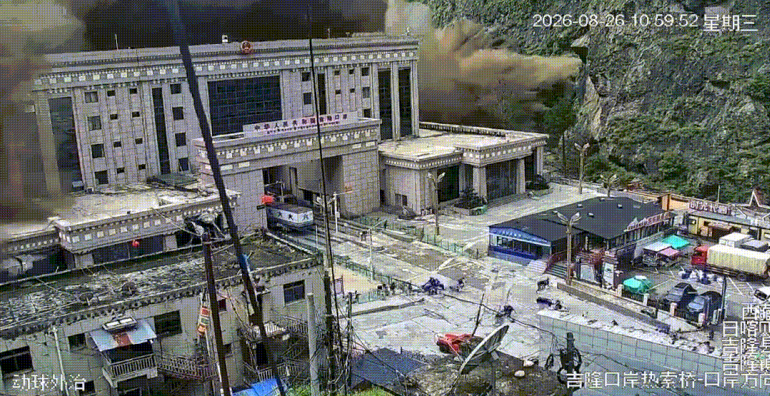
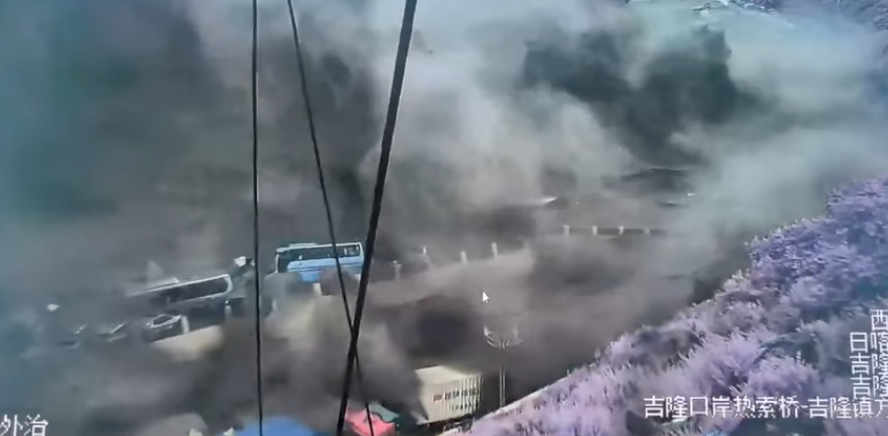
Security camera footage from the Gyirong Port checkpoint complex showed vast torrents of mud, water and debris engulfing buildings. Rescue workers were able to reach the area only on 28th August—two days later. The floodwaters have left behind a trail of destruction, carpeting everything in their path with a thick mud.
What caused these devastating floods? The evidence points to a collapsing glacier on the north face of Langtang Lirung, a mountain in the Himalaya mountains of Nepal. An enormous chunk of ice from the glacier—along with the rock to which it was attached—broke off and crashed to the ground thousands of metres below. The impact was so cataclysmic, it caused a 5.2-magnitude earth tremor, detected by seismometers worldwide.
The ice melted from the speed and friction of the impact. The avalanche of meltwater and rock then surged down the valley at high speed, travelling at around 50 metres a second (180 km/h or 110 mph), submerging villages and sweeping roads and buildings away as it went. The flash flood reached Gyirong Port seven minutes later.
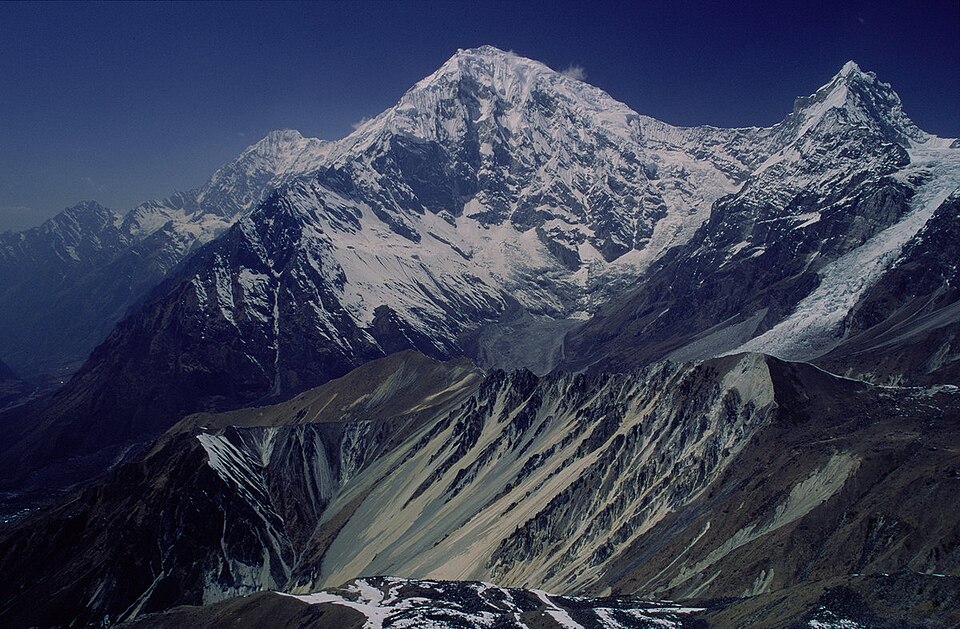
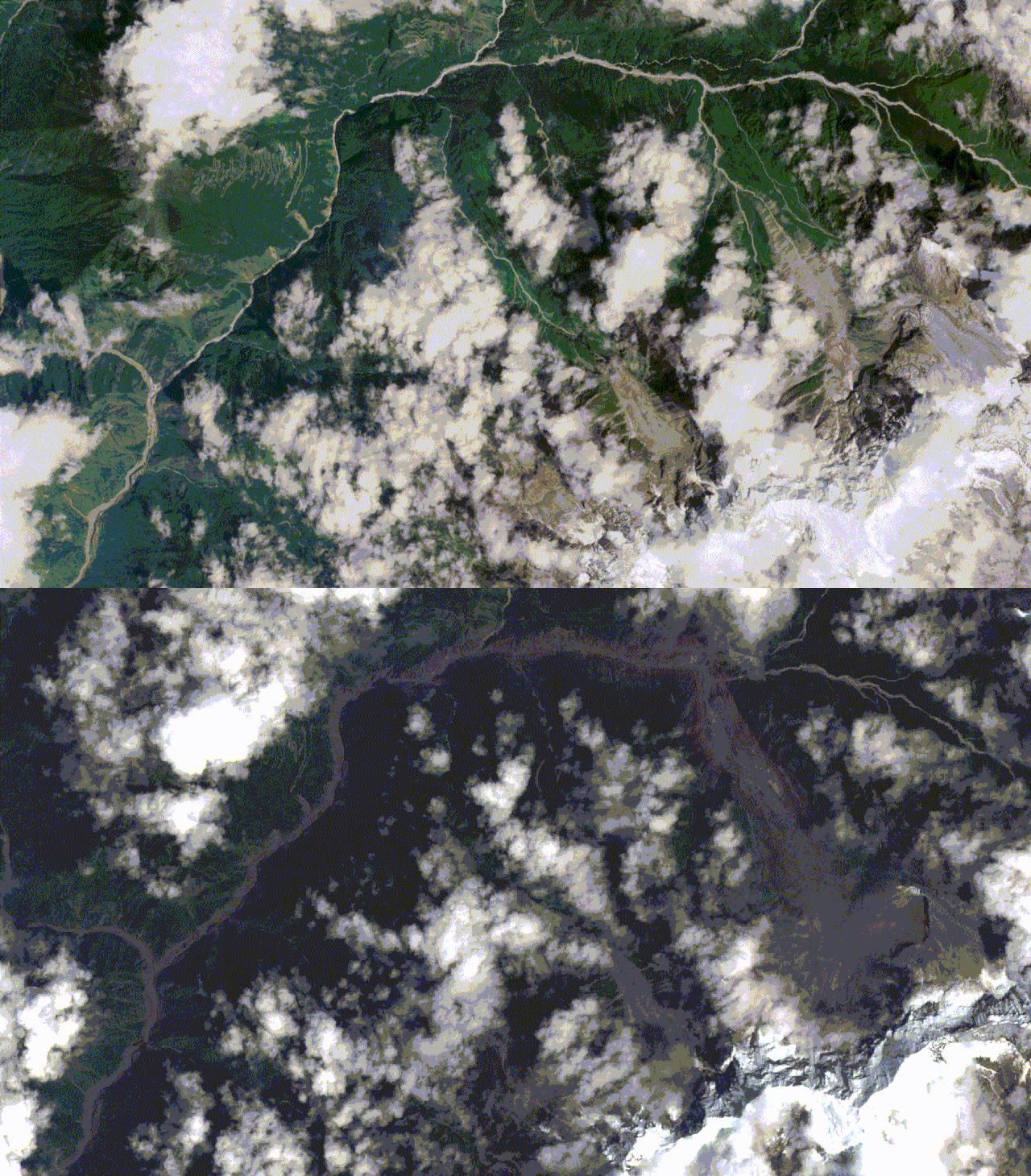
Scientists think that climate change may have increased the likelihood of such an event occurring. Warmer temperatures at high altitude—the glacier was around 5200 metres (17,100 feet) above sea level)—may have partially melted the permafrost (permanently frozen soil) that held the rock and ice of the glacier together like a "glue", causing the sudden collapse.
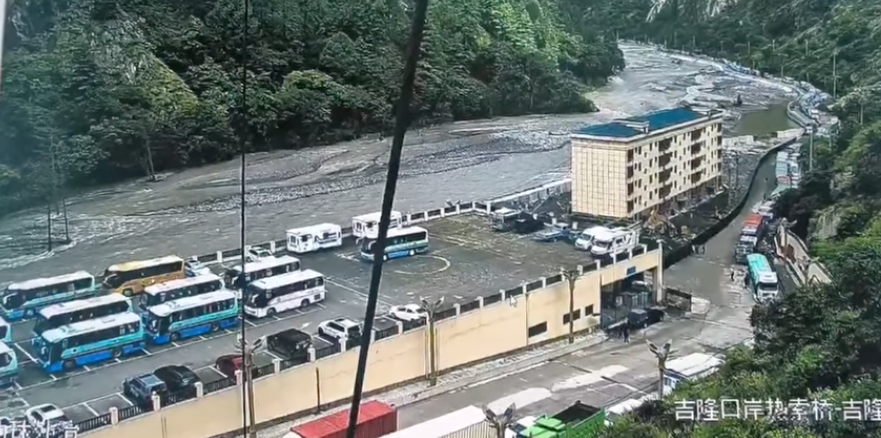
Gyirong Port is a border crossing connecting Nepal's Rasuwa District and Gyirong County in Tibet, China. The crossing sees large daily traffic both from cross-border traders and tourists, particularly people making a pilgrimage to Mount Kailash in Tibet, a holy site in Buddhism, Hinduism and Jainism. Around 600 people among the missing are known to be foreigners.
A further 933 of the currently missing are workers from Nepal and neighbouring countries who were working in a tunnel that forms part of a hydro-electric power project along the River Trishuli. It was reported on 4th September that two of the workers were pulled out alive from a depth of 170 metres (558 feet) inside the tunnel some nine days after the disaster took place. Another was rescued a day later.
pics
Without in any way limiting Q-files Ltd’s exclusive rights under copyright, any use of this publication to “train” generative artificial intelligence (AI) technologies to generate text is expressly prohibited. Q-files Ltd reserves all rights to license use of this work for generative AI training and development of machine learning language models.