
Q-news

CITE
We have made every effort to follow citation style rules, but there may be some minor differences. If in doubt, please refer to the appropriate citation style manual.
New discoveries about the world’s earliest known pandemic are revealed. (2026). In Q-files Encyclopedia, , Q-news. Retrieved from
https://www.q-files.com/news/new-discoveries-about-the-worlds-earliest-known-pandemic-are-revealed
"New discoveries about the world’s earliest known pandemic are revealed." , Q-news, Q-files Encyclopedia, 6 Feb. 2026.
https://www.q-files.com/news/new-discoveries-about-the-worlds-earliest-known-pandemic-are-revealed.
Accessed 22 Sep. 2026.
New discoveries about the world’s earliest known pandemic are revealed 2026. , Q-news. Retrieved 22 September 2026, from
https://www.q-files.com/news/new-discoveries-about-the-worlds-earliest-known-pandemic-are-revealed
, Q-news, s.v. "New discoveries about the world’s earliest known pandemic are revealed," accessed September 22, 2026.
https://www.q-files.com/news/new-discoveries-about-the-worlds-earliest-known-pandemic-are-revealed


New discoveries about the world’s earliest known pandemic are revealed
Scientists have discovered a mass grave for victims of the world’s earliest known pandemic (a disease which affects whole continents or the world) at Jerash in Jordan. The disease, known as the Plague of Justinian, claimed the lives of millions of people in the Byzantine Empire during the sixth century AD. The plague would ravage Europe again in the 14th century, an event we call today the Black Death. The scientists' study of the human remains at Jerash showed that hundreds of bodies had been buried at the same time, rather than over a period of centuries as would be the case at a traditional cemetery. This indicates that a single terrible event, one responsible for many deaths, had taken place.
6th February 2026
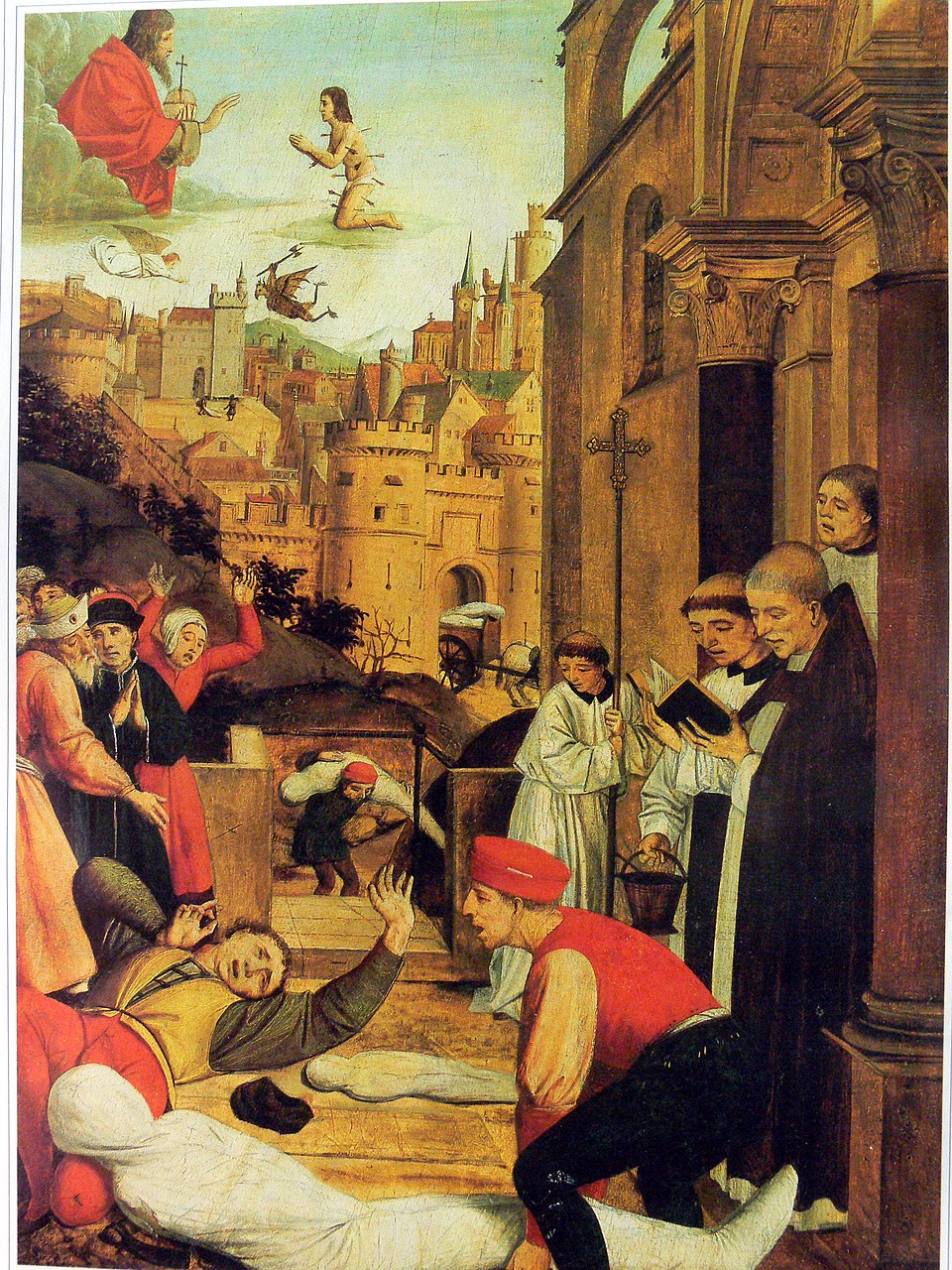

The demographic range of victims—they were a mix of men and women of different ages—showed that people from different places and different walks of life had been stuck in the same city by the disease. Their confinement mirrors the way that travel was shut down across the world during the Covid-19 pandemic in 2020–21.
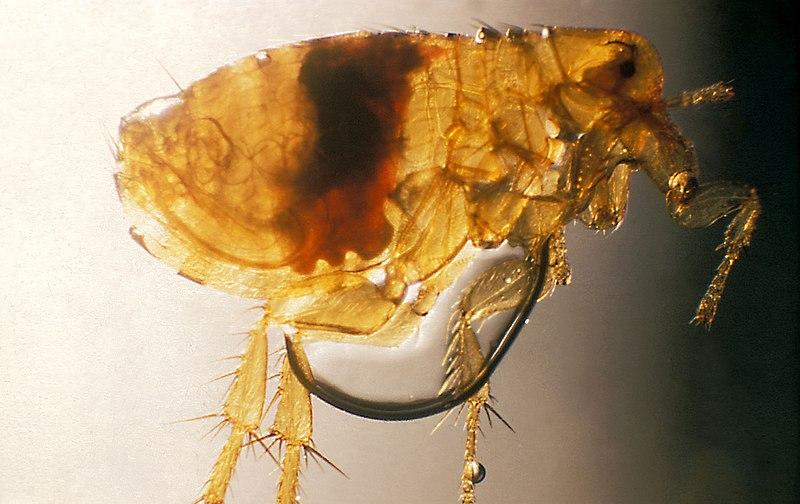
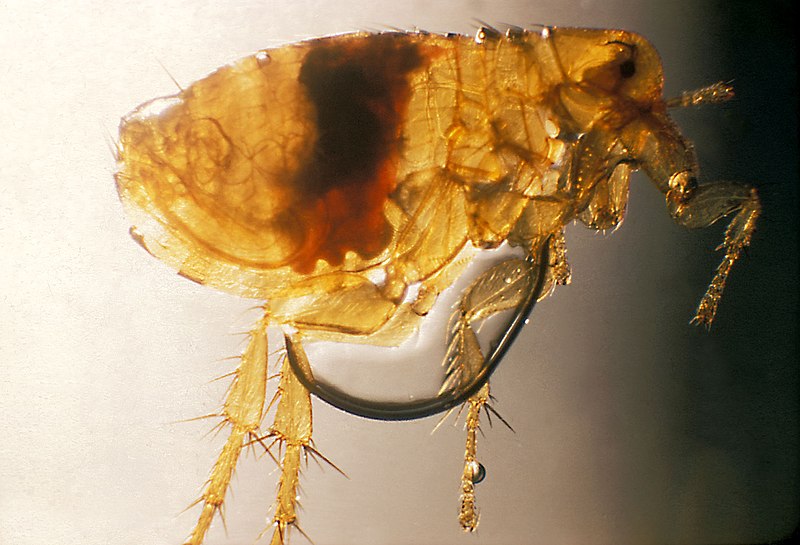
Studying DNA extracted from the teeth of eight of the people found at the burial ground, researchers found they all carried identical strains of Yersinia pestis, the bacterium that causes deadly forms of bubonic plague. (It is spread via the bites of fleas carried in the fur of rats). The fact that the strains were genetically uniform indicates the outbreak of the disease was rapid and devastating, rather than one from a microbe that evolves over time.
The excavations revealed that more than 200 people had been buried in the grave beneath the Roman hippodrome at Jerash, the modern name for Gerasa. The city was a trading centre in ancient times and therefore a hub for men and women of all backgrounds, from merchants to slaves. It was located around just 300 kilometres (about 200 miles) from the epicentre of the pandemic that raged from AD 541 to 549.


Historical records tell us that the Plague of Justinian first appeared in Pelusium (present-day Tell el-Farama) in Egypt, before spreading throughout the Byzantine Empire, which extended across lands bordering the Mediterranean Sea during the Early Middle Ages.
The plague is named after the Byzantine emperor Justinian I (reigned 527–565) who reportedly contracted the disease—and recovered from it—in 542. It claimed the lives of some 40% of the population of Constantinople (present-day Istanbul), the Byzantine capital. Some historians say that up to 100 million people—possibly as many as half of Europe's entire population—died before the plague finally ended (it would continue to recur) until around 750.


pics
Without in any way limiting Q-files Ltd’s exclusive rights under copyright, any use of this publication to “train” generative artificial intelligence (AI) technologies to generate text is expressly prohibited. Q-files Ltd reserves all rights to license use of this work for generative AI training and development of machine learning language models.