
Q-news

CITE
We have made every effort to follow citation style rules, but there may be some minor differences. If in doubt, please refer to the appropriate citation style manual.
Toxic haze from Indonesia's fires spreads across Southeast Asia. (2026). In Q-files Encyclopedia, , Q-news. Retrieved from
https://www.q-files.com/news/toxic-haze-from-indonesias-fires-spreads-across-southeast-asia
"Toxic haze from Indonesia's fires spreads across Southeast Asia." , Q-news, Q-files Encyclopedia, 30 Sep. 2026.
https://www.q-files.com/news/toxic-haze-from-indonesias-fires-spreads-across-southeast-asia.
Accessed 28 Oct. 2026.
Toxic haze from Indonesia's fires spreads across Southeast Asia 2026. , Q-news. Retrieved 28 October 2026, from
https://www.q-files.com/news/toxic-haze-from-indonesias-fires-spreads-across-southeast-asia
, Q-news, s.v. "Toxic haze from Indonesia's fires spreads across Southeast Asia," accessed October 28, 2026.
https://www.q-files.com/news/toxic-haze-from-indonesias-fires-spreads-across-southeast-asia


Toxic haze from Indonesia's fires spreads across Southeast Asia
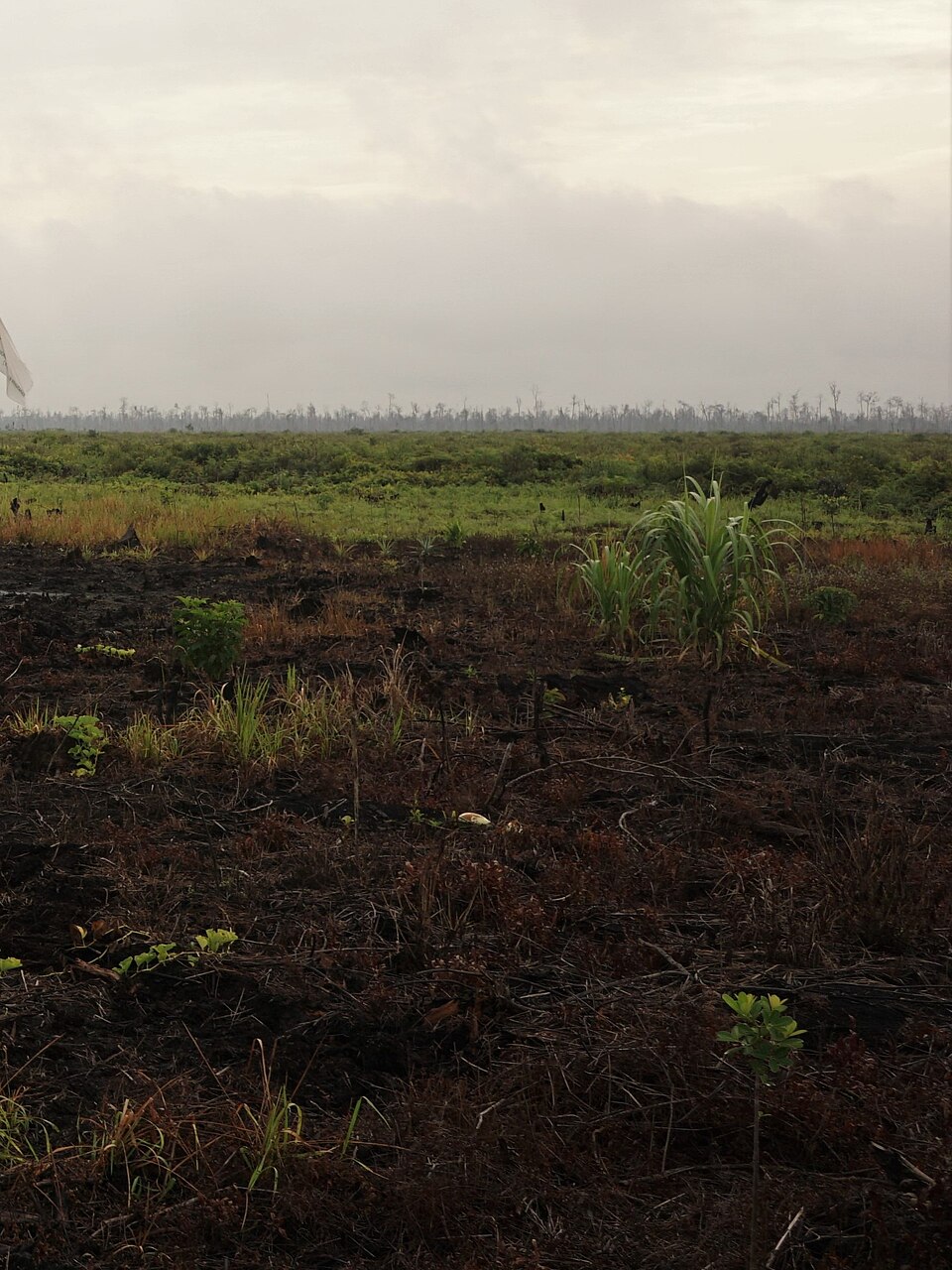
Vast areas of tropical rainforest and peatland across some of Indonesia's largest islands are ablaze. By late September 2026, satellites had detected some 734,000 hotspots (areas with high surface temperatures, indicating fires), up by 30% on 2019, one of Indonesia's worst wildfire seasons. At least 900,000 hectares (more than 2 million acres) of land—an area nearly six times the size of Greater London—have been burned since January. The worst-hit regions are in Kalimantan (the Indonesian portion of the island of Borneo), Sumatra and Papua. Smoke given off by the fires has spread a toxic haze over the rest of the Indonesian archipelago and the neighbouring countries of Malaysia, Brunei, Singapore and Philippines.
24th September 2026


Peatland fires
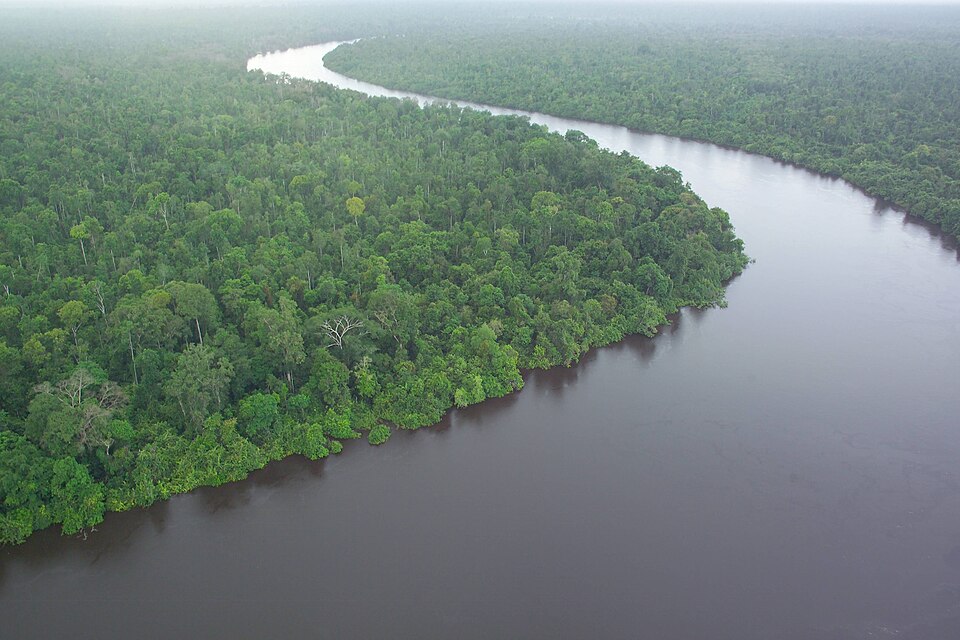
Most Indonesian fires, known locally as karhutla, occur on drained or dried-out peatland—a type of wetland where the soils consist of organic matter from decaying plants. The decomposition of this organic matter, usually dead vegetation, is incomplete because flooding cuts off oxygen to the soil. Indonesia is home to about 36% of the world's tropical peatlands.
When dry peat burns, it does not burst into flames but smoulders below ground, producing a toxic smog containing carbon monoxide, methane and fine particulate matter known as PM2.5. Fire emissions (made up of gases and particles) from Indonesia in the first week of September 2026 reached 19.7 million tonnes, accounting for more than a third of the global total.

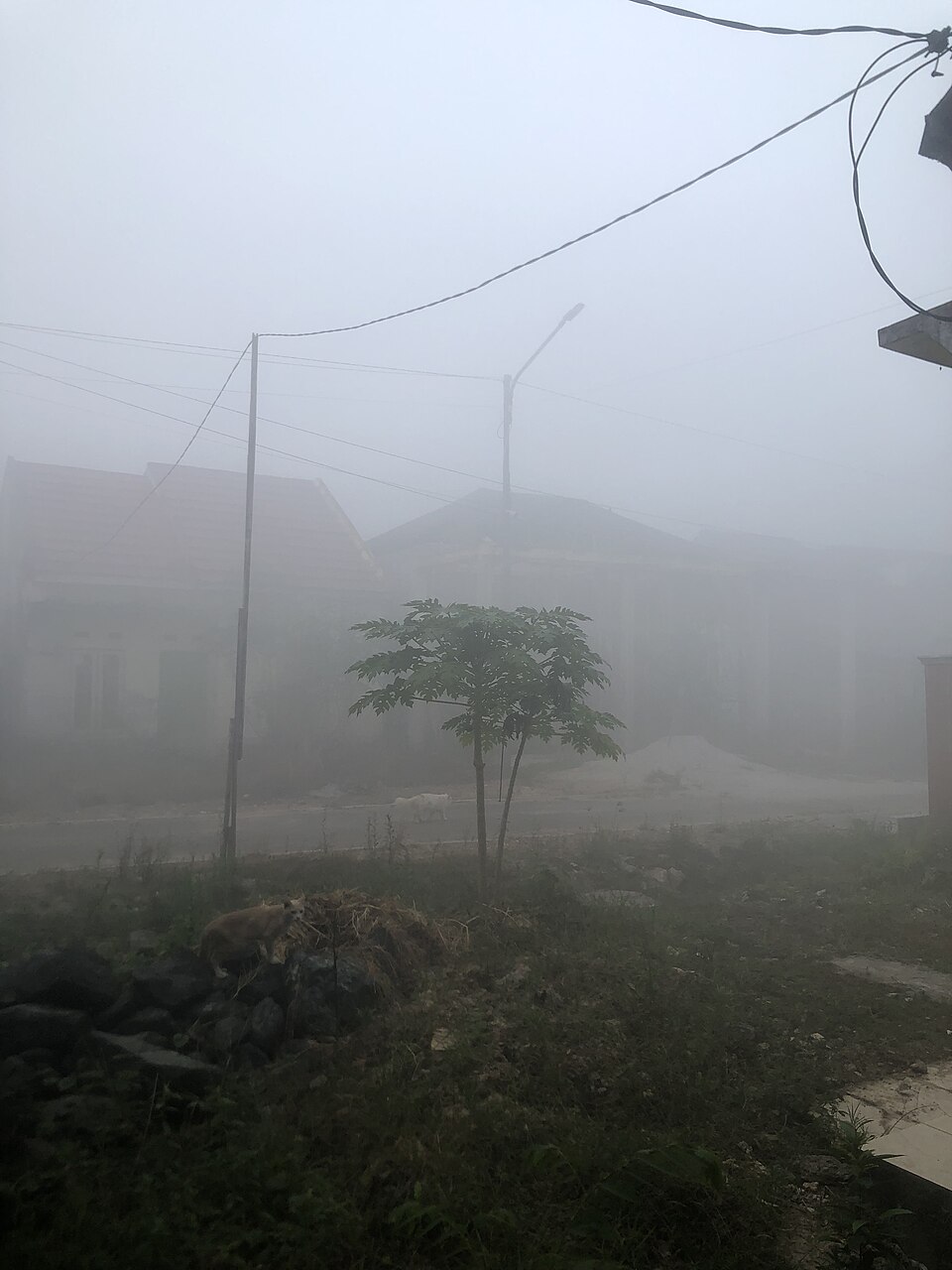
In central Kalimantan and Sumatra, the air has PM2.5 concentrations at a level more than 15 times the safety limits set out by the World Health Organization. As of 21st September, the number of cases of serious respiratory infections amongst the local population directly linked to the haze is around 175,000, of which more than 40,000 are young children. Schoolchildren have to wear masks at their desks. The emergency has also taken a toll on wildlife; in western Borneo, rescue teams have been working to save orang-utans choked by the enveloping fires.
What has caused the fires?
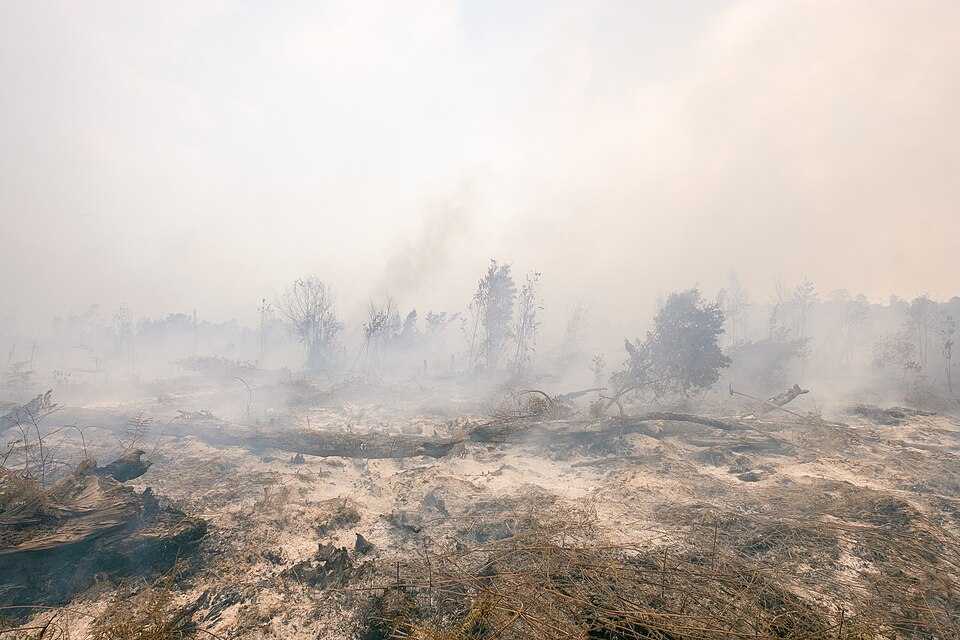
The 2026 wildfires have been driven by human practices. In Indonesia, small fires are sometimes deliberately started illegally as the cheapest and quickest way to clear rainforests for oil palm plantations or establishing mines. In hot, dry conditions, the small-scale blazes can easily spiral out of control.
Secondly, drainage channels have been dug in the naturally waterlogged peatlands over the past 50 years. They draw water out of the soil, making the dried-out peat highly combustible. Surface fires burn down into the earth, creating underground fires that can smoulder for weeks—even spreading to other areas and resurfacing elsewhere. These are hard to extinguish; pouring water on them often creates more smoke rather than putting them out.
Illegal logging, which destroys vegetation cover and further dries out the soil, also significantly increases the risks of fire.

The role of El Niño
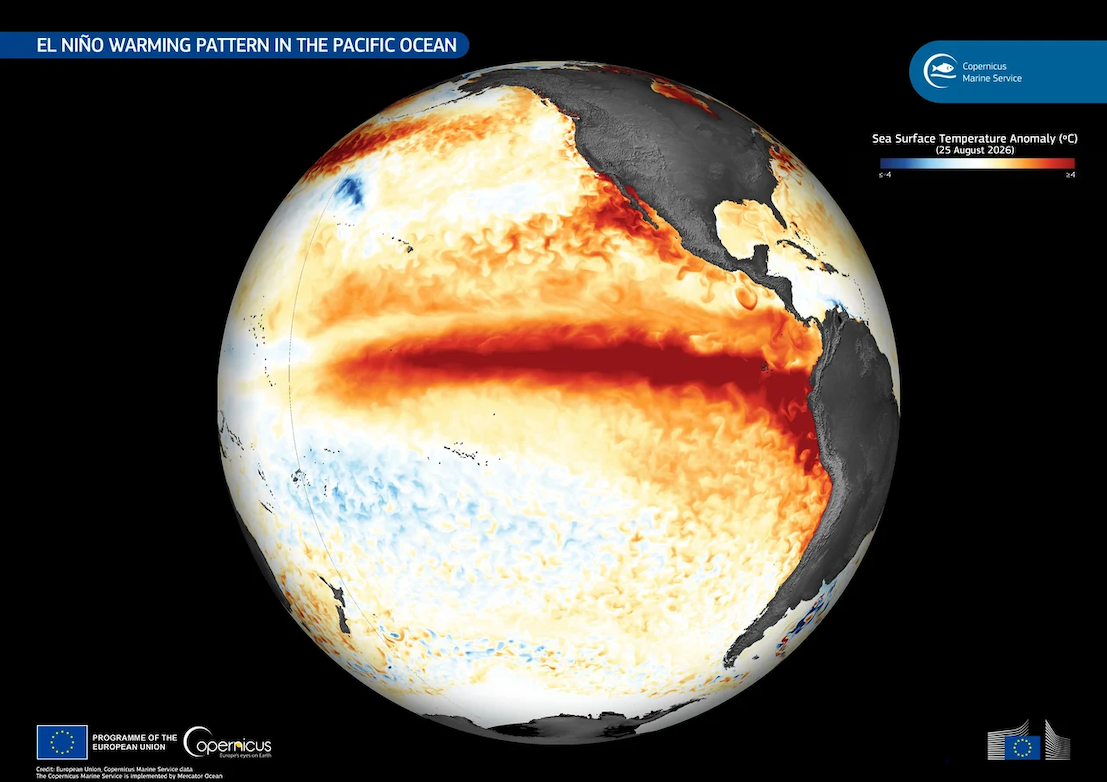
While human activity has provided the fuel and the match, the climate has magnified the effects of the fires. Indonesia regularly experiences wildfires during its annual dry season, which usually runs from July to October. The 2026 fires have been intensified by what many experts are calling a Super, or "Godzilla", El Niño. Every 3–5 years, this event, characterized by the unusual warming of surface waters in the central and eastern tropical Pacific, usually disrupts normal rainfall patterns in Indonesia, creating a prolonged drought. By August 2026, roughly 90% of the country had received little or no rainfall since January.

The El Niño-induced drought has caused water tables to plummet, transforming peat soils into deep underground tinder (dry material that burns easily). This year's El Niño is expected to delay the arrival of the monsoon rains by several weeks, postponing the beginning of the wet season to November across much of the Indonesian archipelago.
pics
Without in any way limiting Q-files Ltd’s exclusive rights under copyright, any use of this publication to “train” generative artificial intelligence (AI) technologies to generate text is expressly prohibited. Q-files Ltd reserves all rights to license use of this work for generative AI training and development of machine learning language models.