
Plants

CITE
We have made every effort to follow citation style rules, but there may be some minor differences. If in doubt, please refer to the appropriate citation style manual.
Plant cells. (2026). In Q-files Encyclopedia, Life, Plants. Retrieved from
https://www.q-files.com/life/plants/plant-cells
"Plant cells." Life, Plants, Q-files Encyclopedia, 24 Mar. 2026.
https://www.q-files.com/life/plants/plant-cells.
Accessed 21 Sep. 2026.
Plant cells 2026. Life, Plants. Retrieved 21 September 2026, from
https://www.q-files.com/life/plants/plant-cells
Life, Plants, s.v. "Plant cells," accessed September 21, 2026.
https://www.q-files.com/life/plants/plant-cells


Plant cells
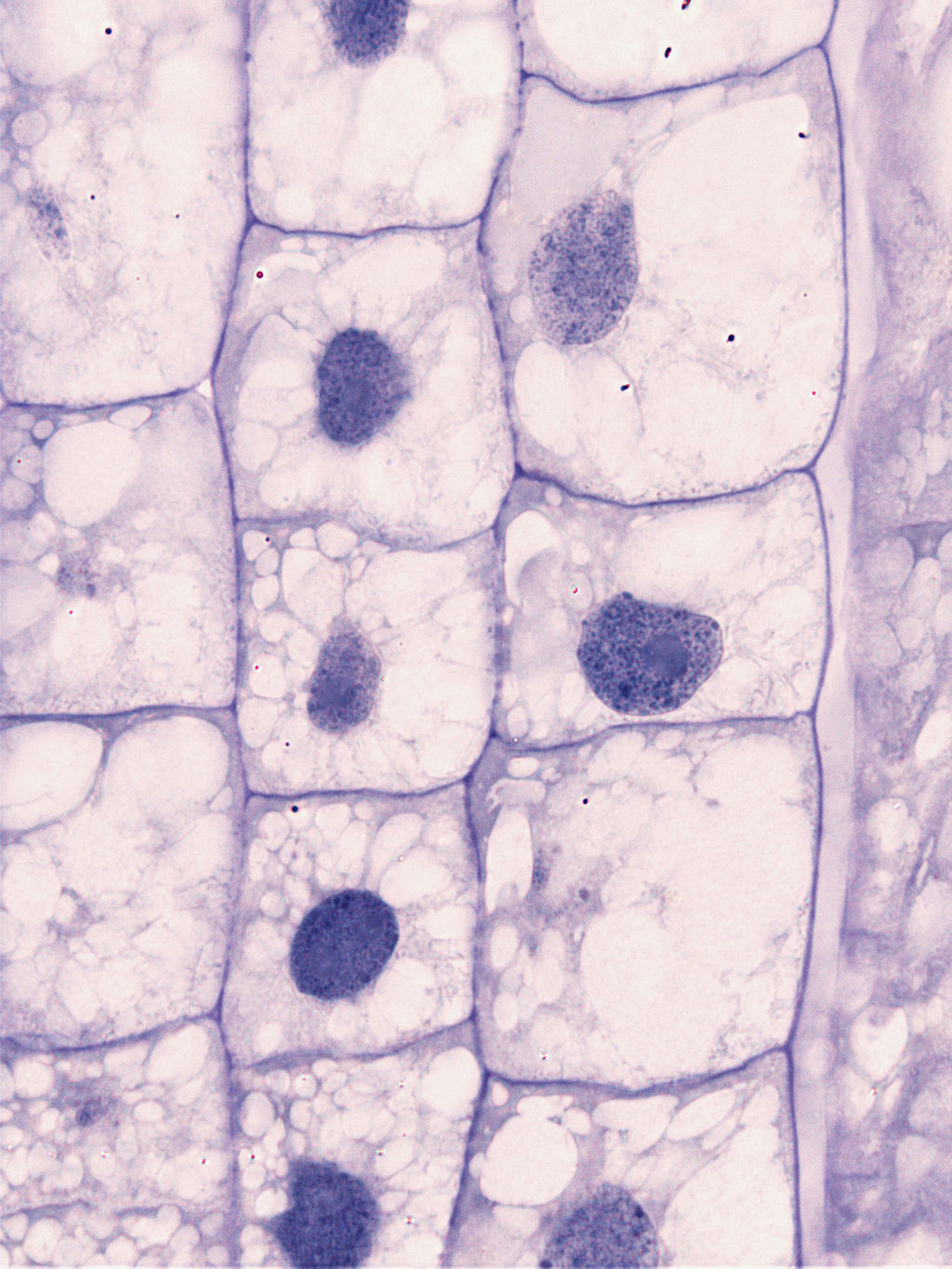
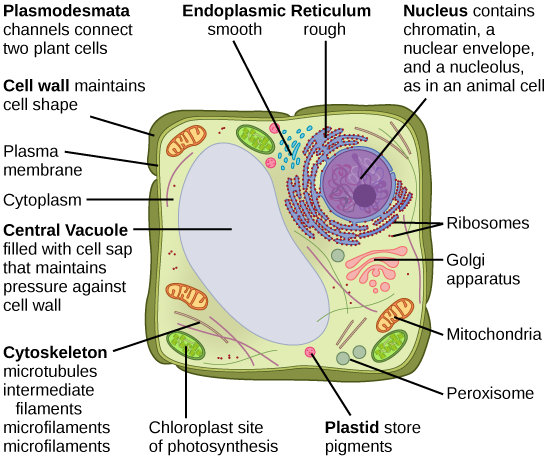
Plant cells are the basic unit of life in plants. Like animal cells, they contain both a nucleus and specialized structures called organelles which carry out different functions. But plant cells differ from animal cells in three ways: they have special disc-shaped organelles called chloroplasts, which create sugars by photosynthesis; they have a cell wall that surrounds the cell membrane, absent in animal cells; they have a large central vacuole, where the plant stores water.

Chloroplasts
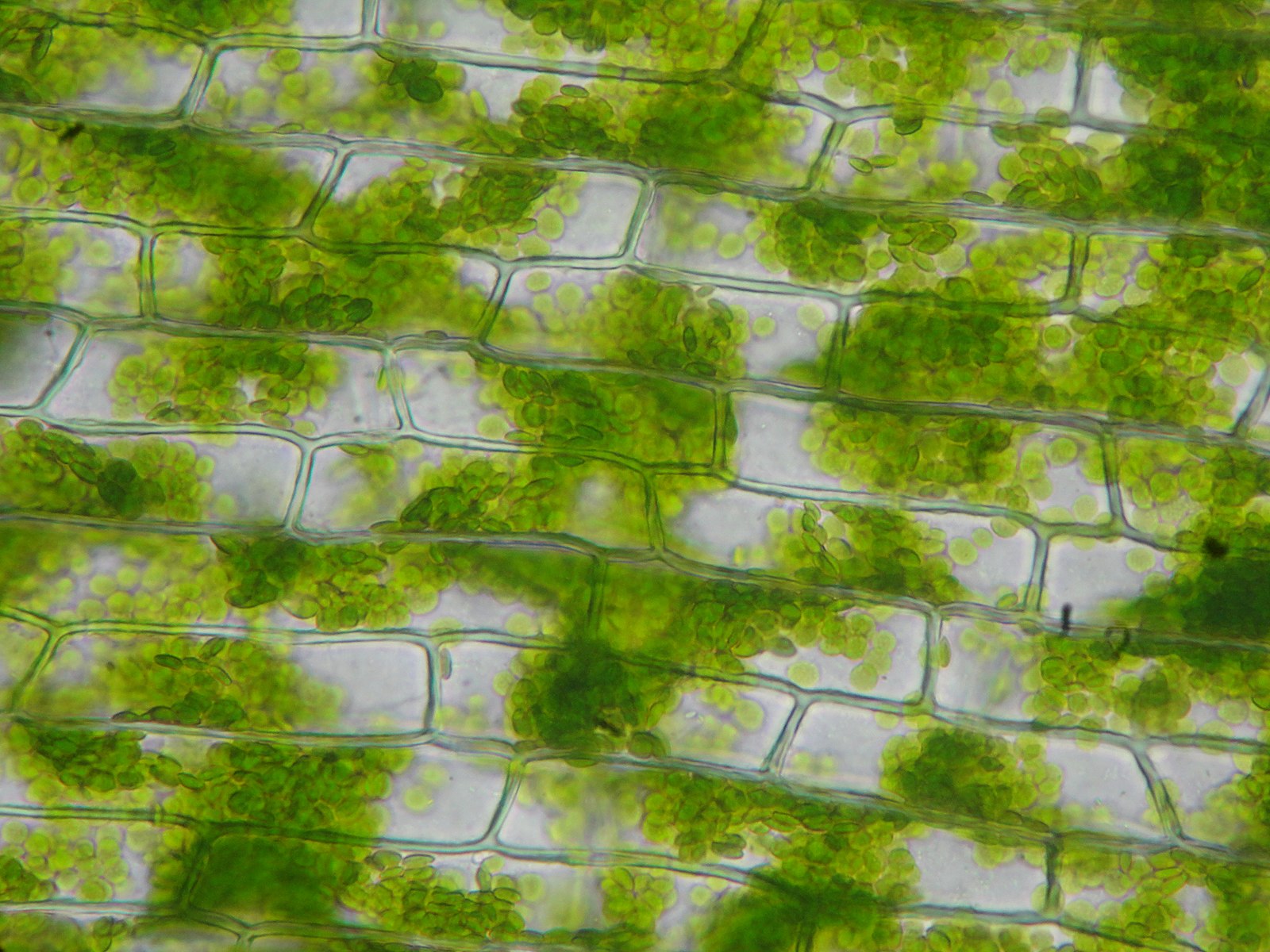
Chloroplasts contain are structures that carry out photosynthesis, using the light energy from the sun to produce glucose, a type of sugar, from carbon dioxide that they absorb from the air. The chloroplasts contain chlorophyll, a green pigment that captures the sun's light energy. It is also what gives plants their green colour.
Cellulose
The cell wall is a tough layer found on the outside of the plant cell that gives it strength and rigidity. In plants, the cell wall is made mainly of cellulose.
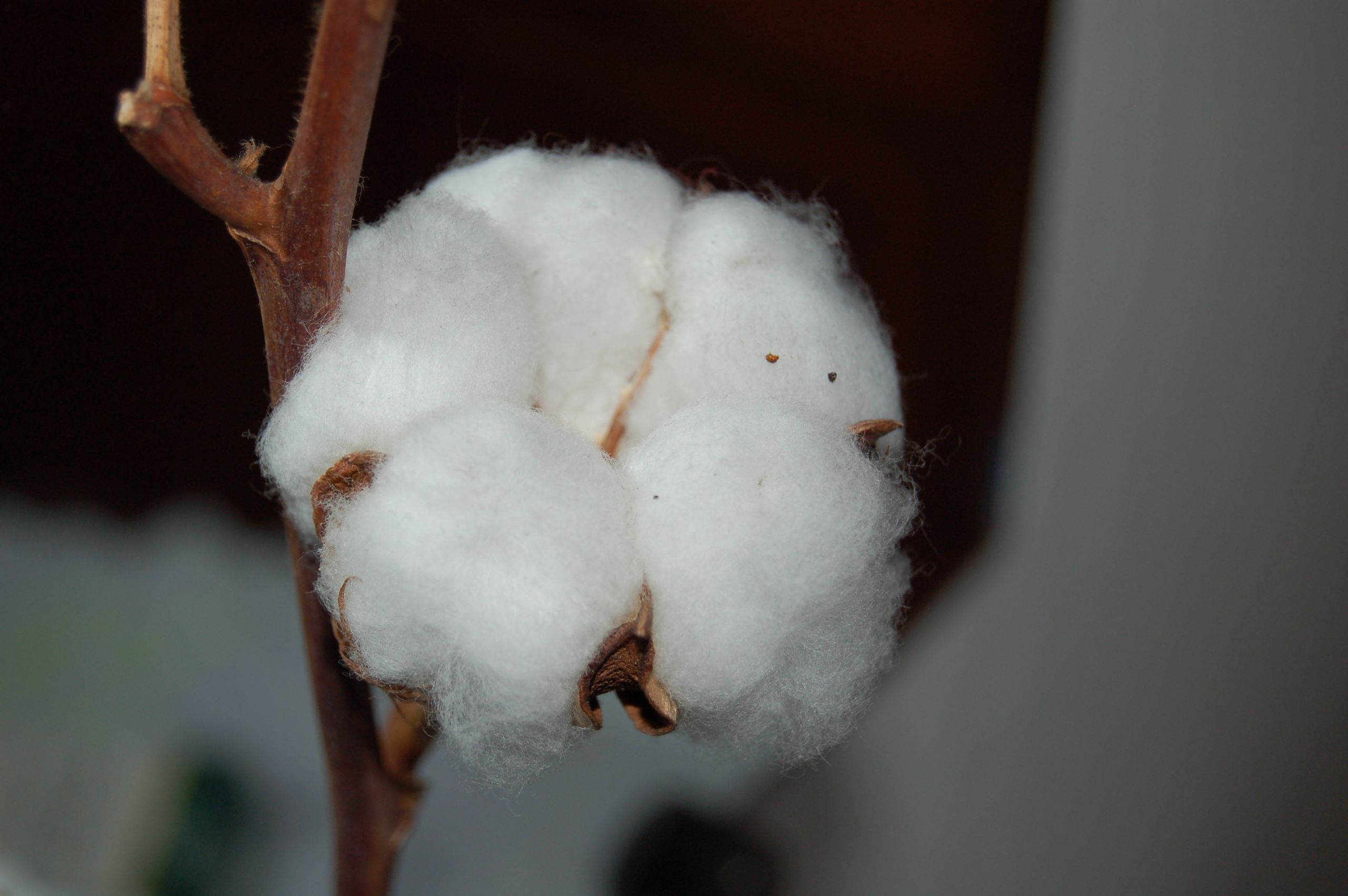
Cellulose molecules consist of long chains of glucose molecules. These long chains are known as complex carbohydrates or polysaccharides (meaning "many sugars"). Cellulose fibres form a mesh that give strength and shape to the walls of cells that form a plant's leaves, roots and stems. The purest natural form of cellulose is cotton, which consists of more than 90% cellulose. Wood consists of between 40 and 50% cellulose.
Some animals, particularly ruminants and termites, can digest cellulose with the help of micro-organisms that live in their guts. When we humans eat plant material, we cannot digest cellulose, but it is the main source of our dietary fibre.
Central vacuole
The cell wall and central vacuole combine to give the cell structural support without the need for a skeleton. The plant cell stores water in the central vacuole, which, when full, pushes against the walls of the cell. This in turn pushes against the walls of other cells, making the entire plant rigid. This pushing action, called turgor pressure, allows plants to grow tall and so reach more sunlight. This is why a plant wilts when starved of water. The central vacuoles become less full, causing turgor pressure to decrease and the plant's rigidity to diminish.
Types of plant tissue
There are five types of tissue formed by plant cells, each with different functions.
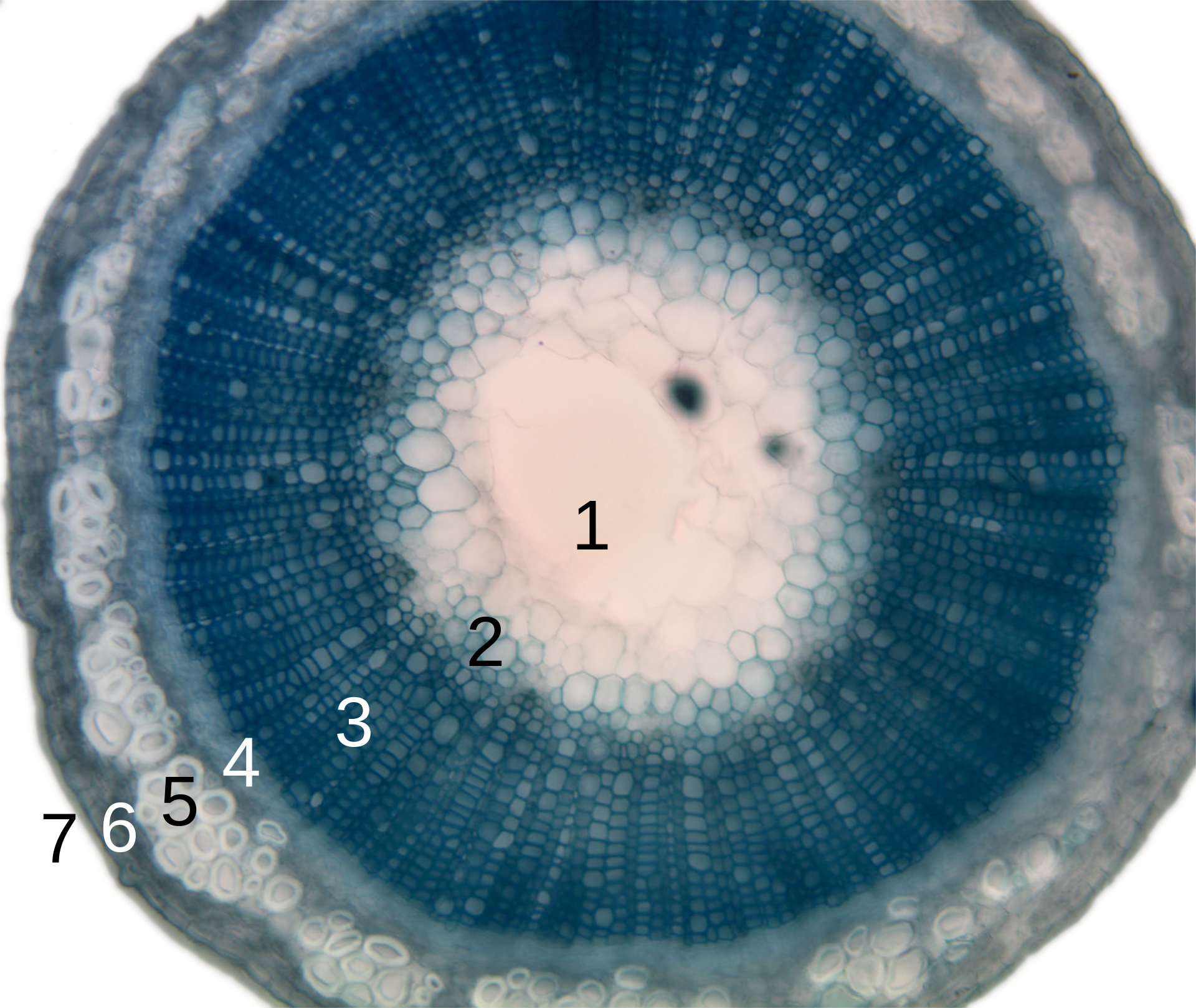
Parenchyma cells make up the majority of cells in a plant. They are found in leaves and carry out photosynthesis. They also store substances like starches and proteins. Collenchyma cells provide support to growing parts of a plant. They have thick cell walls and can change shape as the plant grows. Sclerenchyma cells contain hard, dead cells with thick walls and support those parts of a plant that have ceased growing. Xylem transports water, along with a few nutrients from the soil, throughout a plant from the roots to the stem and leaves. Phloem transports sugars made during photosynthesis from the leaves to all other parts of a plant. These are contained in a watery solution called sap.
pics
Without in any way limiting Q-files Ltd’s exclusive rights under copyright, any use of this publication to “train” generative artificial intelligence (AI) technologies to generate text is expressly prohibited. Q-files Ltd reserves all rights to license use of this work for generative AI training and development of machine learning language models.