
Plants

CITE
We have made every effort to follow citation style rules, but there may be some minor differences. If in doubt, please refer to the appropriate citation style manual.
Why is grass green?. (2026). In Q-files Encyclopedia, Life, Plants. Retrieved from
https://www.q-files.com/life/plants/why-is-grass-green
"Why is grass green?." Life, Plants, Q-files Encyclopedia, 24 Mar. 2026.
https://www.q-files.com/life/plants/why-is-grass-green.
Accessed 6 Aug. 2026.
Why is grass green? 2026. Life, Plants. Retrieved 6 August 2026, from
https://www.q-files.com/life/plants/why-is-grass-green
Life, Plants, s.v. "Why is grass green?," accessed August 6, 2026.
https://www.q-files.com/life/plants/why-is-grass-green


Why is grass green?
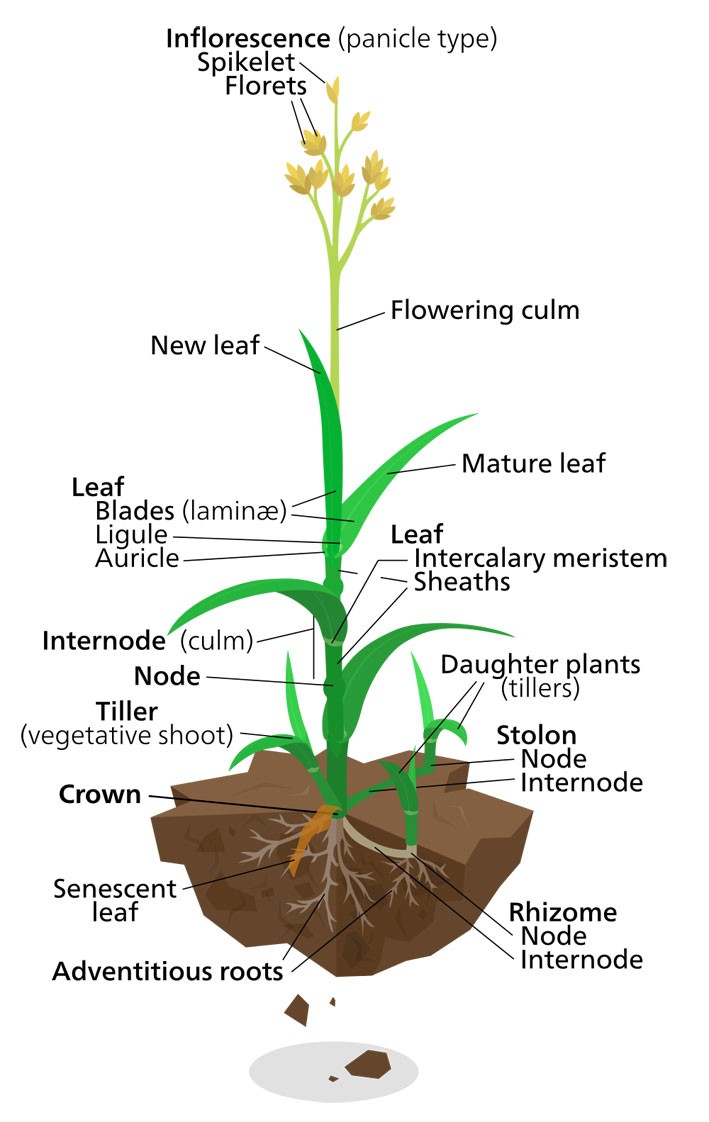
Grass is a kind of plant, and the blades of grass that make up a lawn or a meadow are the leaves of grass plants growing closely together. They are often cut short by a lawnmower or grazing animals. But if they are allowed to grow, you would see emerging from the long, narrow leaves their hollow stems, called culms, topped by flowers. Like many other plants, grass produces a bright pigment called chlorophyll in its leaves. Chlorophyll looks green because some of the colours that make up sunlight—red and blue—are absorbed (soaked up), while green is reflected. (Although sunlight looks white, it is really made up of several different colours, the colours of the rainbow.) When the green reflected light reaches your eyes, you see grass as green.
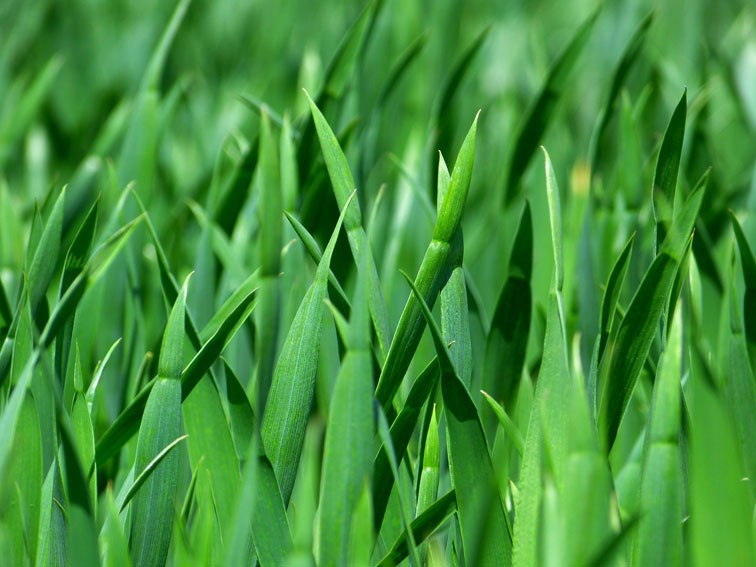
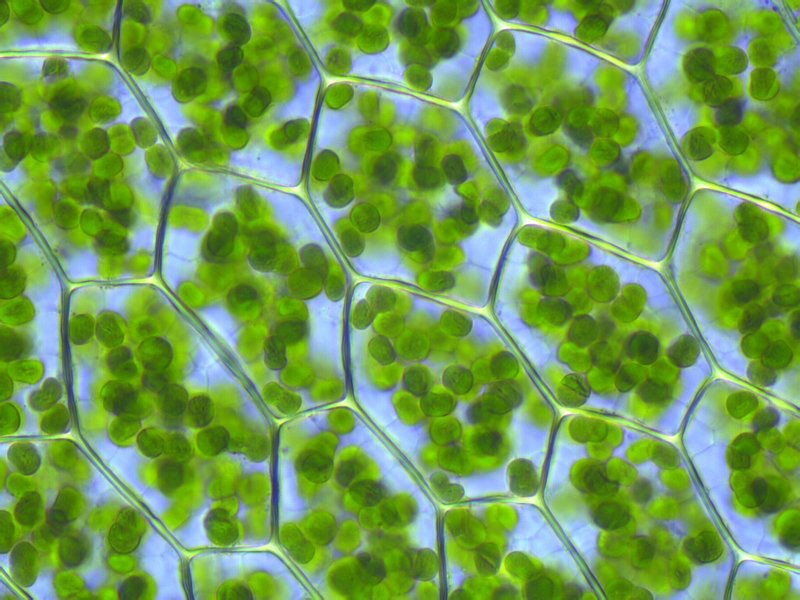
Chlorophyll is a chemical found in a plant’s leaves. It plays a vital role in the way a plant makes its food. Chlorophyll has the ability to store the light of the sun. The plant uses this energy to power a chemical reaction that takes place in its leaves, known as photosynthesis. In this reaction, water, which is taken up from the soil, and carbon dioxide, taken in from the air, join together to form glucose, a type of sugar that is packed full of energy in chemical form. The plant uses this sugar to power its life activities.
A plant’s leaves are usually broad and flat so that as much light as possible falls on them. Inside the cells in the leaf’s upper surface there are a large number of tiny blobs or discs, called chloroplasts. It is these that contain the chlorophyll.
Consultant: Chris Jarvis
Other Q-&-As to explore:
For a full list of all our Q&As, please click here.
If you have a question that you would like to see answered on Q-files, please send us an email to info@Q-files.com or use the contact us page.
pics
Without in any way limiting Q-files Ltd’s exclusive rights under copyright, any use of this publication to “train” generative artificial intelligence (AI) technologies to generate text is expressly prohibited. Q-files Ltd reserves all rights to license use of this work for generative AI training and development of machine learning language models.