
Medicine

CITE
We have made every effort to follow citation style rules, but there may be some minor differences. If in doubt, please refer to the appropriate citation style manual.
Midwifery. (2026). In Q-files Encyclopedia, Science, Medicine. Retrieved from
https://www.q-files.com/science/medicine/midwifery
"Midwifery." Science, Medicine, Q-files Encyclopedia, 10 Mar. 2026.
https://www.q-files.com/science/medicine/midwifery.
Accessed 21 Sep. 2026.
Midwifery 2026. Science, Medicine. Retrieved 21 September 2026, from
https://www.q-files.com/science/medicine/midwifery
Science, Medicine, s.v. "Midwifery," accessed September 21, 2026.
https://www.q-files.com/science/medicine/midwifery


Midwifery
A midwife is a medical professional—but not a doctor (physician)—who gives support, care and advice to women during their pregnancy, labour and the postpartum period (at least the first six weeks after childbirth). In some countries, midwifery is a branch of nursing; in others, it is considered an entirely separate profession. Most midwives are women, but a very small percentage are men. A midwife also provides health counselling and education, not only for the woman, but also for the family and the community.
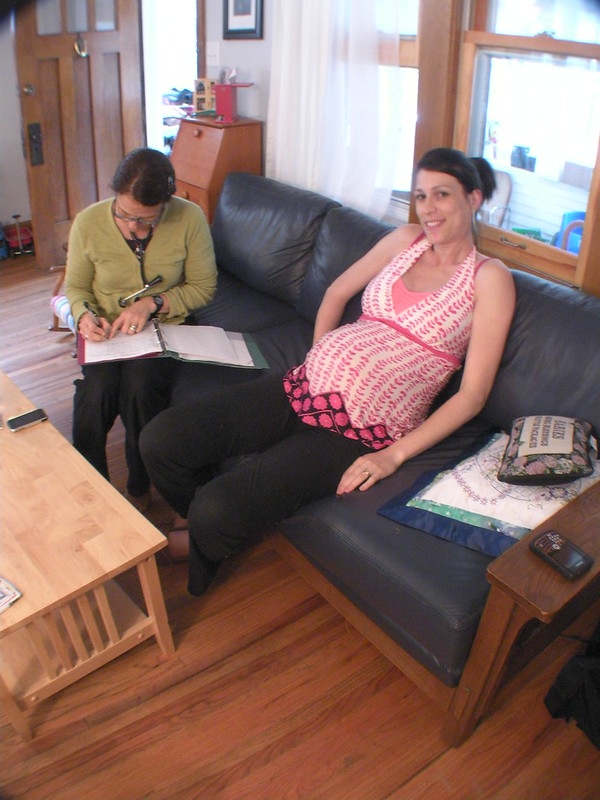
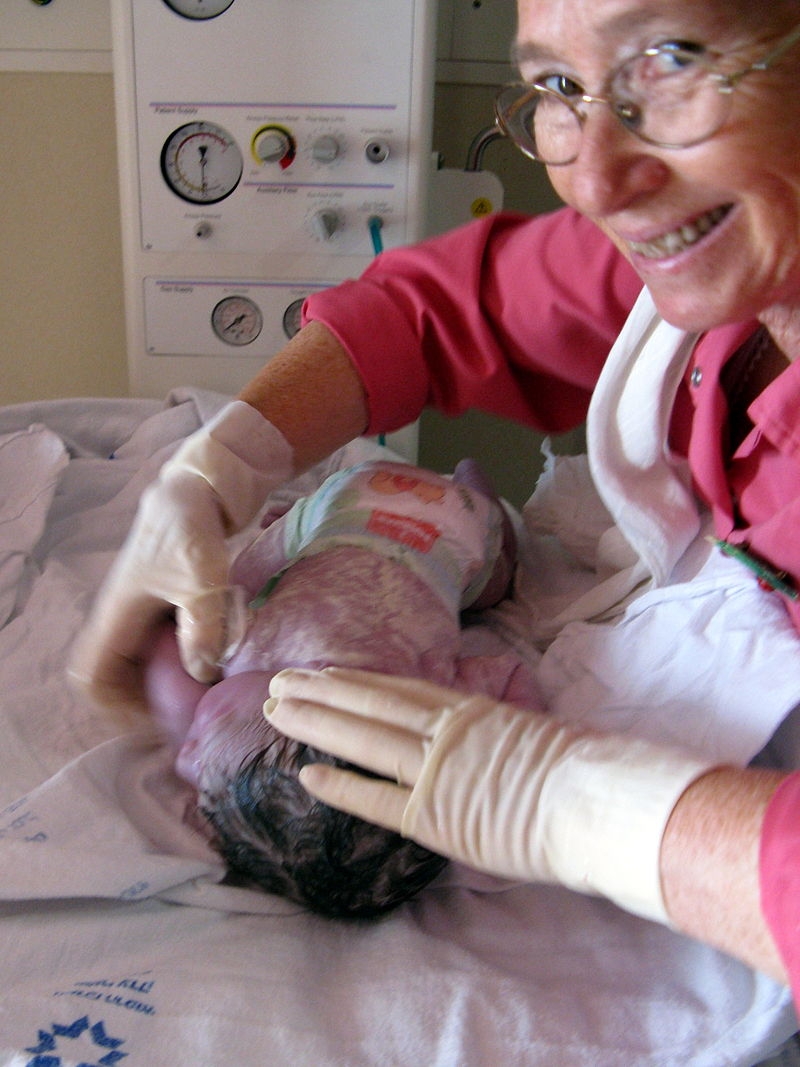
A midwife's role
During pregnancy, the midwife monitors the baby's health, growth and position. When labour begins, she offers the mother pain relief, encouragement and emotional support, while monitoring the baby’s heartbeat and other signs. The midwife assists with the birth of the baby. In high-risk situations such as a breech birth (when a baby is born bottom first instead of head first) or if there are complications, she will call in an obstetrician, a doctor who specializes in pregnancy and childbirth.
The midwife provides care for mother and baby immediately after the birth, checking, for example, whether the woman needs stitches. She checks the baby for any obvious problems, then weighs it and measures its head circumference. She also ensures the umbilical cord has been clamped securely. Later, she helps the mother with breastfeeding, advises how to care for the baby and carries out some routine tests.
Consultant: Kristina Routh
pics
Without in any way limiting Q-files Ltd’s exclusive rights under copyright, any use of this publication to “train” generative artificial intelligence (AI) technologies to generate text is expressly prohibited. Q-files Ltd reserves all rights to license use of this work for generative AI training and development of machine learning language models.