
Q-news

CITE
We have made every effort to follow citation style rules, but there may be some minor differences. If in doubt, please refer to the appropriate citation style manual.
Illegal trading in pangolins and other wild animals threatens them with extinction. (2022). In Q-files Encyclopedia, , Q-news. Retrieved from
https://www.q-files.com/news/illegal-trading-in-pangolins-and-other-wild-animals-threatens-them-with-extinction
"Illegal trading in pangolins and other wild animals threatens them with extinction." , Q-news, Q-files Encyclopedia, 10 Feb. 2022.
https://www.q-files.com/news/illegal-trading-in-pangolins-and-other-wild-animals-threatens-them-with-extinction.
Accessed 22 Sep. 2026.
Illegal trading in pangolins and other wild animals threatens them with extinction 2022. , Q-news. Retrieved 22 September 2026, from
https://www.q-files.com/news/illegal-trading-in-pangolins-and-other-wild-animals-threatens-them-with-extinction
, Q-news, s.v. "Illegal trading in pangolins and other wild animals threatens them with extinction," accessed September 22, 2026.
https://www.q-files.com/news/illegal-trading-in-pangolins-and-other-wild-animals-threatens-them-with-extinction


Illegal trading in pangolins and other wild animals threatens them with extinction
More than a million pangolins may have been caught and sold in the last 10 years. With sales thought to be worth around $19 billion a year, pangolins are now the most illegally traded mammal in the world. The demand for their meat, which is considered a delicacy in some parts of the world, and for their scales, which are used in traditional medicine, is devastating populations. Already vulnerable because of the loss of their forest habitat, all eight species of pangolin now feature on the International Union for the Conservation of Nature (IUCN) Red List of animals threatened with extinction. How many of these solitary, nocturnal creatures are left in the wild is unknown.
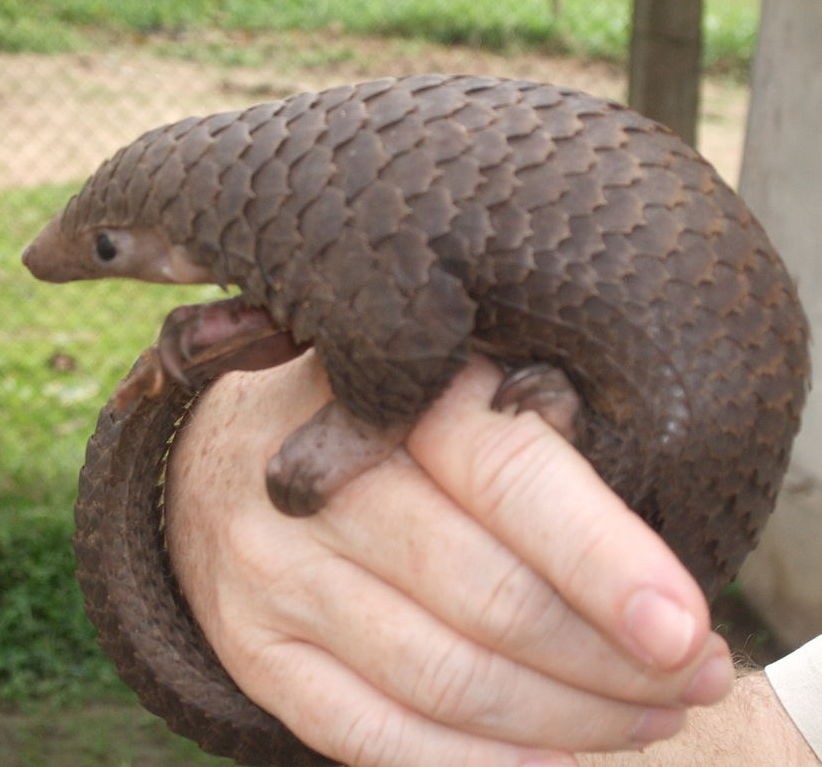
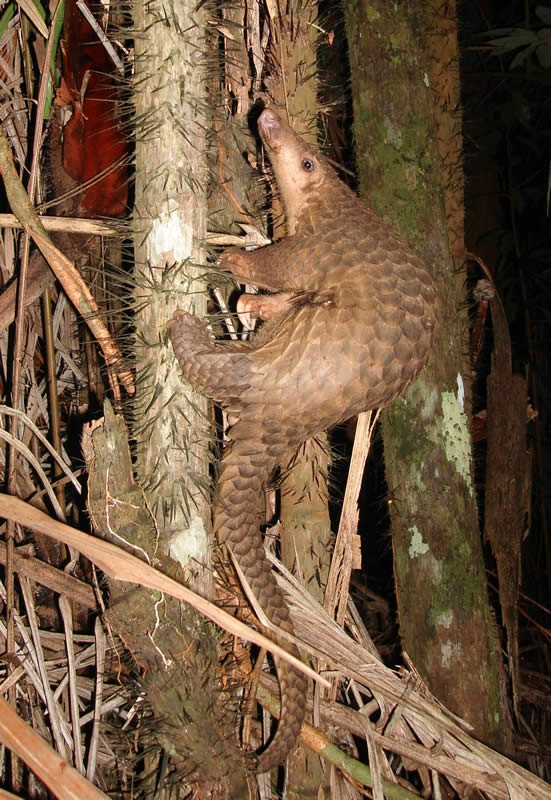
Pangolins are currently listed in Appendix II of the Convention on International Trade in Endangered Species (CITES). This allows for controlled, lawful trade—but only if this trade is not a threat to wild populations. This loophole has provided opportunities for poachers to profit from illegal trade in pangolins. It is estimated that 100,000 pangolins are captured every year—the exact number is uncertain—from across Africa and Asia. Most are shipped live to China and Vietnam, where their meat and scales are sold.
The 17th World Wildlife Conference, or CoP17, meets in Johannesburg, South Africa this week. It is considering changes to the CITES listings that affect around 500 species of wild animals and plants, including measures to prevent illegal trade. The most controversial proposals are for elephants: some southern African nations want to overturn the ban on selling ivory, while others want to make protections even tougher.
With the evidence strongly indicating pangolin populations are under threat, a total trade ban is being argued for these animals. If Conference then votes to transfer pangolins to CITES Appendix I, all African and Asian countries where they live would be able to protect them from poaching.


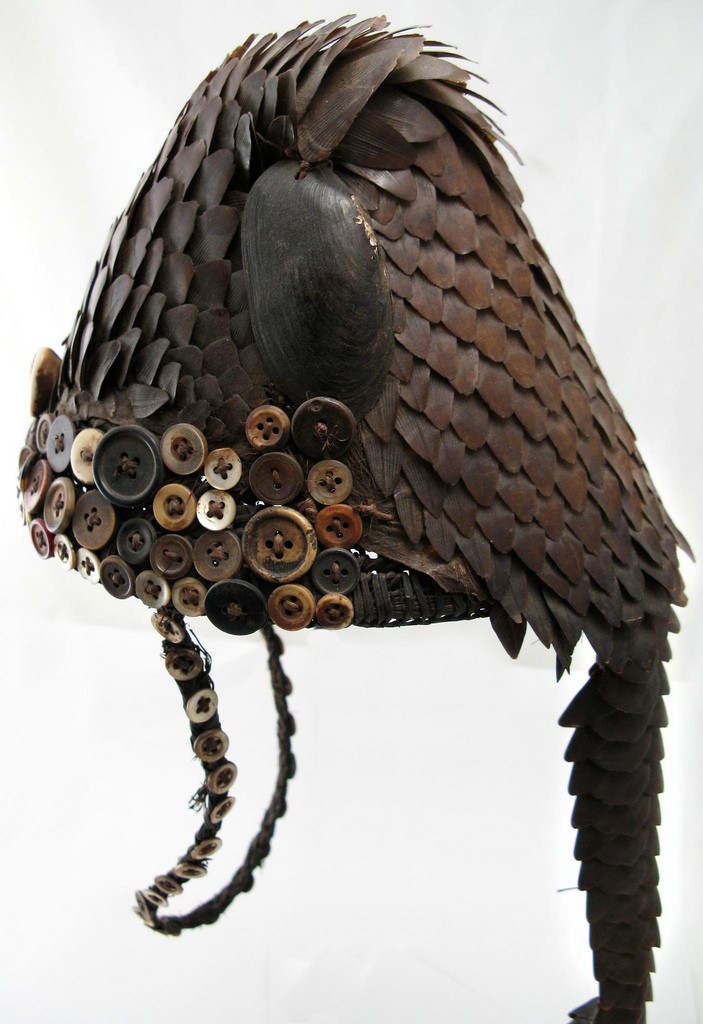
Pangolins are the only mammals covered in scales. The scales are made of keratin, the same material that human fingernails and rhino horn are made of. The scales are much prized in Traditional Chinese Medicine. Some believe (without any scientific evidence) that they can cure a range of conditions, including cancer and asthma, or help breastfeeding mothers. Scales are also used for making coats or headwear. As a result, pangolin scales may sell on the black market for more than $3000 a kilo—a huge amount of money for people in poor countries of Africa and Southeast Asia.
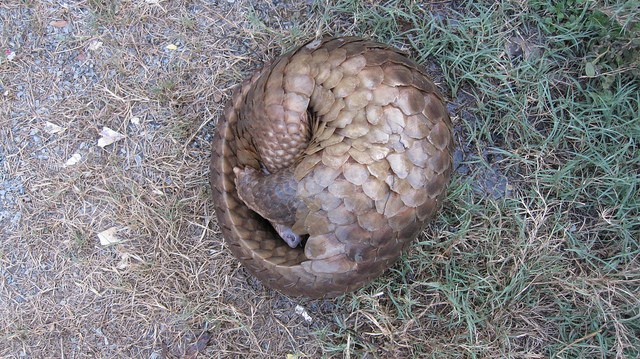
The pangolins’ habit of rolling themselves up into a tight balls when threatened may protect them from lions or tigers, but unfortunately makes it easy for poachers to pick them up and bundle them into fishnet bags ready for shipping.