
Natural history of the British Isles

CITE
We have made every effort to follow citation style rules, but there may be some minor differences. If in doubt, please refer to the appropriate citation style manual.
Mammals of the British Isles A-Z. (2026). In Q-files Encyclopedia, Life, Natural history of the British Isles. Retrieved from
https://www.q-files.com/life/natural-history-of-the-british-isles/mammals-of-the-british-isles-a-z
"Mammals of the British Isles A-Z." Life, Natural history of the British Isles, Q-files Encyclopedia, 24 Apr. 2026.
https://www.q-files.com/life/natural-history-of-the-british-isles/mammals-of-the-british-isles-a-z.
Accessed 22 Sep. 2026.
Mammals of the British Isles A-Z 2026. Life, Natural history of the British Isles. Retrieved 22 September 2026, from
https://www.q-files.com/life/natural-history-of-the-british-isles/mammals-of-the-british-isles-a-z
Life, Natural history of the British Isles, s.v. "Mammals of the British Isles A-Z," accessed September 22, 2026.
https://www.q-files.com/life/natural-history-of-the-british-isles/mammals-of-the-british-isles-a-z


Mammals of the British Isles A-Z
Badger
Meles meles
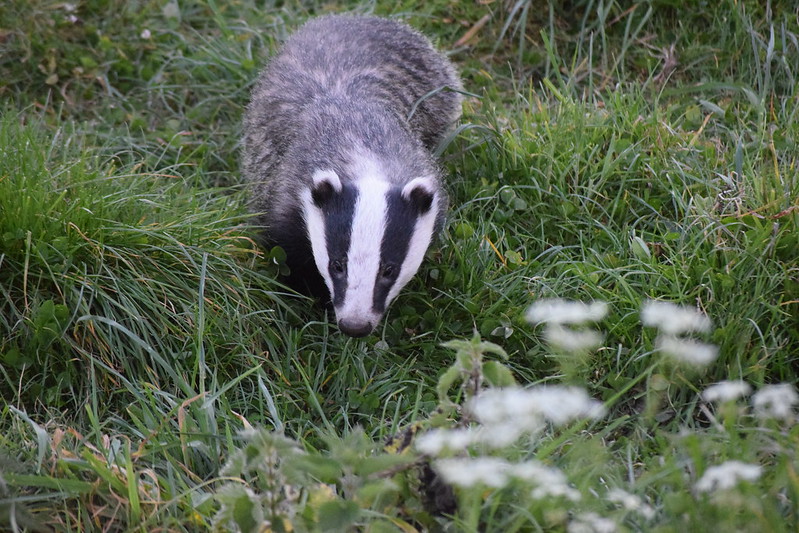
Badgers are large mammals with short legs, grey fur and black-and-white striped faces. They live everywhere in the mainland British Isles except the far north of Scotland, and are most common in woodlands and farmland. Family groups of badgers live in underground burrows called setts. They are nocturnal, which means they spend most of the day sleeping or resting underground and come out at night to forage. They use their strong front paws to dig up earthworms, their favourite food. Length: 75–100 cm (30–39 inches) Eats: earthworms, slugs, snails, occasionally hedgehogs.
Bats
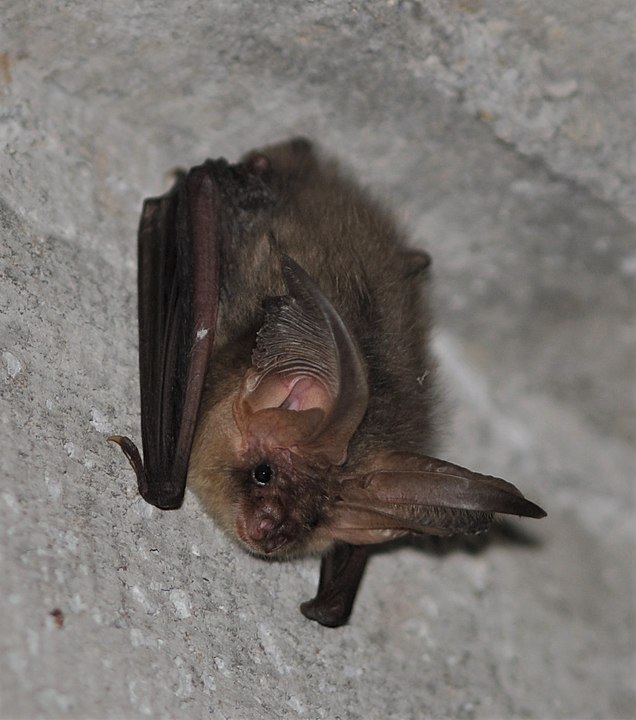
Plecotus auritus (brown long-eared bat), Rhinolophus ferrumequinum (greater horseshoe bat) Nyctalus leisler (Leisler’s bat), Pipistrellus pipistrellus (pipistrelle).
The British Isles are home to 14 species of bat. These small, furry animals are the only mammals that can fly. Their wings are made of skin stretched tightly between the long fingers of their hands and their ankles. Bats use a sense called echolocation to catch their prey. They are nocturnal and shy, best seen when they emerge from their homes (roosts) at dusk, swooping over gardens and fields to catch insects.
The commonest bat in the British Isles is the tiny pipistrelle, no bigger than a thumb, which can live in roosts of more than a thousand individuals. Brown long-eared bats live in woodlands and roost in trees. They have huge ears relative to their size, which help them to detect tiny insects. Greater horseshoe bats live only in Wales and the southwest of England. They roost in the rooftops of houses and barns during summer, and use caves in winter.
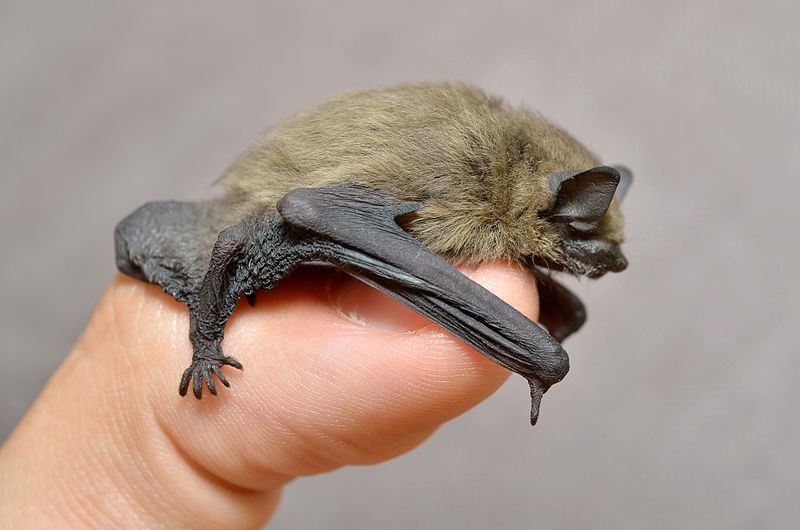
Leisler’s bats are high-flying bats especially common in Ireland. Unlike those of most other bats, their calls are loud enough for humans to hear. Length, pipistrelle: 3.5 cm (1.5 inches); brown long-eared bat: 4.5 cm (2 inches); greater horseshoe bat: 6.5 cm (2.5 inches); Leisler’s bat: 6 cm (2 inches). All species eat: moths, beetles, flies, other insects.
Beaver
Castor fiber
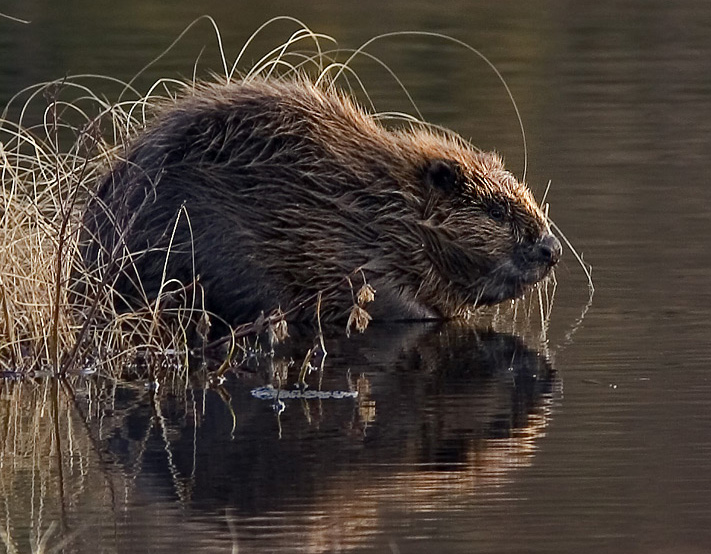
Beavers are large brown rodents with flat tails and yellow teeth. They live in freshwater wetlands such as streams and rivers. Beavers build nest-like homes called lodges on islands surrounded by water. With their sharp teeth, they gnaw through tree trunks to fell them and cut off smaller branches. They use these to dam the stream’s flow, creating protective lakes around the lodge's entrance. They enter the lodge by swimming in through an underwater "door".
Beavers are native to England, Scotland and Wales but vanished in the 16th century when they were hunted to extinction for their fur and meat. Today, conservation programmes have re-introduced them, and more than 3500 wild beavers now live along rivers in Scotland, Devon, Cornwall and Somerset. Length: 70–100 cm (30–40 inches). Eats: water plants, shrubs, grasses, bark.
Deer
Cervus elaphus (red deer), Capreolus capreolus (roe deer), Dama dama (fallow deer), Muntiacus reevesi (muntjac deer)
The British Isles are home to six species of deer. The largest is the red deer, which lives in the wild moorlands and woodlands of Scotland, Ireland and south west England. It has a dark red coat and a short tail. Males, known as stags, have large antlers on their heads, which are like horns in the shape of branches. They shed them every spring and grow new ones. Length: 1.7–2 m (5.5–6.5 feet). Eats: grasses, shrubs.

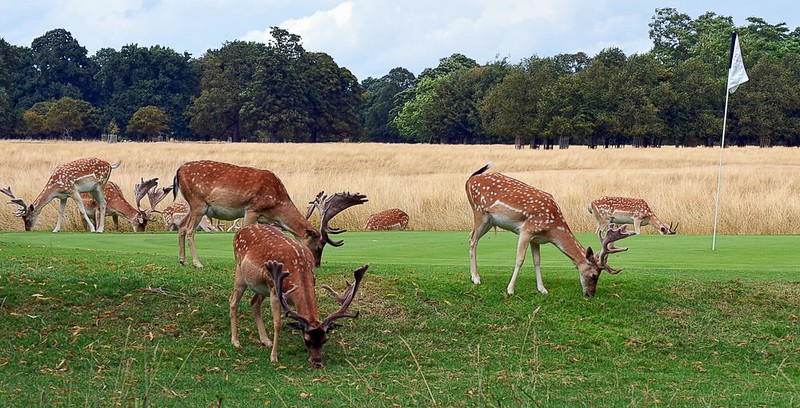
Fallow deer, introduced into England by the Normans in the 11th century, are the most commonly seen deer in England. They usually live in small herds in woodland clearings. Their coats vary in colour but are mostly pale gingery-brown, with white spots on the back, and their tails are black and white. The antlers of male fallow deer are known as palmate antlers because they are a similar shape to a human hand. During the autumn breeding season, known as the rut, males make loud "belches" to assert their territory and fight other males over the females, by locking antlers. Length: 1.3–1.8 m (4–6 feet). Eats: grasses, shrubs, leaves.
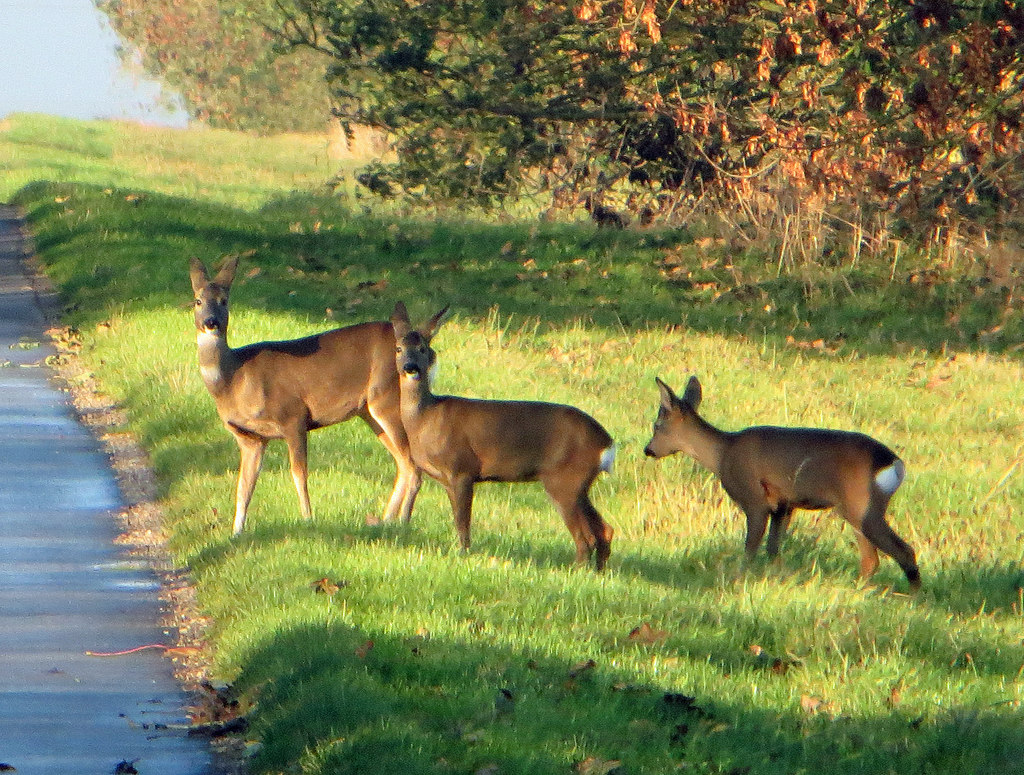
Roe deer are smaller, with much shorter antlers called tines, and no tails. Males begin to grow their antlers in late autumn, shedding the velvet from them in the spring. By summer, they are ready for the mating (rutting) season. After mating, they shed their antlers and grow new ones. Their rusty red coats turn greyish in winter. Roe deer live all over mainland Britain, and are commonly seen in woods and open fields. Length 0.9–1.3 m (3–4.25 feet). Eats: buds, shrubs, young tree shoots.
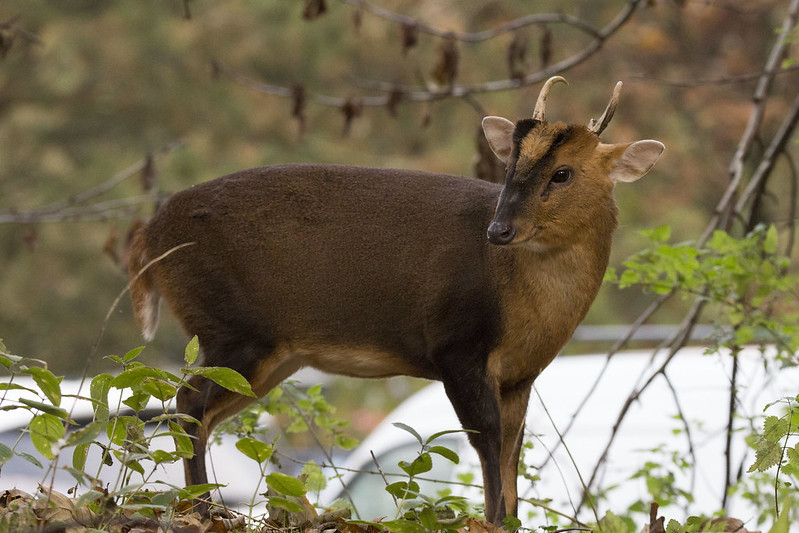
Muntjac deer are the British Isles' smallest deer. They were introduced from China in the early 20th century, and are now widespread across southern England and Wales. When they run, they show their bright white tails. Males have short, unbranched antlers that slope backwards, and a pair of long canine teeth. Length: 77–91 cm (30–36 inches) Eats: grasses, shrubs, leaves.
Dormouse
Muscardinus avellanarius
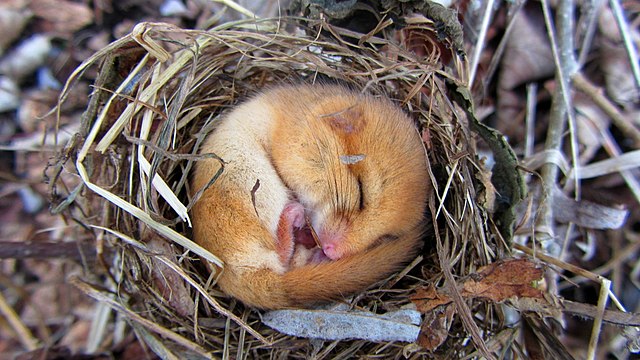
The tiny dormouse is one of the British Isles’ most endangered mammals because its woodland habitat is under threat. Also known as a hazel dormouse, this tiny rodent has golden-brown fur and a long, fluffy tail. Despite its name, it is not a type of mouse. Dormice live in woods and hedgerows in southern England. They spend most of the year living high up in the branches of trees, feeding on flowers and insects. During the winter they come down to the ground to hibernate, curling up in tight balls inside round nests in safe places on the ground. Length: 6–9 cm (2.5–3.5 inches). Eats: insects, seeds, nuts, flowers, berries.
Fox
Vulpes vulpes
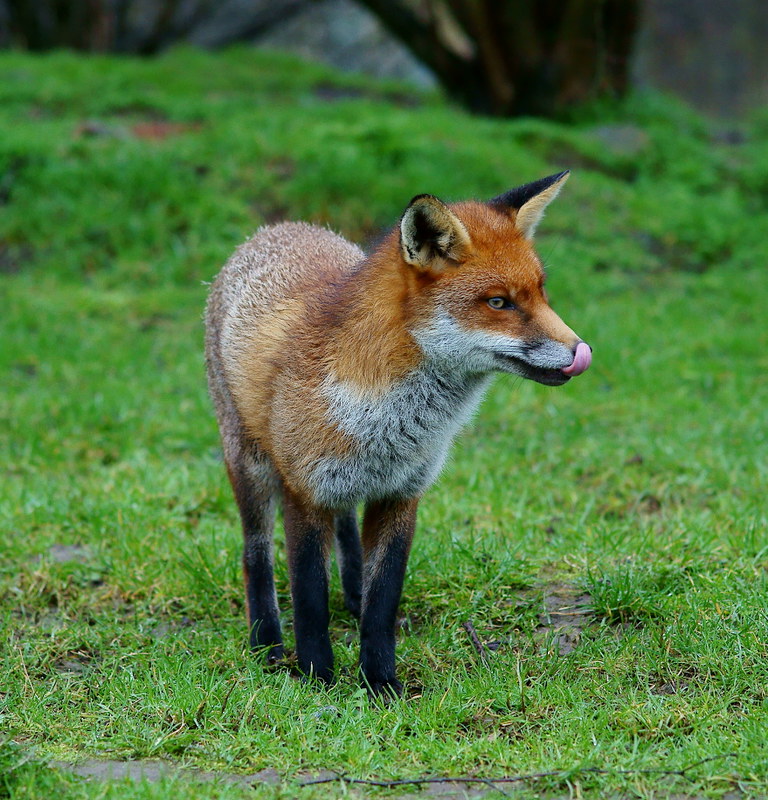
The red fox is a member of the dog family. It has a reddish-orange coat, pointed ears and a long, bushy tail with a white tip. Foxes are found everywhere in the mainland British Isles, equally at home in cities and suburbs—where they are mostly scavengers—as they are in the countryside, where they hunt birds, mice and rats. Foxes live in underground burrows called earths. They mark their territories with urine, and leave scent trails so that they can find and follow regular paths. Length: 62–72 cm (24–28 inches). Eats: small mammals (including mice, rats, shrews, voles), birds, frogs, earthworms, fruit.
Hares
Lepus europaeus (brown hare) Lepus timidus (mountain hare) Lepus timidus hibernicus (Irish hare)
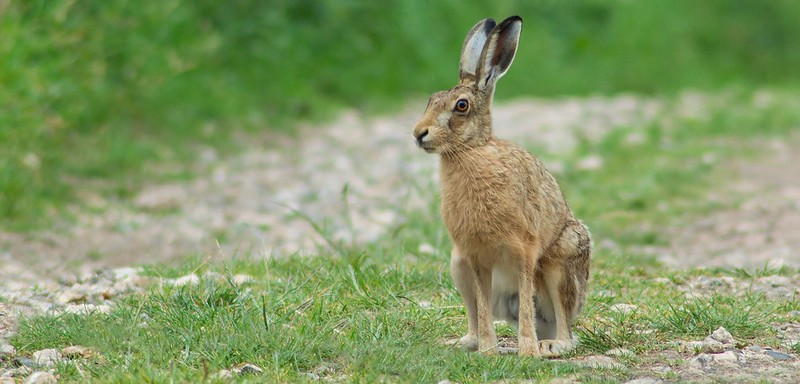
At first glance, the brown hare looks like a very large rabbit. Like the rabbit, it has light brown fur, a pale belly and white tail, but its legs are much longer and it has very long, black-tipped ears which stand upright. Hares can run extremely fast—up to 72 km/h (45 mph). They prefer areas where there are a mix of open and sheltered areas, such as fields along the edges of woodlands. Hares sleep in a shallow dip in the grass or earth called a form. Males and females “box” one another as part of their mating ritual in spring. Length: 50–70 cm (20–28 inches). Eats: grass shoots and cereal crops.
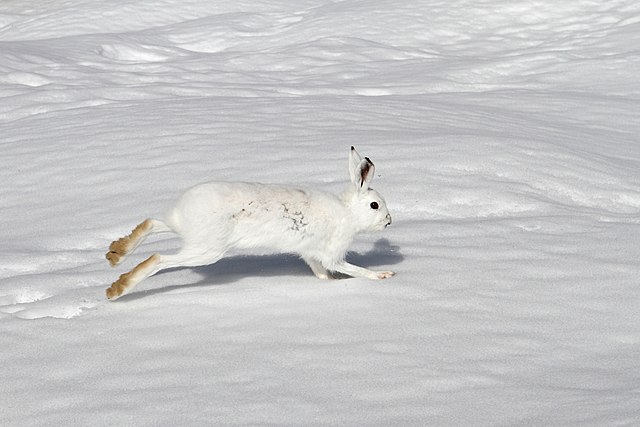
In the British Isles, mountain hares live only in the Scottish Highlands. They are smaller than brown hares, and have shorter ears. Their grey fur turns white in the winter so it can blend in with its snowy surroundings. Irish hares are a type of mountain hare native to Ireland, and the only hare on the island. Their fur stays the same colour all year round. Length: 45–56 cm (18–23 inches). Eats: grass shoots, plants.

Hedgehog
Erinaceus europaeus
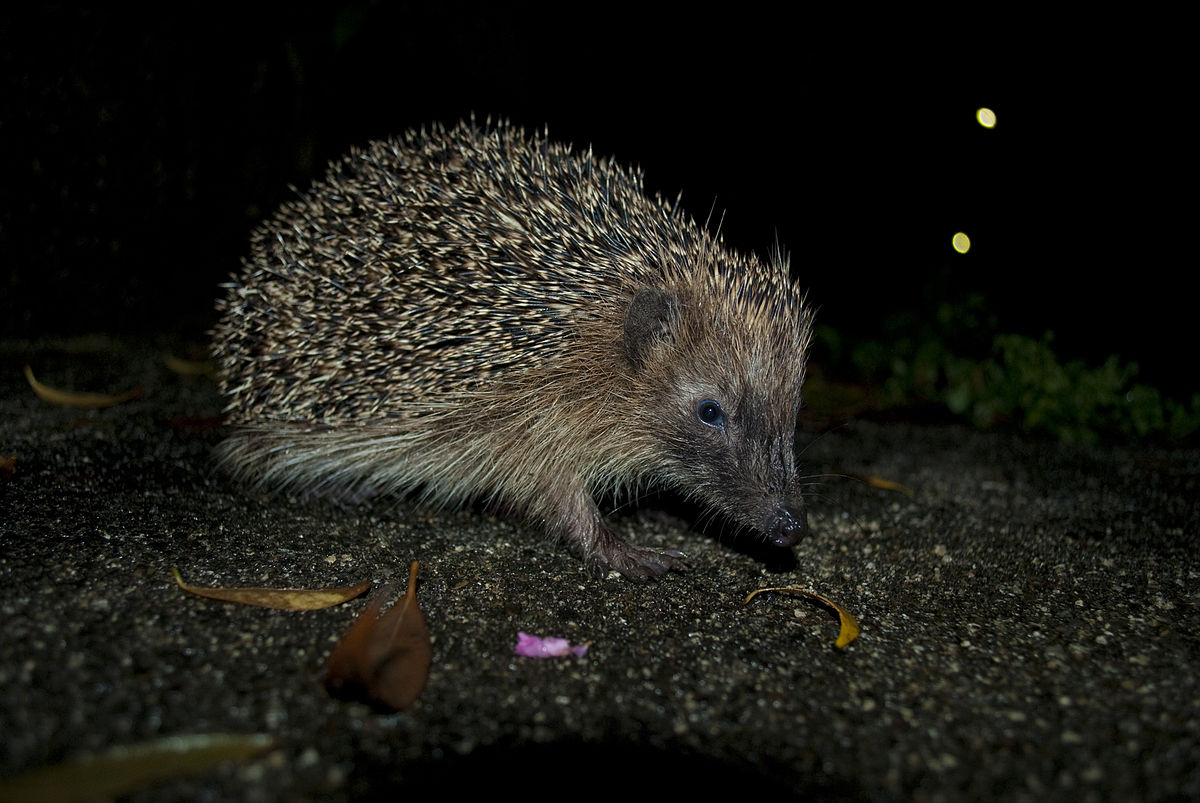
This small, spiky mammal lives in hedgerows, woodlands, gardens and parks all over the British Isles. Hedgehogs are nocturnal—they come out only at night to hunt slugs and worms, snuffling around for them in the grass or flowerbeds. During the day they sleep in their dens in hedgerows. Hedgehogs have 5000–6000 spines, which are actually stiff hairs. When they are in danger, they can roll up into a tight ball with their spines pointing outwards, making them difficult for predators to eat. Length: 15–30 cm (6–12 inches). Eats: slugs, earthworms, beetles, other insects, birds’ eggs.
Mice
Apodemus sylvaticus (field mouse), Micromys minutes (harvest mouse), Mus musculus (house mouse)
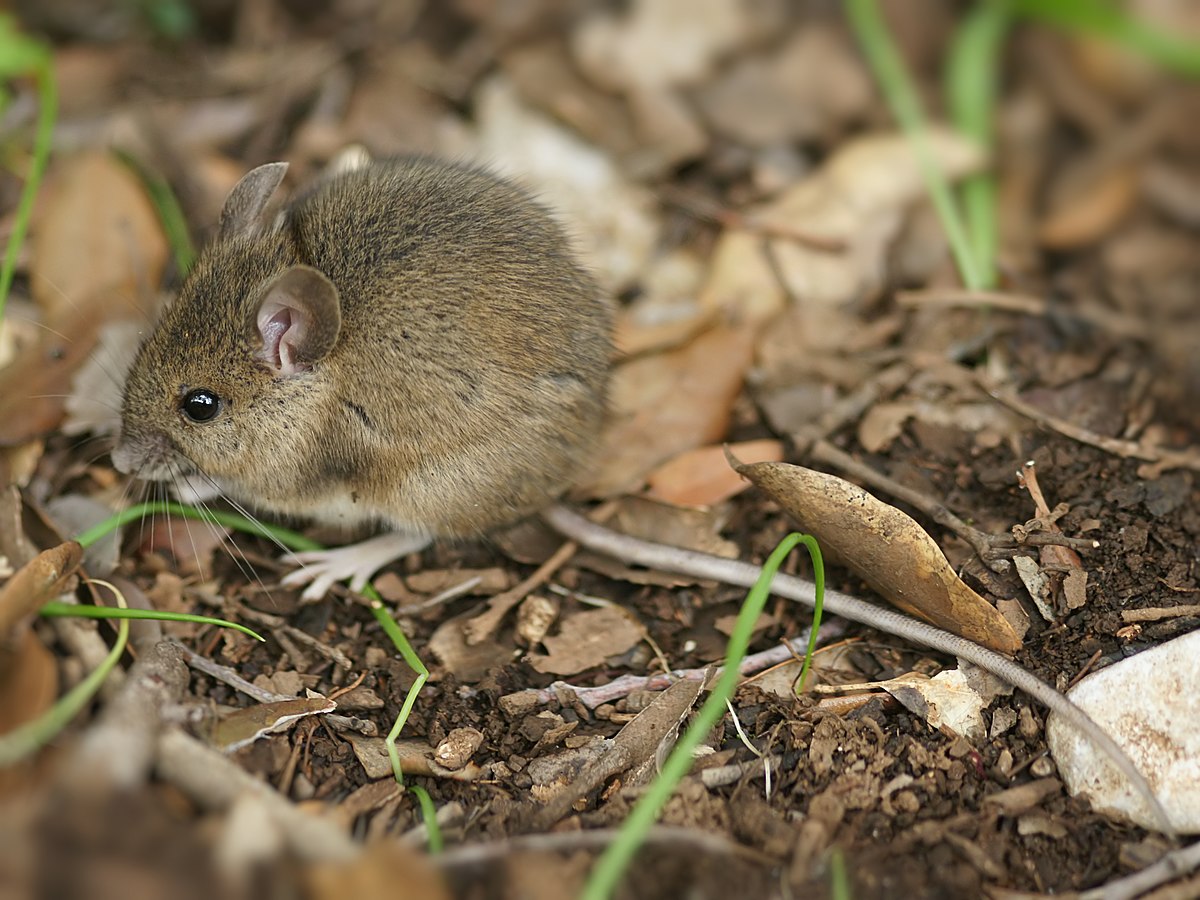
House mice are small rodents with greyish-brown fur, rounded bodies and pointed faces. Their ears are large, and they have long, hairless tails. They live alongside humans, sheltering in houses for warmth and foraging for scraps of food. Field mice (also known as wood mice) look similar, but they live in woodlands and gardens. Nocturnal creatures, they sleep in burrows during the day and venture out in the evening to look for berries and seeds. Their large back feet help them to jump quickly out of danger. Length: 8–10 cm (3–4 inches). Eats: cereals, seeds, fruits, (house mouse also eats scraps).
The tiny harvest mouse has golden-brown fur and a white belly. It lives in tussocky grassland, hedgerows and woodland edges. It makes its nest above ground by weaving it into the stems of tall grasses. The harvest mice uses its long tail—almost as long as its body—like an extra limb to help it cling on to grass stems. Length: 5–7 cm (2–3 inches). Eats: cereals, seeds, fruits.


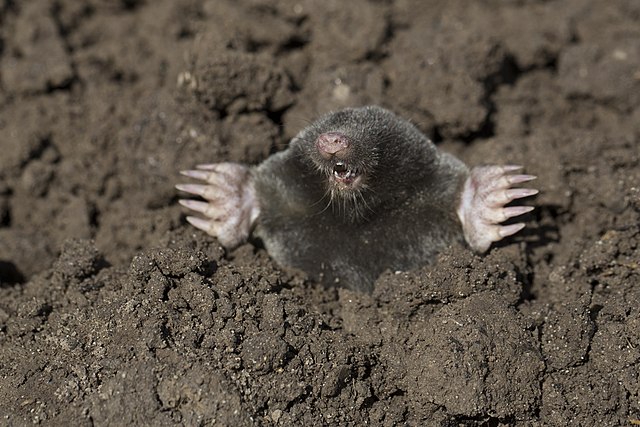
Mole
Talpa europaea
Moles are small, furry, burrowing animals that live in farmland, woodlands and gardens. They are found in Great Britain, but not Ireland. The mole spends most of its time underground, tunnelling through the soil with its shovel-like front paws in search of worms and other invertebrates to eat. As it digs, it pushes the waste soil up to the surface, forming small mounds of loose earth known as mole hills. Moles have tiny eyes and poor eyesight, so they rely instead on their sense of touch to find their way around and detect their prey. Their flexible snouts are particularly sensitive. Moles build underground "larders" for storing worms to eat later. Length: 15 cm (6 inches). Eats: earthworms, other invertebrates.
Otter
Lutra lutra
Otters are slender greyish-brown creatures, related to weasels. They live alongside rivers and ponds all over the British Isles. Otters are excellent swimmers. Their webbed feet act like flippers, helping to propel them along in the water. They can also close their ears and nose when diving for fish. In the last century, otters nearly became extinct in England because of hunting and water pollution, but because of conservation efforts, their numbers have begun to climb once again, especially in northern England. Today they live all over the British Isles, but mostly in Ireland, Scotland and Wales. Length: 60–80 cm (24–32 inches). Eats: fish, eels, birds, insects, frogs, crustaceans.


Pine marten
Martes martes
The slim, shy pine marten is part of the weasel family, the mustelids. A pine marten’s fur is brown, with a yellow “bib” on its chest. Its tail is long and bushy like a squirrel’s. Pine martens are mainly found in Scotland and Ireland, where they live in woodlands and make their homes in trees. They are excellent climbers, and will scale tall trees to hunt for bird’s eggs. They also prey on small ground-living mammals such as voles and sometimes even rabbits. Length: 46–54 cm (18–21 inches). Eats: berries, birds, small rodents, insects.
Polecat
Mustela putorius
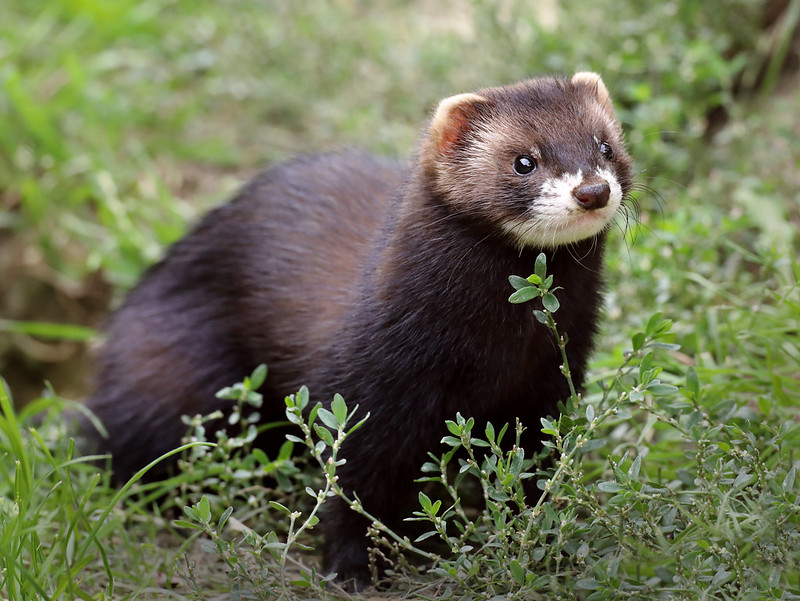
Polecats are types of mustelid, related to weasels and ferrets. These small, slim animals have two-tone golden and brown fur, with white stripes on their faces. They live in woodland and farmland, where they hunt for rabbits at night. Once common in the British Isles, polecats were hunted almost to extinction because they stole chickens. Today their numbers are increasing in Wales and rural parts of England. Length: 32–45 cm (13–18 inches). Eats: mice, frogs, birds, rabbits, snakes.
Rabbit
Oryctolagus cuniculus
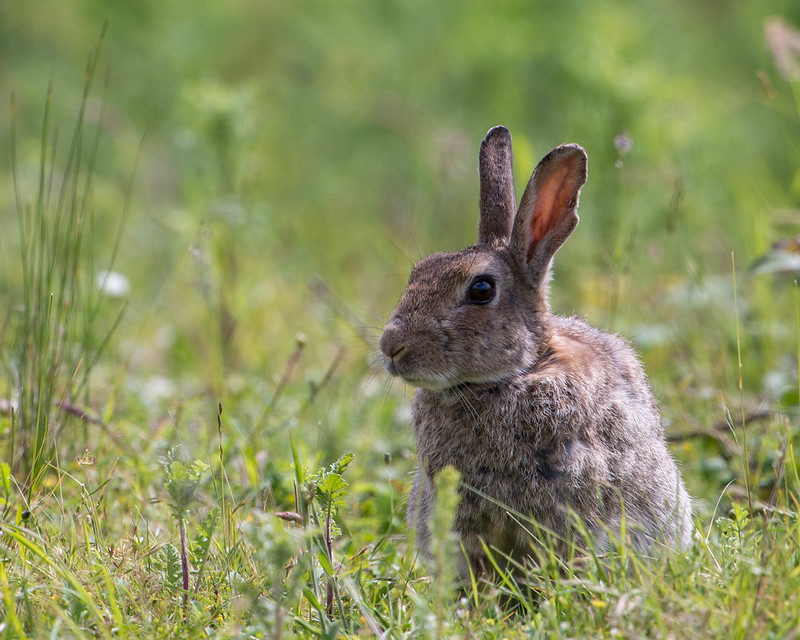
Rabbits were first introduced to Britain by the Normans, and are now a common sight in woodlands, meadows, moorland and heathland all over the British Isles. They have greyish-brown fur, long ears and a short white tail. Their long hind legs help them to bound quickly away from predators—foxes, stoats, polecats and buzzards. Rabbits live in large groups in underground burrow systems known as warrens. Female rabbits (does) produce one litter of up to seven babies (kittens) every month during the breeding season. Length: 40 cm (16 inches). Eats: grasses and other plants.
Rat
Rattus norvegicus
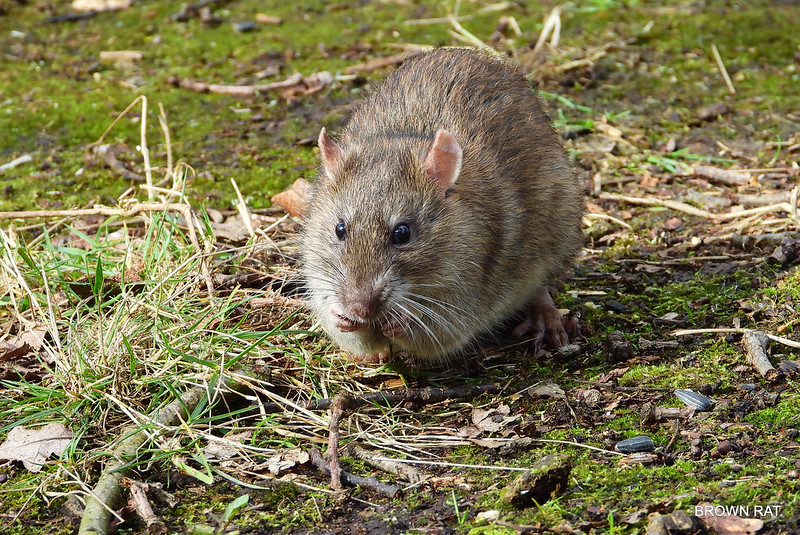
Brown rats, also known as common rats, live everywhere in the British Isles, and can survive in any habitat. These rodents live happily in towns and cities alongside humans, feeding on our scraps and waste. Brown rats are much larger and heavier than mice. They have greyish-brown fur, pointed noses and long, scaly tails. They dig out burrows in the ground to make their nests, or shelter in hidden corners if there is no soil. Brown rats have travelled all over the world by hiding away on ships, and today they live almost everywhere that humans live. Length: 15–27 cm (6–11 inches). Eats: food scraps, cereals, fruits, small birds, carrion, eggs.
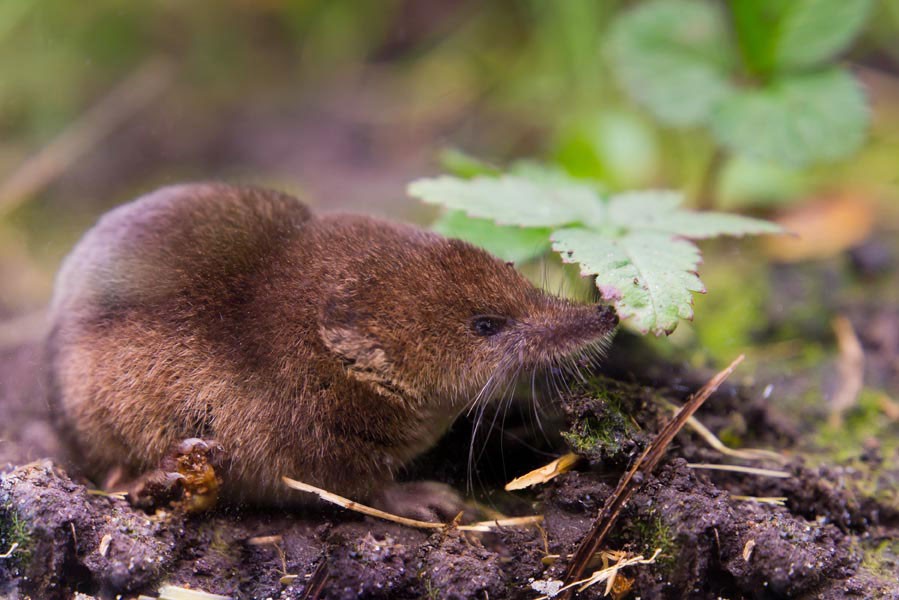
Shrews
Sorex araneus (common shrew), Sorex minutus (pygmy shrew), Neomys fodiens (water shrew)
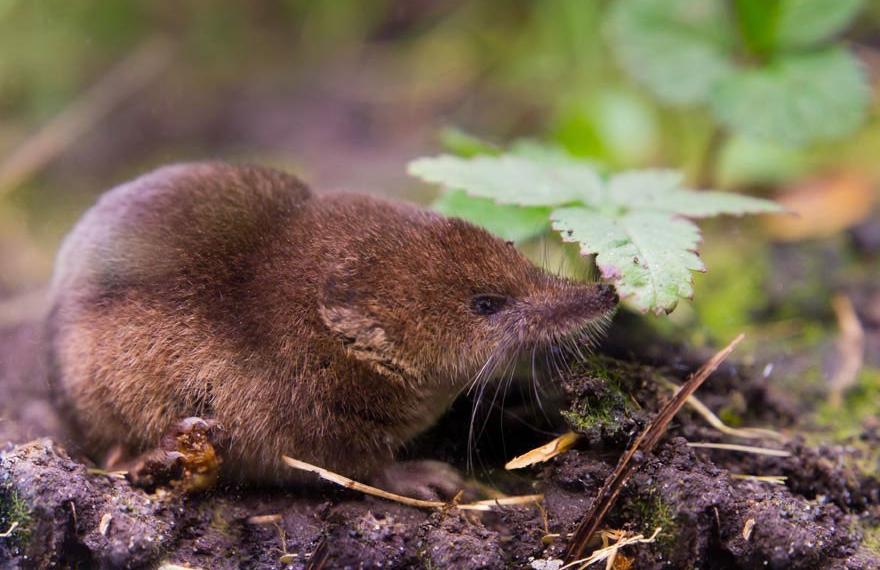
Shrews live anywhere where there is grassy cover to hide in, such as farmland and gardens. Although they look similar to mice, these small, long-nosed mammals are related to moles and hedgehogs. Common shrews are brown with silver fur on their bellies. They are tiny—only about the length of a human finger. Their long snouts help them to sniff out insects and worms in the undergrowth. Like all kinds of shrew, they must eat their body weight in food each day. Length: 5–8 cm (2–3 inches). Eats: slugs, snails, insects, earthworms.
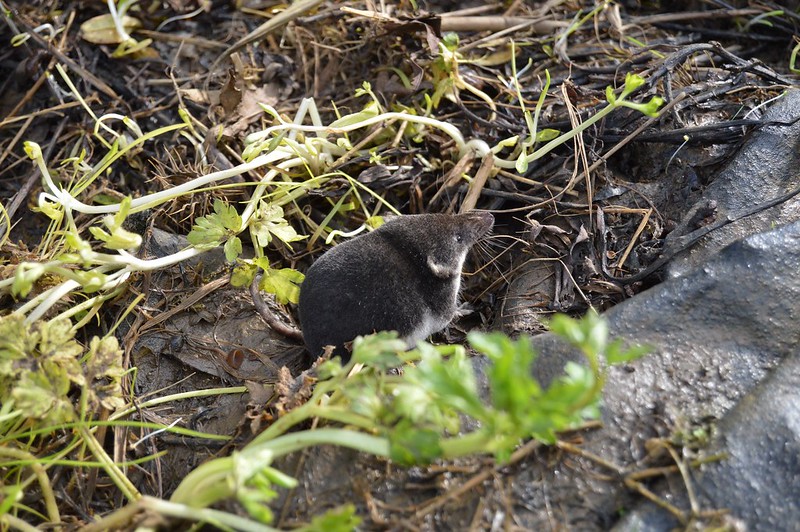
Pygmy shrews are even tinier—no bigger than six centimetres (2.5 inches)—with long tails. They are the only shrew found in Ireland. Eats: insects, spiders, woodlice.
Water shrews have dark grey fur, and large back feet which help them swim. They can dive underwater to feed on mayfly larvae, and have a poisonous bite which can stun frogs and small fish. Length: 6–9.5 cm (2.5–4 inches) Eats: fish, newts, insects, frogs, snails, crustaceans.
Squirrels
Sciurus carolinensis (grey squirrel), Sciurus vulgaris (red squirrel)
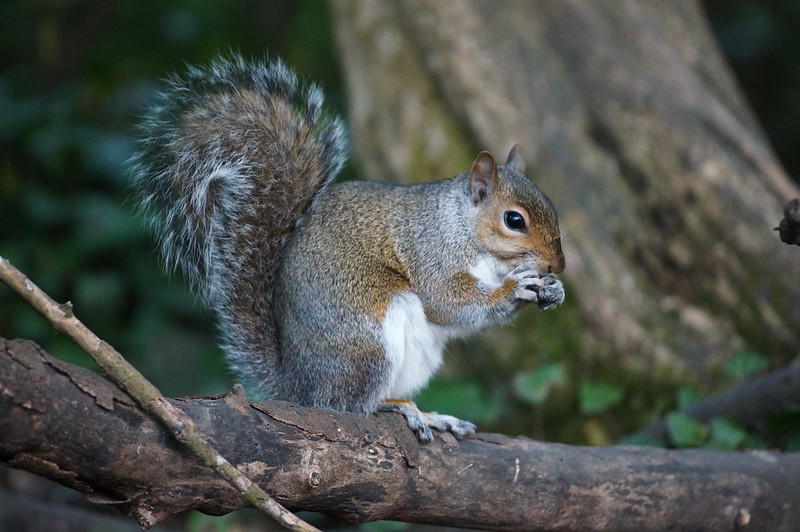
Grey squirrels are native to North America. These bushy-tailed rodents were introduced into England in the 1870s and spread quickly into Scotland and Wales. Grey squirrels collect and store nuts by burying them in the ground. They use their strong sense of smell to find and dig them up in the winter when food is in short supply. Length: 24–28 cm (9–11 inches). Eats: nuts, seeds, fruit, fungi.
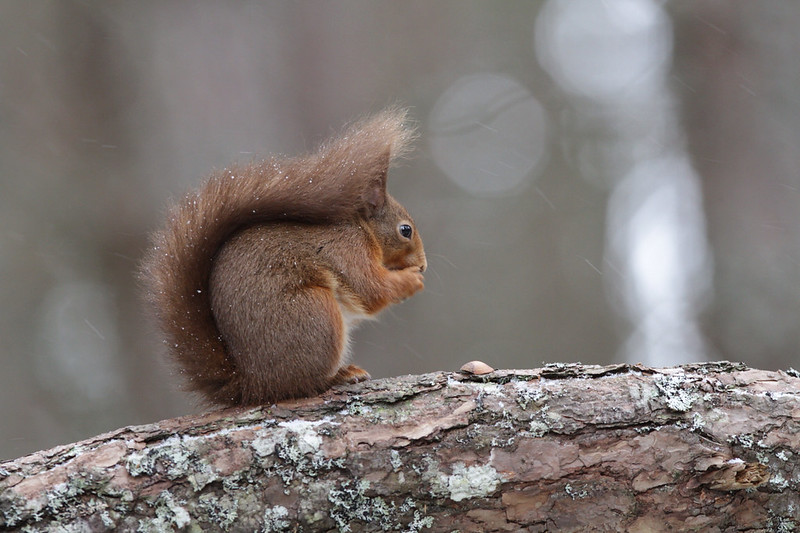
The red squirrel is native to the British Isles. It lives in woodlands in northern England and Scotland, as well as on Anglesey and the Isle of Wight. Smaller than the grey squirrel, it has copper-coloured fur, a bushy tail and long tufts on its ears. Out-competed for food by the larger and tougher greys, red squirrels have struggled to survive, but their numbers are now gradually increasing. Length: 18–24 cm (7–9 inches) Eats: nuts, seeds, fruit, fungi.
Stoat
Mustela erminea
Stoats are small mustelids, closely related to weasels and otters. They live in grassy areas and woodlands all over the British Isles. Stoats are larger than weasels. They have slim, long bodies with reddish-brown fur above and white underneath. Their tails are long and furry with black tips. Stoats are fast runners, and can hunt rabbits by chasing them and wriggling into their burrows. In northern areas of the British Isles they turn white in winter to blend in with the snow. Length: 24–32 cm (9–13 inches). Eats: rabbits, mice, voles, shrews, birds’ eggs.

Voles
Myodes glareolus (bank vole), Microtus agrestis (field vole), Arvicola amphibius (water vole)
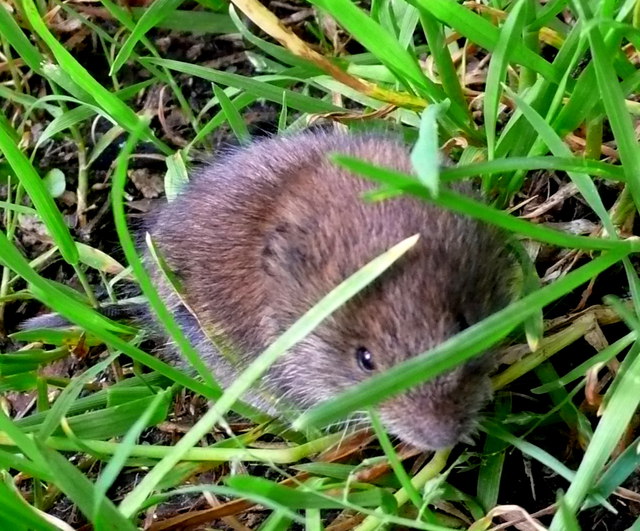
Voles are small rodents. With their grey-brown fur and short legs, they look similar to mice, but their ears are smaller and their faces more rounded. The most common in the British Isles is the field vole, or short-tailed vole. It lives in grassland, heathland and moorland, where it scurries through the undergrowth hiding from predators such as kestrels and owls. Length: 8–13 cm (3–5 inches). Eats: seeds, roots, shoots.
The similar-looking bank vole is easier to spot. It mainly lives in woodlands, but will visit gardens in search of food. Length: 8–13 cm (3–5 inches). Eats: nuts, berries, insects
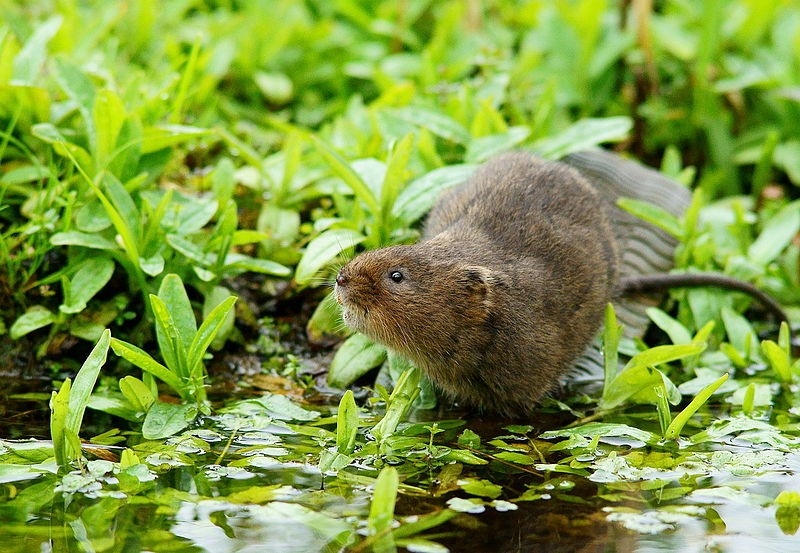
Water voles are the largest species of vole. Also known as water rats, they look similar to brown rats but are smaller, with furry tails and more rounded heads. Water voles live close to rivers and lakes, wetlands and marshes, and are excellent swimmers. They make their burrows in soft soil along the water’s edge. Length: 14–22 cm (6–9 inches). Eats: grasses, reeds.
Weasel
Mustela nivalis
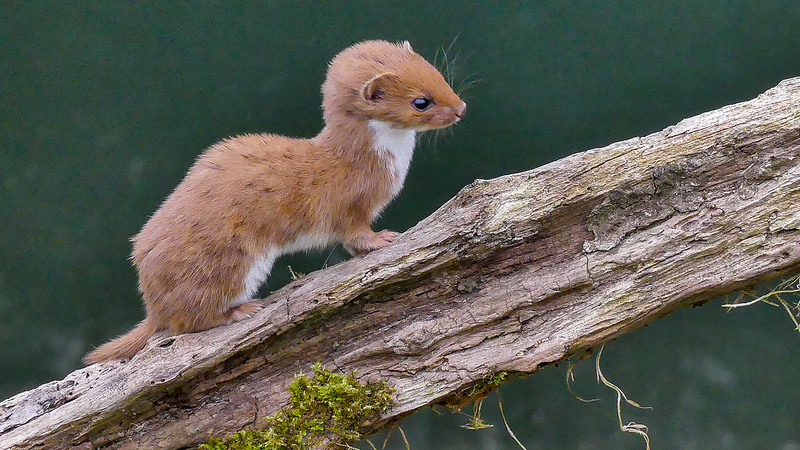
Weasels are small mustelids, related to otters and stoats. With their reddish-brown fur and white bellies, they look very similar to stoats, but are smaller and slimmer and their tails are shorter, without black tips. Weasels are straight-backed as they run, while stoats arch their backs. Weasels live in grassy heathlands and woodlands in mainland Great Britain—they are not found in Ireland. Fierce hunters, their long, slim body shape enables them to wriggle into small burrows to hunt mice and voles. Length: 17–22 cm (7–9 inches). Eats: mice, voles, birds.
Wildcat
Felis sylvestris
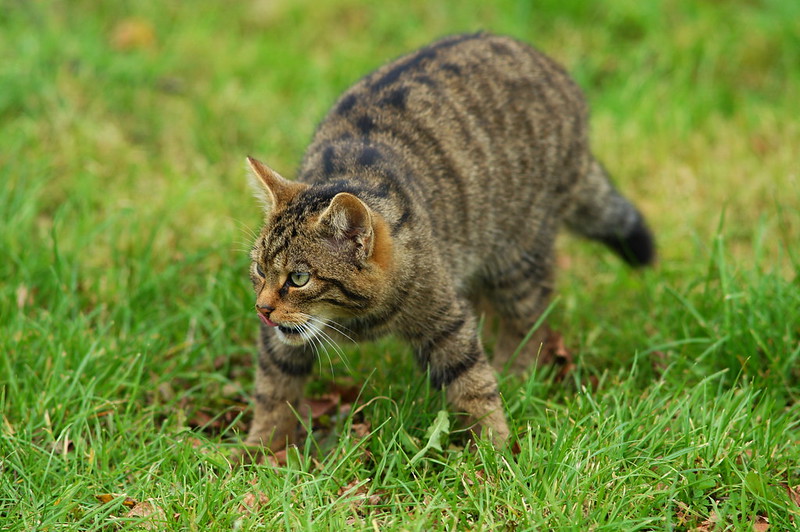
The wildcat is about twice the size of a domestic or house cat, and much fiercer. Its thick brown fur has black stripes, which show up especially well on its tail. Today it is found only in Scotland, but until the 20th century it lived all over mainland Britain. Wildcats are solitary animals. They rest in rough dens during the day and come out at night to hunt rabbits, hares and other small mammals. They live on the edge of moorlands, where there is both a good range of prey and shelter to hide away. Length: 56 cm (22 inches). Eats: rabbits, hares, other small mammals, birds.
Consultant: Chris Jarvis
pics

Without in any way limiting Q-files Ltd’s exclusive rights under copyright, any use of this publication to “train” generative artificial intelligence (AI) technologies to generate text is expressly prohibited. Q-files Ltd reserves all rights to license use of this work for generative AI training and development of machine learning language models.