
Natural history of the British Isles

CITE
We have made every effort to follow citation style rules, but there may be some minor differences. If in doubt, please refer to the appropriate citation style manual.
Coastal habitats of the British Isles. (2026). In Q-files Encyclopedia, Life, Natural history of the British Isles. Retrieved from
https://www.q-files.com/life/natural-history-of-the-british-isles/coastal-habitats-of-the-british-isles
"Coastal habitats of the British Isles." Life, Natural history of the British Isles, Q-files Encyclopedia, 24 Apr. 2026.
https://www.q-files.com/life/natural-history-of-the-british-isles/coastal-habitats-of-the-british-isles.
Accessed 21 Sep. 2026.
Coastal habitats of the British Isles 2026. Life, Natural history of the British Isles. Retrieved 21 September 2026, from
https://www.q-files.com/life/natural-history-of-the-british-isles/coastal-habitats-of-the-british-isles
Life, Natural history of the British Isles, s.v. "Coastal habitats of the British Isles," accessed September 21, 2026.
https://www.q-files.com/life/natural-history-of-the-british-isles/coastal-habitats-of-the-british-isles


Coastal habitats of the British Isles
The British Isles have more than 34,000 kilometres (21,000 miles) of coastline, where the land meets the sea. Coastal habitats include estuaries with their shallow waters, mudflats and salt marshes, and seashore habitats such as beaches, rockpools, sand dunes and cliffs. The rise and fall of tides creates conditions on low-lying coasts that are constantly changing. Some environments, such as estuaries and beaches, are refreshed by nutrients from the sea or rotting seaweed. Others may be altered physically when wave erosion eats into the cliffs or the deposition of sediments, such as sand and shingle, creates new ground. The plants and animals that live on the coast have adapted to live in these environments.
Estuaries
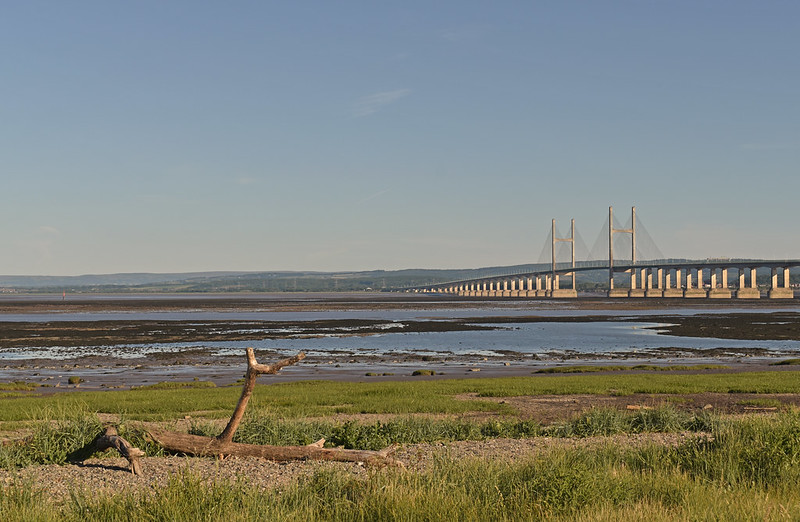
Where a river meets the sea it widens out into an estuary. Most British estuaries were formed as river valleys were drowned by slowly rising sea levels. In an estuary, fresh water from the river mixes with salty sea water, creating a habitat that supports an enormous range of life. These tidal habitats are flooded with sea water twice a day, which brings nutrients ashore. At low tide, mudflats that flank the estuary's banks are exposed. These are vital feeding grounds for birds.
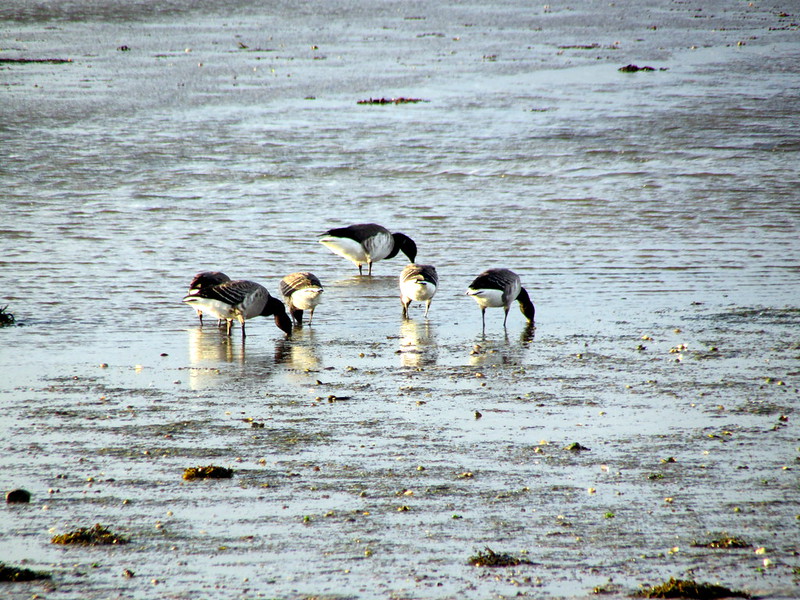
Estuaries are sheltered from the harsher weather and stormy waves of the coast itself. Along with the plentiful supply of food, this makes them good places for birds to breed. Other birds stop over to replenish their energy on long migrating flights. The Severn Estuary in southwest England is the British Isles’ most important breeding site for the dunlin, a species of shorebird, while the Wash, on England's east coast, supports an enormous population of Brent geese.
Estuaries also make good nursery grounds for breeding fish. Herring and plaice spawn in the Thames Estuary, while the Severn Estuary is home to sprat, bass and whiting. Young salmon, known as smolts, born upstream spend time in estuaries while they adjust to saltwater conditions before swimming out to sea. Young eels, called elvers, arrive from the open sea and spend time in estuaries adjusting to fresh water before making their way inland. These and other fish attract harbour seals, porpoise and bottlenose dolphins in search of food.
Mudflats
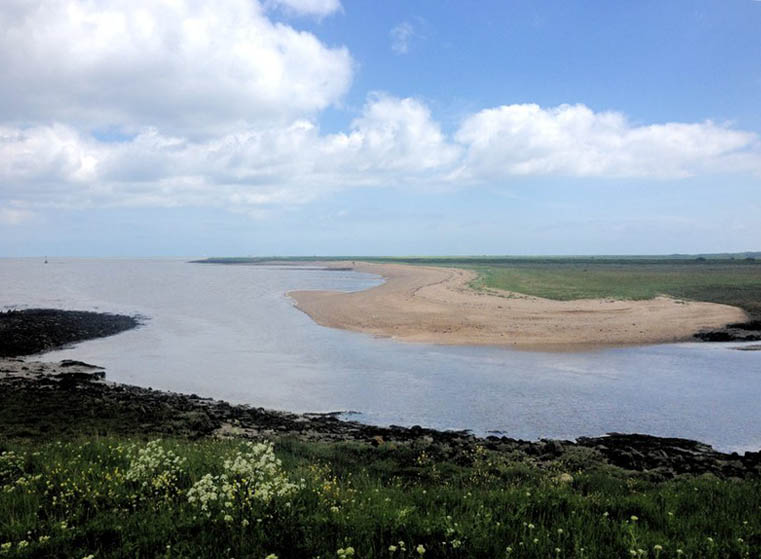
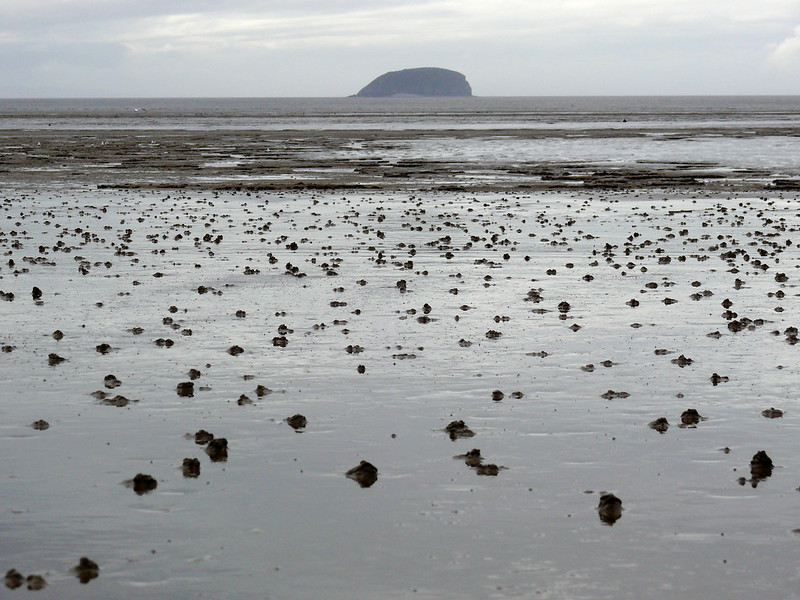
At low tide in an estuary, wide areas of silt and sediment deposited by the river, called mudflats, are exposed. The nutrient-rich mud is home to millions of tiny invertebrate creatures. Shorebirds such as curlews and oystercatchers pick their way across the flats, looking for worms, snails and bivalves buried in the mud. Some of the British Isles’ largest mudflats are in Morecambe Bay in northeast England and Strangford Lough in Northern Ireland.
Salt marshes
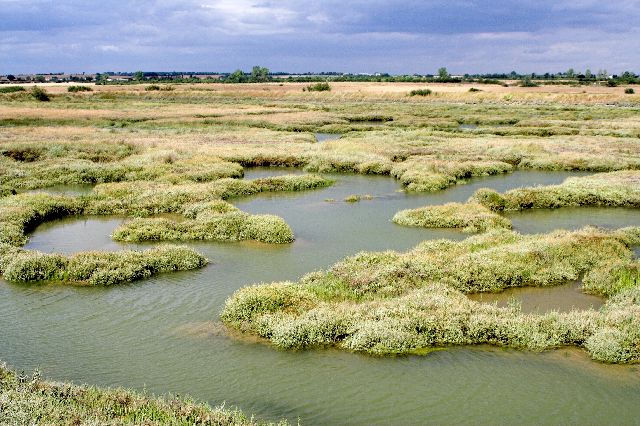
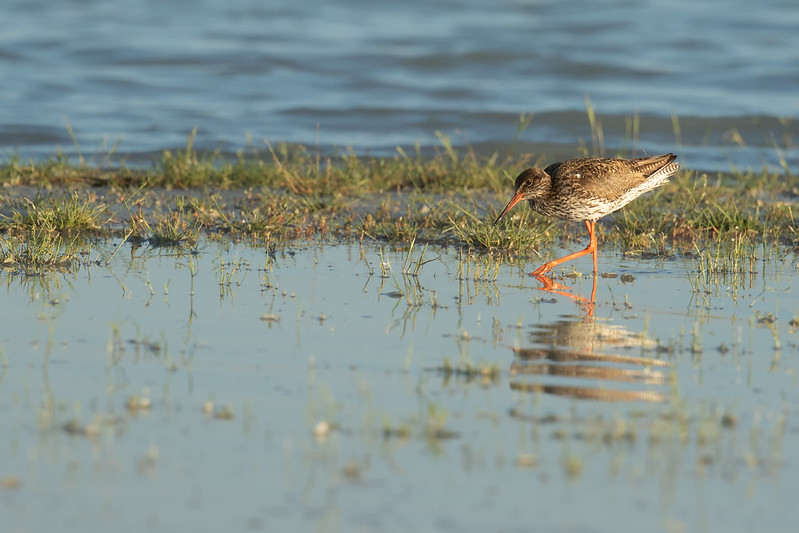
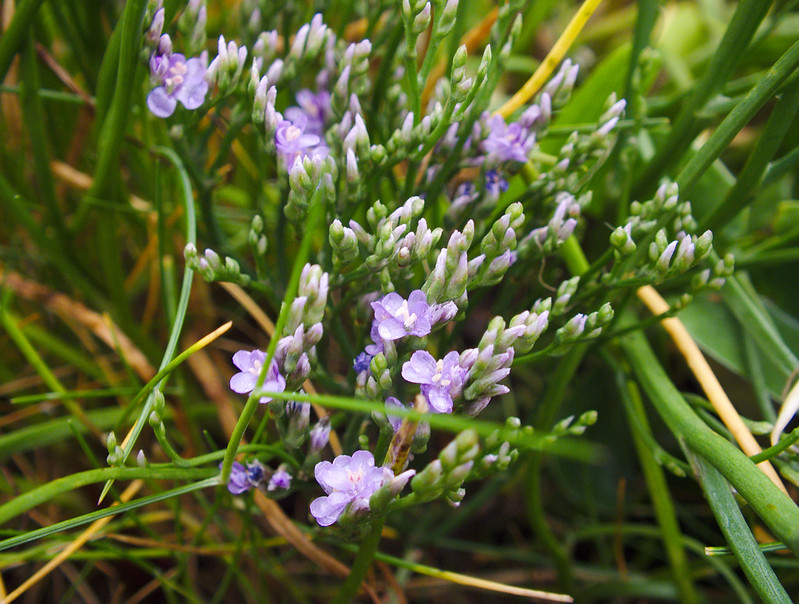
Where mudflats slope very gradually upwards inland they give way to salt marshes. These are areas of muddy land cut through with tiny streams which fill up as the tide comes in. This land is dense with plants that have adapted to grow in salty water, such as samphire and sea lavender. Salt marshes act as a buffer between sea and land, protecting the coast from erosion. They are home to shorebirds such as redshanks, who make their nests on the ground in the vegetation and feed in the mud close by.
For centuries, people have drained salt marshes for use as farmland, both arable land and pasture. The Great Ouse Estuary in East Anglia is an example of this. Grazing cattle help keep the grass short in places, while voles, mice and shrews hide in the longer grass elsewhere. This process of reclamation can be reversed. In Gower, South Wales, an area of pasture has been returned to salt marsh by removing an artificial sea wall and allowing the land to become flooded at high tide once more.
Beaches
Along the beach, sandpipers and turnstones hunt in the sand for lugworms and tiny crustaceans called sandhoppers. Shallow rock pools are home to crabs, sea anemones and shrimps, while mussels, types of bivalve, cling to the rocks around them and cockles, also bivalves, live in the sand.
Seals rest on rocky outcrops along the shoreline, sunning themselves between fishing trips. In autumn, grey seals find remote, sheltered beaches to give birth to their pups. Here they are protected from rough seas while they develop their adult waterproof coats.
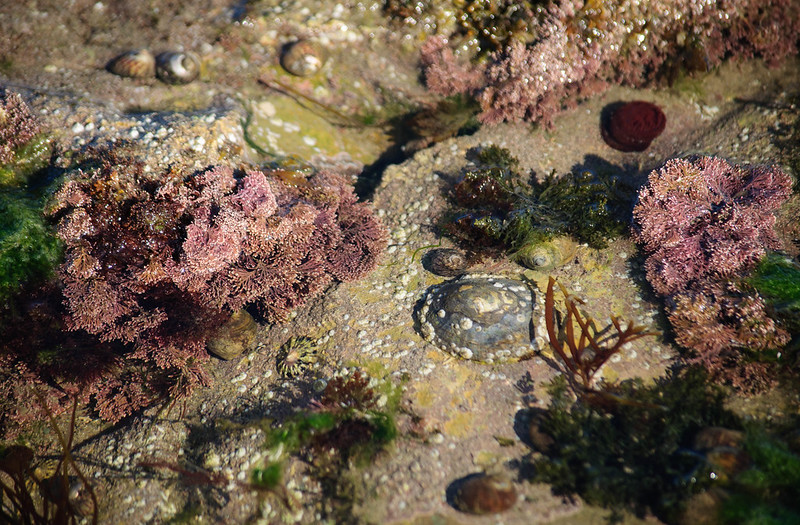
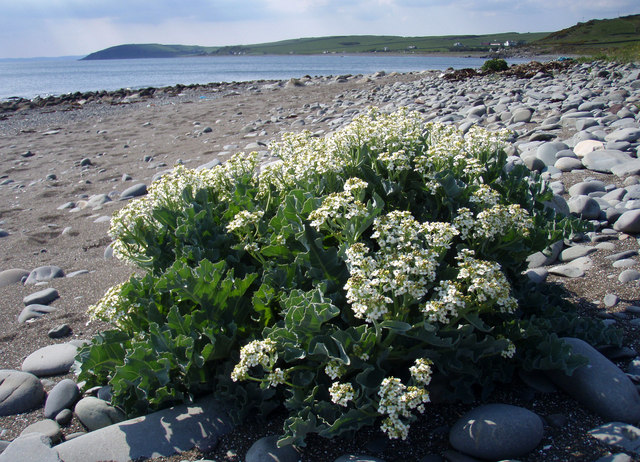
Further up the beach, at or just beyond the reach of the highest tides, is the strandline—a zone where rotting seaweed and other debris thrown up by occasional storms collects (or is "stranded"). Plants such as sea rocket and sea kale may become established here, living on the nutrients in the dead seaweed. But most beaches are constantly changing, swept by storms, high tides and winds. Few plants take root for long in these conditions.
Sand dunes
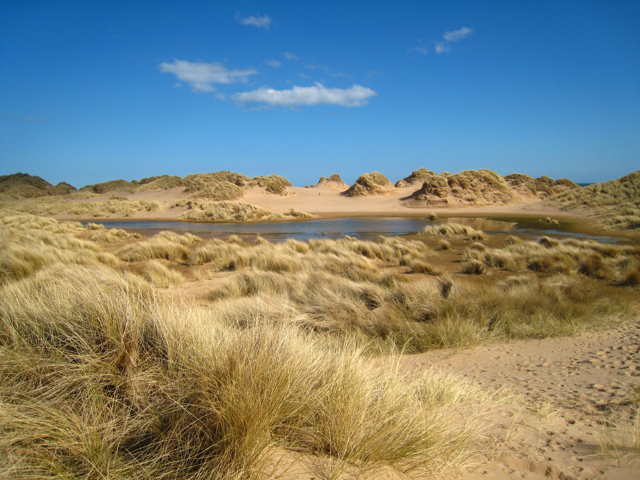
Rising inland from the strandline may be sand dunes, mounds of sand swept inland by onshore winds (winds blowing off the sea). Boulders and seaweed help trap the sand, causing it to pile up. As a dune forms, plants start to grow on it. Rotting seaweed, brought in by storm waves, adds nutrients to the sand. These nutrients allow tough marram grass, well adapted to harsh conditions, to take root, binding the sand and making the dune stable (less likely to blow away). The marram grass adds even more nutrients to the soil, enabling other, less hardy plants to grow alongside them.
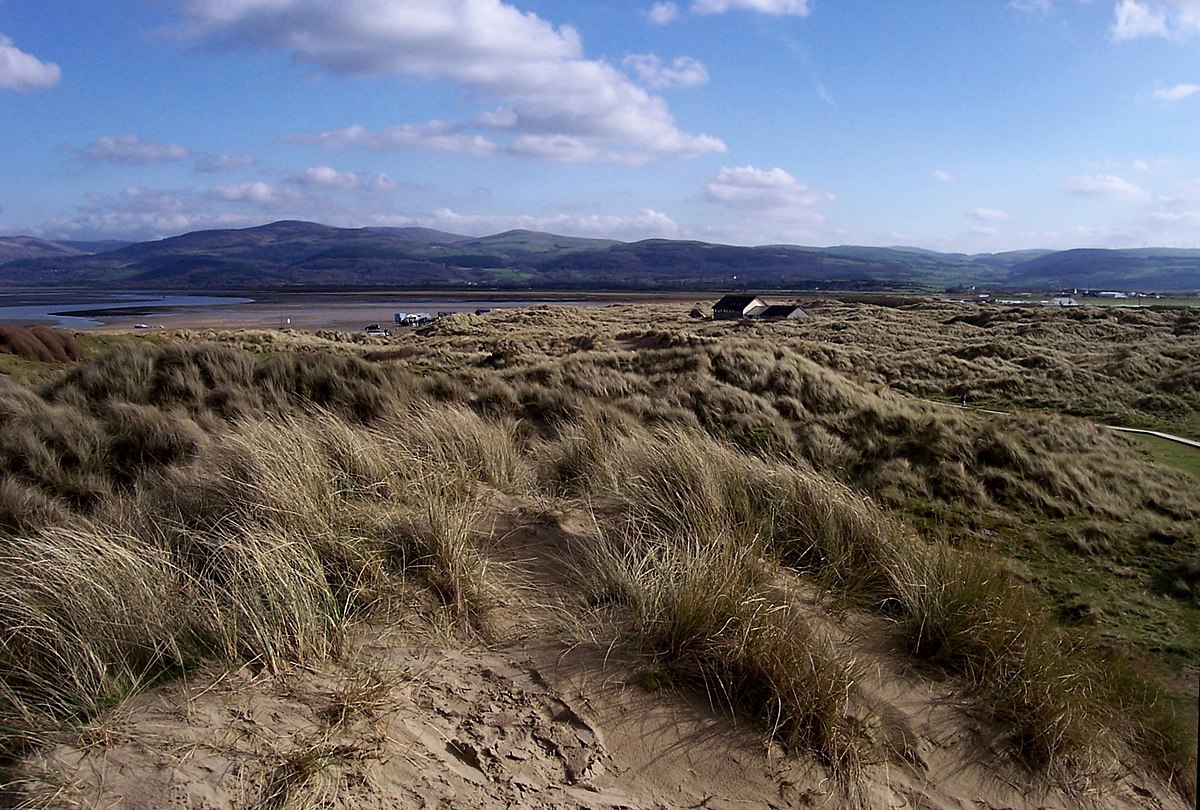
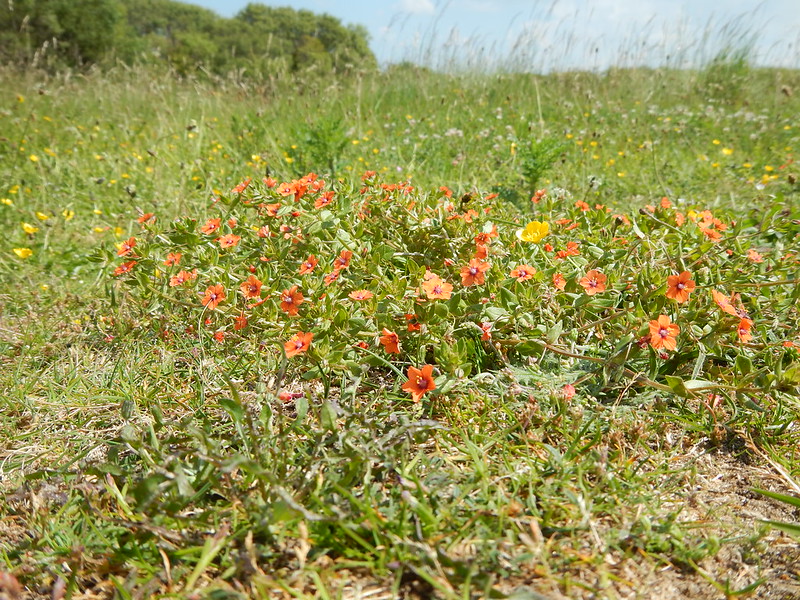
Further inland, beyond the higher, less vegetated mobile dunes, lies a region of flatter, more stable dunes known as fixed dunes. Here flowering plants attract insects such as bumblebees, tiger beetles and moths. These in turn provide food for reptiles. Sand lizards bask in open patches of warm sand, and use the patchy grass to shelter from predators.
Braunton Burrows in north Devon, England, is one of the largest dune habitats in the British Isles, stretching over 10 square kilometres (4 square miles). It is home to more than 450 species of flowering plant.
Dune slacks
Sometimes areas of wetland called dune slacks develop behind sand dunes. This happens when the wind blows the sand away and exposes the water table (the natural level of the water contained in the rocks underground), forming shallow pools of surface water. This unusual habitat is home to plants such as the marsh helleborine and delicate fen orchid. The rare natterjack toad lives in dune slacks on England’s southeast coast.
Hard rock cliffs
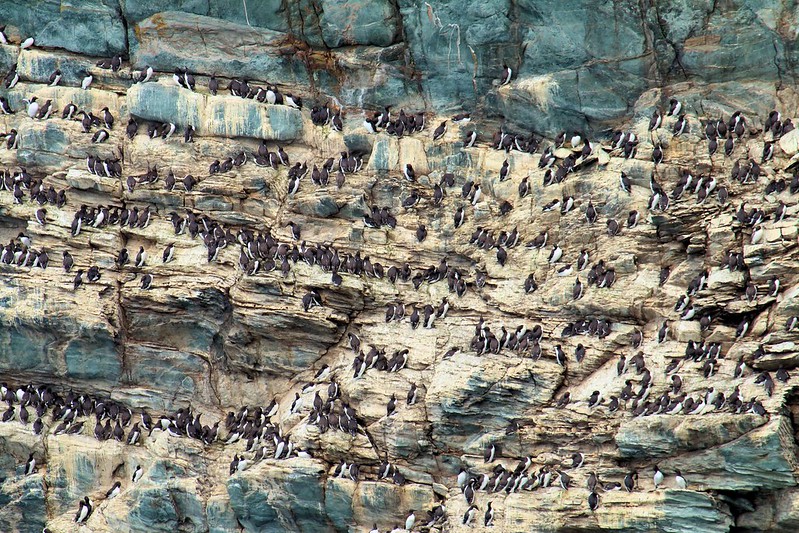
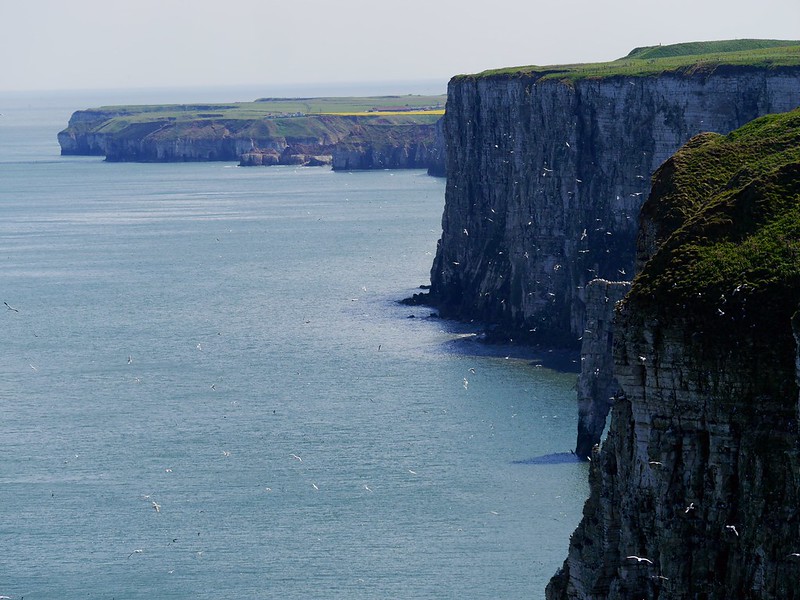
High up on the cliffs formed by the harder (igneous or metamorphic) rocks of north and west Britain, sea birds make their nests on rocky ledges. Here, their nests are safely out of the reach of predators such as rats and foxes. Sea birds often nest together in huge colonies of tens of thousands of birds. Bempton Cliffs, on the Yorkshire coast in northeast England, is home to around half a million breeding guillemots, kittiwakes, fulmars, gannets and razorbills.
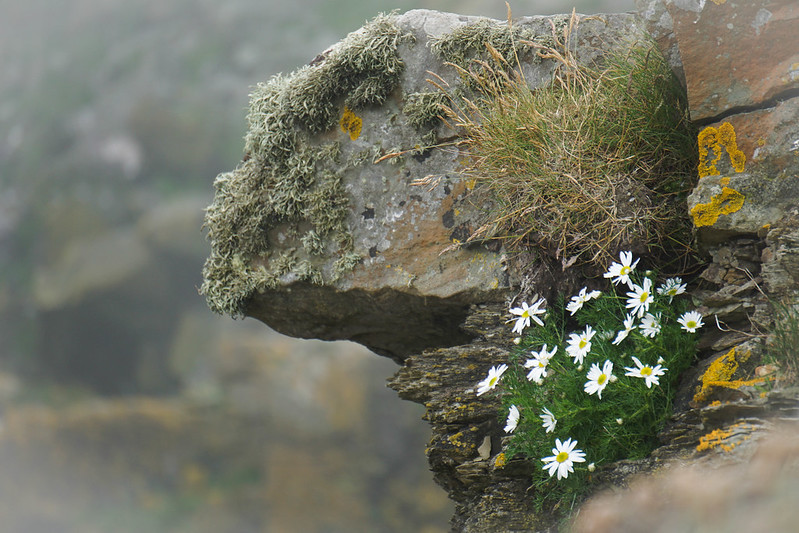
For those plants that are able to endure stormy sea spray, salt and strong winds, the cliffs provide a refuge from grazing animals. Only tough, salt-tolerant plants such as thrift, gorse, sea lavender and sea spleenwort can withstand the conditions. Further down the cliff face, lichen clings to the bare, exposed rock where little else can take root.
Soft rock cliffs
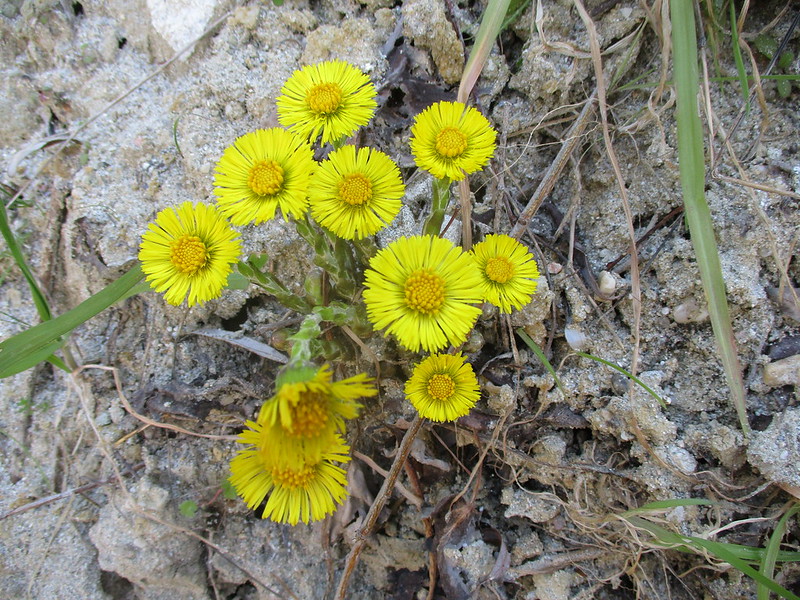
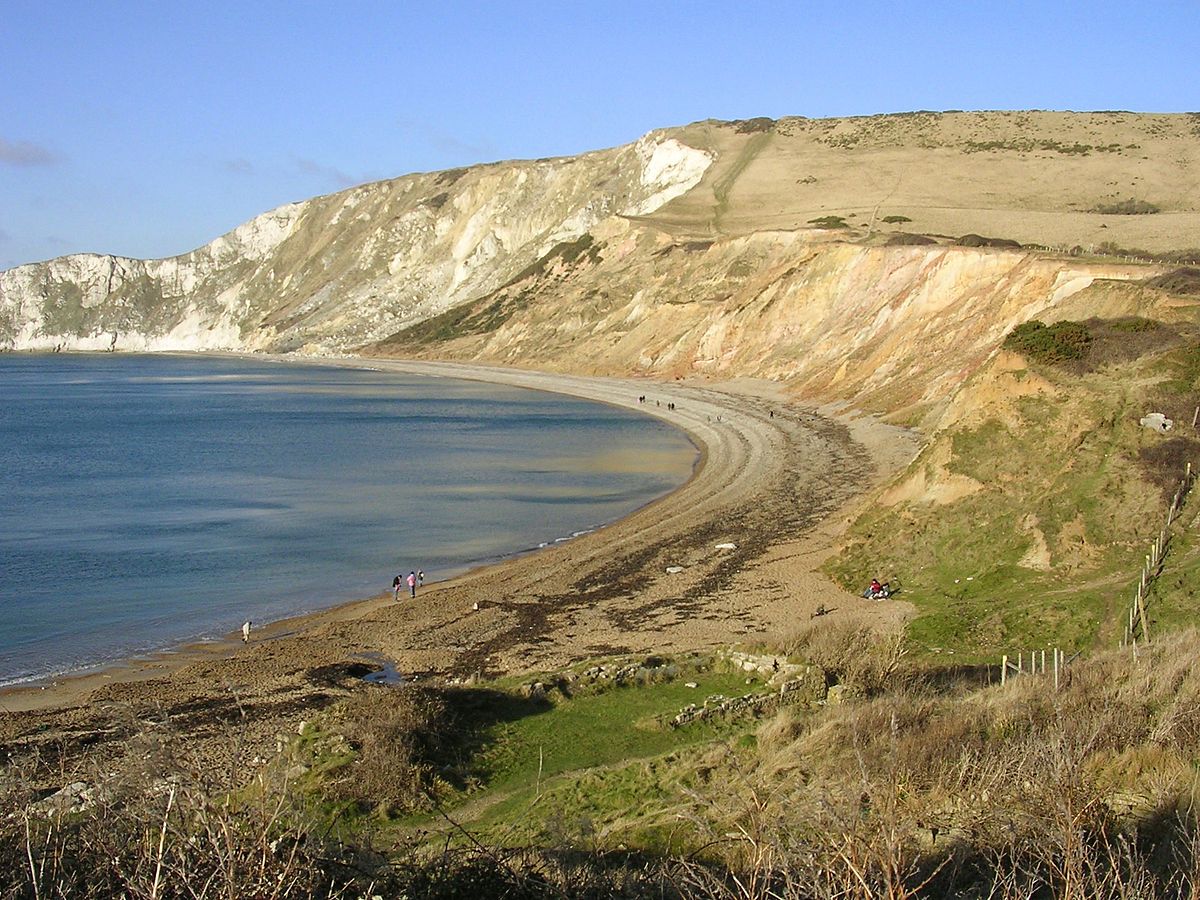
The chalky cliffs of Antrim, Northern Ireland, and Dorset in southern England, along with the sandstone cliffs of Caithness, northern Scotland, are examples of soft rock cliffs where the crumbling rocks are constantly being eroded by the waves. This habitat changes every time there is a landslip. As parts of the cliff fall away, they expose new ground and wildflowers such as coltsfoot, a type of yellow daisy, or the rare white rockrose, quickly take root. Where these flowers bloom, they attract insects such as butterflies, solitary bees and wasps. Efforts to prevent coastal erosion stop the rocky ground from crumbling, which interferes with these areas’ delicate ecosystems.
Consultant: Chris Jarvis
pics

Without in any way limiting Q-files Ltd’s exclusive rights under copyright, any use of this publication to “train” generative artificial intelligence (AI) technologies to generate text is expressly prohibited. Q-files Ltd reserves all rights to license use of this work for generative AI training and development of machine learning language models.