
Natural history of the British Isles

CITE
We have made every effort to follow citation style rules, but there may be some minor differences. If in doubt, please refer to the appropriate citation style manual.
Grassland habitats of the British Isles. (2026). In Q-files Encyclopedia, Life, Natural history of the British Isles. Retrieved from
https://www.q-files.com/life/natural-history-of-the-british-isles/grassland-habitats-of-the-british-isles
"Grassland habitats of the British Isles." Life, Natural history of the British Isles, Q-files Encyclopedia, 24 Apr. 2026.
https://www.q-files.com/life/natural-history-of-the-british-isles/grassland-habitats-of-the-british-isles.
Accessed 21 Sep. 2026.
Grassland habitats of the British Isles 2026. Life, Natural history of the British Isles. Retrieved 21 September 2026, from
https://www.q-files.com/life/natural-history-of-the-british-isles/grassland-habitats-of-the-british-isles
Life, Natural history of the British Isles, s.v. "Grassland habitats of the British Isles," accessed September 21, 2026.
https://www.q-files.com/life/natural-history-of-the-british-isles/grassland-habitats-of-the-british-isles


Grassland habitats of the British Isles
Grasslands are areas in which grasses are the main type of vegetation. The British Isles' oldest grasslands have been created and shaped over many centuries by a combination of human activity, climate and wildlife. Known as semi-natural grasslands, they are home to a rich variety of flowering plants, insects, butterflies and birds. Those which have been artificially sown and maintained with chemical fertilizers are known as artificial grasslands. They include parks, gardens, playing fields and some pastures. Floodplains and ancient water meadows are types of wet semi-natural grassland which have been shaped by flooding. Grasslands have different characteristics and vegetation depending on whether the soil is chalky, acidic or neutral, and whether they are in upland (hilly) or lowland areas.
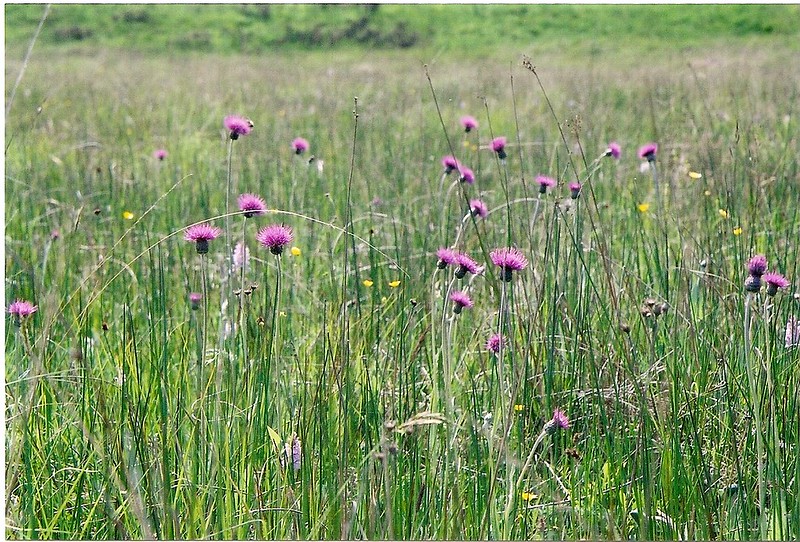
Semi-natural or artificial?
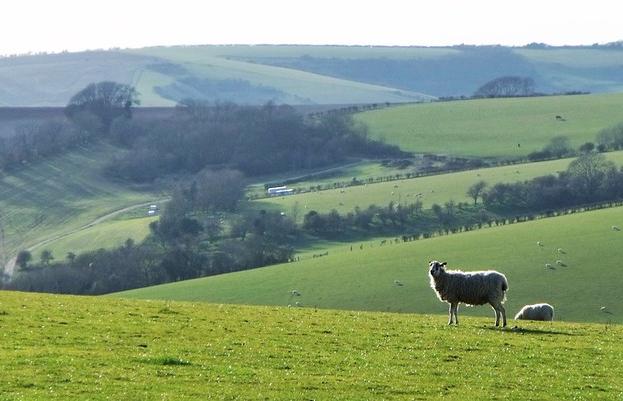
The British Isles’ first grasslands were created by people thousands of years ago when farmers cleared woodlands to make space for their animals to graze. Over the centuries, they have been used by people for a mix of purposes, mostly to grow crops and graze animals. Some—such as the South Downs in southeast England—have been maintained continuously by grazing sheep for thousands of years. These areas are known as semi-natural grasslands. In the British Isles, most are protected as areas of special scientific interest, as they are important habitats for rare wildlife.
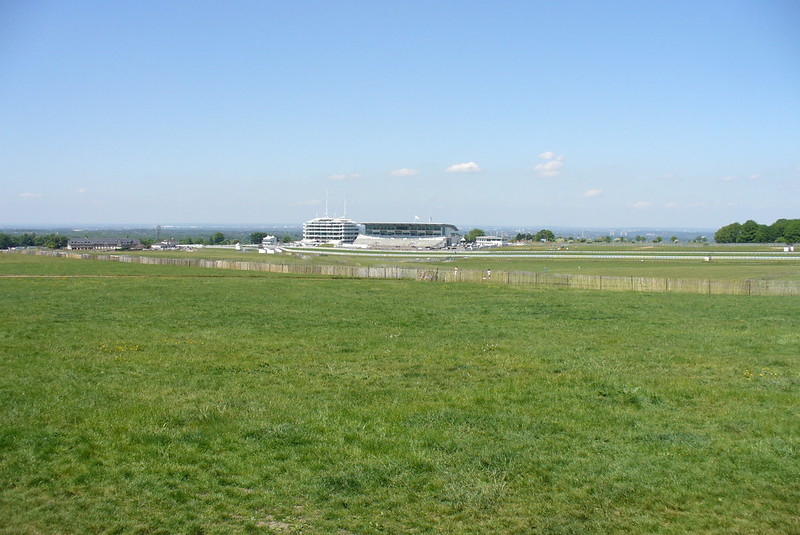
Much more common are artificial grasslands, which are carefully maintained by people for a particular purpose. They have been sown with a single type of grass to create pastures for sheep and cattle, parks, lawns and playing fields. Areas of grassland which have been treated with chemical fertilizers or sown with non-native grass are considered artificial. They have less biodiversity (a smaller range of species) than semi-natural grasslands.
Grass
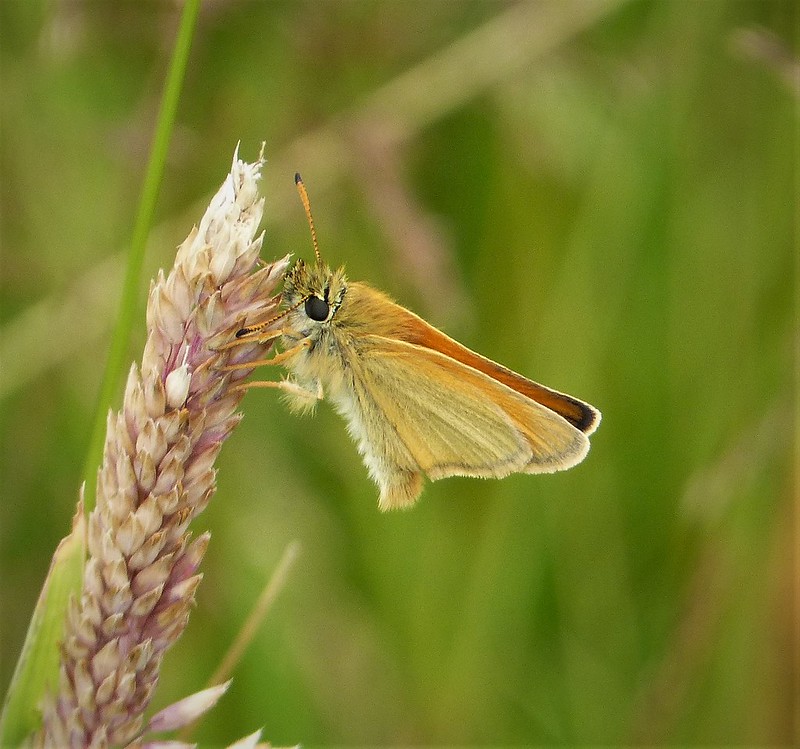
Grass is a type of flowering plant. The most common type of grass found in British and Irish pastures is perennial ryegrass, which has been sown since the 17th century as a grazing crop. Another common grass found in nearly all habitats is Timothy-grass, which has greyish-green leaves and long, cylindrical flowers. The tall stems and soft purple flowers of Yorkshire fog-grass are easy to spot. This grass grows everywhere from wasteland to meadows, where it is a favourite grazing food of rabbits, and a food plant for Essex skipper caterpillars.
Grazing
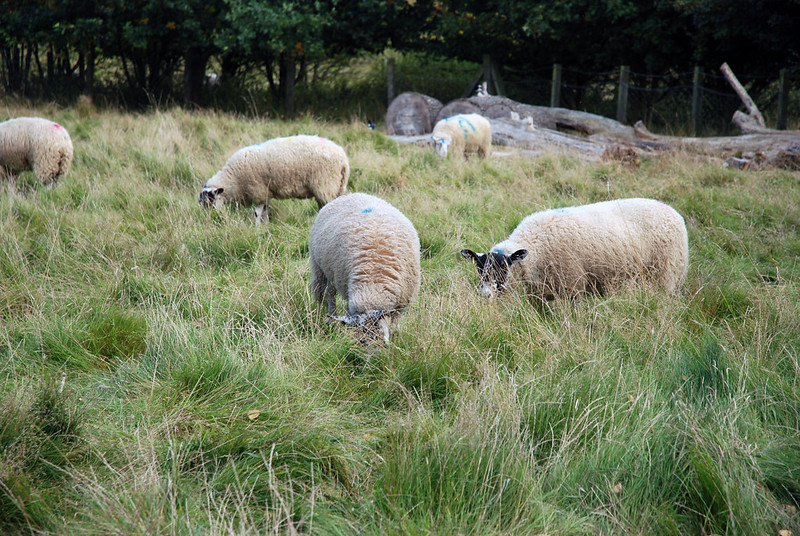
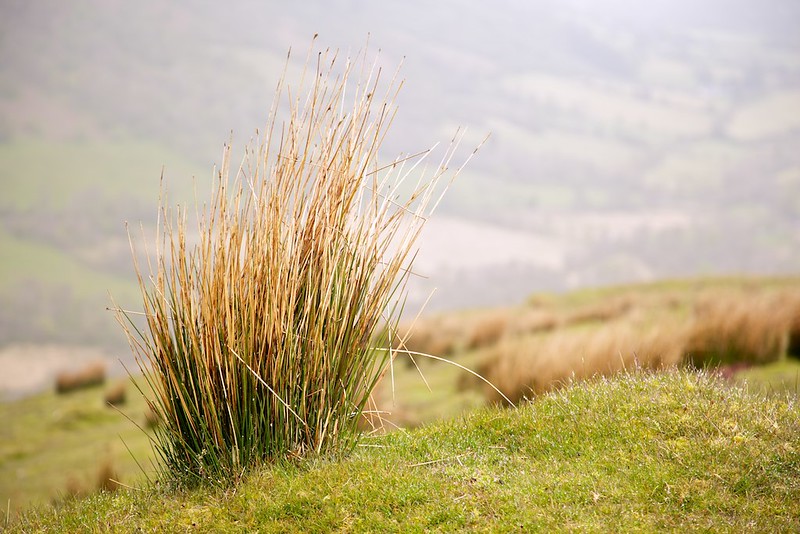
Grazing maintains grasslands by keeping the grass and shrubs short and preventing any single type from growing too tall. This allows a range of species to grow alongside one another without competing for light. Animals also pollinate some flowering plants by transporting the pollen and seeds on their bodies as they move around. When cattle and sheep trample grasslands they help to create grassy bumps on the land called tussocks. These are used by ground-nesting birds, skylarks for example, for shelter.
Grasses have evolved to survive grazing. The part of the grass plant which controls its regrowth, called the meristem, is much further down the stem than in other types of plant—and beyond of the reach of grazing animals. This means that when cattle and sheep crop the grass short, the meristem is not affected, and the plant can quickly recover and send up new leaves.
Calcareous grassland
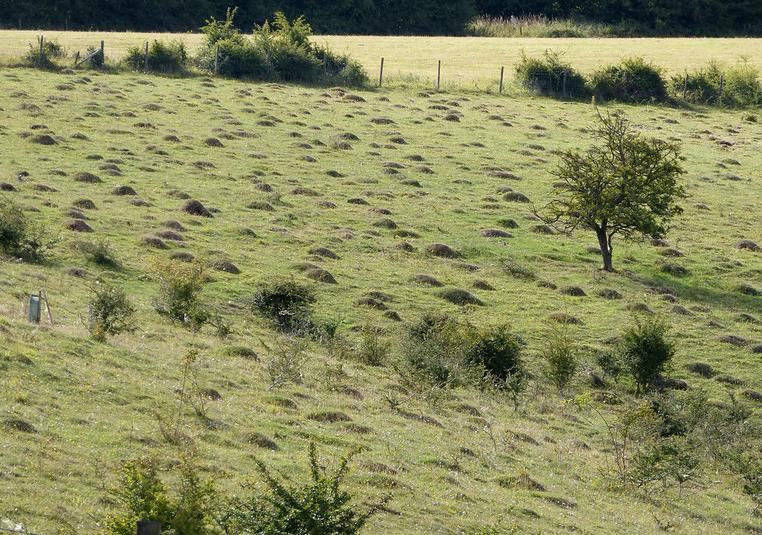
Calcareous ("chalky") grasslands exist in places with limestone or chalk soil, such as Salisbury Plain, the Mendips, the Chilterns and the North and South Downs of southeast England. Limestone and chalk are porous rocks, which means that they drain water away quickly, leaving the soil dry. As a result, the soil has low levels of nutrients such as nitrates and phosphates, making it unsuitable for growing crops.
Today most of these semi-natural grasslands are grazed by sheep, cattle and wild rabbits. Some areas have been continuously grazed for centuries, which has kept the grass short and springy. Ungrazed areas—such as parts of Salisbury Plain—are slowly reverting to scrubland. More than 80% of England’s calcareous grasslands have been lost since 1945.
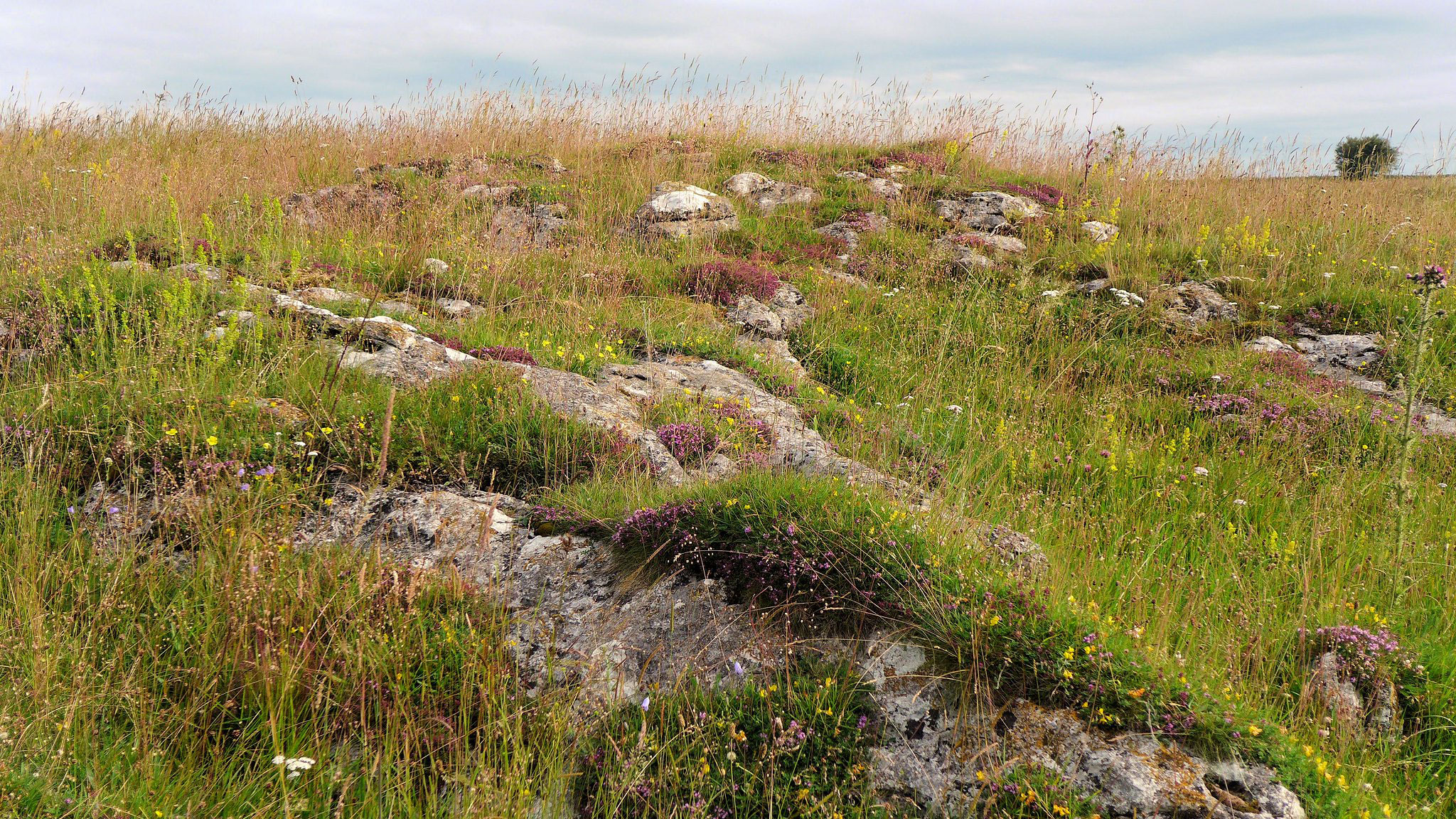

Calcareous grasslands are habitats for a huge and diverse range of wildflowers, grasses and sedges, including wild thyme, rock rose and quaking-grass. As many as 40 species of flowering plant can be found in just one square metre (11 sqare feet) of chalk grassland. This great diversity is caused by grazing, which stops any one species from growing too tall, and by the limited nutrients of the soil, for which the plants all compete equally.
The variety of wildflowers attracts rare butterflies such as marsh fritillaries, chalkhill, Adonis and small blues. Insects such as the wart-biter bush-cricket live only on chalk grasslands. Bumpy anthills can often be seen dotted across the landscape, built by yellow meadow ants.
Meadows
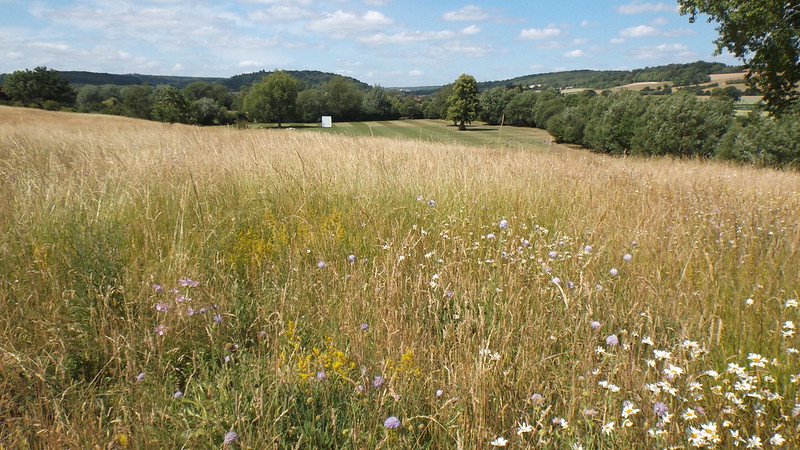
Meadows are types of semi-natural grassland. Originally created when people cleared woodlands or ploughed the land, they have since been left for native wildflowers and grasses to colonize. Traditionally meadows were maintained by farmers, who mowed them every summer to make hay. During the two World Wars in the 20th century, most hay meadows were ploughed up and sown with crops instead. Today, hay meadows exist mainly in areas of farmland which is too hilly to use for any other purpose, such as the upland fields of North Yorkshire.
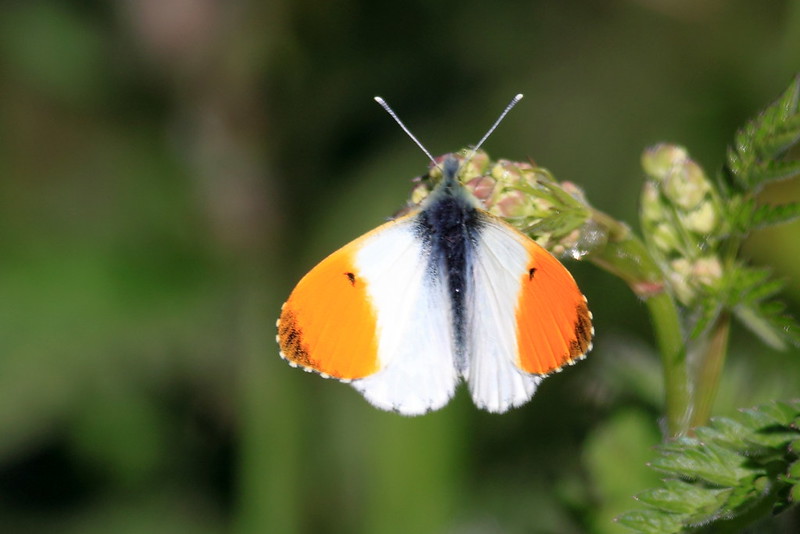
Meadow grasslands are rich habitats for wildflowers such as ox-eye daisies, buttercups, cowslips and knapweed. Wildflower meadows support insects, which in turn provide food for birds. Grass seeds are food for seed-eating birds such as yellowhammers, which feed on quaking-grass. Grass leaves are eaten by the caterpillars of moths and butterflies, such as orange-tips and meadow browns.
Wet grasslands
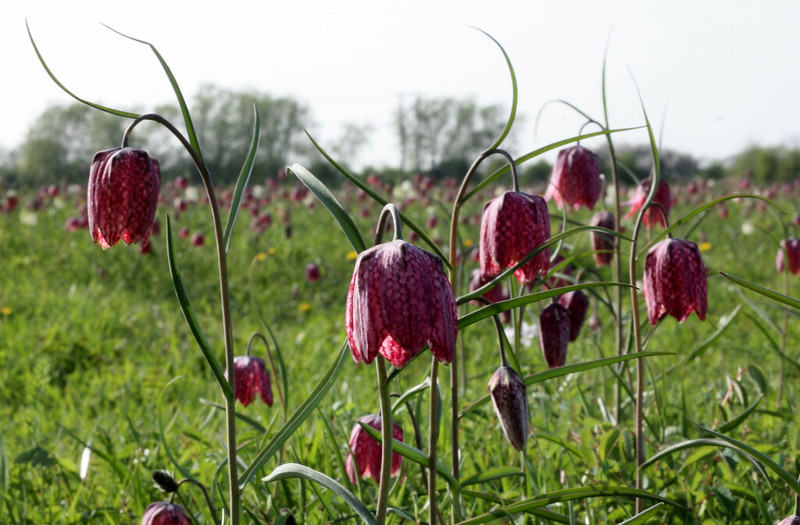
Floodplain meadows are a type of semi-natural grassland flooded by river water for part of the year. They differ from marshes, which are partially flooded all year round. Rich in rare flower species (such as snake’s head fritillary), floodplain meadows are rich habitats for birds, bees, butterflies and other insects.
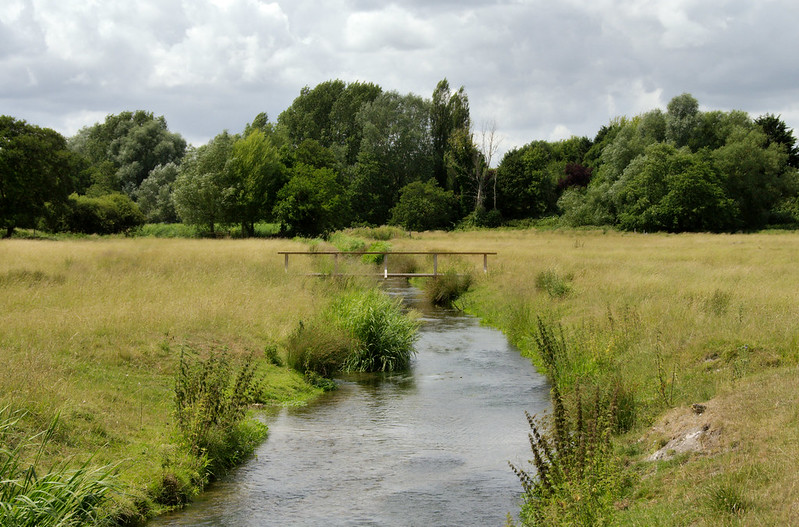
Between the 16th and 19th centuries, farmers used controlled flooding to create water meadows, another type of wet grassland. These were areas of land carefully flooded at the beginning of the growing season to improve the grass yield. It was carried out by skilled workers known as “drowners”, who created a network of channels and sluices to flood river water and silt over the fields before draining it away. This irrigated and added nutrients to the soil. After draining, lush grass quickly grew on the land, providing an early crop of hay. Today water meadows are no longer in use, but old sites, with their ditches, water channels and meadow-grasses, are rich habitats for wildlife. Water voles thrive here along with birds such as finches, sedge warblers and reed bunting.
Heathlands
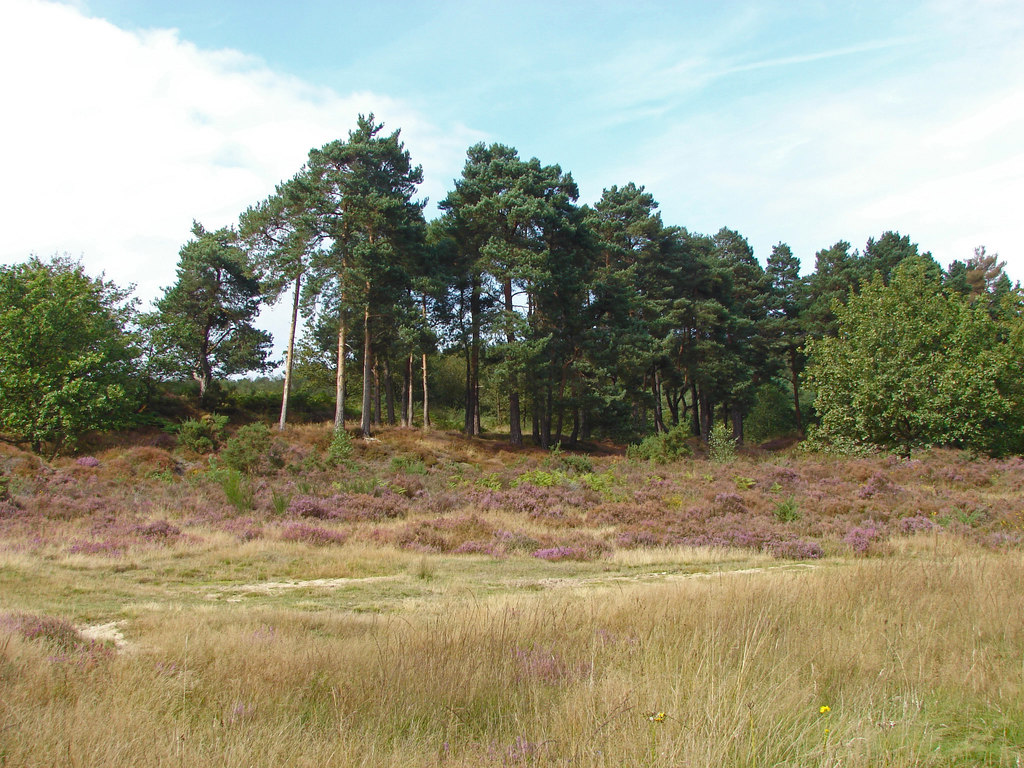
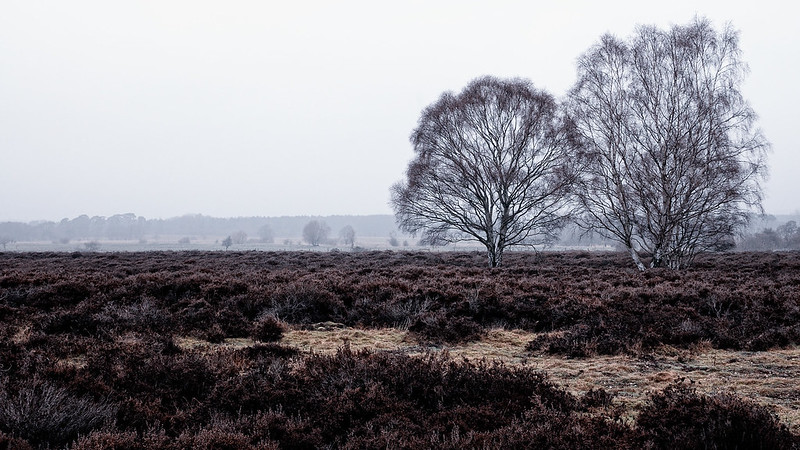
Heathlands are areas of open grassland with infertile soils. Covered with tough, woody plants, they are like lowland moorlands. Most heathland in Britain dates from at least 5000 years ago, when people cleared woodlands to hunt deer and graze livestock. Over time, grazing caused the nutrient levels in the soil to decrease even further until only hardy plants such as heather, bilberry, gorse and bracken could grow in these areas.
Heathlands are important habitats for birds. Ground-nesting birds such as skylarks make their nests in the bracken and tough grasses of the heathland floor. Thickets (tangled patches) of brambles are home to nesting linnets and yellowhammers, nightingales nest in dense clumps of blackthorn bushes, while rare Dartford warblers nest in gorse bushes or heather. Lizards and snakes bask in sunny spots and shelter in patches of scrub. Owls and kestrels hunt overhead, looking for mice and voles.
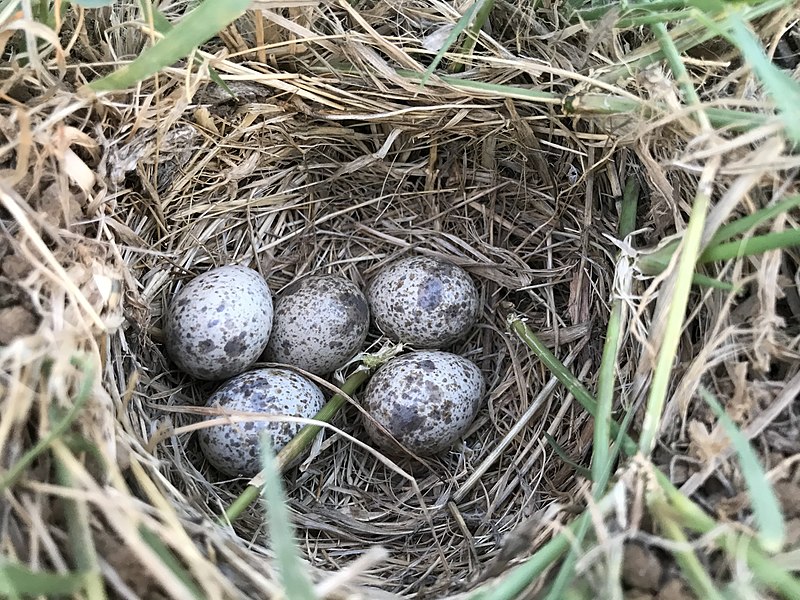
Breckland
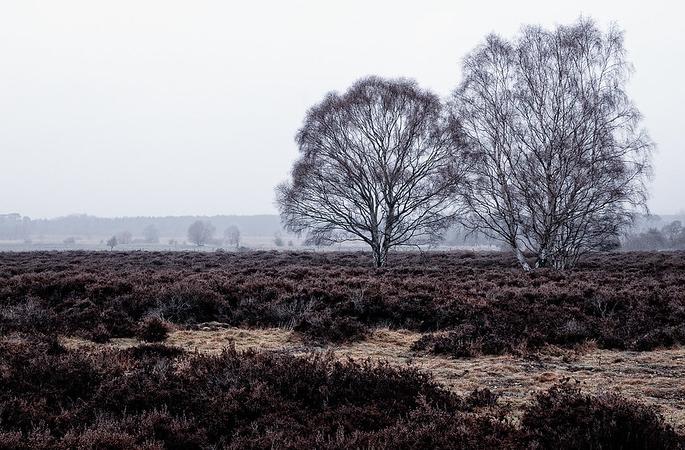
In eastern England, an area of dry, sandy heathland stretches across Norfolk and Suffolk. This region, known as Breckland, is especially well known for its rare plants—many, such as Spanish catchfly, are found nowhere else in the British Isles. This unusual plant gives out a scent that attracts moths and mosquitoes by night and a different scent to attract bees and flies during the day.
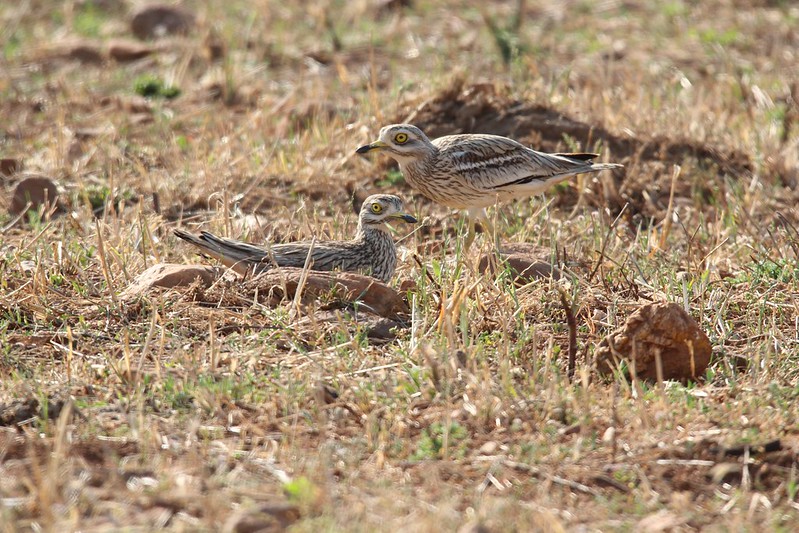
The low rainfall in this part of the British Isles creates the ideal dry heathland conditions for birds such as the stone-curlew and the rare woodlark. The stone-curlew's nest is a simple scrape in the ground lined with stones, shells, rabbit droppings or scraps of vegetation, while the woodlark's nest, also in the ground, is lined with grass and bracken. Breckland is also one of the few places in the British Isles home to wild golden pheasants, as well as the endangered natterjack toad.
Machair
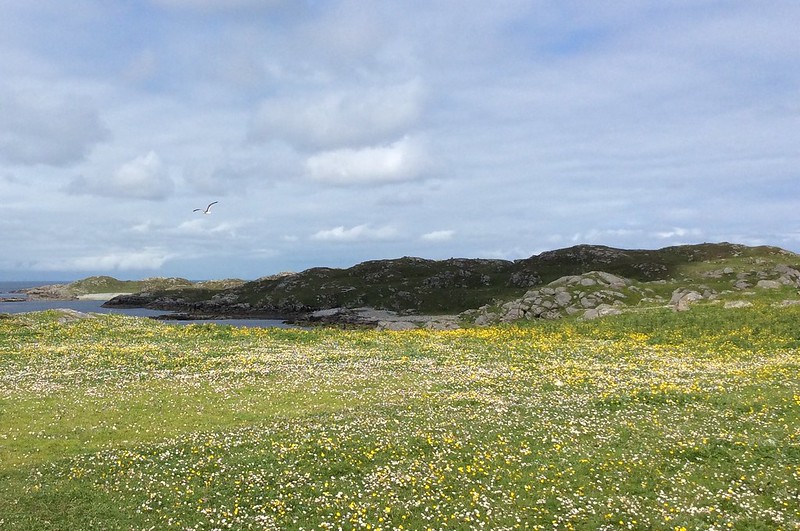
Machair is a rare type of calcareous grassland unique to the British Isles. This sandy, grassy habitat is found only along the western coasts of Scotland and Ireland. Machair was formed thousands of years ago by strong sea breezes, which swept sand from the beach inland. Its sandy soil is made from finely ground-up shells that are rich in lime. This has a neutralizing effect on the acidic, peaty soil underneath, and creates the perfect growing conditions for meadow plants such as red clover, daisies, poppies and irises.
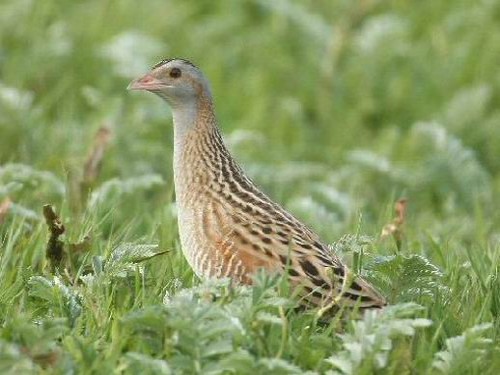
Some parts of the machair have been sown with oats and rye by farmers for centuries, or used as hay meadows. Others are used to graze cattle. Rare birds such as corncrakes and twites live in the drier parts of the machair, where long grass provides cover and shelter. In summer, wetter areas are breeding grounds for lapwings, dunlin and other shorebirds.
Consultant:Chris Jarvis
pics
Without in any way limiting Q-files Ltd’s exclusive rights under copyright, any use of this publication to “train” generative artificial intelligence (AI) technologies to generate text is expressly prohibited. Q-files Ltd reserves all rights to license use of this work for generative AI training and development of machine learning language models.