
Geography of Britain

CITE
We have made every effort to follow citation style rules, but there may be some minor differences. If in doubt, please refer to the appropriate citation style manual.
Climate of Britain. (2026). In Q-files Encyclopedia, Geography, Geography of Britain. Retrieved from
https://www.q-files.com/geography/geography-of-britain/climate-of-britain
"Climate of Britain." Geography, Geography of Britain, Q-files Encyclopedia, 31 Mar. 2026.
https://www.q-files.com/geography/geography-of-britain/climate-of-britain.
Accessed 6 Aug. 2026.
Climate of Britain 2026. Geography, Geography of Britain. Retrieved 6 August 2026, from
https://www.q-files.com/geography/geography-of-britain/climate-of-britain
Geography, Geography of Britain, s.v. "Climate of Britain," accessed August 6, 2026.
https://www.q-files.com/geography/geography-of-britain/climate-of-britain


Climate of Britain
The climate of Britain is shaped by its location in the mid-latitudes of the Northern Hemisphere (it lies between 49° and 61°N), the seas that surround it and the influence of Atlantic weather systems. Temperatures are usually moderate—milder in winter and cooler in summer than continental Europe on the same latitudes. Western and upland areas of Britain have more rainfall, while eastern and southern regions are drier and have generally higher average temperatures. Climate change is already having an impact on Britain’s weather, with rising temperatures and shifting rainfall patterns. Future changes are likely to affect water supplies, agriculture, ecosystems and coastal geography.
Temperate maritime climate
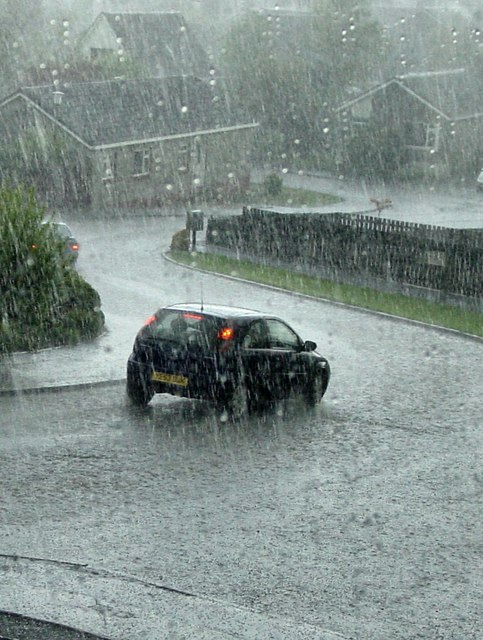
The United Kingdom has a temperate maritime climate. Temperate means that temperatures are generally moderate, without extreme heat or cold. Maritime means that the climate is strongly influenced by the surrounding seas.
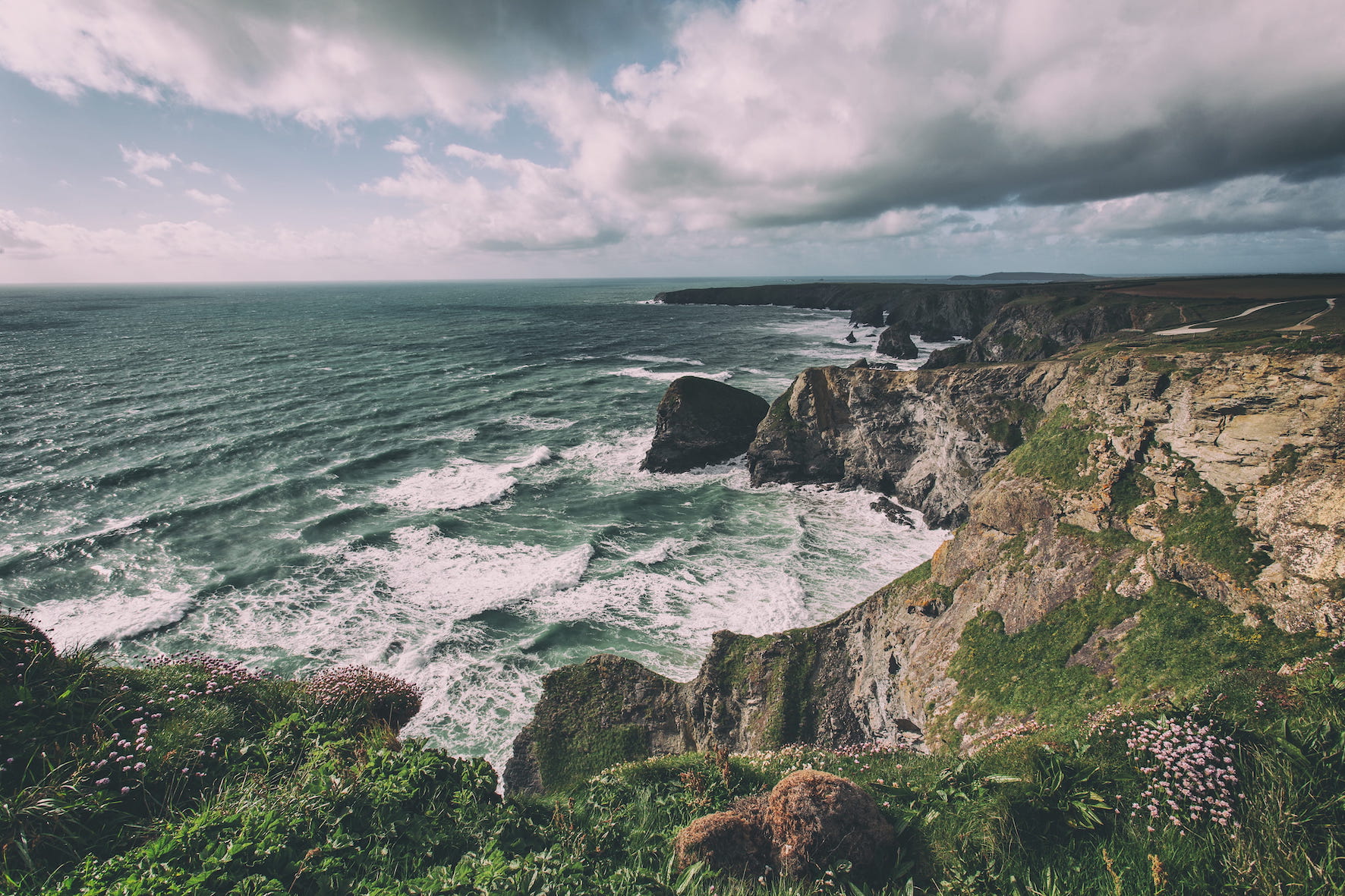
The British Isles are surrounded by the Atlantic Ocean, North Sea, English Channel and the Irish Sea. Because water warms up and cools down more slowly than land, air warmed or cooled as it blows across the sea towards the land helps to keep average temperatures in Britain moderate. In winter, the sea is often warmer than the land, so sea breezes keeps temperatures from falling too low. In summer, the sea is cooler than the land, so winds blowing in across it prevent extreme heat.
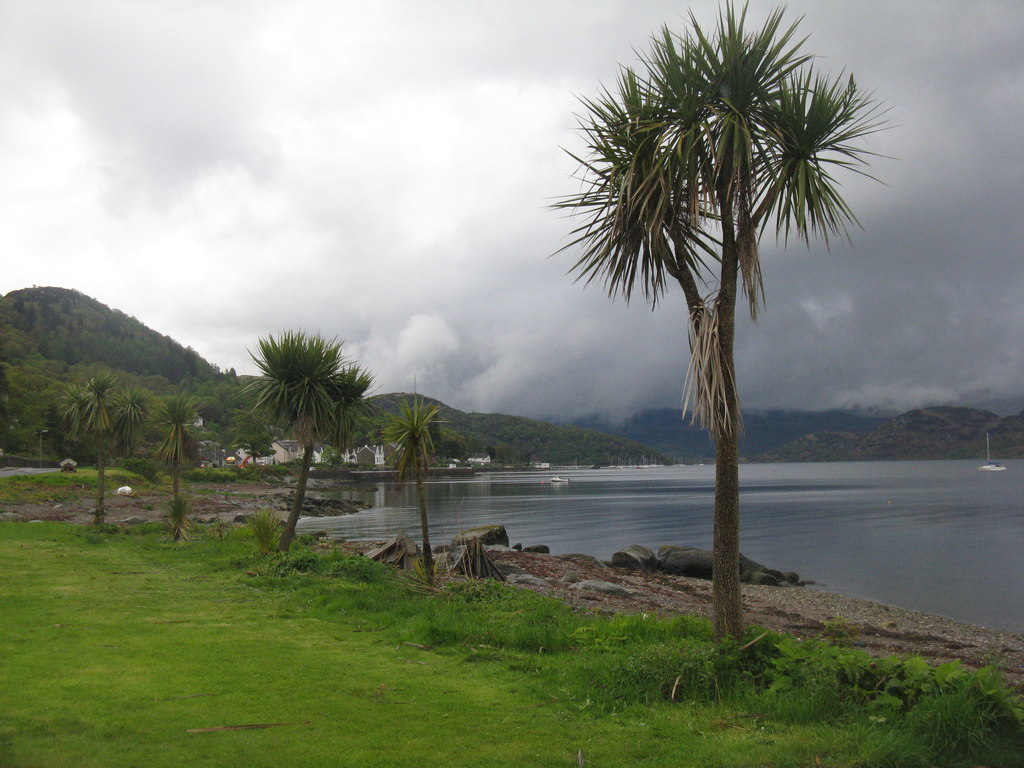
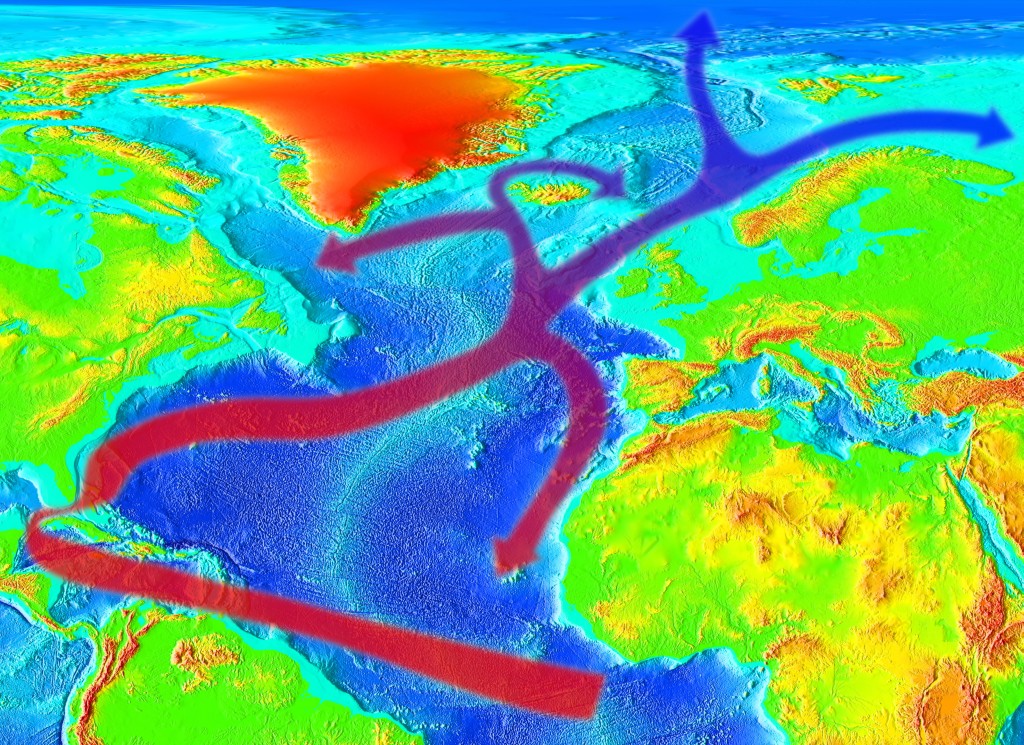
Another important influence is the Gulf Stream, a warm ocean current that flows from the Gulf of Mexico across the Atlantic. The North Atlantic Drift, as the northern branch of the Gulf Stream is known, carries warm water—and thus warm air—towards western Europe. Thanks to this current, Britain is far milder than other places at similar latitudes, such as the east coast of Canada.
The prevailing winds (winds that most commonly occur) in the UK usually blow from the southwest. These winds travel across the Atlantic Ocean, collecting moisture. As a result, the UK receives significant rainfall throughout the year.


Temperature
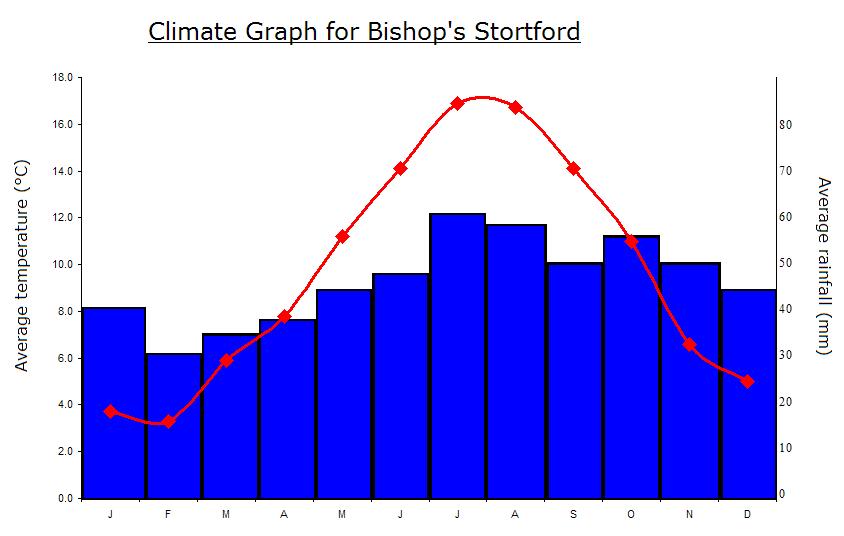
Average winter temperatures in the UK are usually between 2°C and 7°C (36–45°F). Average summer temperatures are generally between 15°C and 25°C (59–77°F). It is a little warmer in the south. This is because the angle of the Sun is slightly higher in the south, so it receives slightly more solar energy. Inland areas like the English Midlands, which lie farther from the coast and therefore are slightly less influenced by the sea, often experience colder winter nights and warmer summer days.
Temperature decreases with altitude (roughly, for every 100 metres in height, temperature falls by about 0.6°C). This means that upland areas such as the Scottish Highlands are colder and more likely to experience snow in winter.
Precipitation
Most precipitation (rain and snow) in Britain comes from weather systems that move in from the Atlantic Ocean to the west. These systems, called depressions (also known as cyclones or "lows"), usually bring moist air and low pressure conditions, which produce clouds and rainfall. Depressions are more common in autumn and winter.
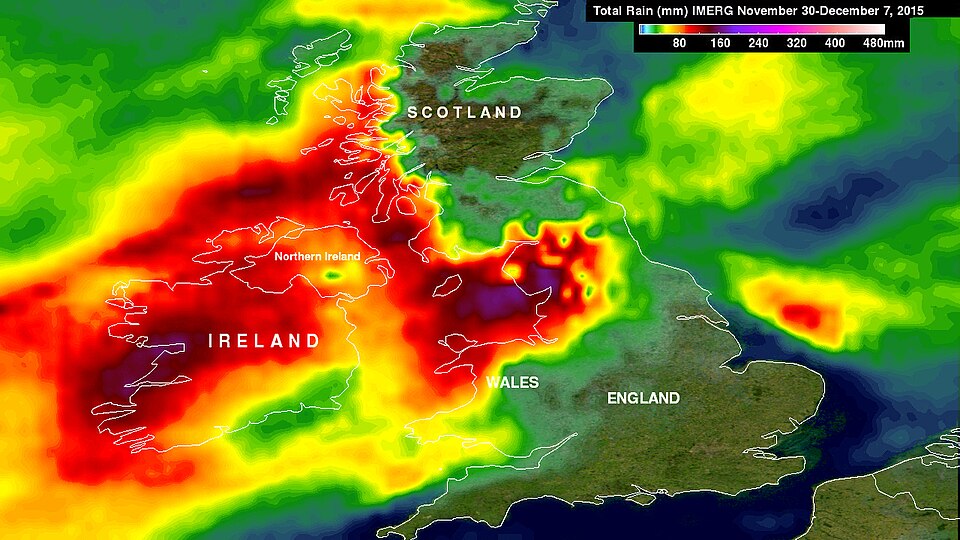
The western side of the UK receives the first impact of moist air, meaning that Western Scotland, Wales, Northern Ireland, northwest and southwest England are the regions with the highest average precipitation in the UK. They are also mostly upland areas.
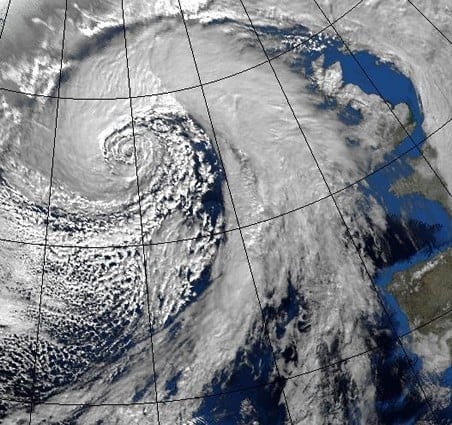
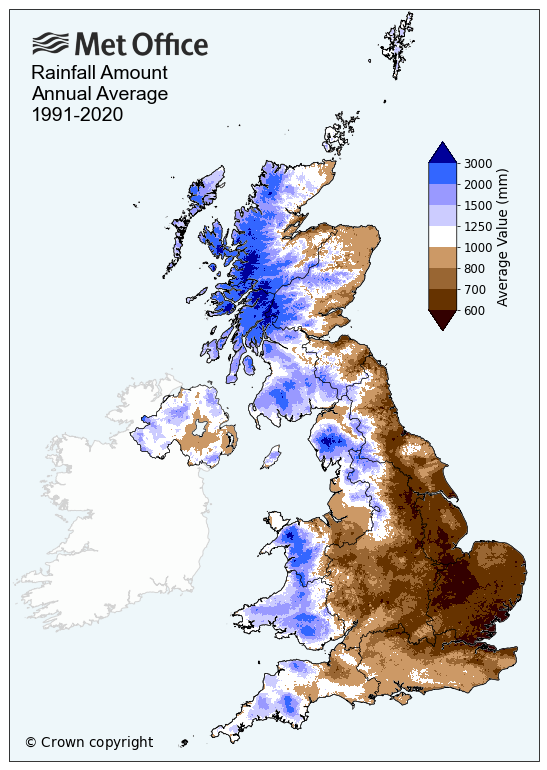
When moist air reaches high ground, it is forced to rise. As it does so, it cools. Cooler air cannot hold as much water vapour, so the moisture condenses into clouds and rain or snow. This is known as relief or orographic precipitation. For this reason, the Scottish Highlands, the Lake District and North Wales are even wetter: annual precipitation can exceed 300 centimetres (about 120 inches).
Eastern areas, running from Scotland, down northern England to East Anglia and southeast England, are much drier. They lie in the rain shadow of the western uplands. By the time air reaches the east, much of its moisture has already fallen as rain or snow. Some eastern areas receive less than 60 centimetres (24 inches) per year.
Anticyclones
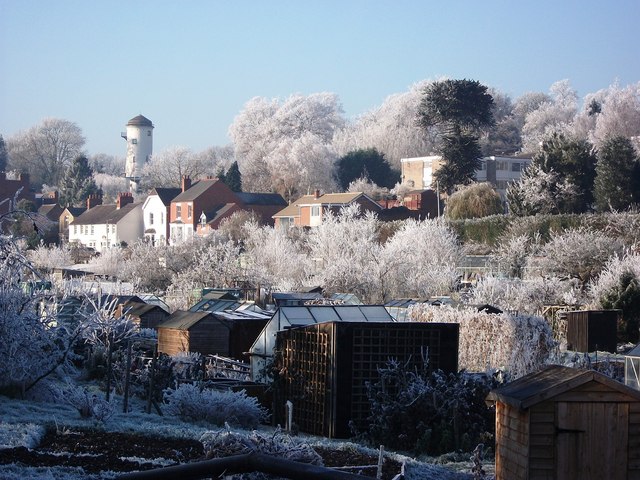
Sometimes, a high pressure system, or anticyclone, forms across Britain. When this happens, Atlantic depressions are blocked from reaching the country. An anticyclone is caused by sinking air. As the air cools, it becomes denser and sinks toward the Earth's surface. Most of the water vapour evaporates, so highs usually have clear skies and calm weather. Unlike areas of low pressure, there are no clouds to block incoming radiation from the Sun or trap outgoing radiation at night. This means that when an area (often described as a "ridge", because of its elongated shape on the weather map) of high pressure settled across Britain the weather is dry and sunny. Days are warm or hot days in summer, but often frosty and freezing in winter.
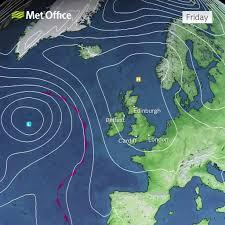
On occasions, high pressure traps a layer of moisture near to the Earth's surface, bringing a prolonged period of dull and cloudy weather, with some mist and fog.
Jet stream
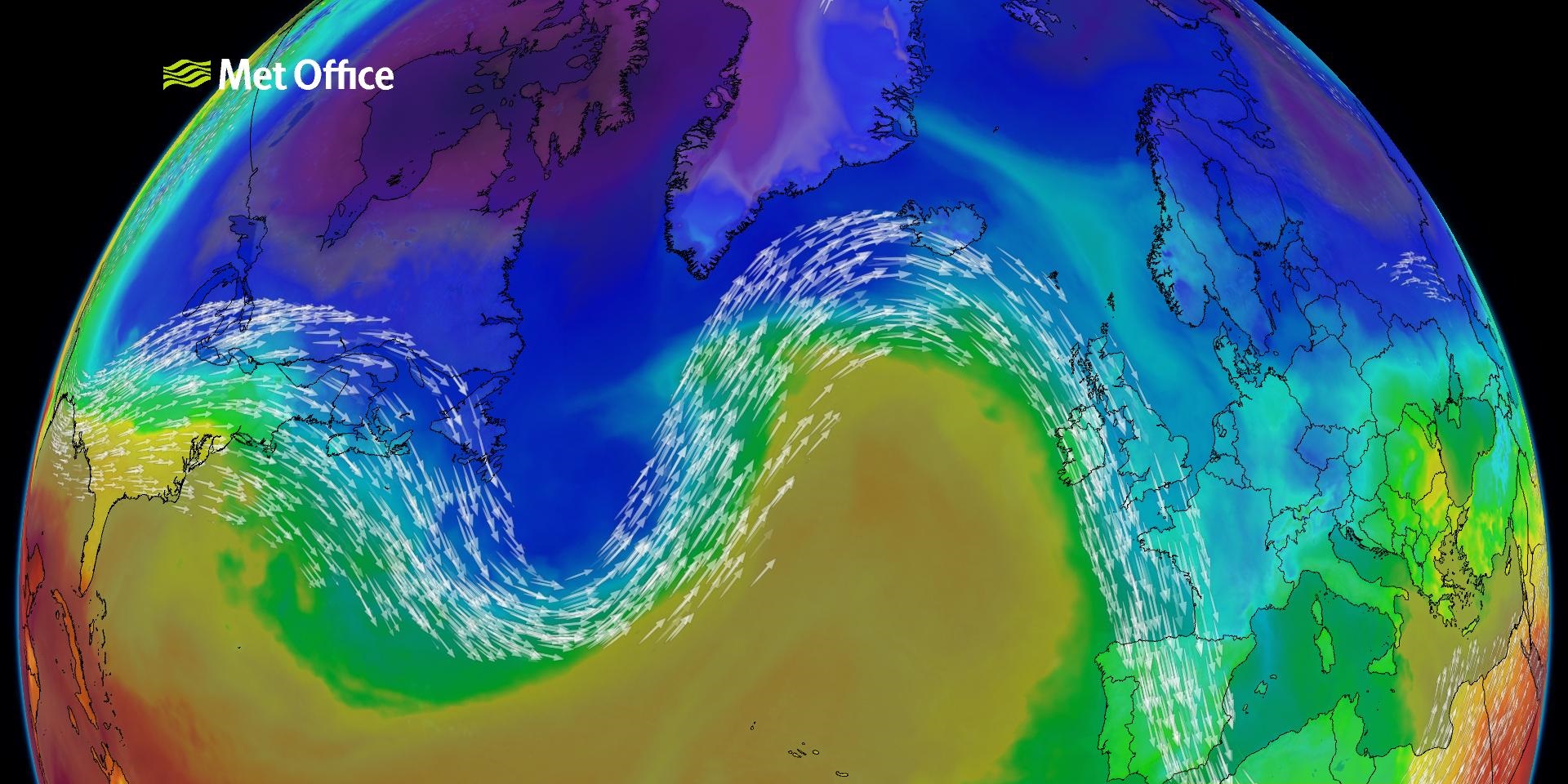
Jet streams are narrow bands of air that travel across the sky at high altitude at great speed. One jet stream flows in a long, wavy path along the boundary between cold polar air and warm tropical air in the Northern Hemisphere. Known as the polar jet stream, it is responsible for creating depressions (when it loops southwards) and anticyclones (when it arcs northwards), and so plays a big part in shaping the Britain's weather.
Seasons

The UK has four distinct seasons, spring, summer, autumn and winter, each lasting approximately the same length, three months.
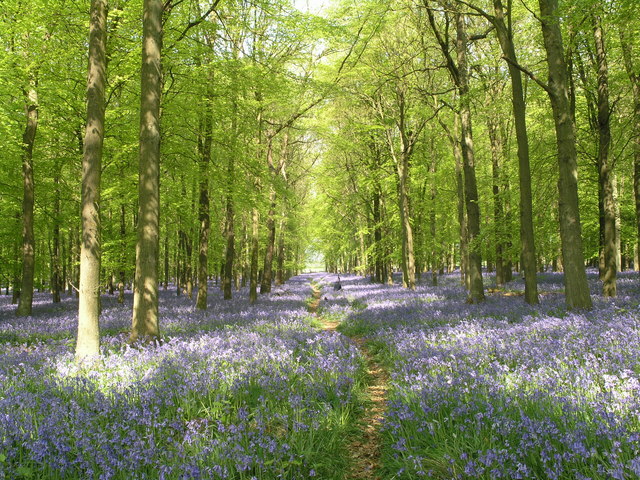
Spring is the period from March to May. The weather is generally calm and cool, because the Atlantic has lost much of its heat over the winter. As the sun climbs higher in the sky, temperatures slowly rise but this is tempered by the effect of the cool ocean waters and westerly winds that blow across them. Cold northerly winds may bring late frosts, but at other times, mild southwesterly winds bring cloud and rain.
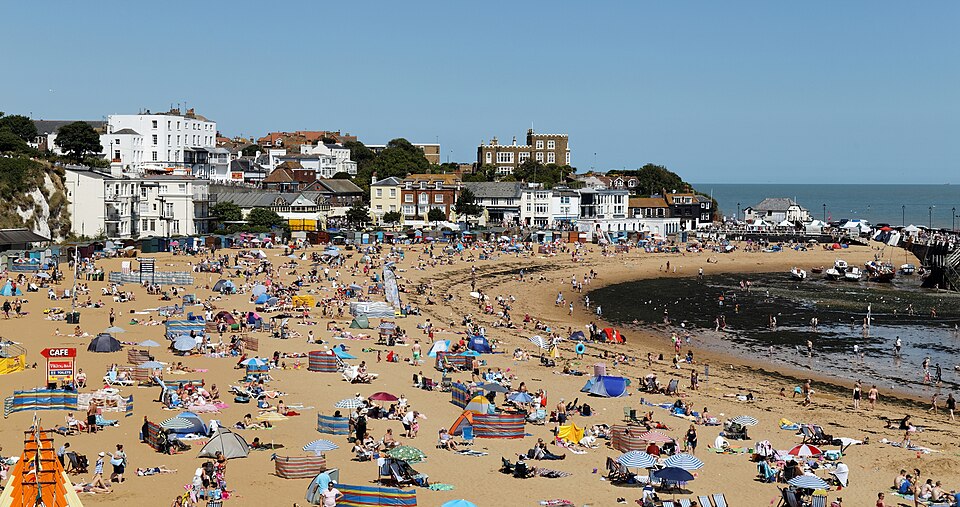
Summer, the warmest and usually the sunniest season, lasts from June to August. High pressure systems often settle over Britain, bringing dry, settled weather, although depressions may still move in from the Atlantic, producing rain and cooler conditions. There can also be wide local variations in rainfall due to localized thunderstorms. These mainly occur in southern, eastern and central England. Average daytime temperatures range from the mid-teens to the low twenties Celsius (around 60–70°F). Heatwaves sometimes develop when hot air from continental Europe moves westwards. During such events, daytine temperatures may rise above 30°C (86°F), particularly in the southeast.
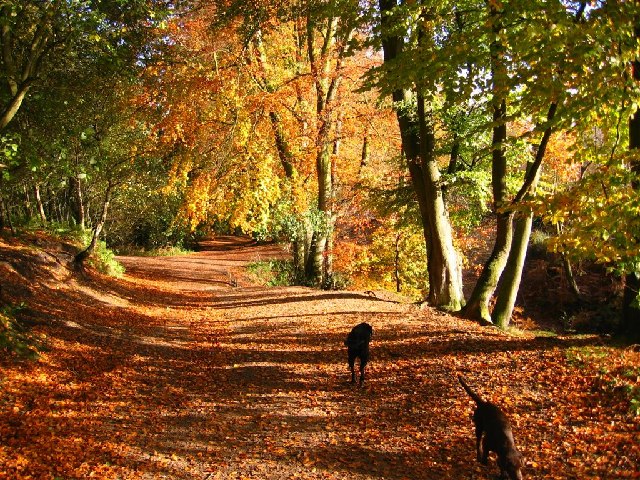
Autumn runs from September to November. There is a gradual cooling of temperatures and shortening of days. As cool polar air moves southwards, it meets warm air from the tropics, producing Atlantic depressions, sometimes brigning intense rainfall. Autumn, particularly the latter part, is often the stormiest time of the year. At this time, the land becomes colder than the ocean, causing the moisture in the air to condense and so build into rain-bearing clouds.
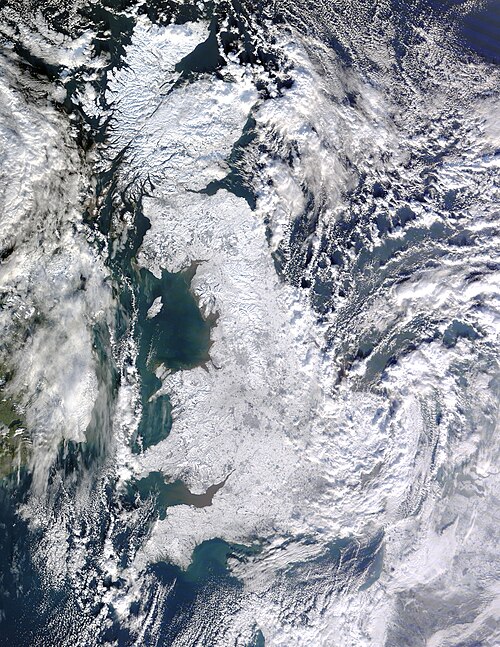
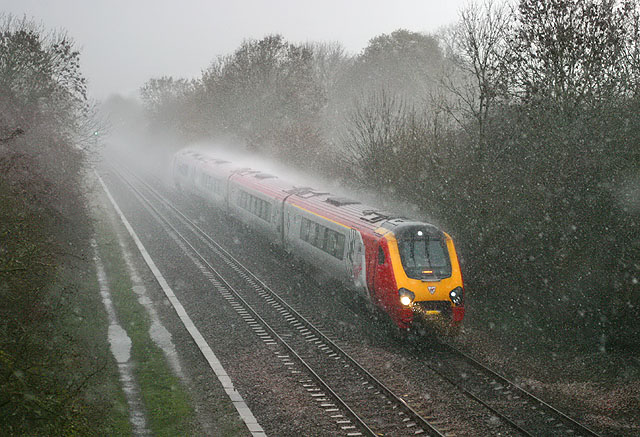
Winter, the period from December to February, is generally cool, wet, windy and cloudy. In most parts, day-time temperatures seldom exceed 15°C (about 60°F), but at the same time night-time temperatures rarely drop below -10°C (14°F). Occasionally, cold air from the north (the Arctic) or the east (continental Europe) can move across the UK, bringing lower temperatures and more widespread snow.
Precipitation can be plentiful throughout the season, though snow is relatively infrequent except over the Scottish Highlands, North Wales and the Pennines. Towards the later part of the season, the weather usually becomes calmer with less wind, less precipitation and lower temperatures—mainly because the Atlantic Ocean is often at its coldest at this time.


Climate change
Scientific evidence shows that average global temperatures have risen since the second half of the 19th century, due to increased emissions of greenhouse gases from industry, power plants, vehicles and livestock farming. As in many parts of the world, average temperatures in the UK have increased in recent decades.
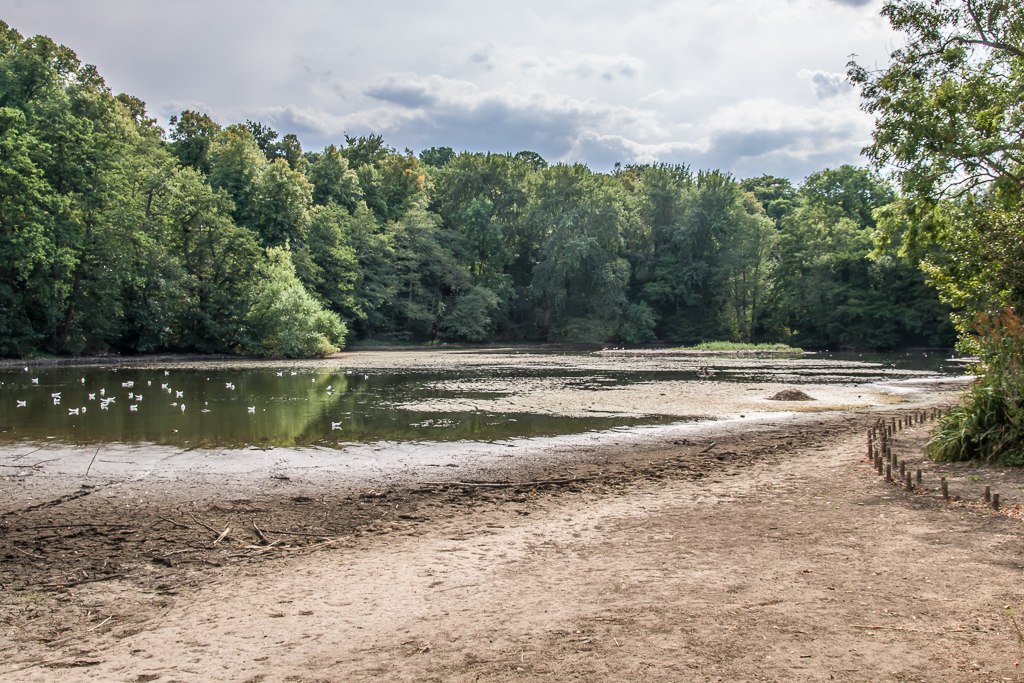
Heatwaves are occurring more frequently and lasting longer. Climate projections indicate that in the coming years winters will probably become wetter, particularly in western and northern regions, while summers are likely to be drier, especially in southern and eastern England. Heavier rainfall events will increase the risk of flooding, while periods of drought in summer could place pressure on water resources.

Consultant: Nicholas Harris
pics
Without in any way limiting Q-files Ltd’s exclusive rights under copyright, any use of this publication to “train” generative artificial intelligence (AI) technologies to generate text is expressly prohibited. Q-files Ltd reserves all rights to license use of this work for generative AI training and development of machine learning language models.