
How animals live

CITE
We have made every effort to follow citation style rules, but there may be some minor differences. If in doubt, please refer to the appropriate citation style manual.
Animal senses. (2026). In Q-files Encyclopedia, Life, How animals live. Retrieved from
https://www.q-files.com/life/how-animals-live/animal-senses
"Animal senses." Life, How animals live, Q-files Encyclopedia, 23 Mar. 2026.
https://www.q-files.com/life/how-animals-live/animal-senses.
Accessed 6 Aug. 2026.
Animal senses 2026. Life, How animals live. Retrieved 6 August 2026, from
https://www.q-files.com/life/how-animals-live/animal-senses
Life, How animals live, s.v. "Animal senses," accessed August 6, 2026.
https://www.q-files.com/life/how-animals-live/animal-senses


Animal senses
Animals have senses to detect what is going on around them. We have the same five main senses as many animals: sight, hearing, smell, taste and touch. Our main sense is sight. Compared to many animals, our eyes see in detail and in a wide range of colours. However, some animals have more highly developed senses than we do, such as hearing and smell. A dog, for example, can detect sounds far higher in pitch than we can, and hear sounds much further away. Its sense of smell is hundreds of thousands—possibly millions—times more sensitive than a human's. Some other animals can detect what we cannot, like pulses of electricity.


Mammals, birds, lizards and frogs have eyes and ears on the head. However, some animals have them in other places on the body. Snails and slugs have eyes on flexible stalks. A clam has a row of small, simple eyes in the fleshy frill or mantle along the gaping edge of its shell. A grasshopper has eardrums on its knees.
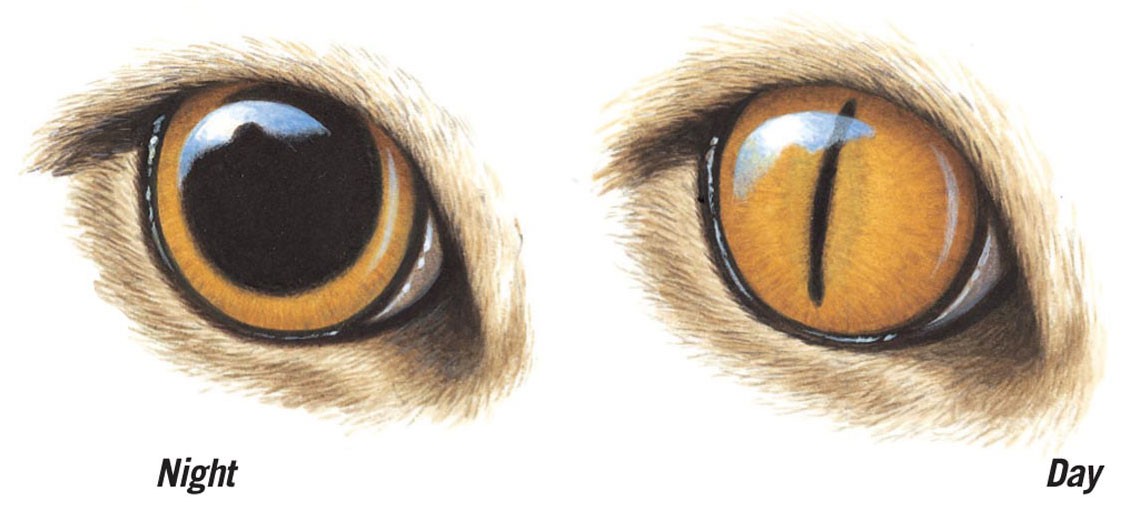
Some animals are nocturnal or active at night. They include cats, mice, bats, owls and moths. Their large eyes pick up as much of the faint light as possible. Animals that live in total darkness, like moles and cave salamanders or fish at the bottom of the sea, have tiny eyes or none at all.

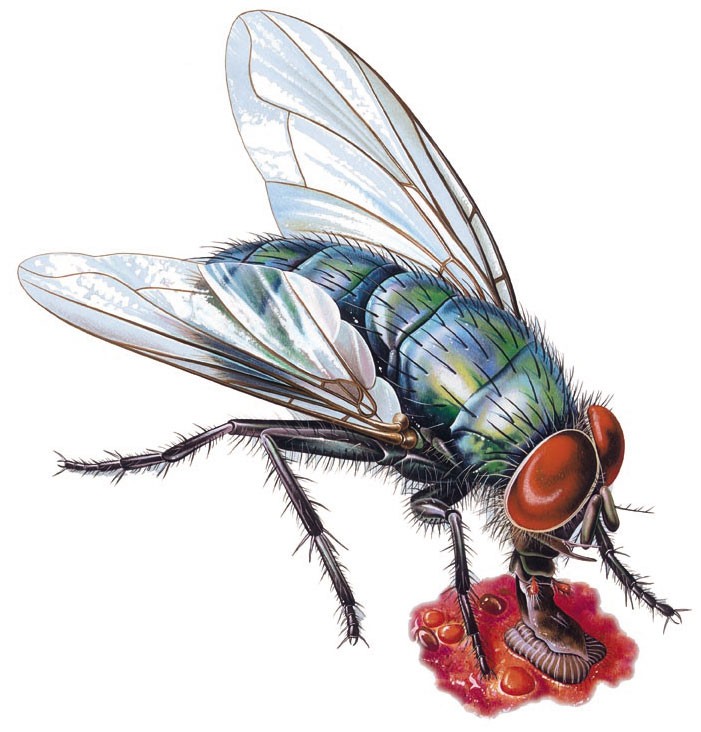
Insect eyes
Insects such as the tsetse fly have very different eyes to our own. Each eye is a cluster of many separate light-detecting units, called ommatidia. This design is called the compound eye. Each unit picks up a tiny patch of light or darkness. The patches fit together like a mosaic of dots to form the whole scene. There are no eyelids.
Smell and taste
Smell and taste are chemosenses. They are based on the presence of chemical substances, called odorants for smells and flavorants for tastes. We smell airborne odorants with the nose and taste flavorants in food and drink when they touch the tongue. Some animals have chemosensors on other parts of the body, too. A fly can taste with its mouthparts, its antennae (feelers) and its feet. A male moth’s feathery antennae can detect special floating chemicals given off by the female moth even if she is two or three kilometres away.
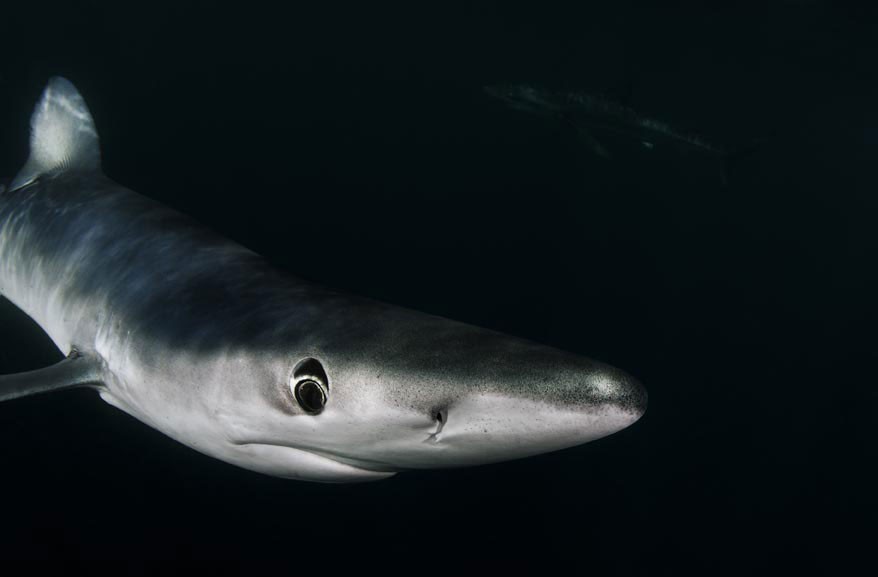
For animals in water, smell and taste are much the same. A shark has groups of chemosensors (taste buds) all around the inside of its mouth and also on the front of its snout. They are especially sensitive to blood and body fluids.
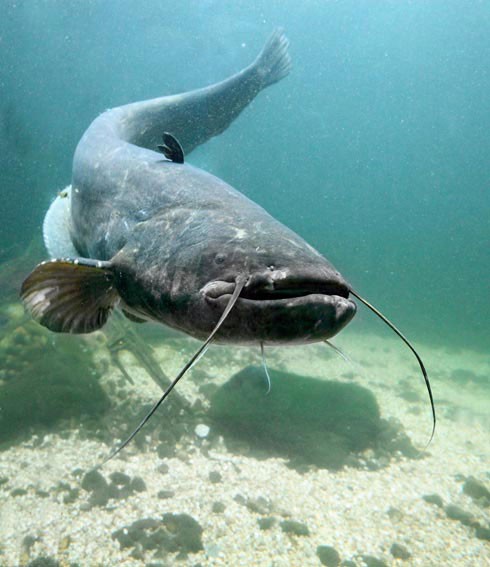
A catfish has so many chemosensors in the skin all over its body that it is like a “living tongue”. Its long "whiskers", called barbels, contain taste buds. The fish uses them, along with the chemosensors in its skin, to search for food in murky water. Because these sense organs are more important in detecting food, its eyes are small.
Electricity and magnetism
Electricity travels well in water, so many water animals have evolved to sense it. (Electricity does not travel through air so land animals do not sense it.) Some fish including sharks, rays and elephant-snout fish (mormyrids) can detect the tiny electrical pulses given off by the active muscles of other animals. They use their electrosense to find prey in cloudy water or hiding in sand and mud.
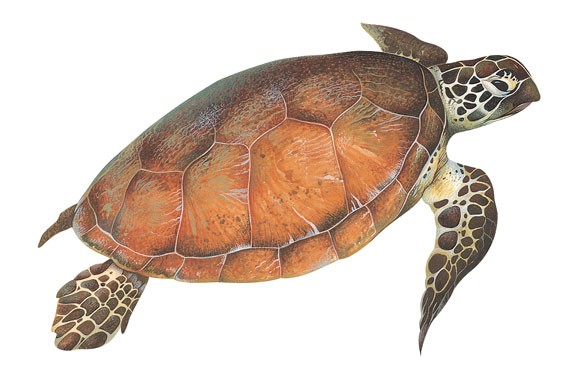
There are other senses that we lack and that we find difficult to imagine. Some animals, including birds and sea turtles, migrate vast distances across featureless oceans with amazing accuracy. They may be able to sense Earth’s natural magnetic field or the way our planet’s downward pull of gravity varies slightly from place to place.
Echolocation
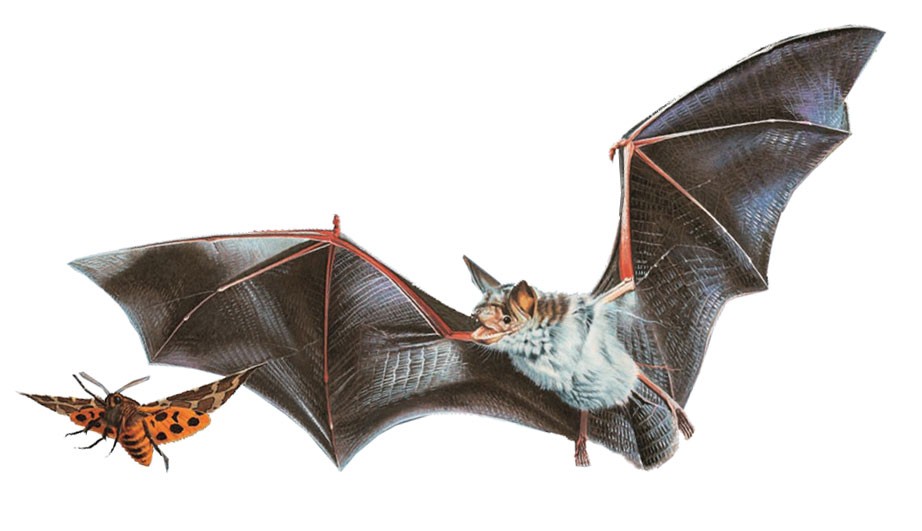
Animals that have to move about in total darkness—bats, through the air, and whales and dolphins, in deep ocean waters—find their way by echolocation. Bats make very high-pitched (ultrasonic) squeaks and clicks that bounce off nearby objects. The bat hears the returning echoes and works out what is around it.
Using antennae
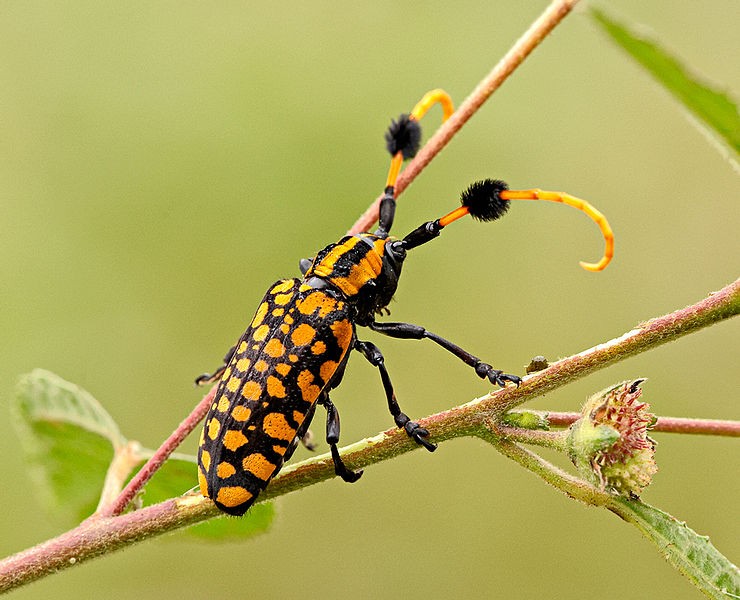
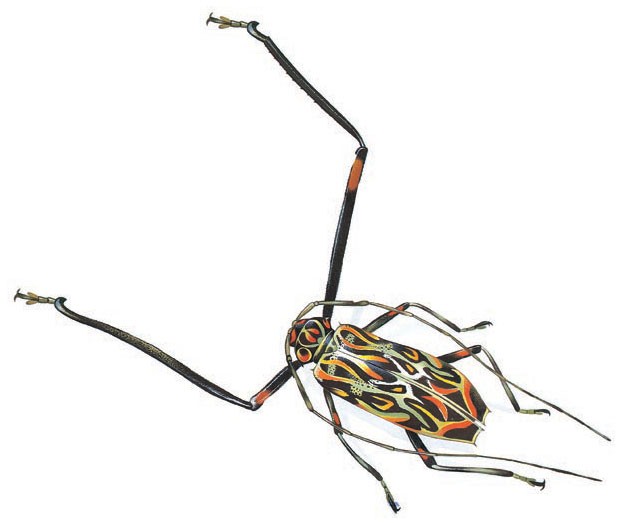
Antennae are multi-purpose sensory parts that all insects—as well as nearly all other arthropods—have. They are paired, made up of a number of segments, and can be moved around. They can detect chemical substances floating in the air (smell) or on objects they touch (taste). They also pick up movements of air (wind) or water (currents) and even detect loud sounds.
Consultant: Chris Jarvis
pics

Without in any way limiting Q-files Ltd’s exclusive rights under copyright, any use of this publication to “train” generative artificial intelligence (AI) technologies to generate text is expressly prohibited. Q-files Ltd reserves all rights to license use of this work for generative AI training and development of machine learning language models.