
Resources and industry

CITE
We have made every effort to follow citation style rules, but there may be some minor differences. If in doubt, please refer to the appropriate citation style manual.
Deep-sea mining. (2026). In Q-files Encyclopedia, Geography, Resources and industry. Retrieved from
https://www.q-files.com/geography/resources-and-industry/deep-sea-mining
"Deep-sea mining." Geography, Resources and industry, Q-files Encyclopedia, 1 Apr. 2026.
https://www.q-files.com/geography/resources-and-industry/deep-sea-mining.
Accessed 13 Sep. 2026.
Deep-sea mining 2026. Geography, Resources and industry. Retrieved 13 September 2026, from
https://www.q-files.com/geography/resources-and-industry/deep-sea-mining
Geography, Resources and industry, s.v. "Deep-sea mining," accessed September 13, 2026.
https://www.q-files.com/geography/resources-and-industry/deep-sea-mining


Deep-sea mining
At the bottom of the deepest oceans are craggy mountains, trenches and vast plains. They are the least explored environments on Earth. Just as on the continents, the rocks and minerals of the ocean floor contain metals such as nickel, cobalt, copper and manganese. Massive deposits of these metals are known to exist. In recent decades, demand for certain metals used in batteries for electronic devices or electric vehicles has grown, making them extremely valuable. Mining companies and scientists have been working to find a way to extract them from the ocean floor. The mining of deposits found at depths of 200 metres (660 feet) or greater is known as deep-sea mining. So far, licences have been granted for exploration purposes only, but the first licences for mining are expected to be issued in 2024. However, deep-sea mining threatens the survival of deep-sea ecosystems and some marine creatures we have yet to discover.
Nodules
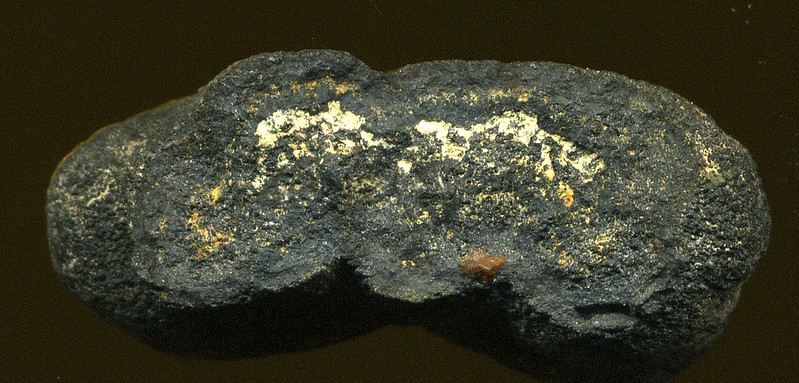
Manganese nodules, also known as polymetallic nodules, are mineral concretions found on the deep ocean floor. Nodules form when minerals in the seawater start to form a coating around a small object on the sea floor, such as a shell or stone. Over time, thick layers, which contain metal compounds, build up. This process happens extremely slowly—a nodule increases in size by around a centimetre every million years. Most nodules are potato-shaped lumps between 3 and 10 centimetres (1 and 4 inches) in diameter.

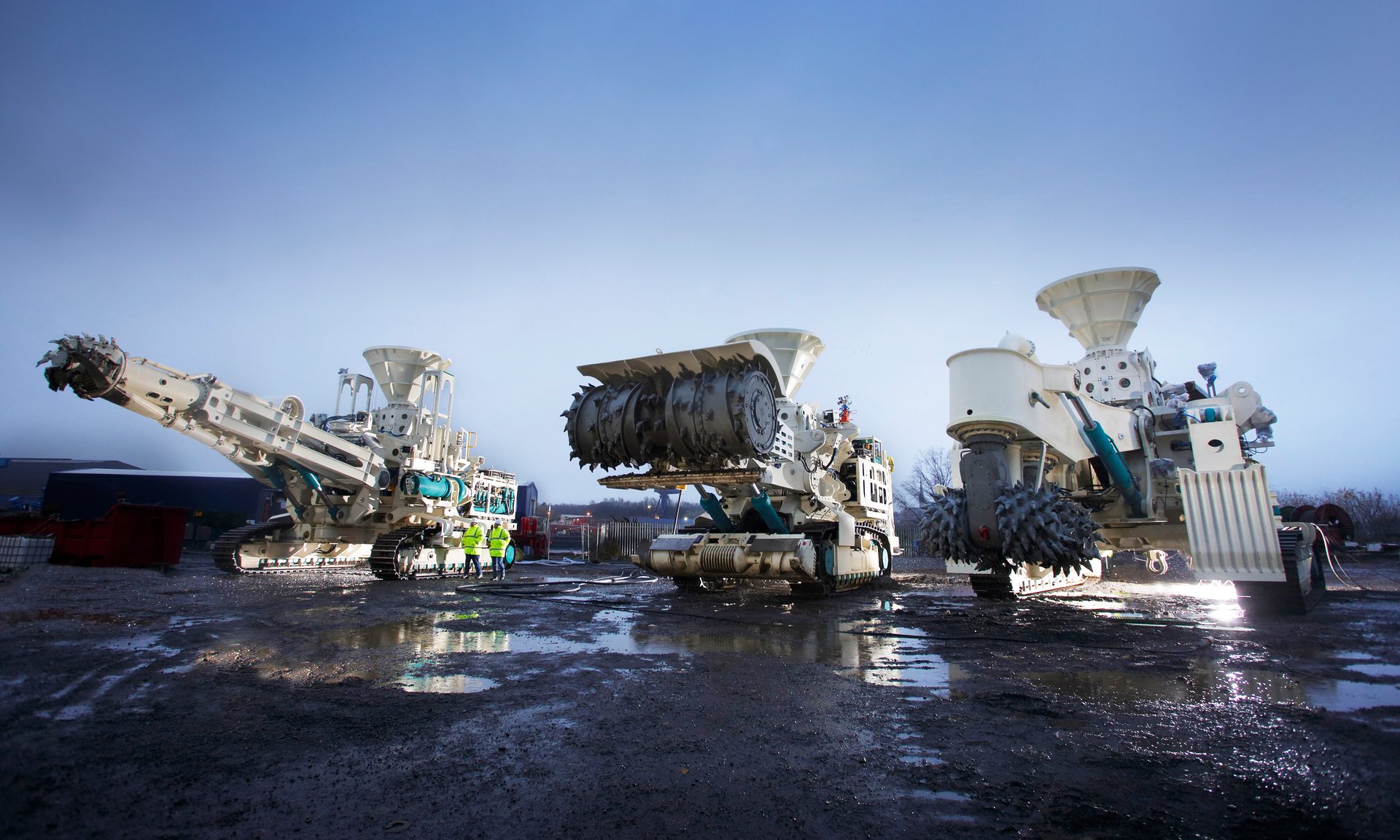
A combination of ships and robots could be used to mine nodules. Mining companies propose a method in which remotely-operated vehicles (ROVs) crawl along the sea floor locating the nodules and scooping them up. They are then pumped up through hoses to ships stationed at the surface. Machines on board the ships process the nodules, collecting the metal ore and dumping the waste matter, known as slurry, back in the sea.


Hydrothermal vents
Hydrothermal vents are hot springs on the sea bed where hot water shoots up from underneath the Earth’s crust. They are found on areas of the sea floor with high volcanic activity, such as along plate boundaries. The water at these vents is heated by geothermal energy and is rich in minerals, mostly sulphides, containing metals such as iron, zinc and copper. As the water gushes out, it deposits the minerals around the entrance to the vent, which build up to create towering chimneys of rock called black smokers.
To mine at hydrothermal vents, the rock has to be shattered using a remotely-controlled machine similar to a bulldozer. The ground-up rock is then pumped up to the surface using hoses, as in nodule collection.
Mining is likely to threaten the marine life that form ecosystems around hydrothermal vents. Ordinarily, movement in the sea floor around the vents creates an environment that is constantly changing. Because they have adapted to disturbance, the species that live here might be able to survive some damage to their habitats from mining. But there is not yet enough evidence that deep-sea mining can be carried out without disrupting the vent ecosystems.

Seamounts

Some of the planet’s richest mineral deposits are found on underwater mountains called seamounts. These mountains are covered by a ferromanganese crust, a thick layer of rocks made up of minerals containing cobalt, tellurium and rare earth metals—all essential raw materials needed for use in batteries and solar panels. The crust has built up over millions of years, as ocean currents deposit sediment on the mountains' slopes.
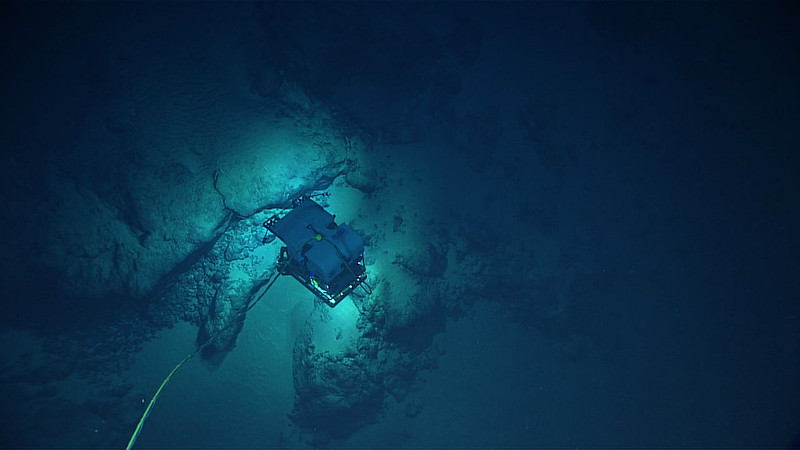
Mining the ferromanganese crust would require a process similar to mining at hydrothermal vents: breaking up the rock into fragments and pumping it to the surface for processing. But in order to access the crust, mining vehicles would have to drive over the jagged seamount terrain, making it a difficult and expensive operation.
Phosphate mining
Some parts of the deep sea bed are covered with a layer of sediment rich in phosphate, a mineral used in farming to make fertilizers. Mining this phosphate would involve dredging—using a giant scoop or suction hose to scoop up the sediment from the sea floor. If it were approved, countries with phosphate-rich waters, such as Mexico, Namibia and New Zealand, would be able to obtain this valuable mineral without having to devastate land areas. However, phosphate dredging could interfere with the fishing industry, by damaging fish breeding sites, and harm tourism by making coastal areas unattractive places to visit.
Namibia is one of the first countries to issue licences for deep-sea mining. Its Sandpiper mine is located 120 kilometres (75 miles) off the coast of Walvis Bay, Namibia. There are estimated phosphate reserves of 1.82 billion tonnes, located at depths of between 180 and 300 metres (about 600–100 feet) below sea level.
Environmental concerns
Deep-sea mining threatens ocean ecosystems, which could be damaged or destroyed altogether by mining activity. Species that live in waters near areas of the ocean floor where mining is allowed could go extinct—perhaps even before scientists have identified they exist. Increased noise from drilling and higher temperatures caused by machine activity are also concerns.
In 1978 a team of scientists conducted an experiment to try and measure the environmental impact of deep-sea mining. In the trial, named DISCOL (short for DIS-turbance and re-COL-onization), they simulated mining by dragging a plough across the sea bed, raking an 11-square-kilometre (4.25-square-mile) area of the Pacific Ocean floor. When they returned to the site in 2004, the tracks from the plough were still clearly visible on the sea bed. And when they measured biodiversity in the area and compared it to measurements taken before the experiment, they found that the numbers of filter feeders (those species that feed by straining food particles from the water) had dropped to 40% of pre-trial levels.


One of the greatest environmental concerns identified so far is the impact of sediment “plumes”—clouds of sediment—produced by mining. One source is the waste slurry returned to the water by ships after extraction. This slurry will contain toxic substances such as mercury and lead that would otherwise have been locked away in the rock. It could poison plants, animals and fish in the surrounding ocean for hundreds of kilometres—far beyond the mining zone. Because ocean currents are unpredictable, it is impossible to control where and how far the slurry will drift. Another disturbance could be caused by the nodule collection vehicle as it crawls across the sea bed, leaving a cloud-like trail of sediment. Sea bed ecosystems are used to just one centimetre of sediment accumulating every 1000 years. Any more than that is likely to smother the creatures that live here.
Impact on numbers of species
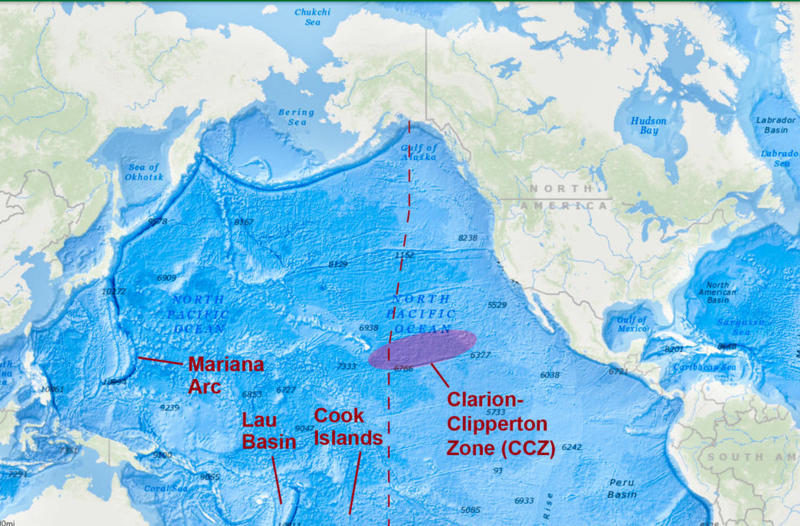
A recent study looked at the impact of test drilling in the Clarion-Clipperton Zone (or CCZ, a prime target for deep-sea mining companies), over a five-year period. The scientists found 788 different species of worms, molluscs and crustaceans in the area, and compared the samples they made before and after the tests. The results, published in 2025, showed that the number of species in the impacted samples declined by 32%, while the overall number of animals dropped by 37%. (By comparison, samples taken from non-mined areas did not show any changes before and after.)
The study also looked at the impact of sediment plumes and found that while the number of species declined, the overall number of animals remained relatively stable. This suggests that some species coped better with the disruption than others.

The case for deep sea mining
All methods of mining have an impact on the environment. Many cause harm to human health and damage the places where people live. Deep-sea mining offers an alternative way to extract minerals without directly degrading our own land environment. Nearly all the world’s cobalt, for example, comes from the Democratic Republic of the Congo, where it is mined by people—including even children—working often in harsh conditions. There is an urgent need, mining companies argue, to find ways of obtaining these vital metals so we can switch to low-carbon technologies, such as electric cars, in order to prevent catastrophic global warming.

The future
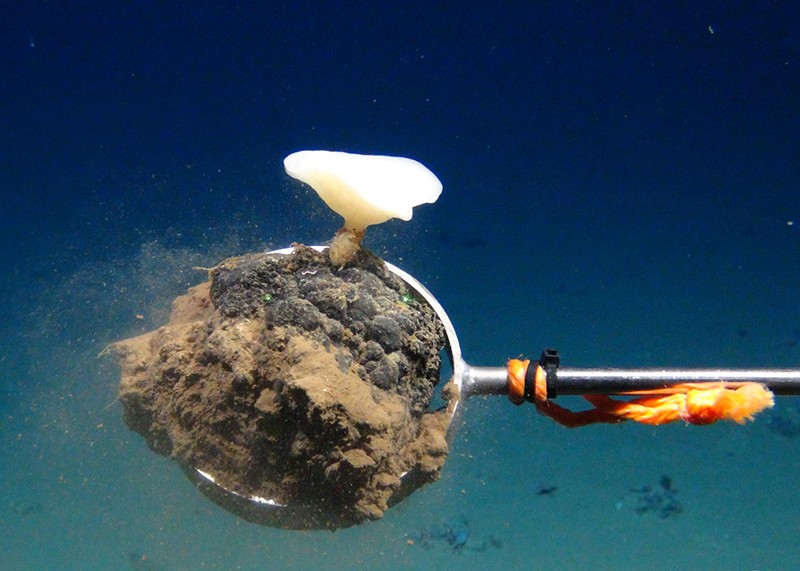
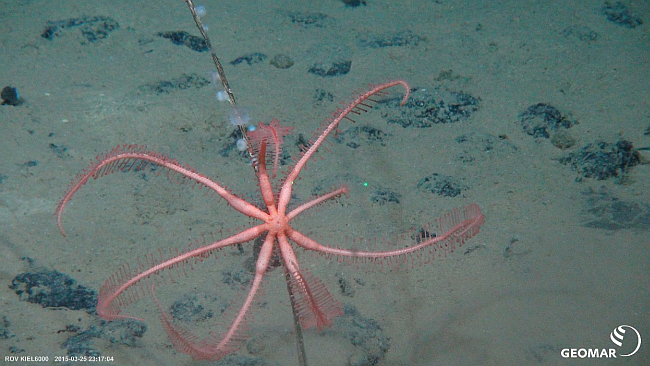
Deep-sea mining is still a new technology. Before any mining can take place, companies must apply for licences to explore the areas they plan to mine. Exploration involves conducting a detailed ecological survey of the sea bed areas to see what lives there. The results help to raise awareness of the biodiversity of the sea floor. In 2015, for example, a completely new species of sponge was discovered living on the surfaces of manganese nodules.
It is expected that the first mining licences will be granted in the 2020s, subject to the finalization of international rules. The licences will probably be for the Clarion-Clipperton Zone (CCZ), the part of the Pacific Ocean floor between Hawaii and Mexico.
pics

Without in any way limiting Q-files Ltd’s exclusive rights under copyright, any use of this publication to “train” generative artificial intelligence (AI) technologies to generate text is expressly prohibited. Q-files Ltd reserves all rights to license use of this work for generative AI training and development of machine learning language models.