
Ships and boats

CITE
We have made every effort to follow citation style rules, but there may be some minor differences. If in doubt, please refer to the appropriate citation style manual.
Modern ships. (2026). In Q-files Encyclopedia, Technology, Ships and boats. Retrieved from
https://www.q-files.com/technology/ships-and-boats/modern-ships
"Modern ships." Technology, Ships and boats, Q-files Encyclopedia, 3 Nov. 2026.
https://www.q-files.com/technology/ships-and-boats/modern-ships.
Accessed 7 Nov. 2026.
Modern ships 2026. Technology, Ships and boats. Retrieved 7 November 2026, from
https://www.q-files.com/technology/ships-and-boats/modern-ships
Technology, Ships and boats, s.v. "Modern ships," accessed November 7, 2026.
https://www.q-files.com/technology/ships-and-boats/modern-ships


Modern ships
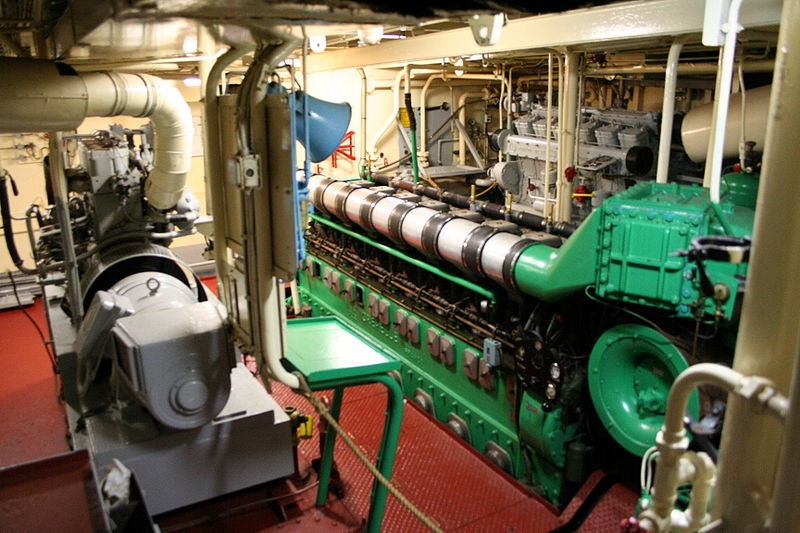
In the middle of the twentieth century, steam power began to give way to diesel power. Diesel engines are smaller, cleaner, far more efficient, and need fewer crew to operate them. Steam had almost completely disappeared by the 1980s. As air travel became convenient and cheap in the 1960s, passengers stopped travelling by sea and the age of the liner came to an end. But as cruise holidays became popular in the 1980s, construction of new, giant cruise liners began.
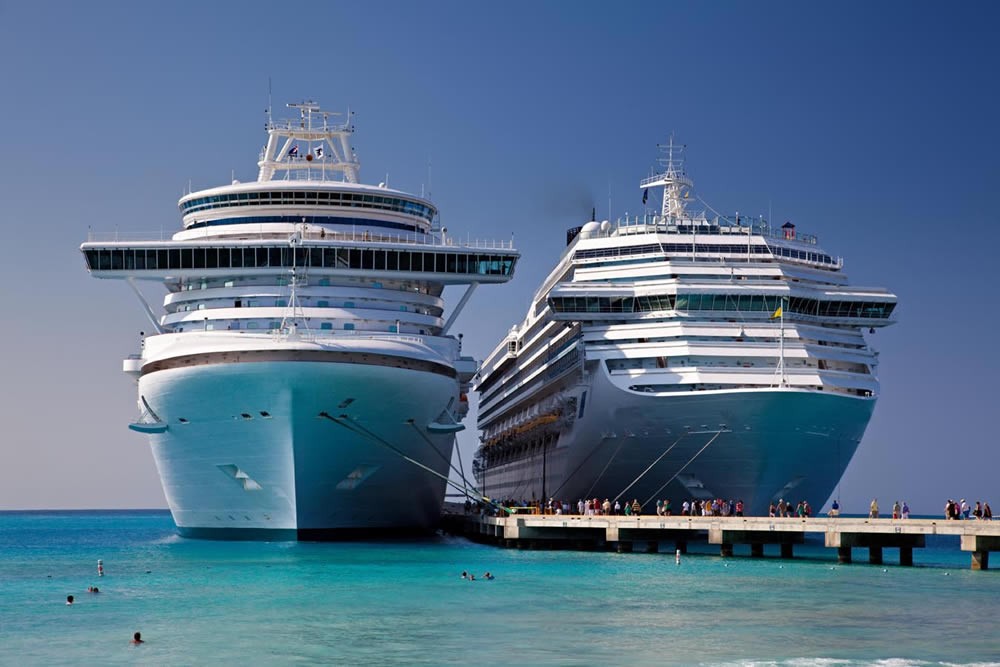
Parts of a ship
The main part of a ship is its hull, the part that sits in the water. It keeps the ship watertight and forms a strong structure that supports the other parts of the ship and its cargo. Inside the hull are horizontal decks and vertical walls called bulkheads. The parts of a ship above the main deck are called its superstructure.
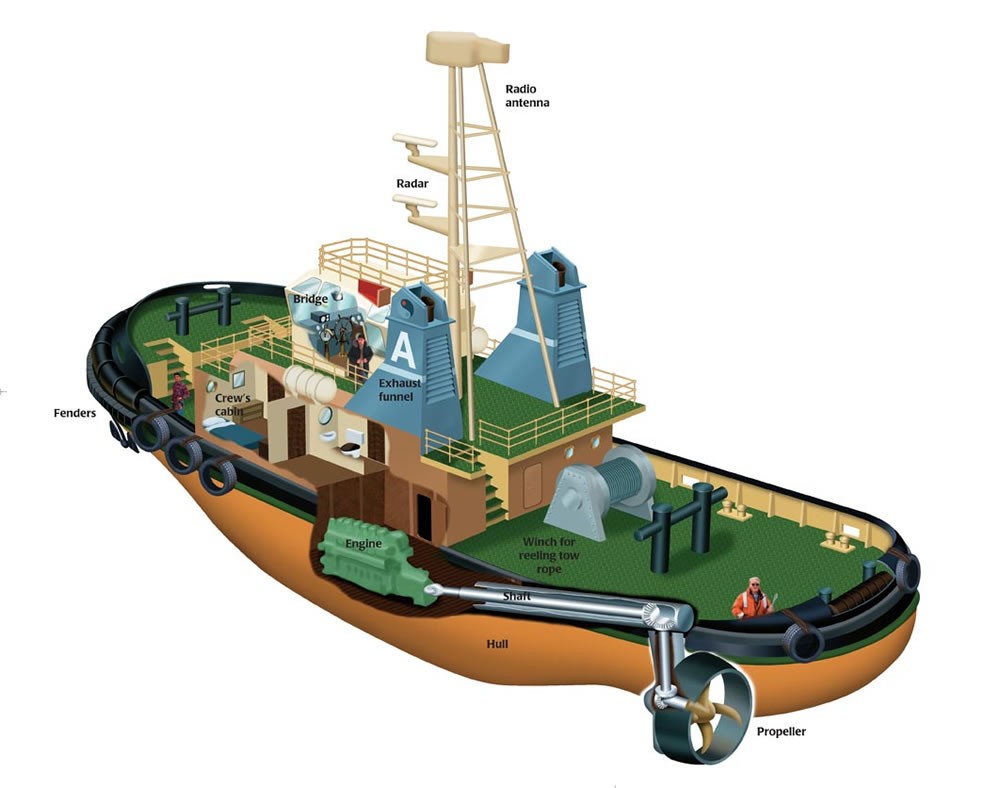
Tugs
Tugs, for example, are ships specially designed to tow heavy ships, such as oil tankers. They have strong steel hulls and rubber fenders used for pushing ships. Tugs have an extremely powerful engine, which drives a large propeller. On some tugs, the propeller can be steered, changing the direction in which the tug is moving.
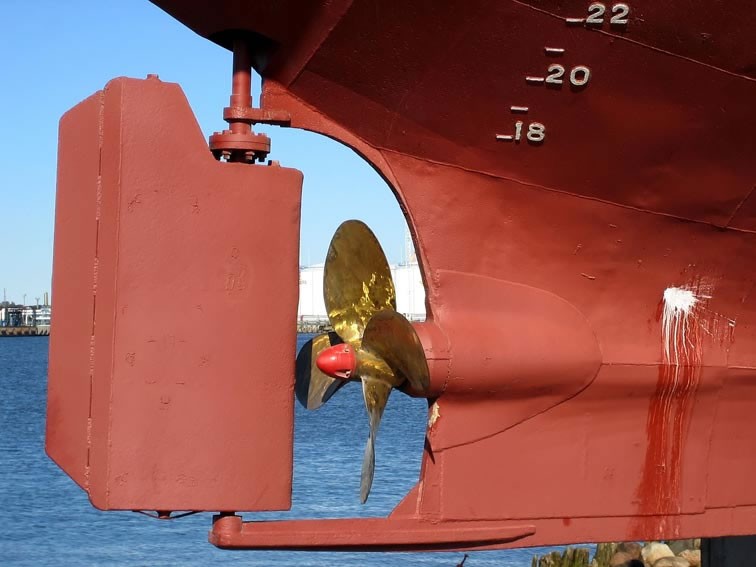
Propulsion
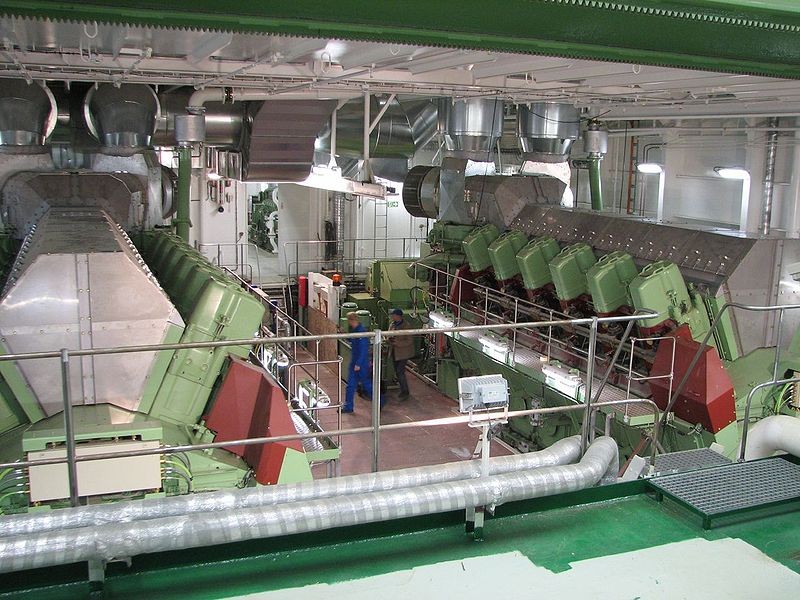
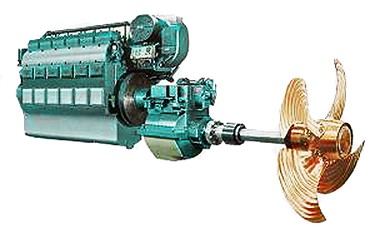
Most ships have a diesel engine housed low in the hull, which drives a screw propeller under the stern via a shaft. The propeller blades are large and curved. As they turn, the water around them is sucked in and pushed backwards. This drives the boat forwards. A rudder at the stern steers the ship. Large ships also have small, electrically-powered propellers called thrusters for manoeuvring accurately in port.
Electric propulsion
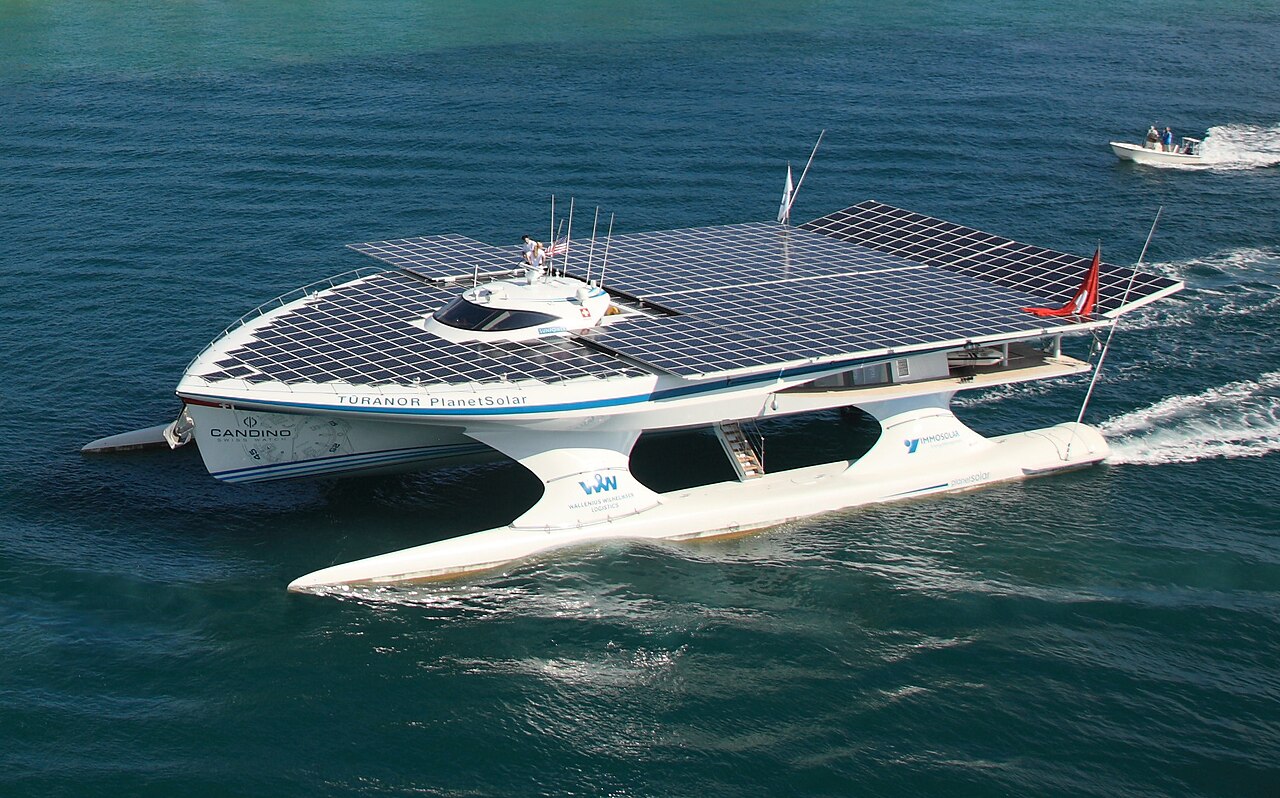
An electric boat is driven by electric motors powered by either on-board battery packs or solar panels. Ships and boats using hybrid power (combining internal combustion engines with an electric propulsion system) were adopted in the 21st century, for example, by some cruise ships and bulk carriers (see below). The Kochi Water Metro in Kerala, India, which opened in 2023, operates a fleet of hybrid electric ferries.


Some modern ferries now run on fully electric power. The extra weight of the batteries increases the power needed to move the vessel through the water. Use a hydrofoil design solves this problem. The underwater “wings” lift the hull above the surface of the water as the boat picks up speed, significantly reducing drag. The greater efficiency allows the boats to carry smaller battery packs, reducing both weight and cost.
Wind propulsion
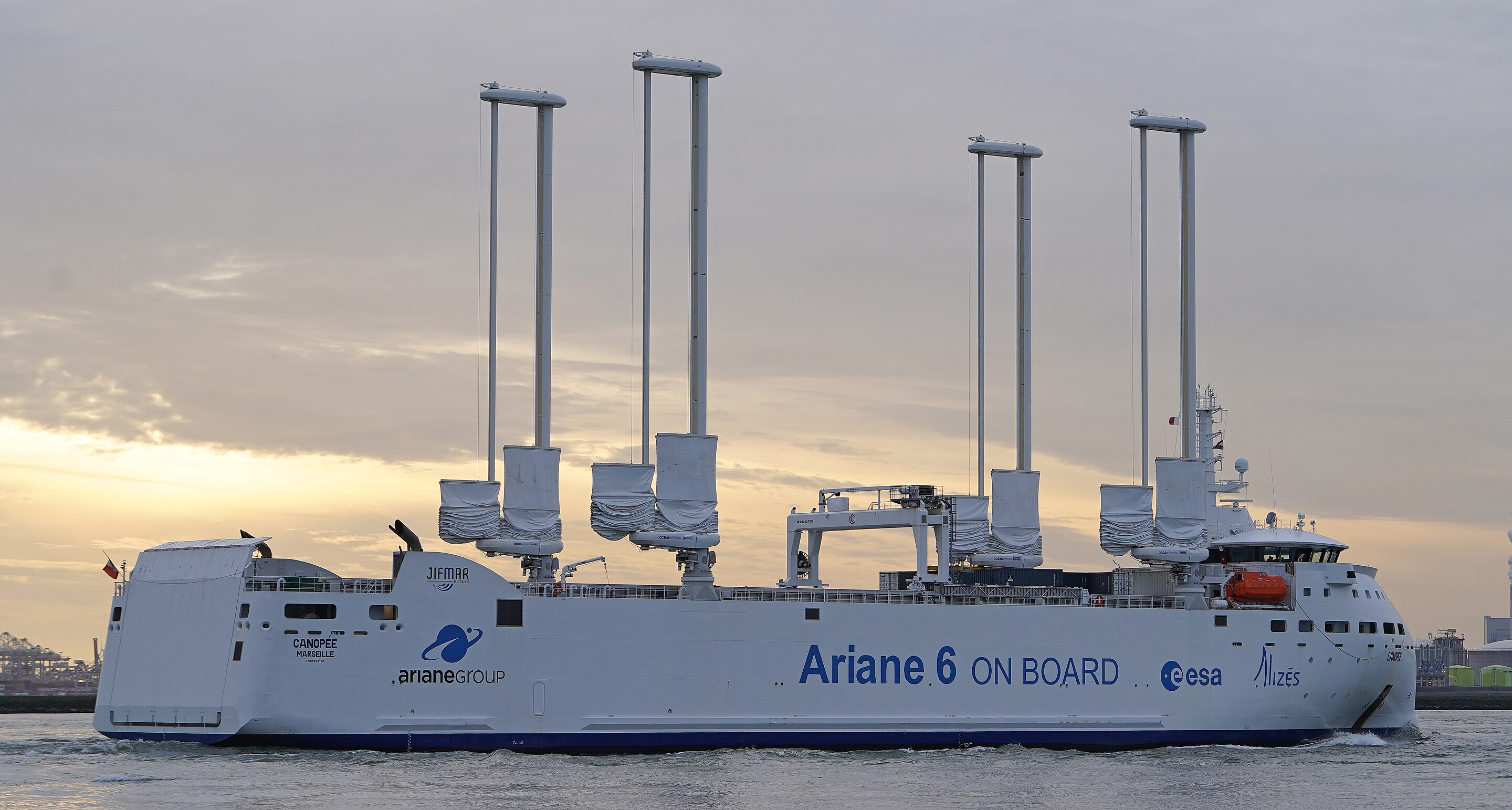
On some cargo ships, sails are being re-introduced in order to harness the power of the wind—just as with sailing ships of past centuries. "Wind-assist technologies" aim to reduce fuel consumption and reduce carbon emissions. Launched in 2022, the French freighter ship Canopée became the first sail-assisted container ship. Manufacturers are also experimenting with giant rigid sails made of the same material as wind turbine blades.
Navigation
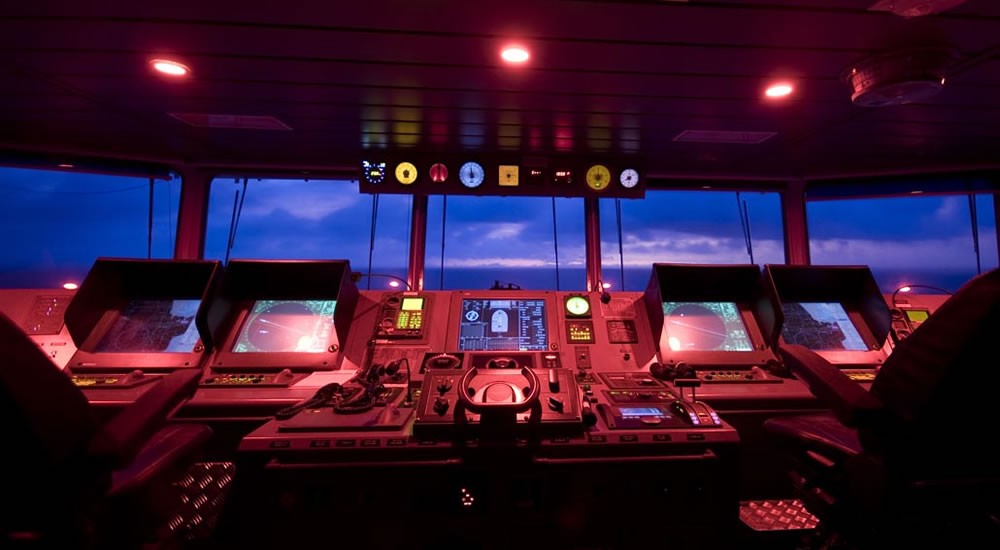
Ships are controlled from a room high up near the bow, called a bridge. From here, the crew navigate from place to place, using engine and steering controls, and keeping track of their position using nautical charts, satellite navigation systems, lighthouses and buoys. Radar helps to avoid collisions at night or in fog, and sonar warns of shallow water under the ship.
Multihulls
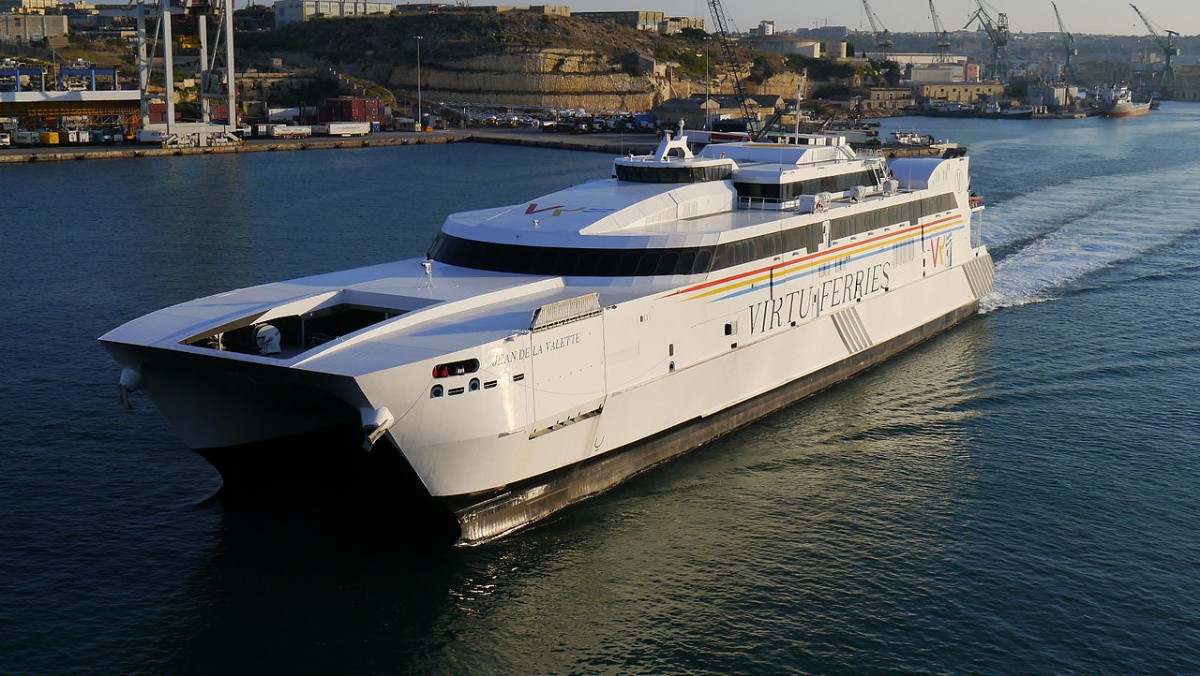
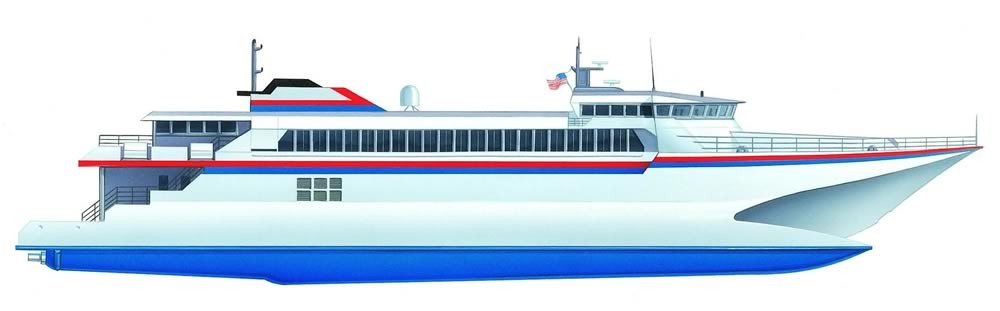
A multihull is a ship or boat that has more than one hull, ranging from two to five. Catamarans are the most common type, with two parallel hulls of equal size. They are used for racing, sailing, fishing and carrying passengers. About 70% of fast passenger and car-passenger ferries are catamarans. Catamarans are lighter than monohulls (vessels with a single hull) and sit less deeply in the water. The two hulls combined also usually have a lower resistance to water than a single hull, This means that catamarans need less power from either sails or engines to drive them forwards, which makes them faster than monohulls. A large, fast ferry, can typically travel at a speed of 75 km/h (46 mph), although it is usually capable of doing more than 110 km/h (70 mph).
Types of ship
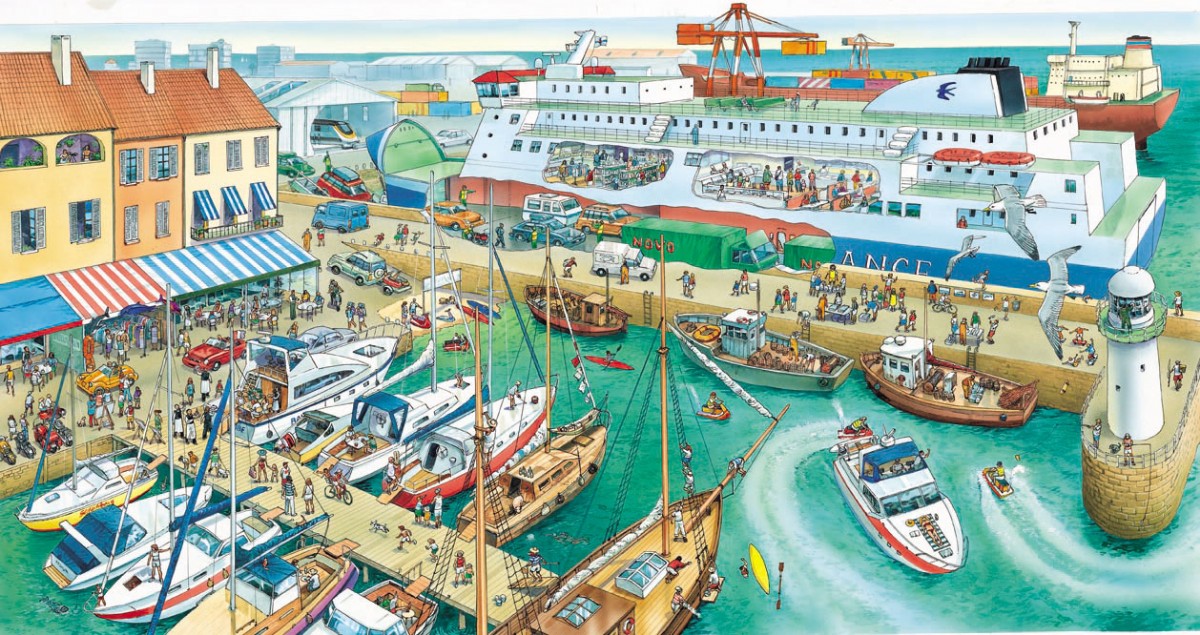
Modern ships and boats can be categorized by the the jobs they do. Merchant ships include cruise liners, ferries, cargo ships and utility ships, such as dredgers and tugs. Military ships include warships and support ships, called auxiliaries. There are also numerous different types of fishing boat and leisure craft, from luxury yachts to sailing dinghies. Small cargoes are carried in standard-sized metal boxes called containers on container ships. Cargoes such as ores, coal and grain are carried by bulk carriers. Oil and other liquids are carried by tankers.
Container ship
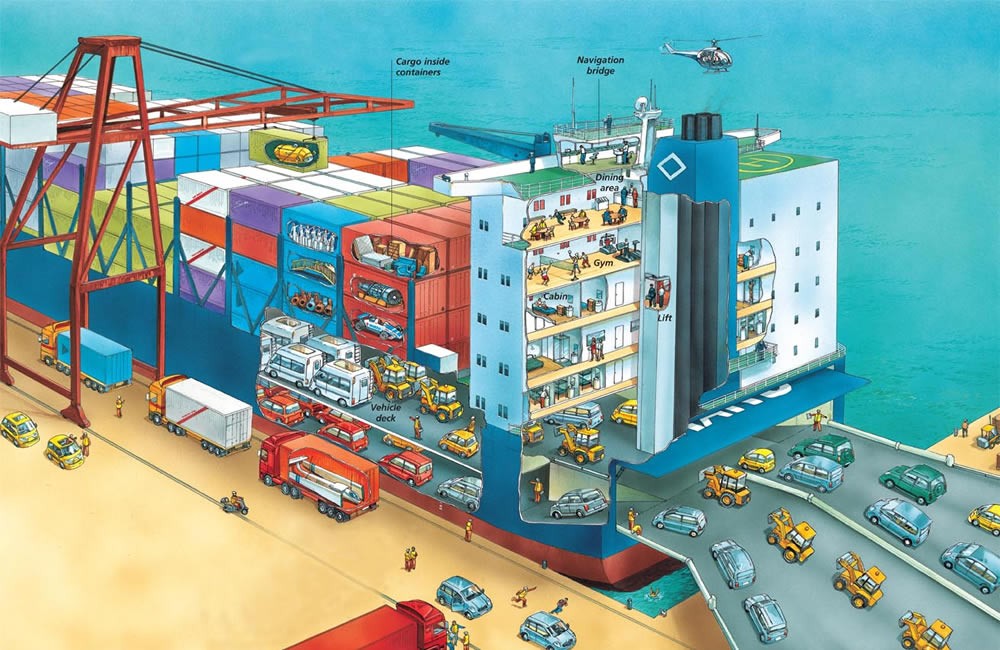
Container ships, or “box ships”, are cargo ships that carry their load in lorry-size containers, reusable steel boxes can be moved from ship to lorry without unloading or reloading their contents. To avoid wasted space, the containers are packed on the ship as tightly together as possible. Loading and unloading of container ships can be done only at ports, called container terminals, where there are special cranes. Most manufactured goods are transported from port to port by container ships.

To load a container on to the ship, the crane’s hoist lifts it from a lorry, parked on the quay. A trolley, to which the hoist is attached, then runs along gantry rails out across the ship and lowers the container aboard. The crane itself runs on two rails so it can move along the quay and position the containers in different parts of the ship.
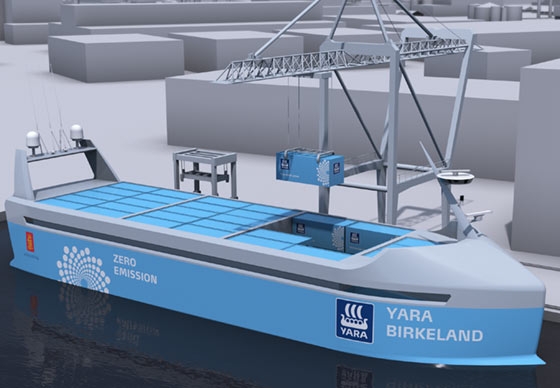
The Norwegian container ship Yara Birkeland, the first autonomous (driverless) ship in the world. entered service in April 2022. Instead of being driven by diesel engines, the usual form of propulsion for other container ships, it will be propelled by electric motors powered by batteries. This will help reduce nitrogen oxides and carbon dioxide emissions that contribute to pollution and global warming.
Cruise ships
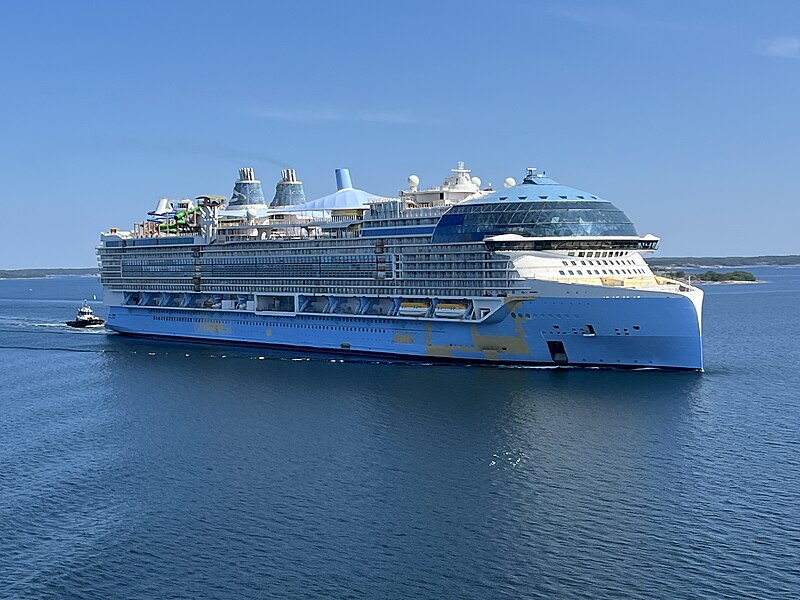
At 248,663 gross tonnage (GT), Icon of the Seas, built for Royal Caribbean International, is the largest cruise ship in the world. She entered service on 27th January 2024, making her maiden voyage out of the port of Miami, Florida. Longer than the Eiffel Tower is tall, the ship has a crew of 2350 and can host 7600 passengers at maximum capacity. It has 20 decks with seven swimming pools and six water slides. The company claims the ship has the tallest waterfall (17 metres or 55 feet high), the tallest waterslide and the largest waterpark (called "Thrill Island") of any cruise ship.
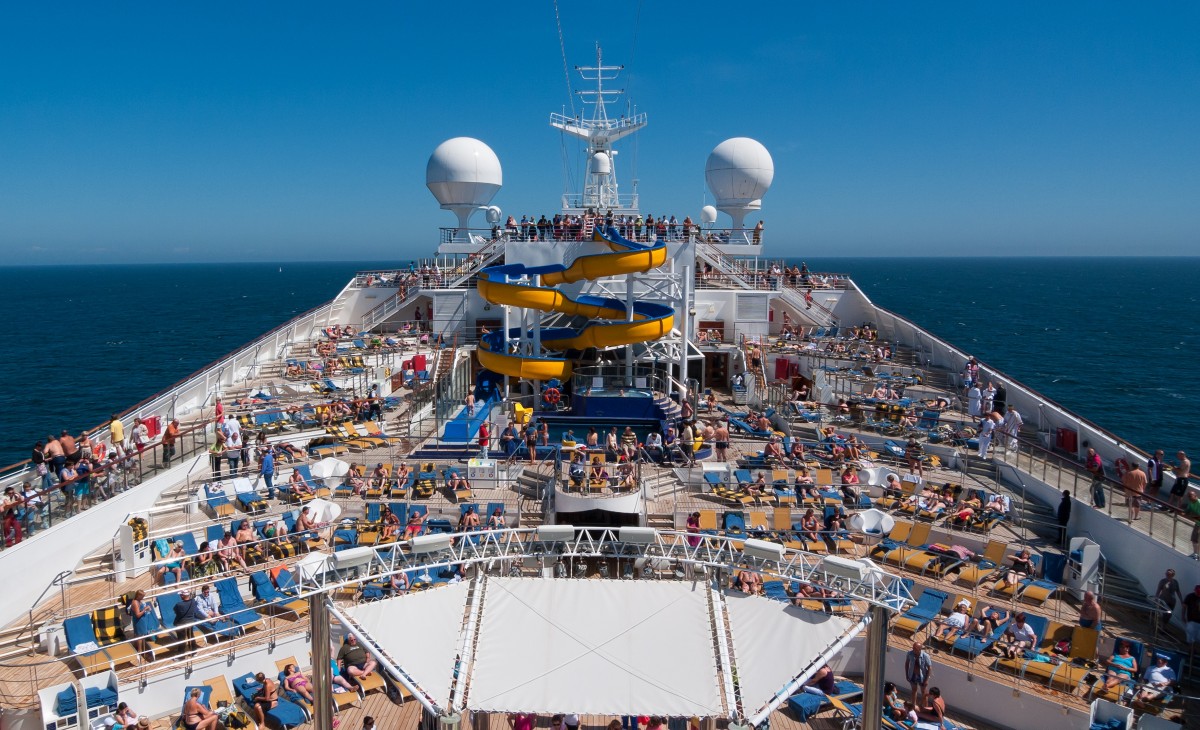
Icon of the Seas' engines are powered by liquefied natural gas (LNG). Environmental groups have said that LNG is a more damaging fuel, because of its emissions of methane, a more potent greenhouse gas than carbon dioxide (methane traps about 80 times more heat than CO2 during the 20 years after it is released into the atmosphere).

Oil tanker
Oil tankers are the largest forms of transport in the world. They are specially designed to be very strong so they do not break on waves. But they can still break up if blown ashore. A tanker captain must navigate carefully since he cannot bring the ship to a stop in less than 6 kilometres (4 miles).
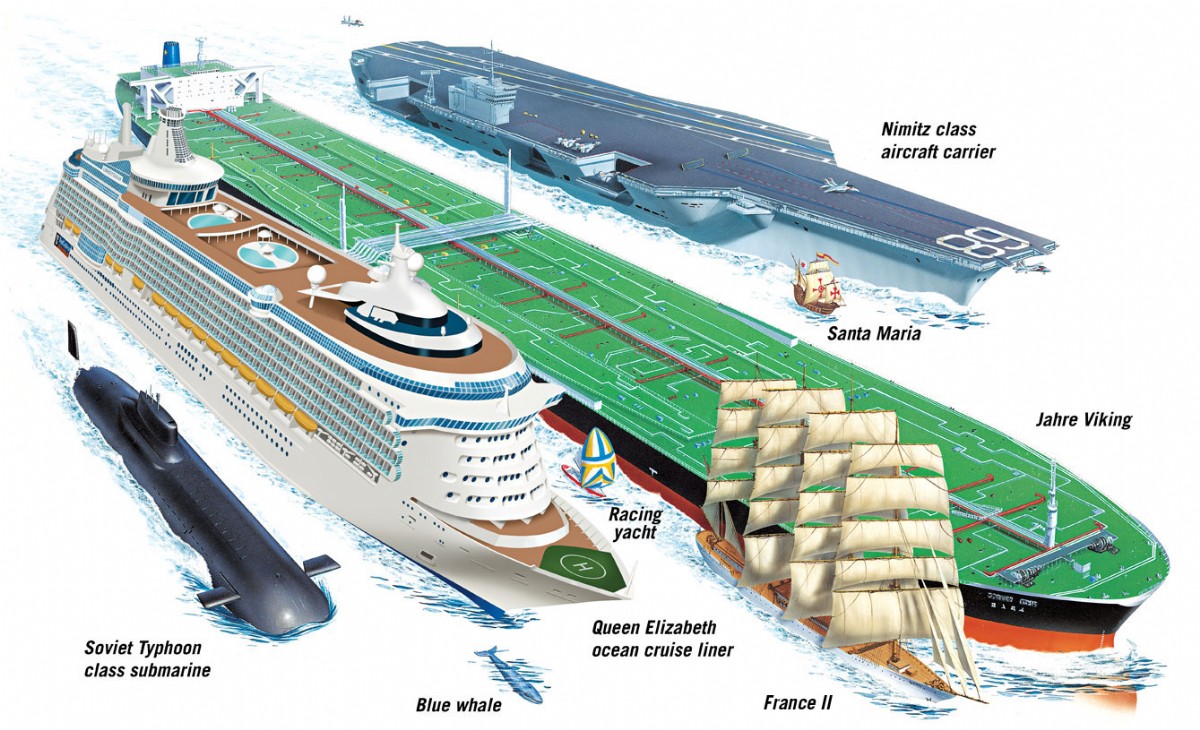
The largest modern oil tankers measure up to 400 metres (1300 feet) long, and are known as ultra-large crude carriers (ULCCs). As of June 2024, the largest is currently the SA Oceania, launched in 2003 and built by the South Korean shipbuilding company Daewoo Shipbuilding and Marine Engineering. It has a double hull and is 380 metres long and 68 metres wide (1246 x 223 feet). The carrier’s gross tonnage is 234,006 tonnes and it can carry more than 3 million barrels of oil.
The supreme record-holder was the Knock Nevis, previously called the Jahre Viking and the Seawise Giant. Nearly half a kilometre (1640 feet) long, four football pitches could be laid end to end on its deck—with room to spare. The ship itself weighed about the same as a large ocean liner, but with its load of oil the total weight could be up to ten times as much. It was scrapped in December 2009.
Aircraft carrier
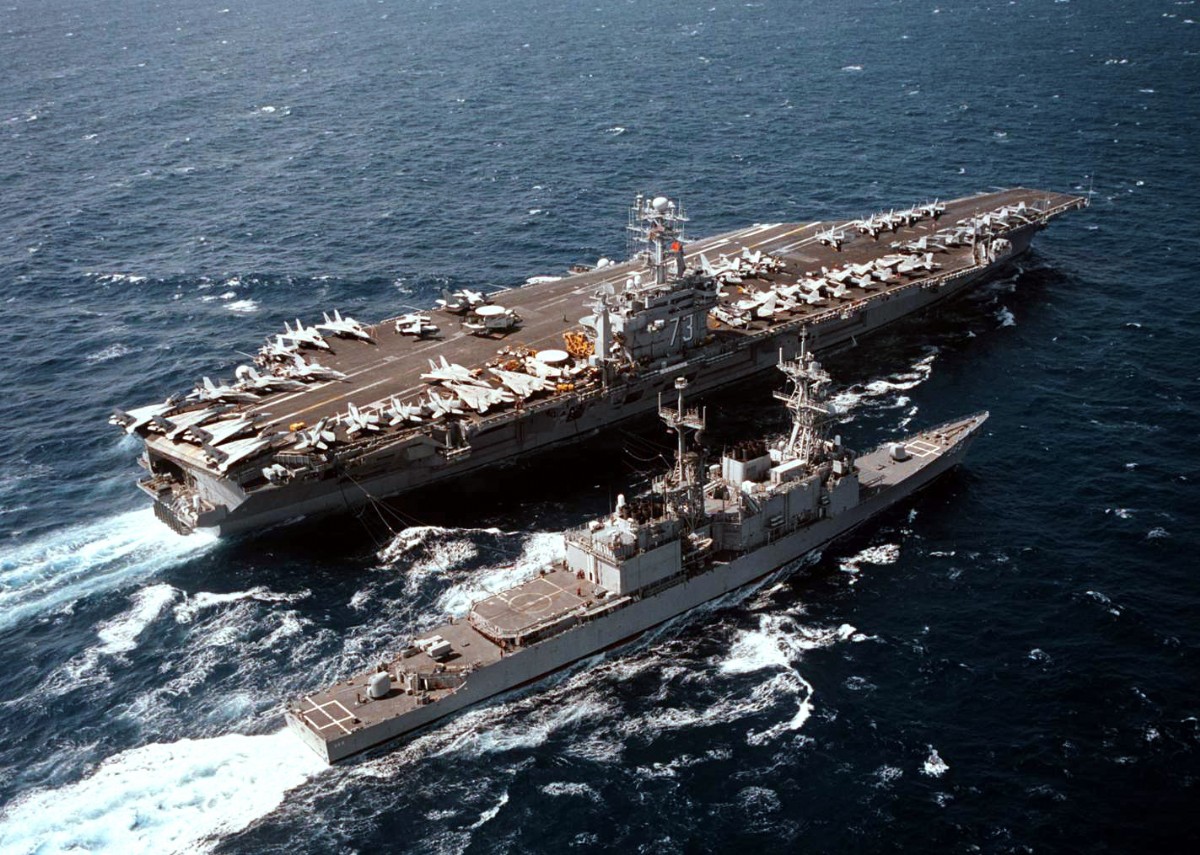
Aircraft carriers have a flat main deck, called a flight deck, that forms a runway where aircraft take off and land. Aircraft hangars are on a lower deck. The nuclear-powered Nimitz-class aircraft carriers are the world’s largest carriers. They have a flight deck more than 300 metres (1000 feet) long and provide an operations base for nearly 100 attack aircraft. Carriers have a ship's crew of up to 3000 people.

Consultant: Chris Oxlade
pics

Without in any way limiting Q-files Ltd’s exclusive rights under copyright, any use of this publication to “train” generative artificial intelligence (AI) technologies to generate text is expressly prohibited. Q-files Ltd reserves all rights to license use of this work for generative AI training and development of machine learning language models.