
The world in the 20th century

CITE
We have made every effort to follow citation style rules, but there may be some minor differences. If in doubt, please refer to the appropriate citation style manual.
The world in 1914. (2025). In Q-files Encyclopedia, History, The world in the 20th century. Retrieved from
https://www.q-files.com/history/the-world-in-the-20th-century/the-world-in-1914
"The world in 1914." History, The world in the 20th century, Q-files Encyclopedia, 3 Oct. 2025.
https://www.q-files.com/history/the-world-in-the-20th-century/the-world-in-1914.
Accessed 21 Sep. 2026.
The world in 1914 2025. History, The world in the 20th century. Retrieved 21 September 2026, from
https://www.q-files.com/history/the-world-in-the-20th-century/the-world-in-1914
History, The world in the 20th century, s.v. "The world in 1914," accessed September 21, 2026.
https://www.q-files.com/history/the-world-in-the-20th-century/the-world-in-1914


The world in 1914
During the second half of the 19th century, nationalism (loyalty and pride that people felt for their own nation) became an important movement, especially in Europe. Italy and Germany, both once made up of self-governing states, united to become single countries. The nations of southeast Europe gained independence from the Ottoman Empire. Britain and France built up worldwide empires, but as the 19th century wore on, their power came under challenge. Having grown rapidly, with 30 million Europeans migrating to live there between 1836 and 1914, the USA became a major economic power after its civil war ended.


Industrialization
Although Britain had been the first to experience the Industrial Revolution, other nations were quick to catch up. During the 19th century, industrialization spread across Europe from England, soon reaching Belgium, France and Germany. It arrived in the United States in the mid-1800s, and countries such as Japan later in the century. In the second half of the 19th and early part of the 20th century, Germany, Russia and the United States began to challenge British dominance in areas such as steel and textile production, and shipbuilding.
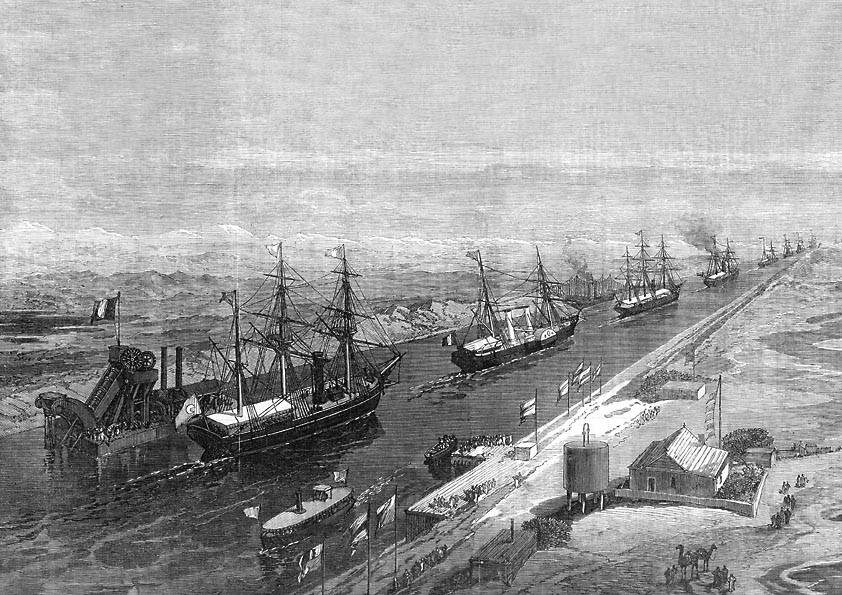
As production increased in Europe and America, the industrialized countries looked abroad for sources of cheap raw materials, and for new markets in which to sell their manufactured goods. The wealthy nations exploited their old colonies, but also looked for opportunities to acquire new colonies.
Trade with China
Although the Chinese were happy to export goods such as silks and spices to the West, they rigorously controlled imports into their country. Foreigners were allowed to trade through one port only, Guangzhou. In the 19th century, British merchants in China tried to get round these restrictions by illegally importing the drug opium. Opium was made from the juice of the opium poppy and was dangerous because it was highly addictive. Opium addiction was a serious problem in China in the 18th and 19th centuries.
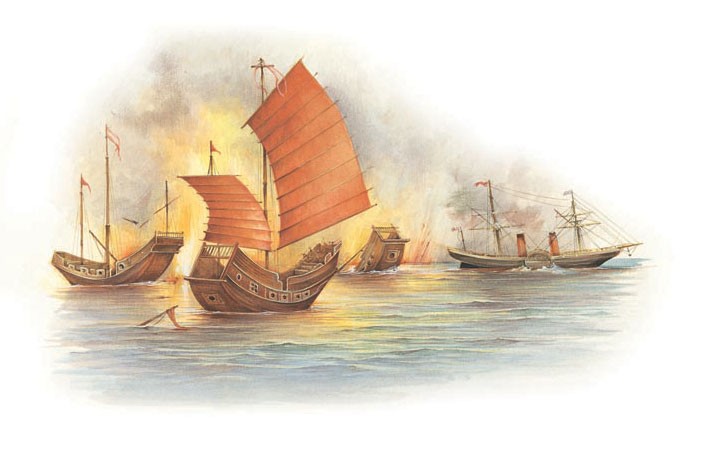
The merchants were backed by the British government, resulting in the Opium Wars between Britain and China (1839–1842 and 1856–1860). China was forced to back down and accept European trade in its territories.
Scramble for Africa
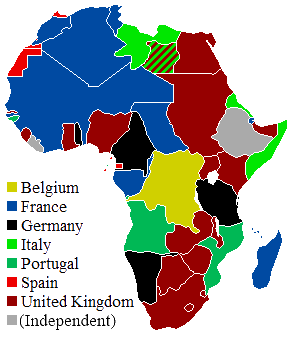
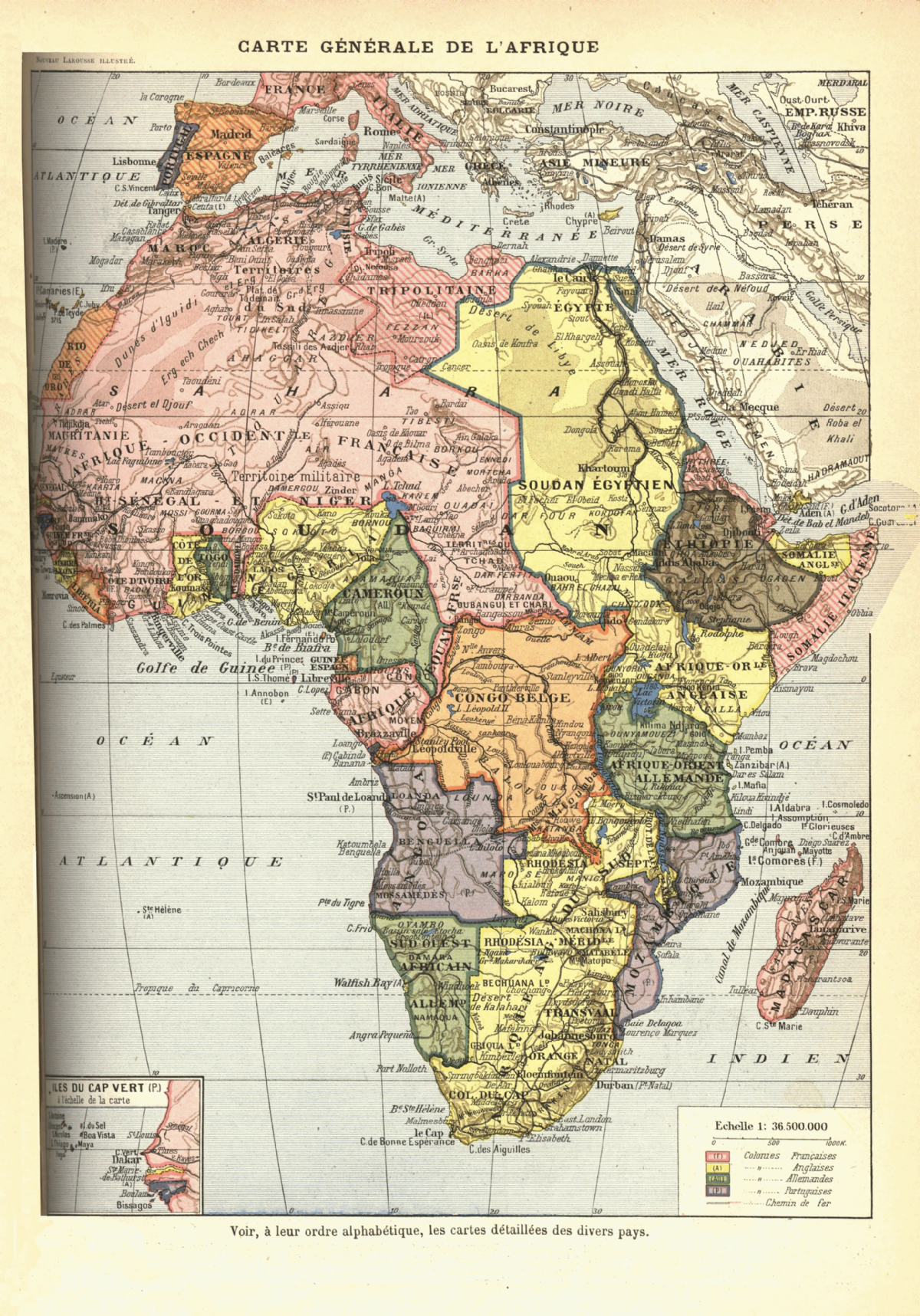
Following the exploration of the interior of Africa, European nations began to lay claim to large parts of the African continent. This became known as the “Scramble for Africa”.
In 1880 a tiny part of Africa was ruled by European nations. Only 20 years later, Europe had laid claim to the entire African continent with the exception of Ethiopia and Liberia. In 1884 a conference was held in Berlin to decide how Africa was to be divided up—but no African representatives were present to decide their own future.
New technology
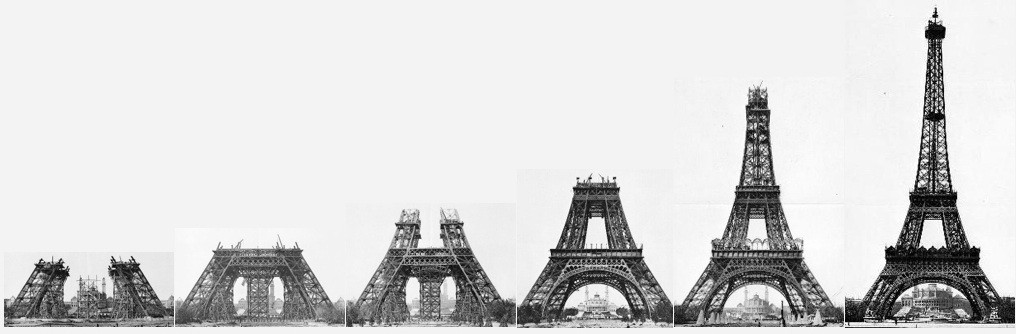
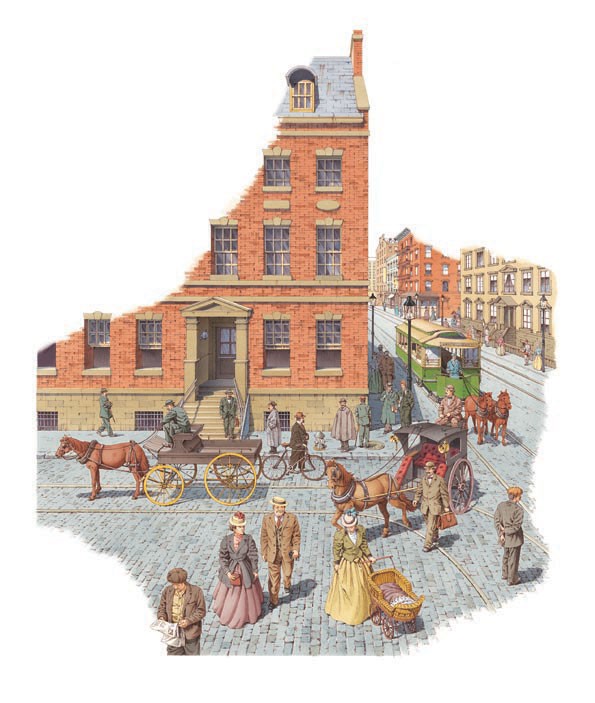
Industrialization during the 19th century went hand-in-hand with the invention of new technology. New inventions such as the telephone, the camera, the typewriter and electric lighting transformed everyday life for many people. The increased production of iron and steel, and improvements in their technology, resulted in the construction of dramatic new structures such as the Eiffel Tower in Paris in 1889, and the first skyscrapers in Chicago and New York in the USA during the 1880s.

Methods of transport also benefited from new designs and technology. Railways allowed ordinary people to travel further and more cheaply than ever before. One of the greatest feats of railway building was the construction of the Trans-Siberian Railway, which linked the Russian capital, Moscow, with Vladivostok on the Pacific Ocean
in 1916.
In 1903 two American brothers, Orville and Wilbur Wright, made the first successful powered flight, marking the birth of the aeroplane—and a new form of transport.
Cars
People in the early 20th century found it difficult to get used to the noise and speed of new methods of transport such as the car and aeroplane. The engines used to power the earliest cars were developed separately by two German engineers, Gottlieb Daimler and Karl Benz, in 1885. The first pneumatic (air-filled) tyres were produced by a French firm, Michelin, 10 years later.
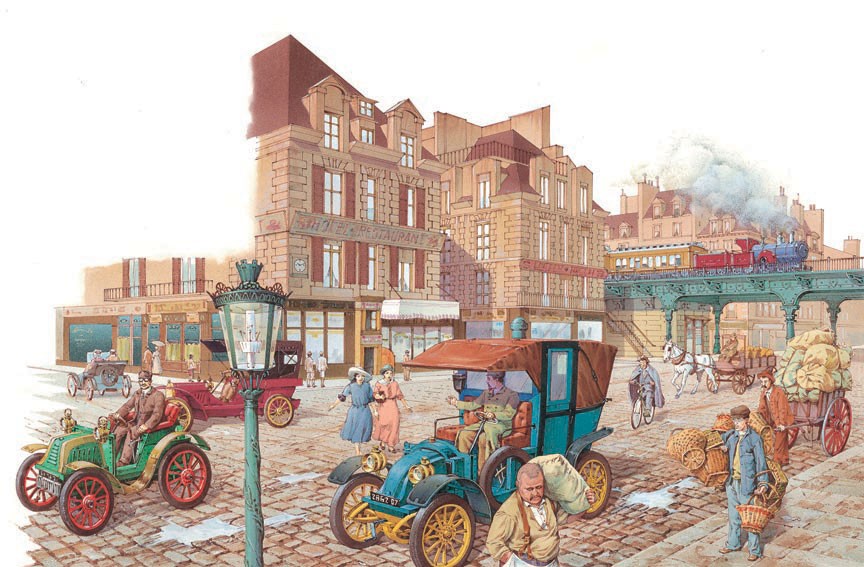
The motor car started to become popular in the 1890s, but it was not until the mass production of Henry Ford’s Model T in 1908 that most people could afford to buy one. The car industry grew rapidly in the USA thanks to a ready supply of oil to provide petrol, and the introduction of mass-production techniques in car manufacturing.
Consultant: Philip Parker
pics
Without in any way limiting Q-files Ltd’s exclusive rights under copyright, any use of this publication to “train” generative artificial intelligence (AI) technologies to generate text is expressly prohibited. Q-files Ltd reserves all rights to license use of this work for generative AI training and development of machine learning language models.