
The world in the 20th century

CITE
We have made every effort to follow citation style rules, but there may be some minor differences. If in doubt, please refer to the appropriate citation style manual.
Interwar Germany. (2025). In Q-files Encyclopedia, History, The world in the 20th century. Retrieved from
https://www.q-files.com/history/the-world-in-the-20th-century/interwar-germany
"Interwar Germany." History, The world in the 20th century, Q-files Encyclopedia, 3 Nov. 2025.
https://www.q-files.com/history/the-world-in-the-20th-century/interwar-germany.
Accessed 14 Oct. 2026.
Interwar Germany 2025. History, The world in the 20th century. Retrieved 14 October 2026, from
https://www.q-files.com/history/the-world-in-the-20th-century/interwar-germany
History, The world in the 20th century, s.v. "Interwar Germany," accessed October 14, 2026.
https://www.q-files.com/history/the-world-in-the-20th-century/interwar-germany


Interwar Germany
Germany's defeat in World War I left the country in chaos. A revolution brought down the Empire in November 1918. The new parliamentary republic that replaced it survived attempts to seize power, first by the Communists, later by right-wing nationalists. The peace treaty drawn up at Versailles in 1919 to end the war punished Germany severely, forcing it to accept loss of territory and to commit to crippling reparation payments. The government, established early in 1919 at the small town of Weimar, had, by 1923, begun to make effective laws to tackle inflation and to renegotiate the reparation demands. Soon the German economy started to recover and its cultural life flourished once more. But all this came to an end with the Great Depression of 1929. Companies went bankrupt and millions of workers were laid off. In desperation, voters turned to the extremists: the Nazis and Communists. It was the Nazis, led by Adolf Hitler, who won through in 1933 and brutally enforced their control over Germany.
1918–19: German Revolution

3rd November 1918 Kiel mutiny: sailors of the German High Seas Fleet refuse to sail out from Wilhelmshaven for the final battle against the British Grand Fleet that the Admiralty ordered without the approval of the German government. The mutineers take over Kiel with workers' and soldiers' councils. These rapidly take control of government and military institutions across Germany, marking the start of the German Revolution that will bring down the Empire.
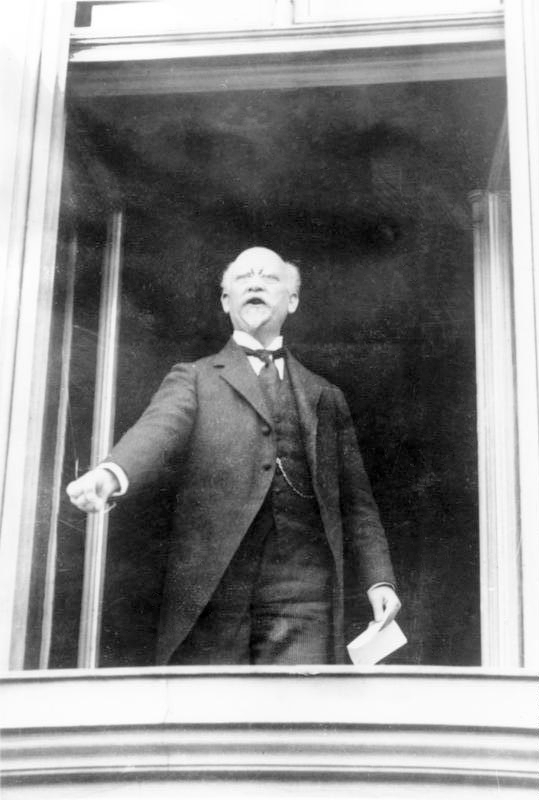
9th November 1918 Chancellor Max von Baden announces the abdication of Kaiser Wilhelm II and his own resignation. Friedrich Ebert of the Social Democratic Party (SPD) becomes Chancellor. Philipp Scheidemann, a senior member of the SPD, proclaims the German Republic. A few hours later, Karl Liebknecht of the Marxist Spartacus League, proclaims what he calls the Free Socialist Republic of Germany.
10th November 1918 The Council of the People's Deputies is formed by members of Germany's two main centre left parties, the SPD and the Independent Social Democrats (USPD). Under Ebert's leadership, the Council acts as a provisional government.
11th November 1918 On behalf of the new German government, Matthias Erzberger signs the Armistice of Compiègne, which ends the fighting in World War I.
28th November 1918 Kaiser Wilhelm II, who has already gone into exile in the Netherlands, formally abdicates.
5th January 1919 Anton Drexler, a railway worker, founds the German Workers' Party (DAP), the forerunner of the Nazis.
5th–12th January 1919 Spartacist Uprising: a force of 50,000 members of the Communist Party (KPD), known as the Spartacists, led by Liebknecht and Rosa Luxemburg, rebel in Berlin. The government calls in the Freikorps, an armed band of ex-soldiers, to crush the uprising.
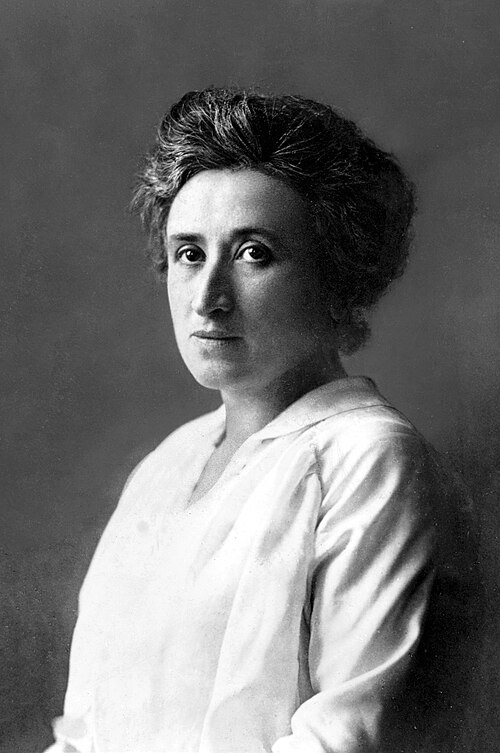
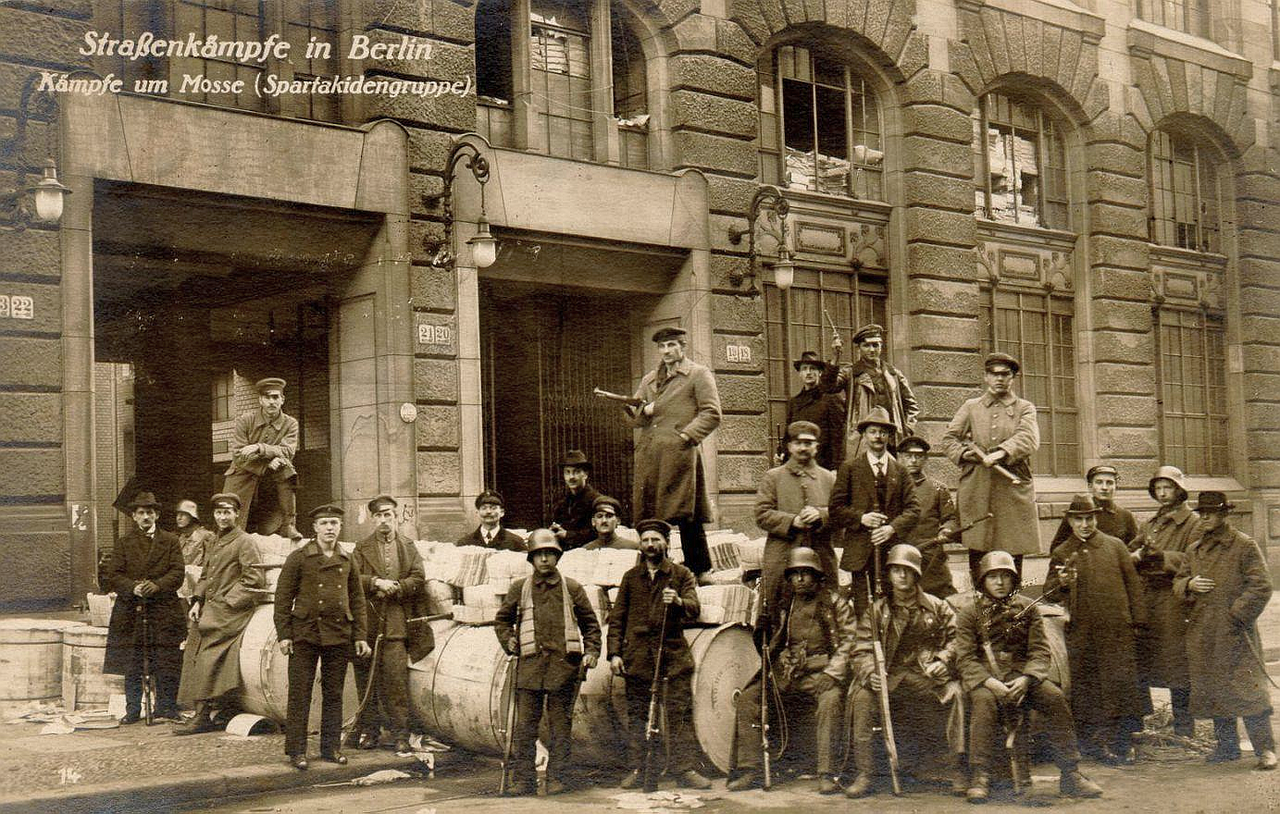
15th January 1919 Rosa Luxemburg and Karl Liebknecht are murdered by Freikorps members in Berlin.
6th February 1919 The first meeting of the German National Assembly takes place in Weimar, the small city in the state of Thuringia, in Central Germany, that will give the new republic its informal name: the Weimar Republic. The Assembly elects Ebert as President (11th) and Scheidemann minister president, the equivalent to Chancellor (13th).
28th June 1919 The Treaty of Versailles is signed, officially ending World War I. It imposes harsh terms on Germany, including reparations, territorial losses, the demilitarization of the Rhineland and a “war guilt” clause, fostering widespread resentment among the German people. Scheidemann resigns from the Weimar National Assembly in protest against the treaty and Gustav Bauer becomes minister president, later Chancellor.
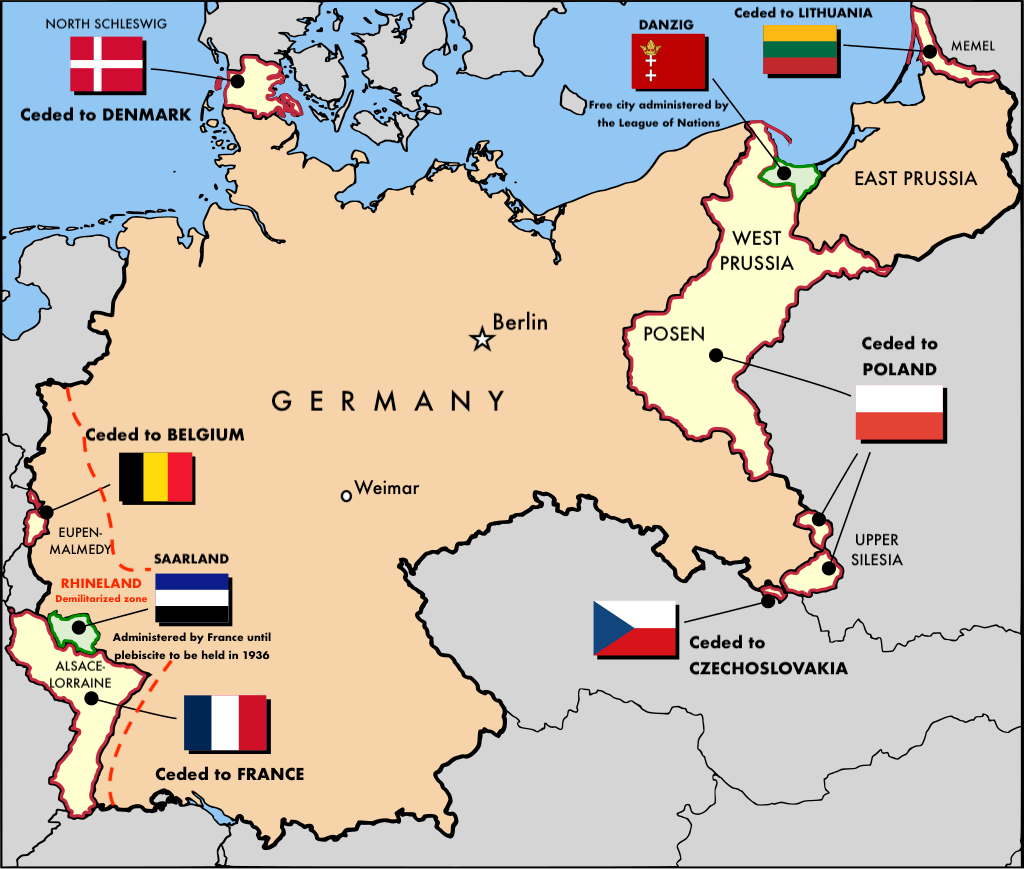
11th August 1919 The Weimar Constitution, creating a parliamentary republic with the Reichstag (parliament) elected by proportional representation, is adopted, ending the German Revolution.
12th September 1919 Adolf Hitler joins the German Workers’ Party (DAP).
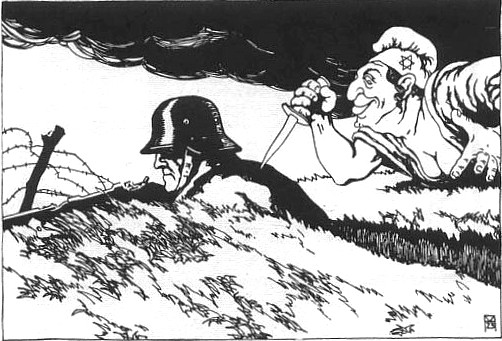
18th November 1919 Field Marshal Paul von Hindenburg, one of the supreme commanders of the German army during World War I, suggests that the army did not lose the war on the battlefield but was instead betrayed by citizens on the home front—in particular, Jews, revolutionary socialists and Weimar Republic politicians. His statement gives rise to the "stab-in-the-back" myth—and embitters some Germans against the new republic.
1920–23: Weimar Republic crisis years
24th February 1920 German Workers’ Party (DAP) changes its name to the National Socialist German Workers’ Party (NSDP), later known as the Nazi Party. It presents its manifesto, the “25-Point Programme”, which includes demands for the abolition of the Treaty of Versailles and the restoration of Germany’s territory.
13th–17th March 1920 The Kapp Putsch: Under the terms of the Treaty of Versailles, Germany’s army had to be significantly reduced, meaning the Freikorps, which put down the Spartacist Uprising, now has to be disbanded. In response, the right-wing nationalists Wolfgang Kapp and Walther von Lüttwitz lead an attempted takeover of the Weimar government. The regular army refuses to attack the Freikorps. Kapp is only defeated when the workers of Berlin start a general strike and refuse to co-operate with him.

6th June 1920 In the first election to the new Reichstag (the lower house of Germany's parliament), the centre left SPD gains the highest percentage of votes at 22%, followed by the right-wing German National People's Party and the Catholic Centre Party.
24th–29th January 1921 At the Paris Conference, German war reparations are set at 226 billion gold marks. Germany refuses to accept the terms and its representatives walk out. Later reduced to 132 billion gold marks, the sum is approved by the Reichstag on 11th May.
29th July 1921 Hitler becomes leader of the NSDP.

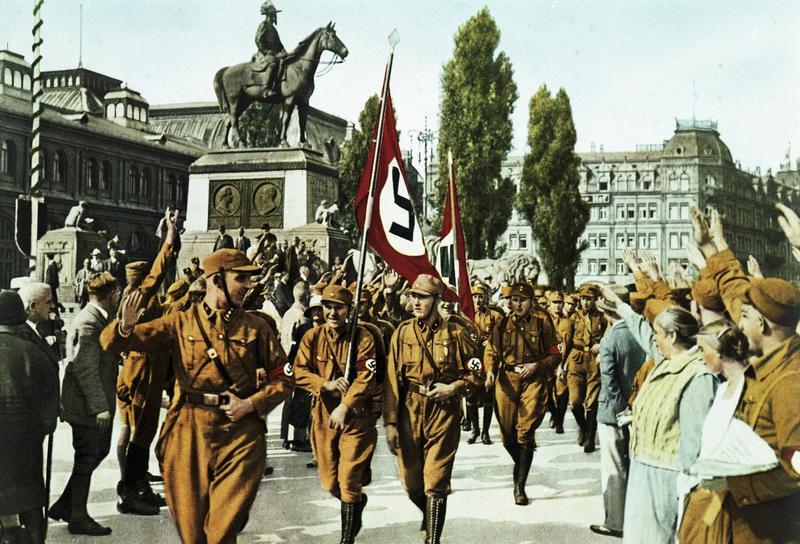
4th November 1921 Hitler forms the SA (Sturmabteilung or "Stormtroopers"), the Nazi Party’s private army. Nicknamed Brownshirts after their uniforms, they are drawn from unemployed young men and former soldiers. The role of the SA is to protect party meetings, to march in Nazi rallies and intimidate political opponents.
11th January 1923 French and Belgian troops occupy Germany’s main industrial area, the Ruhr Valley, after Germany is declared to have defaulted on (failed to pay) its reparations payments. The troops occupy coal mines, railways, steel works and factories—all vital to Germany’s economy. Two days later the German government reacts with a call to the local workers to engage in "passive resistance": refusal to work or co-operate with the foreign troops (in return for which they were paid). The French respond by shooting at workers in the Krupp steel works refusing to take orders.
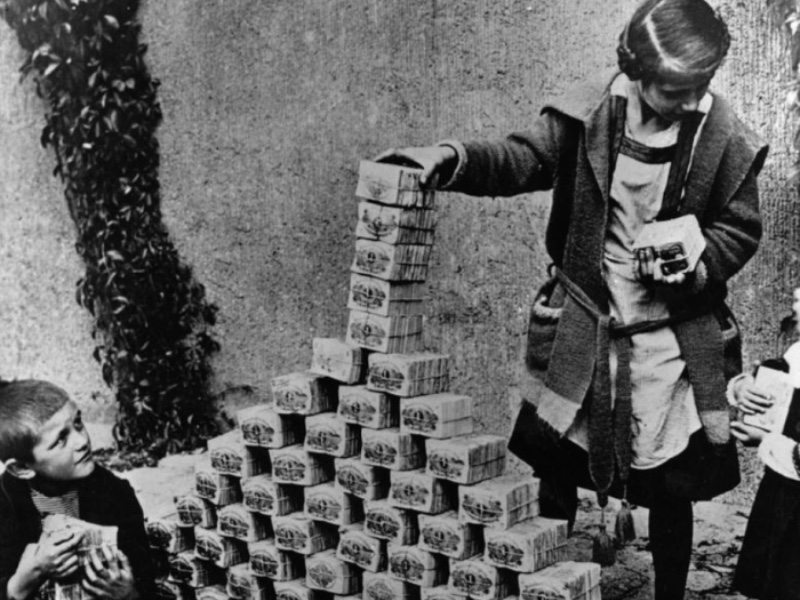
January–November 2023 While the workers are on strike, fewer goods are being produced, which weakens the economy, already plagued by inflation (price increases) still further. At the same time, in order to pay the striking workers, the government has to print more money. The result is hyperinflation—prices soaring out of control: the price of a loaf of bread, for example, which is about 250 marks in January 1923, rises to 200 billion marks by November.
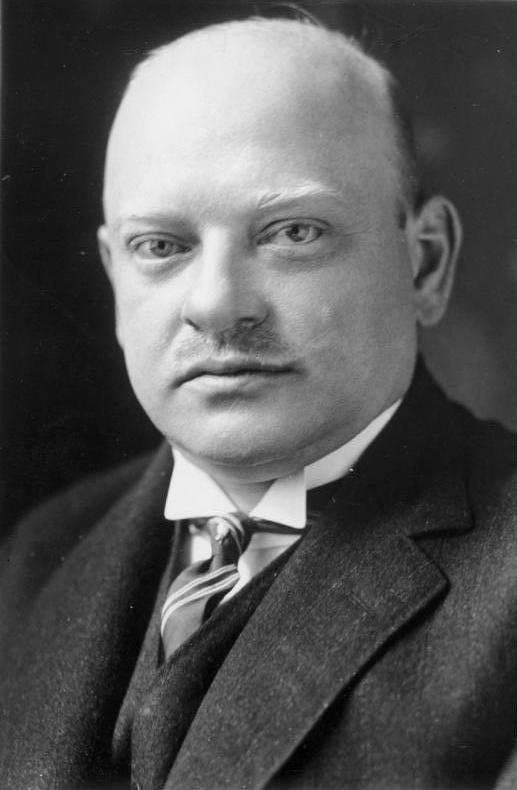
12th August 1923 Gustav Stresemann of the conservative-liberal German People's Party becomes Chancellor.
26 September 1923 The German government orders an end to passive resistance. An agreement is made with the Dawes committee set up by the Reparations Commission to recommence reparations payments (known as the Dawes Plan). This will persuade France and Belgium to end the occupation of the Ruhr in 1925.
8th–9th November 1923 The Beer Hall Putsch: Adolf Hitler and Erich Ludendorff attempt to overthrow the Weimar Republic. Hitler tries to seize power in Bavaria by storming a meeting at a beer hall in Munich, but he is unsuccessful. He is arrested and arraigned for high treason. The putsch brings Hitler to the attention of the German nation for the first time and generates front-page stories in newspapers around the world.


15th November 1923 Germany's period of hyperinflation ends. The Rentenmark is introduced to replace the now worthless Papiermark. From now on the nation's economy will start to recover.
23rd November 1923 The Stresemann government falls after a vote of no confidence. Stresemann continues to serve as Foreign Minister in the new government.
1924–29: Weimar Republic "Golden Age"
1st April 1924 Following a 24-day trial, Hitler is sentenced to five years in prison for his role in the Beer Hall Putsch. While in prison, he will write Mein Kampf, in which he outlines his views, including the need for German expansion (Lebensraum or "living space") and the "superiority" of the Aryan race.
1st September 1924 The Dawes Plan, by which Germany's reparations payments are to be reduced and rescheduled, and Germany is to receive a large loan, comes into force.
20th December 1924 Hitler is released from prison after being pardoned by the Bavarian Supreme Court. He has served less than 8 months of his 5-year sentence. He now changes his political strategy, committing the Nazi Party to taking part in elections in order to achieve power.


4th April 1925 The SS (Schutzstaffel) is formed. SS members, who wear black shirts to distinguish them from the SA, begin as a small guard unit known as the Saal-Schutz ("Hall Security"), but will later become the party militia (armed force).
26th April 1925 Following the death of Ebert on 28th February, Hindenburg is elected President.
1st December 1925 The Locarno Treaties: in a series of agreements negotiated between Germany, France, UK, Belgium, Italy, Poland and Czechoslovakia, Germany guarantees its western border as defined in the Treaty of Versailles and promises to observe the demilitarized zone of the Rhineland. (There is no guarantee of its eastern border, leaving the path open for Germany to try to regain lost territory in future.) As a result of the Locarno Treaties, Germany will be accepted into the League of Nations in September 1926.
4th July 1926 The Hitler Youth, the youth wing of the German Nazi Party, is founded. The general membership consists of boys aged 14 to 18, organized into corps under adult leaders.
6th March 1927 The ban on Hitler making public speeches in Bavaria, imposed after the failed Beer Hall Putsch, is lifted (it had previously been lifted in 1925, but re-imposed after Hitler gave an inflammatory speech on 27th February 1925).
20th May 1928: In the Reichstag election, the Nazi Party gains only 2.6% of the national vote, confirming that Hitler remains on the fringes of German politics.
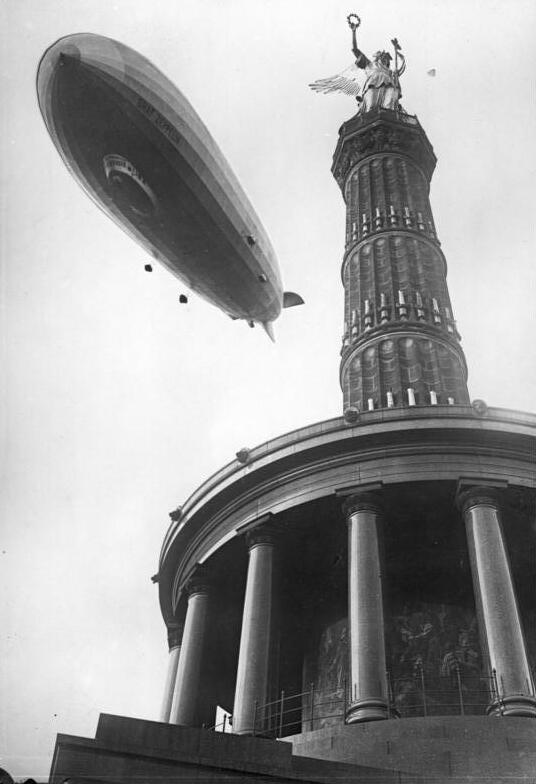
1929–32: Rise of the Nazis

7th June 1929 The Young Plan is negotiated, by which Germany's total reparations bill is to be reduced to 121 billion Reichsmarks and rescheduled with the final payment due in 1988. It is to be ratified by the Reichstag in March 1930.
3rd October 1929 Gustav Stresemann dies.
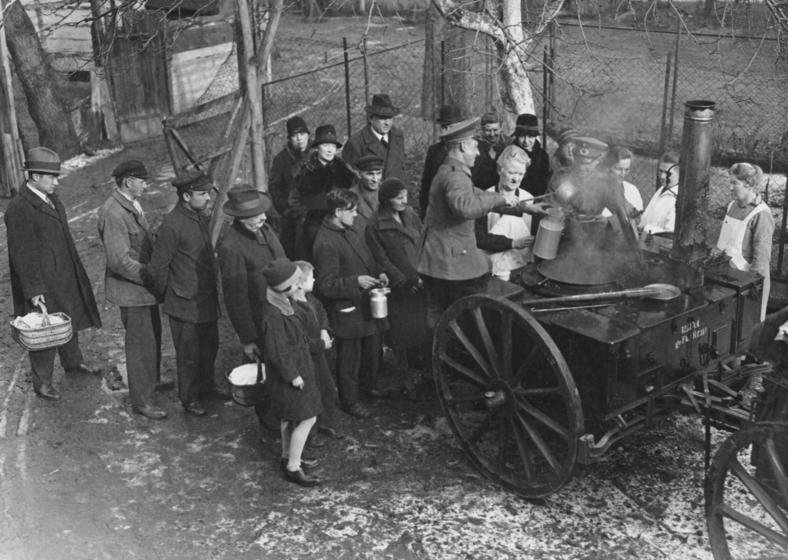
24th October 1929 The New York Stock Market crashes, marking the onset of the Great Depression. Germany has borrowed huge amounts of money from the United States through the Dawes Plan and now the Young Plan. As a result, the fragile German economy will take a massive hit as American banks demand their loans to be repaid. Over the winter of 1929–30 the number of unemployed in Germany will rise from from 1.4 million to over 2 million people. Unemployment will continue to rise, leading to widespread discontent with the Weimar Republic and growing support for extreme parties on both left and right.
30th June 1930 The last Allied troops leave the Rhineland, ending its occupation after 11 years and 7 months.
18th July 1930 Hindenburg dissolves the Reichstag and calls a new election. Using Article 48 of the Weimar constitution, which gives the President emergency powers to pass laws by decree, Chancellor Heinrich Brüning's proposed austerity measures—cutting government expenditure, wages and unemployment pay—are now imposed by emergency decree, overriding the Reichstag's oppostion.
14th September 1930 In the Reichstag election, the Social Democratic Party (SPD) remains the largest party, winning 143 of the 577 seats, while the Nazi Party dramatically increases its number of seats from 12 to 107. The Communists gain 23 seats and become the third largest party in the Reichstag. Brüning, who has lost his majority in the Reichstag as a result of the election, continues to govern through emergency decrees rather than through parliament.
February 1932 Germany's number of unemployed peaks at 6.13 million people.
10th April 1932 In the presidential election, Hitler comes second to Hindenburg, who wins 53% of the vote to Hitler’s 37%.

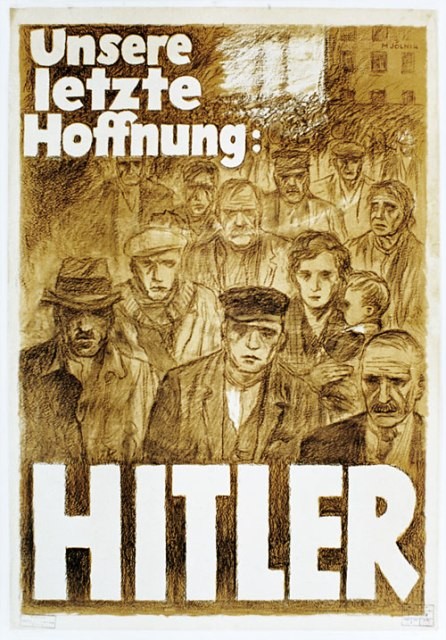
31st July 1932 The Nazi party gain 37% of the vote in the Reichstag election to become the largest party in the Reichstag with 230 seats, but they fail to win an outright majority. The Social Democrats gain 21.5% and the Communist Party 14%. Hitler demands to be made Chancellor but Franz von Papen, whom Hindenburg appointed on 1st July, remains in post.
6th November 1932 In the Reichstag election called by Papen to try to win a majority in parliament, the Nazis lose 34 seats but remain the largest party with 196 seats.
3rd December 1932 Hindenburg appoints Kurt von Schleicher, an army general, as Chancellor, after Papen resigns.
1933–39 Hitler takes power

30th January 1933 Hindenburg appoints Hitler Chancellor after Schleicher resigns on 28th January. Hindenburg, Papen (the new Vice Chancellor) and other members of Germany's conservative elite agree to the appointment in the belief they can control Hitler.
3rd February 1933 Hitler sets out Nazi Party foreign policy: the party's prime goal is to secure Lebensraum for the German "master race"—meaning German territorial expansion into Central and Eastern Europe.
27th February 1933 The Reichstag Fire: during the night the Reichstag building is set on fire. A Dutch communist, Marinus van der Lubbe, is caught red-handed in the burning building. The act is almost certainly arranged by the Nazis as a "false flag" operation (one carried out with the intent of falsely pinning blame on another party).
28th February 1933 Hitler blames the fire on the Communists, and persuades Hindenburg to issue a presidential decree, the Law for the Protection of People and State, which introduces sweeping powers of imprisonment without trial. Hitler calls another Reichstag election. With thousands of leaders and members of the Communist Party (KPD) imprisoned under the decree, the Communist vote is suppressed.

5th March 1933 Reichstag election: Nazi SA men unleash a widespread campaign of violence and intimidation against other parties and voters. The Nazi Party gains 44% of the vote, winning 288 seats but still not an overall majority. The Nazis join with the nationalist German National People's Party (DNVP) to form a majority in the Reichstag.
22nd March 1933 One of Nazi Germany’s first concentration camps is opened at Dachau, near Munich. The camp, alongside others, will used by the Nazis to consolidate their power by imprisoning tens of thousands of political opponents, including Communists and trade union leaders. The camps will later be used for those the Nazis regarded as criminals and, eventually, German Jews.

23rd March 1933 The Enabling Act: with the Communist deputies (members of parliament) banned and the SA intimidating all remaining non-Nazi deputies, the Reichstag vote by the required two-thirds majority to give Hitler the right to make laws without the approval of the Reichstag or President for four years. The Act effectively marks the end of the Weimar Republic.
26th April 1933 The Geheime Staatspolizei ("Secret State Police'"), usually abbreviated to Gestapo, is created by Hermann Göring, one of Hitler's senior ministers, by combining various political police agencies into one organization.
2nd May 1933 Trade unions are banned, thereby removing a potential platform of support for the Communists.
14th July 1933 The Law Against the Formation of Parties proclaims the Nazi Party "the only political party in Germany", with all others banned.
14th October 1933 Germany officially withdraws from the League of Nations. The Reichstag is dissolved and a new election called.
12th November 1933 The Reichstag election, in which only candidates for the Nazi Party are permitted to stand, results in the Nazis polling 39.6 million votes (92%) and winning all 661 seats in the Reichstag. Germany is now a single-party state.
30th January 1934 The Law on the Reconstruction of the Reich is passed by the Reichstag, dissolving all German state parliaments.


20th April 1934 Command of the Gestapo is passed to the head of the Schutzstaffel (SS), Heinrich Himmler.
29th–30th June 1934 Night of the Long Knives: hundreds of members of the SA, including its leader Ernst Röhm (who has been demanding that the Nazi party carry out its socialist agenda), are murdered by the the SS. A number of Hitler's other opponents, such as the previous Chancellor, Schleicher, are also assassinated. This purge eliminates all opposition to Hitler within the Nazi Party and hands greater power to the SS.
2nd August 1934 President Hindenburg dies.
19th Aug 1934 Hitler combines the post of President and Chancellor and calls himself Führer (German for "leader"). Members of the armed forces are required to swear a personal oath of allegiance not to Germany, but to Hitler himself. Hitler is now the absolute ruler of Germany.
1935–39: The path to war
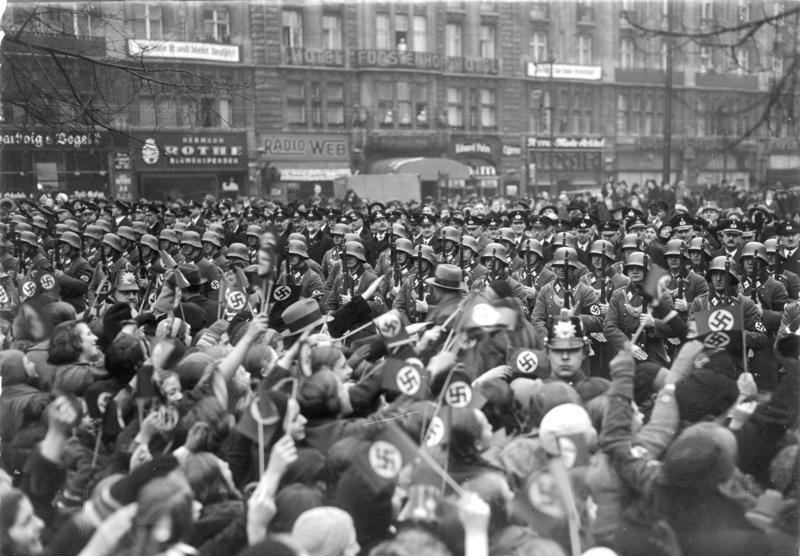
13th January 1935 In a referendum on the status of the Saarland (which has been administered by the League of Nations since 1920), more than 90% of its inhabitants vote for the province to return to German rule. The result is evidence of Hitler’s growing popularity among ordinary Germans.
26th February 1935 Hitler orders Göring to establish the Luftwaffe, the German airforce, in defiance of the terms of the Treaty of Versailles.
16th March 1935 Hitler announces that the German Army, renamed the Wehrmacht, is to be increased in size and conscription introduced, once again violating the terms of the Treaty of Versailles.
15th September 1935 The Nuremberg Laws are enacted, stripping Jews of their German citizenship and forbidding mixed marriages. The racist and antisemitic laws effectively remove legal rights from Jews, Roma and other "undesirables" in Germany.
7th March 1936 The Rhineland is re-occupied by German troops, in contravention of the terms of the Treaty of Versailles. Receiving no military response from France or Britain, the move further strengthens Hitler's popularity with German people.
August 1936 The Olympic Games are held in Berlin, enhancing Hitler's international prestige.


23rd October 1936 A protocol is signed by Fascist Italy and Nazi Germany in Berlin. On 1st November, Italian Prime Minister Benito Mussolini refers to the alliance between his country and Germany as an "Axis" for the first time.
25th November 1936 Anti-Comintern Pact, an anti-Communist agreement, is concluded between Germany and the Empire of Japan.
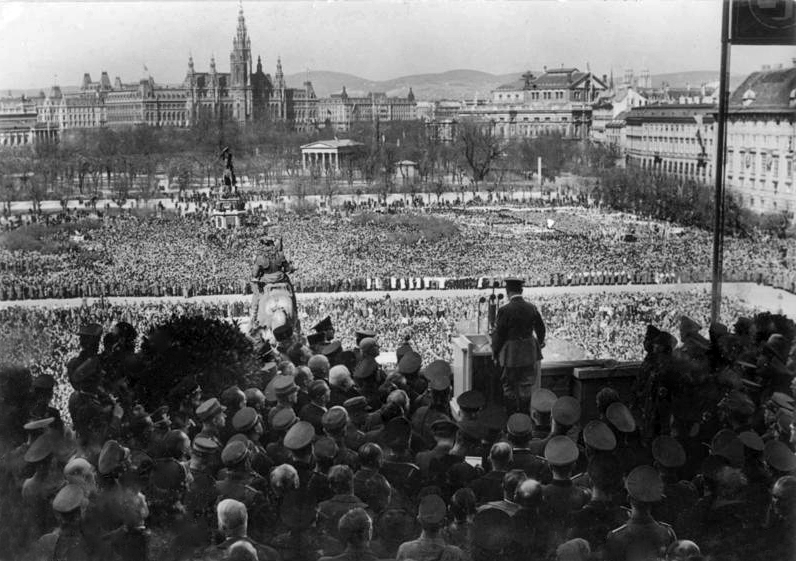
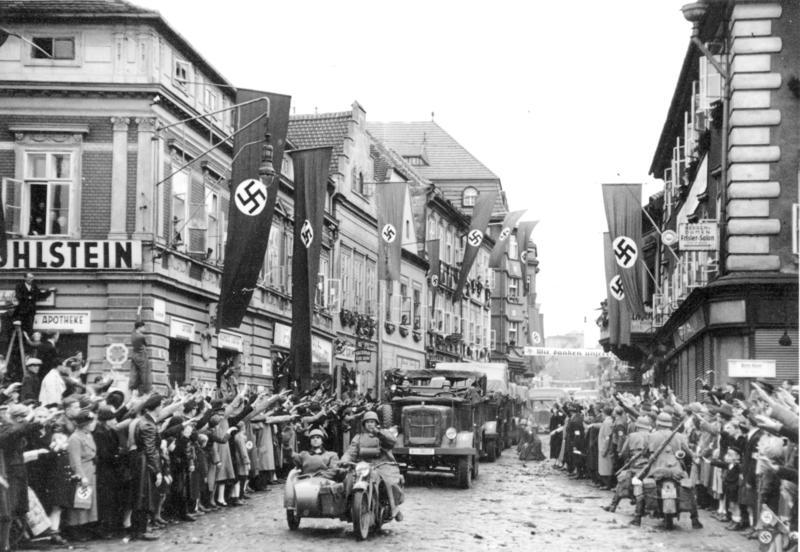
14th March 1938 Anschluss ("Union") with Austria: the annexation of Austria—an outcome forbidden under the terms of the Treaty of Versailles—takes place after German forces march into Vienna, capital of Austria, unopposed. The Anschluss, in which a united Austria and Germany would form a "Greater Germany", is confirmed by a rigged referendum on 10th April.
30th September 1938 Munich Agreement: Britain and France force Czechoslovakia to cede its Sudetenland region to Germany, supposedly to protect the majority ethnic Germans living there from persecution. The Allies consider it a way to prevent a major war on the continent, believing Hitler's statement that it is to be his last territorial claim in Europe and that the agreement will satisfy German ambitions.
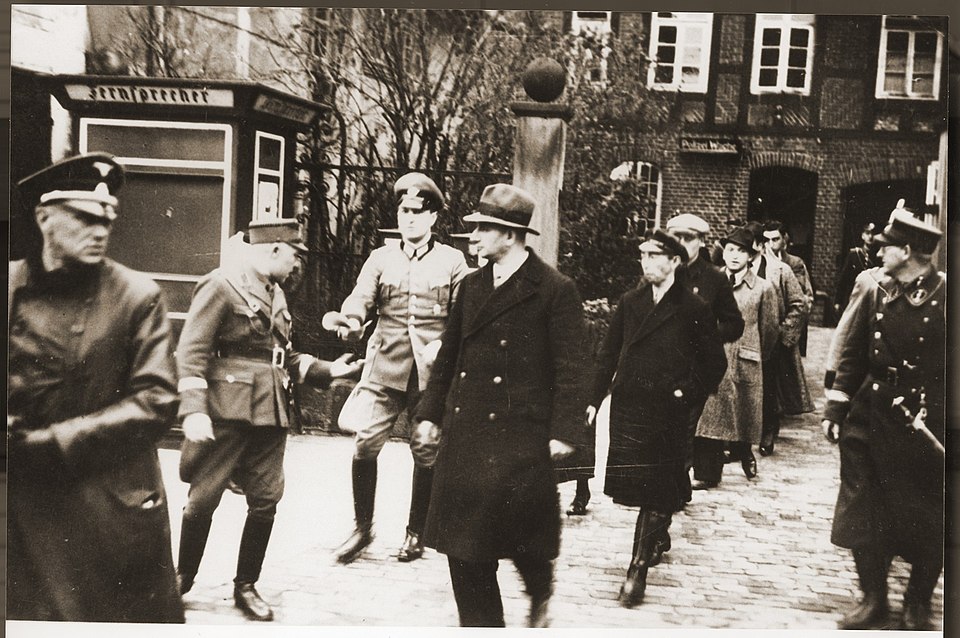
9th–10th November 1938 Kristallnacht: Nazi supporters carried out a series of violent attacks, known as pogroms, against Jewish homes, shops, businesses and synagogues all over Germany and Austria. It is called Kristallnacht ("crystal night") after the shards of glass that littered the streets following the attack. Nearly one hundred Jews are killed in the streets. Tens of thousands of Jews are arrested and imprisoned in concentration camps.
15th March 1939 Nazi German forces invade and occupy Czechoslovakia in contravention of the Munich Agreement.

23rd August 1939 Molotov-Ribbentrop Pact: an agreement is made between Nazi Germany and the Soviet Union to divide Poland between the two countries. This ensures that Germany will not face a war on two fronts (a Western Front against Britain and France, and an Eastern Front against the Soviet Union) when it invades Poland.
25th August 1939 Anglo-Polish Common Defence Pact: an agreement ensures Poland will receive military assistance from Britain in the event that it is attacked by Germany.
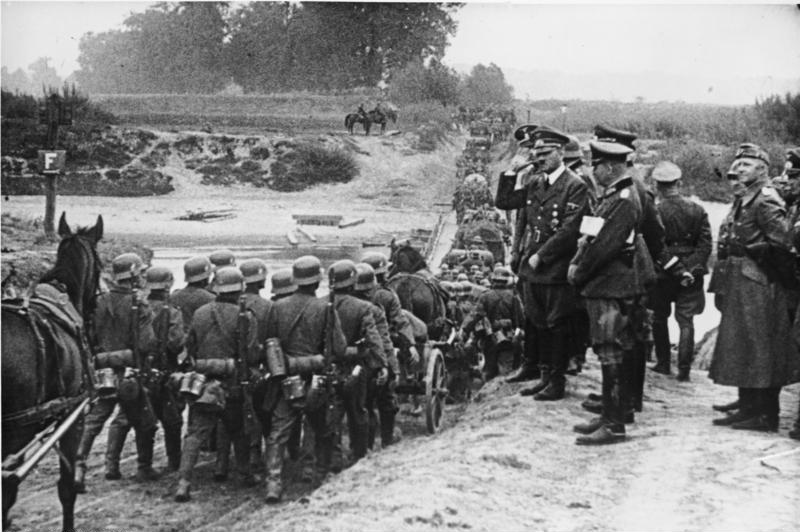
1st September 1939 Nazi Germany invades Poland using Blitzkrieg ("lightning war") tactics. The Poles are quickly defeated and their country occupied.
3rd September 1939 Britain and France declare war on Germany.
pics


Without in any way limiting Q-files Ltd’s exclusive rights under copyright, any use of this publication to “train” generative artificial intelligence (AI) technologies to generate text is expressly prohibited. Q-files Ltd reserves all rights to license use of this work for generative AI training and development of machine learning language models.