
Britain in World War I

CITE
We have made every effort to follow citation style rules, but there may be some minor differences. If in doubt, please refer to the appropriate citation style manual.
World War I at sea. (2023). In Q-files Encyclopedia, History, Britain in World War I. Retrieved from
https://www.q-files.com/history/britain-in-world-war-i/world-war-i-at-sea
"World War I at sea." History, Britain in World War I, Q-files Encyclopedia, 4 Oct. 2023.
https://www.q-files.com/history/britain-in-world-war-i/world-war-i-at-sea.
Accessed 21 Sep. 2026.
World War I at sea 2023. History, Britain in World War I. Retrieved 21 September 2026, from
https://www.q-files.com/history/britain-in-world-war-i/world-war-i-at-sea
History, Britain in World War I, s.v. "World War I at sea," accessed September 21, 2026.
https://www.q-files.com/history/britain-in-world-war-i/world-war-i-at-sea


World War I at sea
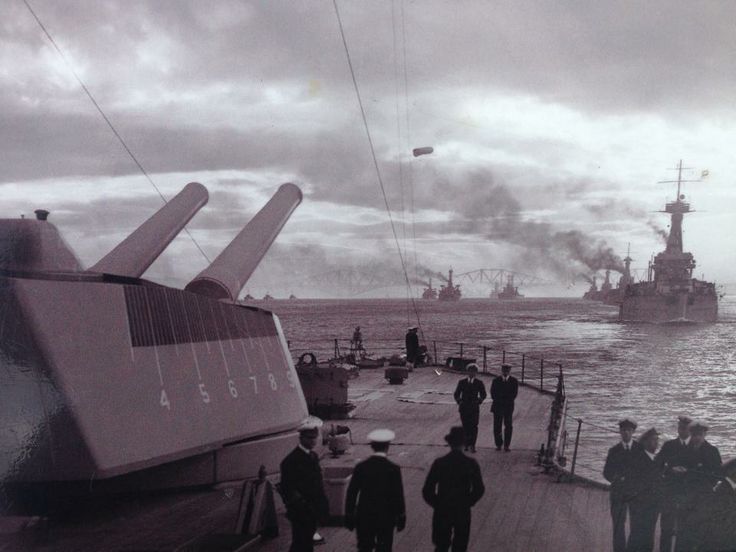
While the British Army was small in comparison to those of the other European powers at the start of World War I, the British Royal Navy was the largest in the world, with 520 vessels (82 battleships, 136 cruisers, 142 destroyers, 80 torpedo-boats and 80 submarines) at its disposal. Britain needed its powerful navy to maintain and protect the supply lines to its colonies across the world. During the war, most Royal Navy ships were deployed in the Grand Fleet. Its chief aim was to draw the numerically inferior German High Seas Fleet into battle. Germany's aim was to weaken its opponents by ambushing as many Royal Navy ships as it could. The two navies fought only one major battle, the Battle of Jutland (31st May–1st June 1916). The outcome was inconclusive: German ships managed to sink more British ships than the other way round. The Royal Navy did, however, stop the German fleet from putting to sea again during the war.
Dreadnoughts
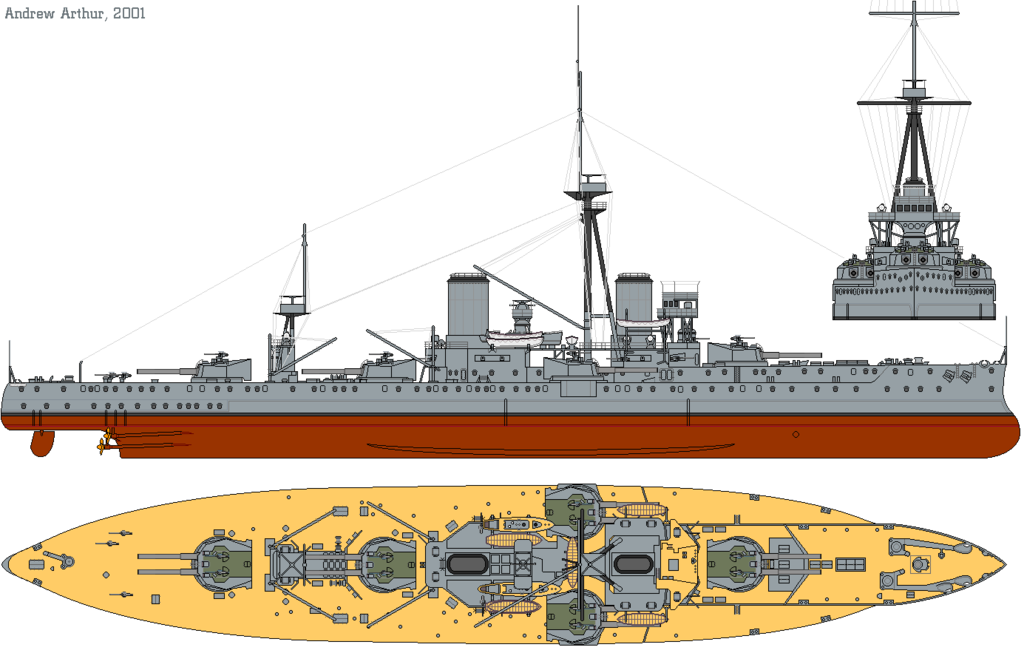

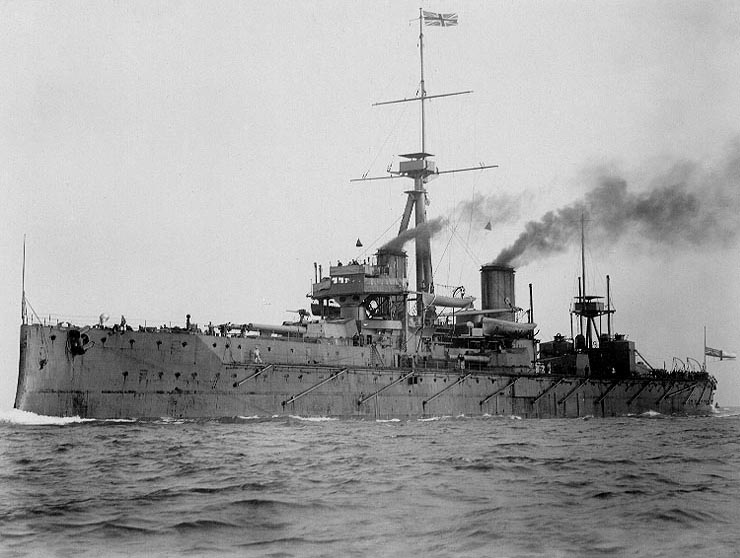
One of the key developments in naval technology in the years leading up to World War I was a special new kind of battleship: the dreadnought. Equipped with big guns and powerful steam turbine propulsion, the first of its type, HMS Dreadnought, was launched in 1906. Ships built to this design increased rapidly in size and incorporated improvements in armaments, armour and propulsion. These larger, more powerful vessels were known as "super-dreadnoughts". By the time war broke out in 1914, the Royal Navy had 22 dreadnoughts or super-dreadnoughts.
Blockade of Germany
After the outbreak of war, the British government moved quickly to try and cut off the supply of raw materials and foodstuffs to Germany and its allies, the Central Powers. This marked the beginning of the naval blockade. Mines were laid in the English Channel and British naval ships spent the war patrolling the North Sea, intercepting and detaining thousands of merchant ships suspected of delivering cargo to enemy ports. The blockade lasted until after the end of the war, when Germany signed the Treaty of Versailles in June 1919.

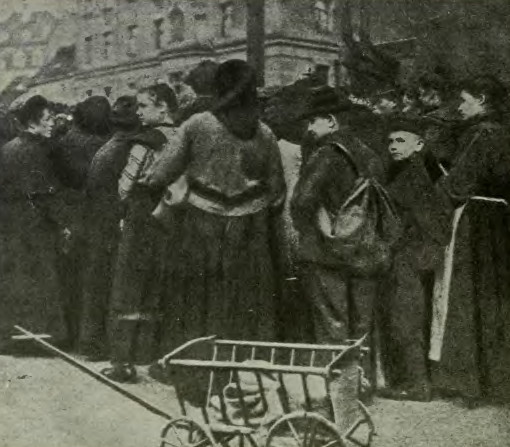
By 1915, German imports had fallen from pre-war levels by 55%. As well as causing shortages in important raw materials such as coal and various metals, the blockade cut off supplies of fertilizers, vital to German agriculture. Grain, potatoes, meat and dairy products became so scarce by the winter of 1916 that many German families were forced to rely on low-quality Kriegsbrot ("war bread", made from potato and rye) and powdered milk. With shortages causing looting and food riots across the country, the German government urgently sought ways of countering the blockade which threatened to undermine its war effort.
U-boats

The German navy responded by attacking convoys of ships bringing supplies to Britain from North America using deadly submarines known as Unterseeboote, or U-boats. Historians estimate that as many as 5000 transport or merchant ships were lost to German U-boat attacks in World War I, with the loss of just 199 submarines. The British and their allies countered by grouping merchant ships together into convoys defended by Royal Navy warships.
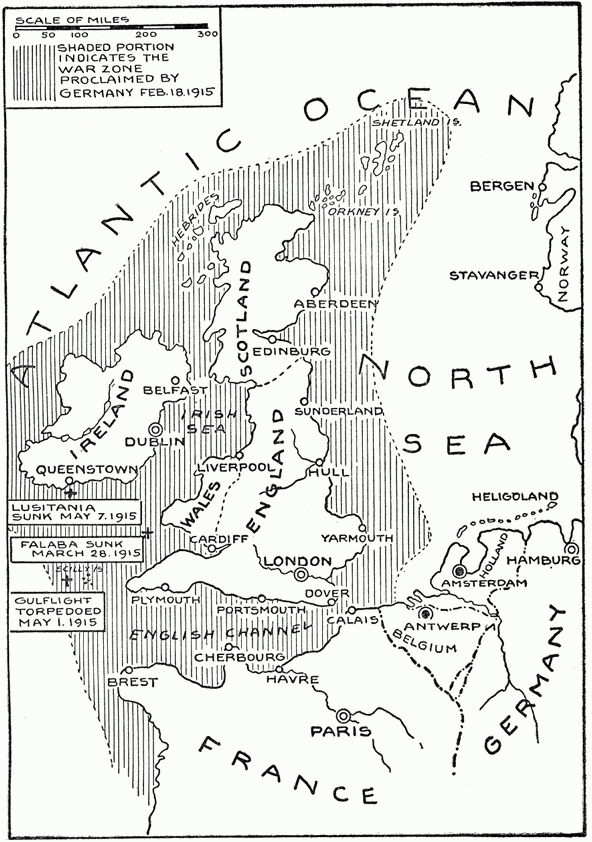
In retaliation against the British naval blockade, the German naval command announced on 4th February 1915 that they would be waging "unrestricted submarine warfare" against the ships of the Britain and the other Allied Powers. This meant that submarines would sink merchant ships without warning, breaking with the previously agreed "prize rules" which required that a warning be issued (but which removed the U-boat's chief advantage of surprise).
Sinking of the Lusitania
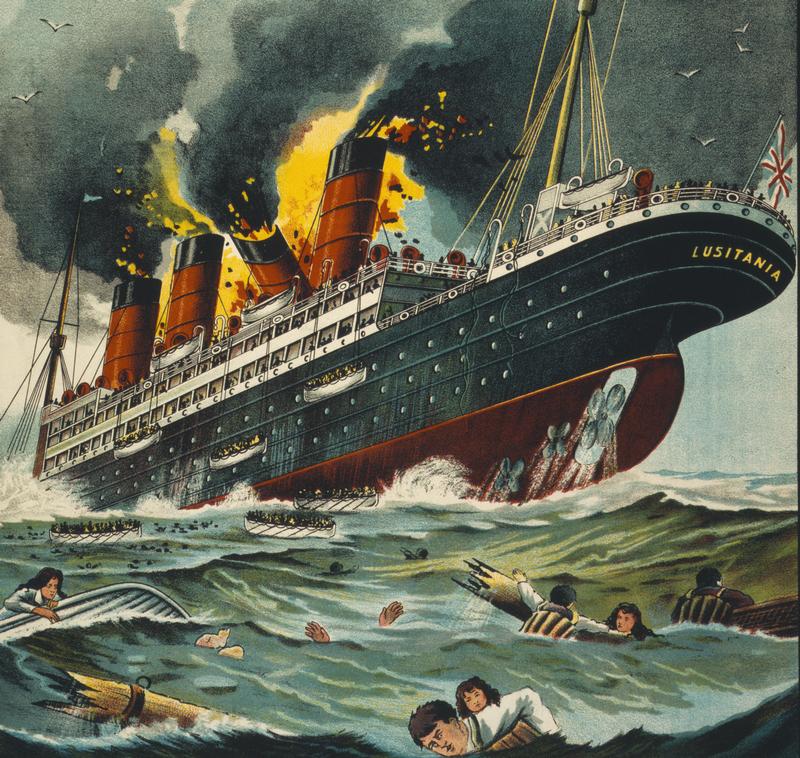
On 7th May 1915, the British passenger liner RMS Lusitania was torpedoed by a German U-boat off the Old Head of Kinsale, Ireland, killing 1193 of the 1960 passengers and crew on board. The sinking horrified the British public, sending anti-German attitudes to a new low. It also helped contributed to the American entry into the war two years later (124 of the casualties were US citizens). However, after the war, it was revealed that the Lusitania had been carrying over 4 million rounds of machine gun ammunition, almost 5000 shell casings and other munitions, meaning that the ship was, to the Germans, a legitimate target of war.
Battle of Jutland
With shortages of food and other vital raw materials causing major difficulties for the German war effort, its naval commanders devised a strategy to break the British blockade and allow German naval vessels access to the Atlantic Ocean. Aware that its High Seas Fleet had insufficient numbers of ships to openly engage the entire British Grand Fleet, German Admiral Reinhard Scheer sent a patrol of battlecruisers to the Skaggerak north of Denmark, to lure out a portion of the British fleet.
The two fleets met in the North Sea off the coast of Denmark on 31st May 1916. The largest naval conflict of World War I, the Battle of Jutland would be the only time that the British and German battleships would fight one another.

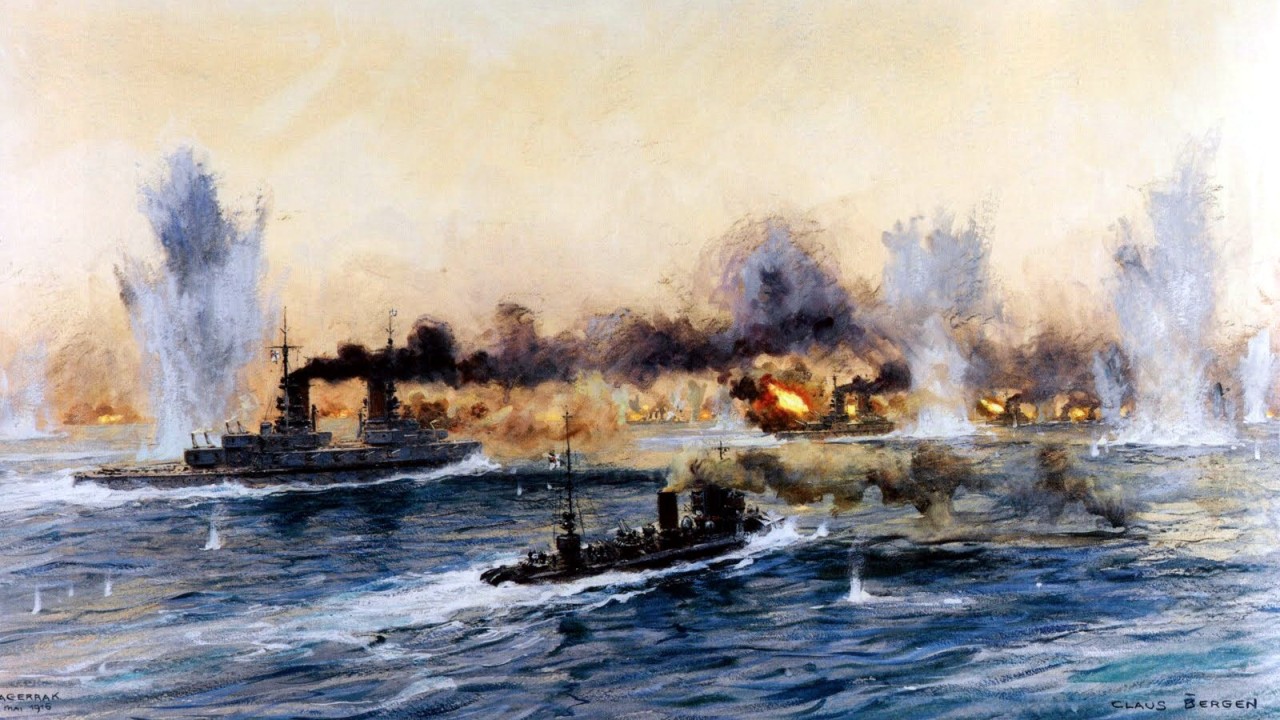
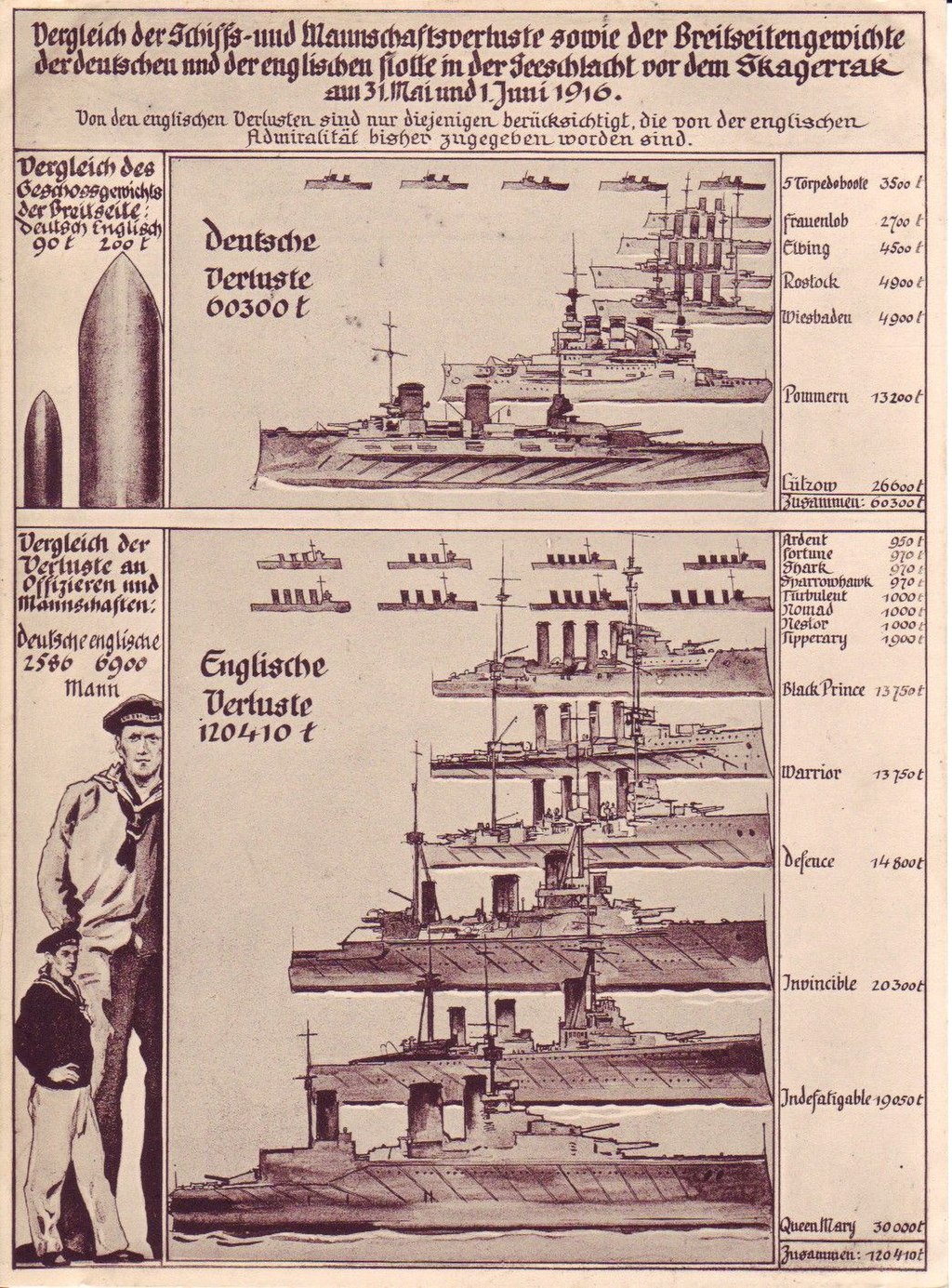
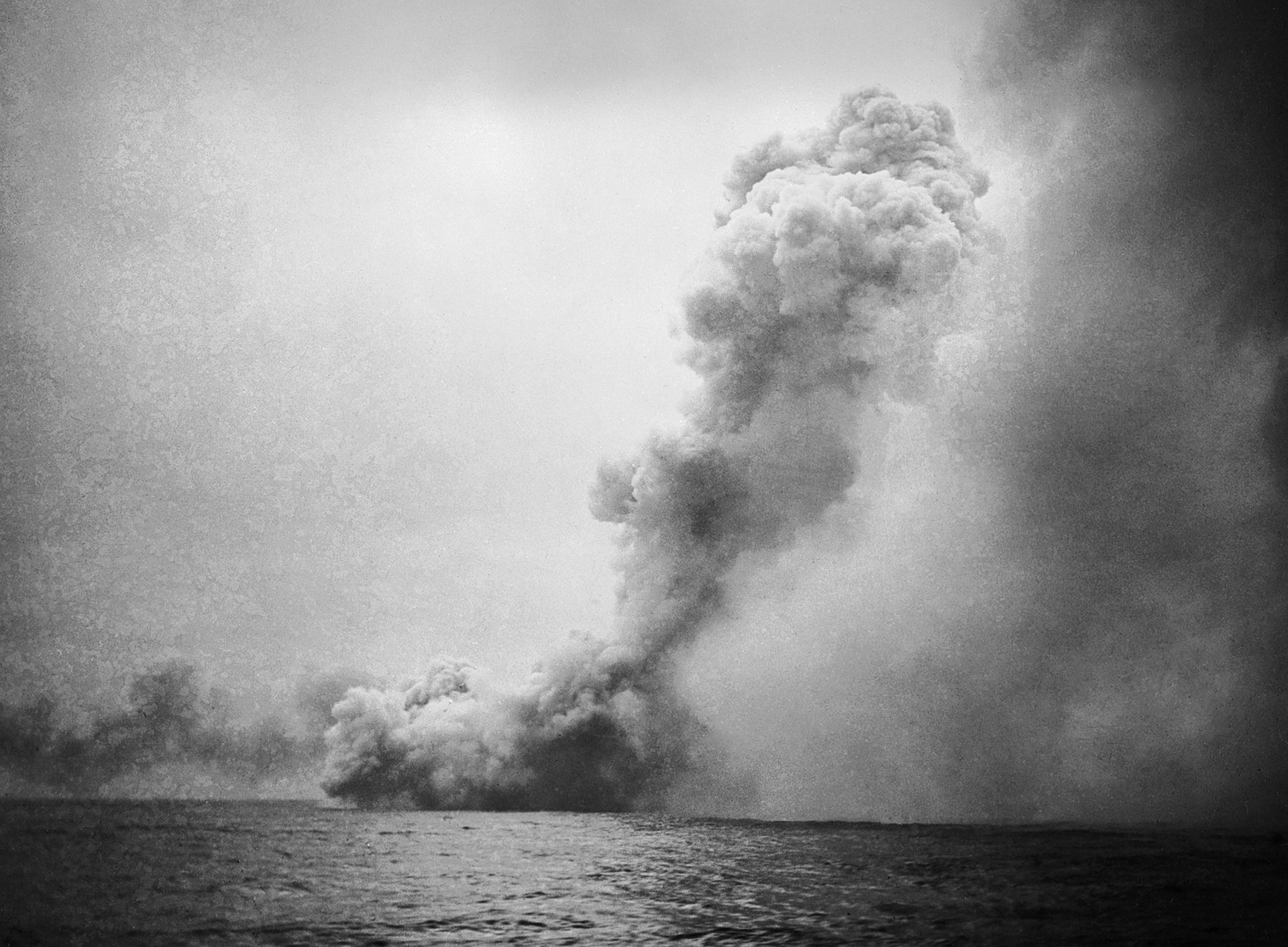
The German fleet was initially successful in destroying a number of ships in the Royal Navy battlecruiser squadron (battlecruisers were similar to battleships but had thinner armour, lighter guns and greater engine power to give them higher speeds) under the command of Admiral Sir David Beatty. But the German ships found themselves drawn into battle with the main part of the Grand Fleet commanded by Admiral Sir John Jellicoe. Before night fell, the British had lost 14 ships and over 6000 men, but were expecting to complete a victory the next morning. The Germans, however, who had lost 11 ships and over 2500 men, escaped back to port under cover of darkness. Claiming victory, they had avoided being annihilated but never again challenged British control of the North Sea.
Consultant: Philip Parker
pics

Without in any way limiting Q-files Ltd’s exclusive rights under copyright, any use of this publication to “train” generative artificial intelligence (AI) technologies to generate text is expressly prohibited. Q-files Ltd reserves all rights to license use of this work for generative AI training and development of machine learning language models.