
Britain in World War I

CITE
We have made every effort to follow citation style rules, but there may be some minor differences. If in doubt, please refer to the appropriate citation style manual.
Weapons of the Western Front. (2023). In Q-files Encyclopedia, History, Britain in World War I. Retrieved from
https://www.q-files.com/history/britain-in-world-war-i/weapons-of-the-western-front
"Weapons of the Western Front." History, Britain in World War I, Q-files Encyclopedia, 4 Oct. 2023.
https://www.q-files.com/history/britain-in-world-war-i/weapons-of-the-western-front.
Accessed 6 Aug. 2026.
Weapons of the Western Front 2023. History, Britain in World War I. Retrieved 6 August 2026, from
https://www.q-files.com/history/britain-in-world-war-i/weapons-of-the-western-front
History, Britain in World War I, s.v. "Weapons of the Western Front," accessed August 6, 2026.
https://www.q-files.com/history/britain-in-world-war-i/weapons-of-the-western-front


Weapons of the Western Front
The devastating firepower of modern weapons, including artillery and machine guns, in use by early 20th century, forced soldiers to seek cover on the battlefield and dig trenches for protection from early in the war. The First Battle of Ypres (19th October–22nd November 1914) marked the end of open warfare on the Western Front. So effective were trenches as defences, that the next three and a half years saw a stalemate in the war. Neither side's commanders were able to penetrate enemy lines or, if they did, hold on to territory they had gained for any period of time. Armies were forced to change their tactics and try out new weapons in order to break the deadlock.

Artillery

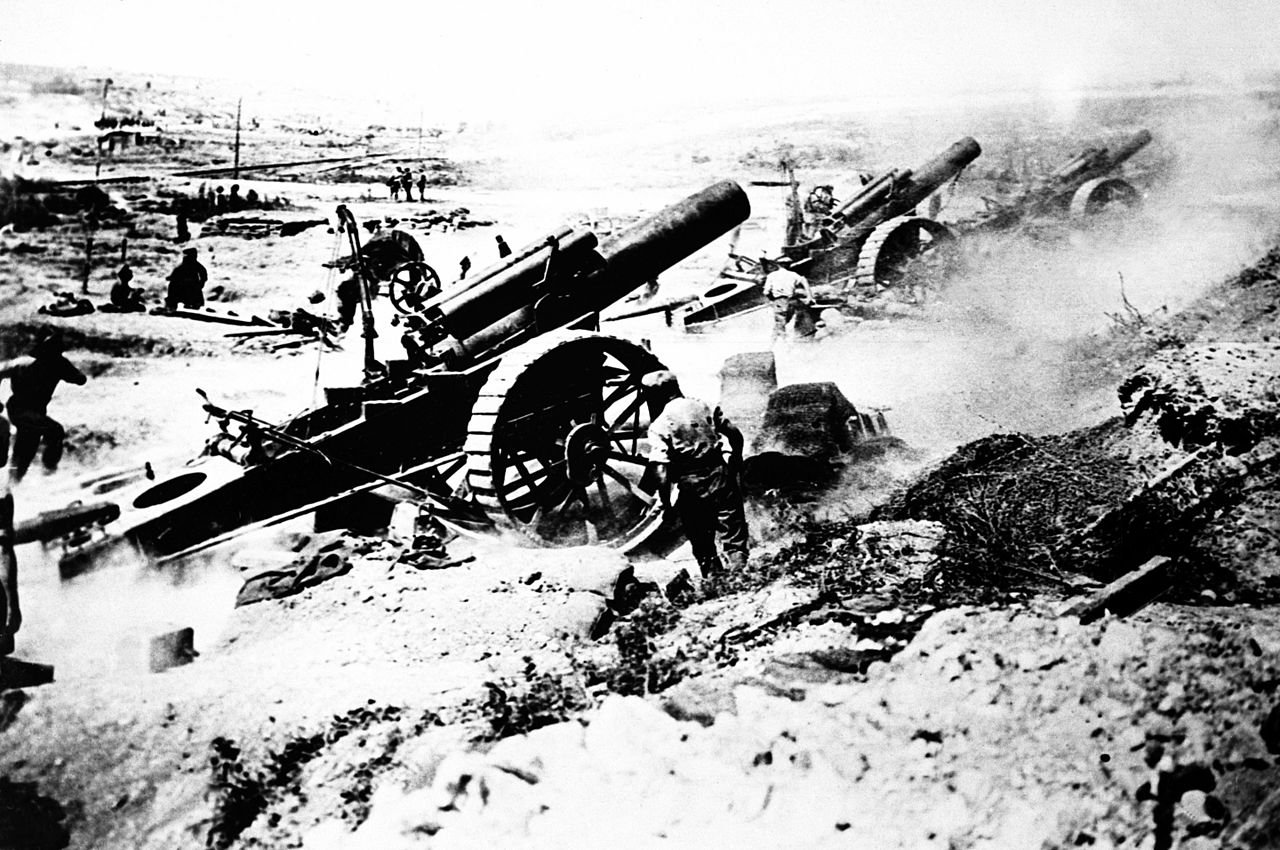
Artillery is the name for big guns that launch projectiles (shells, bombs, missiles etc.) far beyond the range of hand-held guns—often many kilometres. During World War I offensives, artillery guns would fire a barrage, raining down thousands of high explosive shells on the enemy, in an attempt to flatten their defences before an infantry advance was attempted.
Artillery was the most destructive weapon on the Western Front: heavy fire could destroy troop concentrations, barbed wire fences and fortified positions. The majority of casualties inflicted during the war was as a result of artillery fire.
Originally called bombshells, shells were metal containers packed with explosive, incendiaries or shrapnel (small lead balls). Different types of artillery were used to fire them. Field guns, such as the British 18-pounders, had long barrels and were fired directly at their target. Howitzers had shorter barrels and fired shells in a high, curved trajectory, so they were the best type of artillery to use against trenches and fortifications. Mortars (see below) were more compact and could be fired from within the trenches themselves.
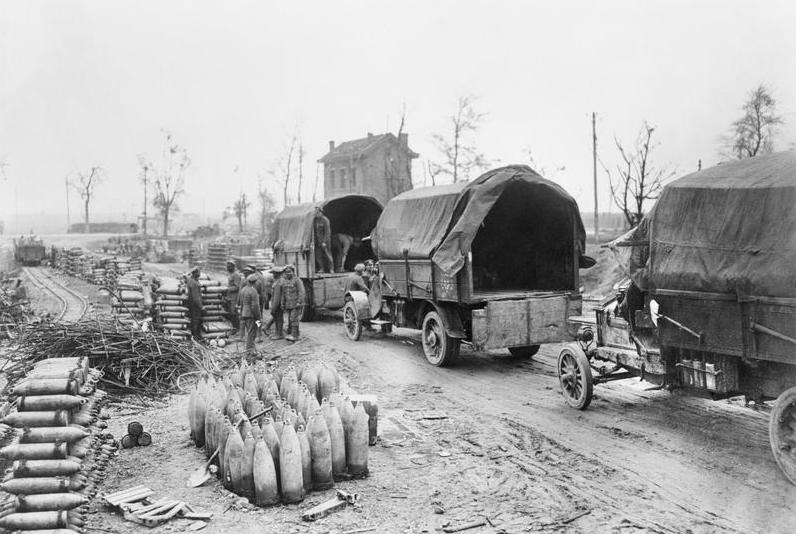

Long-range artillery was placed behind the front line—as much as possible in sheltered and hidden positions. Because gunners could not see their targets, they relied on forward observers to help them try to perfect their range and direction. These men were stationed in the fire trenches, from where they sent instructions back to the gunners.

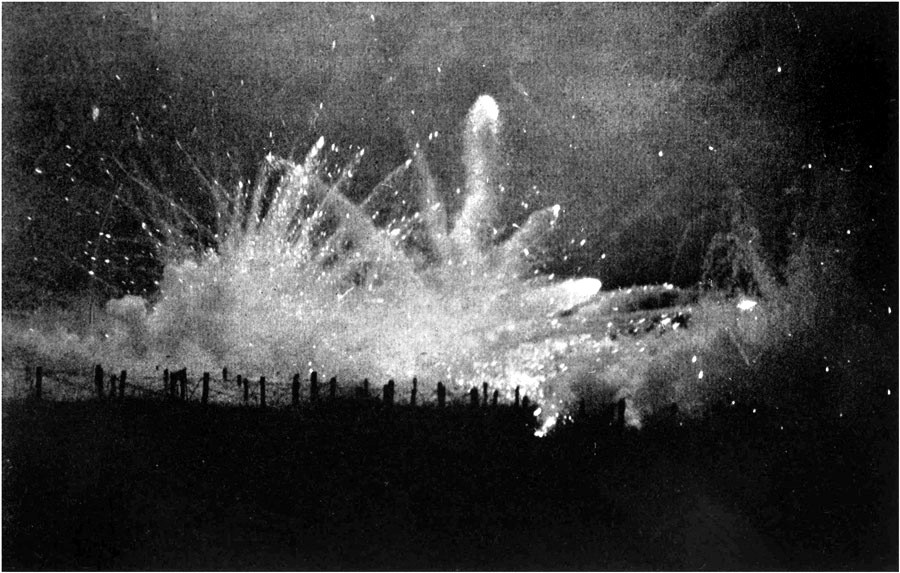
In the first years of the war, gunners bombarded enemy lines with shells before the infantry were given the order to move forward. But this tactic often proved ineffective against well-defended trenches. Before the Battle of the Somme, for example, the Germans took cover in their concrete dugouts, emerging after only the bombardment ceased. Later in the war, the "creeping barrage" was introduced. Troops advanced across No Man's Land behind the safety of a line of artillery fire landing directly in front of the men and keeping pace with the advance.
Rifles
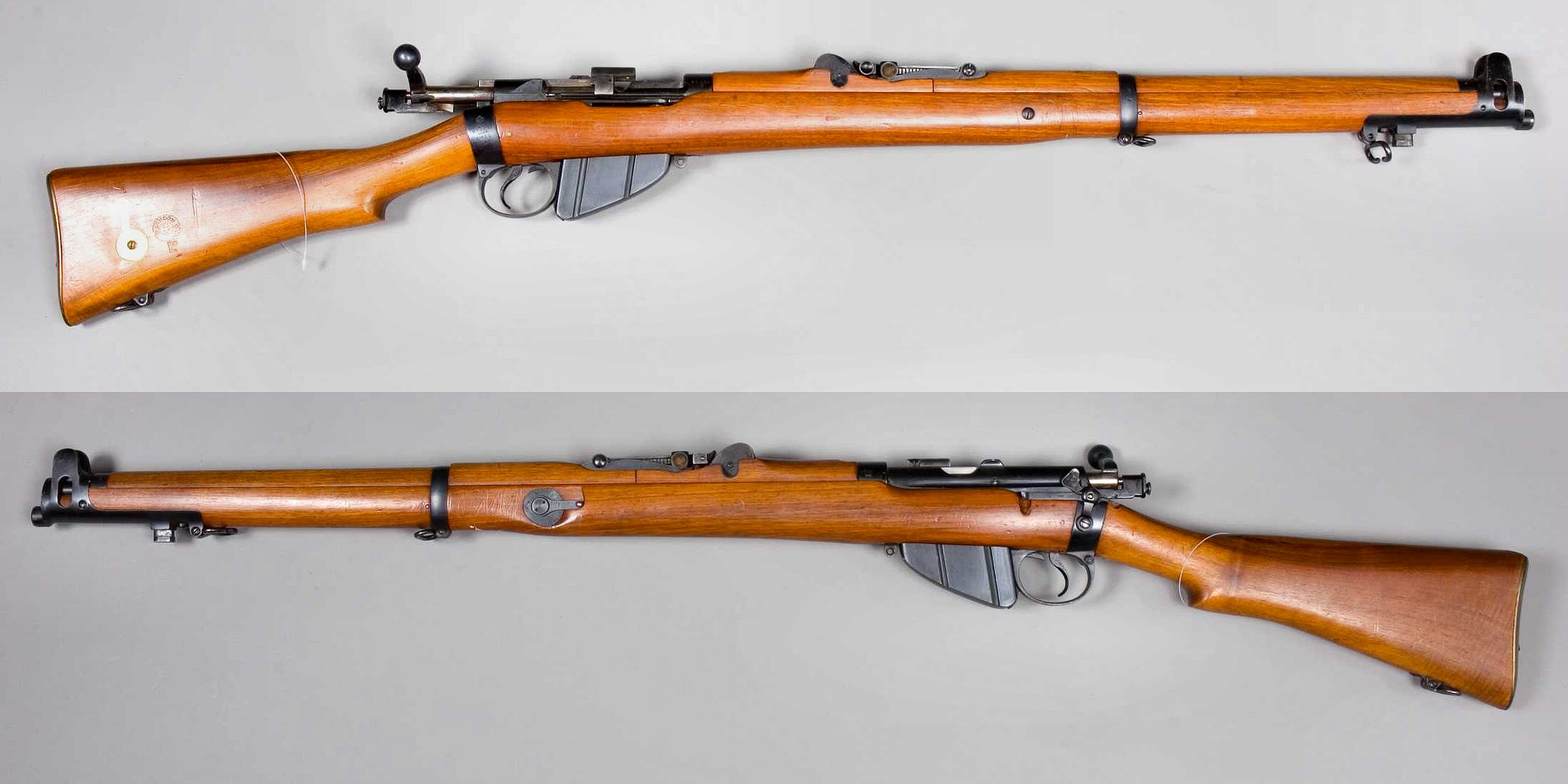
Rifles were by far the most commonly used weapon of the war. The standard British rifle was the Short Magazine Lee Enfield. It had a maximum range of 2280 metres (7500 feet), but an effective killing range of 550 metres (1800 feet). A well-trained infantryman could fire 15 rounds a minute. The muzzle of the rifle was usually fitted with a bayonet (knife blade) for combat at close quarters.

Machine guns
The machine gun was one of the deadliest weapons of World War I. Fired from a fixed defensive position (called a "nest"), in the hands of a skilled gunman it could inflict numerous casualties. The Vickers machine gun could fire over 600 rounds per minute and had a range of just over 4 kilometres (2.5 miles). With a supply of belted ammunition, spare barrels and cooling water it could keep up the same rate of fire for hours. It required at least two gunners to operate it: one to fire and one to carry ammunition and reload.
Mortars
Mortars are lightweight, portable guns for firing explosive shells. Their small size and mobility made them ideal for firing from within a trench. They were particularly effective at taking out enemy machine gun nests and sniper posts. The Stokes mortar consisted of a metal tube fixed to a plate. It could fire 20 bombs per minute and had a range of 1100 metres (3600 feet).

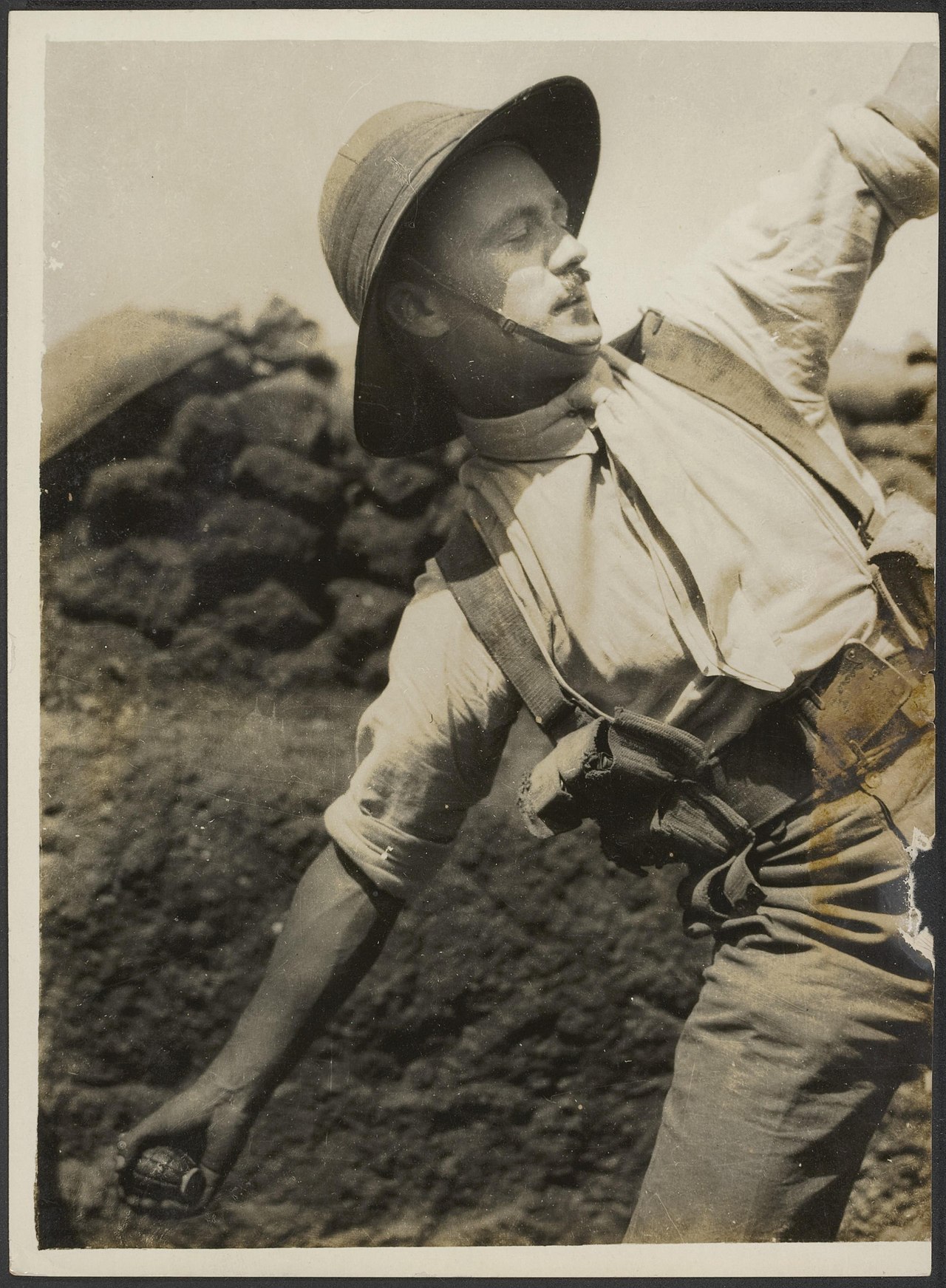
Grenades
Grenades, small hand-held bombs, could be thrown into enemy positions before troops entered them. The Mills bomb was introduced in 1915. Before throwing it, the soldier removed a pin while holding down a lever on the side of the grenade. When thrown, the safety lever would automatically release, igniting the grenade's internal fuse, detonating a few moments later. Later in the war, soldiers could fire grenades from a rifle, greatly increasing their range. Grenades could be modified to become incendiary devices, flares or anti-tank warheads.

Trench clubs
Not all the battles on the Western Front were large- scale conflicts. When soldiers succeeded in getting into their opponents' trenches during raids, close-quarters fighting might follow. Both raiders and defenders preferred to use trench clubs, entrenching tools or knives rather than their rifles or bayonets which were difficult to manouevre in confined spaces. Resembling medieval weapons, trench clubs were made by the soldiers themselves from various items they found in the trenches. A typical club was made of wood, with a metal casing, spikes or nails fitted to to the striking end.


Barbed wire
Thick belts of barbed wire were laid out in front of the trenches far enough away to prevent enemy soldiers from being able to throw grenades into the trenches. Sometimes barbed wire entanglements were laid out in such a way to funnel attacking soliders into the range of machine gun fire. Cheap, easy to erect and difficult for men to get through—they sometimes became ensnared in it—barbed wire was as an effective defensive weapon throughout the war.
Mining
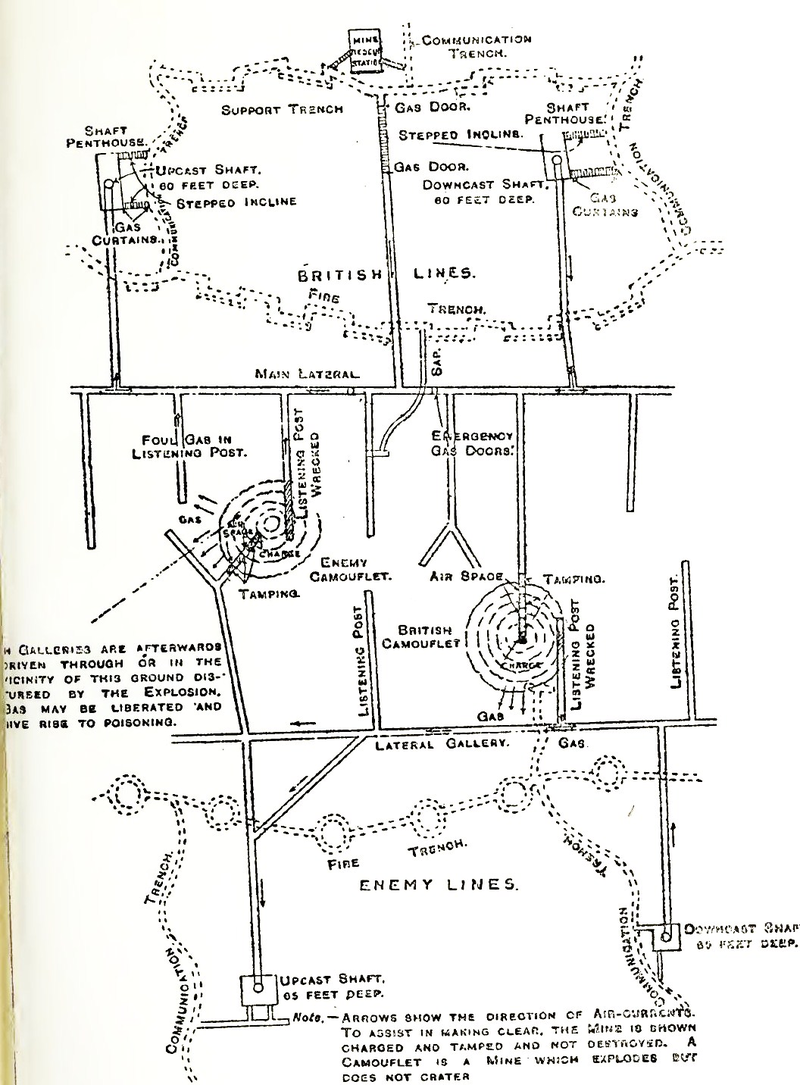
Tunnelling and mining operations were commonly carried out along the Western Front by both sides: few other weapons appeared to offer much success against well-defended trench lines. Miners, called "sappers", would dig tunnels under No Man’s Land from behind their own lines. They would then plant huge amounts of explosives directly beneath enemy trenches. These were later detonated, destroying enemy defences before an infantry charge began. Much of the tunnelling work was carried out by specialist Royal Engineers units made up of Welsh and Durham miners. To defend against enemy tunnelling, sensitive listening devices that could detect the sounds of digging were used.
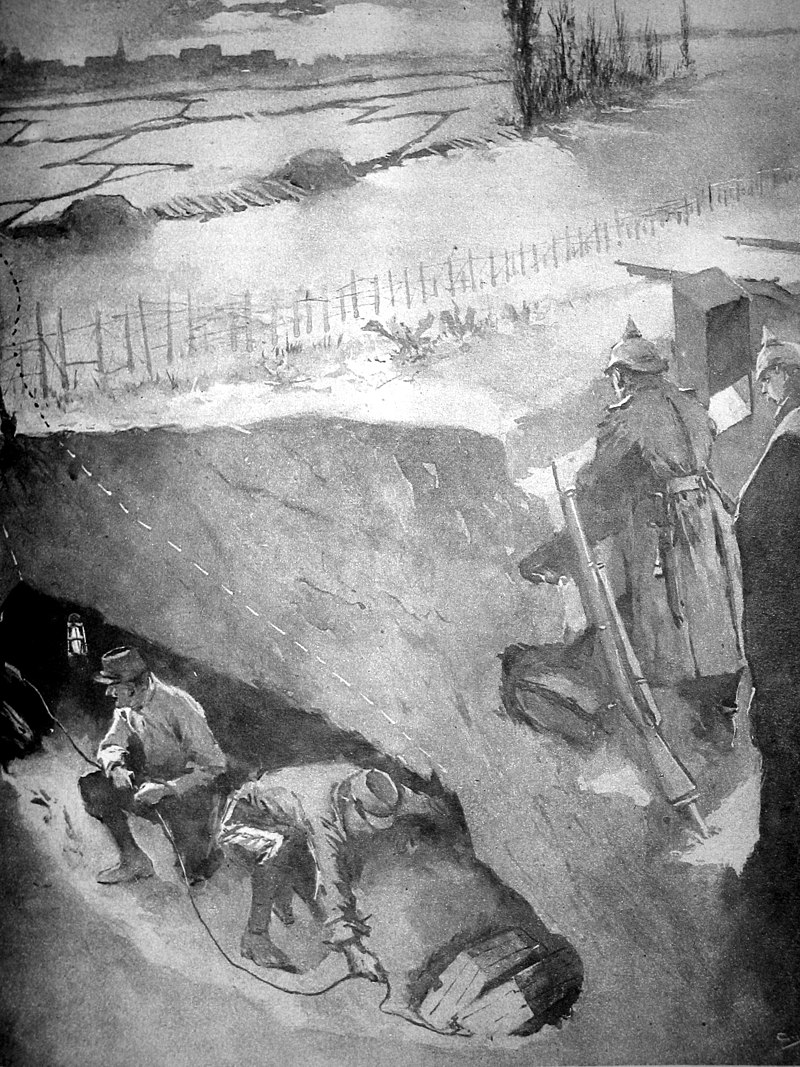
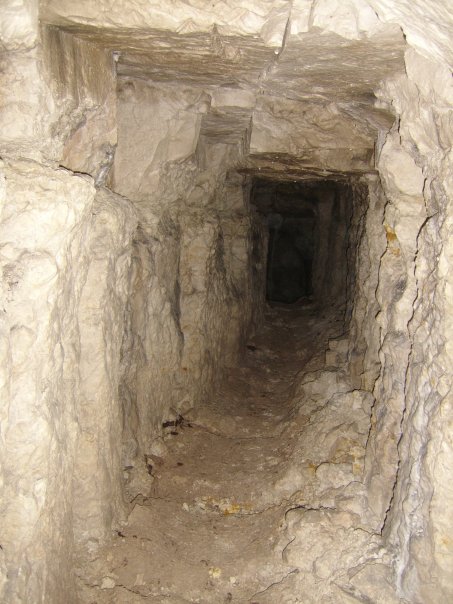

On 1st July 1916, a few minutes before the first Allied attack at the Battle of the Somme, the British exploded several huge mines packed with explosives under German lines. Although the explosions caused many casualties, the Germans were still able to repulse the Allied infantry advance with devastating machine gun fire.
Poison gas

The German army was the first to use gas as a significant weapon on the Western Front. Banking on to help break the deadlock of trench warfare, German troops released poisonous chlorine gas from canisters on the battlefield in April 1915 at the Second Battle of Ypres. To the Allies, the unknown gas appeared at first to be a simple smoke screen, used to hide attacking soldiers. But the poison gas had a devastating effect, killing soldiers on both sides as the wind direction changed and blew the cloud of gas both forwards and back.
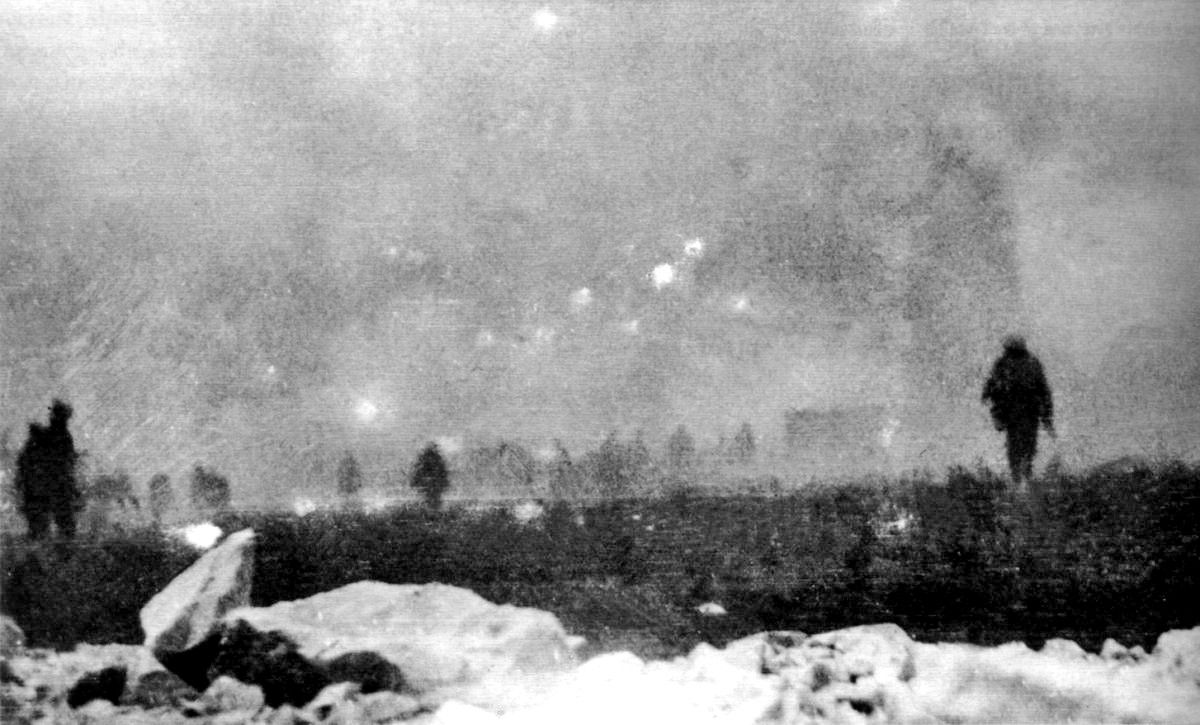

Later, mustard gas, phosgene and other gases were used—and delivered in artillery shells, which enabled gas attacks to be launched from a much greater range. Britain followed suit with their own gas weapons, first used at the Battle of Loos in September 1915.
Gas masks were issued to combat the threat. These were fairly primitive at first—no more than cotton face pads soaked in bicarbonate of soda. By 1918 filter respirators using charcoal or chemicals were standard issue. These greatly reduced the effectiveness of poison gas as a weapon.
Tanks
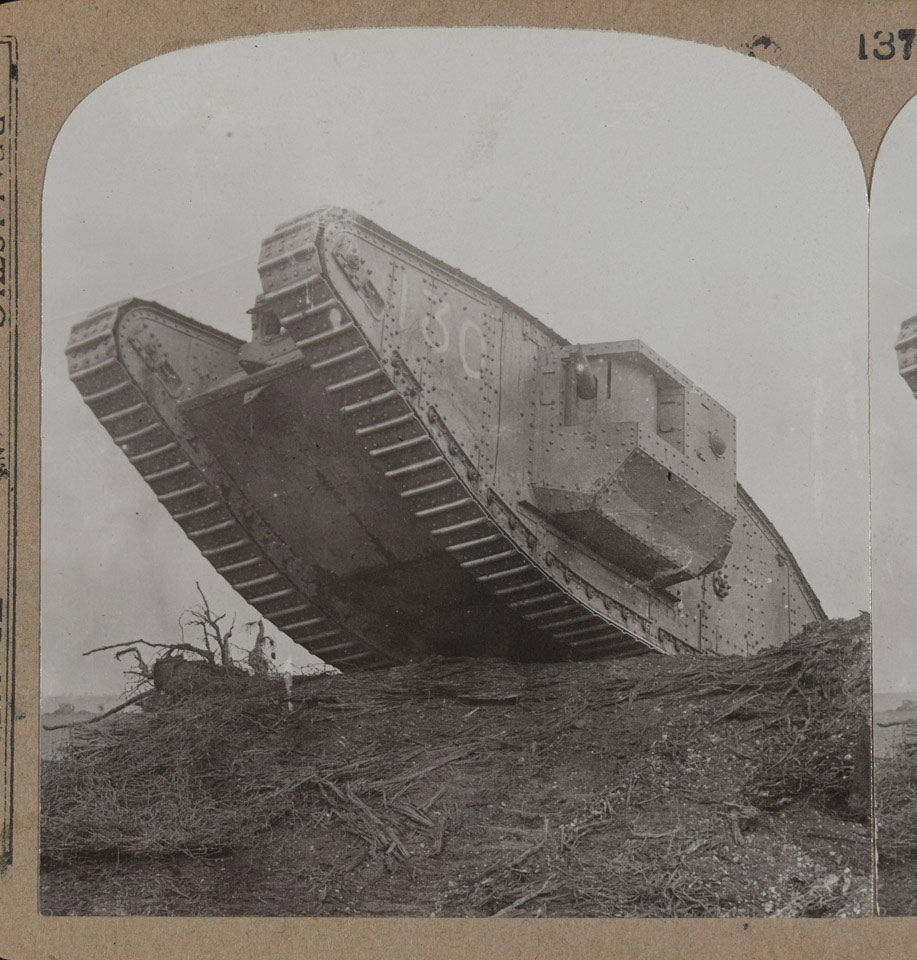
Tanks were developed by the British Army in an attempt to break the trench warfare stalemate. These giant vehicles had armour plating thick enough to protect their occupants from rifle fire, caterpillar tracks for getting across the cratered battlefield and and a petrol engine to power them forwards. The tanks were armed with machine guns or light artillery guns or both.


First used on the Somme in September 1916, tanks proved, however, to be mechanically unreliable and prone to getting stuck in the rugged terrain or deep mud—although they were effective at getting through barbed wire defences. Terrified of the fearsome-looking tanks at first, German troops soon found that artillery and specially developed anti-tank rifles could be used against them with some success.
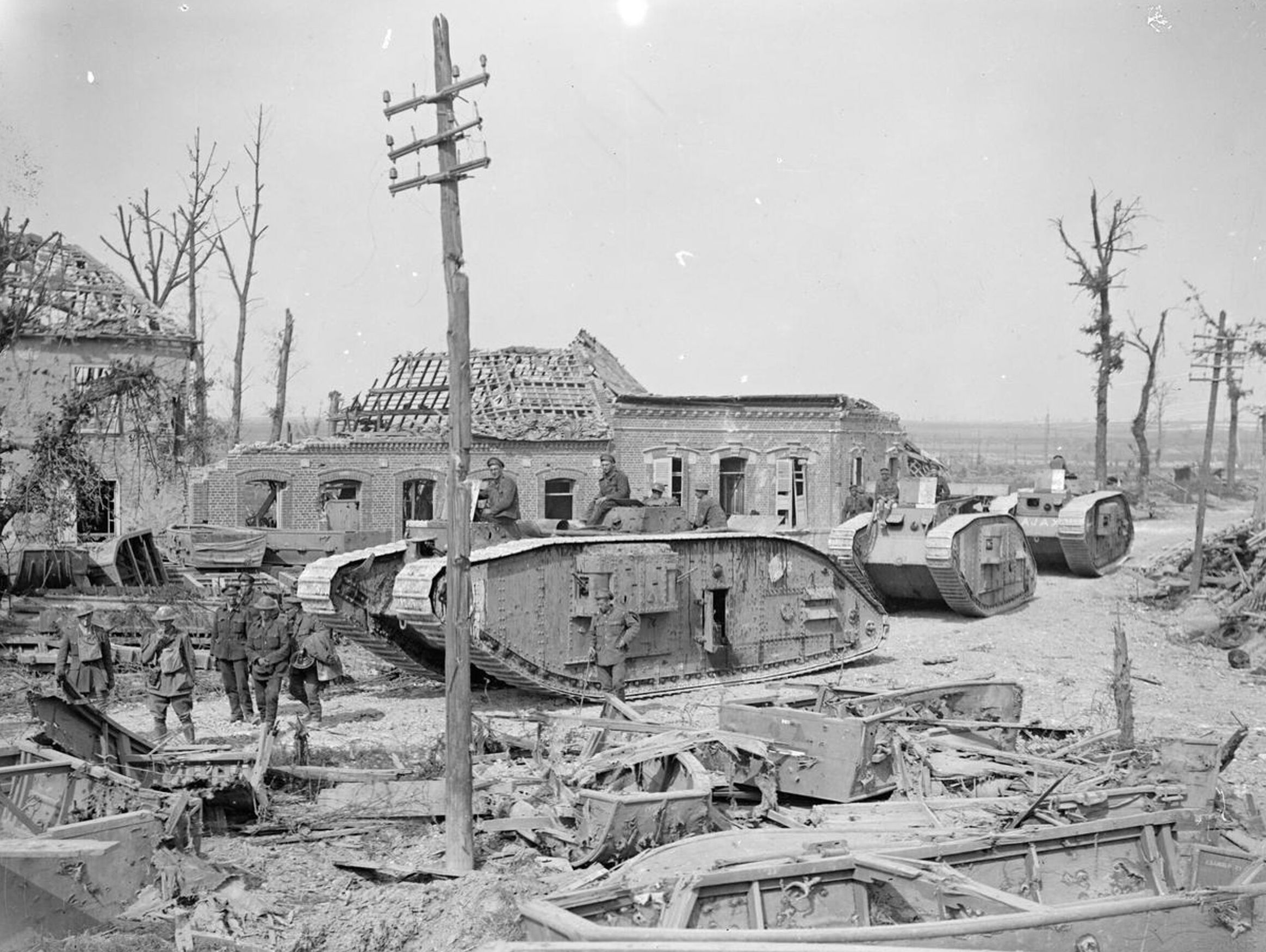
As the war progressed, tank designs became more sophisticated. Tanks were at their most effective when used in large formations in combination with accurate artillery, aircraft and infantry assaults (men armed with rifles, grenades and machine guns). This was the so-called "all arms" approach deployed during the Allies' successful Hundred Days Offensive in the last months of the war.
Aircraft
Aeroplanes, fixed-wing aircraft, first took to the skies only a few years before World War I broke out. To begin with, they were used for purposes of reconnaissance (locating and reporting enemy artillery and troop positions), during which pilots from opposing sides fired at each other with handheld weapons.
From July 1915 onwards, fighter aircraft, known at the time as "scouts", were fitted with forward-firing, synchronized machine guns, enabling them both to shoot down other fighters in aerial dogfights and to strafe (attack repeatedly with bombs or machine-gun fire) enemy trenches, supply bases and troop concentrations.


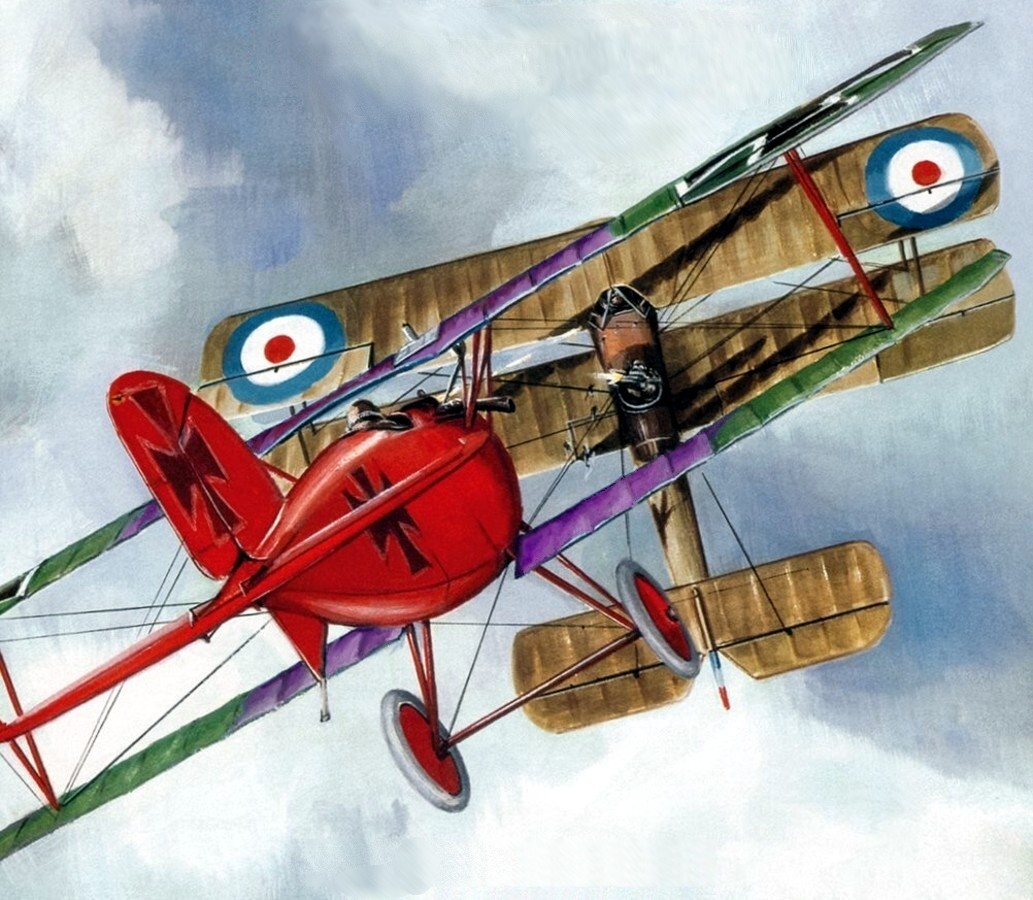
Before the Royal Air Force (RAF) was formed on 1st April 1918, Britain's planes formed a division of the Army known as the Royal Flying Corps (RFC). They were regularly outfought by the superior Fokker aircraft flown by the German airforce and ace pilots such as Manfred von Richthofen, the "Red Baron". The RFC was first used as part of a joint offensive with troops during the the Battle of Arras, which began on 9th April 1917. During what became known as "Bloody April", the British lost 245 aircraft out a total of 365 while battling against the far fewer German Jastas (fighter squadrons).
Despite these terrible casualties, the artillery-spotting RFC planes were able to gather vital reconnaissance for the Allied forces, enabling their own artillery to maintain their superiority throughout the battle.

Consultant: Philip Parker
pics


Without in any way limiting Q-files Ltd’s exclusive rights under copyright, any use of this publication to “train” generative artificial intelligence (AI) technologies to generate text is expressly prohibited. Q-files Ltd reserves all rights to license use of this work for generative AI training and development of machine learning language models.