
Aircraft

CITE
We have made every effort to follow citation style rules, but there may be some minor differences. If in doubt, please refer to the appropriate citation style manual.
Historic aeroplanes. (2026). In Q-files Encyclopedia, Technology, Aircraft. Retrieved from
https://www.q-files.com/technology/aircraft/historic-aeroplanes
"Historic aeroplanes." Technology, Aircraft, Q-files Encyclopedia, 13 Mar. 2026.
https://www.q-files.com/technology/aircraft/historic-aeroplanes.
Accessed 6 Aug. 2026.
Historic aeroplanes 2026. Technology, Aircraft. Retrieved 6 August 2026, from
https://www.q-files.com/technology/aircraft/historic-aeroplanes
Technology, Aircraft, s.v. "Historic aeroplanes," accessed August 6, 2026.
https://www.q-files.com/technology/aircraft/historic-aeroplanes


Historic aeroplanes
The first aeroplanes were built for individuals to achieve fame and fortune, but it was not long before people began to realise what a formidable weapon of war the aeroplane might be. Many planes were made for specific use as fighters and bombers during World War I. After the war many bombers were converted into airliners, and by the time World War II had broken out, planes were capable of travelling much further. Aviation technology leapt forwards in the 1950s as manufacturers looked for ways to increase speed. Today, size and fuel efficiency are more important factors.

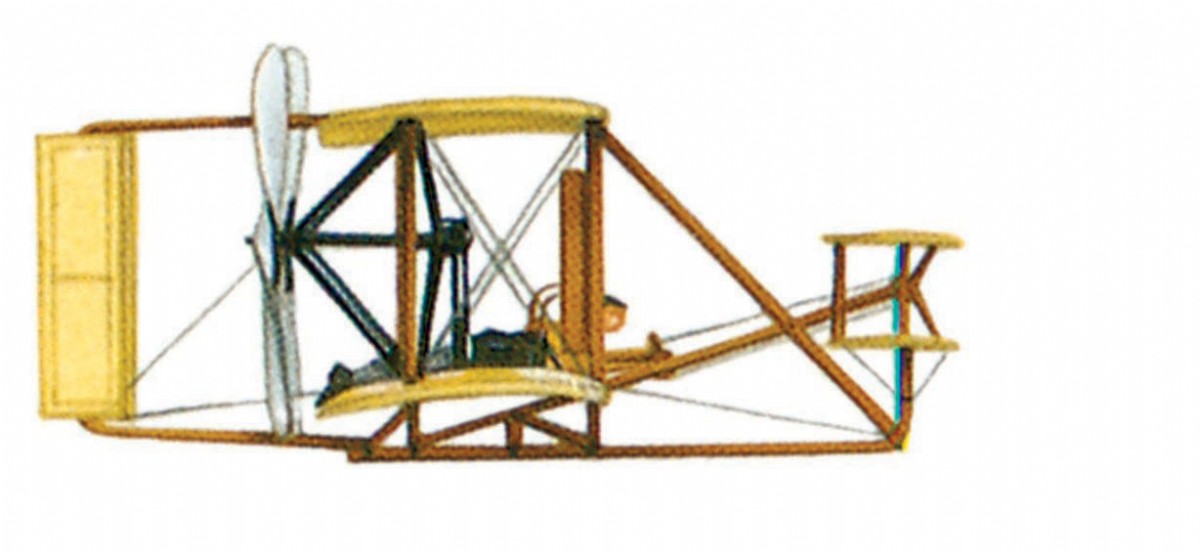
Wright Brothers' Flyer I (1903)
In the USA, two brothers, Orville and Wilbur Wright, were experimenting with kites and gliders. They made thousands of test flights in their gliders, gradually perfecting their controls, including incorporating a mechanism which enabled the pilot to twist or "warp" the wings, and thus roll the aircraft to the left or right. In 1903 they finally built an aeroplane, called Flyer I, with a petrol engine. It was a biplane, with two sets of wings stacked one above the other.
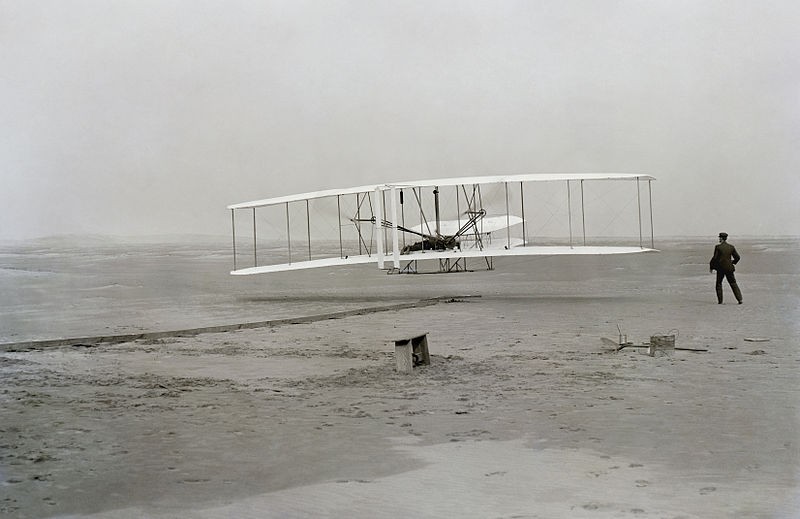
On the sand dunes of Kitty Hawk, North Carolina, with Orville at the controls, Flyer I flew for 12 seconds before grounding 36.6 metres (120 feet) away—less than the wingspan of many modern airliners. It had made the first-ever powered, controlled aeroplane flight. The date was 17th December 1903.
Voisin-Farman I (1907)
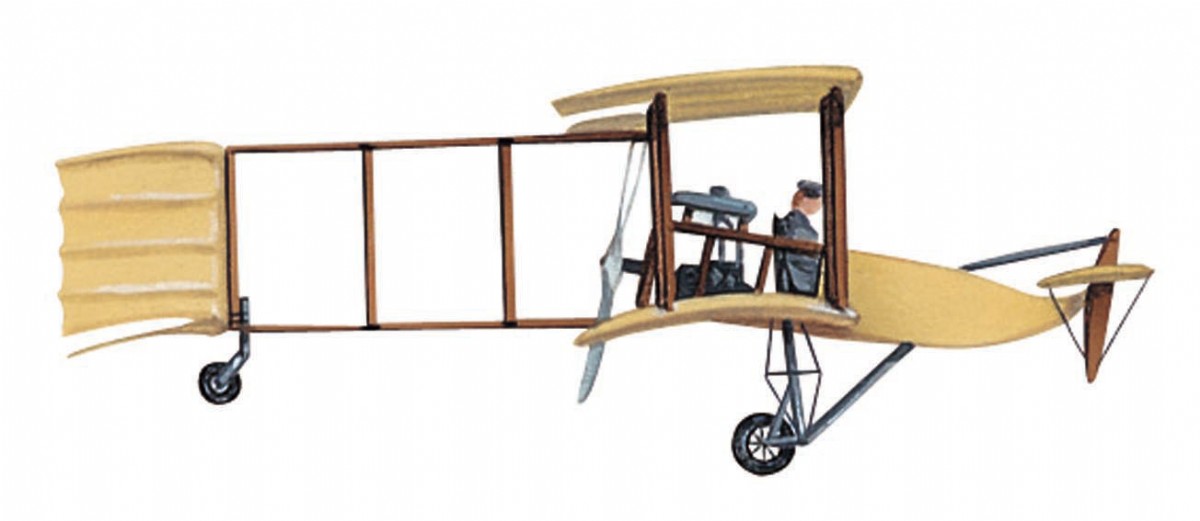
Henry Farman, an Englishman living in Paris, was the first European to fly a practical, controllable aeroplane. He flew a biplane designed by Frenchman Gabriel Voisin. Farman was the first person to make a flight taking off and landing at the same place. His 1908 trip across northern France was the world’s first long-distance flight.
Blériot XI (1909)
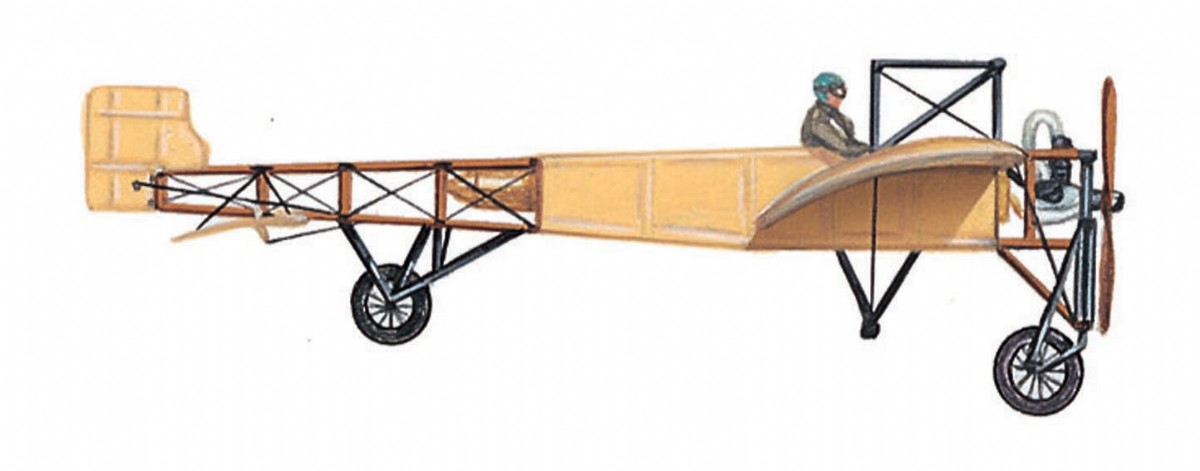
Just six years after the Flyer 1’s first flight, in 1909 French aviator Louis Blériot flew across the 35-kilometre-wide (22 miles) English Channel in his monoplane (with one main set of wings). With no means of navigation (he simply asked a bystander "Which way is England?"), he set off into the mist and crash-landed above the cliffs of Dover 37 minutes later. Blériot became an instant celebrity and sold more than 100 of his monoplanes. The flight won him a prize of £1000 offered by the London Daily Mail.
Short S.27 Tandem Twin (1911)
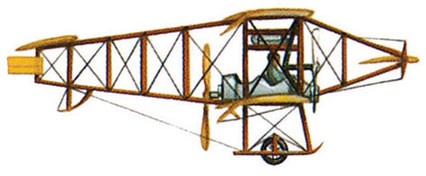
Now that people had learnt to fly aeroplanes, the search was on for more power. The Gnome rotary engine appeared in 1909 and quickly became the standard design for most aircraft. On the Tandem Twin, the pilot sat between two engines, so it became known as the "Gnome Sandwich". It was a much safer plane as it could still fly on only one engine.
Sikorsky Le Grand (1913)

The world’s largest aeroplane in its day, Bolshoi Baltiskii (Great Baltic) or Le Grand was also the first to be equipped with four engines. For its time, it was huge: its wingspan (28 metres or 92 feet) almost the same as a DC-3 of 20 years later. Russian engineer Igor Sikorsky designed an improved version of it the following year. Called the Ilya Mourometz, it was fitted with a heated lounge for passengers, and a promenade deck above the fuselage. Here brave souls could take a stroll more than 1000 metres (more than 3000 feet) up with little more than a light rail to hold on to. Le Grand and the Ilya Mourometz were the forerunners of the long-range bombers and airliners.
Spad S.XIII (1917)
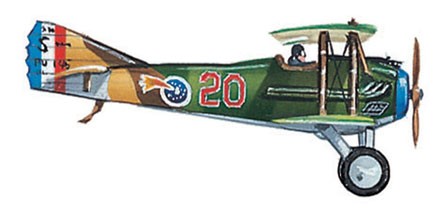
Quick in the air and equipped with twin machine guns, the French-designed Spad S.XIII biplane was one of the most successful fighters of World War I on the Allies’ side. It proved an equal match for the German Fokkers.
Fokker Dr.I (1917)

During World War I, Anthony Fokker, a Dutch designer who was working for the Germans, invented an interrupter gear for the aircraft engine. This device allowed a machine gun to be in front of the pilot, so he could operate it and aim it accurately. Fokker aircraft proceeded to dominate the skies, a time the Allies called the "Fokker Scourge". Fokker later built a triplane, copying a British model that could climb superbly and offer a better field of vision. The Dr.I was the favourite plane of famous war ace Manfred von Richthofen. He led a group of pilots known as the "Flying Circus" into devastating, swarming attacks on enemy aircraft. Circus planes were painted bright colours, like the shields of medieval knights. Von Richthofen’s was scarlet, hence his nickname, the "Red Baron".
Farman Goliath (1919)
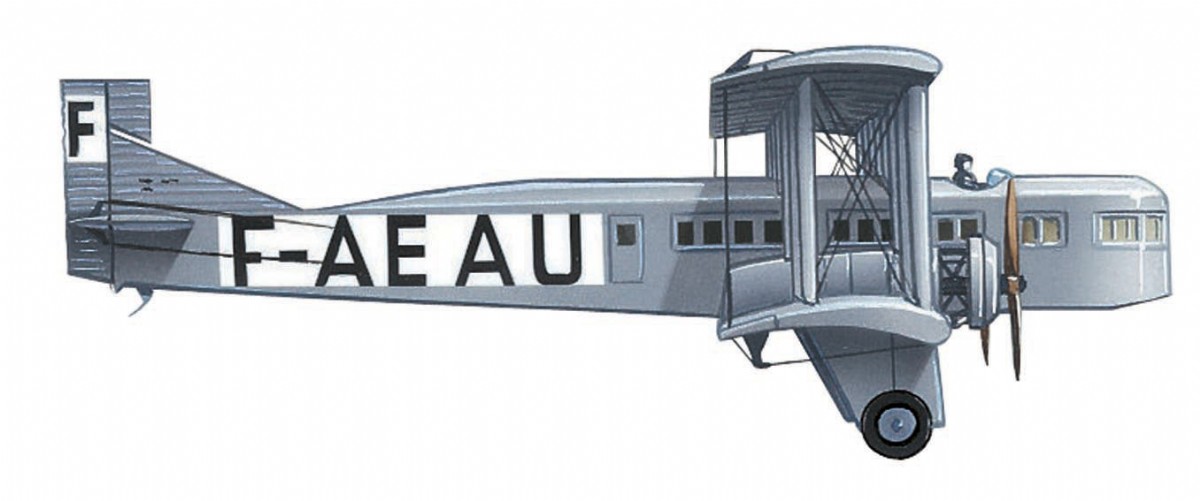
Soon after the end of the war, aircraft designers were busy converting bombers into airliners. A Farman Goliath, fitted out with two cabins, made the first passenger flight from Paris to London, with 11 people on board. Soon, it opened the first regular scheduled international passenger service with weekly flights from Paris to Brussels.
Spirit of St. Louis (1927)
Charles Lindbergh was the first person to fly solo across the Atlantic Ocean, but he was not the first to cross it non-stop by air. On 14th–15th June 1919 British pilots Captain John Alcock and Lieutenant Arthur Whitten Brown flew a Vickers Vimy bomber from St. John’s, Newfoundland to County Galway in Ireland in 16 hours 27 minutes.

In 1926 New York hotel-owner Raymond Orteig offered a $25,000 prize to anyone who could fly non-stop from New York to Paris. The following year, Lindbergh, 25-year-old chief pilot for an air-mail company, could not resist the challenge. He decided he would need a new plane, purpose-built for the journey. It would be a monoplane, capable of carrying the 1700 litres (375 gallons) of fuel he needed for the journey. He also made up his mind it would be a solo flight.
Early on 19th May 1927 the Spirit of St. Louis, loaded down with fuel and barely able to leave the ground, took off from Roosevelt Field, New York, its wheels just clearing the telegraph wires at the end of the runway.

The cockpit had side windows but no forward view at all, although there was a periscope. Without a radio, Lindbergh navigated by measuring how far he had travelled in a certain direction ("dead reckoning") while guessing the wind simply from looking at the waves below.

The flight was full of dangers. As Lindbergh struggled to remain awake, ice forming on the wings threatened to down his plane. Several times it almost brushed the waves as he flew low to avoid fog. He was not always sure he was on course. When he spotted a fishing vessel, he shouted out of the window: “Which way is Ireland?”
After 28 hours, however, Lindbergh found himself flying over Valentia Island, southwest Ireland. To his disbelief, he realised he was only 5 kilometres (3 miles) off course. Six hours later he landed at Le Bourget airport in Paris to a hero’s welcome. Spirit of St. Louis had crossed the Atlantic Ocean, flying a distance of 5819 kilometres (3614 miles) in 33 hours 30 minutes.
Dornier Do-X (1929)
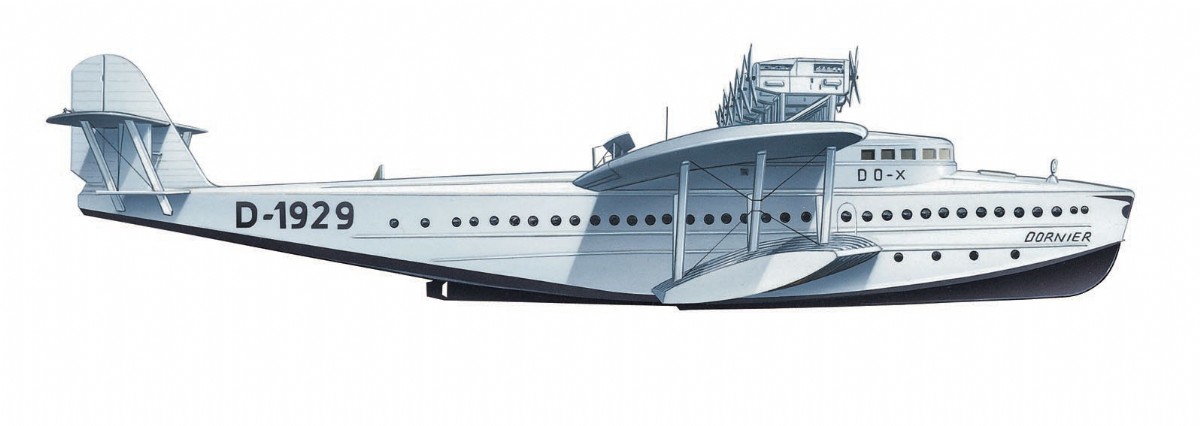
Flying Boats, which took off and landed on water, flew long-range passenger routes in the 1920s and 1930s. With a wingspan as wide as a football pitch, the Dornier Do-X was the largest of these—indeed of all aeroplanes so far built. On an early flight, it took off with 169 people on board: 10 crew, 150 passengers—and 9 stowaways. Equipped with 12 engines mounted above the wing, this German aircraft was nevertheless very slow (it had a maximum speed of 211 km/h / 131 mph) and strained to reach a maximum height of only about 500 metres (1600 feet) when fully loaded. It once took 9 months to cross from Germany to New York, with many stops to refuel and carry out repairs along the way.
Handley Page HP.42 (1930)

Passenger air transport in the 1930s was affordable only by the very few. Britain’s Imperial Airways linked the mother country with different parts of its empire in Africa and Asia. The Handley Page HP.42 was a huge, four-engined biplane with its wings mounted high above its fuselage. It could carry up to 38 passengers who expected, and received, luxurious service.
Martin B-10 (1932)
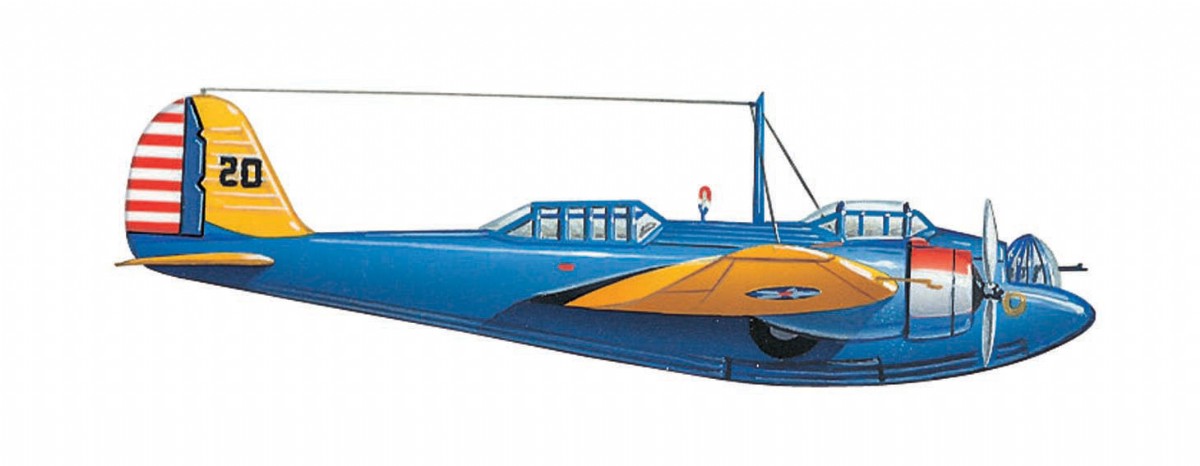
During World War I, and for many years afterwards, many bombers were wooden biplanes with open cockpits (like the Farman Goliath). The Martin Bomber revolutionized bomber design. Faster than most fighters of its day, this American all-metal monoplane had a fully enclosed cockpit, bombs loaded in an internal bay closed by powered doors and a rotating gun turret above the nose.
Polikarpov I-16 (1933)
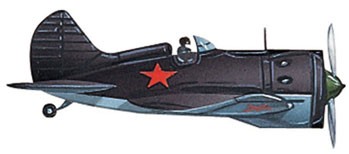
This short, stubby Soviet fighter, nicknamed the "Little Donkey", was the first monoplane fighter to have retractable wheels and a fully enclosed cockpit—although many pilots fixed the cockpit canopy in an open position (as shown here) because of poor visibility.
Douglas DC-3 Dakota (1935)

Intense competition raged between rival airlines and aircraft manufacturers in the United States in the 1930s. Boeing had produced its 10-passenger Model 247 for United Airlines in 1933. The forerunner of all modern airliners, the 247 had retractable landing gear, and could cruise on only one engine. Douglas produced even better aircraft for TWA and American Airlines. Their DC-3, faster than many fighters, had a long range and a fine reputation for reliability.
Junkers Ju 87 Stuka (1935)
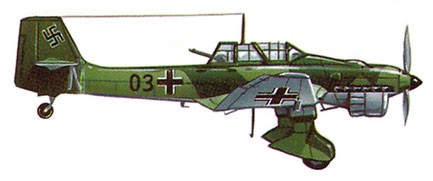
Called the Stuka after the German word for dive-bomber, this aircraft was one of the most feared weapons of World War II. As well as the bombs it carried, it was armed with machine guns. The high-pitched whine that screamed through the air as it dived struck terror into all who heard it.
Short S.23 Empire (1936)
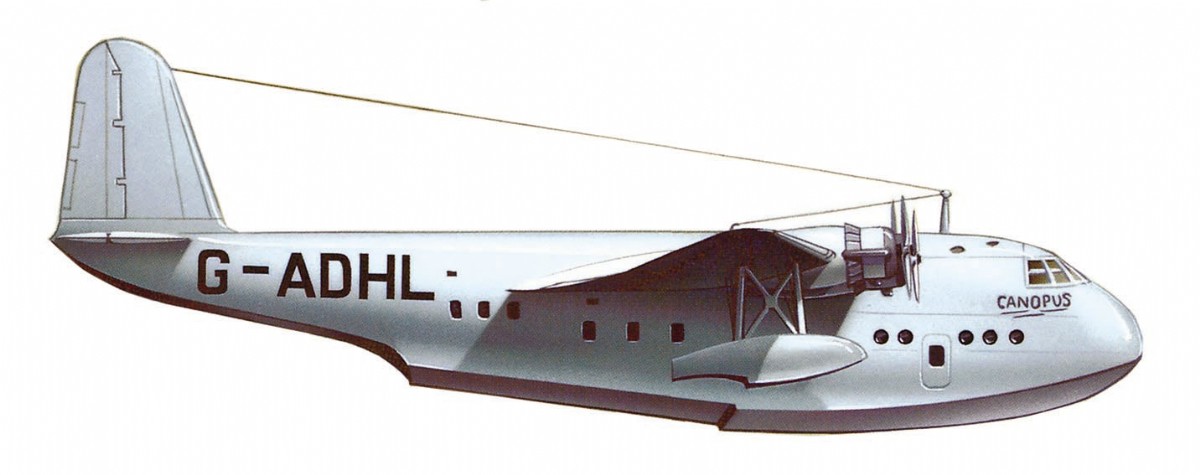
Empire flying boats—known as C Class because all their names began with C—represented the height of luxury for adventurous travellers. They were intended to carry mail and up to 24 passengers on long-distance routes throughout the British Empire. Later, they were adapted to carry, piggy-back fashion, a smaller aeroplane. At a safe height, the two aircraft would separate, the aeroplane flying on to deliver the mail while the flying boat returned to base.
Supermarine Spitfire (1936)
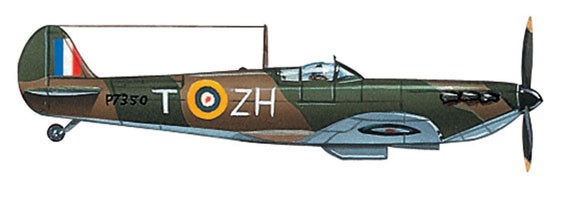
Striving for supremacy in the air during World War II, aircraft manufacturers constantly worked on improvements to their top fighters to make them more powerful and better-armed. Many different versions of the German Messerschmitt Bf 109 and Focke-Wulf Fw 190 appeared throughout the war. Nearly 23,000 Spitfires, in 40 different models, were built between 1936 and 1947, more than any other British aircraft. Quick and nimble, with a powerful Rolls-Royce engine, it is famous for the part it played, along with the Hawker Hurricane, in combating German fighters and bombers during the Battle of Britain in 1940.
Ilyushin II-2 Sturmovik (1939)

More Il-2s were built (36,000) than any other aircraft. Armed to the teeth with guns and bombs, this armour-plated Russian ground-attack aircraft proved difficult to shoot down.
Consolidated B-24 Liberator (1940)
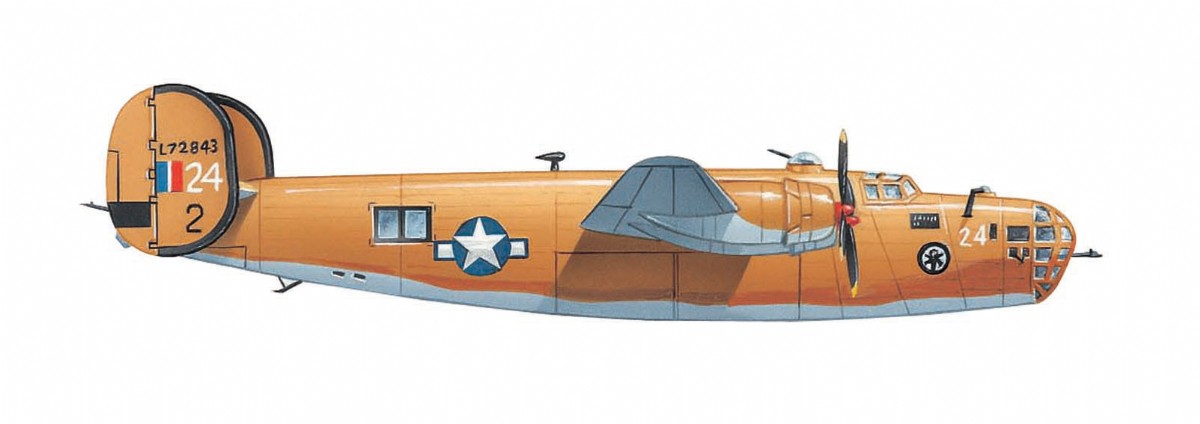
By the time World War II had broken out, large planes capable of flying more than 3000 kilometres (about 2000 miles) without refuelling were being built. Attacks from the air by bombers such as the American B-24 could now be launched from great distances.
Mitsubishi A6M Zero (1940)
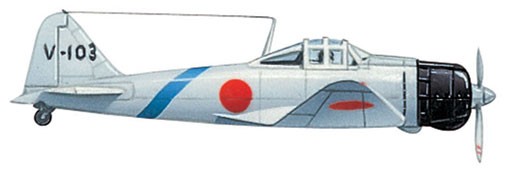
In December 1941 Japanese forces attacked the US fleet stationed at Pearl Harbor, Hawaii. Their fighter planes ruled the Pacific skies during the early years of World War II. The Zero was the best of them. Taking off from aircraft carriers, these lightly-built aircraft climbed rapidly and manoeuvred well in the skies.
Lockheed Constellation (1943)
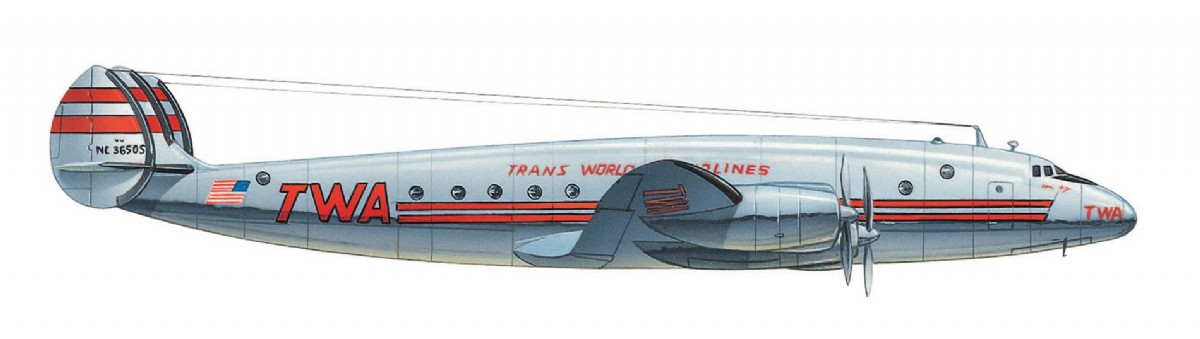
By the end of World War II there were a great many large, high-capacity, long-range aeroplanes about, and plenty of good airfields with long runways for them to fly between. After the war, airlines in the United States and Europe were quick to cater for the many people who were now quite accustomed to flying to all parts of the world. Bombers and transporters were converted to airliners, among them the Constellation. Seating up to 65 passengers in a pressurized cabin and speeding them to their destination at around 500 km/h (300 mph), this American aeroplane was deservedly crowned "Queen of the Skies". Later models, called Super Constellations, had extra fuel tanks in pods on their wingtips enabling them to fly non-stop across the Atlantic.
Messerschmitt Me 262 (1944)

German aircraft were the first to take to the skies fitted with turbojet engines. The Me 262 fighter-bomber, together with the British Gloster Meteor, were the first jets to see action in World War II. The 262’s powerful jet engines powered it to speeds of 800 km/h (500 mph), more than 150 km/h faster than the Allies’ fastest fighter. The jet age had truly begun.
Bell XS-1 (1947)
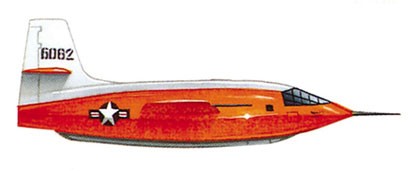
In 1941 a German rocket-powered aircraft flew at over 1000 km/h (620 mph). The speed of sound, 1299 km/h (807 mph), or Mach 1, was within sight. On 14th October 1947 US pilot Chuck Yeager (1923–2020) took a tiny rocket-powered plane, the XS-1, past the sound barrier. Nicknamed "Glamorous Glennis" after Yeager’s wife, the Bell XS-1 was launched in the air from under the wing of a bomber.
Mikoyan-Gurevich MiG-15 (1948)
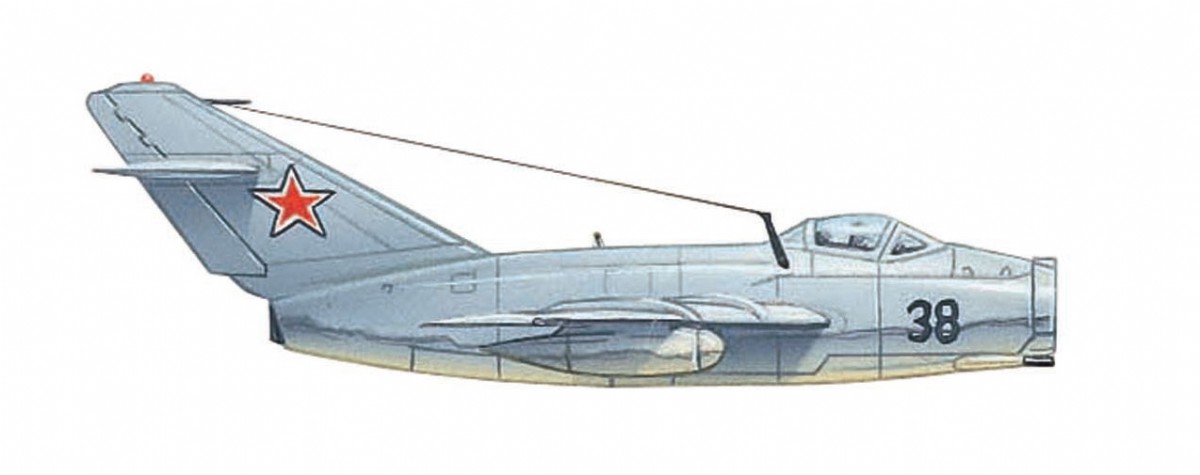
New fighter aircraft make use of the best available technology. Like all fighters built after World War II, the Soviet MiG-15 had turbojet engines and specially designed swept-back wings (angled towards the rear) to improve its speed. The first really successful jet aircraft, it took part in the world’s first all-jet combat, against US fighters during the Korean War in 1950.
De Havilland D.H.106 Comet (1949)
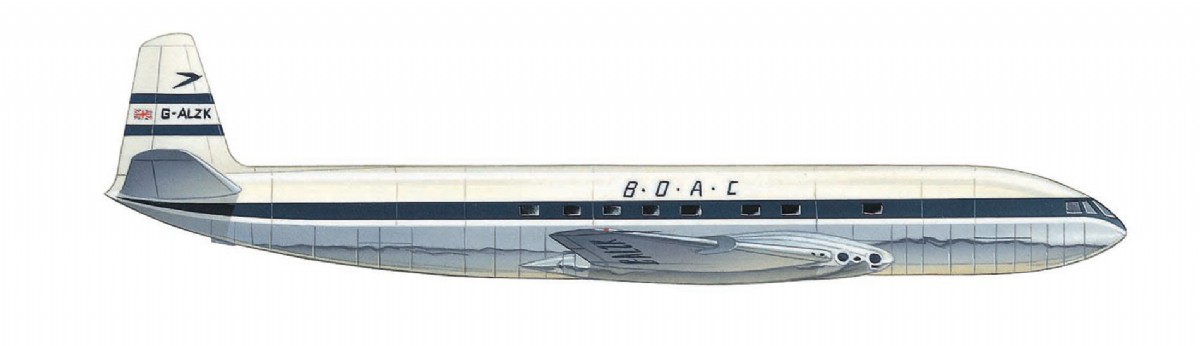
With the invention of jet engines and the explosion of airline travel after World War II, it was not long before the two came together in the first jet airliner, the Comet. Fitted with four engines embedded in its thickened wing roots, it flew smoothly and nearly silently twice as high as other airliners (12,000 metres or 40,000 feet) in half the scheduled time. This British aircraft suffered structural problems but passenger air travel was never to be the same again.
Tupolev Tu-95 (1952)

Since World War II, bombers were built to fly farther and farther. One, the American B-52, made the first non-stop flight around the world. The Soviets once competed with the Americans to build weapons that were just as effective as theirs. The Tu-95 long-range bomber aircraft was like a Soviet B-52. Fast (the fastest-ever propeller-driven aircraft), high-flying and as long as the width of a football pitch, the "Bear" was also used to fly over the world’s oceans and send back information on the enemy’s naval positions. The pipe in its nose was used to take in fuel in mid-air from tanker aircraft.
Lockheed C-130 (1954)
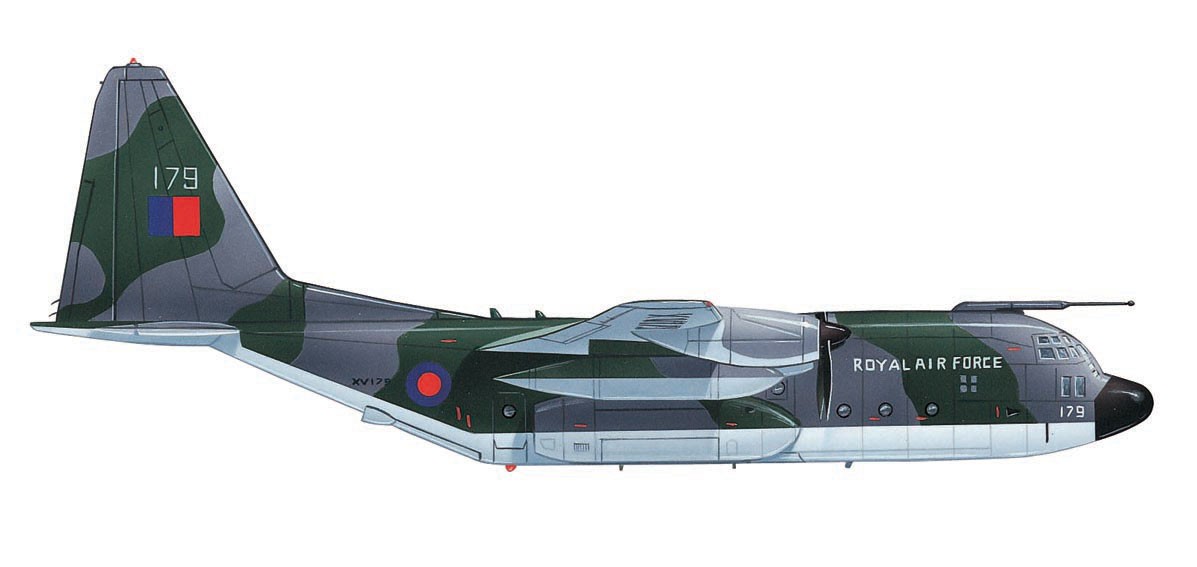
Not all military aircraft are designed as fighters or bombers. Some are needed to carry troops and equipment from one place to another – an essential role in modern warfare. Until the 1950s, airliners (like the DC-3) or bombers (like the B-24) were also used as transport planes. The C-130, known as the Hercules or "Herky-Bird", was specially built as a transport plane. Loaded with army trucks and seating 92 troops, its four turboprop engines powered it through the air at the speed of a Spitfire.
Dassault Breguet Mirage III (1956)
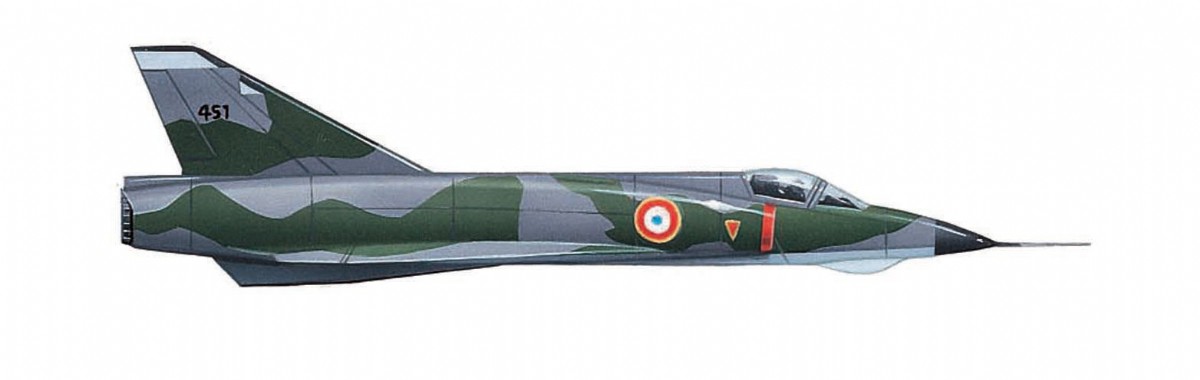
Aviation technology leapt forward in the 1950s as manufacturers looked for ways to increase speed. The Mirage III was built with a delta wing design, and its turbojet engine fitted with an afterburner. Thus equipped, this French fighter plane could climb to 15,000 metres (50,000 feet) in under seven minutes and travel at twice the speed of sound.
Boeing 707 (1957)

The arrival of the American airliners Boeing 707 and the Douglas DC-8 launched the era of the "big jets". Like the de Havilland Comet, the first 707s could fly non-stop across the Atlantic at twice the speed of earlier airliners. Later models were fitted with turbofan engines, further increasing power and reducing fuel consumption and noise. They could carry more than 200 passengers.
MIL Mi-6 (1957)

Fitting gas turbine engines to a helicopter allowed designers to produce bigger and faster machines. About the same length and weight as some airliners of its time, the Soviet Mi-6 was for many years the largest helicopter in the world. It can seat 70 people, and is fitted with small wings which gives it extra lift for cruising. Its many roles include troop carrier, firefighter and component carrier for the oil industry. One version of it has extended wheel struts, enabling it to carry trucks or even small houses beneath it like a giant bird of prey.
North American X-15 (1959)
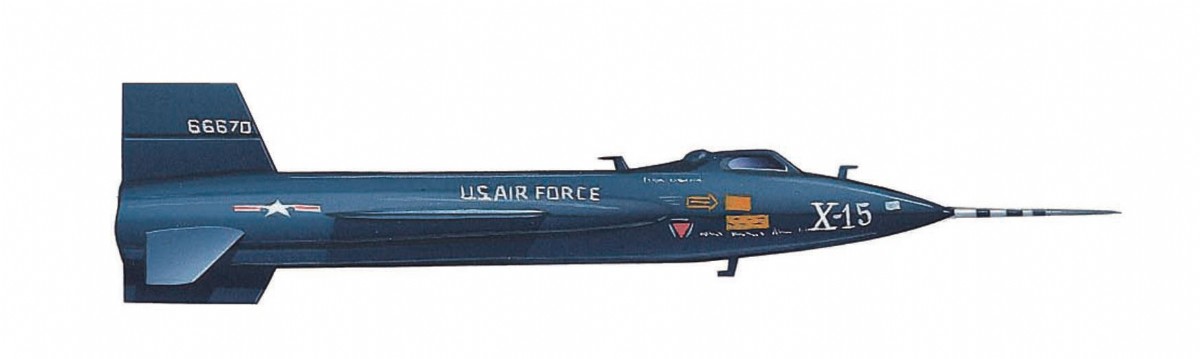
Like the XS-1, the X-15 was a rocket-powered aircraft, incapable of taking off by itself, and designed purely for speed. It did not disappoint: it is still today the world record-holder both for speed (7274 km/h or 4518 mph—nearly seven times the speed of sound— in 1967) and altitude (107,960 metres or 354,109 feet—more than twelve times the height of Mount Everest—in 1963).
BAC/Aerospatiale Concorde (1969)

High-speed technology linked up with long-distance passenger air travel to make Concorde. It was not the first supersonic airliner to fly (the Soviet Tupolev-144, a very similar-looking aircraft, first took off in 1968). It incorporated a delta wing design (with no tailplane) and distinctive "droop snoot", a needle-shaped nose which pivoted downwards on landing to enable the pilots to see the runway. Flying at more than 18,000 metres (60,000 feet), and at twice the speed of sound, Concorde travelled from New York to London in less than 3 hours, half the time taken by other airliners.
Boeing 747 (1970)
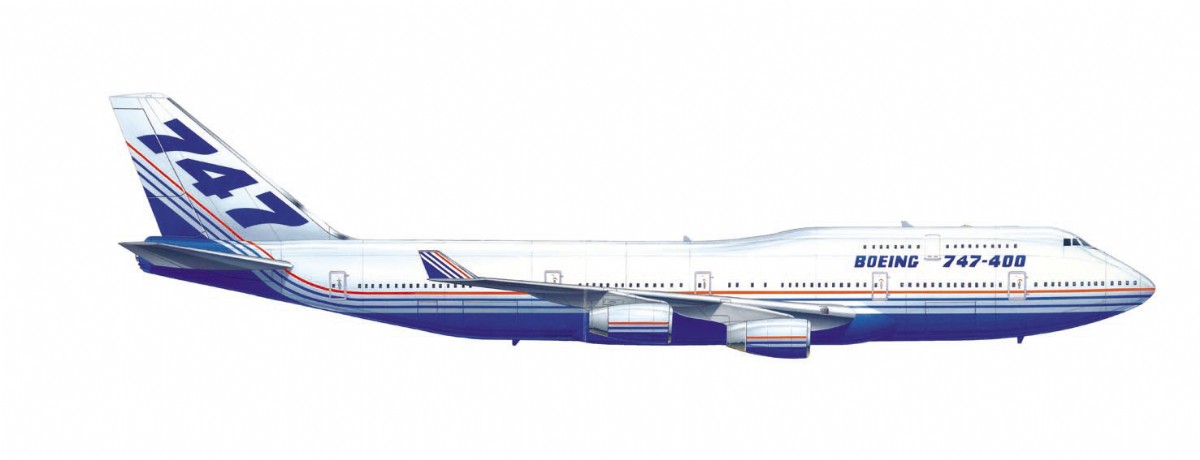
In the 1960s and 70s, more and more people wanted to fly long-distance, so manufacturers started to build larger aeroplanes. The 747 Jumbo Jet, once the world’s largest airliner, was the first of the "wide-bodies". It can fly a third of the way around the world without refuelling. The Jumbo’s cavernous seating area—including an upper deck—can, in some versions, seat up to 568 people.
Rutan Voyager (1986)
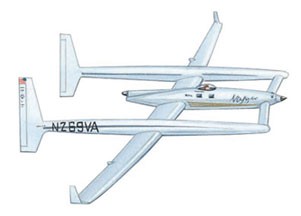
One of the greatest achievements in aviation history was made in December 1986. Squashed into Voyager’s tiny cockpit only a little larger than a phone box, Dick Rutan and Jeana Yeager became the first to make a flight around the world without refuelling. It took nine days to complete the flight, starting and finishing at Edwards Base, California.
Northrop B-2 (1989)

The aim of today’s military aircraft designers is to find ways of outwitting the sophisticated defences that a potential enemy might put up against their aircraft. Radar, used since World War II, can detect oncoming aircraft and alert missile positions. Stealth bombers, made in the US, are very curious-looking aeroplanes. The B-2 is a "flying wing" (wing and fuselage combined), with a smooth bulge for a cockpit. Thanks to this design, it is almost invisible on radar screens.
Eurofighter Typhoon (2003)
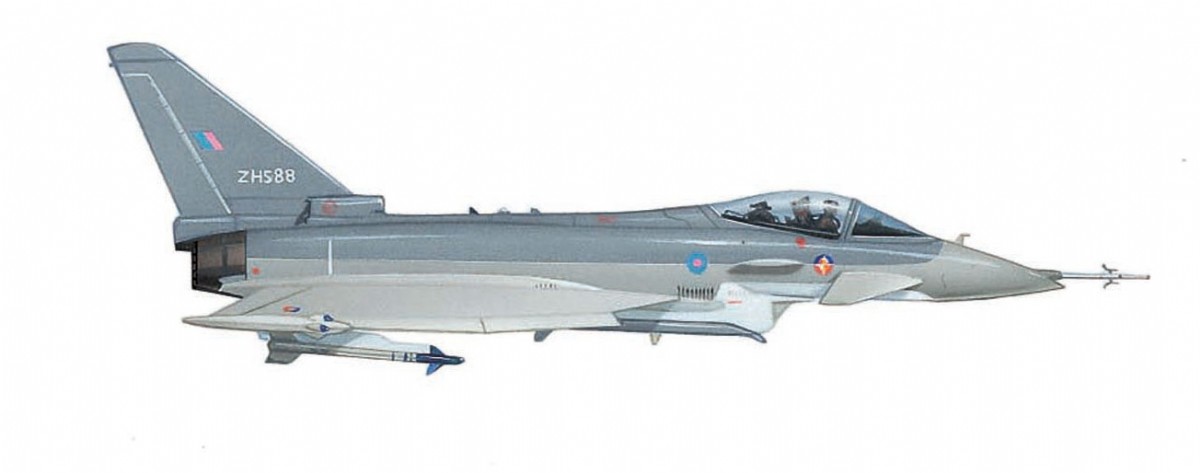
To produce a modern fighter, with all the technology needed to keep ahead of the field, is a very expensive undertaking. Four European countries, Germany, Italy, Spain and UK, worked together on the Typhoon, introduced in 2003. Its design recalled one aspect of the Wright Brothers’ Flyer 1: its "tailplane" was positioned ahead of its main wings, a layout intended to give good manoeuvrability at high speeds.
Airbus A380 (2007)
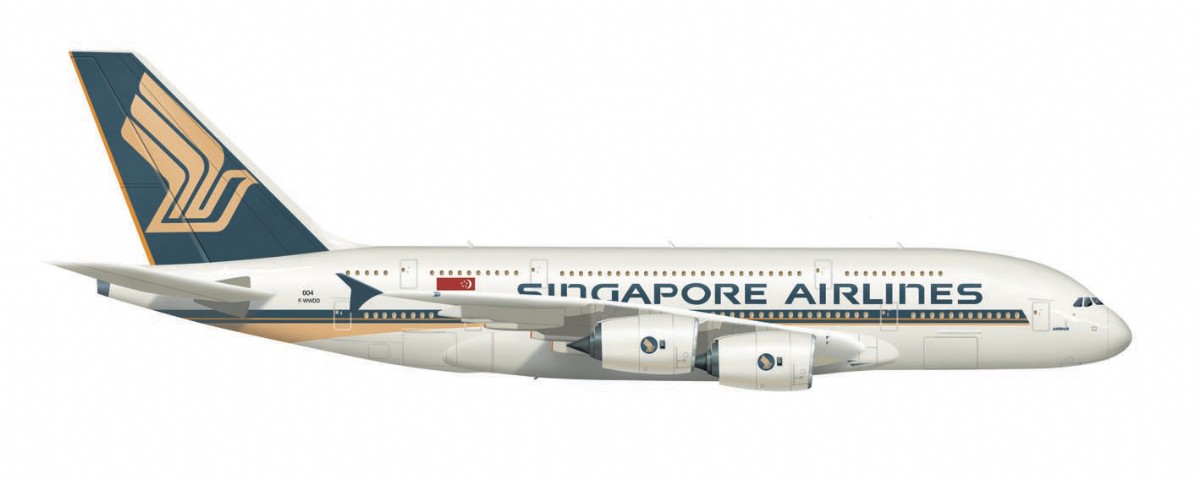
The A380 "Superjumbo" is the world’s largest airliner. This double-decker can fly from Chicago to Sydney non-stop. The Airbus A380 is 73 metres (239 feet) long, with a wingspan of 79 metres (259 feet). It has twin decks of seats and can carry 525 passengers on normal flights (or up to 853 if all the seats are economy class). Despite its size, the aircraft is more fuel-efficient than a car. Production of the aircraft ceased in 2021.
Consultant: Chris Oxlade
pics

Without in any way limiting Q-files Ltd’s exclusive rights under copyright, any use of this publication to “train” generative artificial intelligence (AI) technologies to generate text is expressly prohibited. Q-files Ltd reserves all rights to license use of this work for generative AI training and development of machine learning language models.