
Aircraft

CITE
We have made every effort to follow citation style rules, but there may be some minor differences. If in doubt, please refer to the appropriate citation style manual.
Helicopters. (2026). In Q-files Encyclopedia, Technology, Aircraft. Retrieved from
https://www.q-files.com/technology/aircraft/helicopters
"Helicopters." Technology, Aircraft, Q-files Encyclopedia, 13 Mar. 2026.
https://www.q-files.com/technology/aircraft/helicopters.
Accessed 21 Sep. 2026.
Helicopters 2026. Technology, Aircraft. Retrieved 21 September 2026, from
https://www.q-files.com/technology/aircraft/helicopters
Technology, Aircraft, s.v. "Helicopters," accessed September 21, 2026.
https://www.q-files.com/technology/aircraft/helicopters


Helicopters
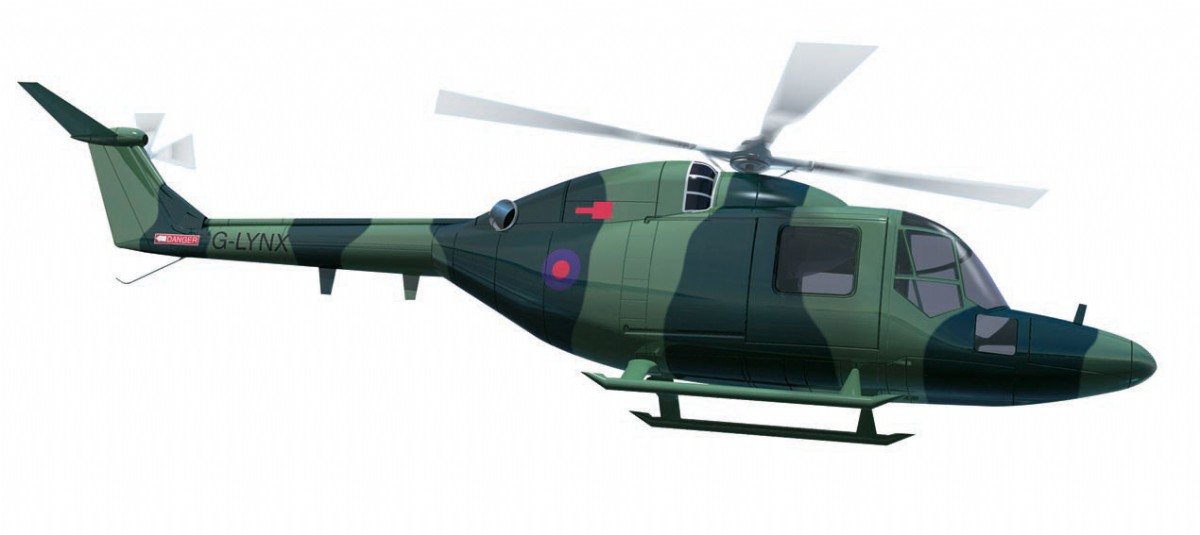
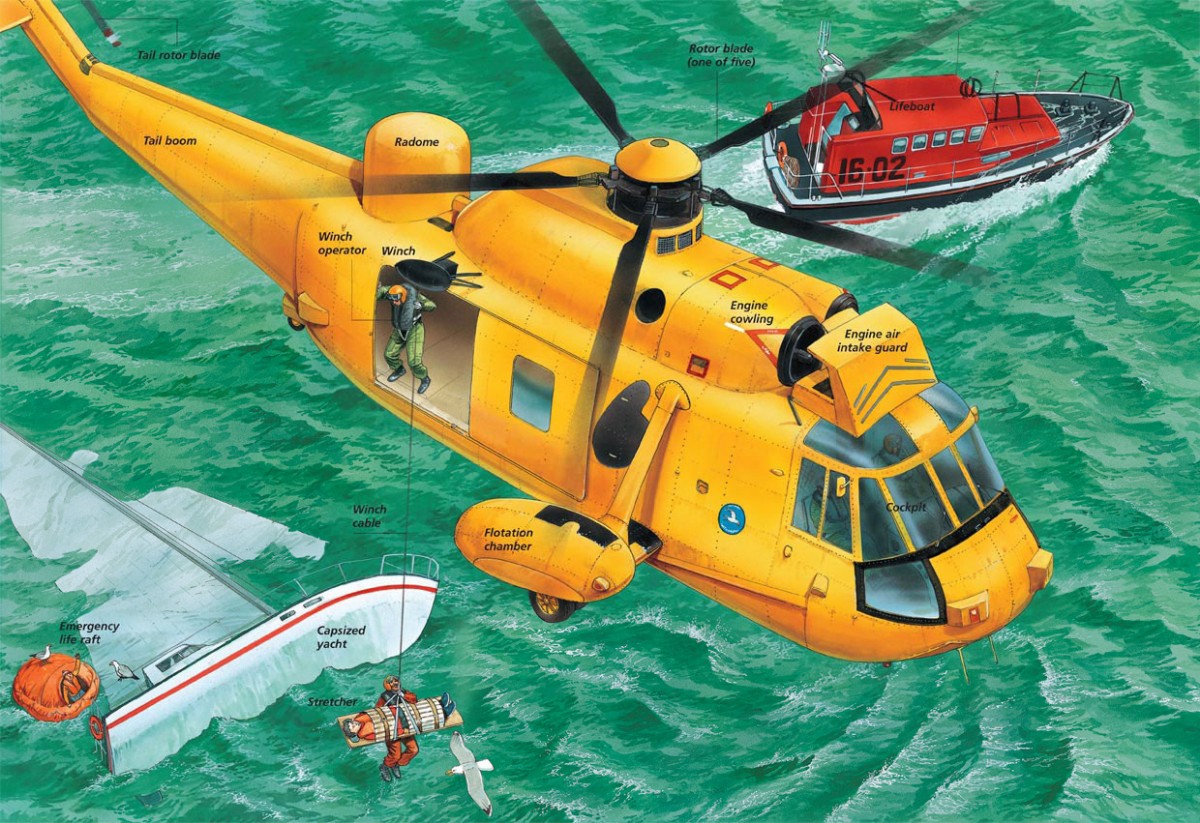
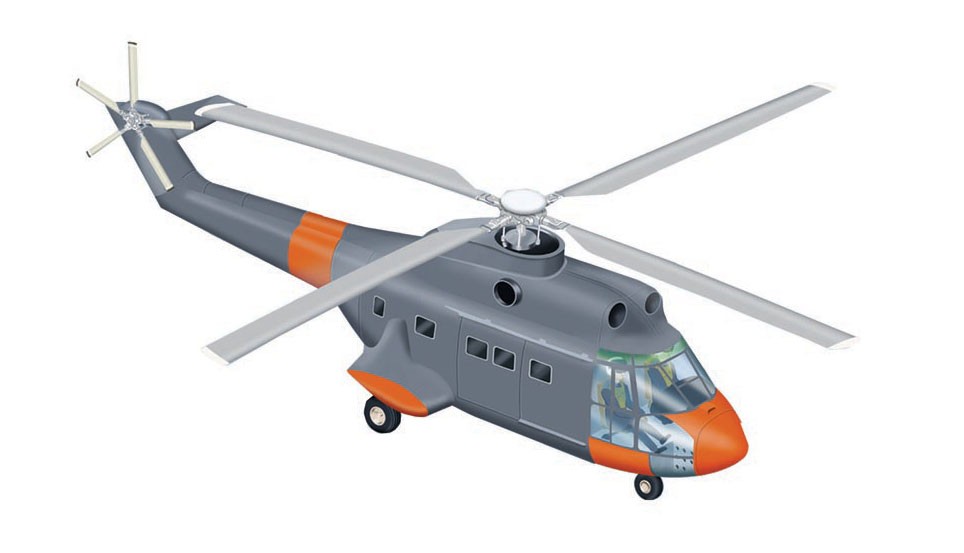
A helicopter flies with a rotary wing (which spins round) instead of a fixed wing. The rotor blades are shaped like long, thin wings. They rotate very quickly. The main rotor provides lift and propels the aircraft through the air. The tail rotor stops the helicopter’s fuselage from spinning in the opposite direction to the main rotor. A helicopter can fly forwards, backwards and sideways, hover, and take-off or land vertically.

Uses
Because its ability to take-off or land vertically, a helicopter does not need the runway that aeroplanes must have for take-off or landing. Helicopters therefore have a wide range of uses. These include: flying passengers to and from city centre buildings, oil rigs or ships; providing a rescue service in floods, earthquakes, on mountains or at sea; assisting firefighting, police pursuit or traffic control; serving as troop carriers in war.
How helicopters work
The rotor blades on a helicopter provide both lift and propulsion. The main rotor is the assembly of rotor blades on top of the helicopter. Each blade has the curved shape of an aeroplane’s wing. As the blades spin round, they push down the air beneath them, and so lift the aircraft upwards.


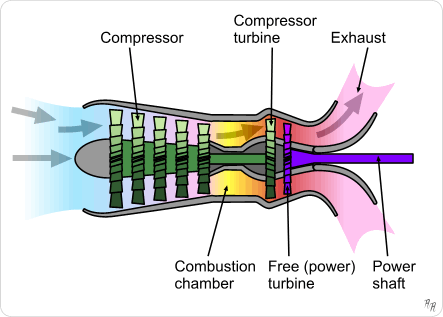
Most helicopters are powered by a turboshaft engine—a jet engine that turns a shaft, causing the rotor blades to spin round very quickly. By tilting the main rotor to the left or right, the pilot can change the helicopter’s course. Tilting it forwards or backwards causes it to fly straight ahead or in reverse. The tail rotor provides a force that pushes sideways on the tail, preventing the helicopter from spinning round in the air.
Flight controls
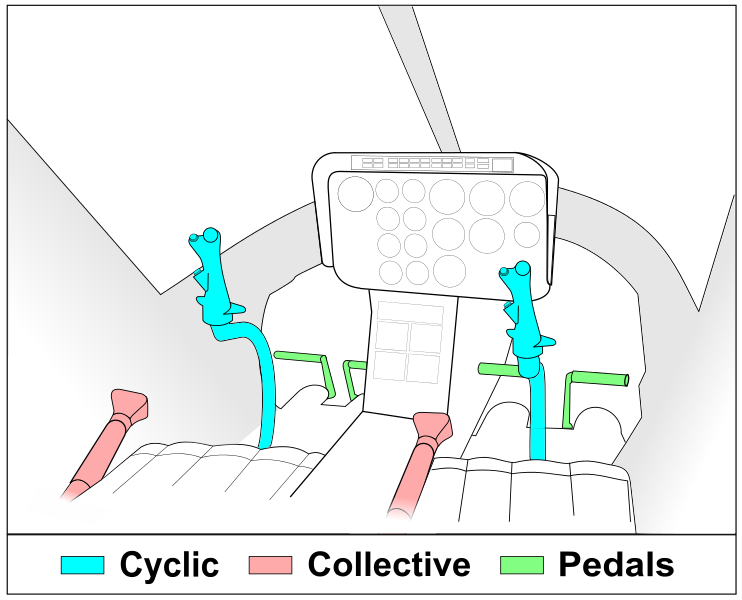
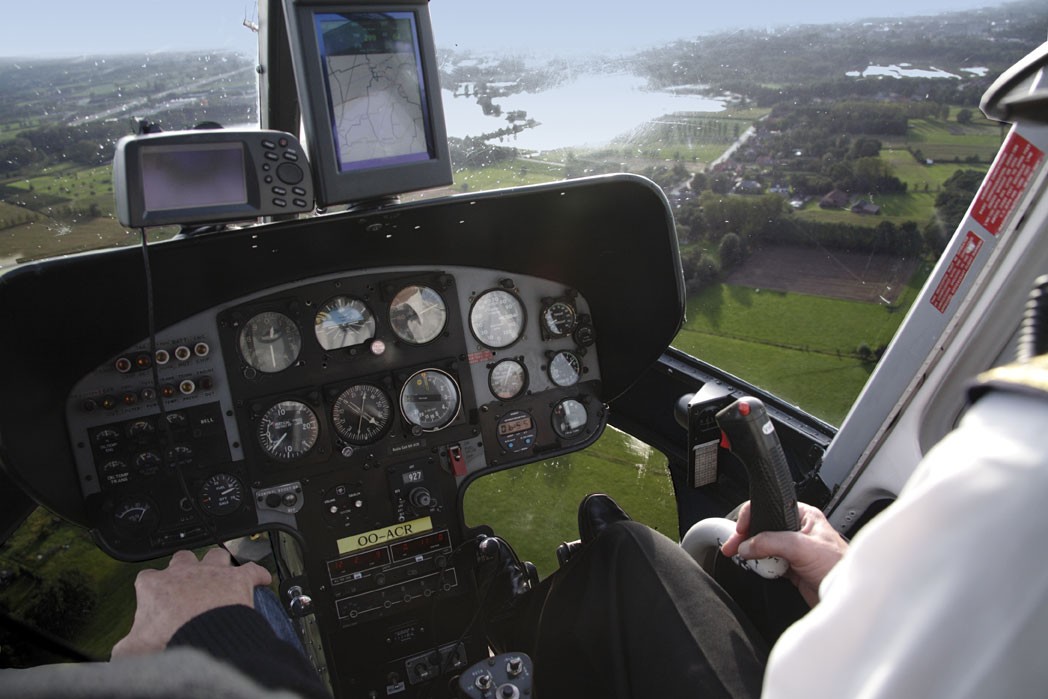
Moving the cyclic pitch lever tilts the rotor blades, altering the direction of flight. By operating the collective pitch lever controls, the pilot makes the helicopter go up or down. The pedals control the movement of its nose to the left or right.
Consultant: Chris Oxlade
pics


Without in any way limiting Q-files Ltd’s exclusive rights under copyright, any use of this publication to “train” generative artificial intelligence (AI) technologies to generate text is expressly prohibited. Q-files Ltd reserves all rights to license use of this work for generative AI training and development of machine learning language models.