
Ships and boats

CITE
We have made every effort to follow citation style rules, but there may be some minor differences. If in doubt, please refer to the appropriate citation style manual.
Submarines. (2026). In Q-files Encyclopedia, Technology, Ships and boats. Retrieved from
https://www.q-files.com/technology/ships-and-boats/submarines
"Submarines." Technology, Ships and boats, Q-files Encyclopedia, 13 Mar. 2026.
https://www.q-files.com/technology/ships-and-boats/submarines.
Accessed 21 Sep. 2026.
Submarines 2026. Technology, Ships and boats. Retrieved 21 September 2026, from
https://www.q-files.com/technology/ships-and-boats/submarines
Technology, Ships and boats, s.v. "Submarines," accessed September 21, 2026.
https://www.q-files.com/technology/ships-and-boats/submarines


Submarines
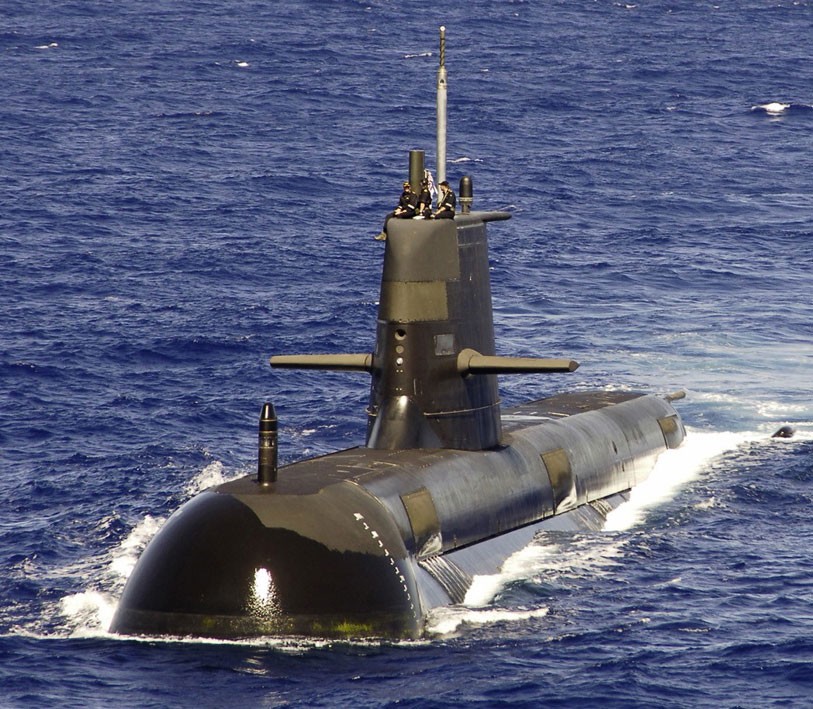
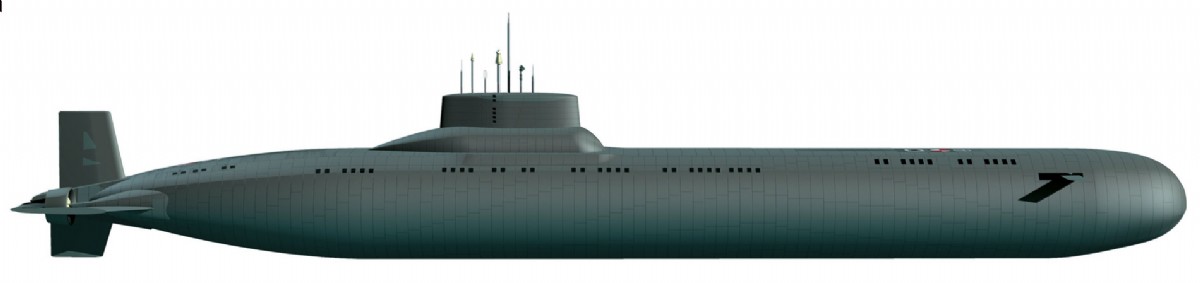
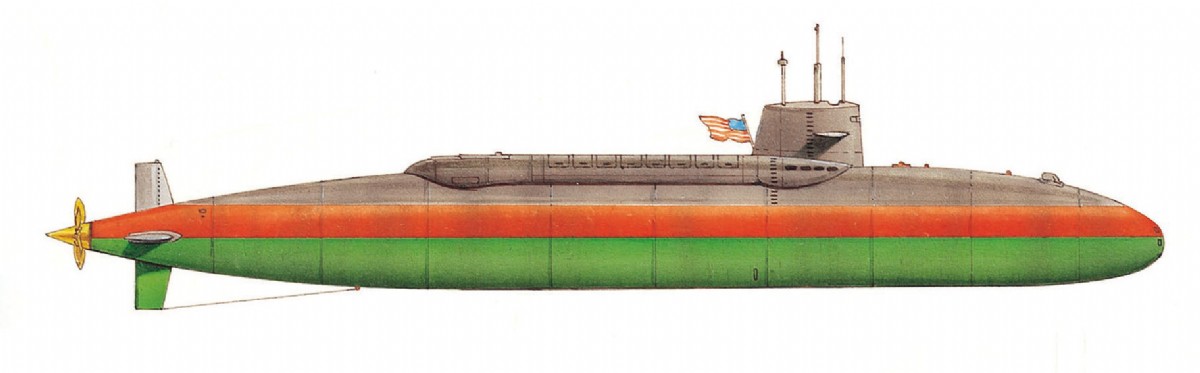
A submarine is a vessel that can travel submerged under the water as well as on the surface. A submarine has extremely strong hull to resist the pressure deep under water. Most large submarines consist of a cylindrical body with a tower, called a fin, sail or conning tower, where communications, sensing devices and periscopes are located, on top. There is a propeller at the rear end, along with rudders, fins and planes which can be adjusted to control and steer the submarine through the water. Ballast tanks between inner and outer hull are used for diving and surfacing.
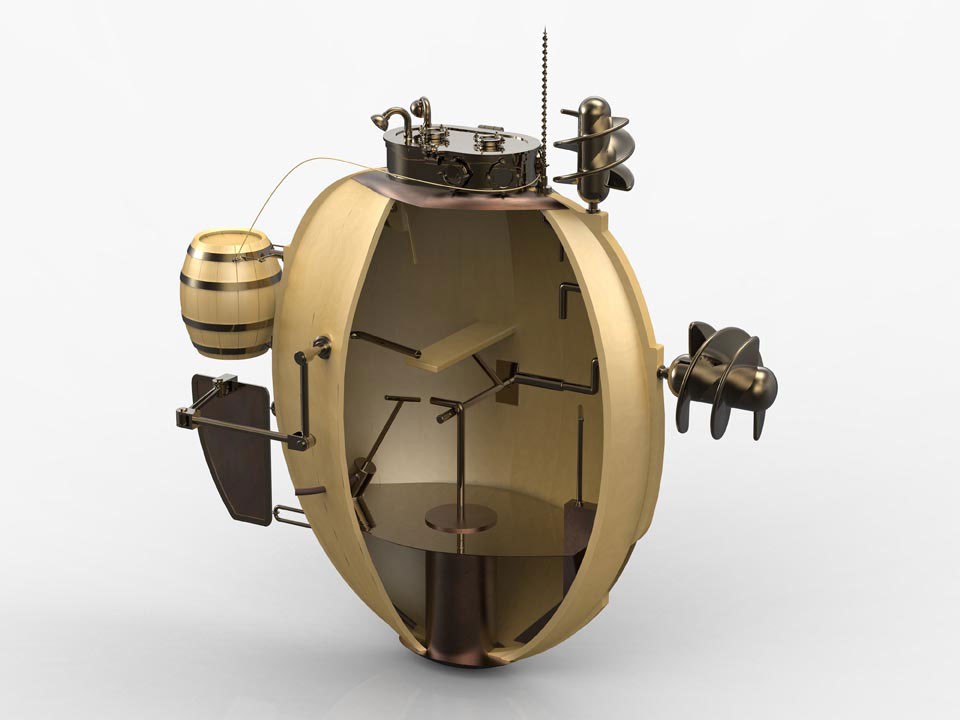
The Turtle
The Turtle was built in Connecticut, USA in 1775, during the American War of Independence. Its inventor, David Bushnell, intended it to attach explosive devices to British ships at harbour, although it never achieved its objective. It was the first submarine capable of travelling underwater and the first to use a screw propeller. It dived by letting in water into a tank at the bottom, and surfaced by pushing water out through a hand pump. Hand-cranked propellers drove it through the water. The Turtle contained enough air for one person for about 30 minutes.
History of submarines
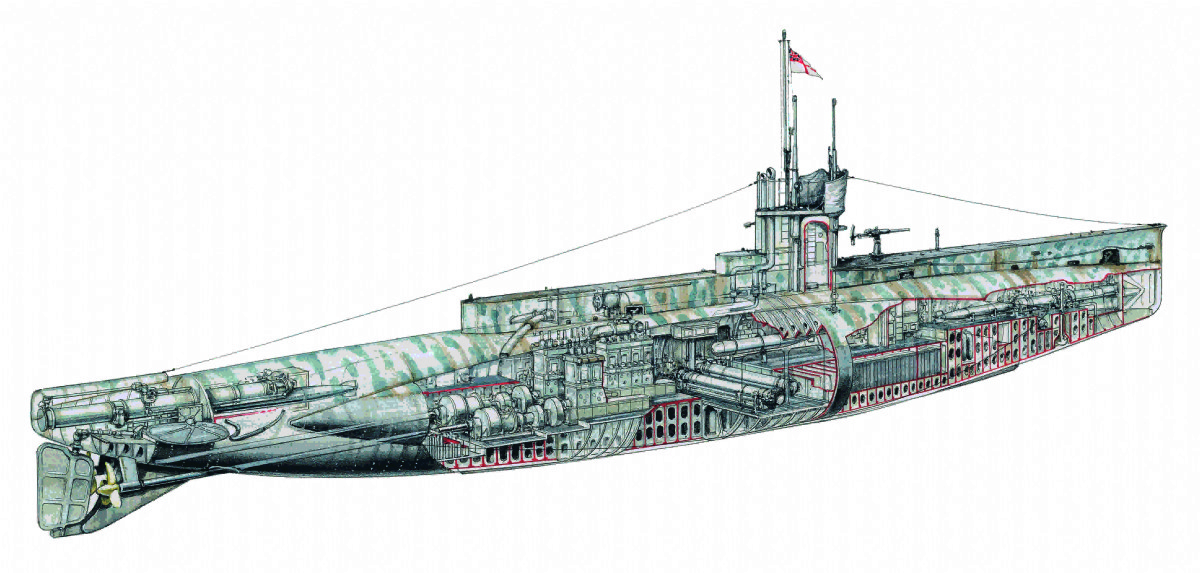
Submarines were not used by navies until the early 1900s when two important technologies—diesel-electric engines and periscopes—were introduced. Submarines became deadly weapons during World War I. They could attack either on the surface, using deck guns, or submerged, using torpedoes against surface ships or other submarines. German U-boats were particularly effective in sinking Allied transatlantic shipping in both World Wars.
Nuclear power started to replace diesel-electric propulsion In the 1950s. Systems to extract oxygen from sea water were also developed. These improvements gave submarines the ability to remain submerged for weeks, or even months.
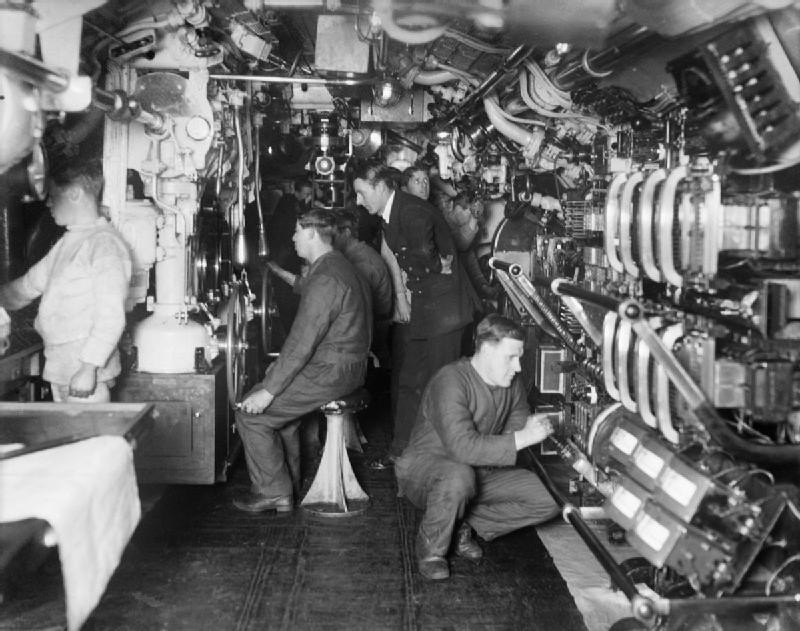
Nuclear submarines

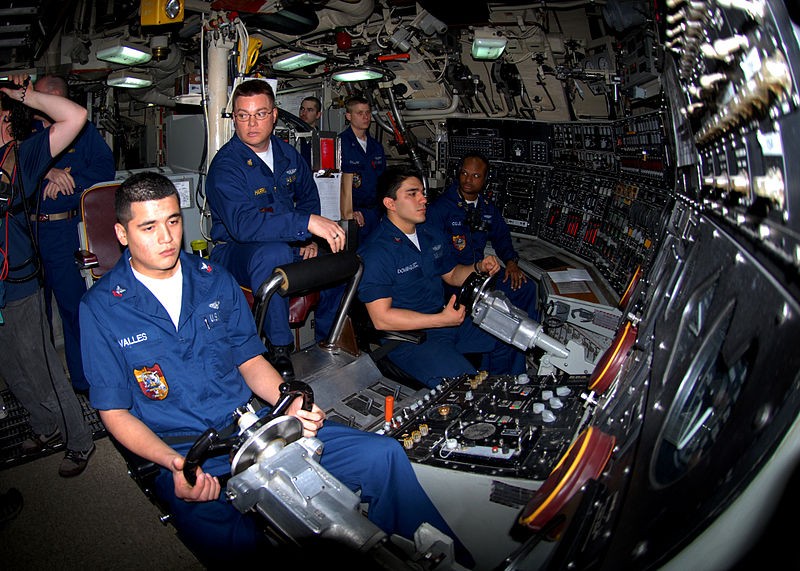
Most modern submarines are for military use and are nuclear-powered, although some types have diesel-electric motors instead. The nuclear reactor may need refuelling only every 12–15 years. Water heated by the nuclear reactor drives a turbine, which turns the submarine's propellers.
Nuclear submarines can stay submerged for months at a time. Their propellers are specially designed to work quietly to avoid detection. They are capable of attacking enemy ships with torpedoes, or launching missiles into the atmosphere, aimed at targets thousands of kilometres away.
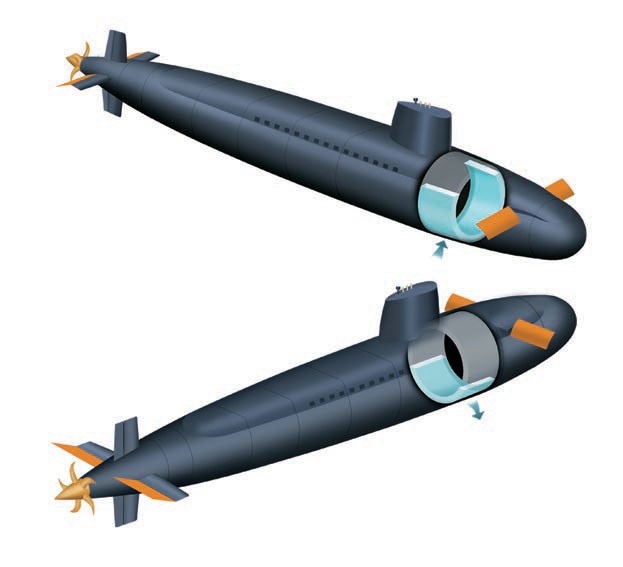
Diving and surfacing
A submarine's ballast tanks are located between its outer and inner hulls. To dive (upper diagram), they let air out and water in, to make the submarine heavier. To surface (lower diagram), the tanks are “blown” with compressed air to empty them and make the submarine lighter, so it surfaces again.
Submersibles
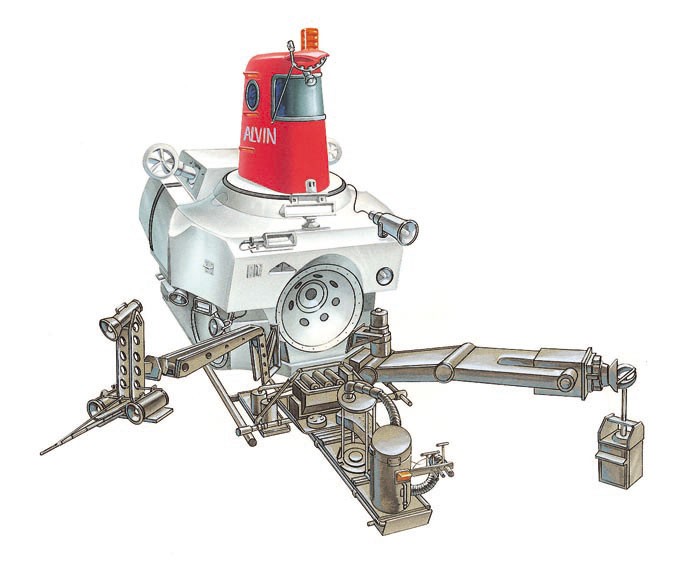
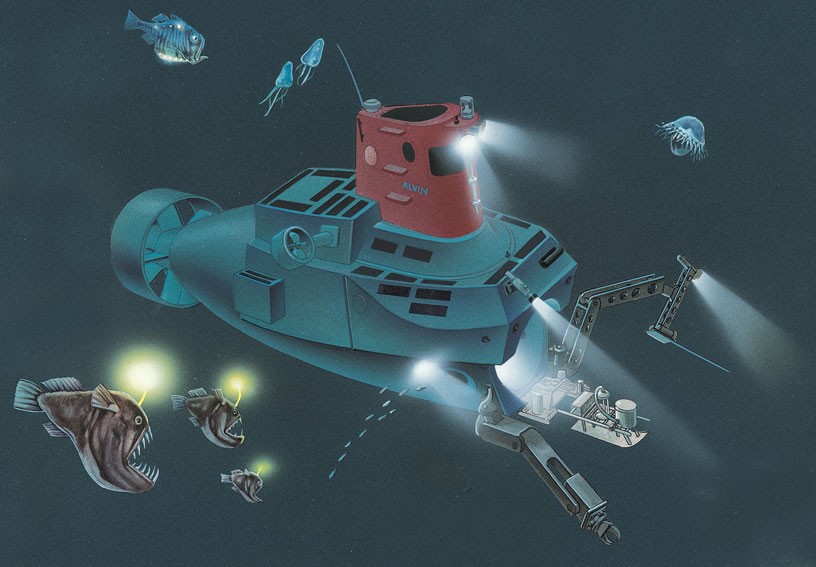
Submersibles with thick metal walls strong enough to withstand enormous pressure allow people to travel to great depths in the ocean. Submersibles are mostly used for research in the ocean depths. Submersibles have strong searchlights, as the waters are pitch black below about 1000 metres (3000 feet). They are often equipped with a long mechanical arm, controlled by the crew, that can pick up objects. They have cameras for the scientists to take photographs or video footage.
Some of the most fascinating parts of the ocean, such as hydrothermal vents, were discovered by scientists in submersibles. Deep-sea creatures never seen before have also been photographed and identified. Robot submersibles also carry out underwater repairs on oil rigs.
Trieste
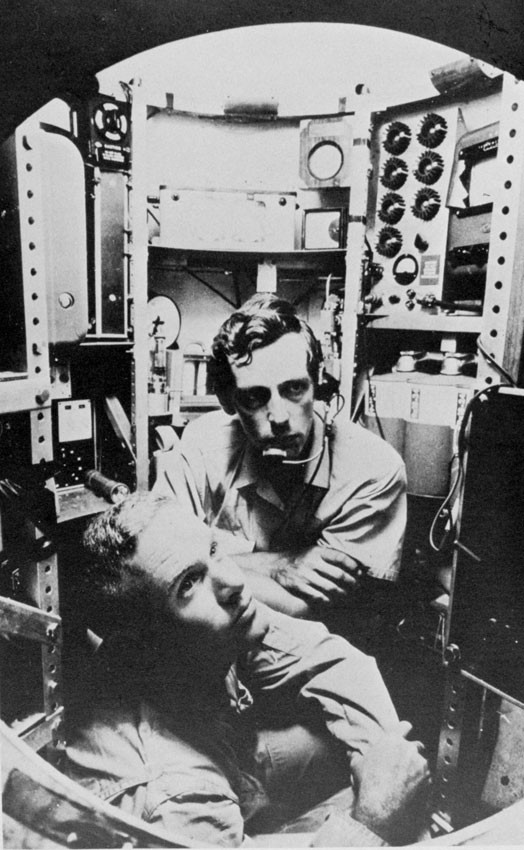
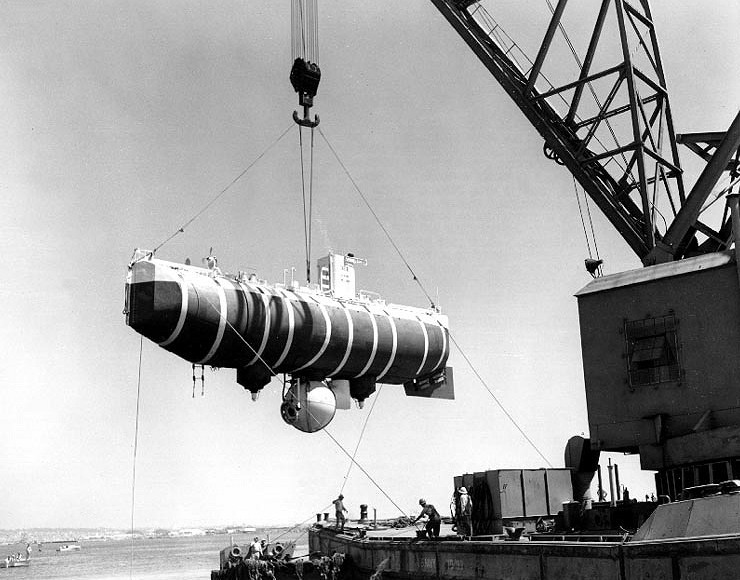
In 1960 two scientists, Jacques Piccard and Don Walsh, descended in a bathyscaphe (a kind of submersible) named Trieste, almost to the deepest point on Earth: Challenger Deep in the Mariana Trench in the Pacific Ocean. In a dive lasting nearly five hours, they reached a depth of 10,911 metres (35,788 feet). Piccard and Walsh made the journey in an observation capsule attached to the underside of Trieste. To withstand the enormous pressure, the capsule walls were almost 13 centimetres (about 5 inches) thick.

Deepsea Challenger
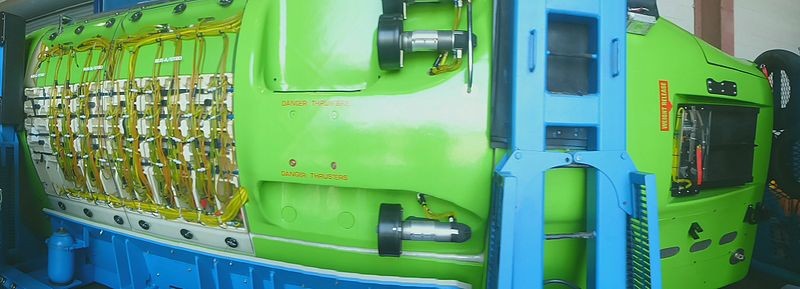
The US movie director James Cameron made the first solo dive to the bottom of Challenger Deep in March 2012. He travelled in his "vertical torpedo" submersible, Deepsea Challenger, which was fitted with a sediment sampler, robotic claw and a "slurp gun" for sucking up small sea creatures for study at the surface, along with a set of gauges for recording temperature, pressure and salinity (saltiness).
DSV Limiting Factor
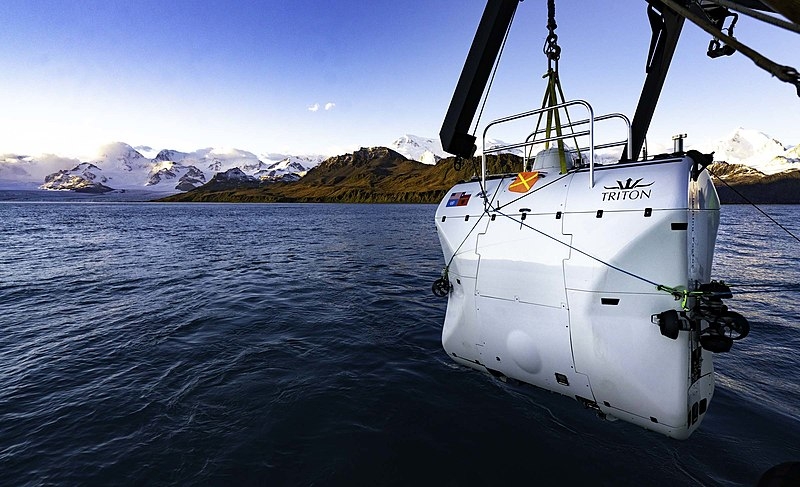
Another dive to the deepest point in the Mariana Trench took place in May 2019. The submersible DSV Limiting Factor, manned by American explorer Victor Vescovo, reached 10,927 metres (35,849 feet) beneath the ocean surface, a new record by 11 metres (36 feet). Vescovo spent four hours exploring the bottom of the trench. The vessel's hull, which is 4.6 metres (15 feet) long, has titanium walls 9 centimetres (3.5 inches) thick to withstand the immense pressure of the deep. He found sea creatures, including prawn-like crustaceans called amphipods—but also spotted a plastic bag, sweet wrappers and a beer bottle.
Vescovo and his team made five dives to the bottom of the trench during the expedition. Robotic landers were also used to explore the terrain and collect samples of rock from the sea floor. The dive forms part of the Five Deeps expedition, an attempt to explore the deepest points in each of the world's five oceans.
Consultant: Chris Oxlade
pics

Without in any way limiting Q-files Ltd’s exclusive rights under copyright, any use of this publication to “train” generative artificial intelligence (AI) technologies to generate text is expressly prohibited. Q-files Ltd reserves all rights to license use of this work for generative AI training and development of machine learning language models.