
States and territories of India

CITE
We have made every effort to follow citation style rules, but there may be some minor differences. If in doubt, please refer to the appropriate citation style manual.
Delhi. (2026). In Q-files Encyclopedia, Geography, States and territories of India. Retrieved from
https://www.q-files.com/geography/states-and-territories-of-india/delhi
"Delhi." Geography, States and territories of India, Q-files Encyclopedia, 31 Mar. 2026.
https://www.q-files.com/geography/states-and-territories-of-india/delhi.
Accessed 6 Aug. 2026.
Delhi 2026. Geography, States and territories of India. Retrieved 6 August 2026, from
https://www.q-files.com/geography/states-and-territories-of-india/delhi
Geography, States and territories of India, s.v. "Delhi," accessed August 6, 2026.
https://www.q-files.com/geography/states-and-territories-of-india/delhi


Delhi
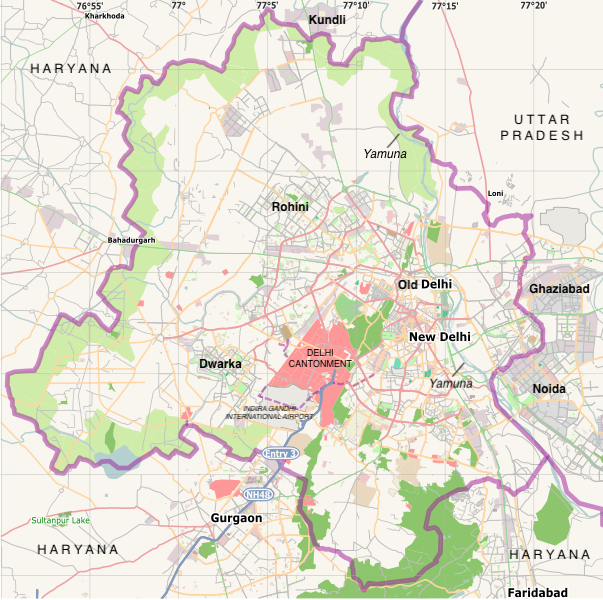
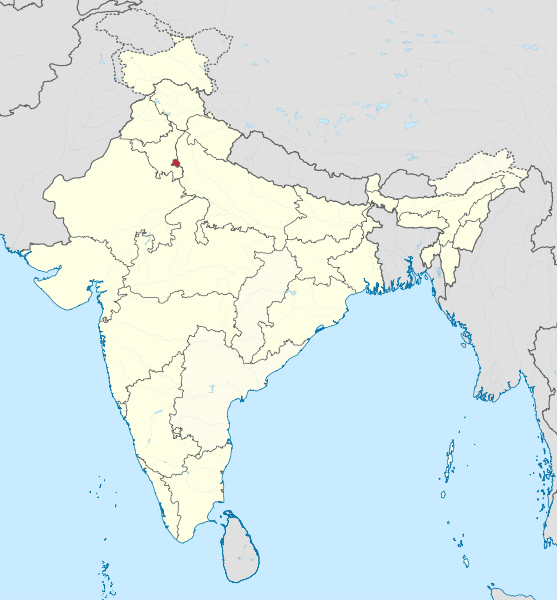
Located in northern India, Delhi, officially the National Capital Territory (NCT) of Delhi, is a city and a union territory of India. It contains New Delhi, the nation's capital. Delhi became a union territory on 1st November 1956 and the NCT in 1995. Delhi's metropolitan area (or urban agglomeration) includes satellite cities in neighbouring states: Faridabad and Gurgaon in Haryana, and Ghaziabad, Noida and Meerut in Uttar Pradesh. This has an estimated population of more than 30 million, making it the largest metropolitan area in India and the fourth largest in the world, after Jakarta, Dhaka and Tokyo.
Geography
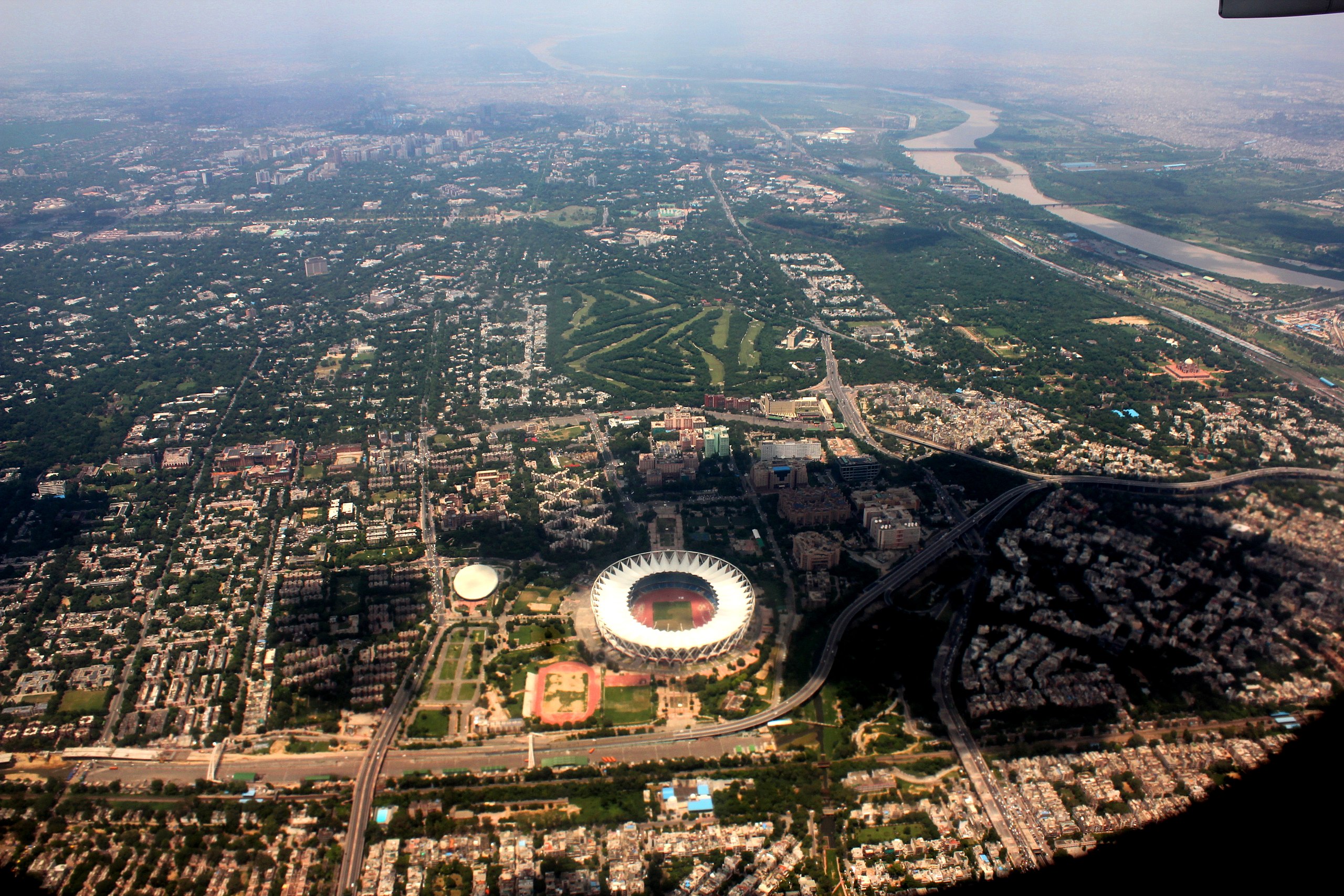
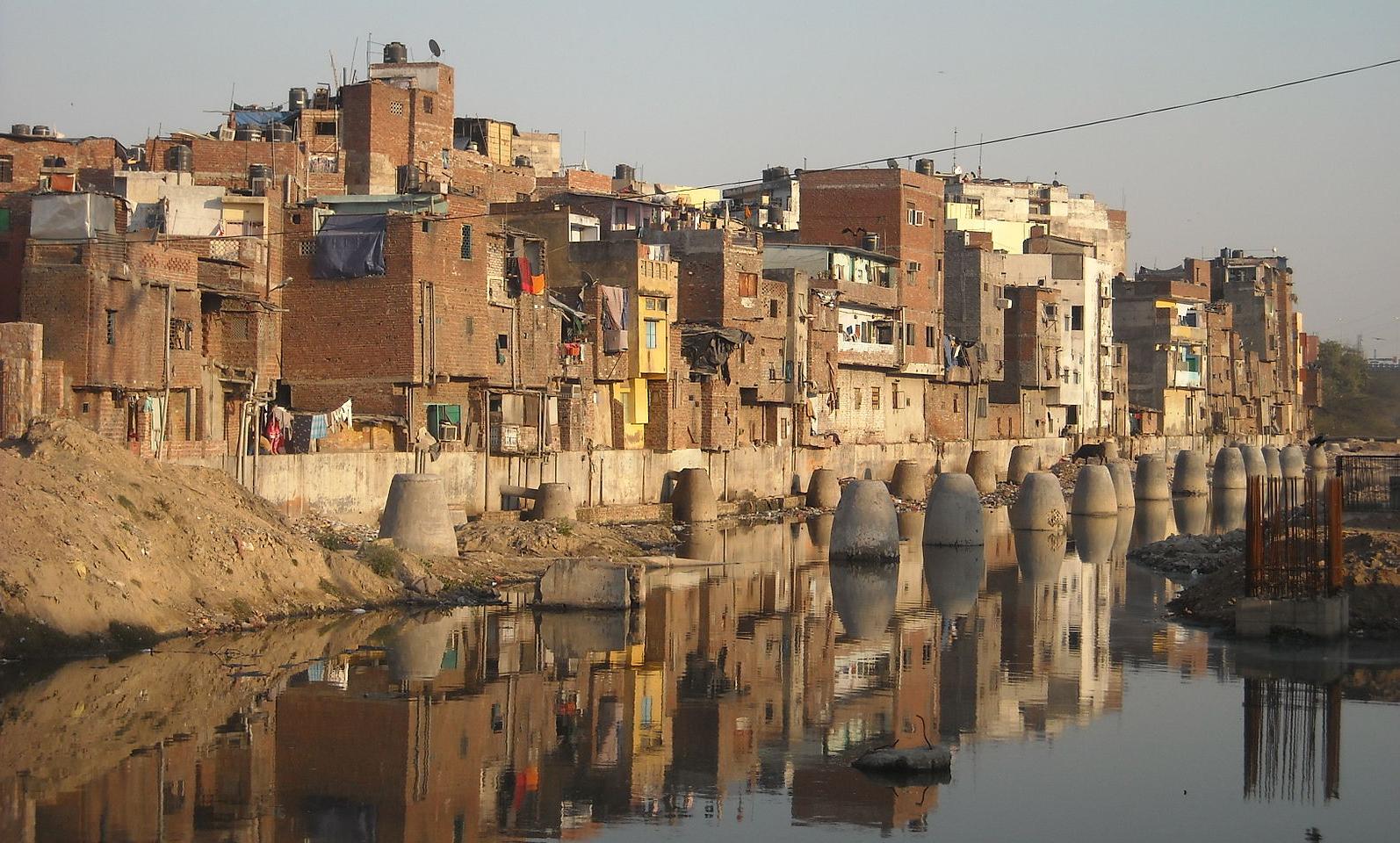
Delhi is bordered on its northern, western, and southern sides by Haryana and to the east by Uttar Pradesh. The Yamuna, a sacred river in Hinduism, flows through the city. The forested Delhi Ridge, an extension of the Aravalli Range, runs through the heart of the city, reaching a hight point of 318 metres (1043 feet). In addition to the wetlands formed by the Yamuna, Delhi has more than 500 ponds, which are a refuge for hundreds of bird species. A large portion of the city's sewage flows untreated into the Yamuna.
Climate
Delhi has a humid subtropical climate. The hot, dry summer season begins in March and lasts until late June. Temperatures range from lows of 27°C (81°F) to highs of 42°C (108°F), sometimes hotter still. The southwest monsoon rains arrive at the end of June and last until September. The mild, dry winter starts in late November and continues to February. Heavy fog, sometimes turning to smog, often occurs in winter. Winter temperatures range between lows of 7°C (44°F) and highs of 20°C (68°F). Delhi receives an average annual rainfall of 77 centimetres (30 inches), most of it during the monsoon season.

Pollution
Delhi is one of the most polluted cities in the world. The air quality index (AQI) is classified as Moderate between January and September, before it deteriorates to Very Poor, Severe or even Hazardous between October and December. In November 2024, the AQI rose to a record 1700 in some parts of the city (the maximum deemed healthy by the World Health Organization is 50).
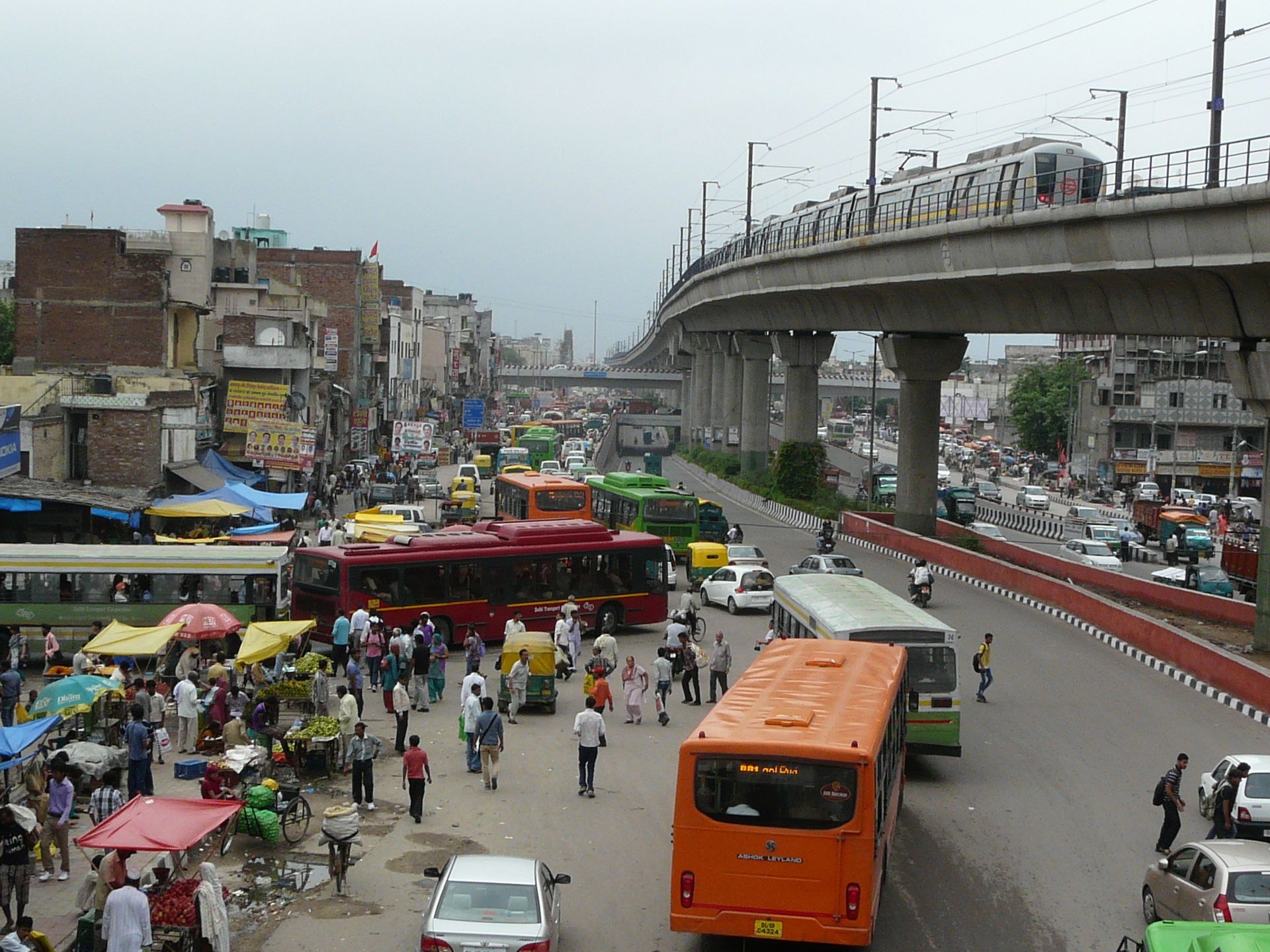
This is due to various factors including stubble burning after the harvest in the surrounding countryside (illegal, but still widely practised), setting off fire crackers during Diwali and high vehicle and industrial emissions, especially from the millions of cars, scooters and auto-rickshaws.
Rising air pollution levels have significantly increased lung-related illnesses, especially asthma and lung cancer, among Delhi's residents. The dense smog during winter results in major air and rail traffic disruptions every year.
Economy
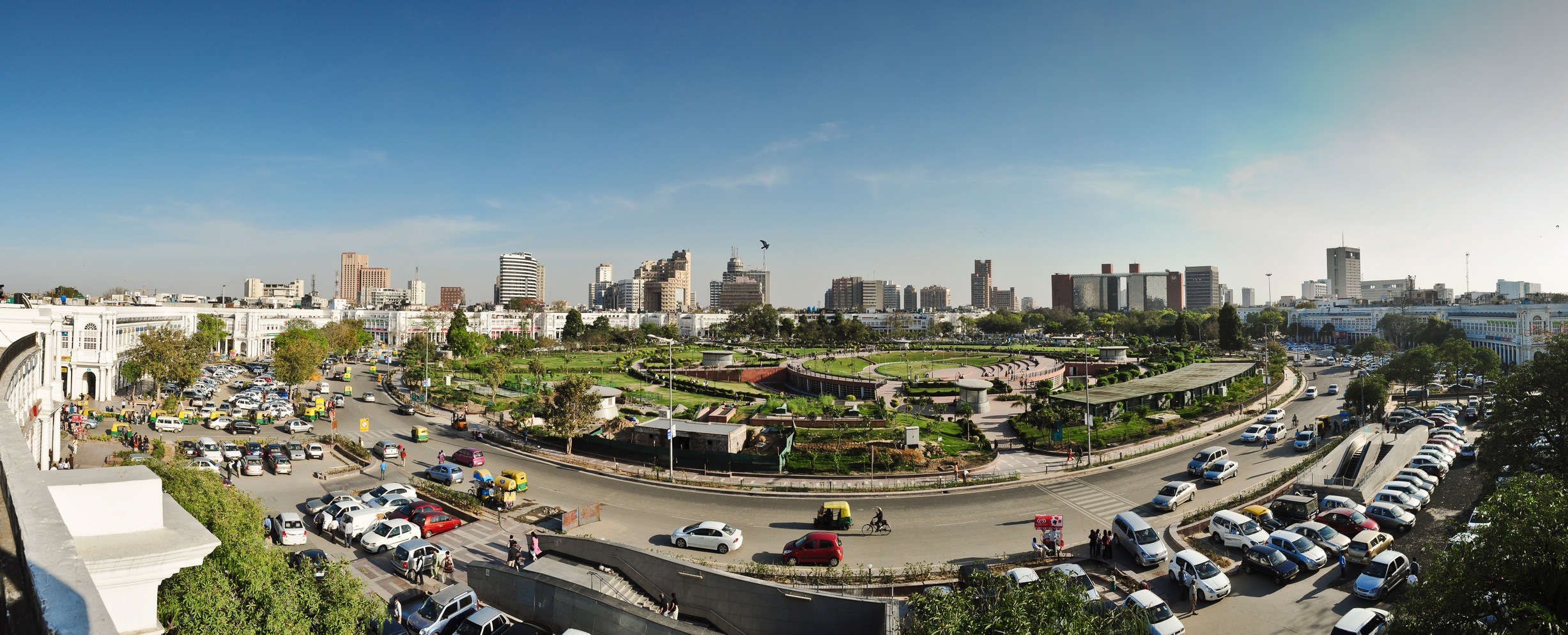
Delhi is the largest commercial centre in northern India. The services sector contributes more than 70% of Delhi's GDP. Key service industries are information technology, telecommunications, hotels, banking, media and tourism. Connaught Place, one of North India's largest commercial and financial centres, is located in northern New Delhi. Linking to it is Barakhamba Road, another major commercial district. Among Delhi's chief industries are electrical and electronic goods, home consumables, garments, leather goods, plant and machinery, pharmaceuticals and food processing.
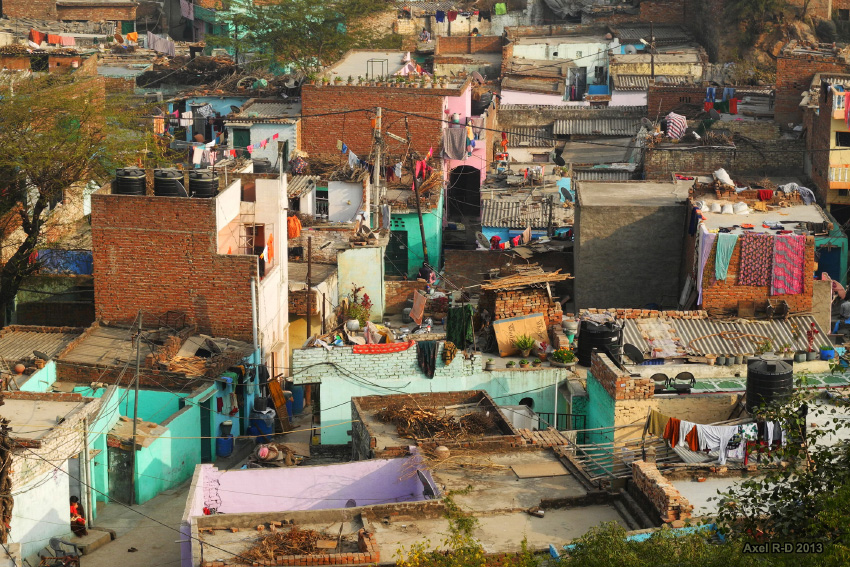
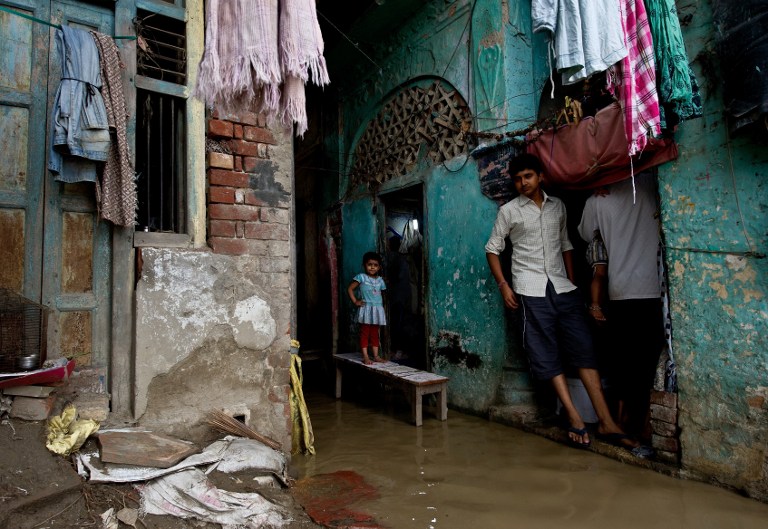
Roughly half of the population of Delhi lives in slums or shantytowns without any civic amenities—water supply, waste disposal, street lighting and so on. The number of homeless people in the city is estimated around 200,000, of whom at least 10,000 are women.
History
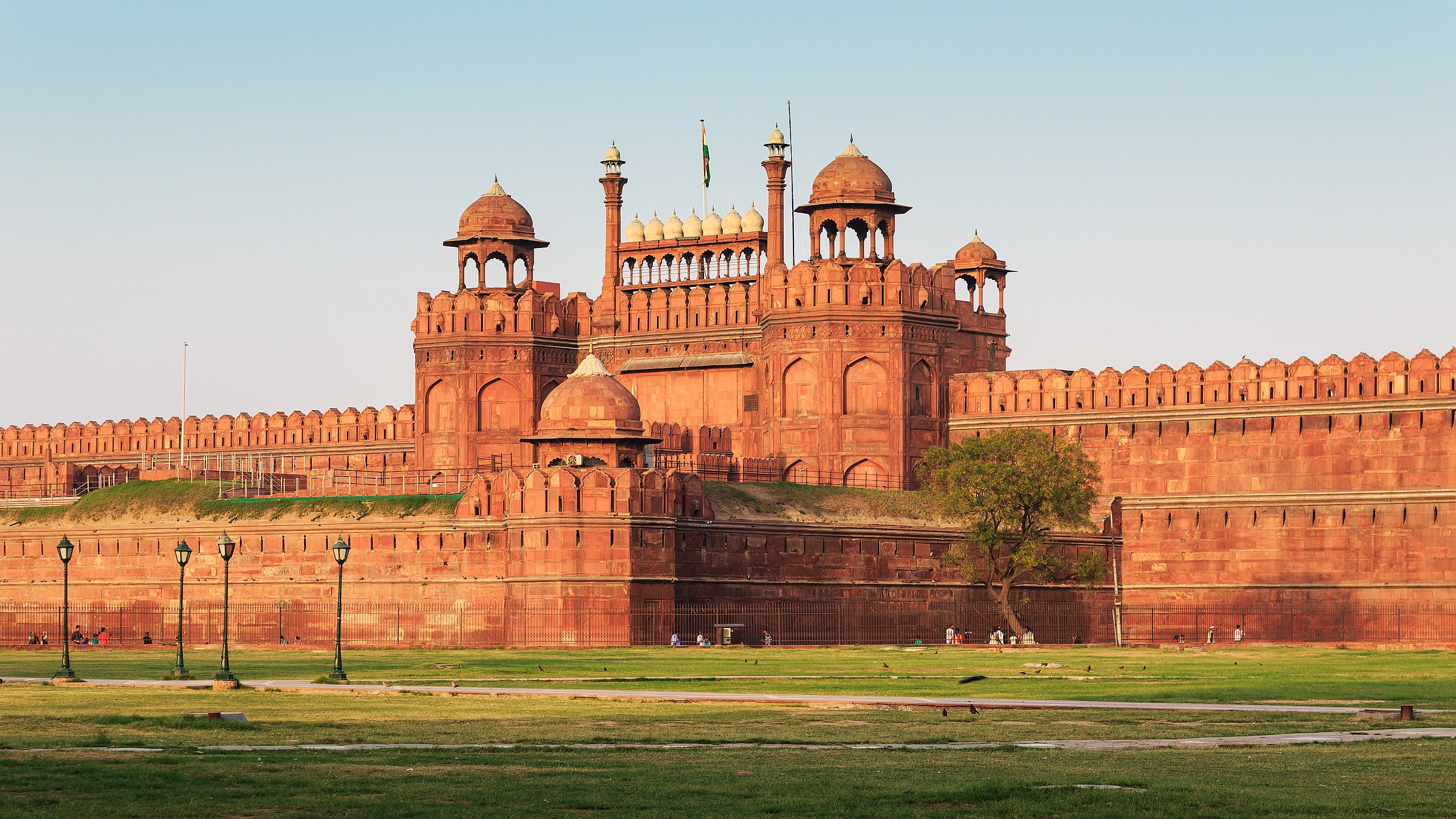
In 1206, Qutb ud-Din Aibak, a general of the Ghurid emperor, established the Delhi Sultanate. The Sultanate expanded, then declined, with the city suffering capture by the Mongol emperor Tamerlane in 1398. It recovered its dominance under the Afghan Lodi dynasty in 1451, before being conquered by Babur, founder of the Mughal dynasty, in 1526. The fifth Mughal emperor, Shah Jahan, built his capital in Delhi, the seventh city to stand on the site, in 1648, naming it after himself: Shahjahanabad. This is known today as the Old City or Old Delhi.
The Marathas won control of Delhi from the Mughals in the mid-18th century, but were defeated by the forces of British East India Company at the Battle of Delhi in 1803. The city came under the direct control of the British Government in 1858.
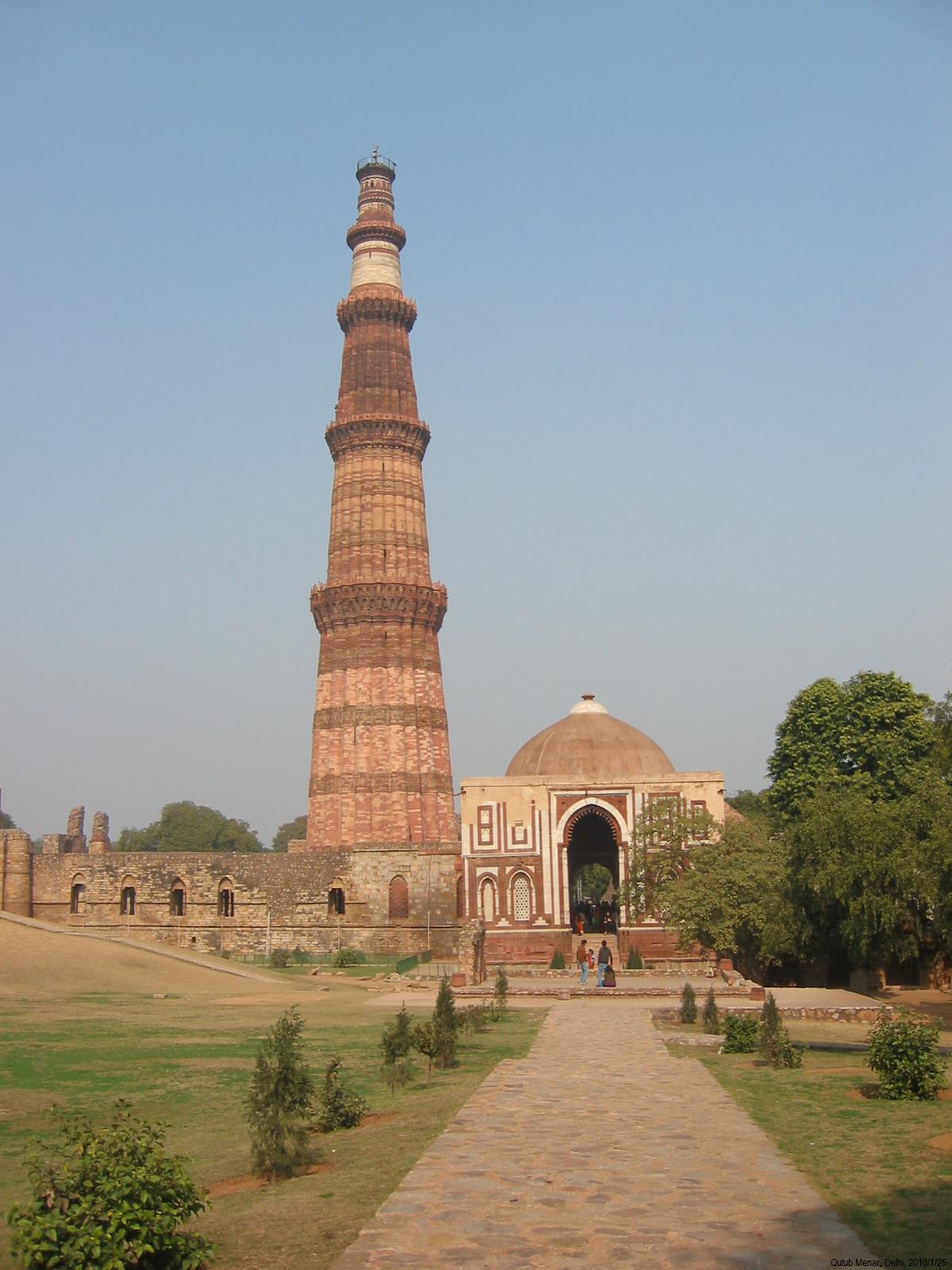
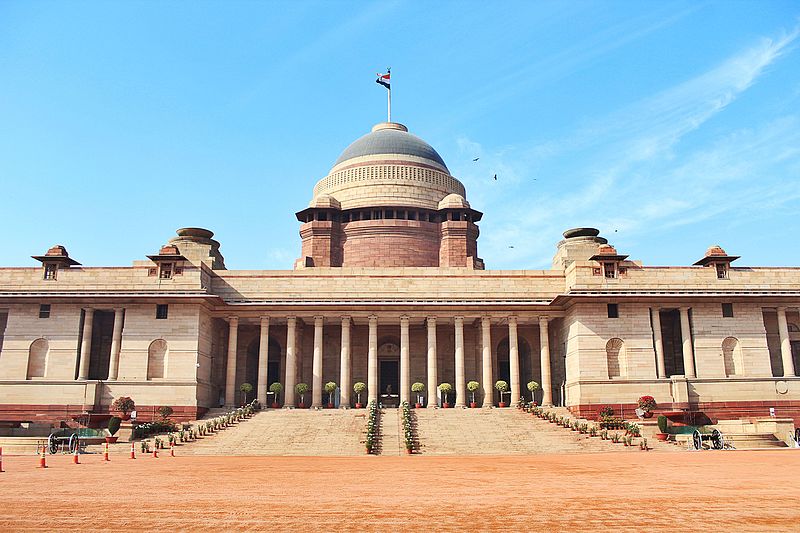
In 1911, the capital of British India was transferred from Calcutta to Delhi. The new capital was planned and designed by British architects Edwin Lutyens and Herbert Baker. Government buildings were constructed in a district within southern Delhi, which, in 1927, took the name New Delhi. The capital was inaugurated (formally opened) on 13th February 1931.
During the partition of India in 1947, Delhi lost two-thirds of its Muslim residents, some 300,000 people, who migrated to Pakistan. But its population was replenished by Hindu and Sikh refugees—around 500,000 in number—arriving from western Punjab. After independence in 1947, New Delhi stayed as the capital of the Dominion of India, and, after 1950, of the Republic of India. The States Reorganization Act of 1956 created the union territory of Delhi. Since 1995 it has been formally known as the National Capital Territory (NCT) of Delhi.
Consultant: Nicholas Harris
Facts about Delhi
Area 1484 sq km (573 sq miles)
Population 11,034,555 (City), 22,277,000 (Union Territory), 30,200,000 (Metropolitan area)
Main languages Hindi (81%), Punjabi (5%), Urdu (5%)
Main religions Hinduism (82%), Islam (13%), Sikhism (3%)
pics

Without in any way limiting Q-files Ltd’s exclusive rights under copyright, any use of this publication to “train” generative artificial intelligence (AI) technologies to generate text is expressly prohibited. Q-files Ltd reserves all rights to license use of this work for generative AI training and development of machine learning language models.