
States and territories of India

CITE
We have made every effort to follow citation style rules, but there may be some minor differences. If in doubt, please refer to the appropriate citation style manual.
Haryana. (2026). In Q-files Encyclopedia, Geography, States and territories of India. Retrieved from
https://www.q-files.com/geography/states-and-territories-of-india/haryana
"Haryana." Geography, States and territories of India, Q-files Encyclopedia, 31 Mar. 2026.
https://www.q-files.com/geography/states-and-territories-of-india/haryana.
Accessed 6 Aug. 2026.
Haryana 2026. Geography, States and territories of India. Retrieved 6 August 2026, from
https://www.q-files.com/geography/states-and-territories-of-india/haryana
Geography, States and territories of India, s.v. "Haryana," accessed August 6, 2026.
https://www.q-files.com/geography/states-and-territories-of-india/haryana


Haryana
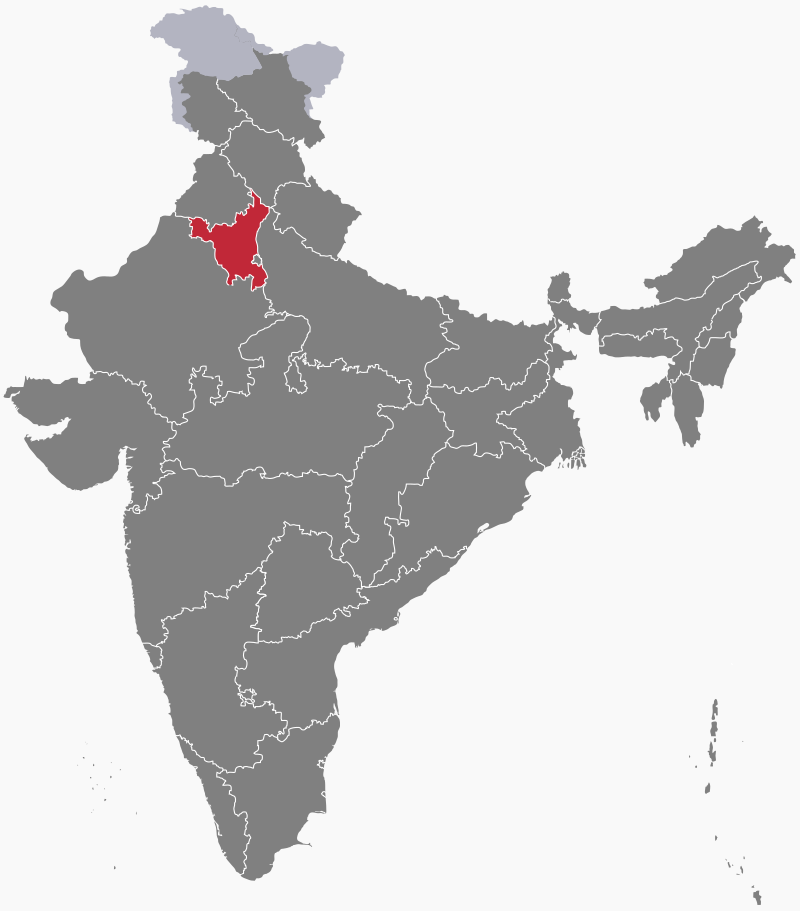
Haryana is a state located in northern India. It came into existence on 1st November 1966 as a result of the division of the state of Punjab (known as East Punjab until 1956) into two separate states: Punjabi-speaking Punjab and Hindi-speaking Haryana (some parts of Punjab state were also merged into Himachal Pradesh, which gained full statehood in 1971). The city of Chandigarh was made a union territory, serving as the capital of both Punjab and Haryana.
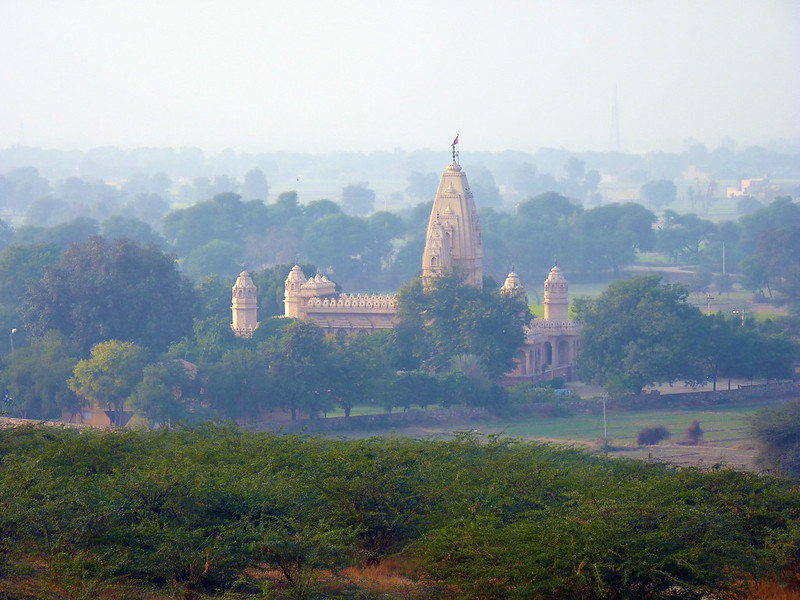
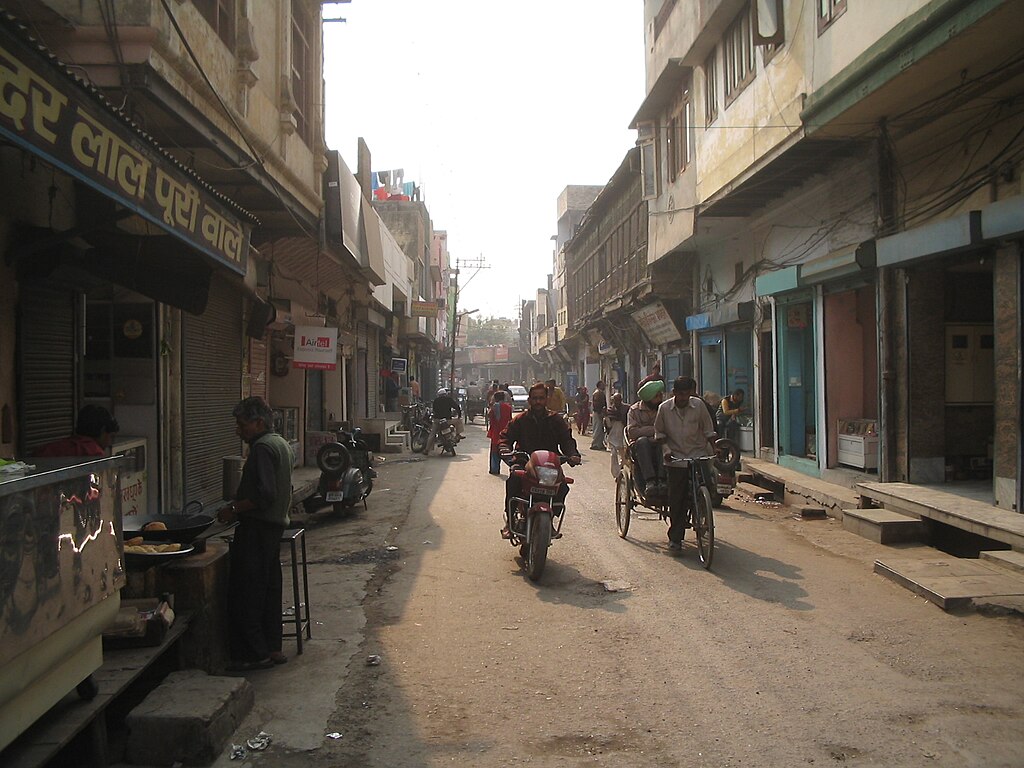
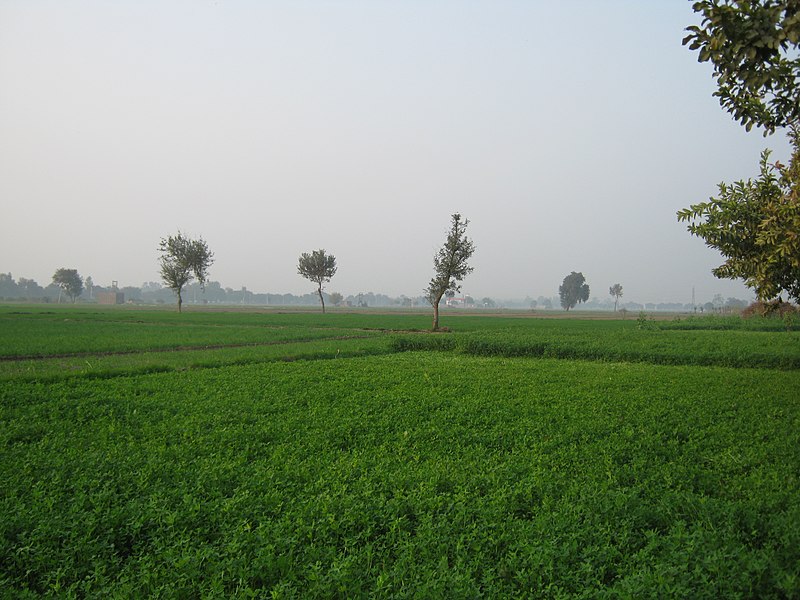
Geography
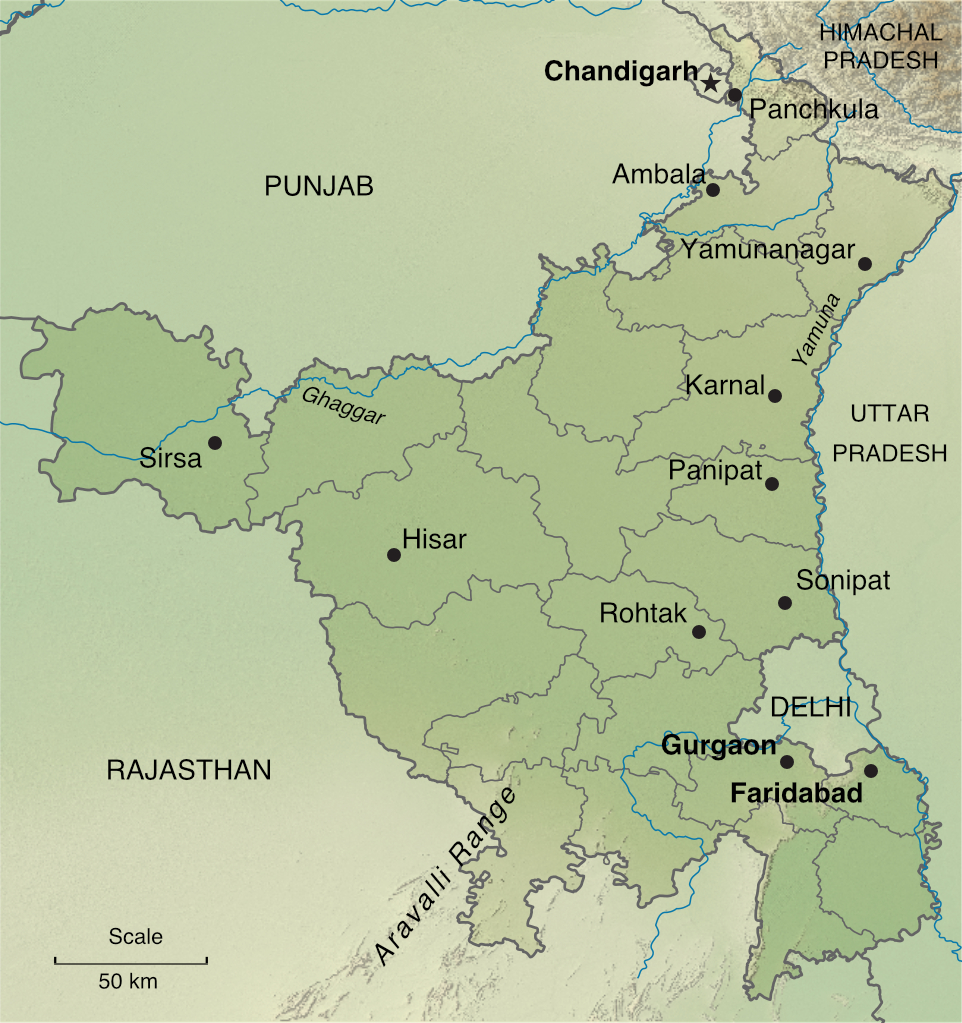
Haryana almost surrounds India's capital territory of Delhi, bordering it to the north, west and south. The states' two largest cities, Faridabad and Gurgaon, form part of the National Capital Region. Most of Haryana occupies the fertile Yamuna-Ghaggar Plain, part of the Indo-Gangetic Plain. The Yamuna, a tributary of the Ganges, flows along the state's boundary with Uttar Pradesh.
Rising in the far north of the state, close to the capital city of Chandigarh, are the Sivalik Hills, foothills of the Himalayas. Stretching away to the west, around the city of Sirsa and near the border with Rajasthan, is the dry, sandy Bagar plain. The northernmost hills of the Aravalli Range cross into southern Haryana from Rajasthan.
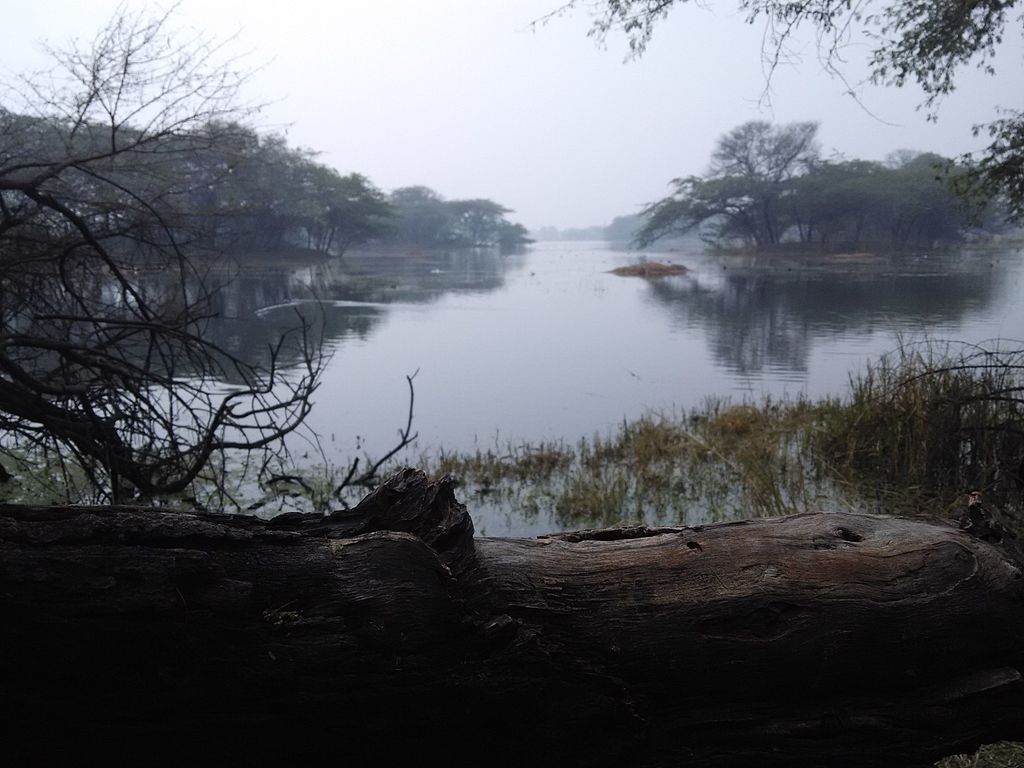
Climate
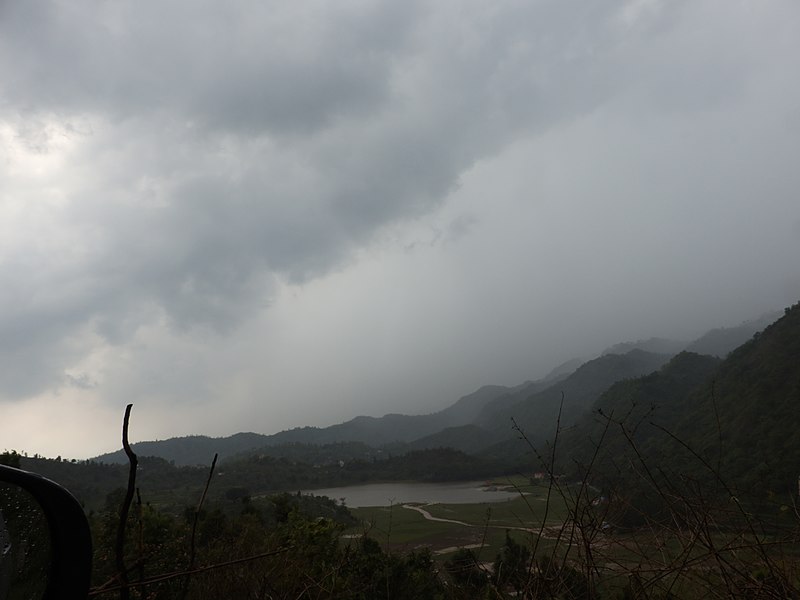
Haryana has a tropical semi-arid climate. In the hot, dry summer, which runs from March to June, temperatures may reach around 45°C (113°F). The southwest monsoon season, which lasts from the July to September, brings more than two-thirds of the state's average annual rainfall. Winter, between November and February, also brings some rainfall from the west (the "Western Disturbances"). In January, the coldest month, temperatures may sometimes drop to below freezing. The state receives an average of about 45 centimetres (18 inches) per year—a little less in the arid west, a little more in the relatively humid east.

Economy
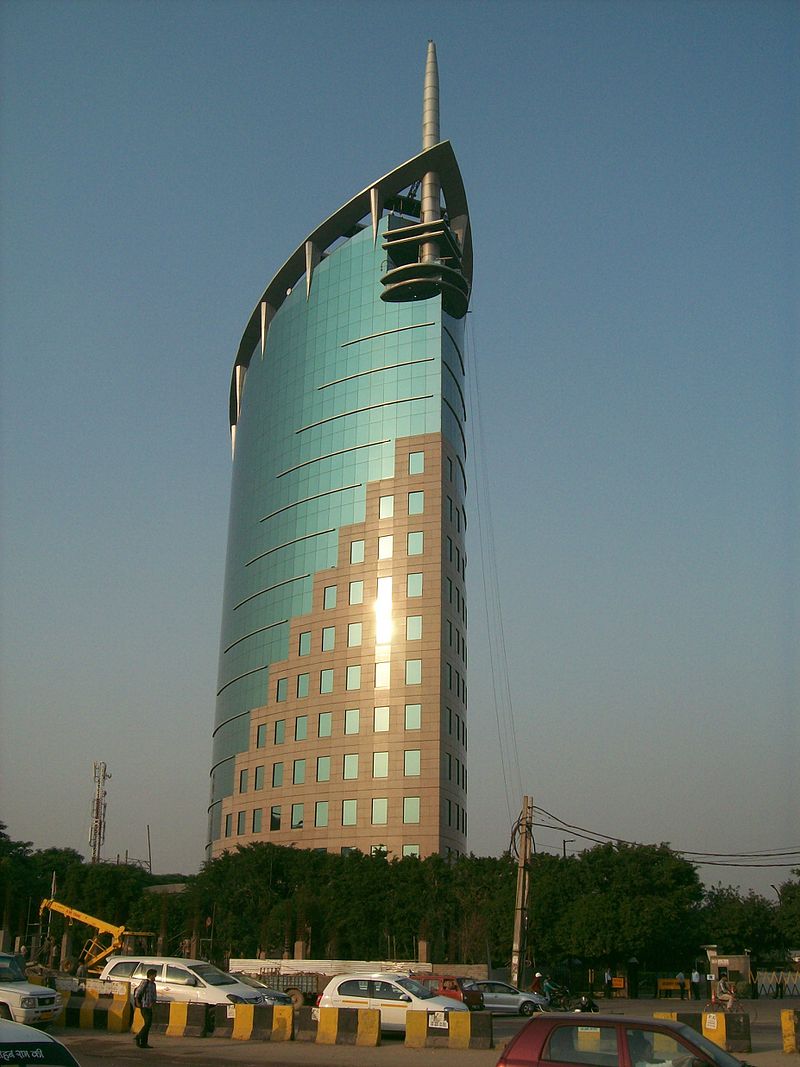
Gurgaon, part of the National Capital Region (an area centred on Delhi and including parts of Haryana, Uttar Pradesh and Rajasthan) is one of India's largest financial, information technology and manufacturing hubs. A city of many skyscrapers, it is home to the headquarters of a number of India's largest companies, along with thousands of start-up technology companies.
Faridabad is also a major manufacturing hub, producing tractors, motorcycles, refrigerators, shoes, tyres, garments and henna. Factories in Haryana produce two-thirds of India's cars.
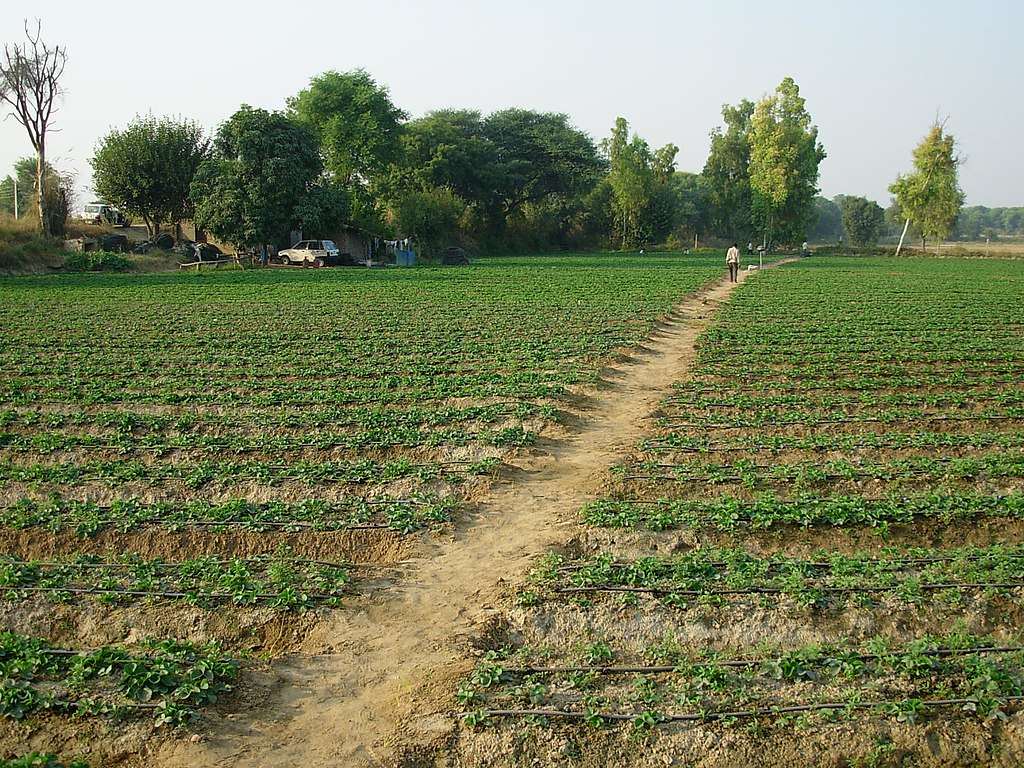
About 70% of Haryana's inhabitants work in agriculture, many of them as owner-farmers, known as zamindars. Wheat, rice, sugar cane, cotton, oil seeds, vegetables, fruit and cut flowers are the main crops. Dairy farming is an essential part of the rural economy: Haryana has around 10 million head of cattle.

History
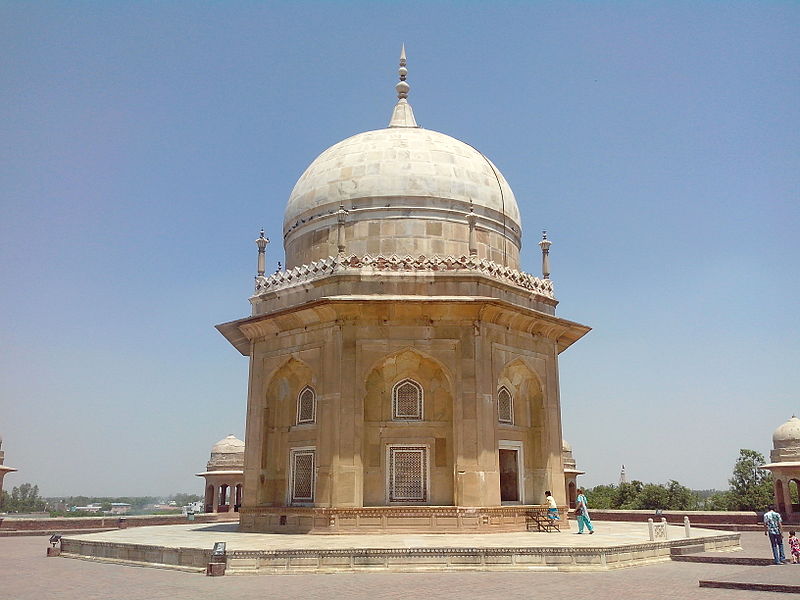
In ancient times, the area that is now Haryana was part of the Indus Valley Civilization. It was later included in the territory of the Kuru Kingdom, one of India's Mahajanapadas (great ancient kingdoms). Through the Middle Ages and in more recent history, the area was ruled by the major empires of India. During British rule, Haryana was part of Punjab province.
Following India's independence in 1947, the Punjab was one of two provinces (the other was Bengal) to be partitioned between India and Pakistan. Haryana became part of East Punjab state in India. Millions of Muslims left for Pakistan, while huge numbers of Hindu and Sikh refugees poured in from West Punjab.
Consultant: Nicholas Harris
Facts about Haryana
Area 44,212 sq km (17,070 sq miles) Rank: 21st
Highest point Karoh Peak 1499 m (4918 ft)
Population Total 31,057,000 Rank: 17th
Capital Chandigarh (union territory and joint capital with Punjab; pop. 1,259,000)
Largest cities Faridabad (pop. 1,404,653), Gurgaon (Gurugram) (1,153,000), Panipat (442,277), Ambala (407,934), Yamunanagar (383,318)
Main languages Hindi (48%), Haryanvi (37%), Punjabi (7%), Bagri (2%)
Main religions Hinduism (87%), Islam (7%), Sikhism (5%)
State bird Black francolin
State flower Lotus
State mammal Blackbuck
State tree Bodhi

pics
Without in any way limiting Q-files Ltd’s exclusive rights under copyright, any use of this publication to “train” generative artificial intelligence (AI) technologies to generate text is expressly prohibited. Q-files Ltd reserves all rights to license use of this work for generative AI training and development of machine learning language models.