
States and territories of India

CITE
We have made every effort to follow citation style rules, but there may be some minor differences. If in doubt, please refer to the appropriate citation style manual.
Gujarat. (2026). In Q-files Encyclopedia, Geography, States and territories of India. Retrieved from
https://www.q-files.com/geography/states-and-territories-of-india/gujarat
"Gujarat." Geography, States and territories of India, Q-files Encyclopedia, 31 Mar. 2026.
https://www.q-files.com/geography/states-and-territories-of-india/gujarat.
Accessed 6 Aug. 2026.
Gujarat 2026. Geography, States and territories of India. Retrieved 6 August 2026, from
https://www.q-files.com/geography/states-and-territories-of-india/gujarat
Geography, States and territories of India, s.v. "Gujarat," accessed August 6, 2026.
https://www.q-files.com/geography/states-and-territories-of-india/gujarat


Gujarat
Gujarat is a state in western India. Following Indian independence in 1947, Gujarat became part of Bombay State. On 1st May 1960, Bombay was divided into two new states: Gujarati-speaking Gujarat in the north and Marathi-speaking Maharashtra in the south. The first capital of Gujarat was Ahmedabad, its largest city. The capital was moved to Gandhinagar, a planned new city, in 1970.
Geography
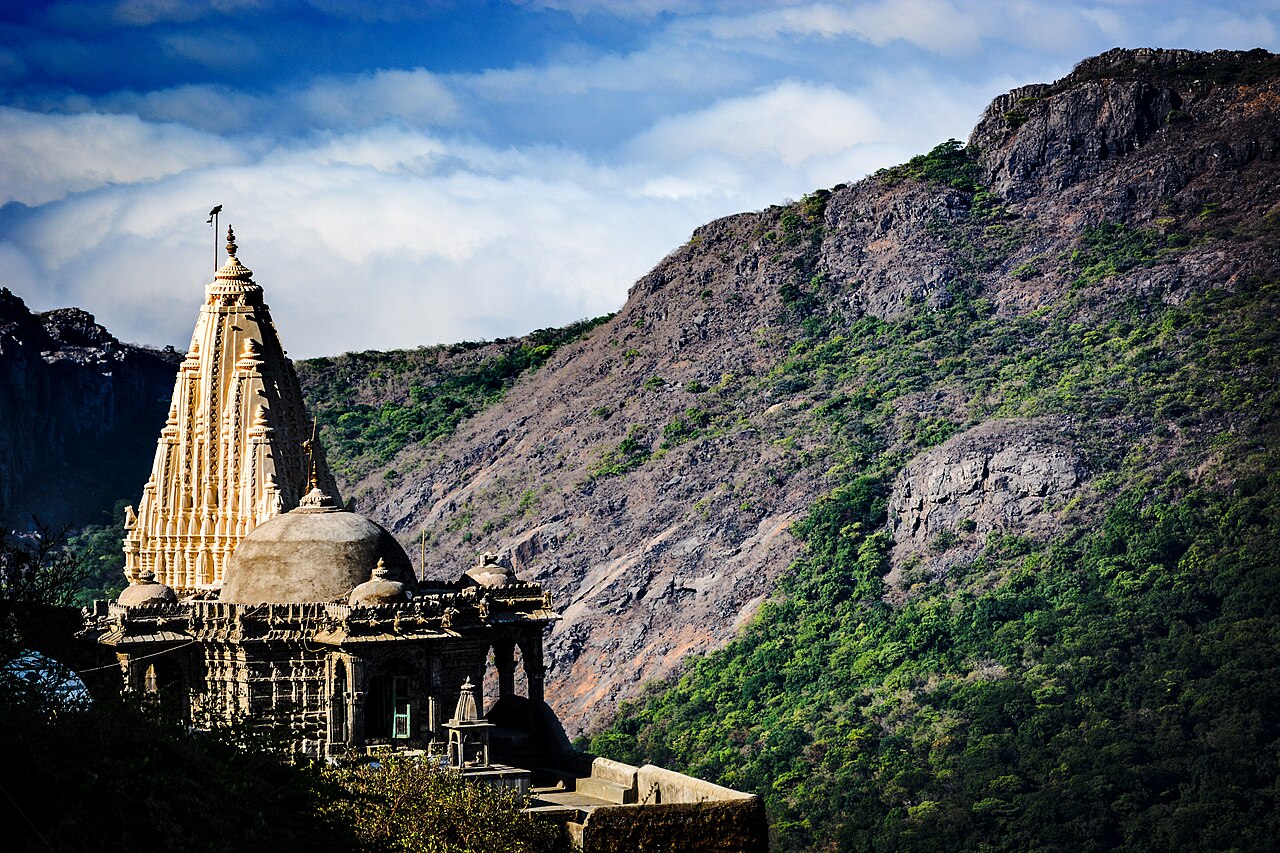
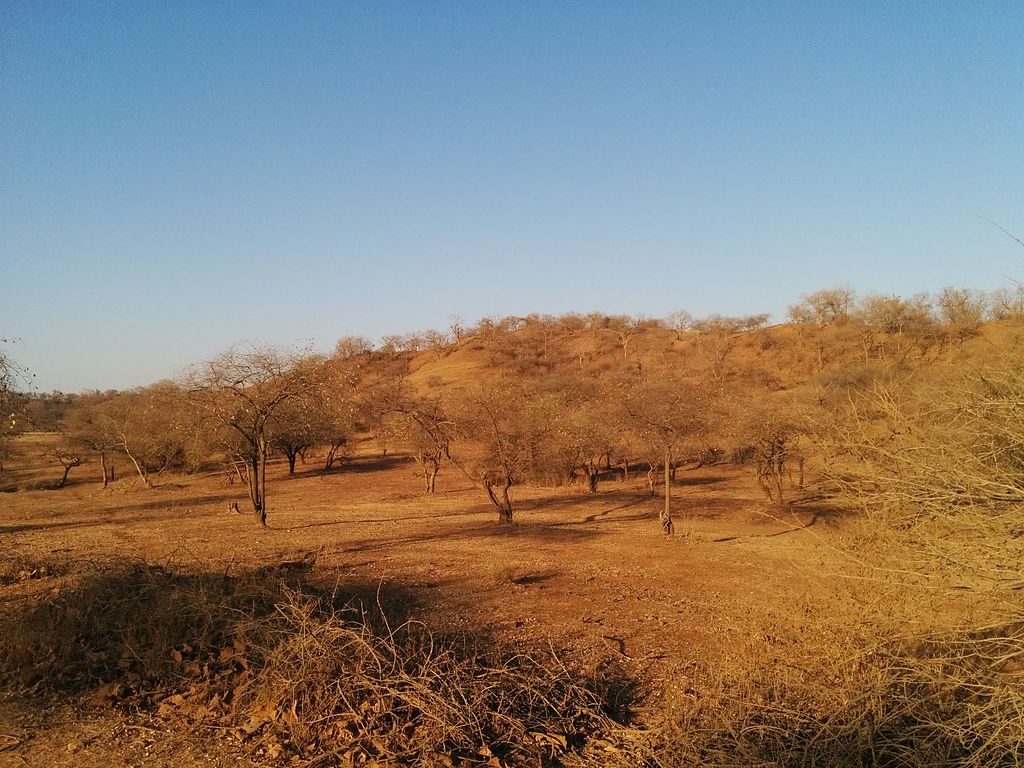
The eastern borders of Gujarat are edged by the hills of the Aravalli, Western Ghats, Vindhya and Saputara ranges. The Kathiawar peninsula (traditionally known as Saurashtra) and southern Kutch are also hilly regions, while the areas in between are low-lying. The uplands of the south and east have dense tropical deciduous forest, while the hills further north are covered with dry thorn forest.
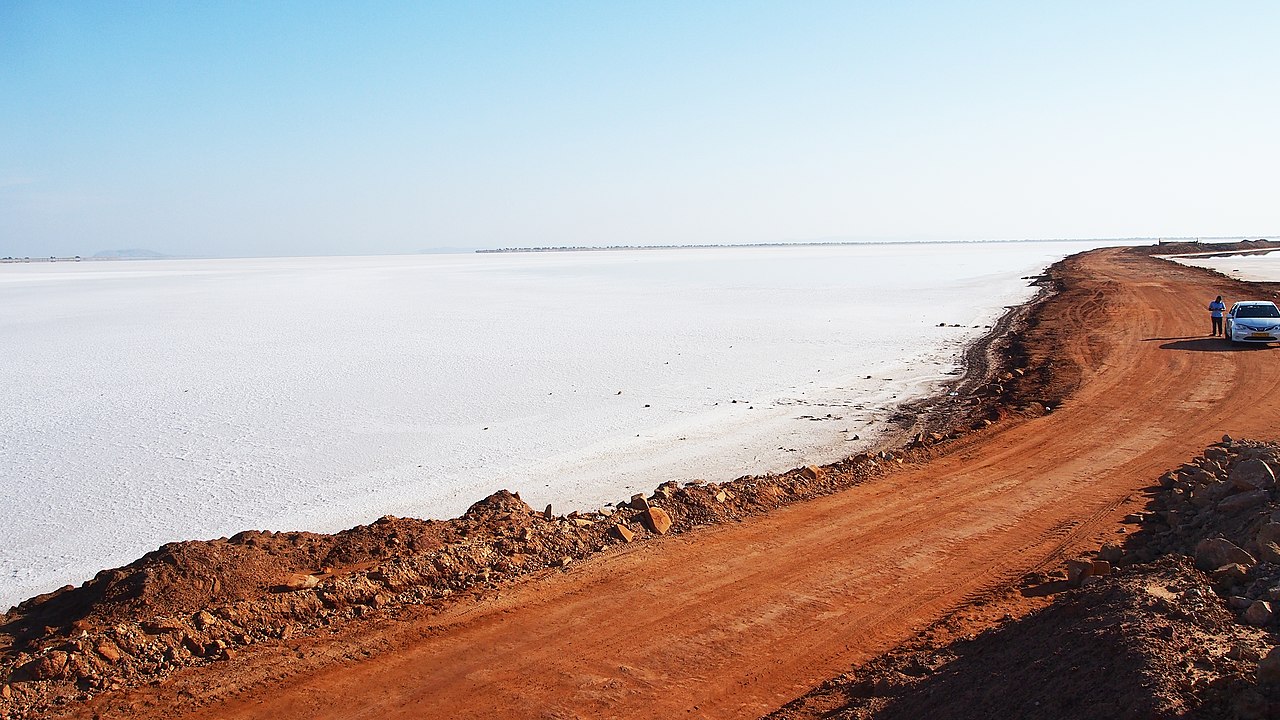
The Rann of Kutch (rann is Gujarati for "desert") is a large area of salt marsh spanning the border between India and Pakistan. The Great Rann stretches between the Thar Desert to the north and the hills of Kutch to the south. The Little Rann lies southeast of the Great Rann, and extends southwards to the Gulf of Kutch. A low-lying region of dry grassland and thorn scrub, most of the Rann floods during the monsoon season, forming giant, shallow lakes. After the waters have evaporated, a layer of white, salty clay is left behind.
Climate
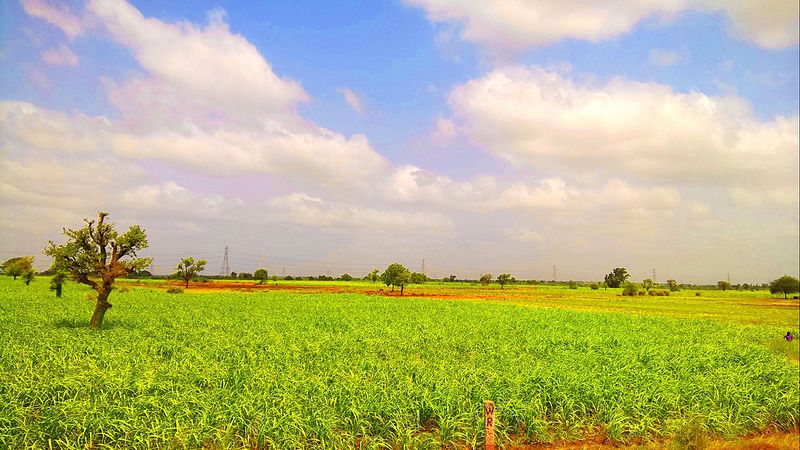
The climate of Gujarat has a tropical wet and dry climate in the southern and eastern uplands. The further north one goes, the more arid it becomes: some areas receive little or no rain for much of the year. The winter season runs from November to February. Temperatures range between 12°C (54°F) and 29°C (84°F). In summer, which lasts from March to May, temperatures on the plains vary between 30°C (86°F) and 49°C (120°F). The hilly regions and coastal areas are milder. The southwest monsoon season from June to September brings heavy rain and slightly cooler temperatures to southern Gujarat.
Economy
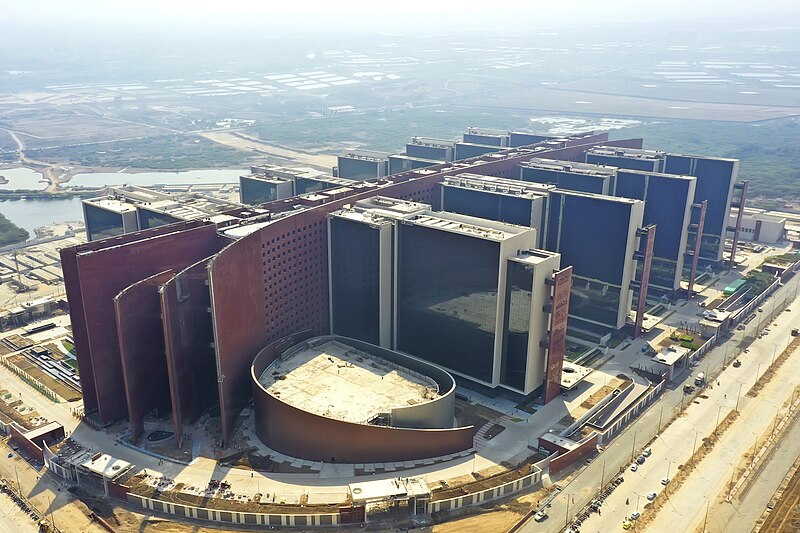
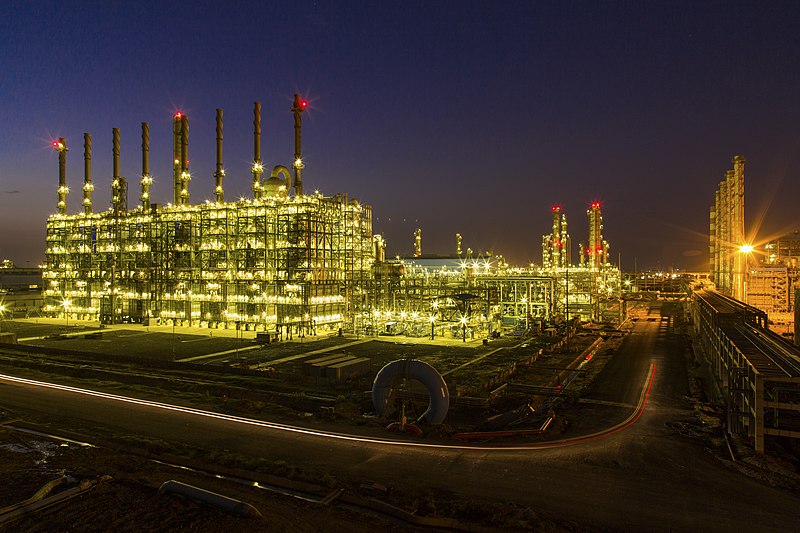
The economy of Gujarat is the fourth largest of all Indian states. The long-established textile industry—Ahmedabad was once known as the "Manchester of the East" because of its many cotton mills—is still important today, both in that city and in Surat. Pharmaceuticals, oil refining, natural gas and cement are the state's major industries. The diamond industry employs half a million people in and around Surat.
Gujarat's ports handle around 40% of India's ocean cargo, with Mundra Port on the Gulf of Kutch the largest container port of India by cargo handled annually (144 million tonnes).
More than a half of Gujarat's total land area is cultivated, with rice and wheat the major staple crops. The state is India's main producer of tobacco, cotton and groundnuts, all cash crops.
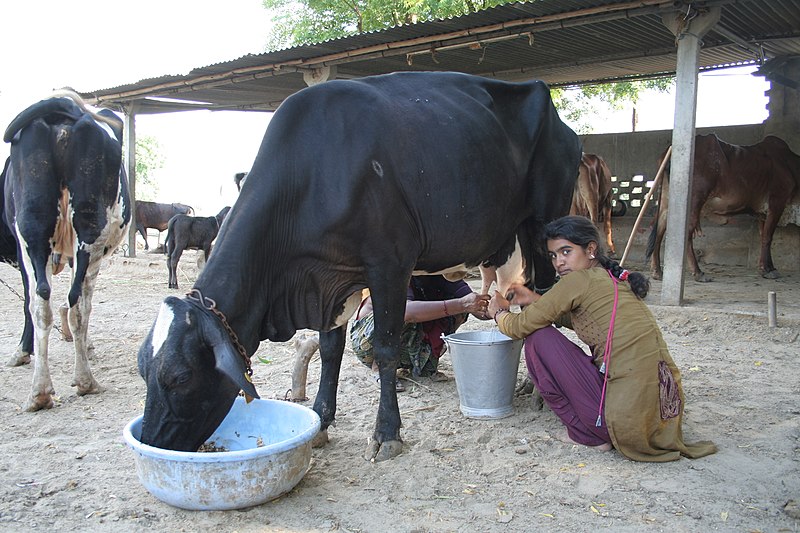
Cattle farming and dairying plays a vital role in the rural economy of Gujarat: the state is India's largest producer of milk. More than two-thirds of Gujarat is semi-arid, so the demand on water puts a strain on the supply. Most irrigation water comes from wells extracting groundwater.

Ahmedabad
Ahmedabad (known locally as Amdavad) is the fifth largest city in India. it is located on the River Sabarmati, just 25 kilometres (16 miles) from the capital, Gandhinagar, its "twin city".
Ahmedabad was once a small tribal settlement called Ashaval. In 1411, Ahmad Shah I of the Gujarat Sultanate transferred his capital there, naming it Ahmedabad after himself. In 1487, his grandson Mahmud Begada fortified the city. It fell to the Mughal emperor, Akbar, in 1573. The Maratha Empire took over the city in 1758, but lost it to the British East India Company in 1818. Incorporated into the Bombay Presidency during British rule, Ahmedabad—already a centre of textile production under the Mughals—became one of the largest producers of cotton in India.
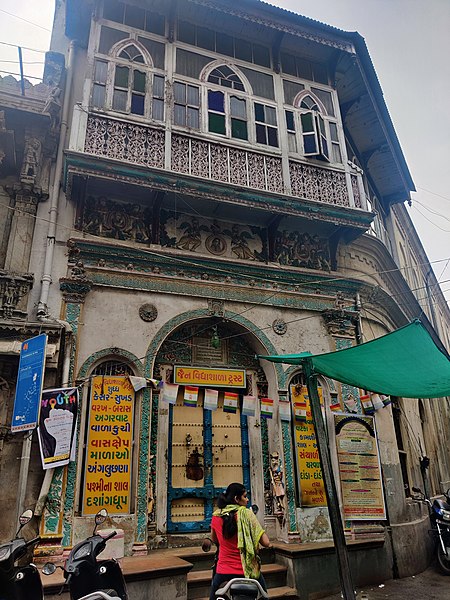
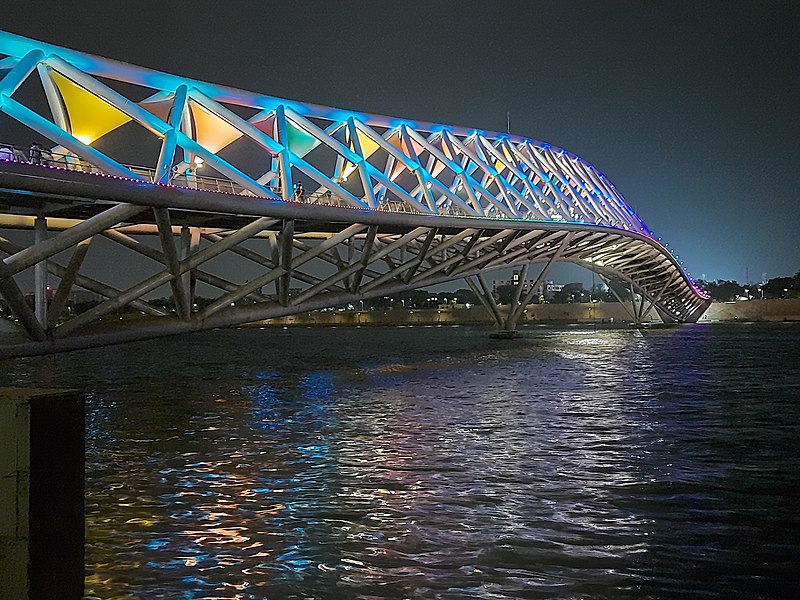
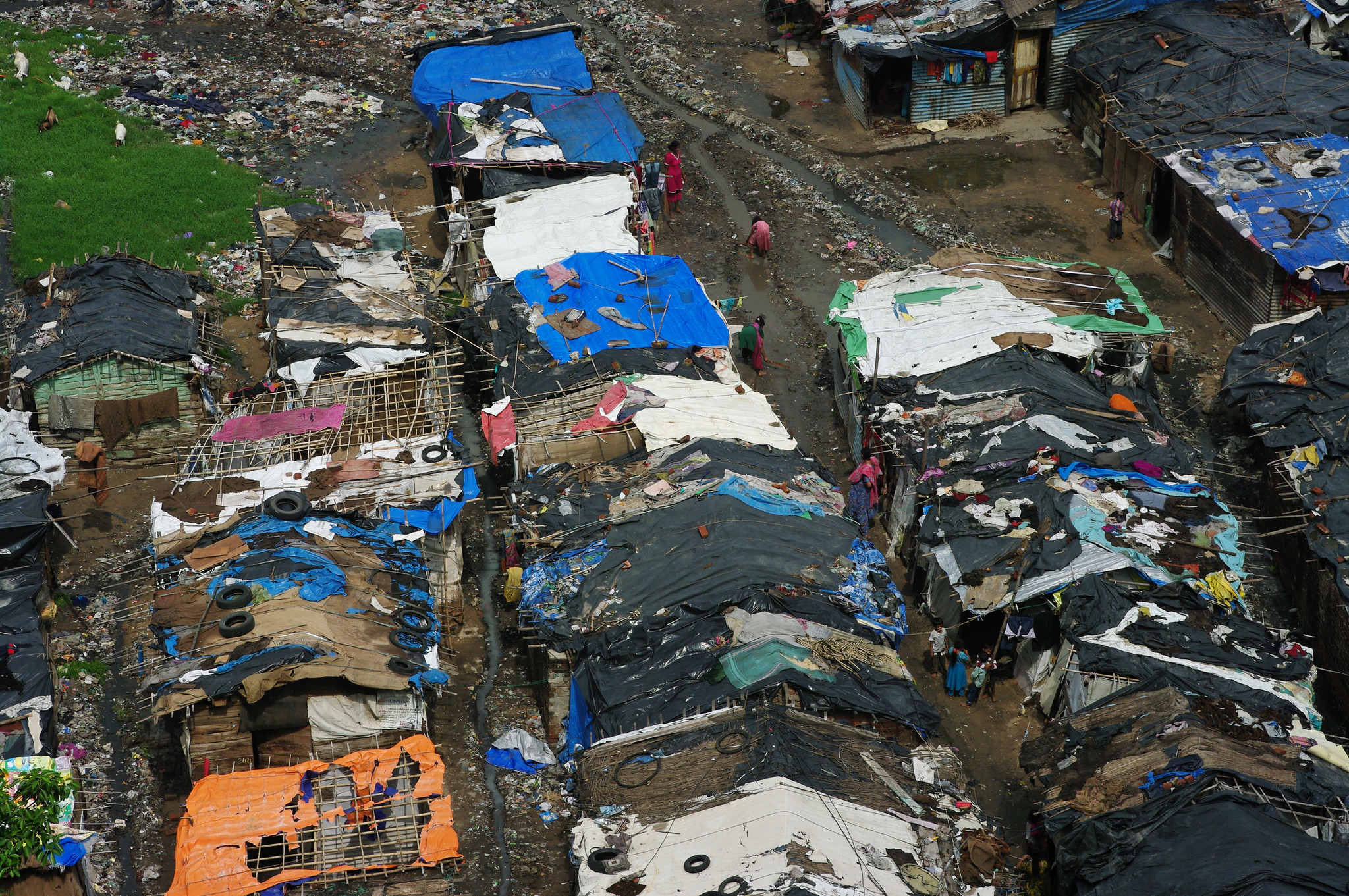
Following partition of India in 1947, Ahmedabad was the focus of settlement by Hindu migrants from Pakistan, who greatly expanded the city's population. The capital was moved to the newly-built city of Gandhinagar in 1970. Many cotton mills closed down, to be replaced by pharmaceutical, chemical and vehicle manufacturing industries in the 80s and 90s. Migrant labourers arriving to work in the factories were forced to settle in shantytowns that grew up around the city. Today, it is estimated that a third of Ahmedabad's inhabitants live in slums or chawls, low-quality tenements. Many residents lack access to sanitation, clean running water and electricity.
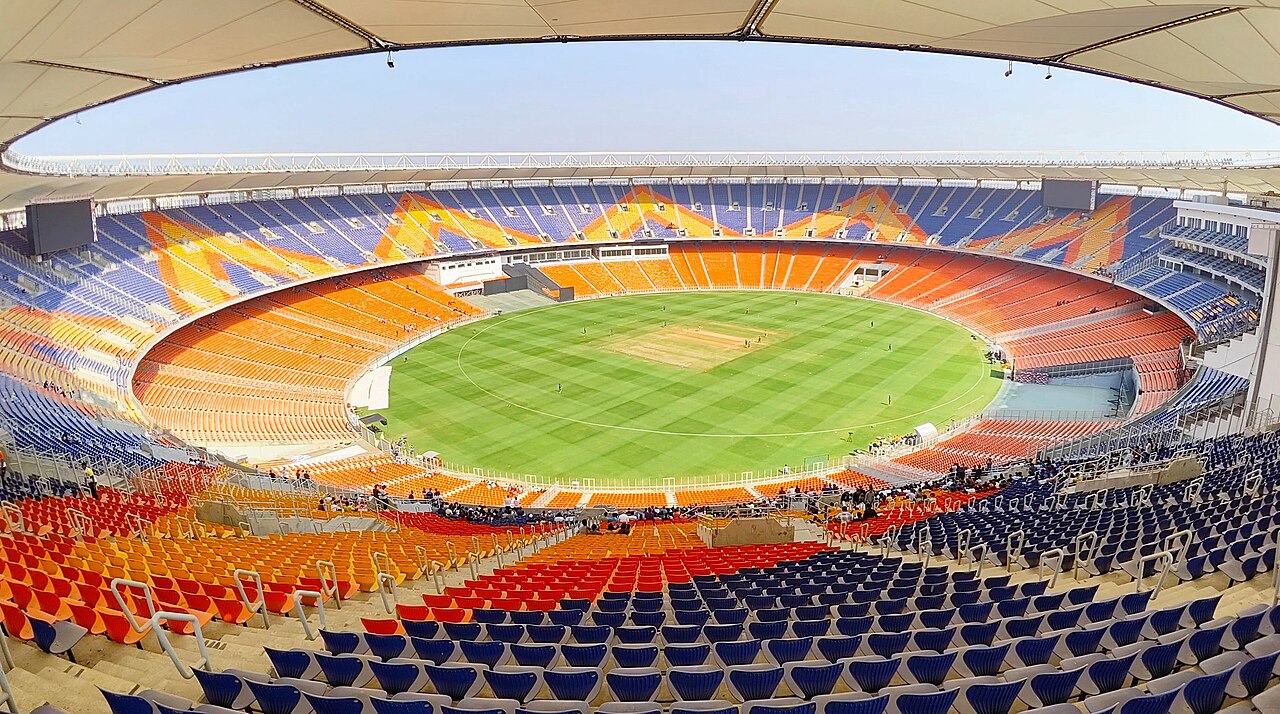
History of Gujarat
One of the main areas of the Indus Valley Civilization, present-day Gujarat once hosted ancient cities such as Lothal, Dholavira and Gola Dhoro. In later years, Gujarat became part of the Mauryan and Gupta empires.


Conquered by Muslim rulers in medieval times, the region acquired its independence in 1394 and became the Sultanate of Gujarat (or Guzerat), growing wealthy from trade with other Indian Ocean ports. It was conquered by the Mughal emperor Akbar in 1573. Surat, famed for its exports of silk and diamonds, became the principal port of India during Mughal rule.
In the late 18th century, Gujarat came under control of first the Maratha Empire and, following the Second Anglo-Maratha War of 1802–03, the British, along with Delhi. From 1818 until independence in 1947, most of present-day Gujarat was divided into princely states (states run by an Indian ruler in alliance with Britain).

Consultant: Nicholas Harris
Facts about Gujarat
Area 196,024 sq km (75,685 sq miles) Rank: 5th
Highest point Girnar 1145 m (3757 ft)
Population 73,513,000 Rank: 8th
Capital Gandhinagar (pop. 292,167)
Largest cities Ahmedabad (pop. 6,357,693), Surat (5,935,000), Vadodara (4,065,771), Rajkot (1,390,640), Bhavnagar (605,882)
Main languages Gujarati (86%), Hindi (6%), Marathi (1.5%)
Main religions Hinduism (89%), Islam (10%)
State bird Greater flamingo
State flower Marigold
State mammal Asiatic lion
State tree Banyan

pics


Without in any way limiting Q-files Ltd’s exclusive rights under copyright, any use of this publication to “train” generative artificial intelligence (AI) technologies to generate text is expressly prohibited. Q-files Ltd reserves all rights to license use of this work for generative AI training and development of machine learning language models.