
States and territories of India

CITE
We have made every effort to follow citation style rules, but there may be some minor differences. If in doubt, please refer to the appropriate citation style manual.
Karnataka. (2026). In Q-files Encyclopedia, Geography, States and territories of India. Retrieved from
https://www.q-files.com/geography/states-and-territories-of-india/karnataka
"Karnataka." Geography, States and territories of India, Q-files Encyclopedia, 31 Mar. 2026.
https://www.q-files.com/geography/states-and-territories-of-india/karnataka.
Accessed 21 Oct. 2026.
Karnataka 2026. Geography, States and territories of India. Retrieved 21 October 2026, from
https://www.q-files.com/geography/states-and-territories-of-india/karnataka
Geography, States and territories of India, s.v. "Karnataka," accessed October 21, 2026.
https://www.q-files.com/geography/states-and-territories-of-india/karnataka


Karnataka
Karnataka is a state in southwestern India. Following Indian independence, the former princely state of Mysore became part of India in 1950 as Mysore state. Kodagu- and Kannada-speaking regions from the neighbouring states of Madras, Hyderabad and Bombay were incorporated into Mysore under the States Reorganization Act of 1956. Mysore was renamed Karnataka in 1973.


Geography
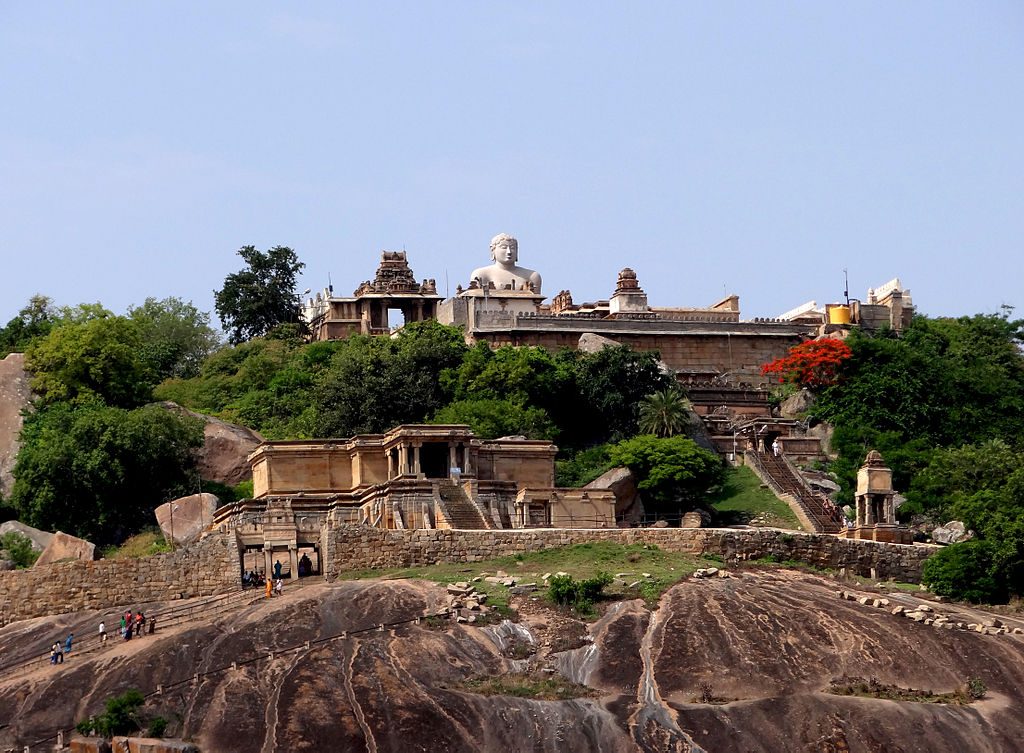
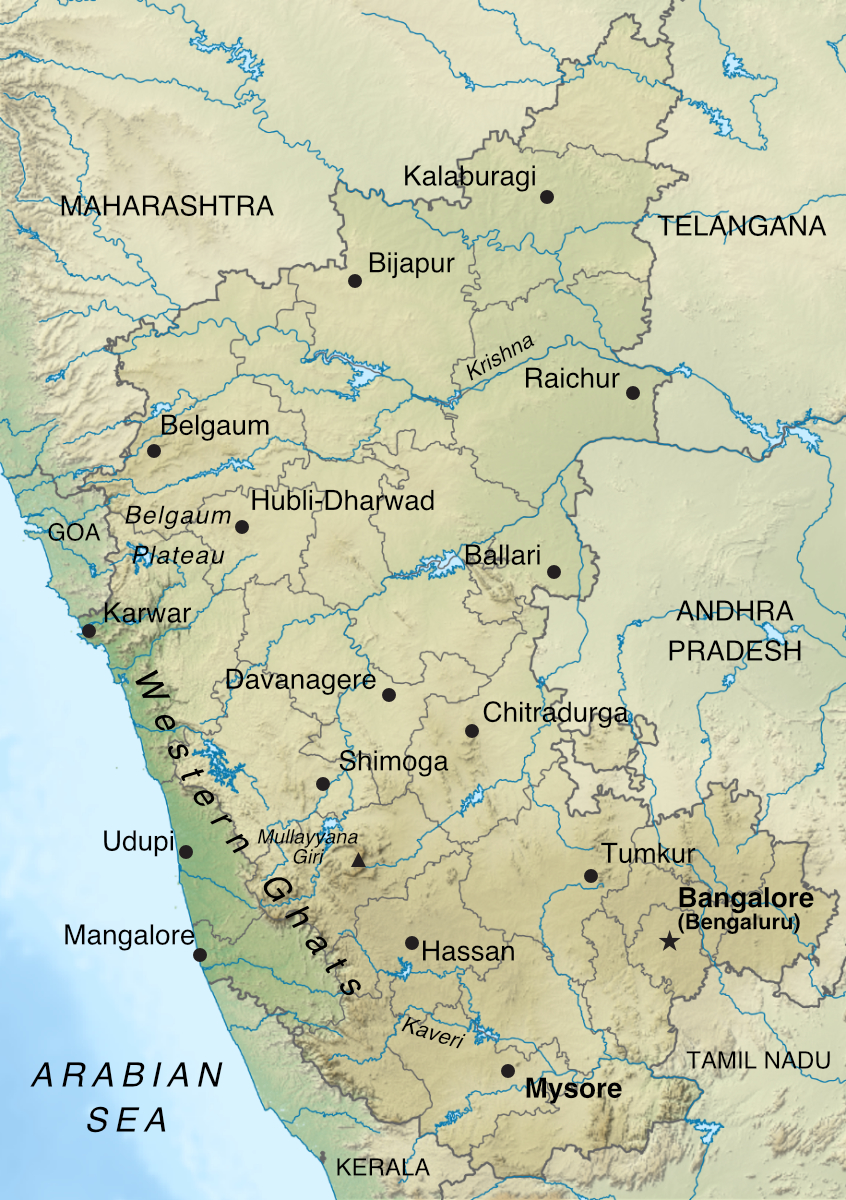
Karnataka can be divided into three main regions: the coastal plain of Karavali (or Kanara) and Tulu Nadu; the uplands of Malenadu, part of the Western Ghats range; and the Bayalu Seeme region, comprising the semi-arid plains of the Deccan Plateau, occupied by the largest portion of the state. Flowing eastwards across northern and central parts of Karnataka is the River Krishna and its tributaries. The River Kaveri and its tributaries flow in the same direction in the south. A number of dams and reservoirs have been constructed across these rivers, providing irrigation water for farms and hydro-electric power.
Climate
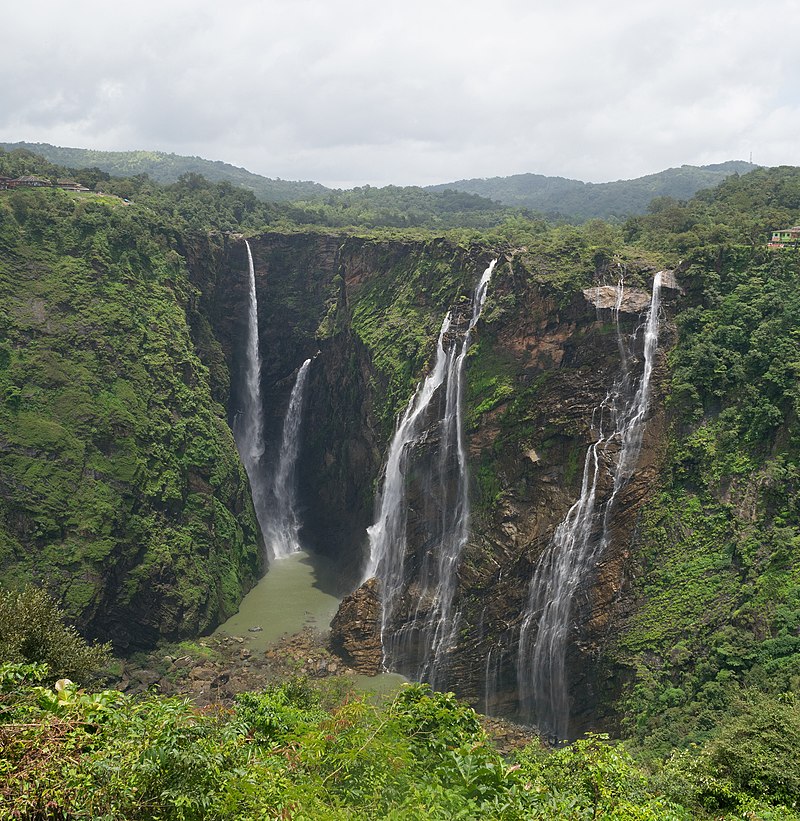
Summer begins in March, with hot and dry weather lasting through to May. The southwest monsoon blows between June and September, bringing lower temperatures and abundant rain. The coastal plain—one of the wettest regions in the world—receives the heaviest rainfall. Annual totals average 364 centimetres (143 inches), although some parts may have three times that. The interior plateau, lying in the rain shadow of the Western Ghats, is much drier, with average annual rainfall just over 100 centimetres (40 inches) in the south and 70 centimetres (28 inches) in the north.
Economy
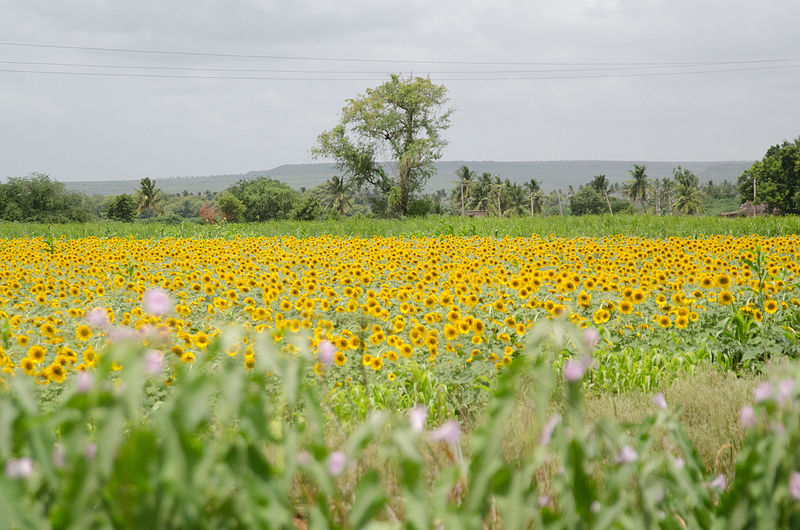
Nearly 56% of the workforce in Karnataka works in agriculture. Just under a third of the state's total area is cultivated. Farmland in Karnataka is heavily dependent on the southwest monsoon since much of it is semi-arid, and only about a quarter has access to irrigation. The main crops are rice, sorghum, maize, pulses, oilseeds, coffee, sugar cane and tomatoes. Both horticulture—fruits and vegetables grown in gardens and greenhouses—and floriculture, flower growing, contribute significantly to the state's economy.
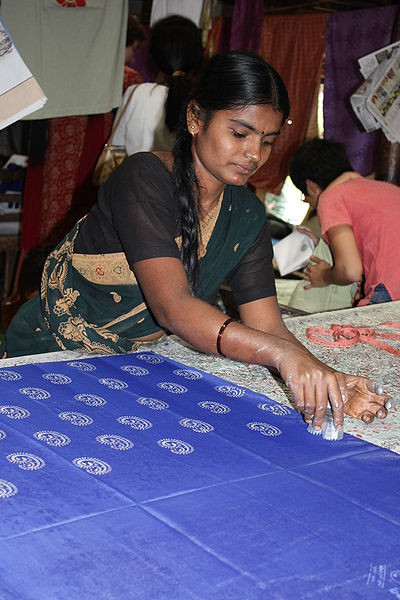
India's silk industry is centred in Karnataka, chiefly in Mysore and Doddaballapura, a town 40 kilometres (25 miles) north of Bangalore and known for the weaving of silk sarees.
Besides garment production, Karnataka is also a manufacturing hub for aerospace and machine tools. Many of India's top science and technology research centres have their headquarters in the state. Since the 1980s Karnataka has become the nation's leading state in the field of IT (information technology). Two of India's biggest software firms, Infosys and Wipro, are based in the state, giving Bangalore its nickname: the Silicon Valley of India. Around 60% of India's biotechnology firms are also based in Karnataka.


Bangalore
Bangalore was founded as a mud fort by chieftain Kempe Gowda I in 1537. The region was under the rule of the Vijayanagara Empire at the time. A network of narrow streets and markets, known as the Bengaluru Pete, grew up around the fort. The Mughals later captured Bangalore and, in 1687, sold it on to Maharaja Devaraja Wodeyar II of the Kingdom of Mysore.
The city fell to the British East India Company following their victory in the Fourth Anglo-Mysore War in 1799. The British then granted administrative control of the city to the Maharaja of Mysore, and it was incorporated into the princely state of Mysore. Following India's independence in 1947, Bangalore became the capital of Mysore state, and remained the capital when the state was enlarged and renamed Karnataka in 1973. Bangalore was given its official name Bengaluru, the original Kannada name, in 2014.

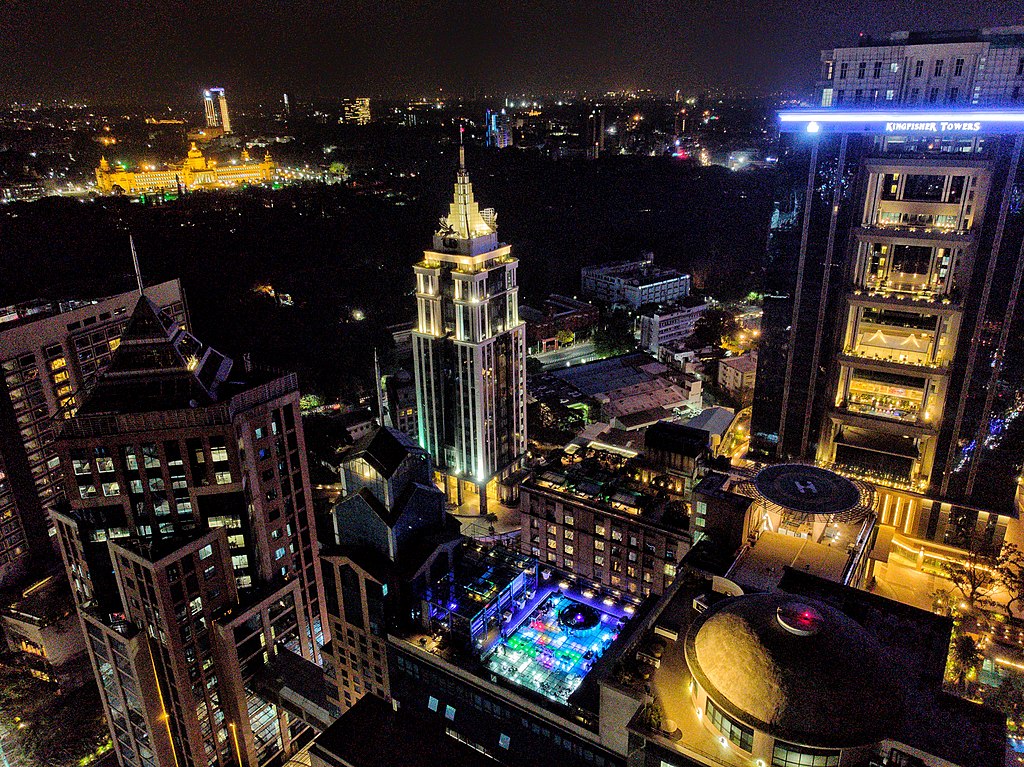
With a population today of more than 8 million and a metropolitan population of around 15 million, Bangalore is India's third largest city and its fourth largest urban agglomeration. Located at altitude of more 900 metres (3000 ft) above sea level, it has a pleasantly temperate climate throughout the year. Bangalore is one of the fastest-growing major cities of the world, home to many large multinational technology corporations and top engineering and research institutions. It is the nation's leading software producer as well as a major semiconductor hub.
History of Karnataka
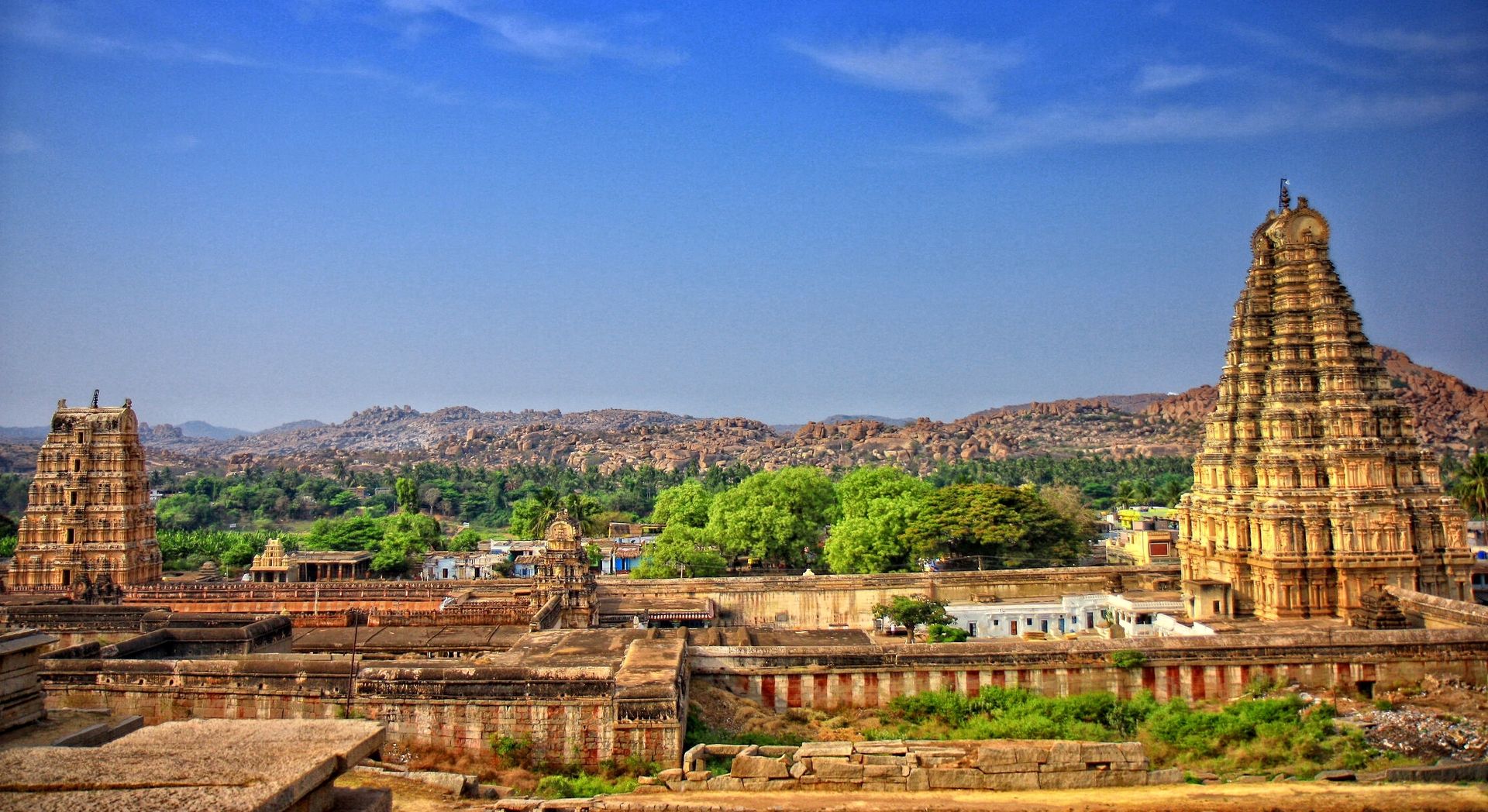
The Vijayanagara Empire began its rule over the area of modern Karnataka in the early 14th century with its capital, Hampi, founded in 1336, located near to present-day Ballari. The empire eventually fell to a coalition of the five Deccan Sultanates at the Battle of Talikota in 1565.
The Bijapur Sultanate, ruled by the Adil Shahi dynasty, rose as the main power in the region before it was defeated by the Mughal emperor Aurangzeb and absorbed into the Mughal Empire in 1686. The Deccan Wars between the Mughals and the Maratha Empire led by Chhatrapati Sambhaji lasted until Aurangzeb's death in 1707. A period of rule by the Marathas followed.

When Maratha power weakened in the 1780s, the newly-emerging Kingdom of Mysore under the Sultan, Hyder Ali, began gaining lands in southern Karnataka during the Maratha-Mysore Wars. The British East India Company, based in the neighbouring Madras Presidency, also began to contest territory in the region.
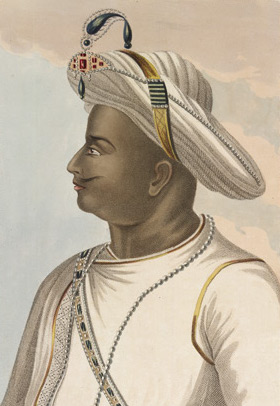
Tipu Sultan, who had succeeded his father Hyder Ali as ruler of Mysore in 1782, won significant victories against the British in the Second Anglo-Mysore War, which ended with the 1784 Treaty of Mangalore. Tipu, the "Tiger of Mysore", was finally defeated In the Fourth Anglo-Mysore War, falling to British troops supported by the Marathas and the Nizam of Hyderabad in 1799. Mysore was incorporated by the British, with some of its territory divided between the Madras Presidency and the Nizam, the rest becoming a princely state. Northern Karnataka, still held by the Marathas, came under British control in 1818 after their victory in the Third Anglo-Maratha War.

Consultant: Nicholas Harris
Facts about Karnataka
Area 191,791 sq km (74,051 sq miles) Rank: 6th
Highest point Mullayyana Giri 1925 m (6316 ft)
Population 68,679,000 Rank: 9th
Capital and largest city Bengaluru (Bangalore) pop. 10,456,000
Other large cities Hubli–Dharwad (pop. 943,857), Mysuru (Mysore) (920,550), Belagavi (Belgaum) (610,350), Kalaburagi (Gulbarga) (543,147), Mangaluru (Mangalore) (484,785)
Main languages Kannada (66%), Urdu (11%), Telugu (6%), Tamil (3%), Marathi (3%)
Main religions Hinduism (84%), Islam (13%), Christianity (2%)
State bird Indian roller
State flower Lotus
State mammal Asian elephant
State tree Sandalwood

pics
Without in any way limiting Q-files Ltd’s exclusive rights under copyright, any use of this publication to “train” generative artificial intelligence (AI) technologies to generate text is expressly prohibited. Q-files Ltd reserves all rights to license use of this work for generative AI training and development of machine learning language models.