
States and territories of India

CITE
We have made every effort to follow citation style rules, but there may be some minor differences. If in doubt, please refer to the appropriate citation style manual.
Tamil Nadu. (2026). In Q-files Encyclopedia, Geography, States and territories of India. Retrieved from
https://www.q-files.com/geography/states-and-territories-of-india/tamil-nadu
"Tamil Nadu." Geography, States and territories of India, Q-files Encyclopedia, 31 Mar. 2026.
https://www.q-files.com/geography/states-and-territories-of-india/tamil-nadu.
Accessed 20 Oct. 2026.
Tamil Nadu 2026. Geography, States and territories of India. Retrieved 20 October 2026, from
https://www.q-files.com/geography/states-and-territories-of-india/tamil-nadu
Geography, States and territories of India, s.v. "Tamil Nadu," accessed October 20, 2026.
https://www.q-files.com/geography/states-and-territories-of-india/tamil-nadu


Tamil Nadu
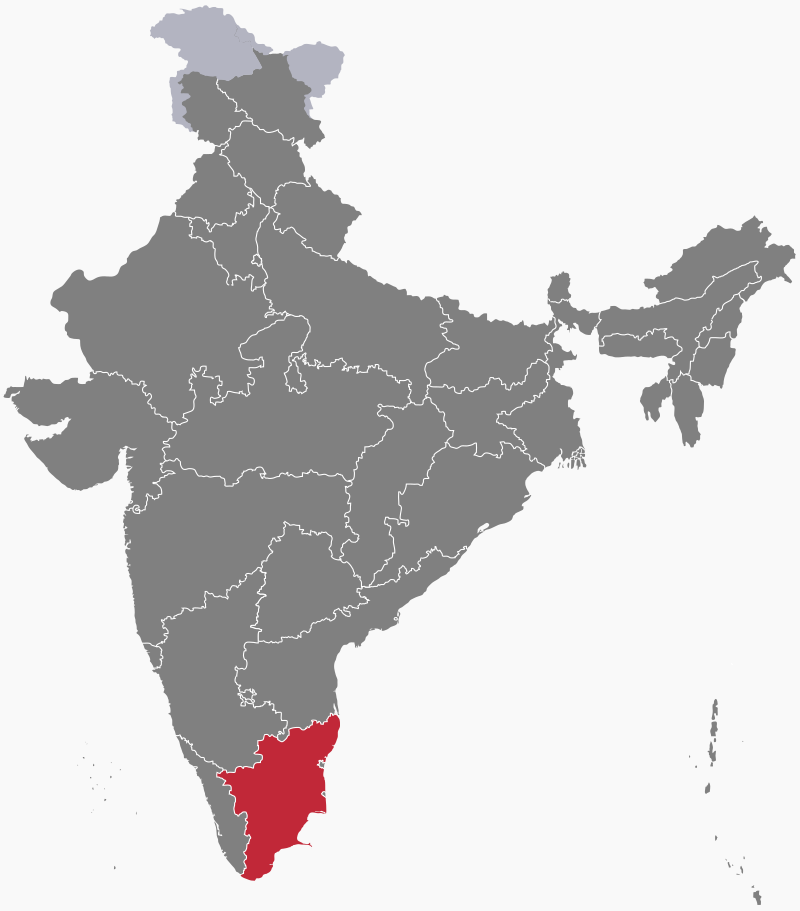
Tamil Nadu, a state located in southeastern India, is the home of the Tamil people. After Indian independence in 1947, the former British Madras Presidency became Madras State, made up of present-day Tamil Nadu along with parts of Andhra Pradesh, Karnataka and Kerala. The Telugu-speaking northern districts were separated off to form Andhra State in 1953. The state took its current shape when state boundaries were redrawn according to languages in 1956. Madras State was renamed Tamil Nadu, meaning "Tamil country", in 1969.

Geography
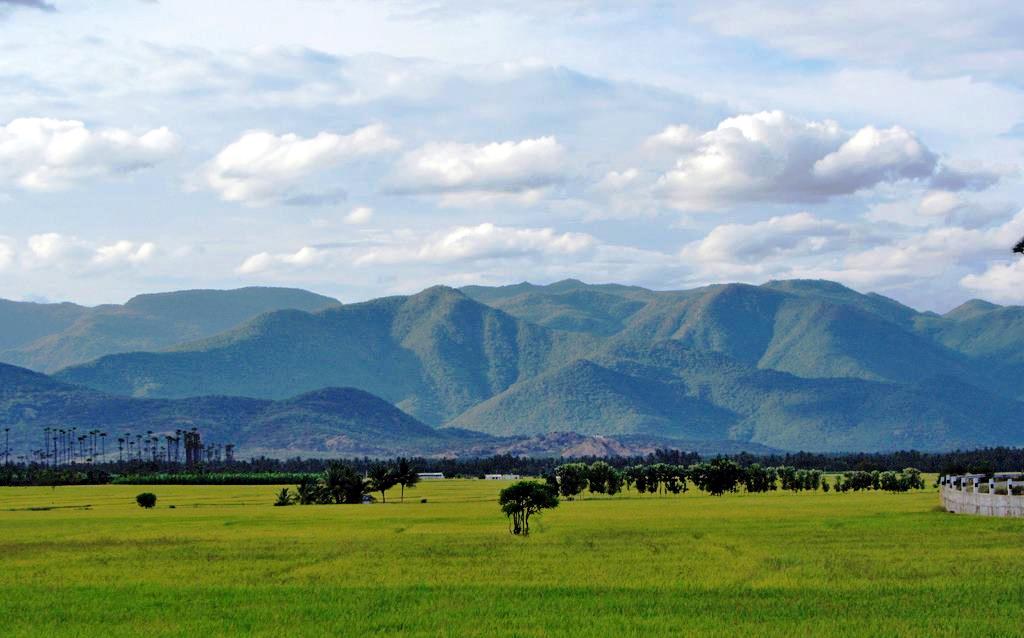
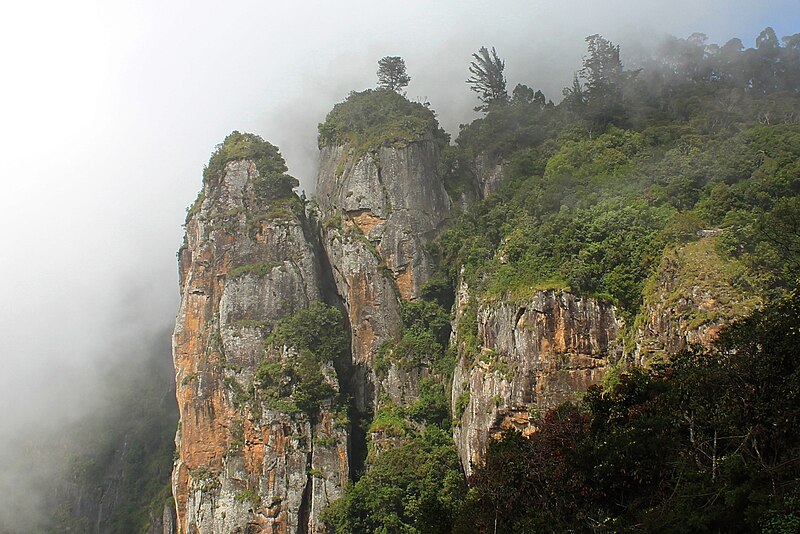
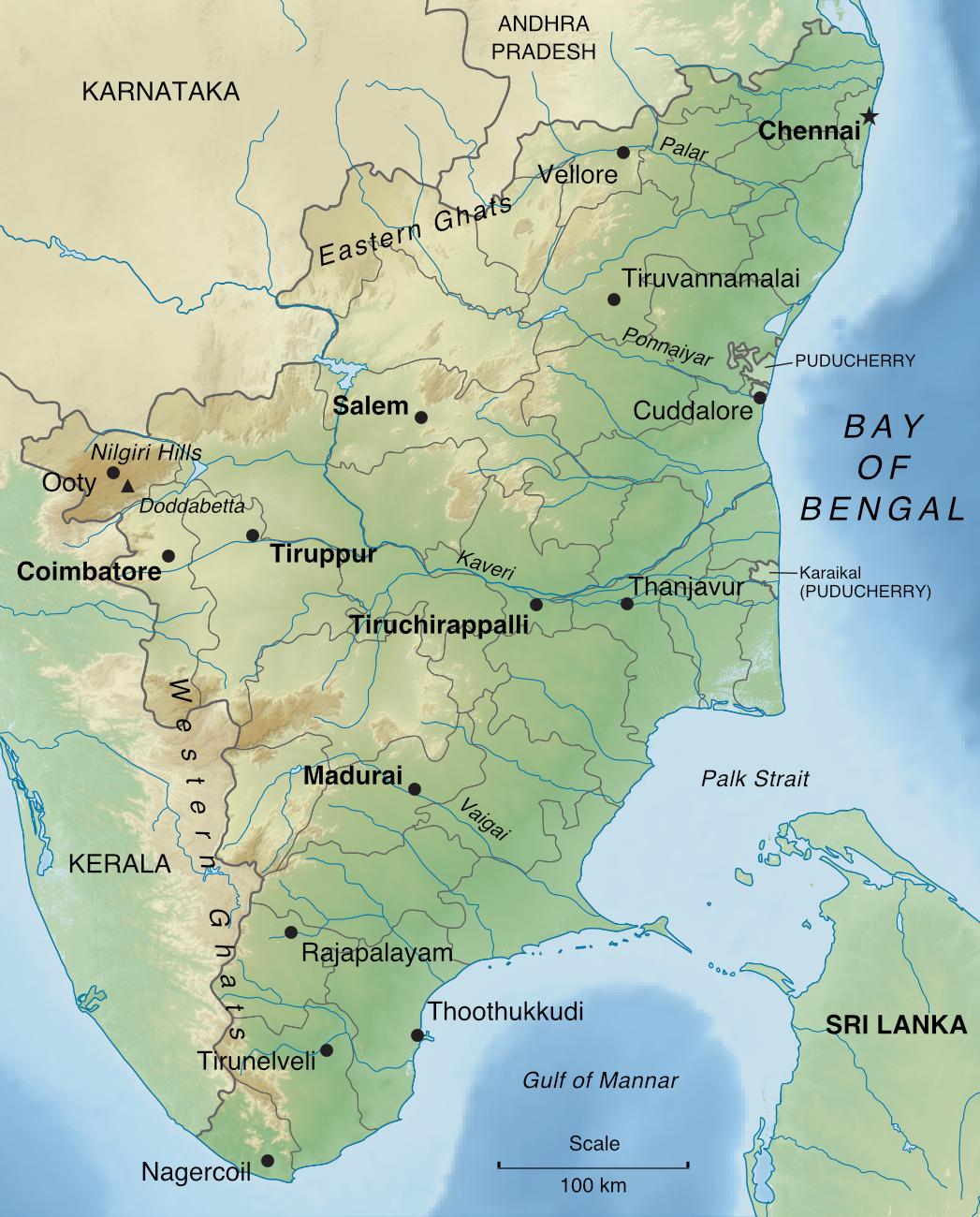
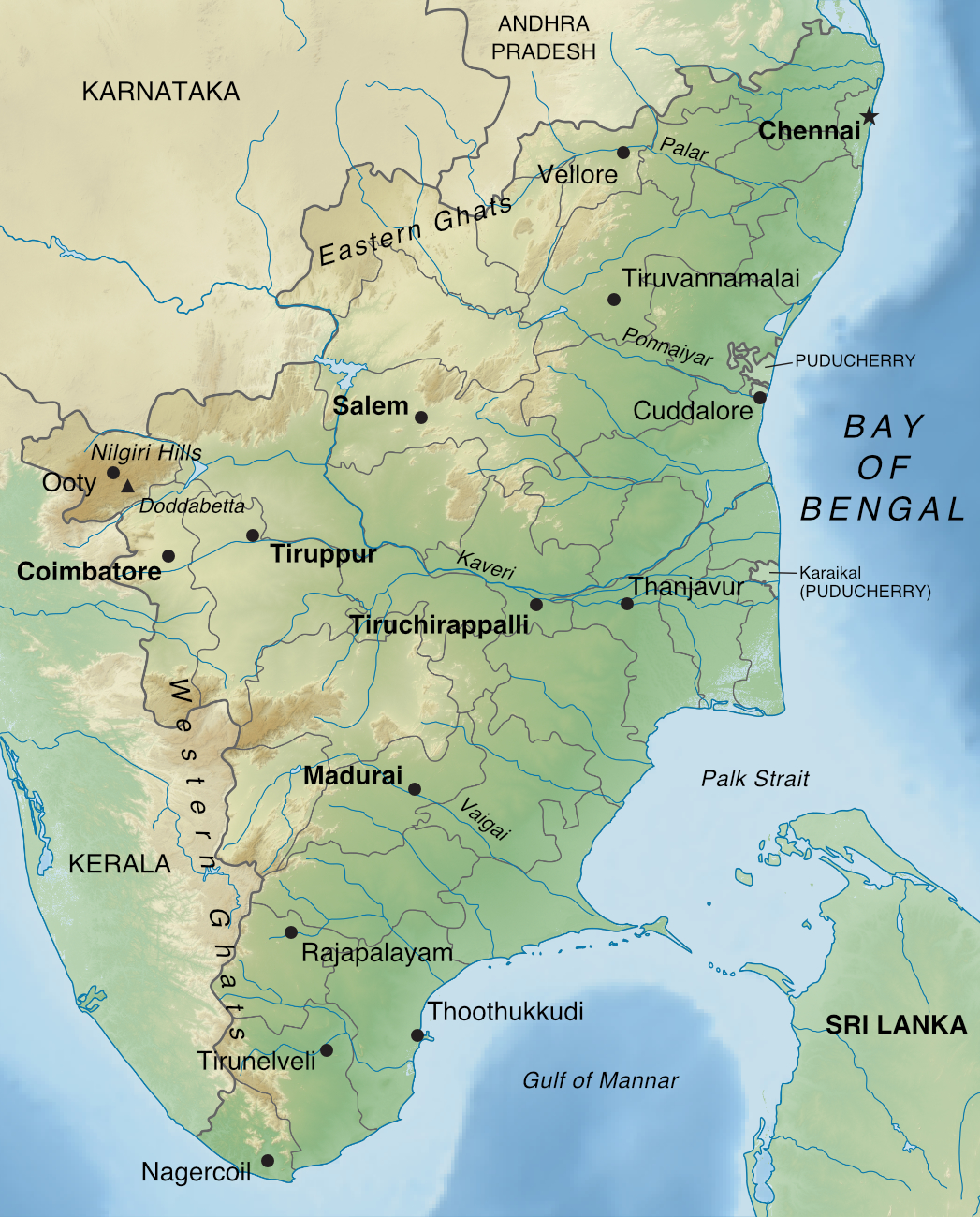
The flat coastal plain, called the Coromandel Coast, rises to the Eastern Ghats in the northern and central parts of the state. The higher peaks of the Nilgiri Hills, part of the Western Ghats, form Tamil Nadu's border with the neighbouring states of Kerala and Karnataka to the west.
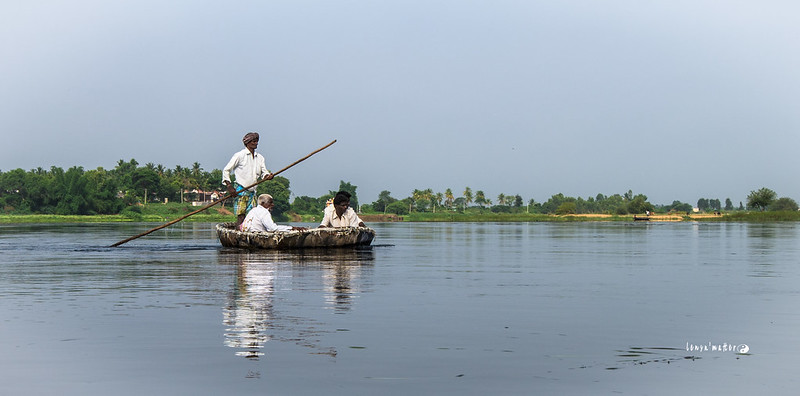
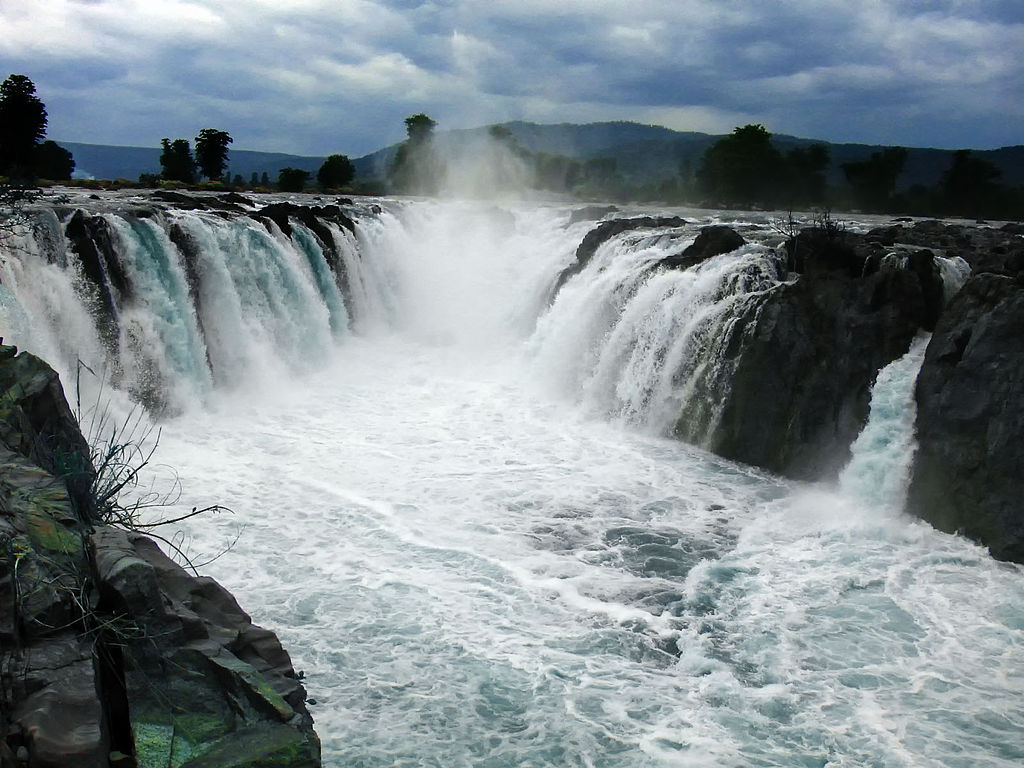
The River Kaveri (or Cauvery) flows down from the Western Ghats to the Bay of Bengal, dividing the state into north and south. Two small portions of the separate union territory of Puducherry (formerly known as Pondicherry) lie inside Tamil Nadu's borders.
Climate
Most of Tamil Nadu's lowlands have a tropical savanna climate. Winter and early summer are long dry periods with temperatures averaging above 18°C (64°F). Summer is very hot with temperatures in low-lying areas sometimes reaching 50°C (122°F). The southwest monsoon season lasts from June to September, while the northeast monsoon blows from October to December, bringing rains from the Bay of Bengal. Annual rainfall averages between 75 and 150 centimetres (30–60 inches). Most of the rainfall in the north of the state—which the southwest monsoon largely bypasses—arrives with the northeast monsoon.
The lands east of the Western Ghats, which includes inland south and south central parts of the state, lie in a rain shadow, giving the region a tropical semi-arid climate. Here, rainfall is around half that received elsewhere in the state, while summer temperatures are cooler, averaging 32°C (90°F). Tropical dry forests and scrubland are found here. Tropical rainforests grow on the wetter higher slopes of the southern Western Ghats along the border with Kerala.

Economy
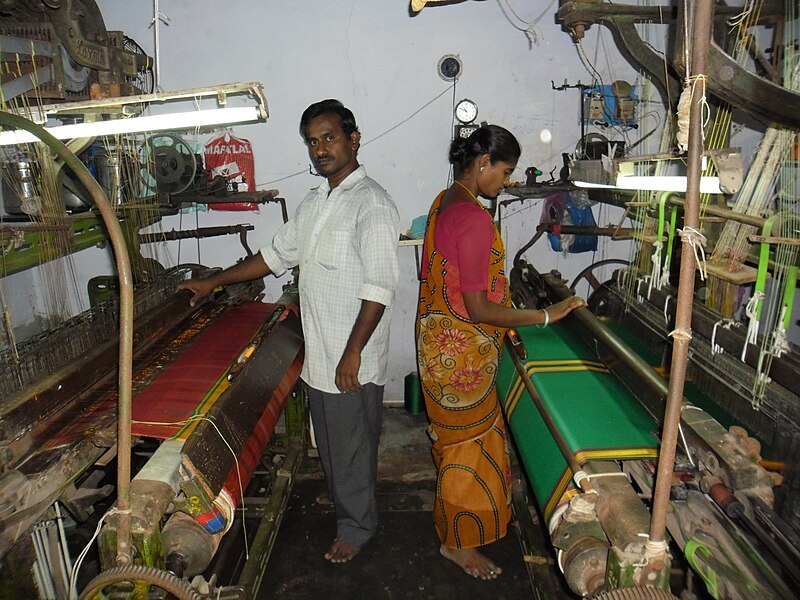
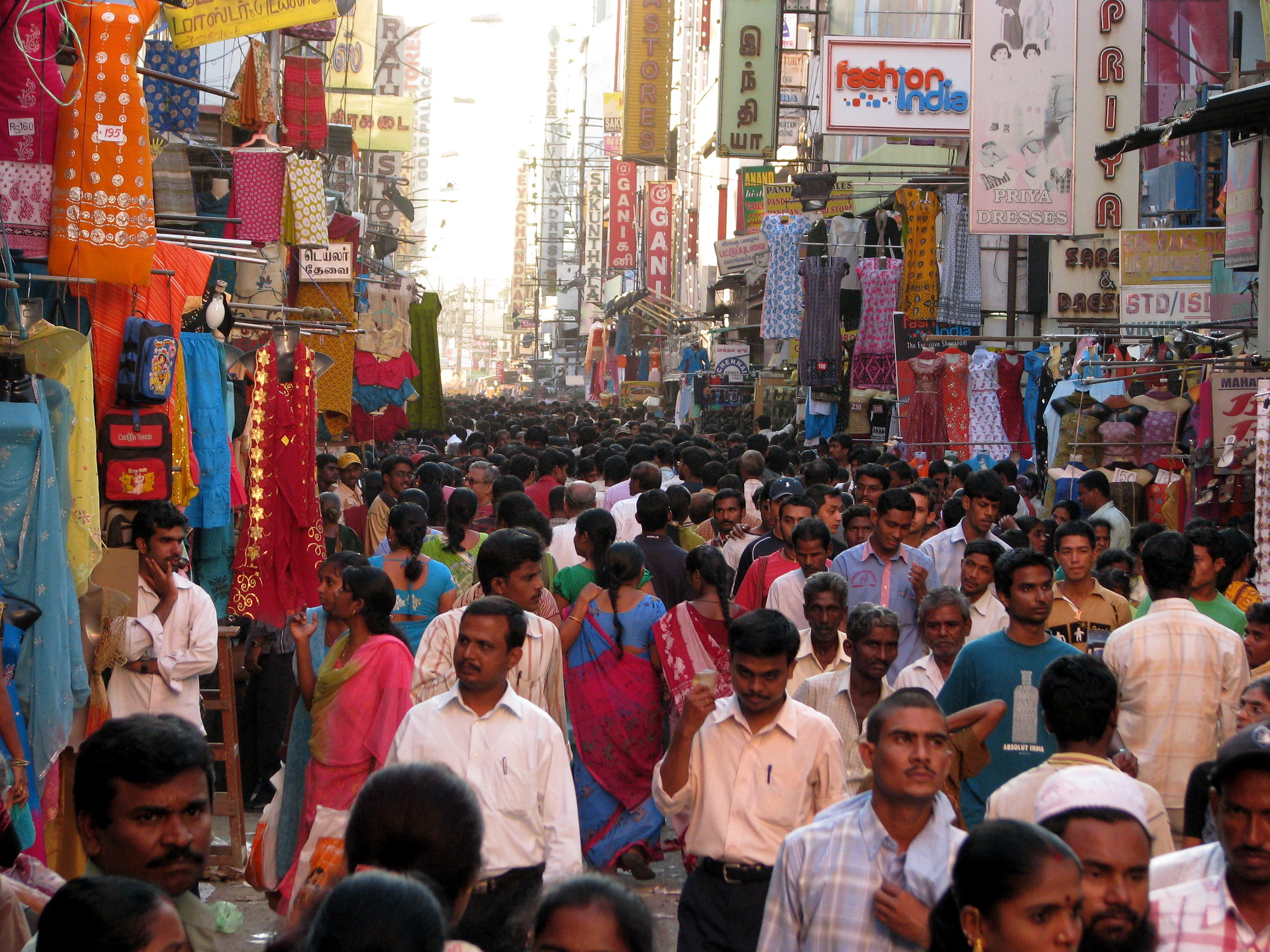
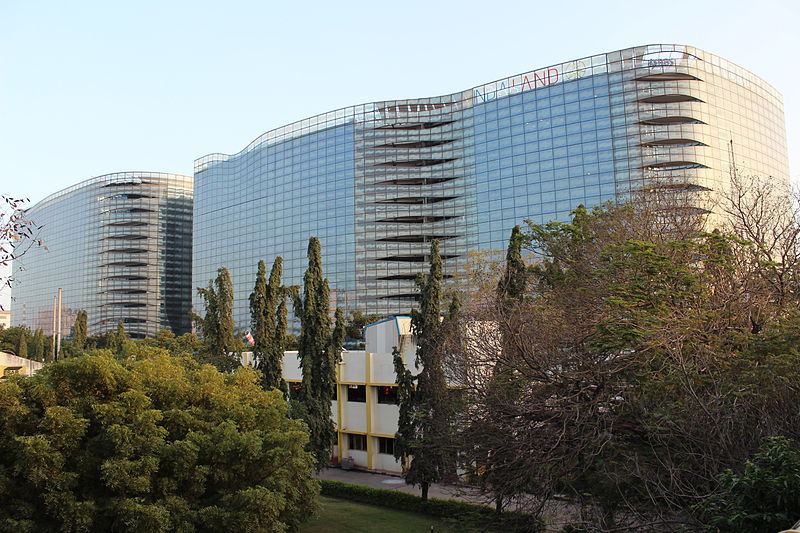
Tamil Nadu, the nation's most urbanized state, also has India's second largest state economy. It is both a major provider of software and financial services and has a large manufacturing sector, including vehicles, textiles and computer hardware.
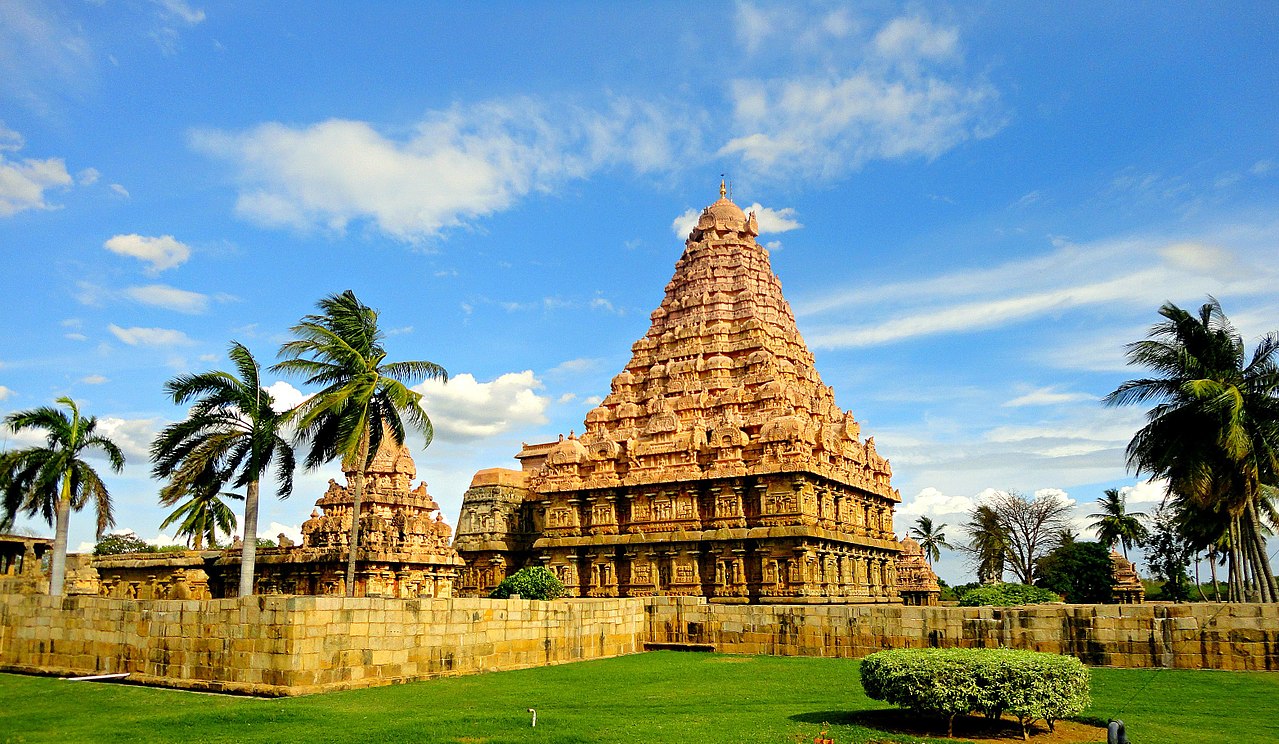
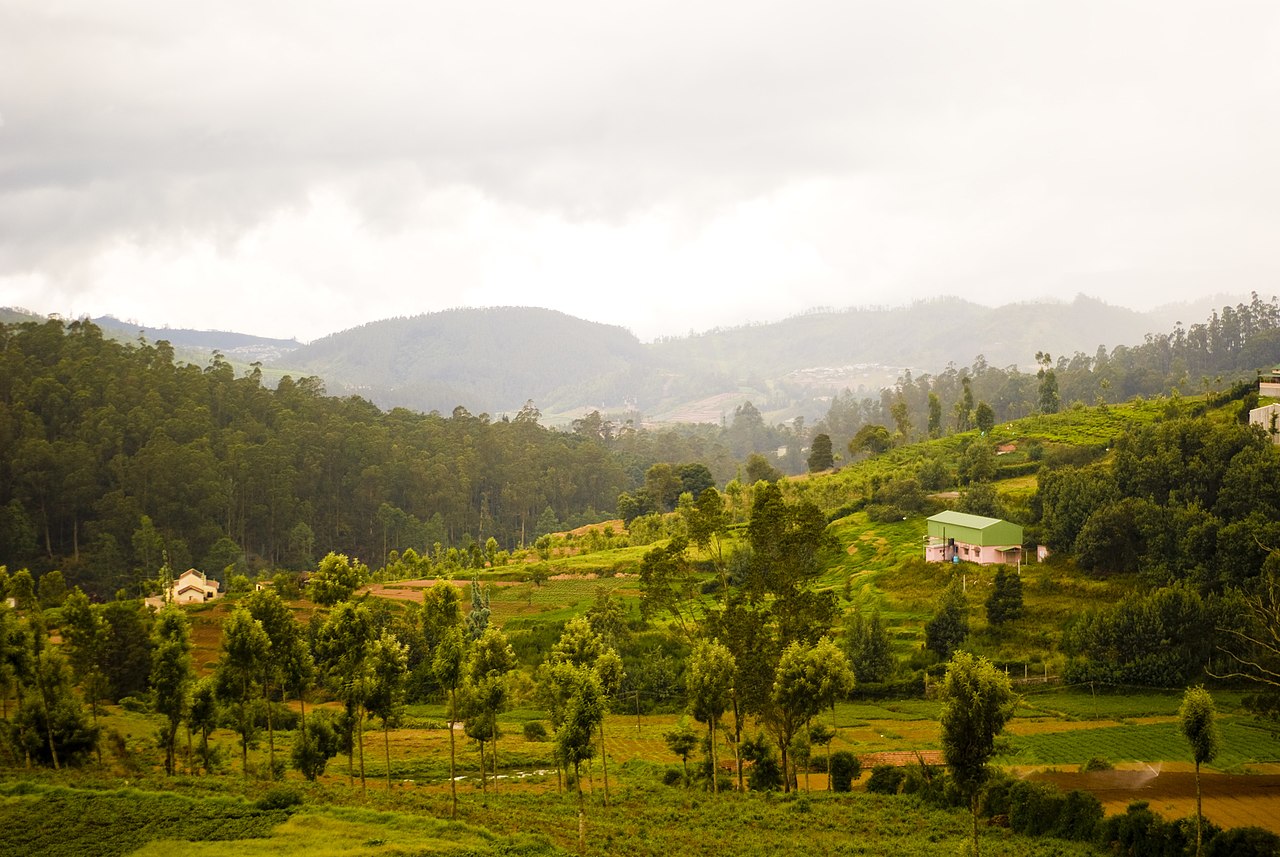
The city of Tiruppur, a leading producer of cotton knitwear (for which it is known as India's "Knitwear Capital") alone contributed more than half of all India's garment exports in 2022. Coimbatore is also a major cotton producer. Around 40% of all leather goods exported from India are manufactured in the state. With its beaches, mountains, historic buildings and religious sites, Tamil Nadu also has a thriving tourism industry.

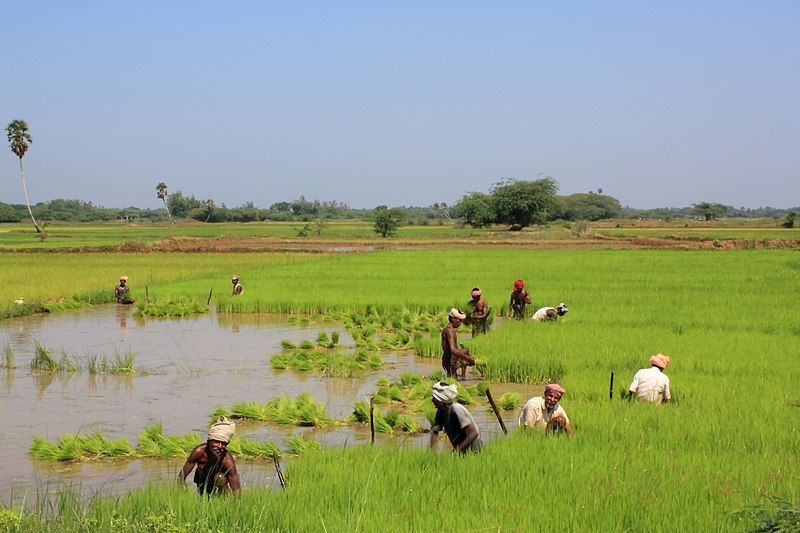
Rice, a staple crop, is cultivated along the Coromandel Coast, especially around the fertile Kaveri delta region. Sugar cane, spices, oilseeds, coconuts, rubber, tapioca, cloves, fruits and flowers are the other major crops, while tea is a grown at many hill stations. Poultry farming is also significant. The state has a fishing population of more than 1 million people.
Chennai
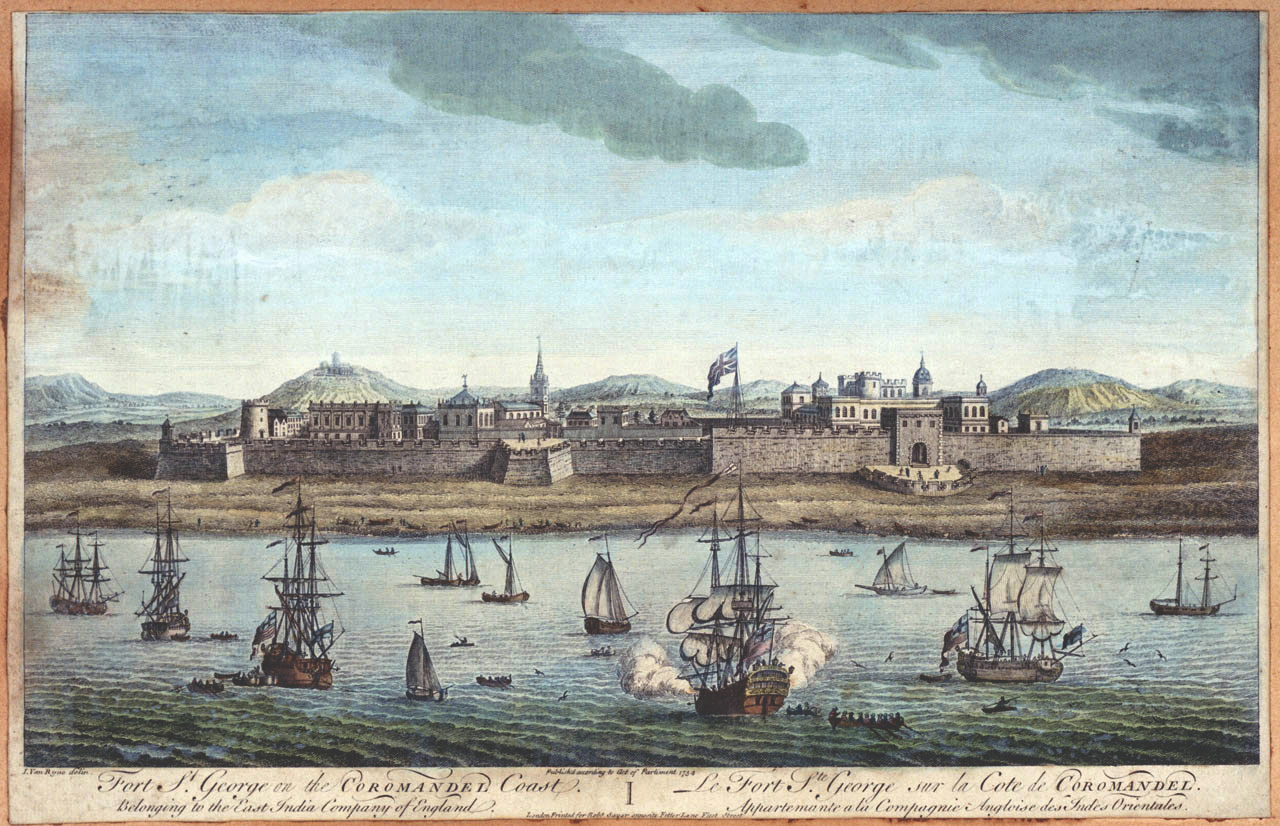
In the 17th century, an area on the Coromandel Coast, in which was located the fishing village of Madrasapattinam, was purchased by the English East India Company from the local ruler Chennapa Nayaka. There the English built Fort St George, the first major English settlement in India. The city of Madras, as it later became, was established as a naval base and the winter capital of the Madras Presidency, a colonial province of the British Raj.
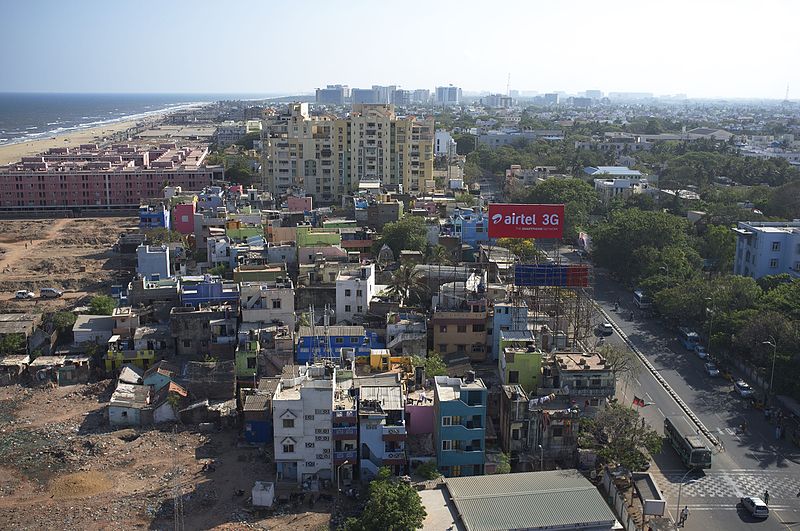
After India gained its independence in 1947, Madras continued as the capital city of the Madras State and then present-day Tamil Nadu. The city was officially renamed Chennai in 1996. Today it is the sixth-most populous city in India, the centre of India's vehicle manufacturing industry, a major information technology (IT) hub and home to the Tamil-language film industry.
History of Tamil Nadu
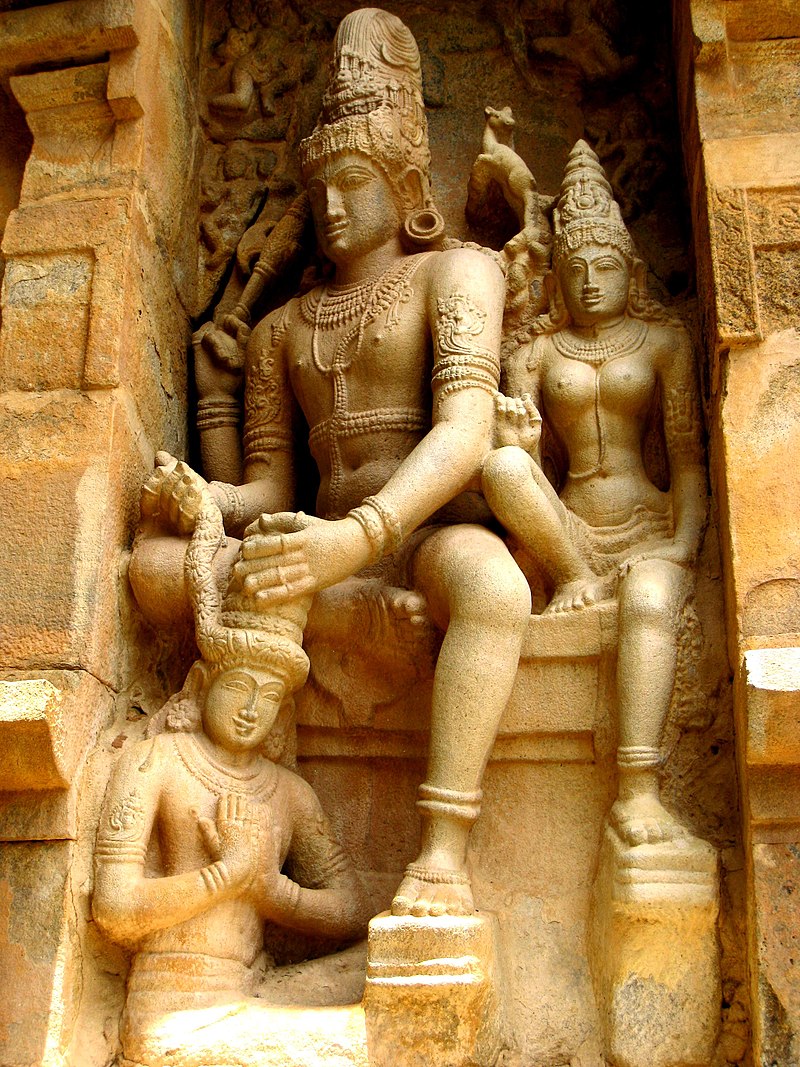
For centuries, the region was ruled by three ancient Tamil dynasties: the Cheras, Cholas and Pandyas. As they went into decline during the 14th century, a new Hindu kingdom, the Vijayanagara Empire, emerged. It resisted an invasion by the rulers of the Delhi Sultanate. Vijayanagara ruled the region until the 16th century when a local dynasty, the Nayaks, took power. In the 17th and 18th centuries, the Maratha Empire expanded its control into the region just as Europeans (the Portuguese, Dutch, French and English) began establishing trading ports along the coast.
With British rule beginning at the end of the 18th century, much of Tamil Nadu became part of the Madras Presidency—the Kingdom of Pudukkottai became a princely state—until Indian Independence in 1947.
Consultant: Nicholas Harris
Facts about Tamil Nadu
Area 130,058 sq km (50,216 sq miles) Rank: 10th
Highest point Doddabetta 2636 m (8648 ft)
Population 77,394,000 Rank: 7th
Capital and largest city Chennai (pop. 8,696,010)
Other large cities Coimbatore (pop. 2,151,466), Madurai (1,462,420), Tiruchirappalli (1,021,717), Tiruppur (962,982), Salem (919,150)
Main languages Tamil (88%), Telugu (6%)
Main religions Hinduism (88%), Christianity (6%), Islam (6%)
State bird Emerald dove
State flower Gloriosa lily
State mammal Nilgiri tahr
State tree Asian palm
pics
Without in any way limiting Q-files Ltd’s exclusive rights under copyright, any use of this publication to “train” generative artificial intelligence (AI) technologies to generate text is expressly prohibited. Q-files Ltd reserves all rights to license use of this work for generative AI training and development of machine learning language models.