
States and territories of India

CITE
We have made every effort to follow citation style rules, but there may be some minor differences. If in doubt, please refer to the appropriate citation style manual.
States and territories of India. (2026). In Q-files Encyclopedia, Geography, States and territories of India. Retrieved from
https://www.q-files.com/geography/states-and-territories-of-india/states-and-territories-of-india
"States and territories of India." Geography, States and territories of India, Q-files Encyclopedia, 9 Jun. 2026.
https://www.q-files.com/geography/states-and-territories-of-india/states-and-territories-of-india.
Accessed 20 Oct. 2026.
States and territories of India 2026. Geography, States and territories of India. Retrieved 20 October 2026, from
https://www.q-files.com/geography/states-and-territories-of-india/states-and-territories-of-india
Geography, States and territories of India, s.v. "States and territories of India," accessed October 20, 2026.
https://www.q-files.com/geography/states-and-territories-of-india/states-and-territories-of-india


States and territories of India
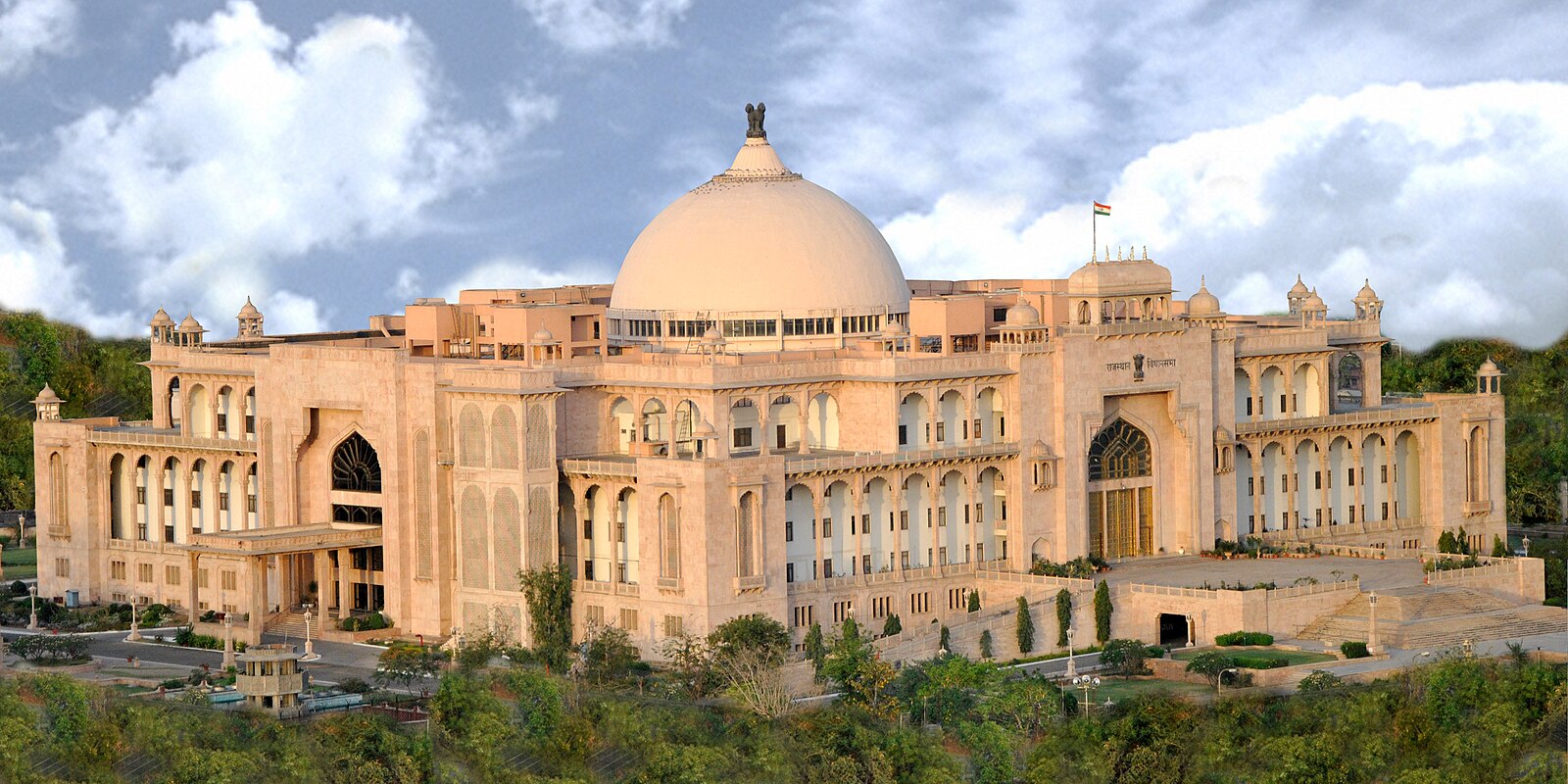
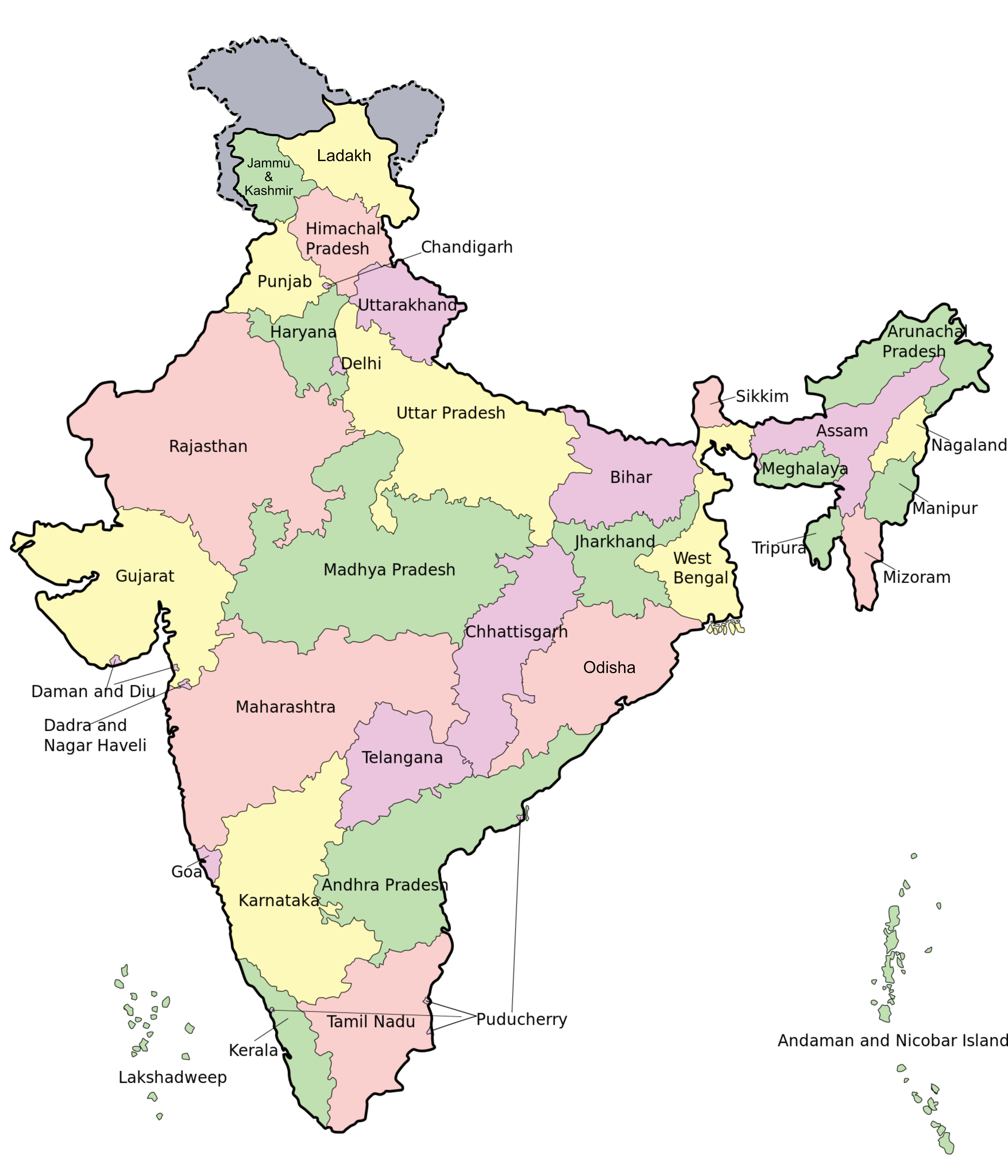
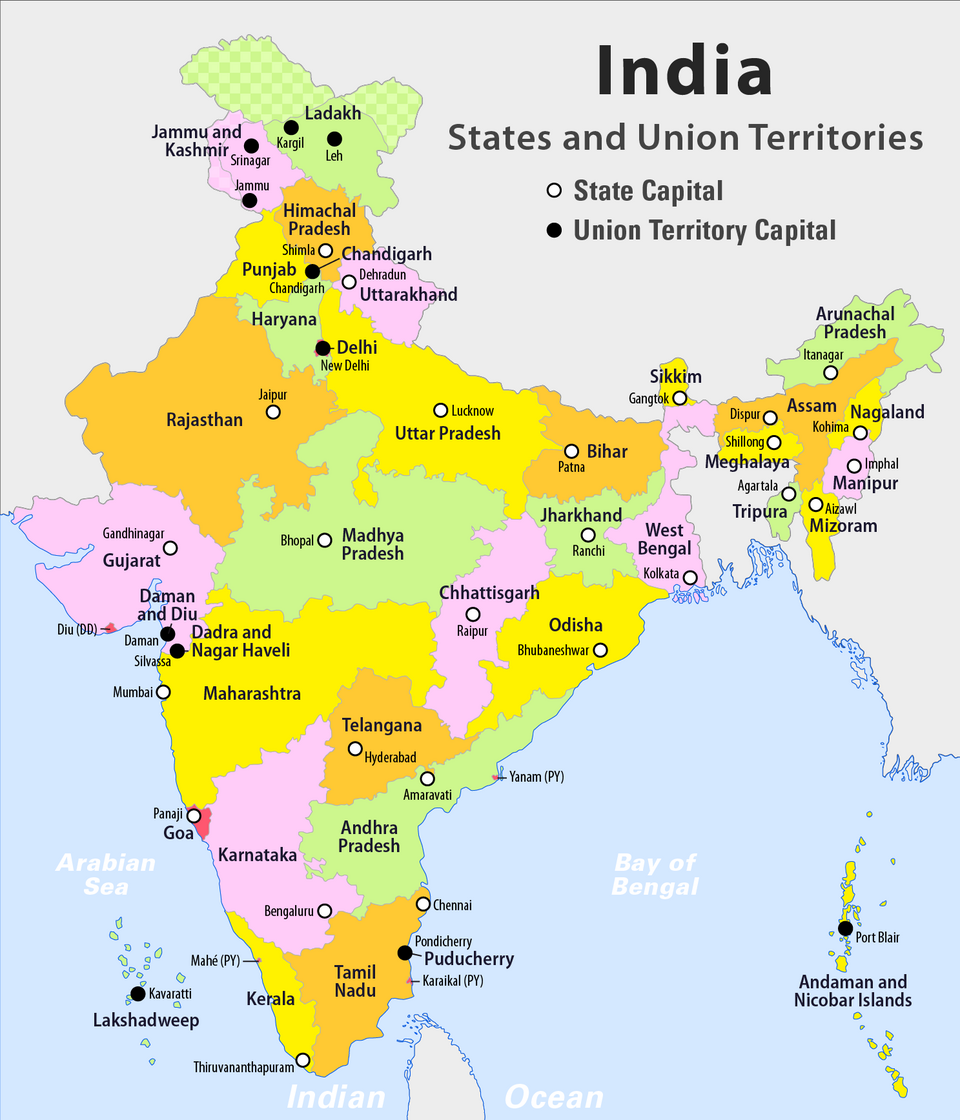
India is a federal republic made up of 28 states and 8 union territories. Unlike the states, which have their own governments, union territories are governed directly by the Union Government of India. Included among the union territories are the National Capital Territory, which contains the city of Delhi, and Chandigarh, the state capital of both Punjab and Haryana.
States and territories
States
Andhra Pradesh ● Arunachal Pradesh ● Assam ● Bihar ● Chhattisgarh ● Goa ● Gujarat ● Haryana ● Himachal Pradesh ● Jharkhand ● Karnataka ● Kerala ● Madhya Pradesh ● Maharashtra ● Manipur ● Meghalaya ● Mizoram ● Nagaland ● Odisha ● Punjab ● Rajasthan ● Sikkim ● Tamil Nadu ● Telangana ● Tripura ● Uttarakhand ● Uttar Pradesh ● West Bengal
Union territories
Andaman and Nicobar Islands ● Chandigarh ●
Dadra and Nagar Haveli and Daman and Diu ● Jammu and Kashmir ● Ladakh ● Lakshadweep ●
National Capital Territory ● Puducherry
History
After the Indian Independence Act in 1947, the Union of India was established. The provinces of the old British Raj and princely states were absorbed into the Union. In 1950, after the adoption of the Constitution of India, these became the 27 states of the Republic of India. In 1956, the States Reorganization Act re-organized the country into 14 states and six union territories, drawing up boundaries according to the languages spoken in those states or territories. Since then, there have been a number of adjustments, including new states being created out of old ones. You can read about how each state came to be its current shape by following the links above.
State government
The states are further subdivided into districts and smaller administrative divisions. In most states these sub-districts are known as tehsils, taluks or mandals in rural areas, or metropoles in urban areas. The states are self-governing—each has a government with its own parliament. The governing powers of the states are shared between the state government and the Union Government of India. State governments are responsible for local matters, such as the police, hospitals, roads, bridges, water supply etc. The Union Government deals with matters affecting the whole nation, including defence, foreign affairs, financial policy, trade, railways and so on.
Parliament of India
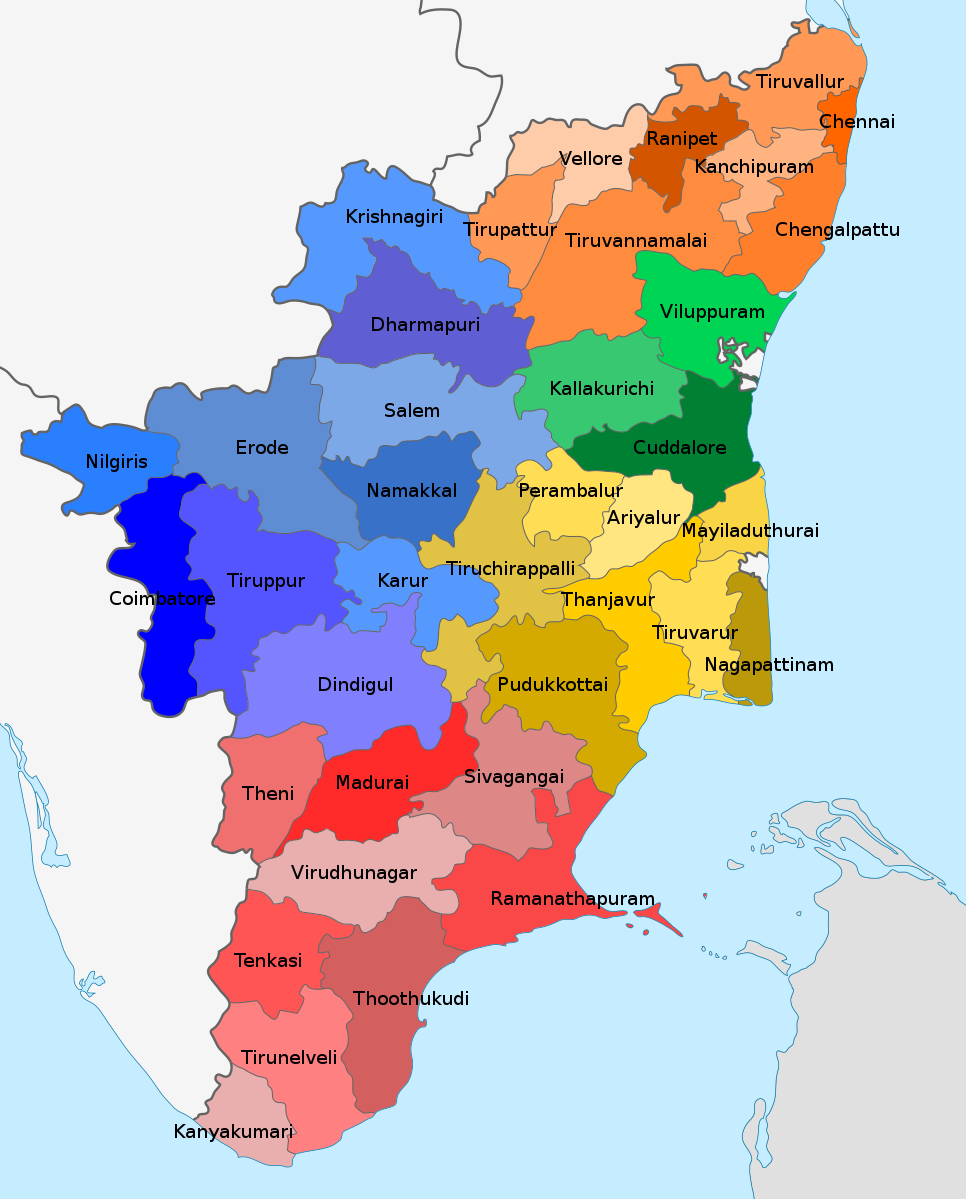
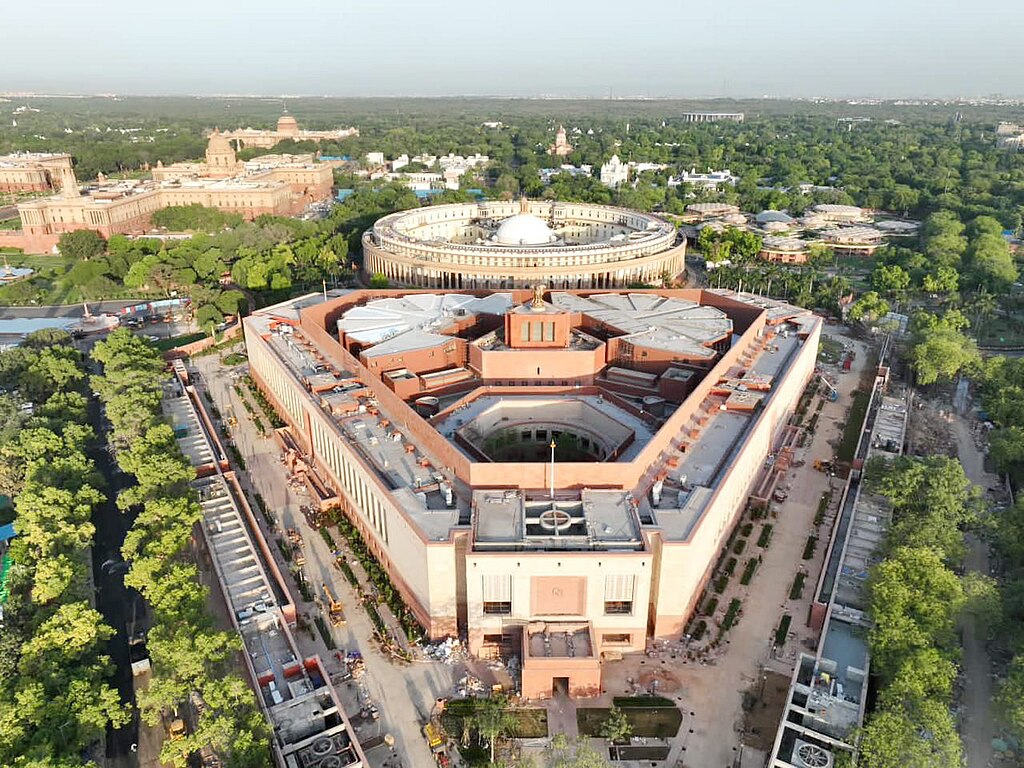
The Parliament of India is bicameral—it has two houses or legislatures. These are: the upper house, the Rajya Sabha (Council of States) and the lower house, the Lok Sabha (House of the People). Members of parliament of the Lok Sabha (550 in number) are directly elected by the Indian public voting. Members of parliament of the Rajya Sabha (250, including 12 people nominated from the expertise of different fields of literature, art, science and social service) are elected by the members of all state parliaments by proportional representation. The Parliament meets at Sansad Bhavan (New Parliament House) in New Delhi. On 28th May 2023, the Prime Minister of India, Narendra Modi, inaugurated the Sansad Bhavan, which is located next to the Samvidhan Sadan, the Old Parliament House.
Consultant: Nicholas Harris
pics
Without in any way limiting Q-files Ltd’s exclusive rights under copyright, any use of this publication to “train” generative artificial intelligence (AI) technologies to generate text is expressly prohibited. Q-files Ltd reserves all rights to license use of this work for generative AI training and development of machine learning language models.