
Land invertebrates

CITE
We have made every effort to follow citation style rules, but there may be some minor differences. If in doubt, please refer to the appropriate citation style manual.
Woodlice. (2026). In Q-files Encyclopedia, Life, Land invertebrates. Retrieved from
https://www.q-files.com/life/land-invertebrates/woodlice
"Woodlice." Life, Land invertebrates, Q-files Encyclopedia, 24 Mar. 2026.
https://www.q-files.com/life/land-invertebrates/woodlice.
Accessed 6 Aug. 2026.
Woodlice 2026. Life, Land invertebrates. Retrieved 6 August 2026, from
https://www.q-files.com/life/land-invertebrates/woodlice
Life, Land invertebrates, s.v. "Woodlice," accessed August 6, 2026.
https://www.q-files.com/life/land-invertebrates/woodlice


Woodlice
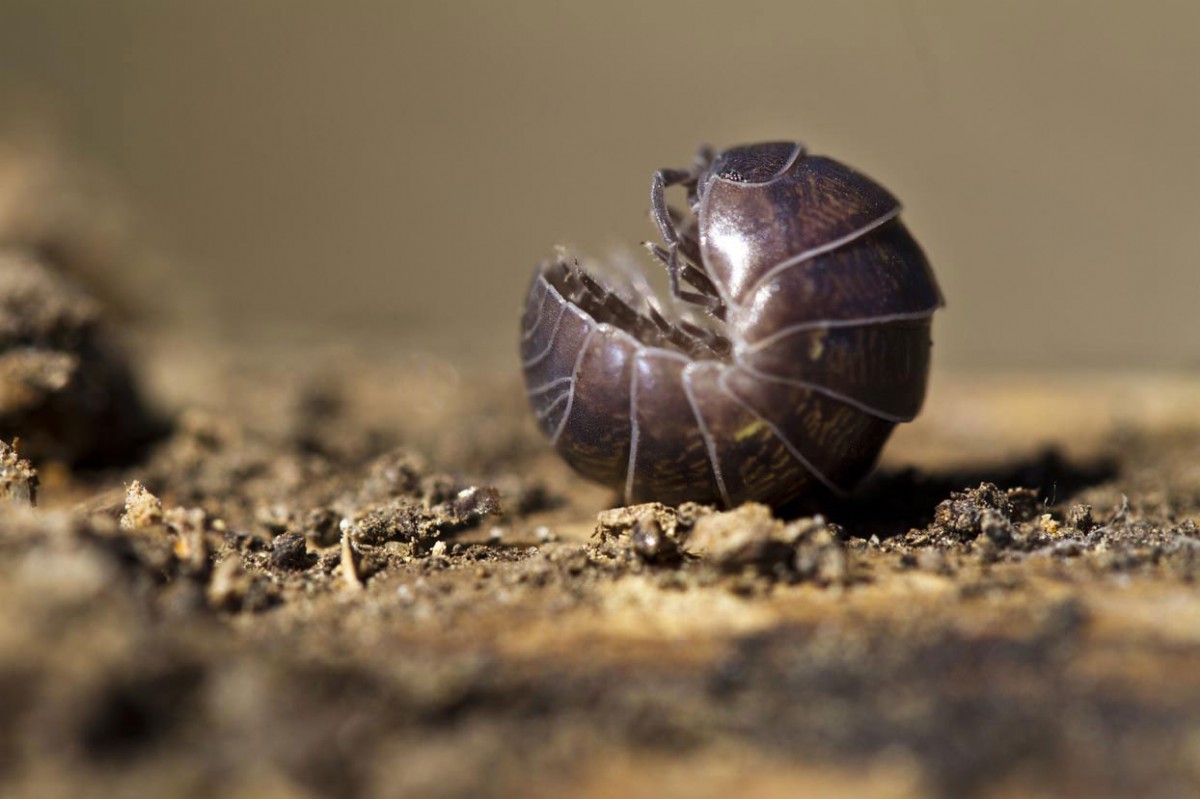
Woodlice are small crustaceans—arthropods with a hard, segmented exoskeleton, known as a cuticle, and two pairs of antennae. Woodlice have seven pairs of legs. They live in cool, damp places and eat dead vegetation. Some kinds of woodlouse, known as pill bugs, curl up into an almost perfectly spherical ball when they are threatened.
Lifestyle
Woodlice rapidly lose water from their bodies, and so they are usually found in damp places where there is always moisture, such as under rocks and logs. Most species are nocturnal and feed on dead plant matter.
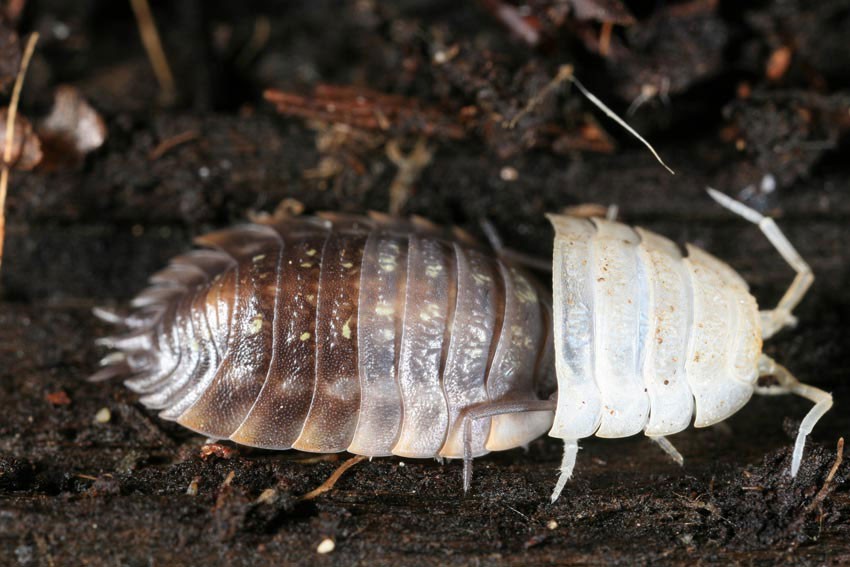
The woodlouse must shed, or moult, its shell-like cuticle as it grows, which it does in two stages. The female woodlouse carries her eggs in a pouch on the underside of her body, until they hatch out into tiny babies.
Spiky yellow
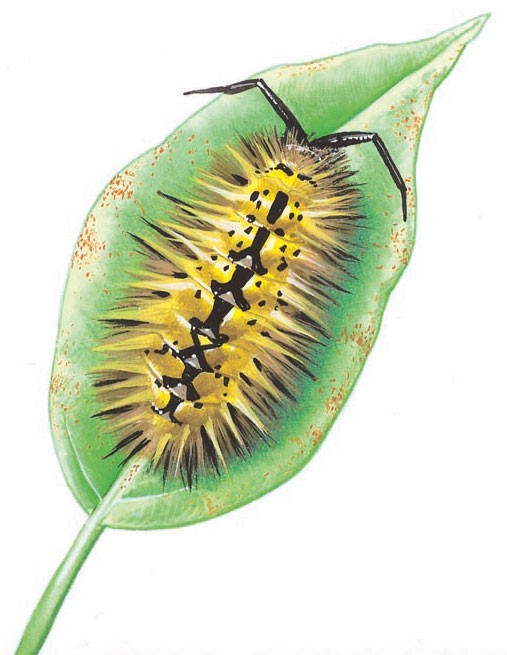
The spiky yellow woodlouse is found only on the tiny island of St Helena in the Atlantic Ocean. It lives high up in the mountains on plants, kinds of tree fern, that grow only on this particular island. There is no other woodlouse like it anywhere else in the world. It is threatened by extinction: by the drying out of its habitat after most of the shady black cabbage trees that kept the undergrowth moist were chopped down, through competition from the accidentally introduced European woodlice, and from being preyed on by the woodlouse spider.
Consultant: Chris Jarvis
pics
Without in any way limiting Q-files Ltd’s exclusive rights under copyright, any use of this publication to “train” generative artificial intelligence (AI) technologies to generate text is expressly prohibited. Q-files Ltd reserves all rights to license use of this work for generative AI training and development of machine learning language models.