
EASY READ The living world

CITE
We have made every effort to follow citation style rules, but there may be some minor differences. If in doubt, please refer to the appropriate citation style manual.
EASY READ How do plants make food?. (2026). In Q-files Encyclopedia, Life, EASY READ The living world. Retrieved from
https://www.q-files.com/life/easy-read-the-living-world/easy-read-how-do-plants-make-food
"EASY READ How do plants make food?." Life, EASY READ The living world, Q-files Encyclopedia, 24 Mar. 2026.
https://www.q-files.com/life/easy-read-the-living-world/easy-read-how-do-plants-make-food.
Accessed 13 Sep. 2026.
EASY READ How do plants make food? 2026. Life, EASY READ The living world. Retrieved 13 September 2026, from
https://www.q-files.com/life/easy-read-the-living-world/easy-read-how-do-plants-make-food
Life, EASY READ The living world, s.v. "EASY READ How do plants make food?," accessed September 13, 2026.
https://www.q-files.com/life/easy-read-the-living-world/easy-read-how-do-plants-make-food


How do plants make food?
A plant uses its green leaves to receive sunlight. The leaves also take in carbon dioxide from the air, while water and vital minerals and nutrients are soaked up from the soil through the roots. The sunlight energy joins the water and carbon dioxide together to make a sugar called glucose. As this happens, waste oxygen and water vapour pass from the leaves into the air. Living things, including ourselves, need oxygen to survive. Plants help to top up its level in the air.

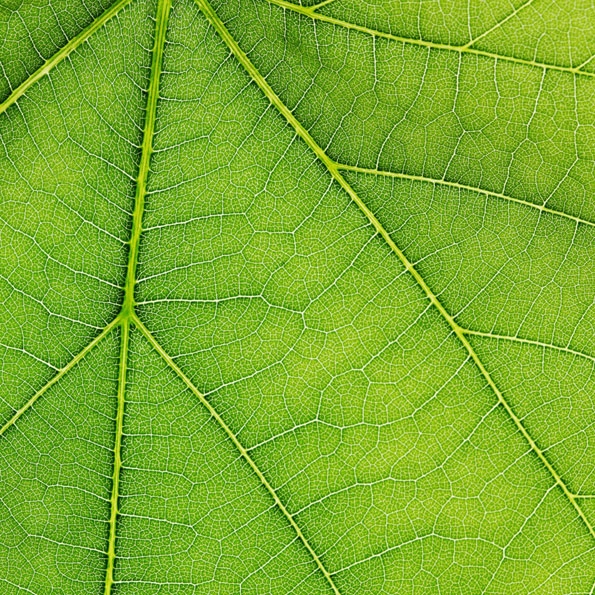
Leaves
Photosynthesis happens in a plant’s leaves. These contain tiny tubes, called veins. Some bring water from the roots up into the leaf. Others deliver the sap—water containing the dissolved sugars produced by photosynthesis—to the rest of the plant.
Inside a leaf
A plant’s leaves are normally broad and flat so that as much light as possible can fall on them. Inside the cells in the leaf’s upper surface are a large number of tiny blobs. These are called chloroplasts. They contain chlorophyll, a green substance that absorbs the energy in sunlight.

The carbon dioxide for photosynthesis comes from the air. It seeps into the leaf through tiny holes in its lower surface, known as stomata. Photosynthesis also produces oxygen and water vapour, which passes out into the air through the stomata.
Consultant: Chris Jarvis
Ready to find out more?
Here are some pages in other parts of Q-files you might like to explore:
pics
Without in any way limiting Q-files Ltd’s exclusive rights under copyright, any use of this publication to “train” generative artificial intelligence (AI) technologies to generate text is expressly prohibited. Q-files Ltd reserves all rights to license use of this work for generative AI training and development of machine learning language models.