
Medicine
Nursing
Nurses work with doctors, therapists and other members of the nursing team both to treat illnesses, conditions, injuries and disabilities and provide suitable care for their patients. Nurses' traditional role is as care providers, but many nurses practise independently in a wide variety of ways. Some senior nurses are, in some cases, authorised to diagnose health problems and prescribe medications and other therapies. Education, research and helping to shape health policy are also key nursing roles. Nurses practise in hospitals, clinics, doctor's surgeries, day care centres, schools, nursing homes and patients' homes. Some work in pharmaceutical companies, on cruise ships, in military service and in prisons. All nurses work as part of teams of other professionals, which may include doctors, psychologists, therapists, radiographers, social workers and healthcare assistants.
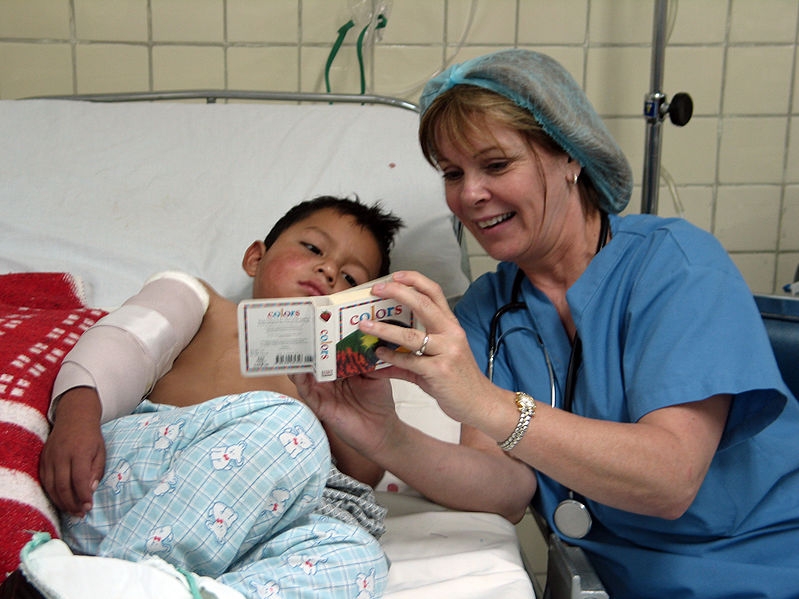

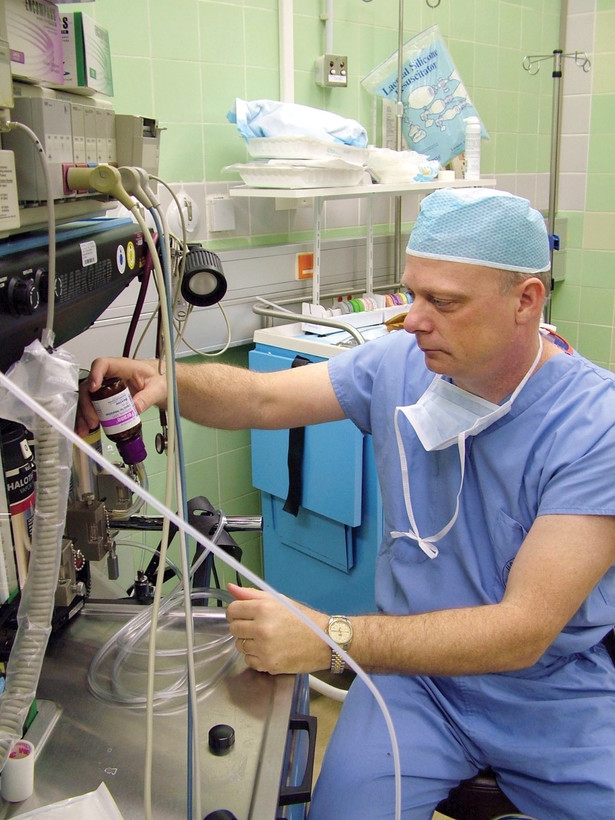
Typical duties
Daily duties for many nurses involve the following tasks: administering medications; managing intravenous (IV) therapy, including injections and infusions (usually called drips); caring for patients; observing and recording patients' conditions; communicating with doctors; providing emotional support to patients and their families; advising patients on how to take their medications or carry out physical therapy; educating patients—and the general public—on medical conditions and how to live and eat healthily.
Kinds of nurse
Hospital nurses assist patients with eating and drinking, as well as toileting, washing and dressing. They carry out investigations and blood tests ordered by doctors, monitor their patients' blood pressure, temperature, pulse, respiration rate and oxygen levels. They write care plans, perform assessments and make referrals to other members of the team. They assist in tests, procedures, operations and emergencies whenever help is needed.
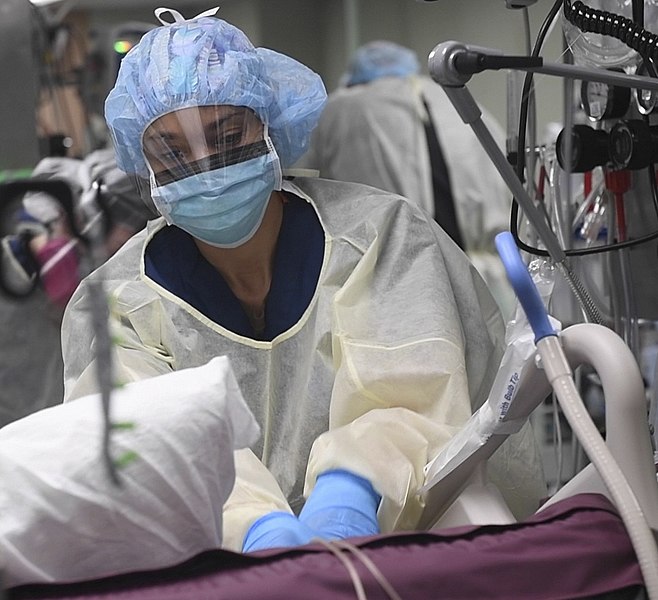
Theatre (or surgical) nurses work in hospital operating theatres alongside surgeons, anaesthetists and theatre support workers. Their work includes assessing the patient immediately prior to the surgery, preparing instruments, needles, swabs and medication, and providing the surgeon with them as required during surgery. In the recovery phase after surgery, theatre nurses provide care and support, and monitor the patient's health.

Children's nurses provide specialist care and support to children, from newborn babies to adolescents.
District (or community) nurses perform their role away from hospital or other health centre. Their work may include, for example, administering insulin to diabetics, managing wounds such as leg ulcers or providing end-of-life care.
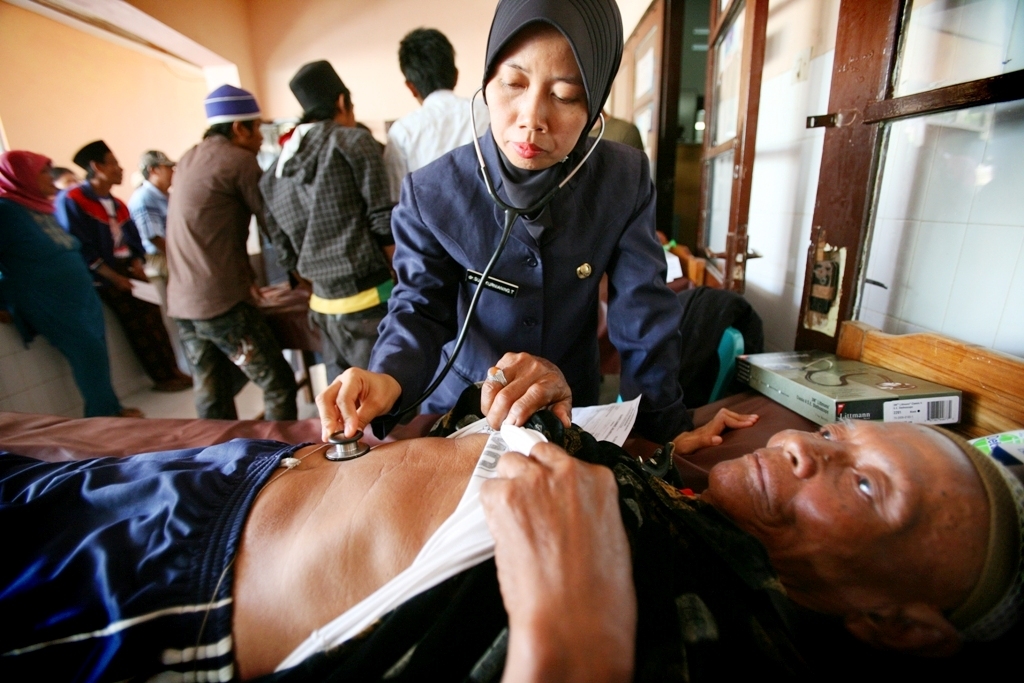
General practice nurses work in doctors' surgeries. Their work may include, for example, obtaining blood samples, carrying out electrocardiograms (ECGs), offering advice about family planning and giving up smoking.
Mental health nurses work with people who have mental health problems—arising from a wide range of causes, for example, alcohol and drug abuse, or life events such as the death of someone close.
Learning disability nurses provide care and support to people with a learning disability, helping them to learn the skills needed to find work and live a fulfilling life.
Prison nurses, working in prisons, perform a similar role to those who work in a general practice. They provide specialist healthcare and support to those with mental health problems and drug abuse issues, conditions often found in prisons.
Consultant: Kristina Routh