
EASY READ How things work

CITE
We have made every effort to follow citation style rules, but there may be some minor differences. If in doubt, please refer to the appropriate citation style manual.
EASY READ How does a jet engine work?. (2026). In Q-files Encyclopedia, Technology, EASY READ How things work. Retrieved from
https://www.q-files.com/technology/easy-read-how-things-work/easy-read-how-does-a-jet-engine-work
"EASY READ How does a jet engine work?." Technology, EASY READ How things work, Q-files Encyclopedia, 13 Mar. 2026.
https://www.q-files.com/technology/easy-read-how-things-work/easy-read-how-does-a-jet-engine-work.
Accessed 22 Sep. 2026.
EASY READ How does a jet engine work? 2026. Technology, EASY READ How things work. Retrieved 22 September 2026, from
https://www.q-files.com/technology/easy-read-how-things-work/easy-read-how-does-a-jet-engine-work
Technology, EASY READ How things work, s.v. "EASY READ How does a jet engine work?," accessed September 22, 2026.
https://www.q-files.com/technology/easy-read-how-things-work/easy-read-how-does-a-jet-engine-work


How does a jet engine work?
In a jet aircraft, hot, compressed air blasts out of the back of the engine, thrusting it forwards. Airliners, military jets, and some speed boats are powered by jet engines. Turboshafts, which are used in helicopters, use the jet power to turn a shaft to which its rotor blades are attached. A plane's jet engines are contained within engine cowlings (casings) attached to the wings, or on either side of the fuselage.
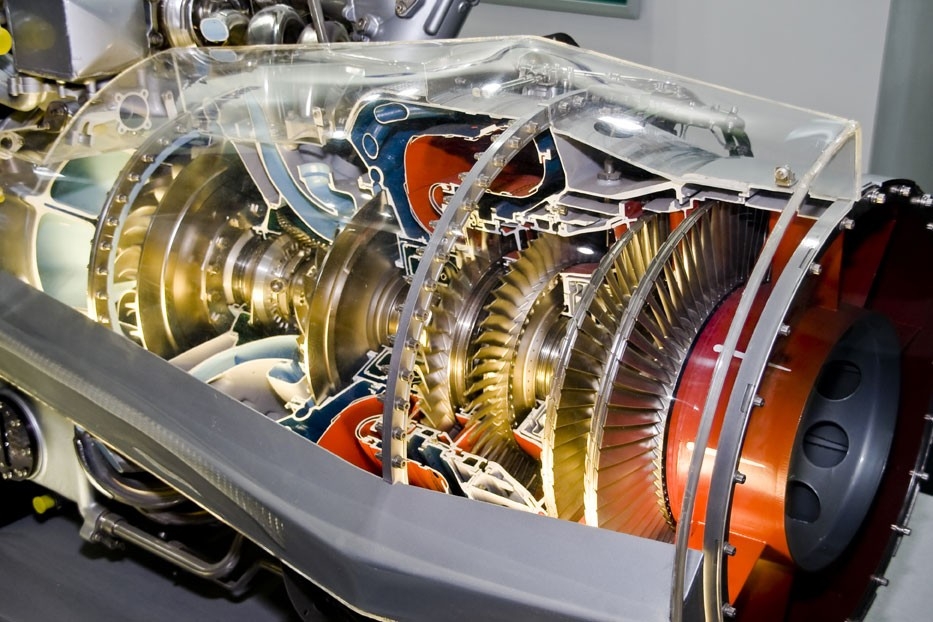

Jet power
If you inflate a balloon, pinch the opening, then let it go, what happens? The force of air escaping from the balloon sends it flying off in the opposite direction. This is how a jet engine works.
How it works
In a jet engine, air is sucked in through the opening at the front. This air is compressed (squashed) by spinning blades inside the compressor. Then, in the combustion chamber, the compressed air is mixed with kerosene fuel. The air-fuel mixture is ignited.

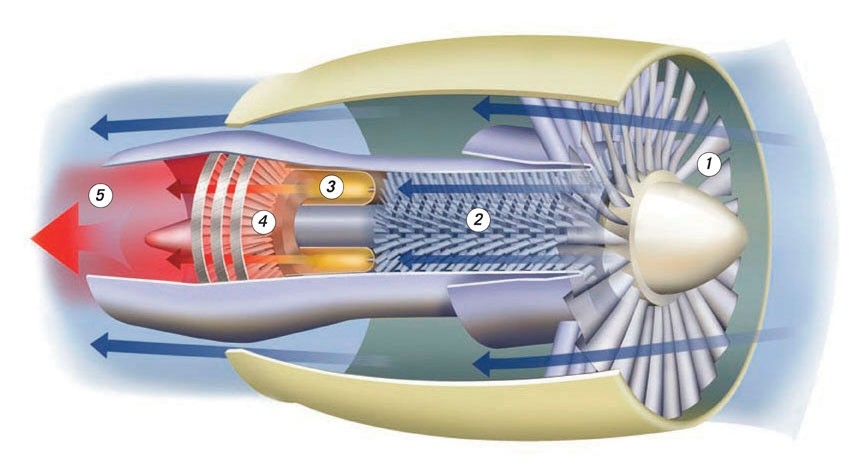
The hot exhaust gas produced blasts out through the back of the engine. This powers a turbine, which turns the compressor, as it rushes past. The backwards-flowing gases provide a forward thrust. The engine—and the plane to which it is attached—is powered forwards.
Turbofan
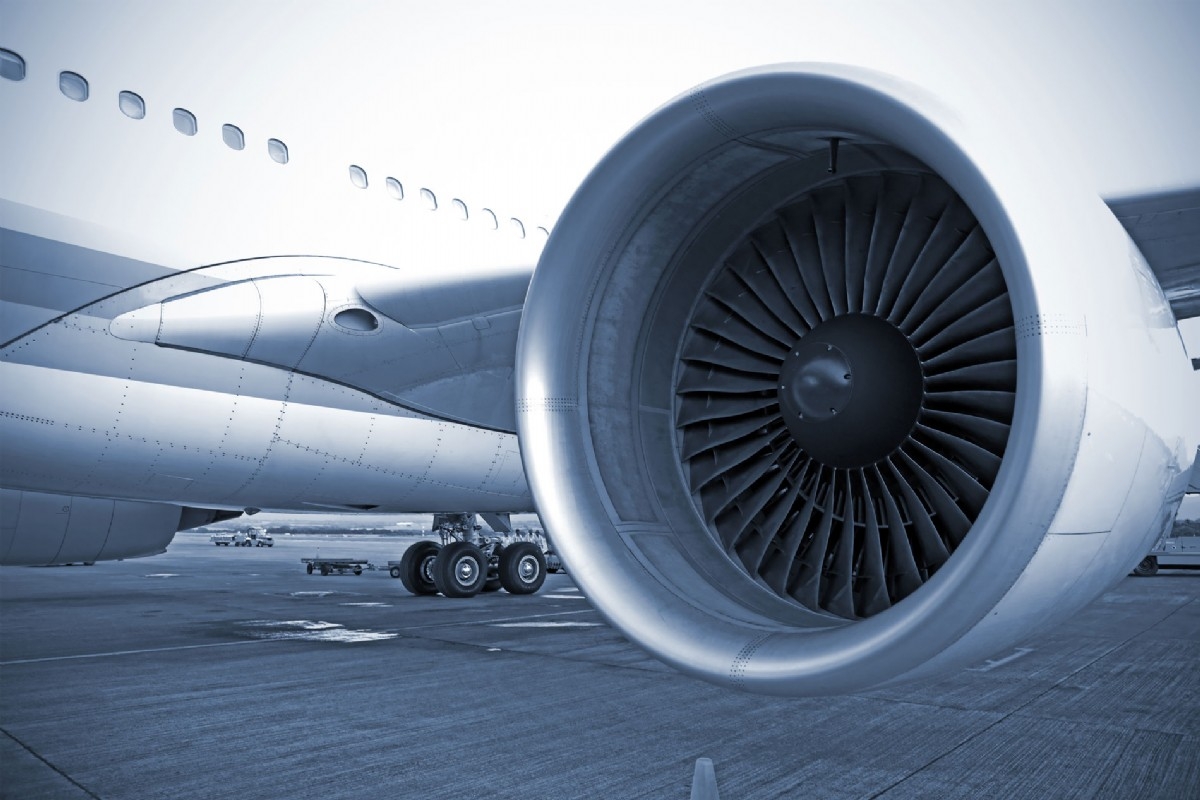
Airliners are driven by a type of jet engine called a turbofan. Besides being much more powerful, turbofan engines are cooler and quieter than other types. They use less fuel, too.
In a turbofan, air is sucked into the engine by a whirling fan. Only some of this air passes through a compressor. The rest of it flows around the outside of the compressor, combustion chamber and turbine. It joins the exhaust gases from the ignited mixture and they are together blasted out of the back of the engine.
Consultant: Mike Goldsmith
Ready to find out more?
Here are some pages in other parts of Q-files you might like to explore:
Jet engine
Jet engine A-Z
pics
Without in any way limiting Q-files Ltd’s exclusive rights under copyright, any use of this publication to “train” generative artificial intelligence (AI) technologies to generate text is expressly prohibited. Q-files Ltd reserves all rights to license use of this work for generative AI training and development of machine learning language models.