
EASY READ How things work

CITE
We have made every effort to follow citation style rules, but there may be some minor differences. If in doubt, please refer to the appropriate citation style manual.
EASY READ What do robots do?. (2026). In Q-files Encyclopedia, Technology, EASY READ How things work. Retrieved from
https://www.q-files.com/technology/easy-read-how-things-work/easy-read-what-do-robots-do
"EASY READ What do robots do?." Technology, EASY READ How things work, Q-files Encyclopedia, 13 Mar. 2026.
https://www.q-files.com/technology/easy-read-how-things-work/easy-read-what-do-robots-do.
Accessed 22 Sep. 2026.
EASY READ What do robots do? 2026. Technology, EASY READ How things work. Retrieved 22 September 2026, from
https://www.q-files.com/technology/easy-read-how-things-work/easy-read-what-do-robots-do
Technology, EASY READ How things work, s.v. "EASY READ What do robots do?," accessed September 22, 2026.
https://www.q-files.com/technology/easy-read-how-things-work/easy-read-what-do-robots-do


What do robots do?
A robot is a moving machine that carries out a series of actions, either on command or by being programmed beforehand, and which can react to its surroundings. Some modern robots can perform tasks without human help, even if their surroundings change. Today, robots are used in manufacturing industries, space exploration, underwater archaeology, healthcare, households, movies, security, bomb disposal and warfare. Advanced drones and driverless cars are also types of robot.
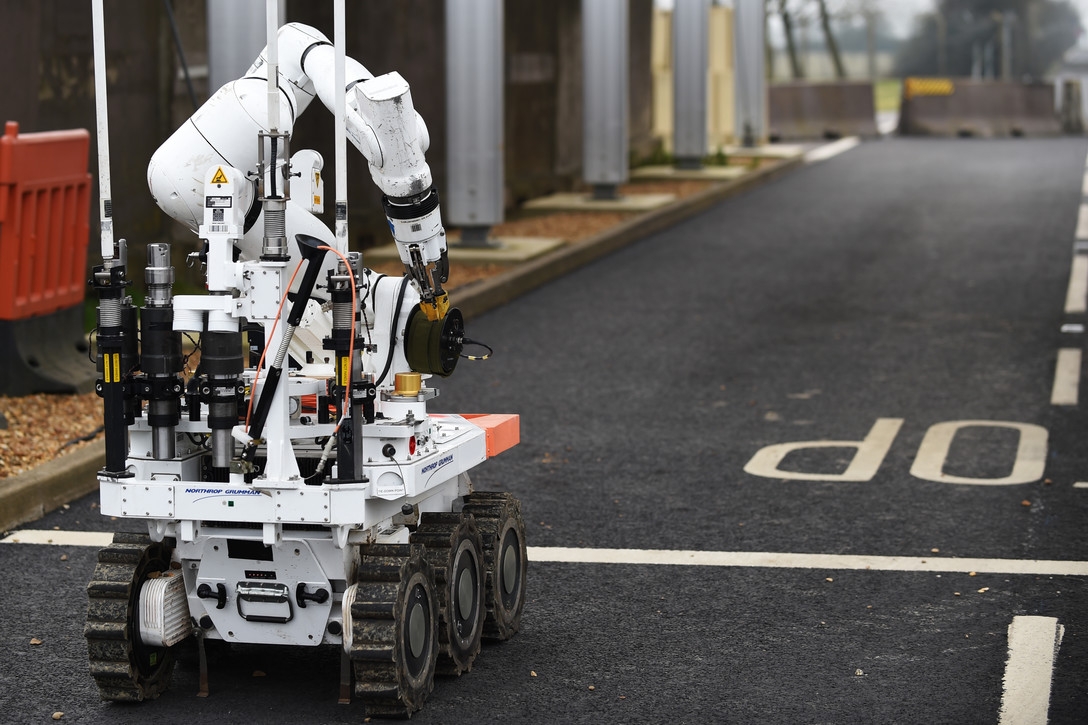
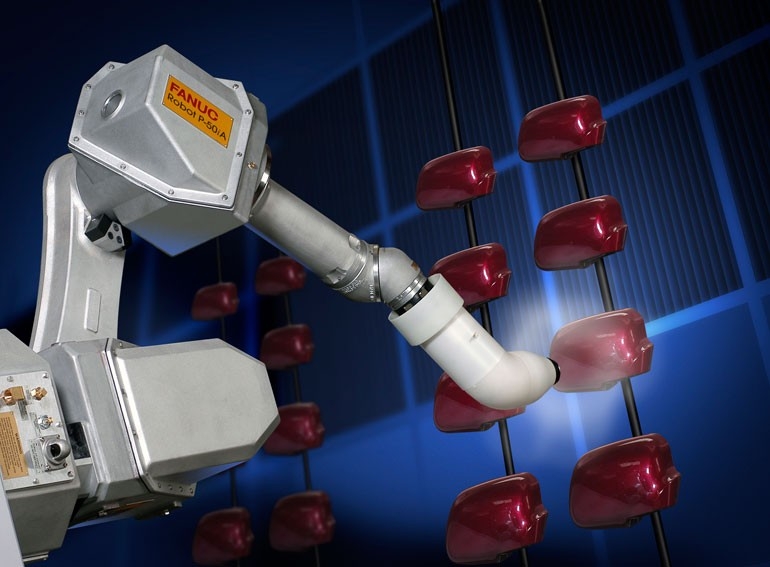
Industrial robots
Industrial robots in factories often carry out tasks that are time-consuming or dangerous for humans. Most are programmed to carry out the same task over and over again. These include welding together parts, painting, packaging or testing products.
Humanoid robots
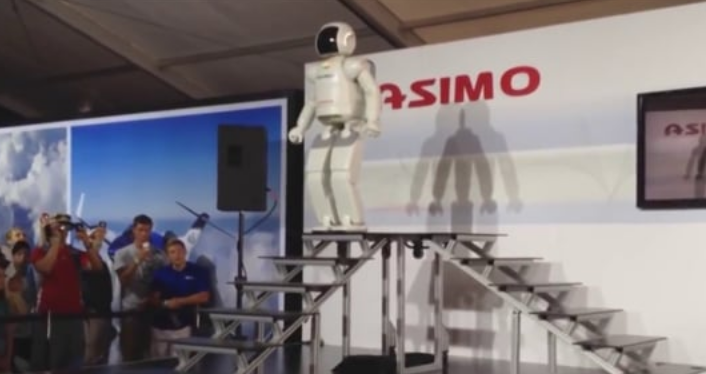
A humanoid robot is one built to resemble the body of a human. Scientists are working on creating robotic legs and arms for people who have lost limbs. These limbs may be controlled by the body itself just like a “real” limb. Humanoid robots are being developed to assist sick and elderly people, or perform simple jobs.
Robotic surgery
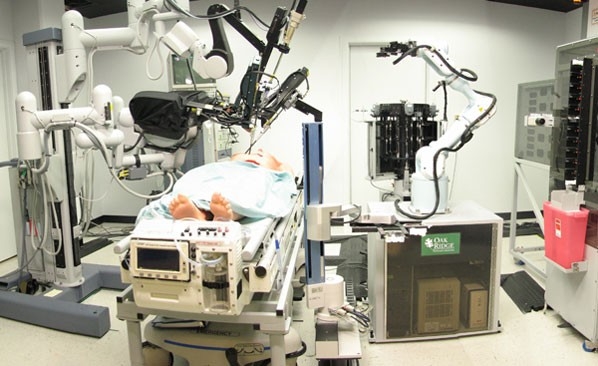
Robotic instruments are used for carrying out surgery in hospitals. Some operations can be performed more accurately by a robot than by a human hand. Surgeons direct them using a computer.
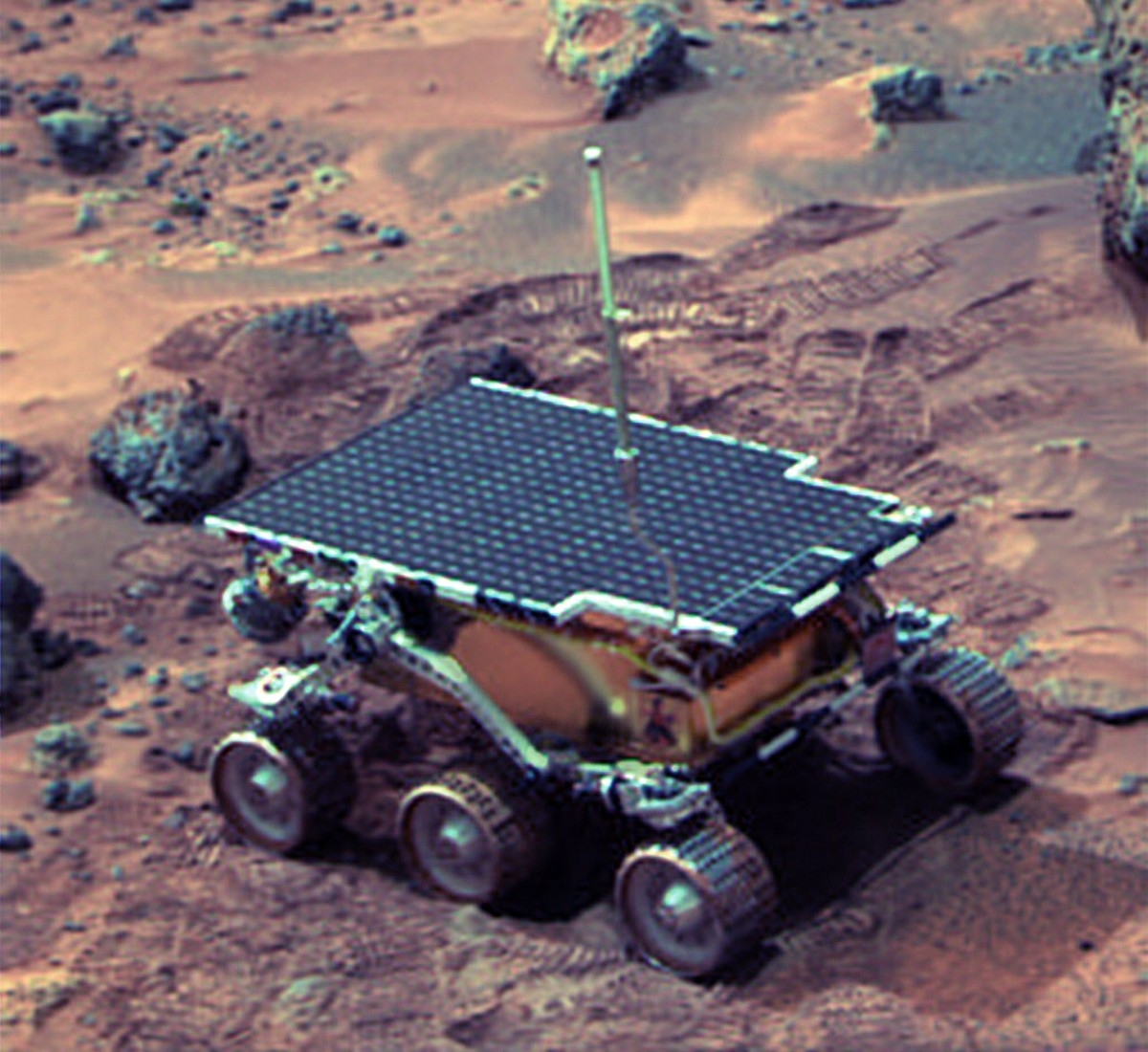
Space probes
Space probes (unmanned spacecraft) are types of robot. Since the late 1950s they have been launched into space to gather information about other planets and moons. Planetary rovers are also robots. Martian rovers are equipped with cameras and equipment to test samples of Martian rocks.
Drones
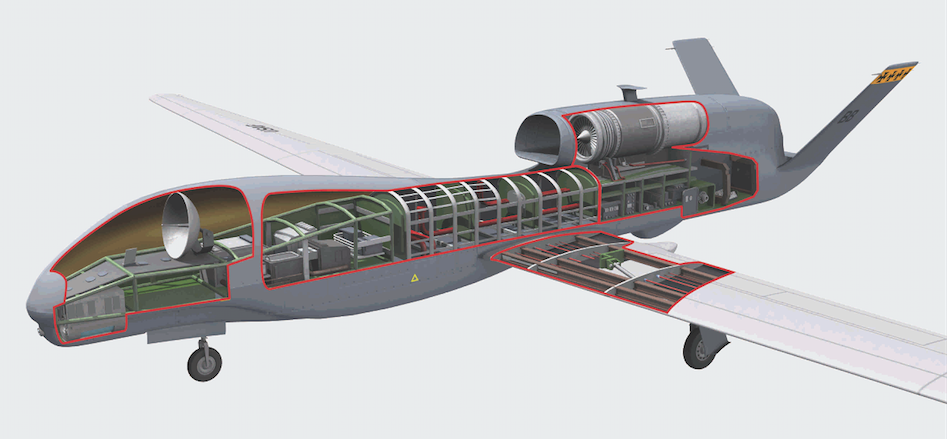
An unmanned aerial vehicle (UAV), also known as a drone, is a robotic aircraft without a human pilot aboard. An UAV may operate either under remote control by a human controller, or by itself, using onboard computers. UAVs were originally designed for military purposes, but they are now used in policing, product deliveries, aerial photography and even racing.

Self-drive cars
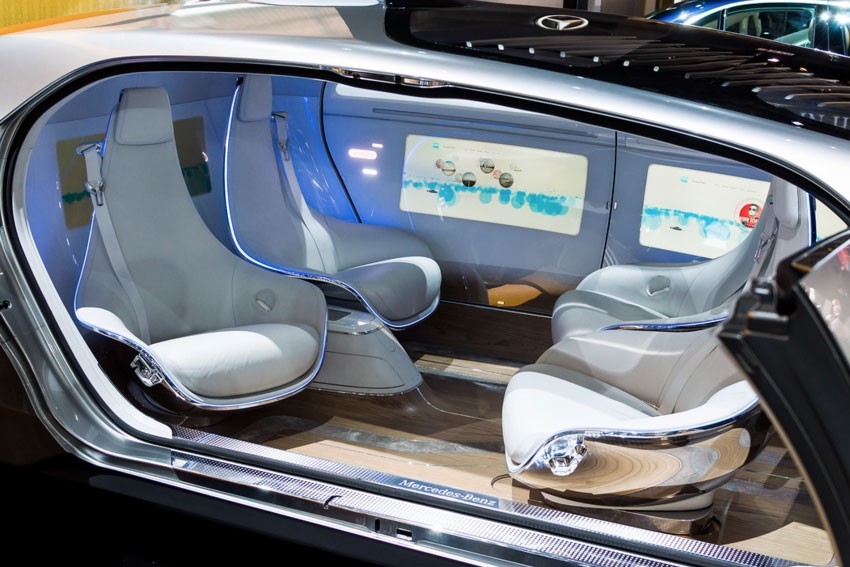
Self-drive cars or driverless cars are robotic road vehicles. The cars use advanced technologies to enable them to sense their surroundings in close detail and navigate without human control. When they are introduced some time in the future, it is likely that the number of road accidents, most of which are caused by human error, will fall dramatically.
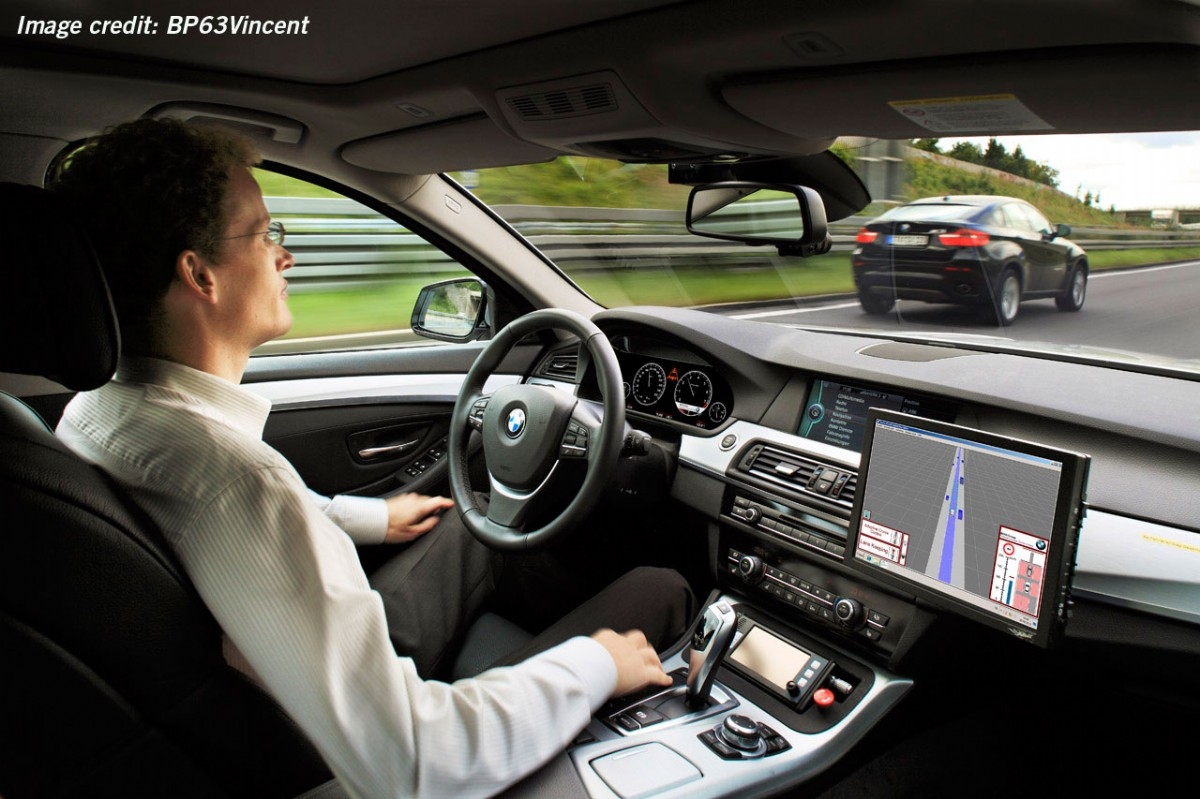
There are two kinds of self-drive cars: partly driverless cars, which take over from the driver for only part of the time, and full driverless cars, in which there is no steering wheel or other controls—the vehicle does all the driving.
Consultant: Mike Goldsmith
Ready to find out more?
Here are some pages in other parts of Q-files you might like to explore:
Robots
Artificial intelligence
Self-drive cars
Space probes
pics
Without in any way limiting Q-files Ltd’s exclusive rights under copyright, any use of this publication to “train” generative artificial intelligence (AI) technologies to generate text is expressly prohibited. Q-files Ltd reserves all rights to license use of this work for generative AI training and development of machine learning language models.