
EASY READ Our world
How is food produced on farms?
The world relies on farming (also called agriculture) for its food. Arable farming is the cultivation of crops, such as cereals and vegetables. Another type of cultivation is the growing of trees or bushes. These include fruit orchards, olive groves, vineyards, rubber, coffee or cocoa plantations. Livestock farming involves raising animals such as pigs, cows and sheep for their meat, milk or wool. The animals graze on grassland or on rough pasture. Some farmers concentrate on one type of farming. Others have mixed farms where they both grow crops and keep livestock.


Arable farming
People first started to grow crops about 12,000 years ago. They discovered that some wild plants produced seeds that could be ground into flour. These wild plants could be made to grow in fields. Today, vast areas of land that were once natural grasslands or woodlands are under cultivation.
An arable farmer's year
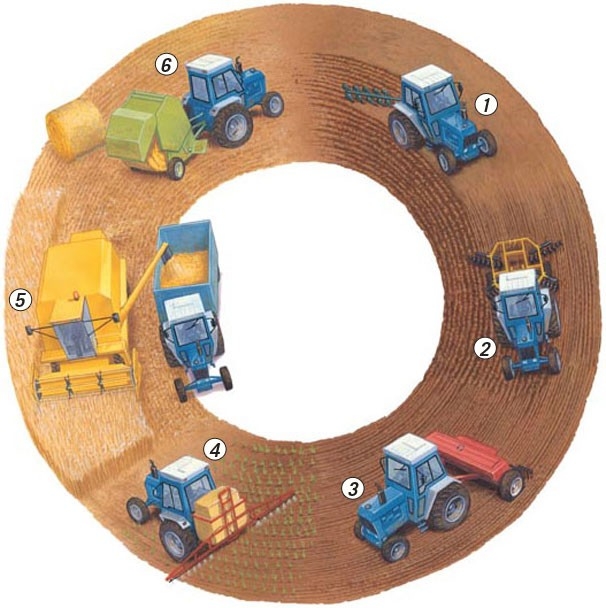
First, the farmer uses a plough to turn over the soil (1). The farmer then pulls a harrow over the land to smooth it out (2). A seed-drill plants the seeds and covers them over at the same time (3). The growing crop is sprayed with chemicals to protect it from pests (4). Some farmers consider this to be harmful to the environment and do not spray the crop.
A combine harvester is a huge machine that combines all the jobs of producing grain (5). With its wide front wheel it gathers and cuts the stalks. It then separates the grain from the stalks. The grain is emptied into a trailer. The stalks are dropped from the back of the combine and rolled into bales of straw by balers (6).


Livestock farming
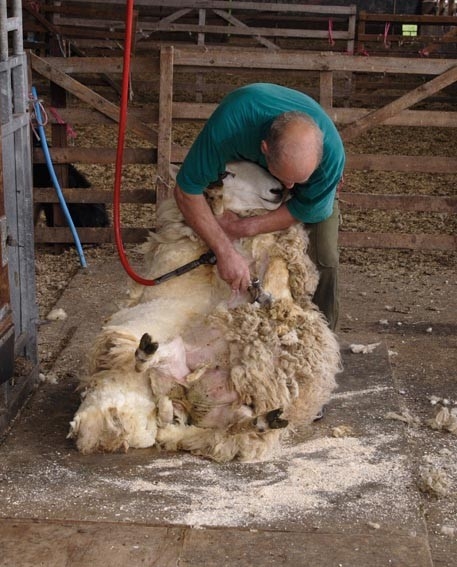
The main animals raised as livestock are cattle, sheep, pigs and chickens. Cattle are kept for their milk, meat and skins (for leather). In some parts of the world, they are used as work animals, and are known as oxen. Animals kept for their wool or hair include sheep, goats, rabbits and vicuñas (a type of llama). Goats are raised where the land is dry and poor. Poultry farmers keep chickens, turkeys, geese and other birds for their meat and eggs.

Intensive farming
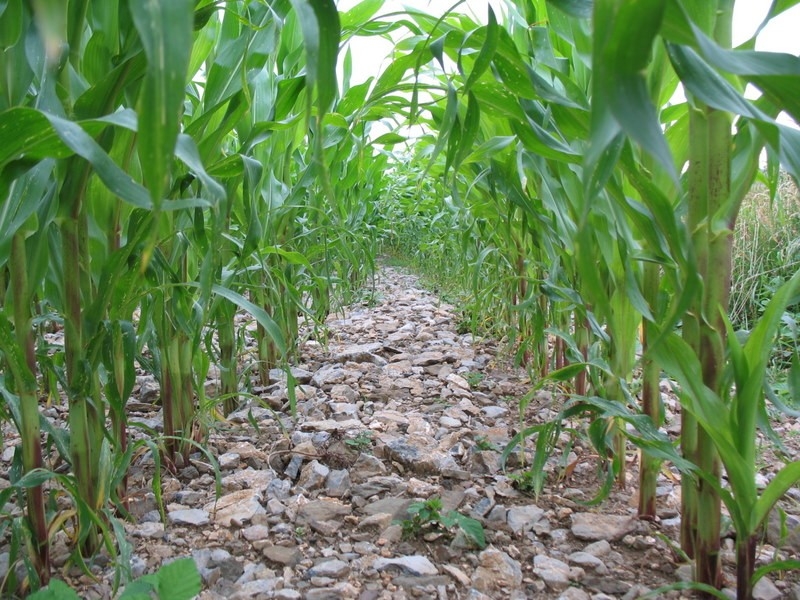
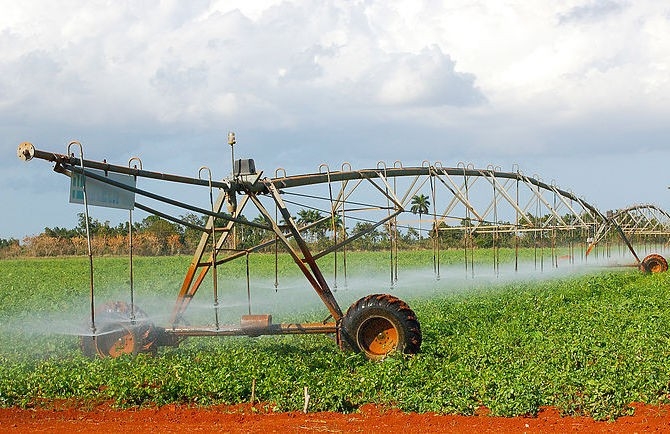
Many farmers now use modern machines and methods to produce as many crops as possible. They have mechanical ploughs and planters. They also use chemical fertilizers and pesticides. Where the climate is dry, they use irrigation to water the crops. Scientists develop new types of crop in the laboratory that can grow better. These crops may be able to survive droughts, or resist damage by pests.
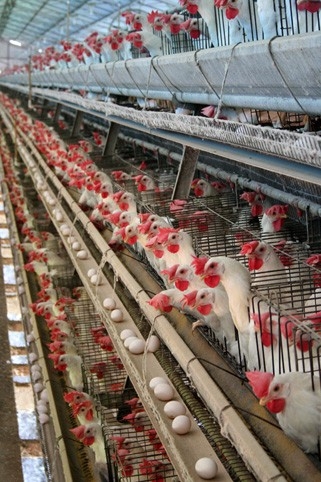
Factory farming
Factory farming is a way to increase food production in livestock farming. It involves raising large numbers of pigs, turkeys or chickens indoors. Pigs are fed a mixture that makes them put on weight quickly. Battery hens are kept in crowded cages where they spend their lives laying eggs. In some countries, chemicals are used in some animals to increase production even more.
Many people think factory farming is a cruel practice, and prefer to buy free-range eggs and meat instead. These come from animals that have been allowed to roam around.

Organic farming
Many intensive farms use chemicals—pesticides and fertilizers—to keep pests and weeds away. These chemicals frequently cause pollution of the soil and water. Some get into the crops or livestock themselves. Organic farmers do not use chemicals. They make the soil more fertile by using natural fertilizers such as seaweed and manure.

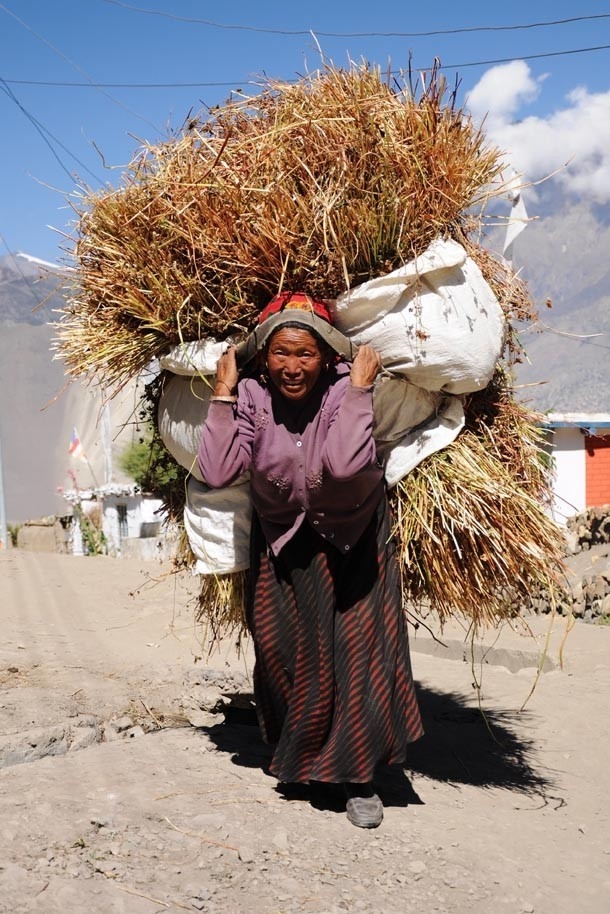
Subsistence farming
In poorer countries, most of the population still works in the fields. They often grow only enough food for themselves to live on. This is called subsistence farming. The plots of land are small and the way they farm it is far from intensive. Two common types of subsistence farming are shifting cultivation and nomadic herding.
Shifting cultivation
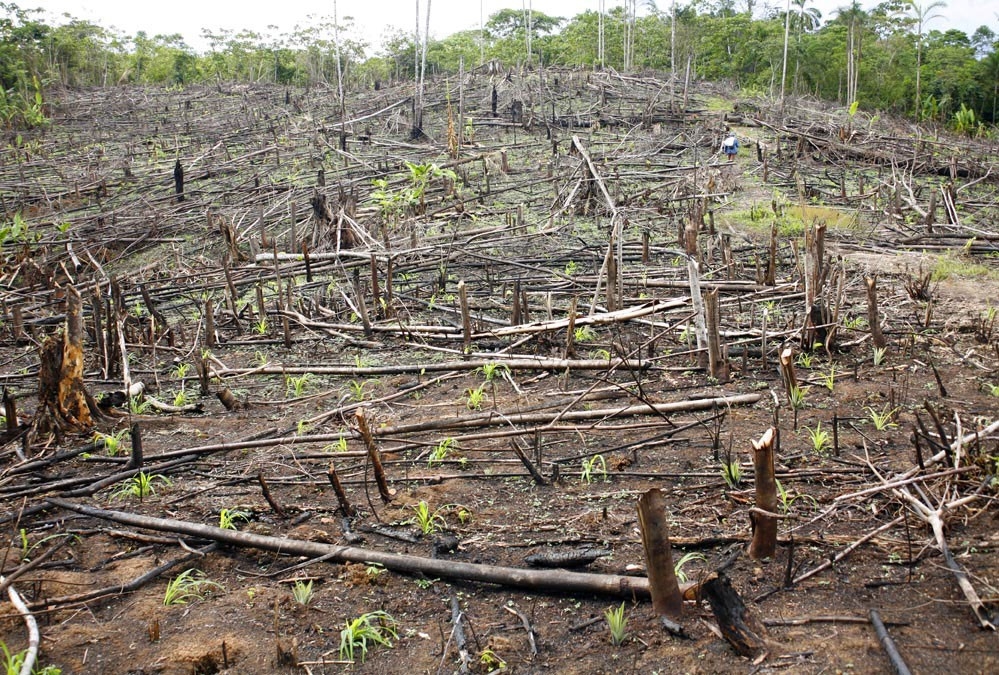
Shifting cultivation is a type of farming where arable farmers move on elsewhere when the soil becomes infertile; it is impossible to grow anything in it. Land is cleared by burning patches of forest. After a few years of planting crops in the soil, the farmers clear a new area. They leave the previous land to return to its natural state. This is called slash and burn. It is practised in tropical rainforests of the Amazon and Southeast Asia.
Nomadic herding
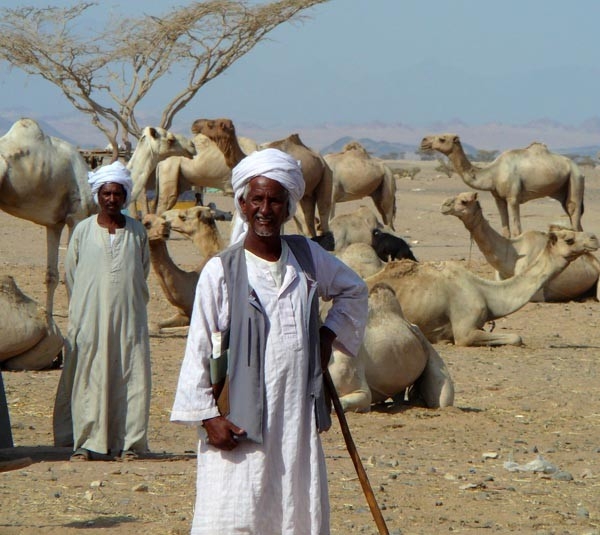
Nomads move around with their animals from one place to another in search of food (fodder) for them. They rear cattle, sheep, goats, camels, yaks or reindeer for milk, skin, meat and wool. This way of life is still common in parts of many parts of Asia and Africa.
Ready to find out more?
Here are some pages in other parts of Q-files you might like to explore:
Farming
Arable farming
Crops
Livestock farming
Farming and fishing A-Z