
EASY READ Our world

CITE
We have made every effort to follow citation style rules, but there may be some minor differences. If in doubt, please refer to the appropriate citation style manual.
EASY READ What is industry?. (2026). In Q-files Encyclopedia, Geography, EASY READ Our world. Retrieved from
https://www.q-files.com/geography/easy-read-our-world/easy-read-what-is-industry
"EASY READ What is industry?." Geography, EASY READ Our world, Q-files Encyclopedia, 1 Apr. 2026.
https://www.q-files.com/geography/easy-read-our-world/easy-read-what-is-industry.
Accessed 13 Sep. 2026.
EASY READ What is industry? 2026. Geography, EASY READ Our world. Retrieved 13 September 2026, from
https://www.q-files.com/geography/easy-read-our-world/easy-read-what-is-industry
Geography, EASY READ Our world, s.v. "EASY READ What is industry?," accessed September 13, 2026.
https://www.q-files.com/geography/easy-read-our-world/easy-read-what-is-industry


What is industry?
The word “industry” describes an activity that produces the goods or services that people need or want. We think of industry as factories where things are manufactured using machines. But industry also includes a whole range of activities including farming, retail (shops), transport, tourism and office work.

Types of industry
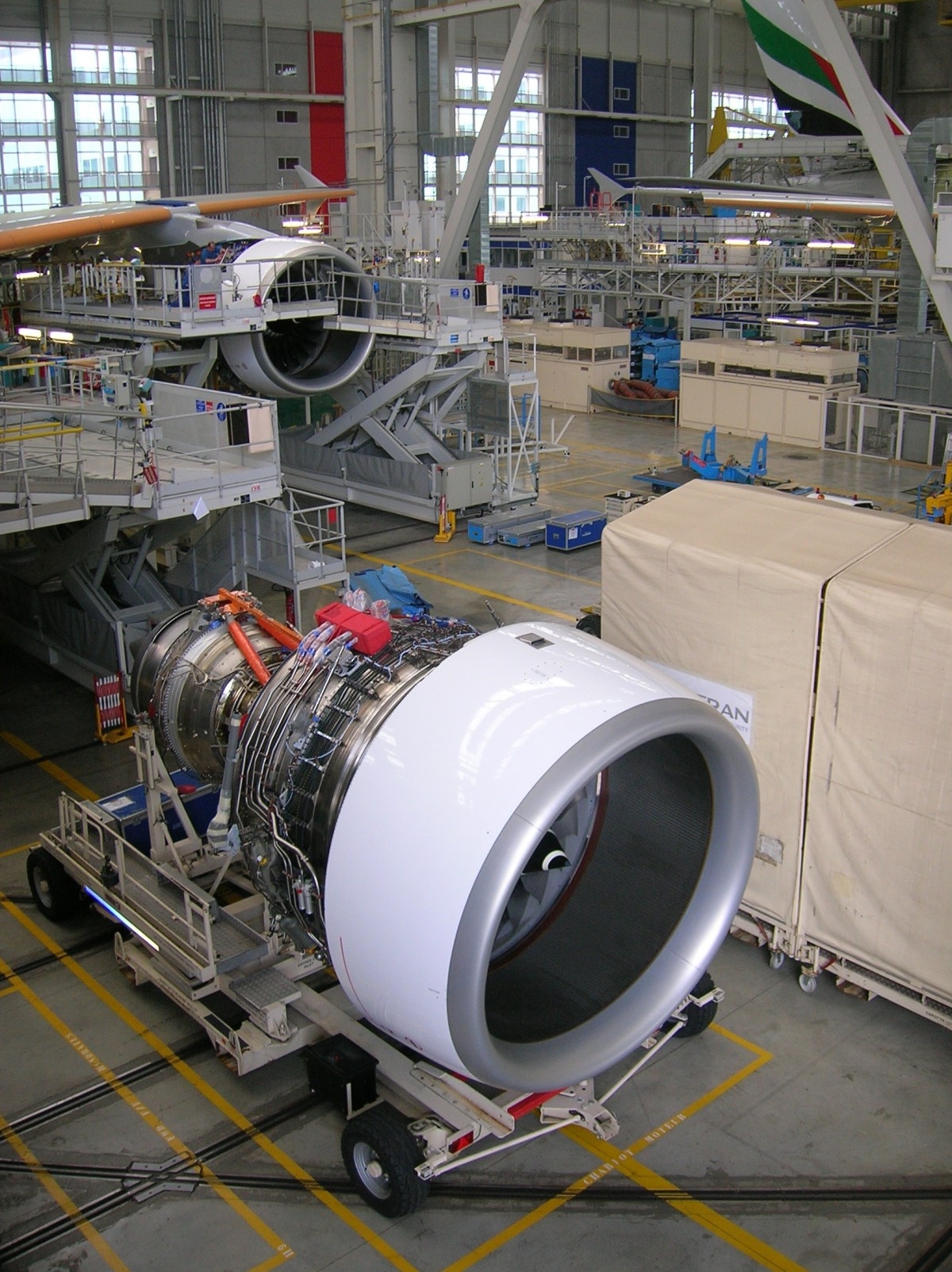
There are four types of industry. Primary industries are those that extract or grow raw materials. These include mining, fishing, farming and forestry. Secondary industries are manufacturing industries. These turn raw materials into products such as cars, books, pharmaceuticals (drugs for use in medicine) and buildings.
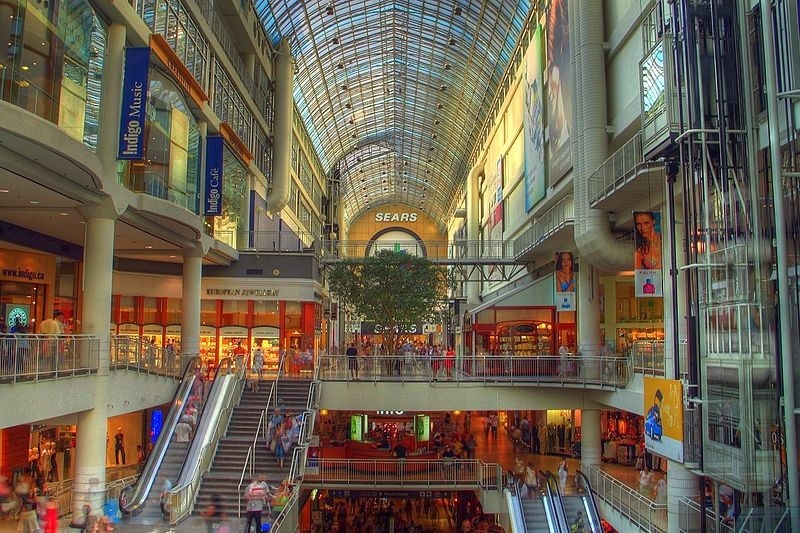
Tertiary industries are service industries. These provide services for people. These industries include transport, shops, healthcare, banking, education, leisure and tourism. Quarternary industries are hi-tech, knowledge-based industries.
Mining
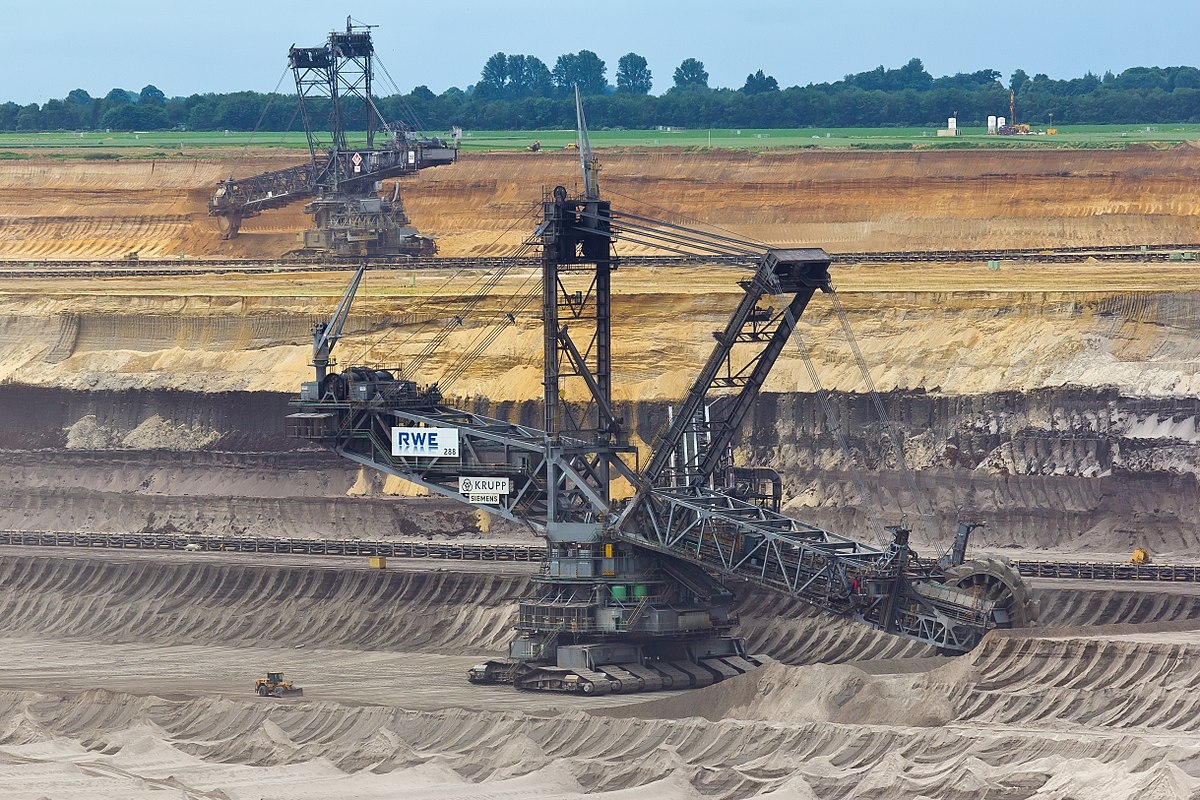
The Earth contains many minerals and metals that are vital to us. Minerals are found in rocks that occur naturally in the Earth’s crust. Metals found near the surface, such as gold, platinum, tin and uranium, are mined by the opencast method. Huge excavators cut away the surface rock and dig out the ore (the rock in which the metals are found). For metals such as silver, lead and zinc that are usually only found under the ground, tunnels and shafts are dug deep into the Earth.
Some metals have to be extracted from the ore in which they are found. The process used is called smelting. The rock is heated to a high temperature so that the metal melts and runs out.

Manufacturing
In the late 18th and 19th centuries the invention of engines and other new machines changed the way that things were made. This period of change is known as the Industrial Revolution. The new machines were too big for homes or workshops, so manufacturing moved to larger buildings called factories. Today, electronic technology and industrial robots are often used instead of people to make goods. Automation, as this is called, is also used in mining and forestry.

Services
In wealthy countries, most of the population works in service industries. These include finance, entertainment, healthcare, tourism and retail (shops). This is in contrast to the world's poorest countries, where the most people work in farming and fisheries.
Knowledge-based industries
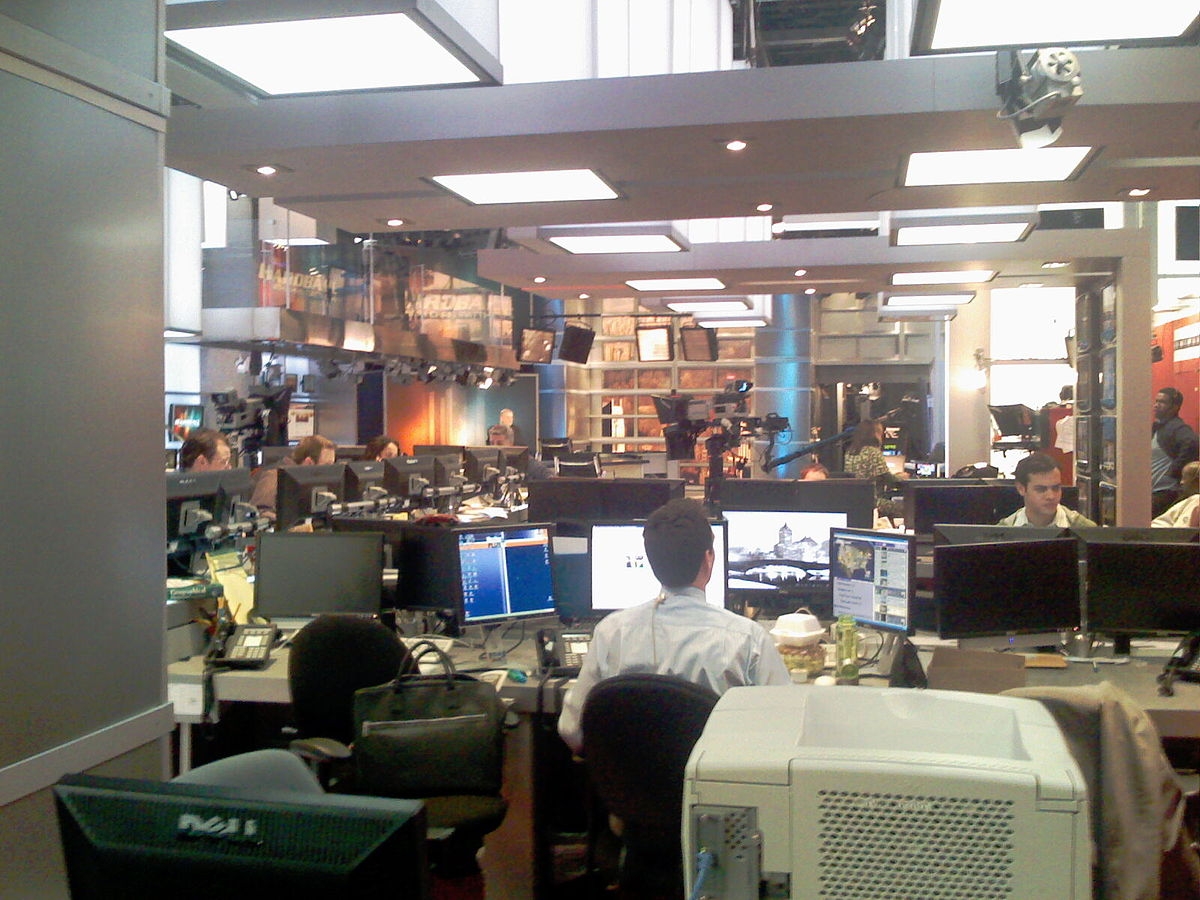
Modern knowledge-based industries, based on digital electronics and other new technologies, make up a fourth group of industries. They include ICT (information and communication technologies), R&D (research and development, particularly in science), media and design.
Ready to find out more?
Here are some pages in other parts of Q-files you might like to explore:
Industry
Mining
International development
Industry A-Z
pics

Without in any way limiting Q-files Ltd’s exclusive rights under copyright, any use of this publication to “train” generative artificial intelligence (AI) technologies to generate text is expressly prohibited. Q-files Ltd reserves all rights to license use of this work for generative AI training and development of machine learning language models.