
EASY READ World geography

CITE
We have made every effort to follow citation style rules, but there may be some minor differences. If in doubt, please refer to the appropriate citation style manual.
EASY READ A journey round the world: Europe. (2026). In Q-files Encyclopedia, Geography, EASY READ World geography. Retrieved from
https://www.q-files.com/geography/easy-read-world-geography/easy-read-a-journey-round-the-world-europe
"EASY READ A journey round the world: Europe." Geography, EASY READ World geography, Q-files Encyclopedia, 1 Apr. 2026.
https://www.q-files.com/geography/easy-read-world-geography/easy-read-a-journey-round-the-world-europe.
Accessed 31 Oct. 2026.
EASY READ A journey round the world: Europe 2026. Geography, EASY READ World geography. Retrieved 31 October 2026, from
https://www.q-files.com/geography/easy-read-world-geography/easy-read-a-journey-round-the-world-europe
Geography, EASY READ World geography, s.v. "EASY READ A journey round the world: Europe," accessed October 31, 2026.
https://www.q-files.com/geography/easy-read-world-geography/easy-read-a-journey-round-the-world-europe


A journey round the world: Europe
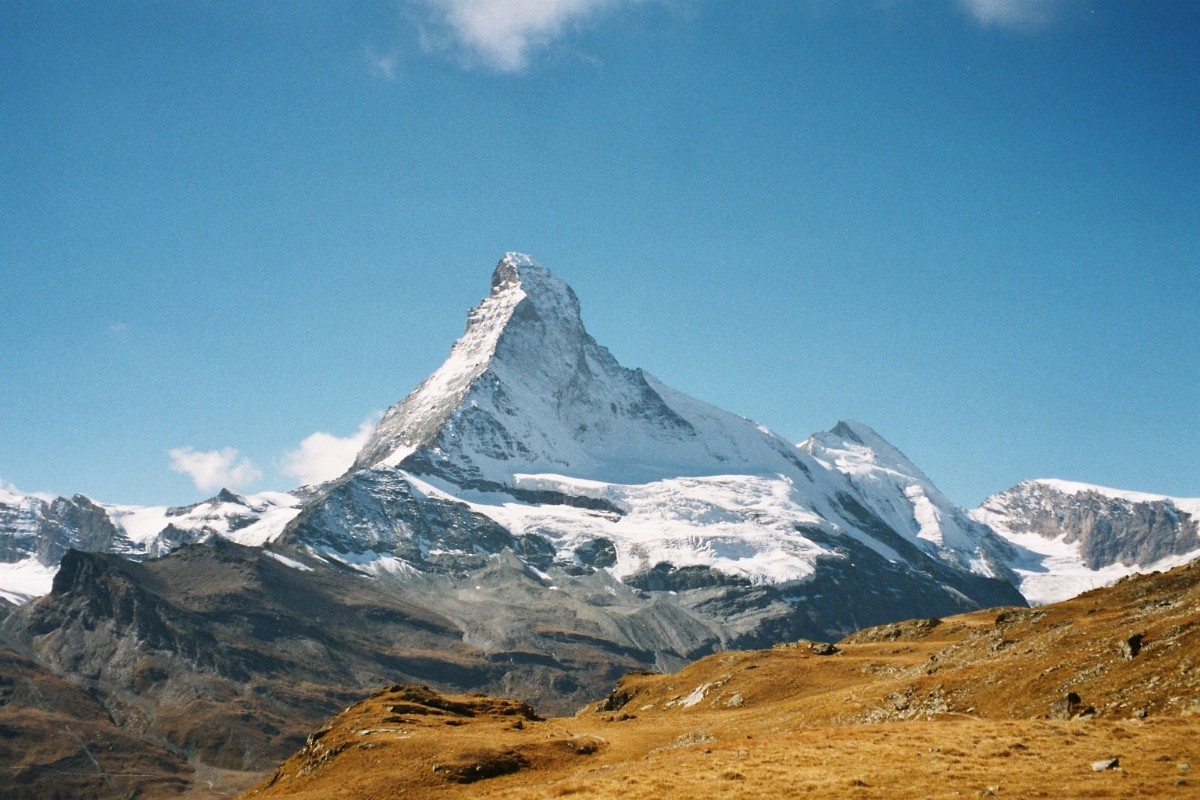
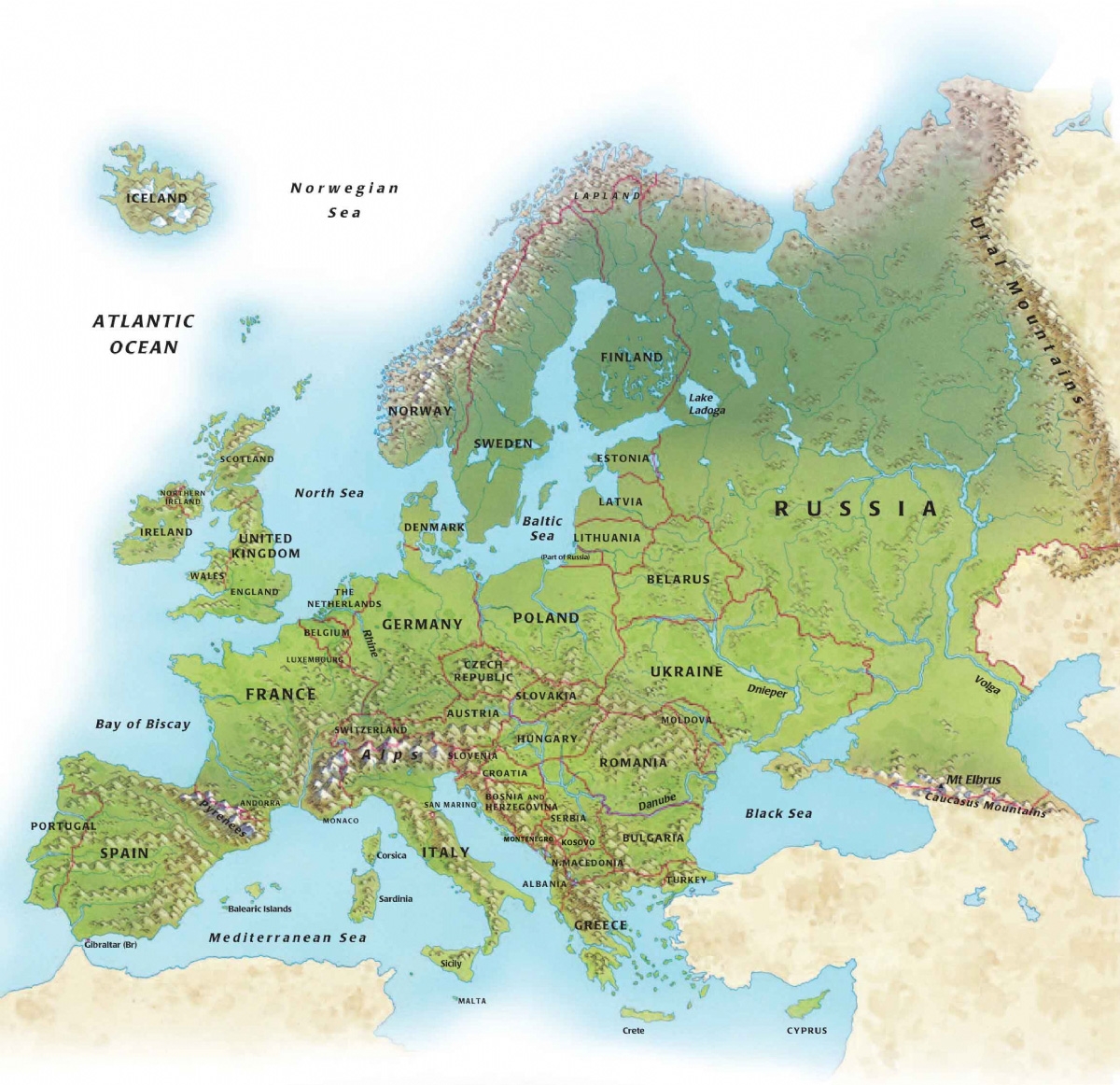
Europe and Asia together form one vast landmass, known as Eurasia. Europe lies west of the Ural Mountains, to the north of the Caucasus Mountains and on the western bank of the Bosporus strait. A large part of Russia and a small area of Turkey both fall within Europe. In the far north, Europe borders the Arctic Ocean. The Gulf Stream, a warm ocean current, gives its northwestern coast a mild, wet climate. Central Europe and Russia have hot summers but cold winters. To the south of the Pyrenees and Alps lie the sunny Mediterranean lands, with their hot summers and mild winters.
People
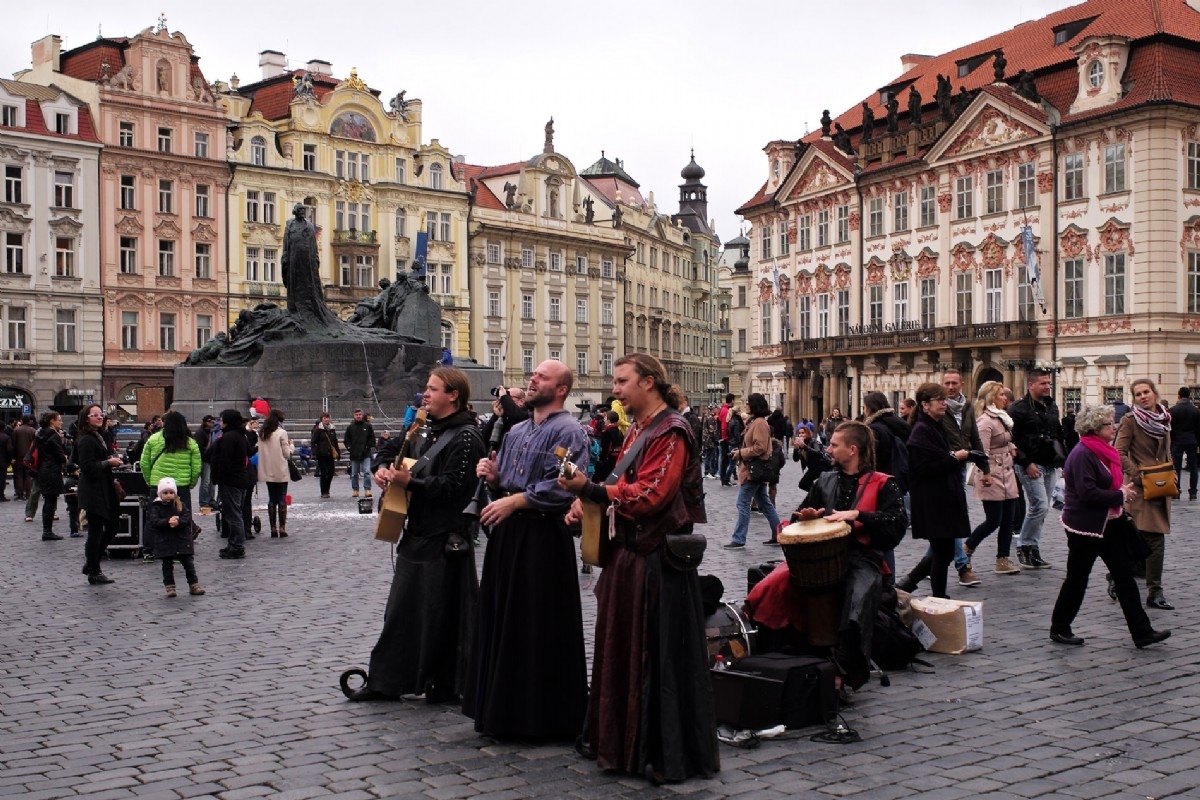
Europe's population is particularly dense in the lowlands of western Europe. Here cities have grown up close to one another and, in some cases, merged with one another. Waterways and road and rail networks link Europe's major cities. Only a few large areas of uninhabited land remain in the far north, in Scandinavia. Much of Europe's population growth is caused not by births but by immigrants, people who have travelled there from other continents.
United Kingdom
The United Kingdom (UK) consists of England, Scotland and Wales (which together make up Great Britain) and Northern Ireland. Scotland, northern England and Wales have large areas of upland. Central and southern England are more low-lying. Southwesterly winds from the Atlantic Ocean bring a high annual rainfall, mild winters and warm summers.

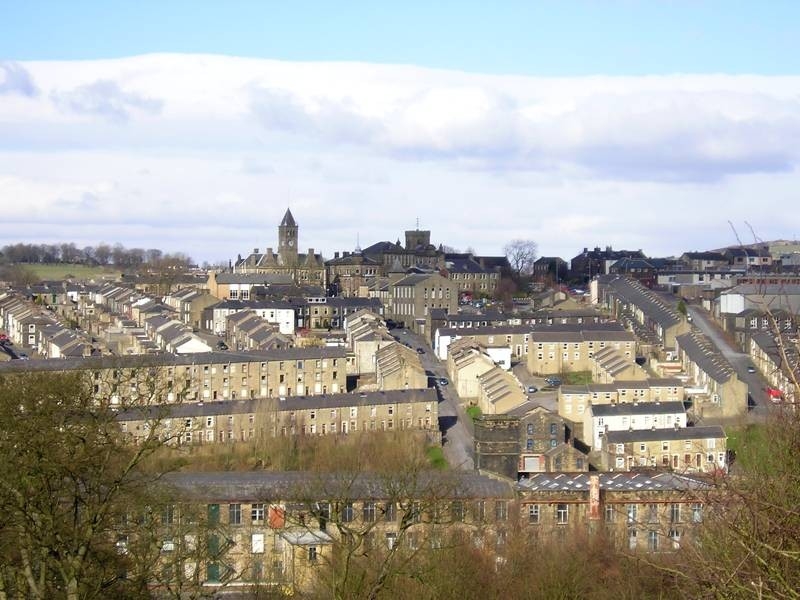
The UK was once dominated by industries such as coalmining, steelmaking and shipbuilding. Today, most British people work in financial services, tourism and high-tech industries such as aerospace and electronics.
Ireland
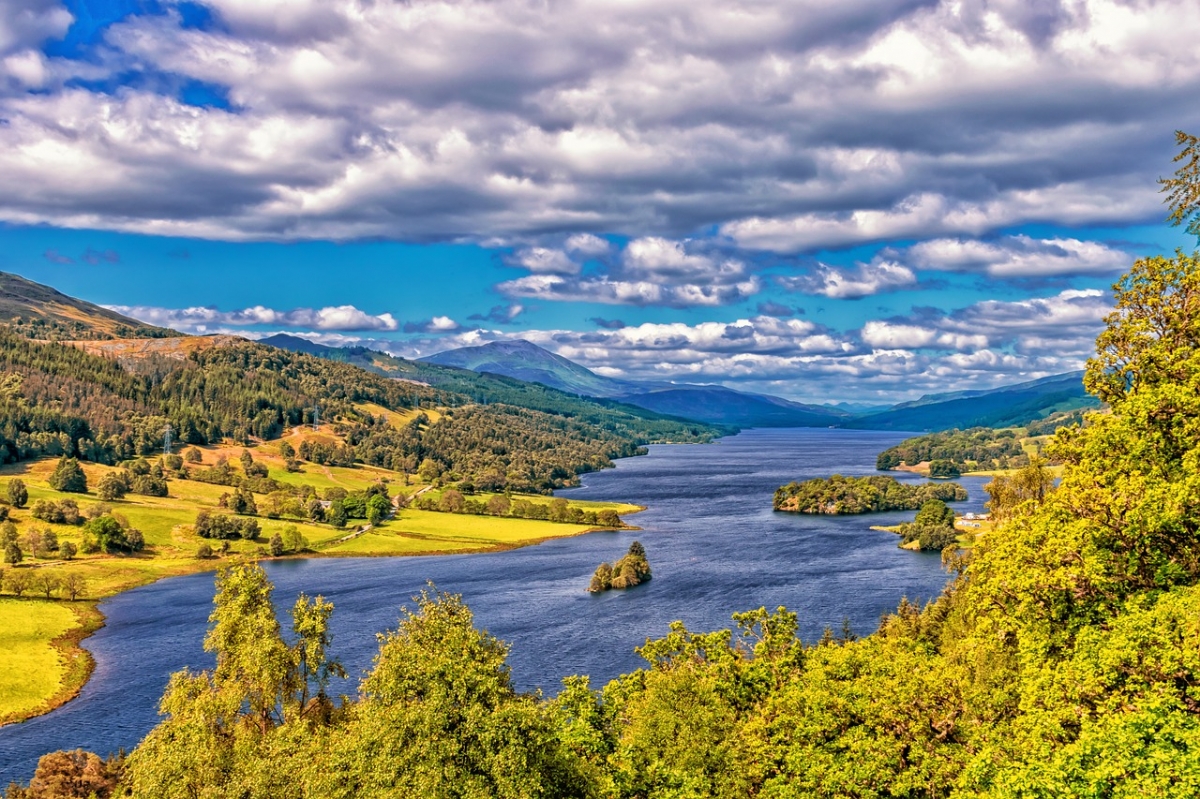
Because of its mild, wet climate, Ireland, a land of mountains, bogs, pastures and farmland, is famous for its lush green landscape. Most of its people are English-speakers, although a few, particularly in the west, speak Gaelic, an ancient Celtic language. Ireland has a modern economy based on services and high-tech industries, as well as on manufacturing.

France
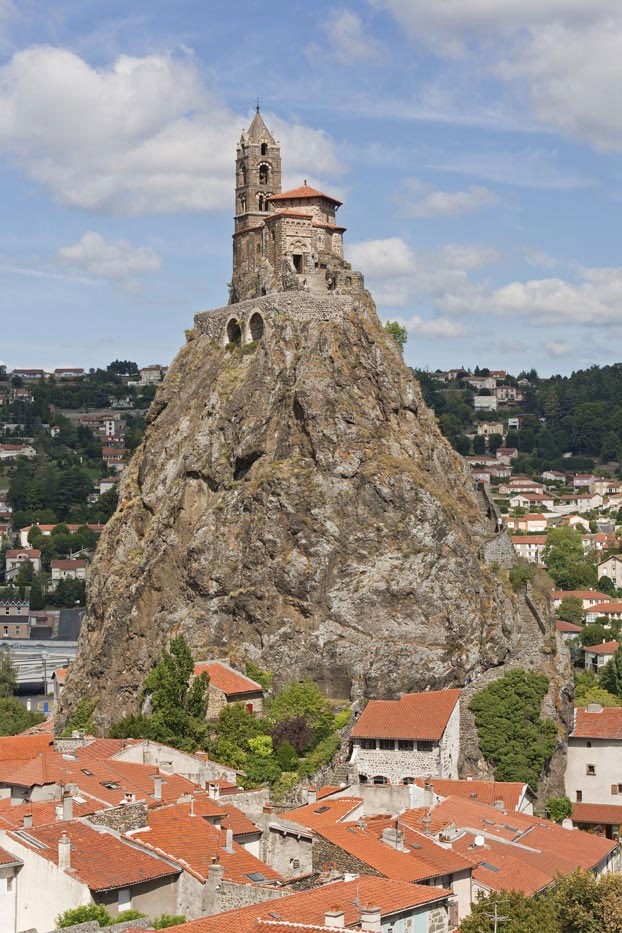
France is the largest country in western Europe. Apart from the hills of Brittany, most of northern and western France is fairly flat. This is rich farming land. Central, eastern and southern France are mostly hilly or mountainous. The low mountains of the Massif Central are separated from the Alps by the Rhône Valley.
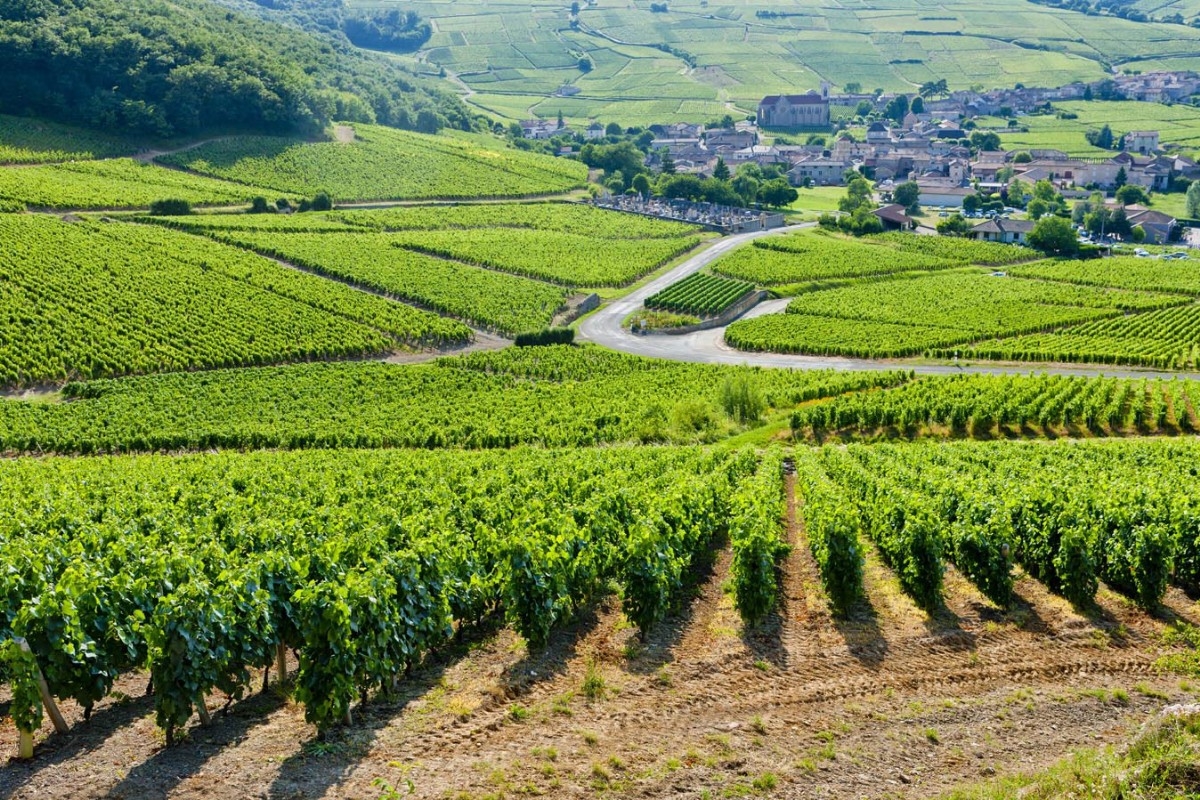
France is famous for the fine wines it produces, especially those made from grapes grown in Burgundy, the region near Bordeaux and in Champagne. It also has modern service, tourism, manufacturing and chemical industries.
Low Countries
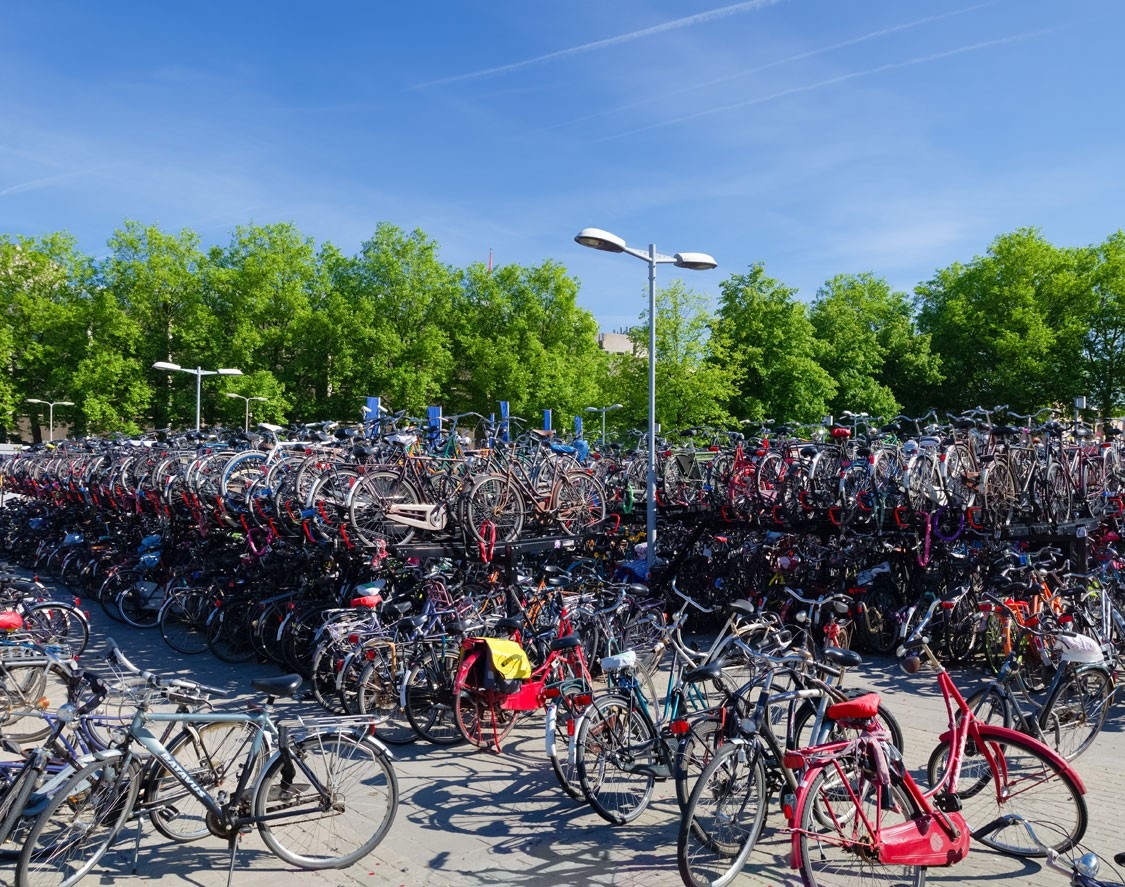
Nestled between France and Germany are the Low Countries: the Netherlands, Belgium and Luxembourg. The Netherlands, sometimes known as Holland (although this name really refers only to one part of the country), is one of the most densely populated countries in the world. In between the farmland and fields of flowers, large industrial cities have grown up.
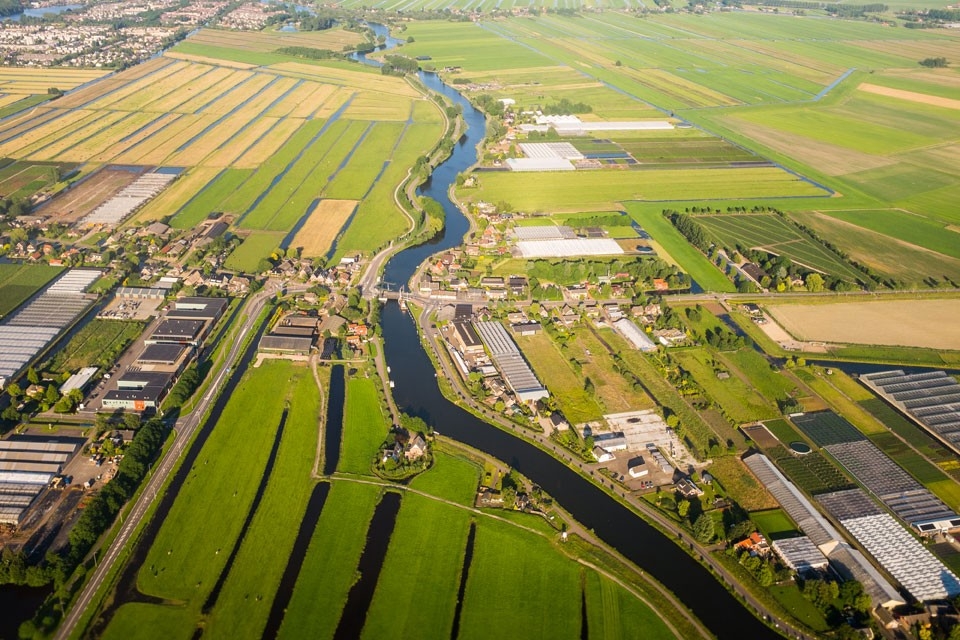
One quarter of the Netherlands (the name means "low-lying lands") lies below sea level. Some areas, called polderlands, were actually once covered by water but are now used as farmland. Windmills pumped water away along canals, leaving dry, fertile land.
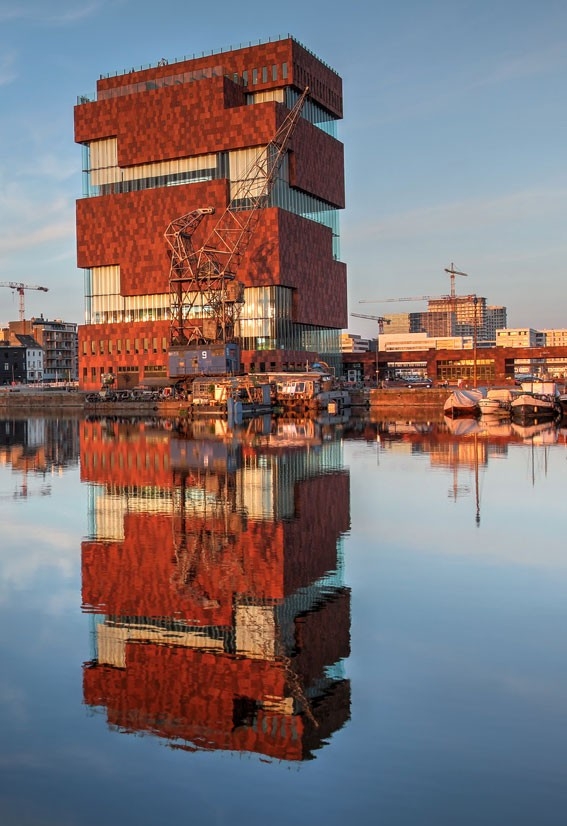
Belgium is a country of two halves. In the north, on the plain of Flanders, is flat farmland. Here the people speak Dutch, or Flemish as it is known here. In the south lie the wooded slopes and deep valleys of the Ardennes hills. This is home of the French-speaking Belgians, the Walloons. The capital, Brussels, is also the centre of government for the European Union.
Germany
Northern Germany takes up part of the North European Plain, which stretches from the North Sea to the Ural Mountains in Russia. Forested uplands rise in central and southern Germany. Germany’s border with Austria runs along the northern slopes of the Alps.
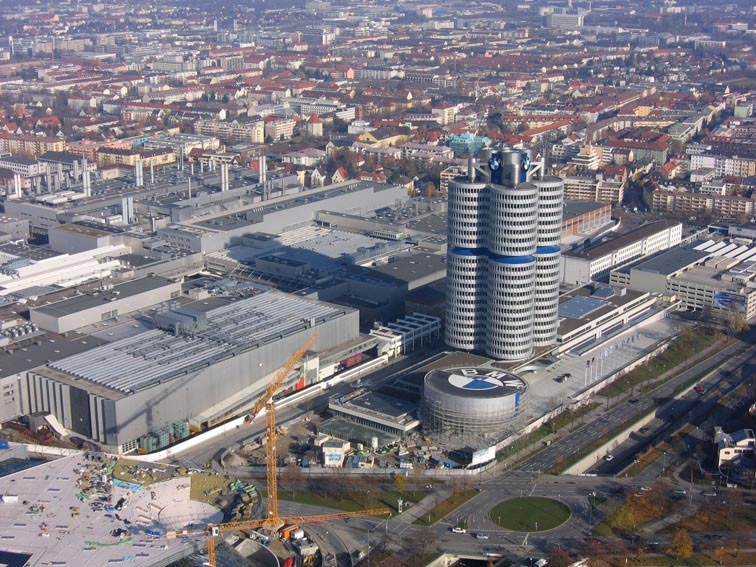
Europe’s second largest country after Russia by population, Germany is one of the richest industrial countries in the world. Cars, chemicals, steel and electronic goods are produced in its many large cities and exported all over the world.
Switzerland and Austria

Switzerland is mostly made up of the valleys and peaks of the Alps. The mountains attract tourists for the skiing and scenery. Switzerland is also a prosperous modern industrial country. It has specialized in banking, chemicals and engineering industries. Most of its population speaks German, but the southwest of the country is French-speaking, the far south Italian-speaking.
Apart from the Danube lowlands near the capital Vienna, German-speaking Austria is also dominated by the Alps. Like Switzerland it is a prosperous country.

Italy

Surrounded on three sides by the Mediterranean Sea, Italy is shaped like a boot about to kick a stone—the island of Sicily. In the north are the snow-capped mountains of the Alps. The River Po forms a wide, fertile plain which opens out to the Adriatic Sea. Here there are fertile fields of wheat, maize and tomatoes. Running the length of the boot down to the toe are the wooded Apennine Mountains. Both Sicily and Sardinia are rugged islands.

Italy is the world's leading exporter of wines. Most of Italy's industry is concentrated in the north, especially around Milan and Turin, and is known for cars, electrical appliances, fashion and food. Southern Italy, called the Mezzogiorno, lags behind the north in prosperity.

Spain and Portugal
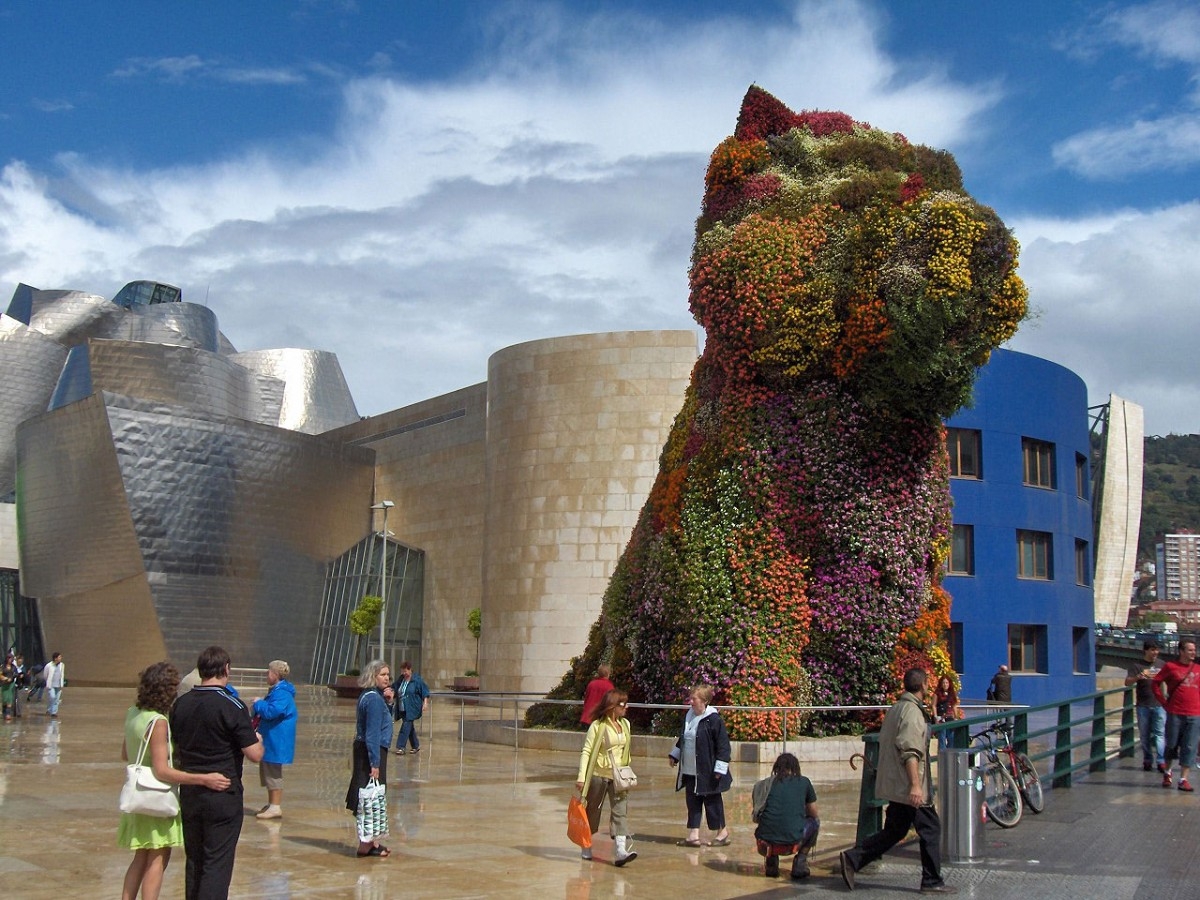
The Iberian peninsula, divided between Spain and Portugal, is separated from the rest of Europe by the Pyrenees Mountains. The core of the peninsula is a plateau, a landscape of plains crossed by several mountain ranges. The north of the country, Spain’s industrial heartland, is cooler and wetter. The peoples of Galicia, Catalonia and the Basque Provinces speak their own languages. Farther south, the climate becomes hotter and drier. Tourist beaches line the Mediterranean coast.
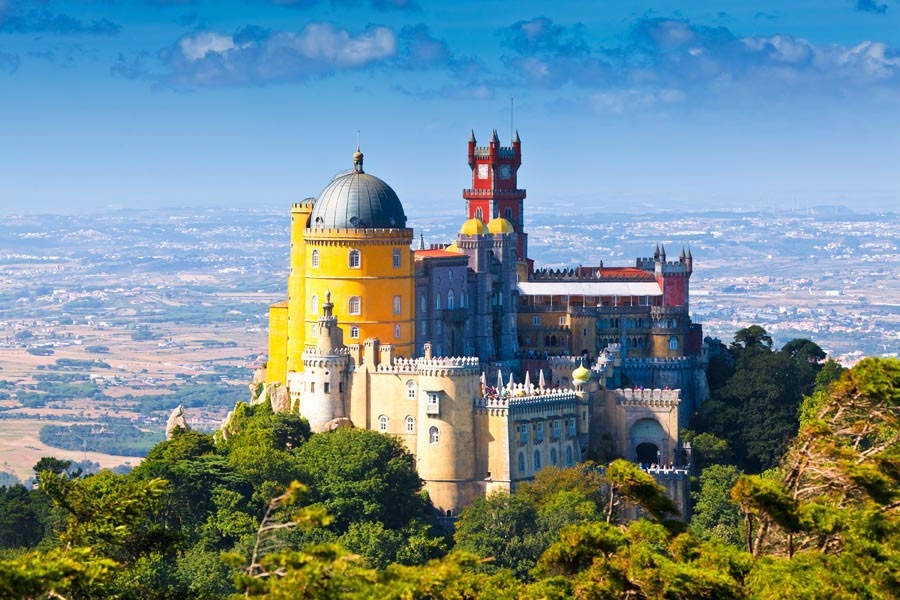
Situated on the western coast of the Iberian peninsula, Portugal has long held close ties with the sea. Vines grow in the valleys of northern and central Portugal. Like Spain, Portugal is drier in the south. Here, in the Algarve, tourism is an important industry.
Scandinavia

Europe's northern seas, the North Sea and the Baltic Sea, lap the shores of the Scandinavian nations of Denmark, Norway and Sweden. Together with Finland and Iceland, they form the Nordic countries.
High mountains run down the spine of the Scandinavian peninsula and broaden to fill nearly all of southern Norway. On the west coast, long, deep arms of the sea called fjords fill mountain valleys carved out by glaciers. To the east, forested slopes run down to the Gulf of Bothnia. In Finland, tens of thousands of lakes have formed where Ice Age glaciers have scooped out hollows in the ground.
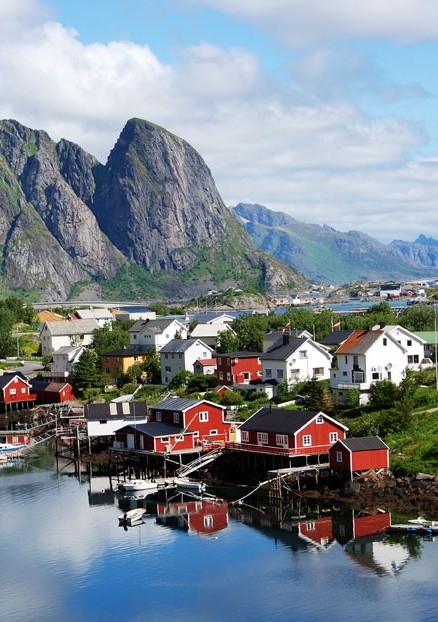
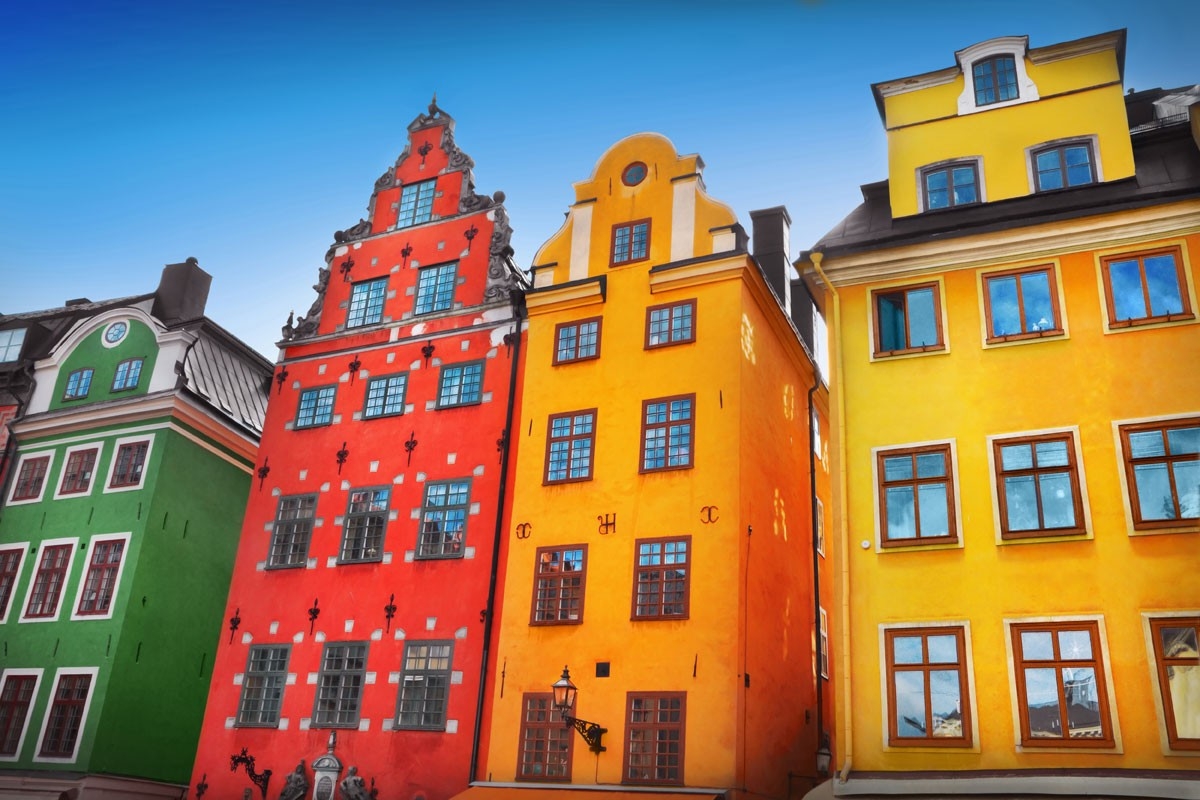
The best farmland in Scandinavia is found in Denmark and the southern tip of Sweden. Fishing is important to the Icelanders and Norwegians, while timber is an important industry, especially in Sweden and Finland. The steel industry in Sweden produces machinery, tools, aircraft and cars. Finland's factories produce goods such as electronics, machinery and chemicals. Norway has an important petroleum industry, but nearly all its electrical power comes from hydro-electric plants.
Central Europe
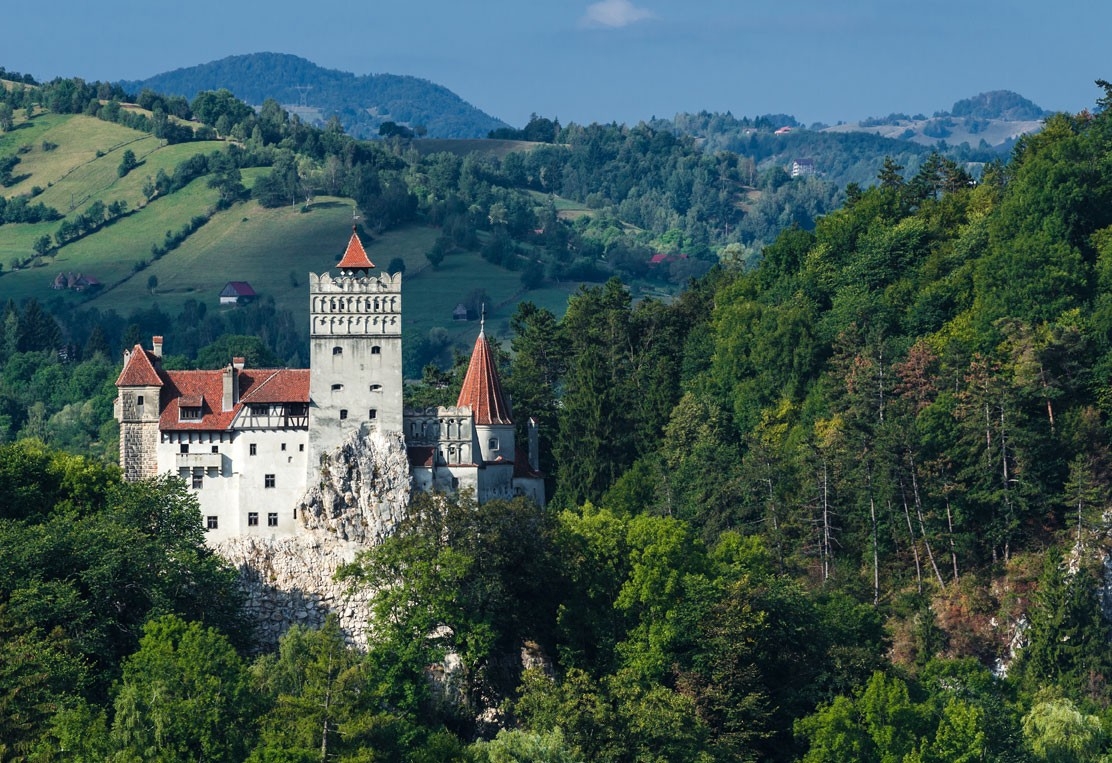
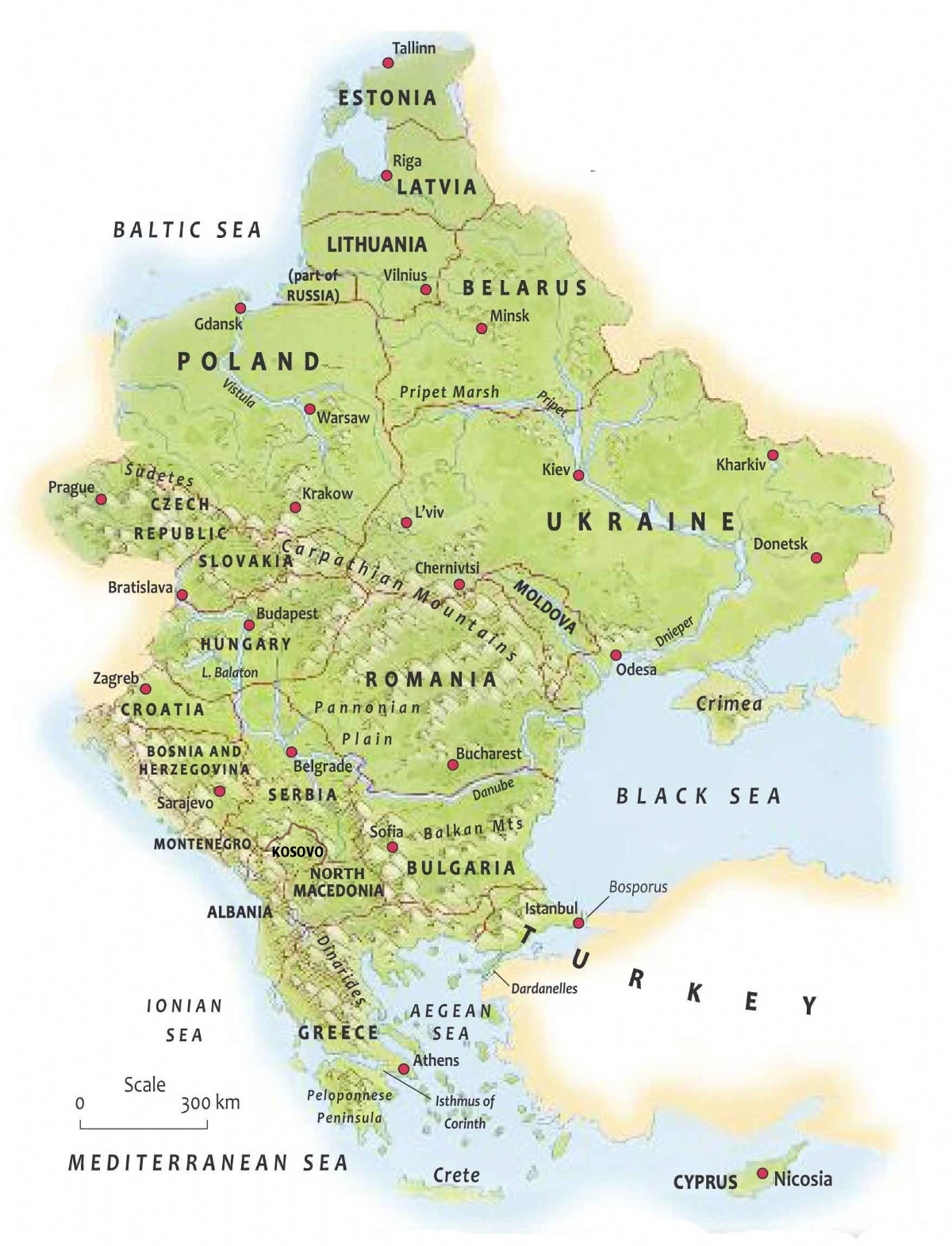
Poland, the Czech Republic, Slovakia and Hungary make up Central Europe. Much of Poland, part of the North European Plain, and Hungary, in the Danube valley, are low-lying. The forested Sudetes and Carpathian mountain ranges rim the Czech Republic and cover much of Slovakia. All four countries have economies based on manufacturing industries.


The Balkans
The countries of southeast Europe lying between the Adriatic Sea and the Black Sea are known as the Balkan states. The area is a patchwork of different peoples and religions. Two chains of mountains run the length of the western Balkans: the Balkan Mountains link the Alps to southern Greece; the Carpathians form a curve through the north. Where the two ranges meet, the River Danube flows through a deep gorge known as the Iron Gate.
The Danube lowlands in Serbia, Romania and Bulgaria are the best farming areas, where wheat and maize are grown. Winters are cold, but cotton, olives and grapes can be cultivated in the warm summers. Elsewhere, the uplands are grazed by sheep and goats. The coastal Balkan states have thriving tourist industries.


Greece
One fifth of the total land area of Greece is made up of islands. Most of Greece is covered by rugged mountains, with olive groves and vineyards are scattered along the hillsides. Today, Greece and its islands are a popular tourist destination. Shipping is another important industry.
Eastern Europe
Belarus, Moldova and Ukraine lie to the east of Central Europe and the Balkans. Much of Belarus's land is covered by forest. Moldova is known for its rich farmland and wine industry. Ukraine, with its fertile “black earth”, has extensive areas of farmland. There are fields of wheat, barley, sugar beet and sunflowers. War has been raging in the Russian-speaking southeast of Ukraine since 2014. Russia seized Crimea in that same year, then mounted a full-scale invasion of Ukraine in February 2022.

Baltic states

Sandwiched between Russia and the Baltic Sea are the three Baltic states, Estonia, Latvia and Lithuania. The land they occupy is mostly low-lying, with forests and many lakes. All three countries have become modern industrial nations with their historic capitals, Riga, Tallinn and Vilnius, attracting tourists.
Russia
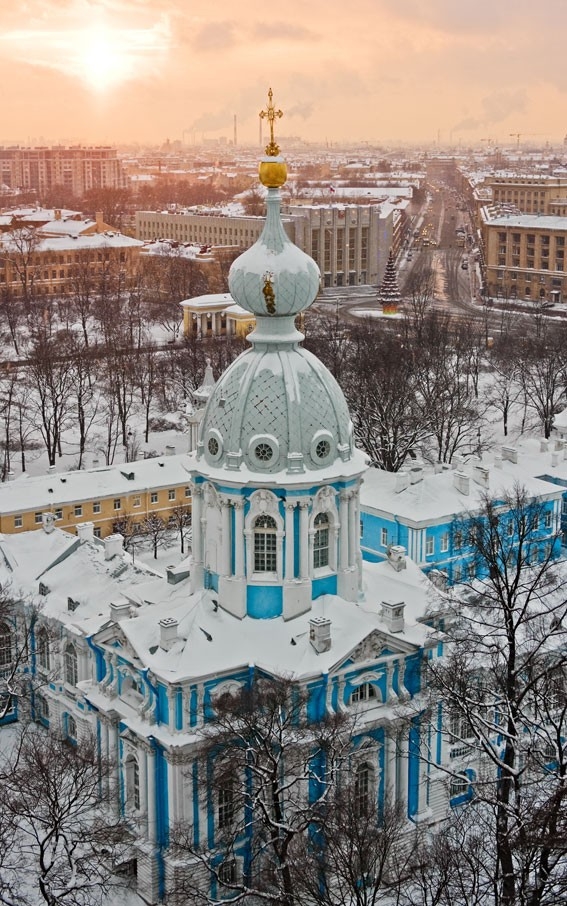
Spanning two continents, Europe and Asia, Russia is the largest country by area in the world. Most of its population lives west of the Ural Mountains, in the European part. Here the big industrial cities, such as Moscow and St Petersburg, are located. Much of Russia’s farmland lies in this part too.
Siberia, the Asian part of Russia, lies to the east of the Urals. It is a land of dry grasslands, endless coniferous forests and Arctic tundra. Russia is home to many peoples with around 100 different languages spoken as well as Russian.
Besides its timber and paper industry, Siberia has vast reserves of oil and gas. There are also massive coal and diamond mines here. Russia's iron and steel industries are important. Moscow and St Petersburg are important centres of manufacturing industry.


The Caucasus
The Caucasus lies at the crossroads between Europe and Asia. A mountainous region, it includes the highest point in Europe: Mount Elbrus (5642 metres / 18,506 feet). The countries of Georgia, Armenia and Azerbaijan are bordered to the north by a region of Russia consisting of a patchwork of small states, each with their own languages and culture. The sheltered warm climate and fertile soils allow a range of crops to be grown in the region, including tea, vines and cotton. There are rich reserves of oil and natural gas in Azerbaijan.
Consultant: Nicholas Harris
Ready to find out more?
Here are some pages in other parts of Q-files you might like to explore:
Europe
Western Europe
Central and Eastern Europe
Northern Europe
European nations: flags and statistics
Geography of Europe A-Z
pics


Without in any way limiting Q-files Ltd’s exclusive rights under copyright, any use of this publication to “train” generative artificial intelligence (AI) technologies to generate text is expressly prohibited. Q-files Ltd reserves all rights to license use of this work for generative AI training and development of machine learning language models.