
EASY READ World geography

CITE
We have made every effort to follow citation style rules, but there may be some minor differences. If in doubt, please refer to the appropriate citation style manual.
EASY READ A journey round the world: Oceania. (2026). In Q-files Encyclopedia, Geography, EASY READ World geography. Retrieved from
https://www.q-files.com/geography/easy-read-world-geography/easy-read-a-journey-round-the-world-oceania
"EASY READ A journey round the world: Oceania." Geography, EASY READ World geography, Q-files Encyclopedia, 1 Apr. 2026.
https://www.q-files.com/geography/easy-read-world-geography/easy-read-a-journey-round-the-world-oceania.
Accessed 30 Oct. 2026.
EASY READ A journey round the world: Oceania 2026. Geography, EASY READ World geography. Retrieved 30 October 2026, from
https://www.q-files.com/geography/easy-read-world-geography/easy-read-a-journey-round-the-world-oceania
Geography, EASY READ World geography, s.v. "EASY READ A journey round the world: Oceania," accessed October 30, 2026.
https://www.q-files.com/geography/easy-read-world-geography/easy-read-a-journey-round-the-world-oceania


A journey round the world: Oceania
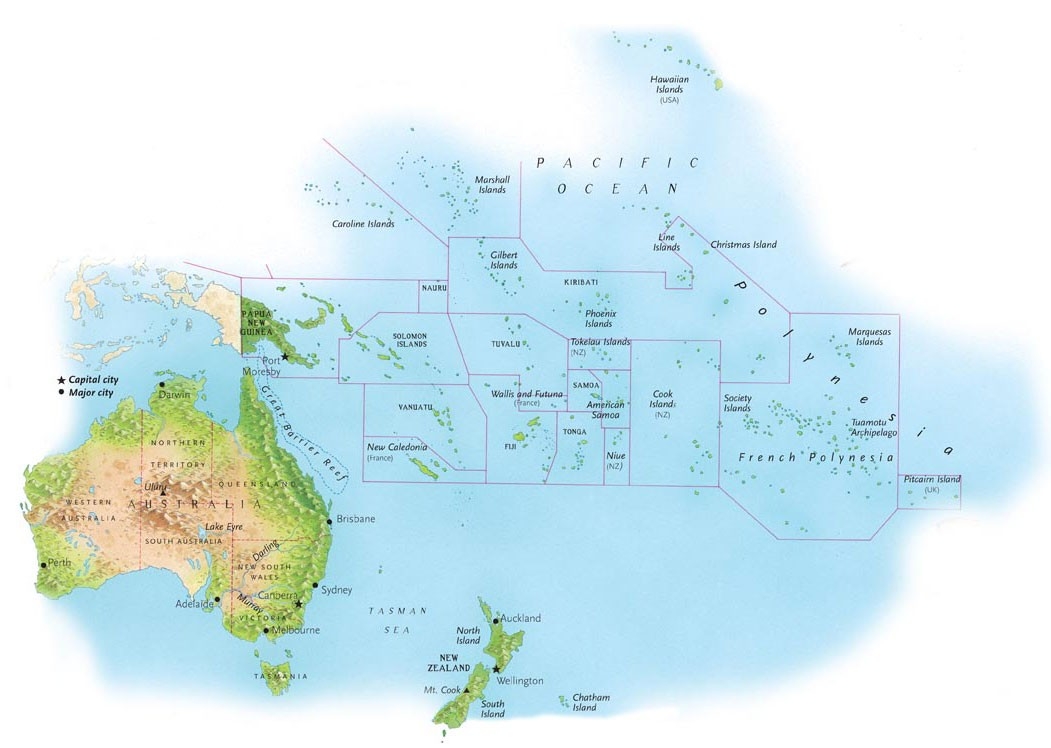
Oceania is the name given to the group of countries located in the South Pacific Ocean. It is made up of Australia—itself an island continent—New Zealand, Papua New Guinea (together known as Australasia) and thousands of islands spread out across the ocean.
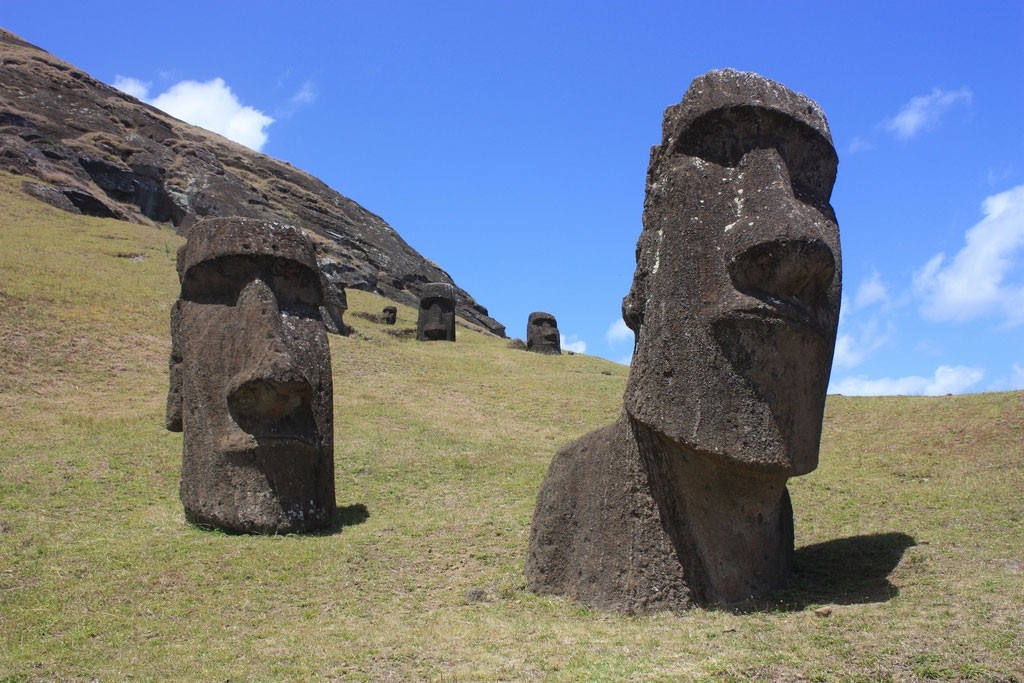
People
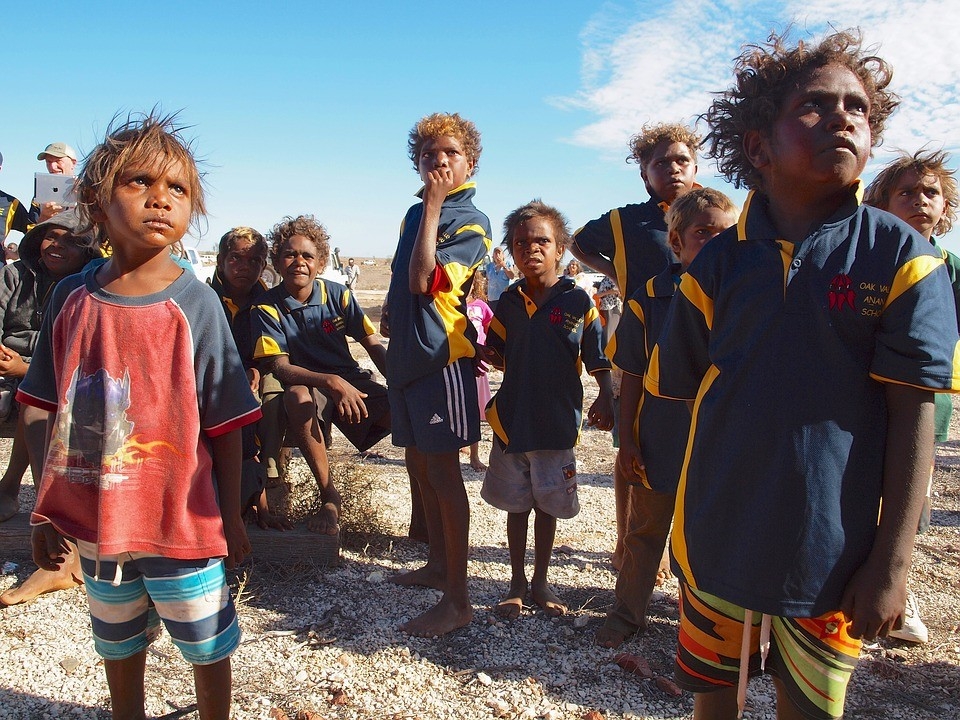
People first crossed the sea from Southeast Asia to Australia between 60,000 and 50,000 years ago. Their descendants are called Aboriginal Australians. The settlement of the South Pacific islands did not begin until about 5000 years ago. The Maori first settled New Zealand about 750 years ago. Europeans arrived in Australia in the late 18th century and New Zealand in the 19th century.
Australia
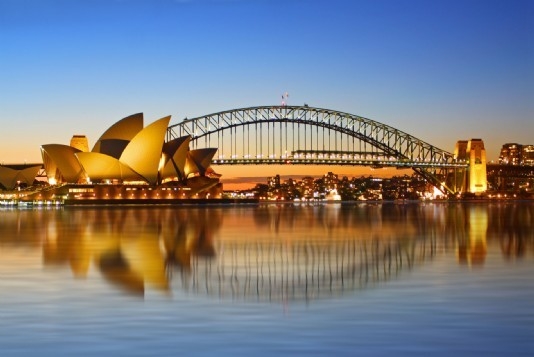
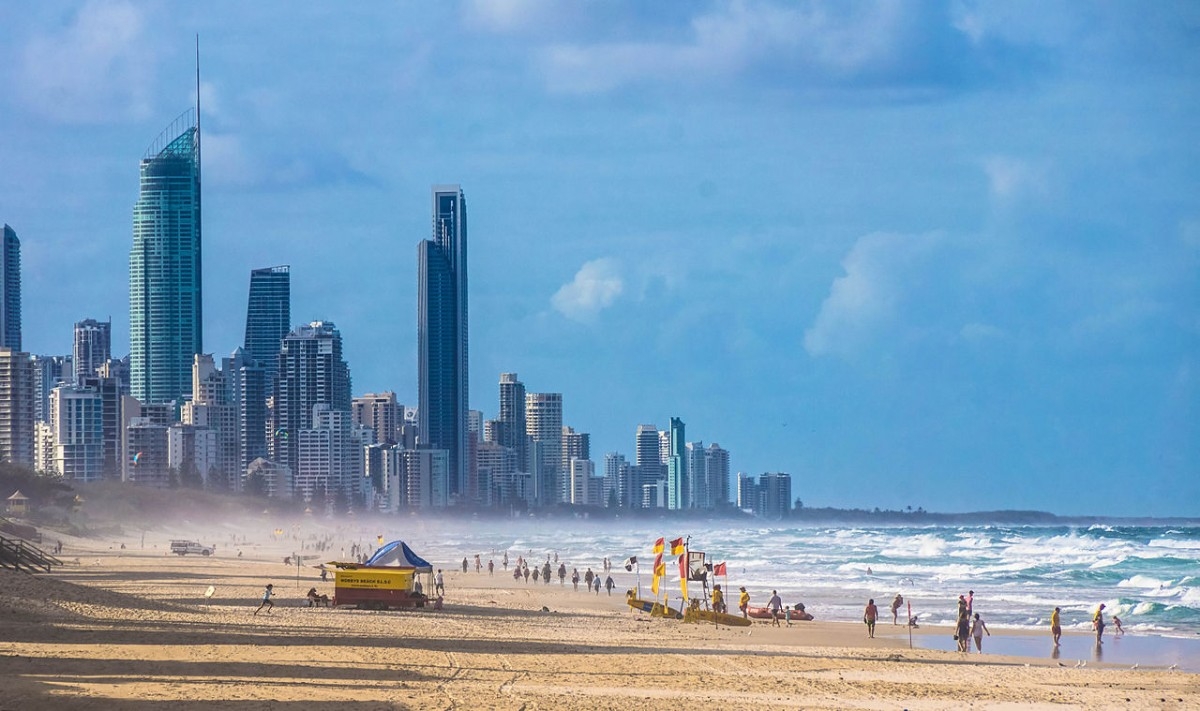
Australia is made up of six states and two territories. Its landscapes range from the high mountains of the southeast, the tropical rainforests of the north and the scorching deserts in the centre. Off its northeastern coast lies the Great Barrier Reef, a massive coral reef. Most Australians live in cities on the eastern, southern and southwestern coasts, where the weather is warm and sunny for much of the year. The country is home to people whose ancestors came from all over the world.


Australia’s vast interior is known as the “outback”. Very few people live here. Much of this region consists of dry scrubland. Here, enormous rocks, such as Uluru, rise out of the flat landscape. To the west, the outback merges with desert.
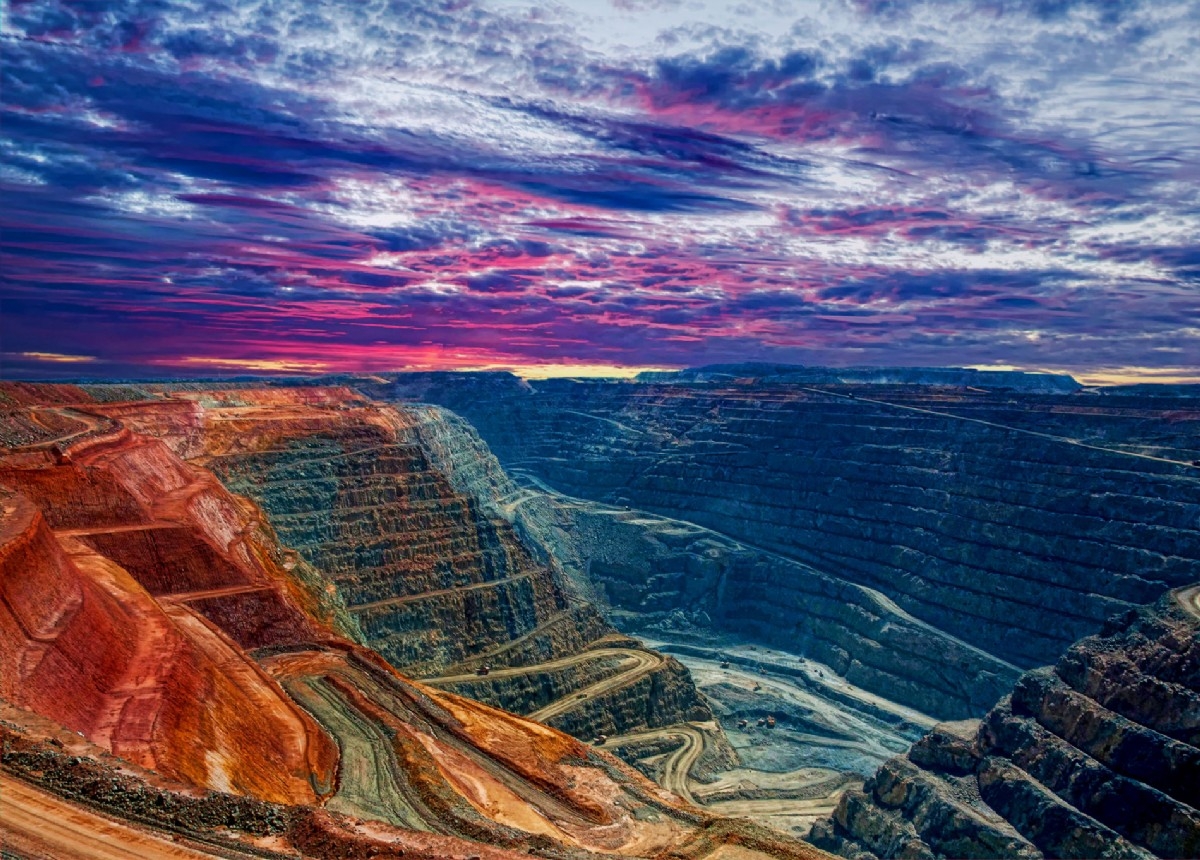
The eastern grasslands of Australia are home to sheep and cattle ranches, or “stations”. Australia is the world’s largest producer of wool. In the south, where the climate is cooler, crops such as wheat and tropical fruits are grown for export, and vineyards produce wines. Australia's mining industry remains vital today. The land is rich in coal, gold, copper and iron. Most Australians work in services, such as education, finance, healthcare and tourism.

New Zealand
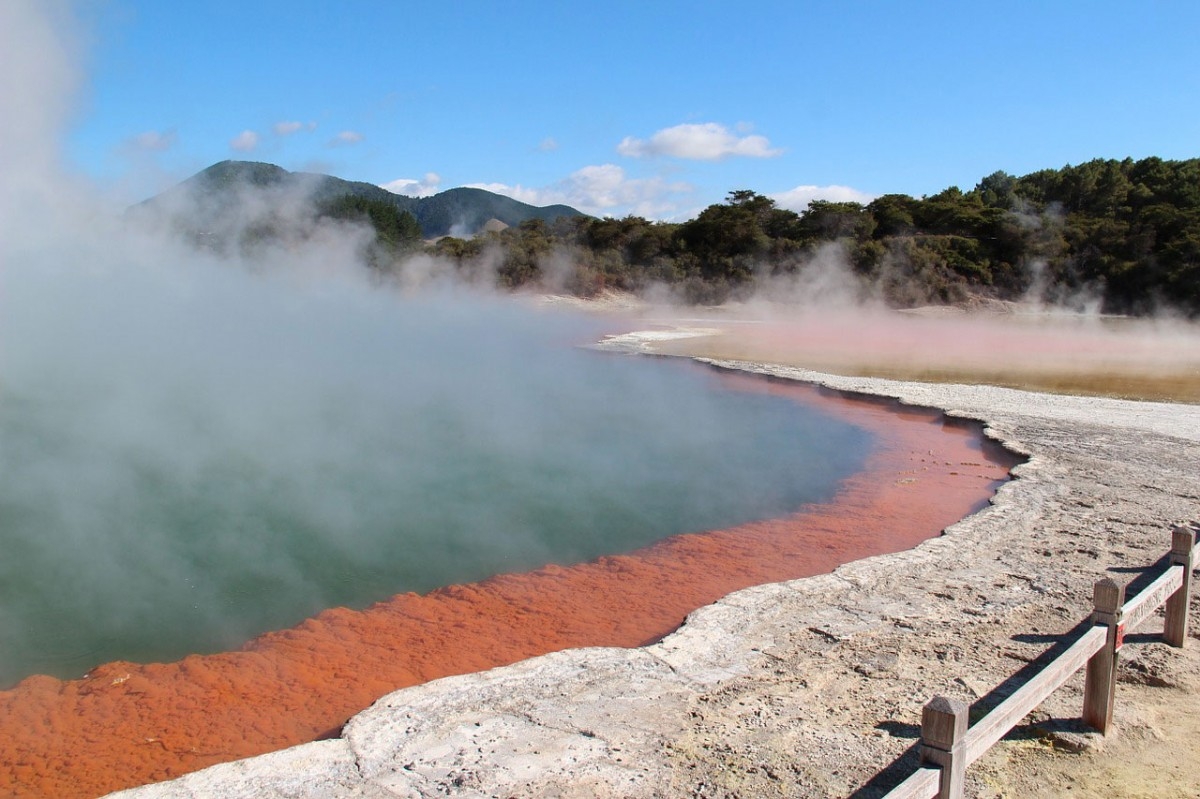
The North Island and South Island of New Zealand are separated by the narrow Cook Strait. Rolling farmland surrounds the North Island's central mountains. Running down the South Island are the snow-capped Southern Alps. To the east lie the grassy Canterbury plains. New Zealand has a mild, wet climate. The far north has hot summers. The country often experiences volcanic eruptions and earthquakes.
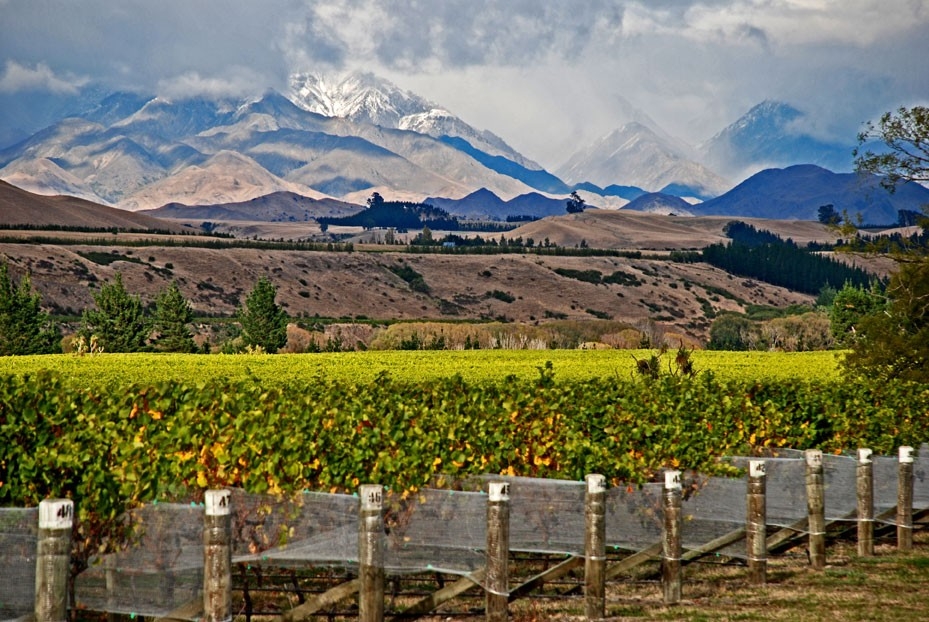
New Zealand was first inhabited by the Maori, a people who came from Polynesia. Today they make up about 15% of the population. The rest are descended from migrants, most of whom arrived from Britain and Ireland in the 19th century. Since then, immigrants have arrived from China, India and the Pacific Islands. Most New Zealanders work in services, such as finance, education, insurance and tourism. New Zealand is also well-known for its vineyards. The cool, moderate climate of its coastal regions is perfect for growing grapes.

Pacific islands
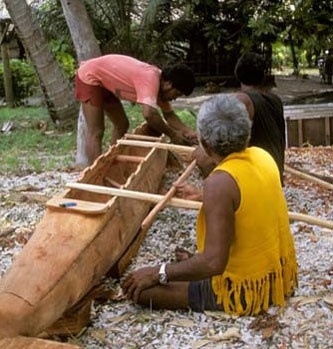
There are about 20,000 islands in the Pacific Ocean. They are divided into three groups: Melanesia, Micronesia and Polynesia. The climate is hot and wet, but cooled by ocean breezes. The islands are the remains of volcanoes that have erupted from the ocean floor. In many cases, they are atolls, coral reefs in the shape of rings. The volcanic islands, around which the coral formed, have long vanished beneath the waves.

Consultant: Nicholas Harris
Ready to find out more?
Here are some pages in other parts of Q-files you might like to explore:
Oceania
Oceania nations: flags and statistics
Geography of Oceania A-Z
Australia
New Zealand
Pacific islands
pics

Without in any way limiting Q-files Ltd’s exclusive rights under copyright, any use of this publication to “train” generative artificial intelligence (AI) technologies to generate text is expressly prohibited. Q-files Ltd reserves all rights to license use of this work for generative AI training and development of machine learning language models.