
EASY READ The human body

CITE
We have made every effort to follow citation style rules, but there may be some minor differences. If in doubt, please refer to the appropriate citation style manual.
EASY READ What is your skin for?. (2026). In Q-files Encyclopedia, Life, EASY READ The human body. Retrieved from
https://www.q-files.com/life/easy-read-the-human-body/easy-read-what-is-your-skin-for
"EASY READ What is your skin for?." Life, EASY READ The human body, Q-files Encyclopedia, 24 Mar. 2026.
https://www.q-files.com/life/easy-read-the-human-body/easy-read-what-is-your-skin-for.
Accessed 13 Sep. 2026.
EASY READ What is your skin for? 2026. Life, EASY READ The human body. Retrieved 13 September 2026, from
https://www.q-files.com/life/easy-read-the-human-body/easy-read-what-is-your-skin-for
Life, EASY READ The human body, s.v. "EASY READ What is your skin for?," accessed September 13, 2026.
https://www.q-files.com/life/easy-read-the-human-body/easy-read-what-is-your-skin-for


What is your skin for?
The body’s largest organ is the skin. It is like a thin, protective coat that covers the whole of your body. Tough, stretchy and waterproof, skin protects the body from damage and keeps germs out. It stops you getting either too hot or too cold and blocks harmful rays in sunlight. The skin also contains millions of tiny nerve endings. These provide the body’s sense of touch.

Epidermis
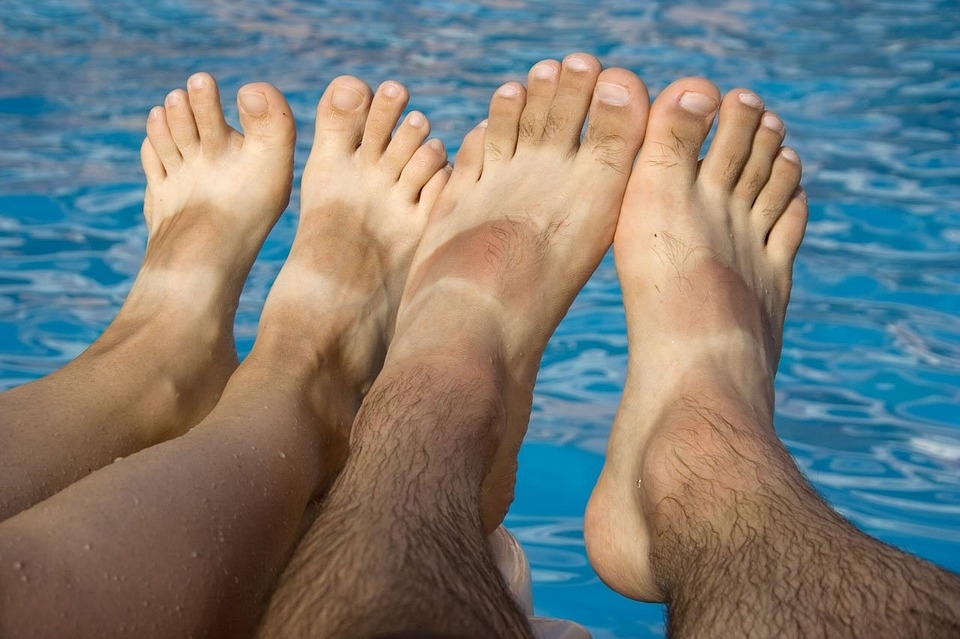
Your outer layer of skin is called the epidermis. It is always replacing itself as the dead skin flakes are worn away. Melanin, a brown pigment, gives your skin its colour. It filters out harmful rays in sunlight. If you spend a lot of time in the sun, the skin makes more melanin, so it becomes darker. Dark-skinned people have more melanin in their skin than light-skinned people.
Dermis

The inner layer of your skin is called the dermis. It is thicker than the epidermis. It contains blood vessels, oil and sweat glands, and hair follicles. This is where the nerve endings that detect touch, heat, cold and pain are found. The tiny pits in the dermis are called hair follicles, where hairs grow. Hairs and the epidermis are kept soft by oil from the sebaceous, or oil, glands.
Sweat
There are millions of microscopic sweat glands in the dermis. When it is hot, sweat, a salty liquid, is released by these glands. Droplets of sweat, or perspiration, appear on the skin. The sweat takes heat away from your skin as it evaporates. This helps cool the body.


Sensors
The dermis contains nerve endings, or sensors. These detect touch, heat, cold and pain. They send signals along nerves to your brain. Some parts of the skin are more sensitive than others. This is because they have more sensors than other parts. They include the lips, fingertips and the soles of your feet.
Consultant: Kristina Routh
Ready to find out more?
Here is a page in another part of Q-files you might like to explore:
pics
Without in any way limiting Q-files Ltd’s exclusive rights under copyright, any use of this publication to “train” generative artificial intelligence (AI) technologies to generate text is expressly prohibited. Q-files Ltd reserves all rights to license use of this work for generative AI training and development of machine learning language models.