
EASY READ The human body

CITE
We have made every effort to follow citation style rules, but there may be some minor differences. If in doubt, please refer to the appropriate citation style manual.
EASY READ How do you smell and taste things?. (2026). In Q-files Encyclopedia, Life, EASY READ The human body. Retrieved from
https://www.q-files.com/life/easy-read-the-human-body/easy-read-how-do-you-smell-and-taste-things
"EASY READ How do you smell and taste things?." Life, EASY READ The human body, Q-files Encyclopedia, 24 Mar. 2026.
https://www.q-files.com/life/easy-read-the-human-body/easy-read-how-do-you-smell-and-taste-things.
Accessed 13 Sep. 2026.
EASY READ How do you smell and taste things? 2026. Life, EASY READ The human body. Retrieved 13 September 2026, from
https://www.q-files.com/life/easy-read-the-human-body/easy-read-how-do-you-smell-and-taste-things
Life, EASY READ The human body, s.v. "EASY READ How do you smell and taste things?," accessed September 13, 2026.
https://www.q-files.com/life/easy-read-the-human-body/easy-read-how-do-you-smell-and-taste-things


How do you smell and taste things?
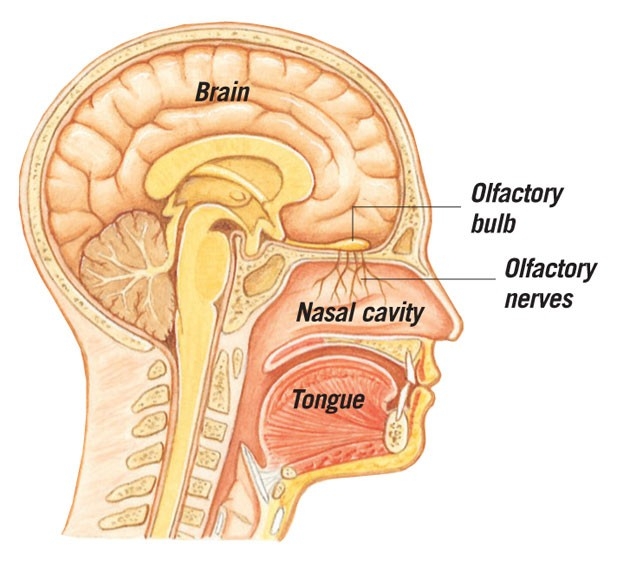
Smells are tiny particles that flake off things and find their way up your nose. The nose contains nerve cells that enable you to detect them. Tastes are picked up by nerve cells on your tongue. Smell particles from the food you are eating drift up from the back of your throat to your nose. In this way, your nose helps you taste things as well.

Smelling
Behind each nostril is an air passage, called the nasal cavity. This is about the size of your thumb. When nerve cells in the roof of the nasal cavity (the olfactory nerves) detect smell particles, they send messages along nerves to the brain. Sniffing draws extra air into the nasal cavity, making your sense of smell stronger.
Inside the nose
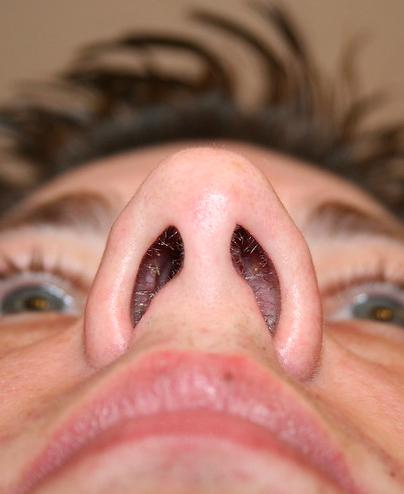
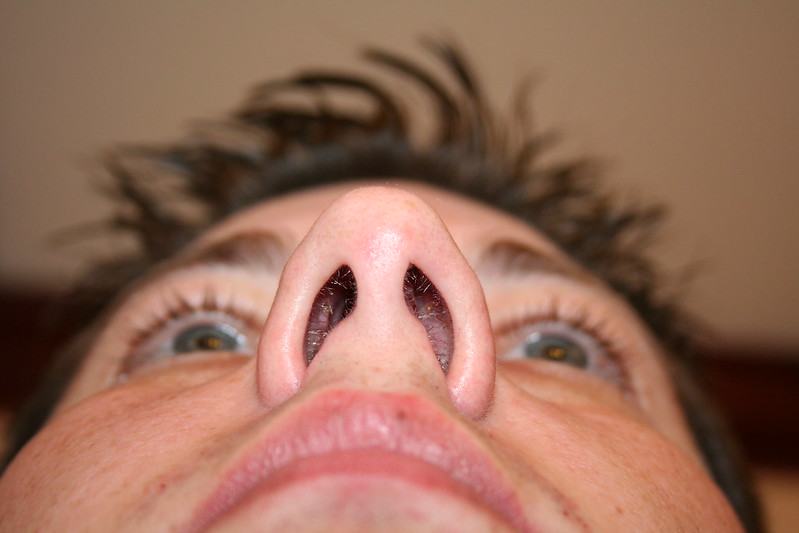
As well as detecting smells, the nose also takes in air to breathe. It warms, moistens and filters the air before it travels to the lungs. Stiff hairs inside each nostril remove large particles of dust from the air. Mucus is a thick, sticky fluid that seeps out of the walls of the nasal cavity. It traps smaller particles, bacteria and viruses in the air we breathe. Sneezing removes particles that irritate the walls of the nasal cavity.
Tongue
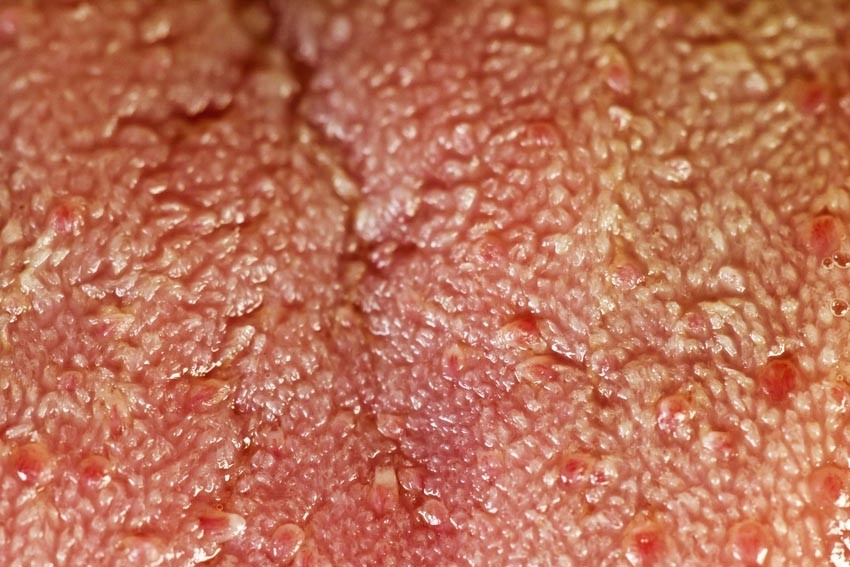
The tongue’s surface is covered with many tiny, pimple-like lumps. On these lumps are taste buds. Each looks like a tiny onion. You have around 10,000 taste buds on your tongue. Special cells inside them can tell your brain whether the food is sweet, salty, sour, bitter or umami (a sort of "meaty" taste).
Consultant: Kristina Routh
Ready to find out more?
Here are some pages in other parts of Q-files you might like to explore:
pics
Without in any way limiting Q-files Ltd’s exclusive rights under copyright, any use of this publication to “train” generative artificial intelligence (AI) technologies to generate text is expressly prohibited. Q-files Ltd reserves all rights to license use of this work for generative AI training and development of machine learning language models.