
EASY READ Numbers

CITE
We have made every effort to follow citation style rules, but there may be some minor differences. If in doubt, please refer to the appropriate citation style manual.
How do we work with numbers?. (2025). In Q-files Encyclopedia, Maths, EASY READ Numbers. Retrieved from
https://www.q-files.com/maths/easy-read-numbers/how-do-we-work-with-numbers
"How do we work with numbers?." Maths, EASY READ Numbers, Q-files Encyclopedia, 10 Nov. 2025.
https://www.q-files.com/maths/easy-read-numbers/how-do-we-work-with-numbers.
Accessed 22 Sep. 2026.
How do we work with numbers? 2025. Maths, EASY READ Numbers. Retrieved 22 September 2026, from
https://www.q-files.com/maths/easy-read-numbers/how-do-we-work-with-numbers
Maths, EASY READ Numbers, s.v. "How do we work with numbers?," accessed September 22, 2026.
https://www.q-files.com/maths/easy-read-numbers/how-do-we-work-with-numbers


How do we work with numbers?
Addition (adding) is putting two numbers together. Subtraction (subtracting) is taking one number away from another. A number line helps with counting, adding and subtracting. Multiplication is a way of speeding up addition to solve bigger problems more quickly. Division is the opposite of multiplication. It is used to divide (share out) a number into equal parts.
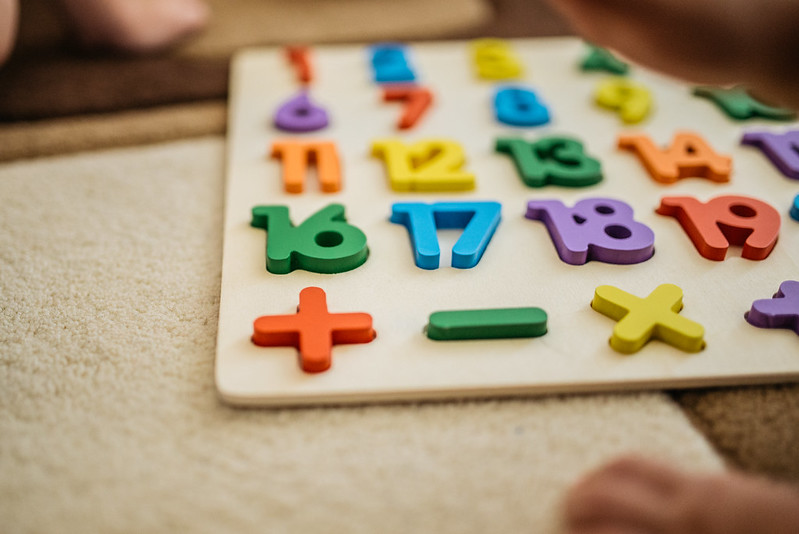
The number line
When all the numbers are in order, they make a line called the number line. The number line helps with counting. We can also use it to add and subtract.

To add 7 and 2 using the number line, find 7 on the number line and count on 2 steps from it. The answer is 9.
To subtract, count back down in the other direction. To subtract 3 from 6, find 6 on the number line and count down 3 steps. The answer is 3.
Counting
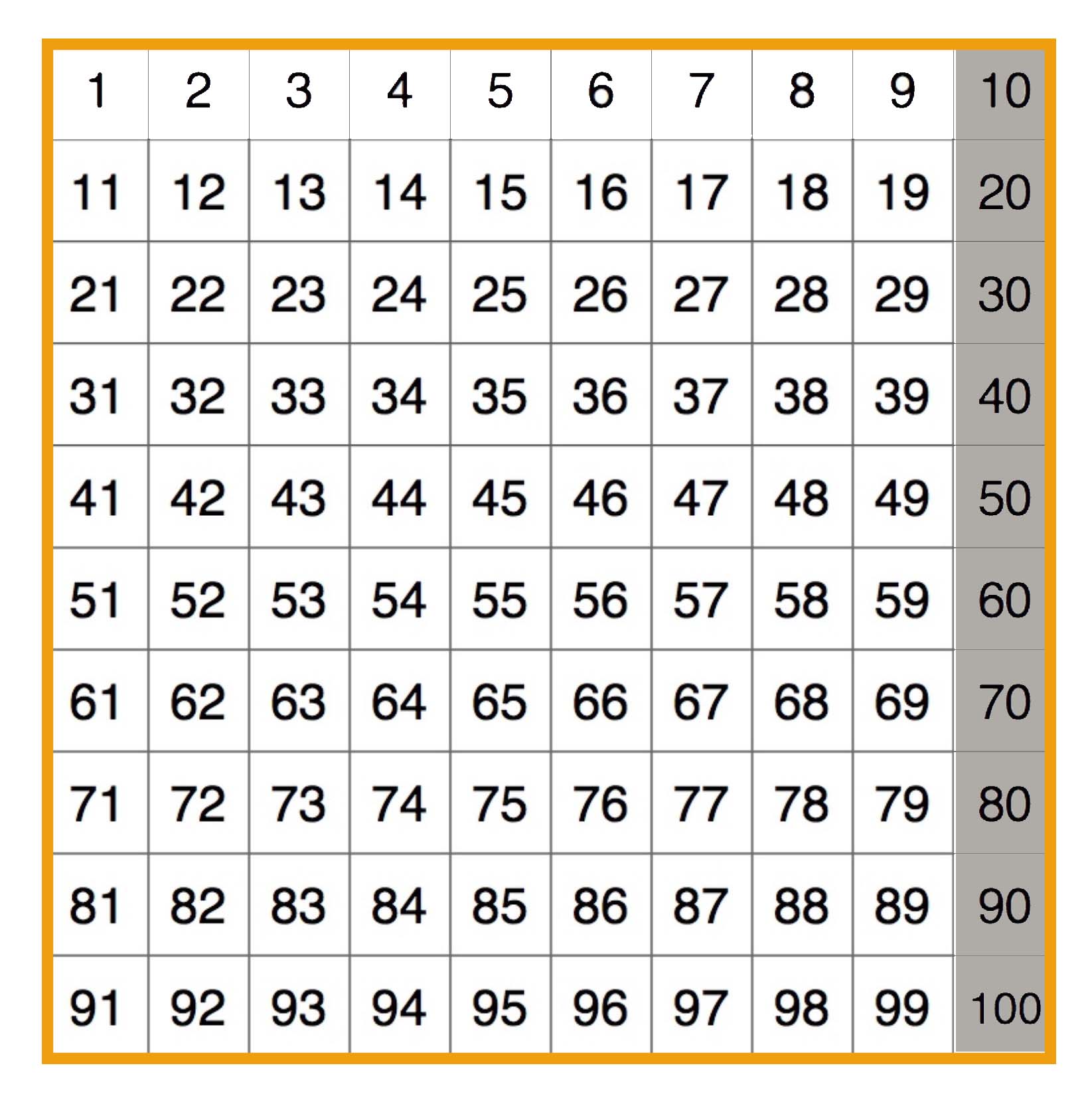
You can use a number grid to help you count. This grid shows all the numbers from 1 to 100 in order. You can read each line like a number line. Each square is one more than the one to the left. If you count in the other direction, each square is one less.
In this grid, every tenth square is shaded grey. These are the tens. Each one ends with a “0”. If you follow this grey line down the grid, you jump forward by ten numbers each time. This is counting in tens.
Odd or even?
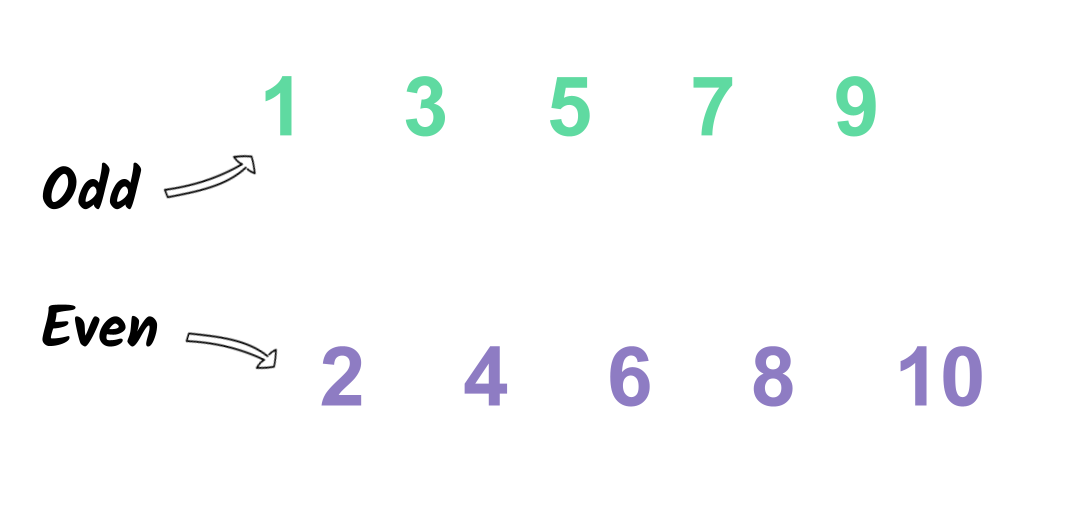
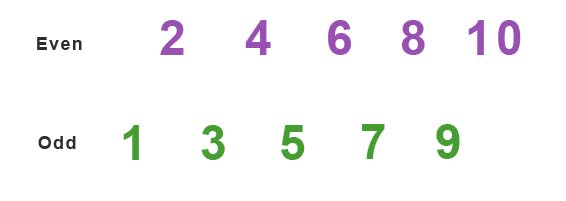
All whole numbers are either odd or even.
If a number can be divided equally in two, then it is even. Even numbers always end in 0, 2, 4, 6 or 8. This is how we know that the number 18 is even The number 346 is also even.
Odd numbers always end in 1, 3, 5, 7 or 9. So we know that 7, 23, and 429 are all odd numbers.

Addition
We can add two numbers together using the plus sign, or addition symbol: +
2 + 3
The equals sign = tells us the total, or sum, of the two numbers. The numbers on one side of the equals sign always add up to the number on the other side.
2 + 3 = 5
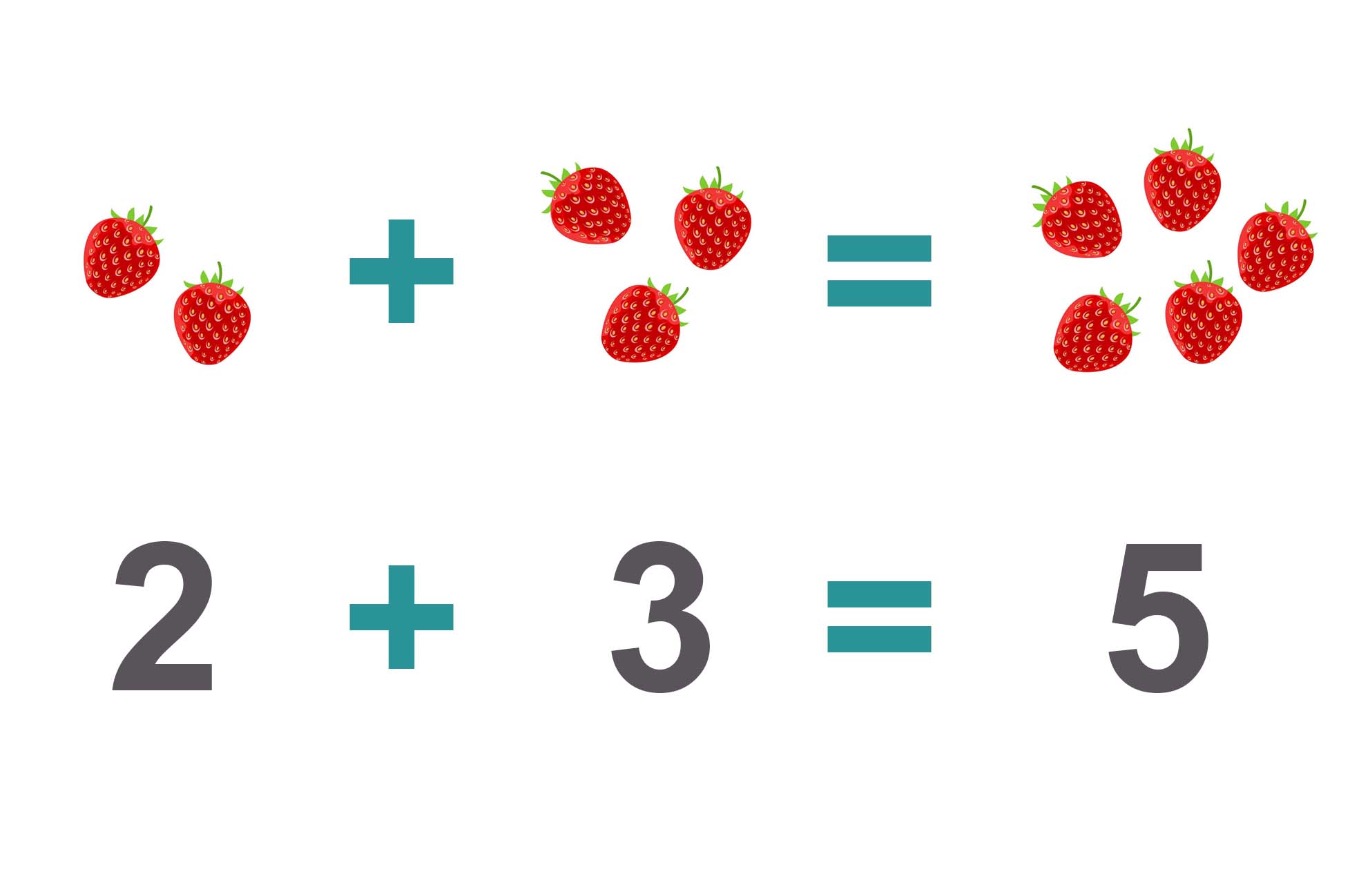
To work out the answer, find 2 on the number line and count up 3. The answer is 5. You can add numbers in any order, and the answer will always be the same.
Subtraction
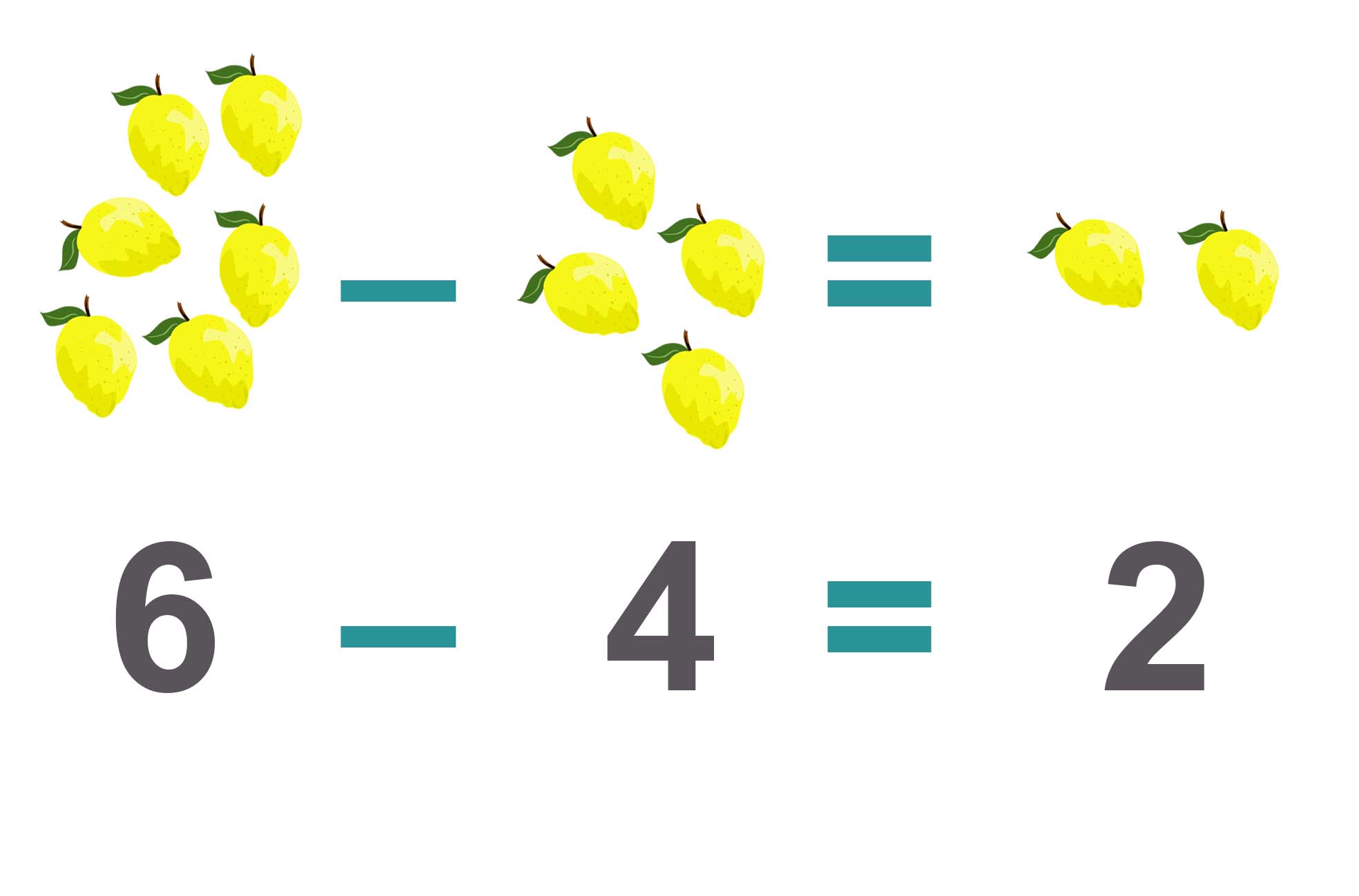
Subtraction is taking away or minusing one number from another. It is also called finding the difference. The symbol for subtraction is –
6 – 4
We say this as 6 minus 4, or 6 take away 4. To work out the answer, find 6 on the number line and count back 4. The answer is 2.
6 – 4 = 2


Multiplication
Multiplication is a way of speeding up addition. Let’s say you are giving cakes to your friends. You have 6 friends, and you want to give each one 2 cakes. Instead of adding 2 + 2 + 2 + 2 + 2 + 2, we can use the multiplication symbol to speed it up:
6 x 2 =
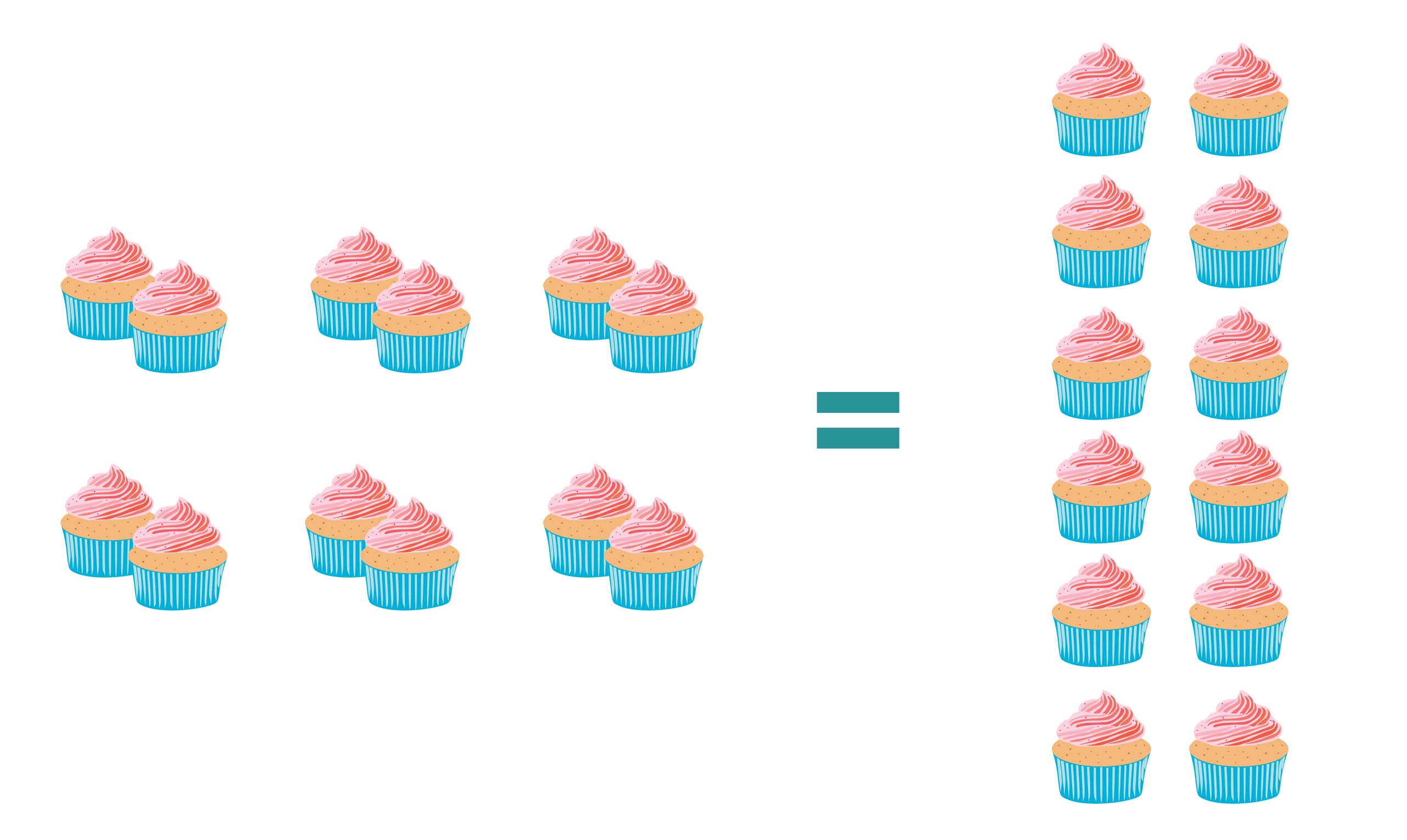
We can arrange the cakes to help us see the problem. The diagram above is called an array. It shows that 6 groups of 2 cakes make 12 in total. So 6 x 2 = 12.
Multiplication uses times tables. This problem uses the two times table.
Division
To split a number equally into groups, we use division. Dividing is the opposite of multiplying. Imagine that you want to sort the 12 cakes into 3 groups, so that you can share them out between three friends. We use the division symbol ÷ to write out this problem:
12 ÷ 3 =

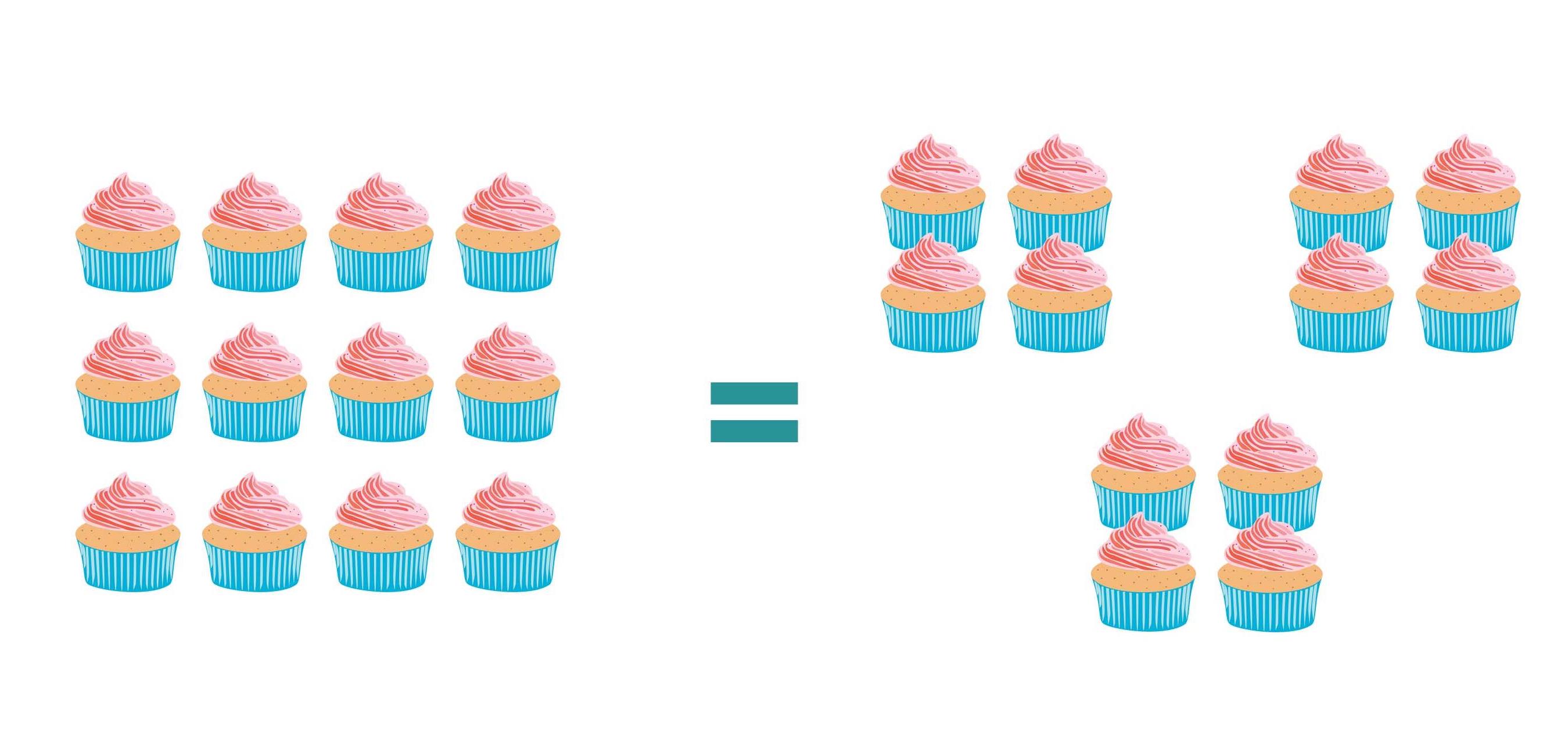
When the 12 cakes are sorted into 3 equal groups, each group contains 4 cakes. So the answer is 4.
12 ÷ 3 = 4
Because division is the opposite of multiplication, we can also turn the problem around. We can see that 3 groups of 4 cakes = 12.
So another way of looking at the problem is:
3 x ? = 12
Consultant: Adam Larking
Key words
addition putting two numbers together to create a new, bigger number
counting in tens counting only the tens, so 10, 20, 30, 40, etc.
division dividing (sharing out) a number into equal parts
equal the same
even numbers numbers that can be divided in two equally
multiplication a way of speeding up addition
odd numbers numbers that cannot be divided equally in two
subtraction taking one number away from another. This is also known as minusing or finding the difference
times tables lists that give each total when one number is multiplied by another
pics
Without in any way limiting Q-files Ltd’s exclusive rights under copyright, any use of this publication to “train” generative artificial intelligence (AI) technologies to generate text is expressly prohibited. Q-files Ltd reserves all rights to license use of this work for generative AI training and development of machine learning language models.