
Q-news
Cambodia–Thailand border dispute flares up again
A border dispute between Thailand and Cambodia, which has been simmering for more than a century, has exploded again. Competing territorial claims date back to the early years of the 20th century, when France occupied Cambodia, ruling it as part of French Indochina. The current dispute between Thailand and Cambodia highlights the long rivalry between the two countries. Thailand, by far the wealthier nation, has remained independent throught its history, and is today a relatively stable, newly industrialized country. Cambodia, meanwhile, has been subject to French colonization, US bombing during the Vietnam War and a crippling genocide under the Khmer Rouge regime in the 1970s. Today, Cambodia is a one-party state and listed by the UN as a least developed country.
18th December 2025
Franco-Siamese treaties
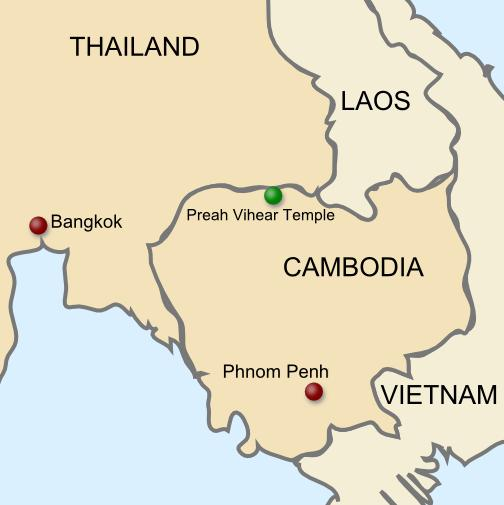
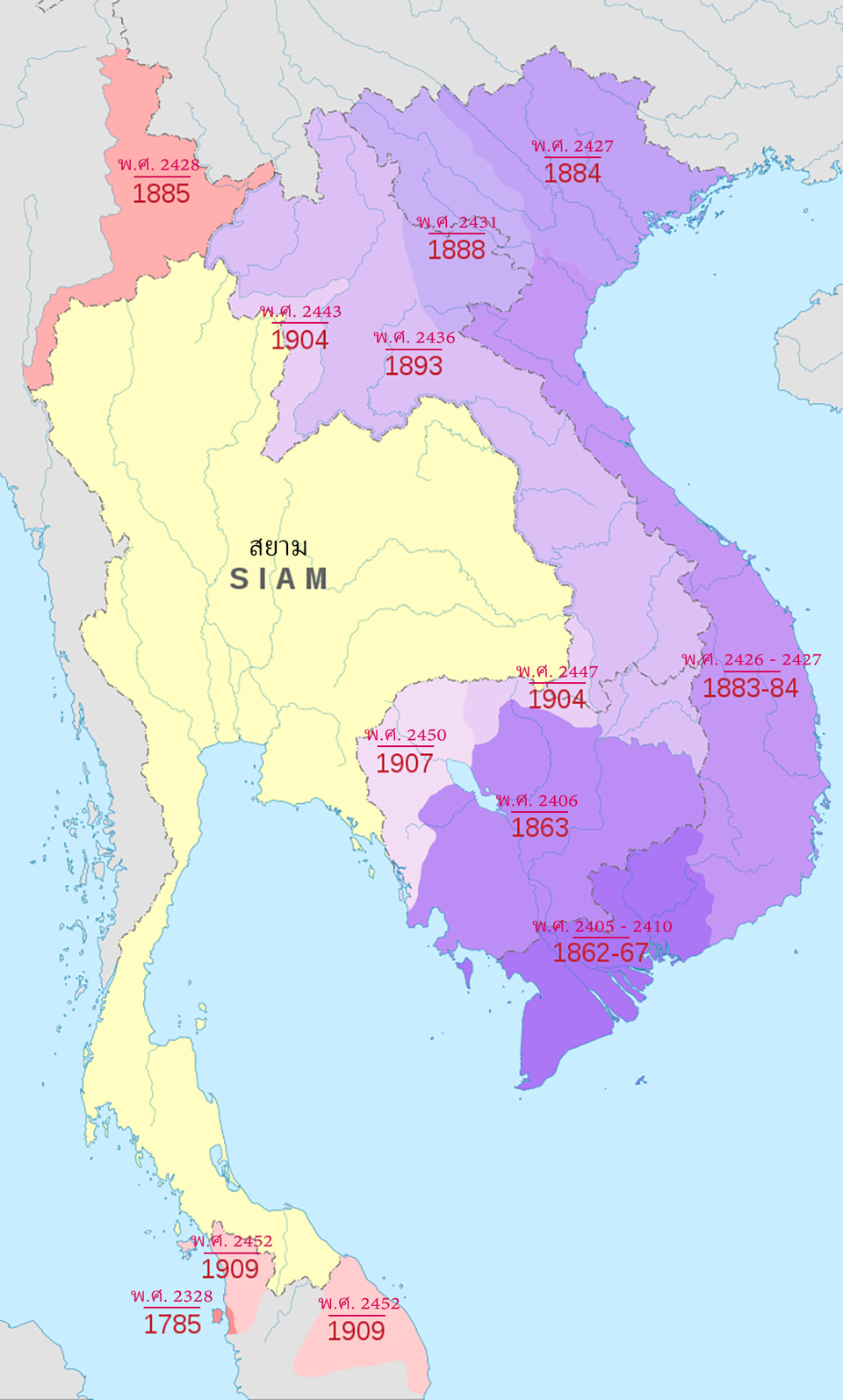
Competing territorial claims between Thailand and Cambodia date back to when France colonized Cambodia in the late 19th century, making it part of French Indochina. As France strengthened its control of the region, it forced neighbouring Siam (the old name for Thailand) to give up some of its territory to it.
In the early 20th century, over a series of Franco-Siamese treaties, Cambodia’s territory expanded to the north. A new border with Siam was drawn up, but, as a result, a number of ancient Khmer stone temples once located in Siam ended up on the Cambodian side of the border. These temples are today regarded as precious to both Cambodia and Thailand.
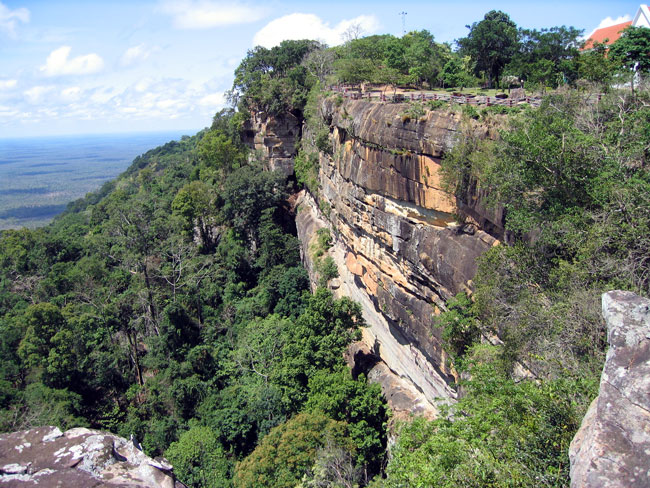
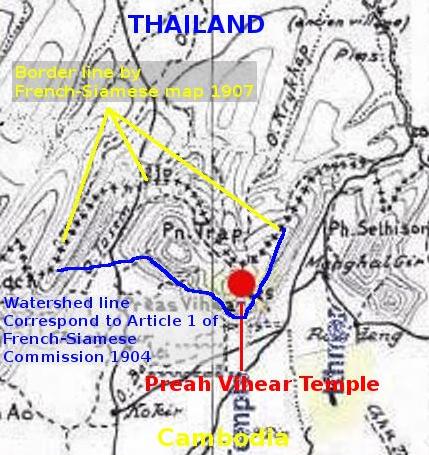
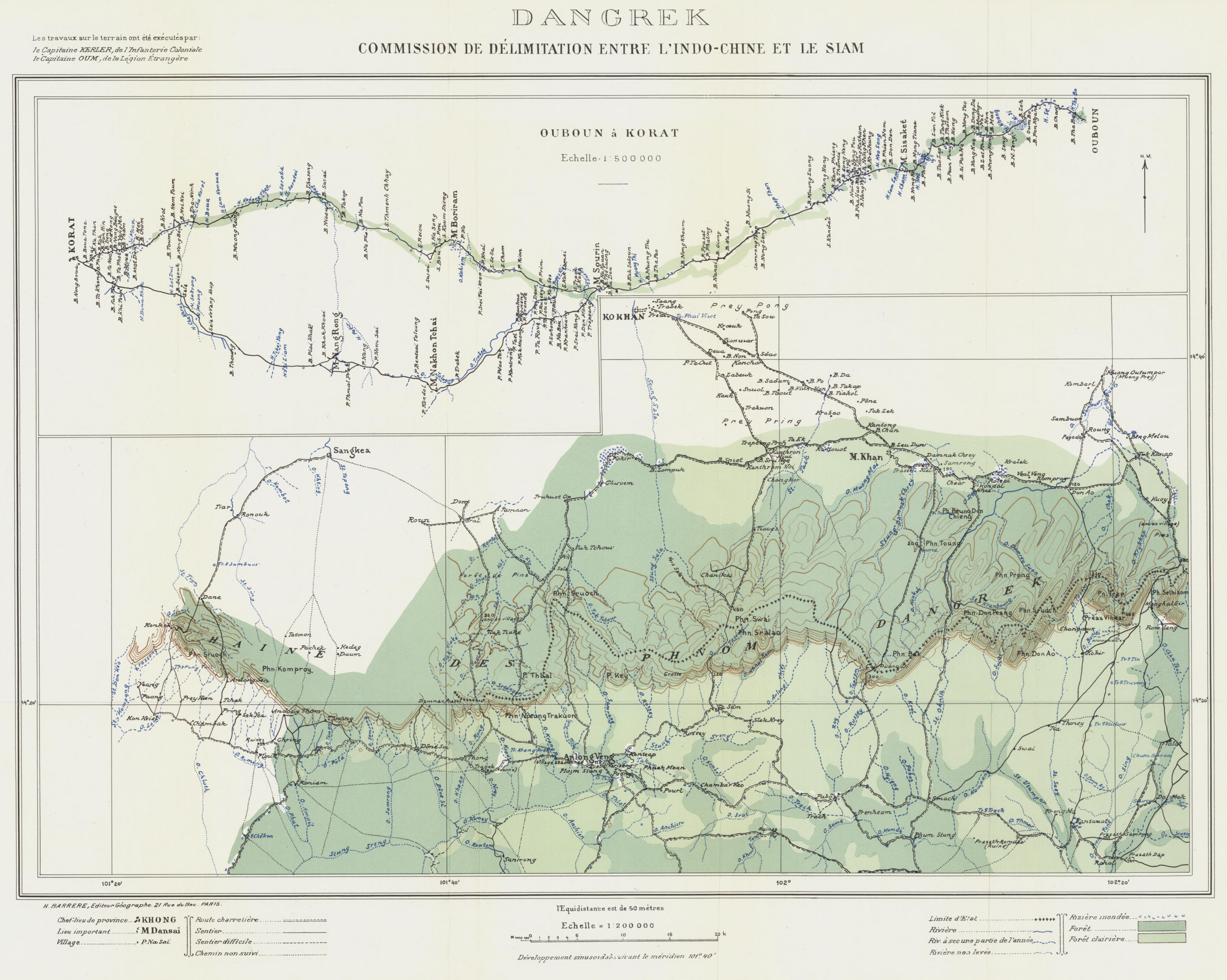
By a treaty agreed in 1904, the Siam–Cambodia border was drawn along the watershed (the ridge of land that separates the flow of streams) in the Dangrek Mountains. Preah Vihear, an 11th-century Hindu temple, together with most of its surrounding lands, thus lay on Siam's side of the border.
But in a 1907 treaty, a French-produced map, known as the Annex I map, placed Preah Vihear on the Cambodian side of the border. This contradicted the wording in the treaty stating that the border followed the watershed of the Dangrek Mountains. While this created confusion over which country owned Preah Vihear, Siam did not make an objection at the time. This confusion would later, however, became central to rival territorial claims.
ICJ ruling, 1962
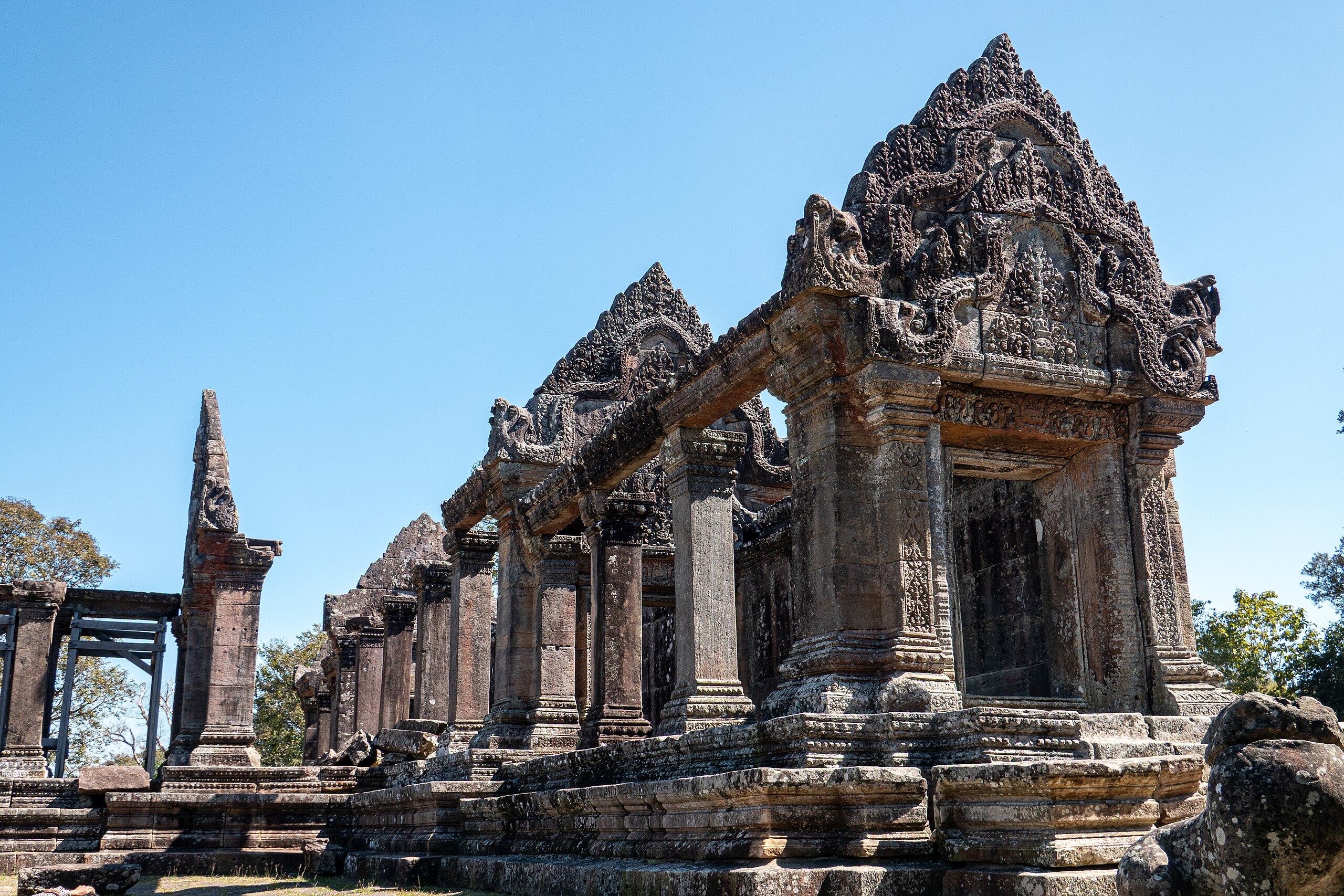
Following Cambodia’s independence in 1953 and the departure of French forces the following year, troops of Thailand (the new name for Siam) re-occupied the Temple of Preah Vihear, insisting that it rightfully belonged to Thailand. This prompted Cambodia to take the dispute to the International Court of Justice (ICJ) in 1959. The ICJ decided in 1962 that the temple itself belonged to Cambodia, but left the status of the surrounding land undecided.
The fact that Siam did not formally object to the Annex I map in 1907 was one reason why the court decided in favour of Cambodia in 1962.
2011 clashes
In 2008, Preah Vihear was listed as a UNESCO World Heritage Site. This sparked an escalation in the dispute between Cambodia and Thailand over the temple (the listing implied that Cambodia owned the disputed land next to the temple). While Thai officials were in Cambodia negotiating the dispute in February 2011, Thai and Cambodian troops clashed, resulting in injuries and deaths on both sides. On 11th November 2013, the ICJ finally ruled that the land next to the temple did indeed belong to Cambodia, and that Thai forces should leave the area.
July 2025
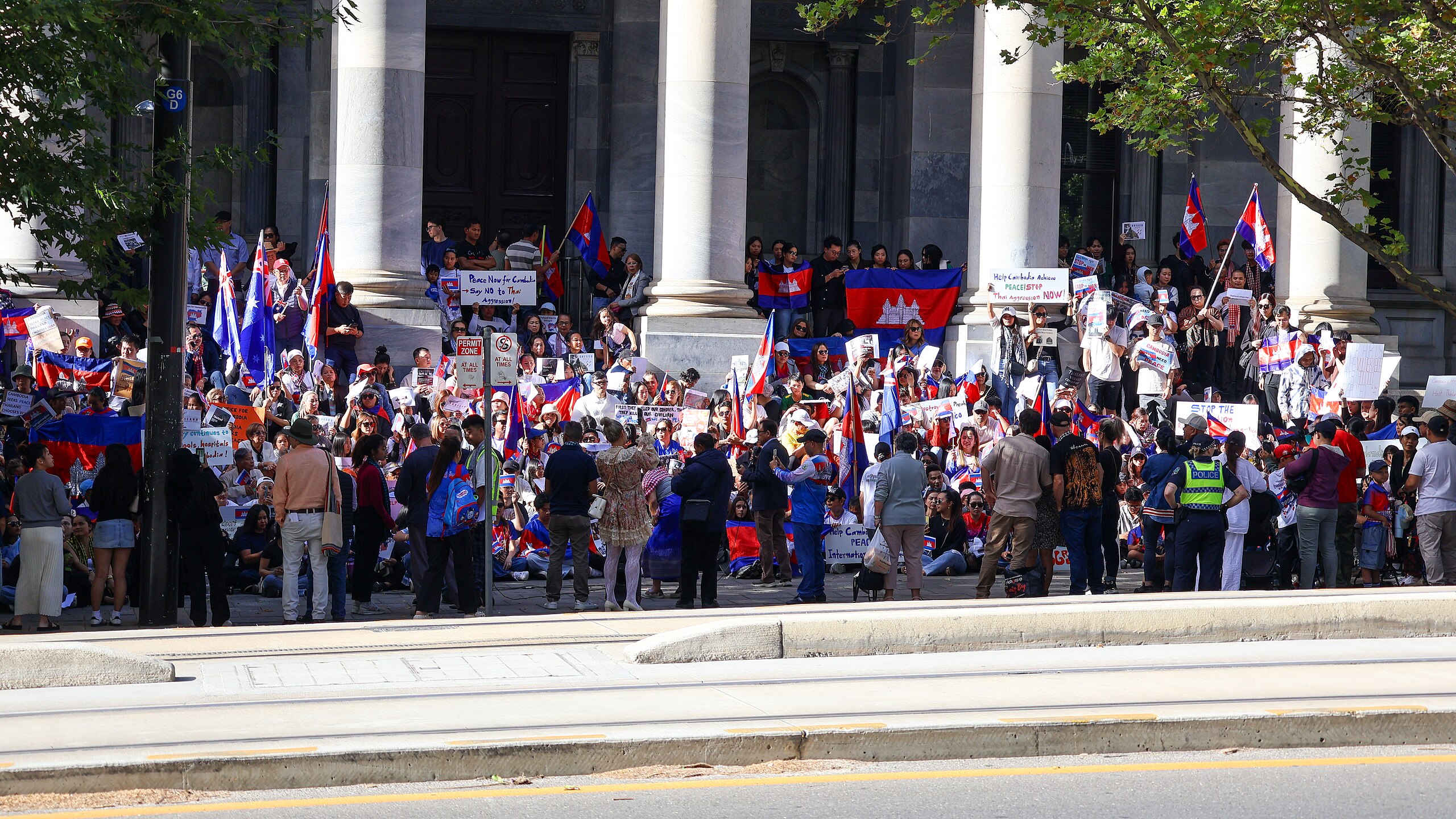
On 28th May 2025, an exchange of fire near Preah Vihear left a Cambodian soldier dead. Both sides blamed the other for starting the shooting. After a period of tension, hostilities between Cambodia and Thailand flared up again on 23rd July, when a Thai soldier was seriously injured after stepping on a landmine. The next day, fighting erupted across several parts of the border. Cambodia launched a barrage of rockets into Thailand, which responded with airstrikes against Cambodian military installations. After days of intense fighting which left 48 people dead, a ceasefire was agreed on 28th July. It was brokered with the help of Malaysian Prime Minister Anwar Ibrahim and US President Donald Trump.

December 2025
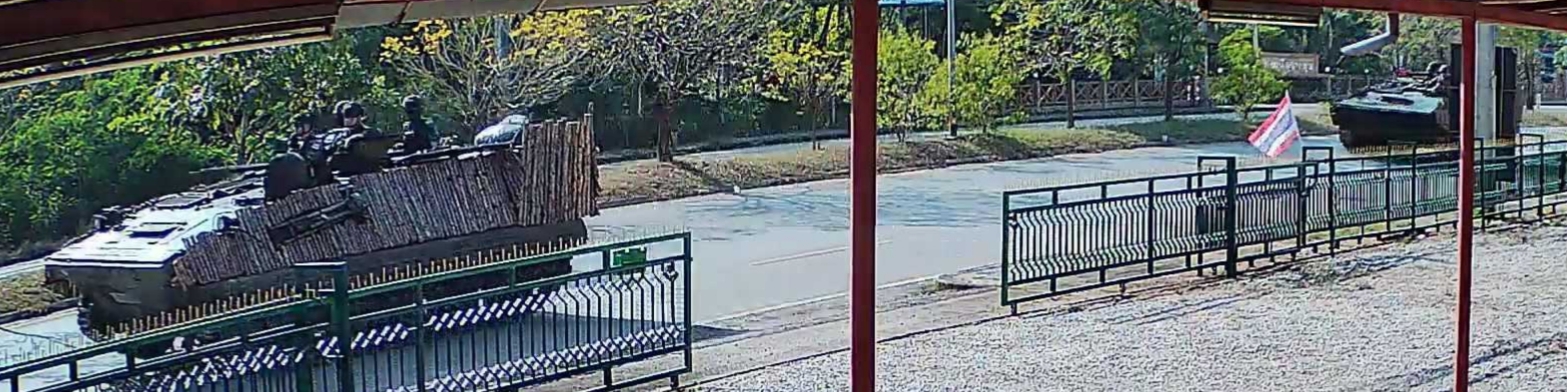
On 11th November Thailand announced that it was pulling out of ceasefire agreement after several of its soldiers were injured in landmine explosions along the border. Thailand accused Cambodia of laying new landmines. Then, on 7th December, fighting broke out when, according to the Thai army, two of its soldiers were fired on by Cambodian troops. The following day, Thailand carried out ground and air attacks on several Cambodian locations along the border. On 10th December the Thai army seized a number of towns in northern Cambodia. Trump urged Cambodia and Thailand to honour the ceasefire agreement amid the renewed border clashes.
Thailand said a new ceasefire would only be agreed if Cambodian forces withdrew and landmines are removed. Cambodia said it would keep fighting to defend its sovereignty. Many local residents have been displaced (forced to leave their homes) in the conflict: at least 700,000 people have been evacuated on both sides of the border.