
Age of Dinosaurs
Dinosaur extinction
For about 175 million years, the dinosaurs ruled unchallenged. During this long period, hundreds of different kinds of dinosaurs evolved. They lived and died, some leaving behind their fossils in the rocks. Then, quite suddenly, about 66 million years ago, they were gone. There are no more fossils of dinosaurs after this time, the end of the Cretaceous Period. Not only did the dinosaurs die out; so, too, did the marine reptiles and pterosaurs, many kinds of shellfish and a huge number of other land animals and plants. Altogether around 75% of Earth's known species vanished for ever. The sudden death of so many living things is called a mass extinction. What caused this terrible disaster?
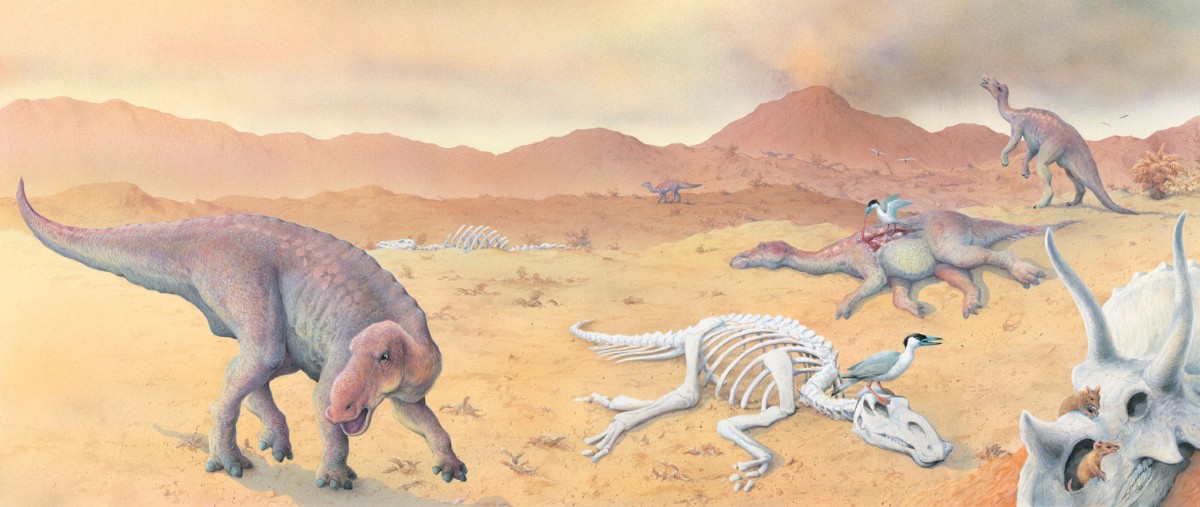

Asteroid collision
The evidence shows that the event was quite abrupt. It is thought by many scientists that it was triggered by a large asteroid crashing into Earth. The resulting explosion filled the atmosphere with dust, blotting out the sun and lowering temperatures for years on end. Plants withered away and, with them, the plant-eating dinosaurs, perishing from cold and hunger. Having no prey, the flesh-eaters soon followed. The Age of Dinosaurs was over. Or was it? Birds, close relatives of small, feathered dinosaurs, survived, so it could be said that dinosaurs live on to this day.
K-Pg boundary
In 1980, a team led by US physicist Luis Alvarez discovered that rock layers found all over the world at the boundary between the Cretaceous and Palaeogene rocks, called the K-Pg boundary (K is for Kreidezeit, German for Cretaceous; Pg is for Palaeogene, the period that followed the Cretaceous), contained a concentration of the metal iridium many times greater than normal. Iridium is extremely rare on Earth, but is known to be abundant in most asteroids. So an asteroid probably did strike Earth at the end of the Cretaceous. Iridium dust thrown up by the exploding asteroid settled on the surface, then later compacted into the rocks of the time.
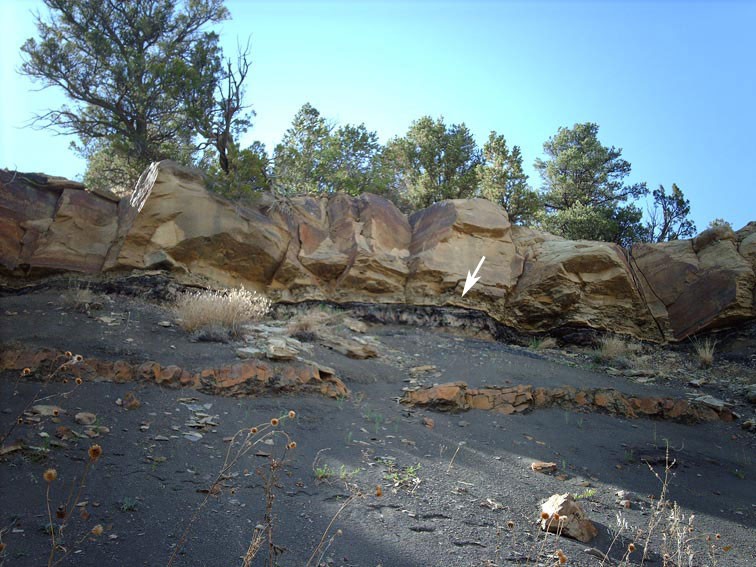
Just above the K-Pg boundary (that is, in geological time more recent than the Cretaceous), the fossil record shows a sudden increase in fern spores, indicating a rapid recolonization by ferns. These are the first plants to grow in a devastated environment, such as after a massive explosion—further evidence of an asteroid collision.
Spherules and
shocked quartz
Still more evidence found by Alvarez was the abundance of spherules (tiny glass spheres) and shocked quartz in the K-Pg boundary rocks. The glass is formed when rocks are melted, blasted into the air as droplets and immediately frozen—the exact sequence of events that might follow an asteroid impact. Shocked quartz occurs only when rocks have been struck by a sudden massive force, such as that found at asteroid impact sites.
In North America the K-Pg boundary rocks consist of a layer of clay—probably the debris from the impact—containing glass spherules. Just above this is a layer of iridium with fragments of shocked quartz. Shocked quartz is not found in K-Pg boundary rocks anywhere else, which strongly suggests that the asteroid collision occurred somewhere near North America.
Impact crater
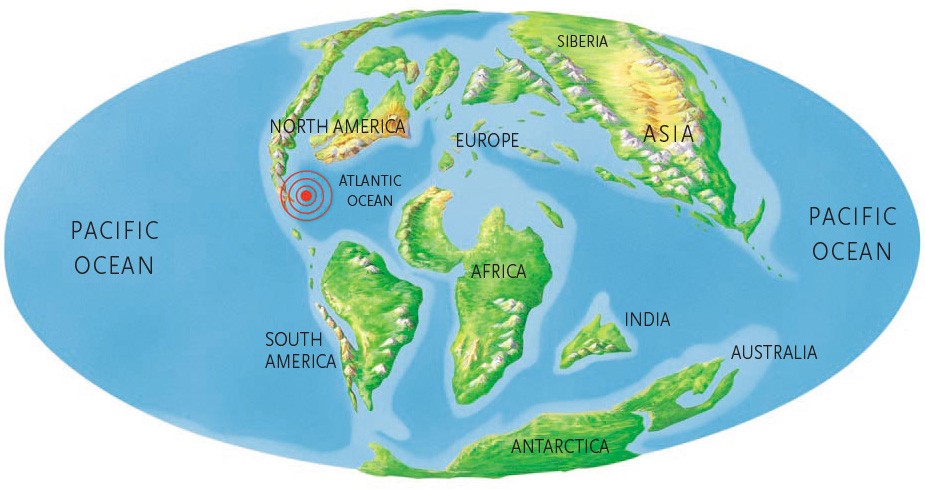
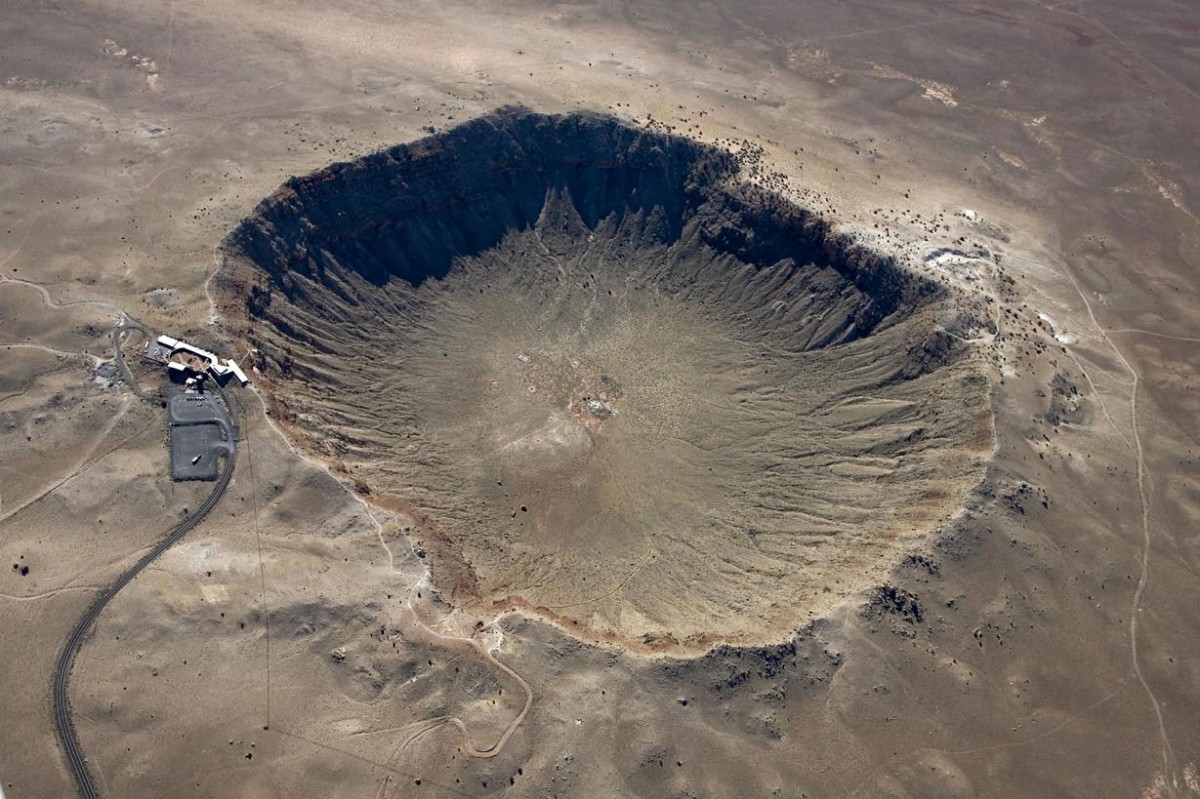
The search was on for a crater marking the spot where the asteroid landed 66 million years ago. In 1990, part of the buried remains of an asteroid impact crater were identified in the Yucatán Peninsula, Mexico. Centred on the town of Chicxulub, the crater is oval-shaped, with an average diameter of 180 kilometres (112 miles)—about the size estimated by Alvarez. It is now generally accepted that the Chicxulub crater is the impact site for the asteroid that smashed into Earth at the end of the Cretaceous Period.
From studies of a 122-metre (400-foot) core of rock drilled out from the Chicxulub crater in 2016, scientists have been able to piece together the effect of the asteroid's impact. This included the melting and deforming of millions of tons of rock that had been there, together with sediments of gravel, sand and charcoal washed into the crater by the tsunamis triggered by the impact (see below).
Asteroids
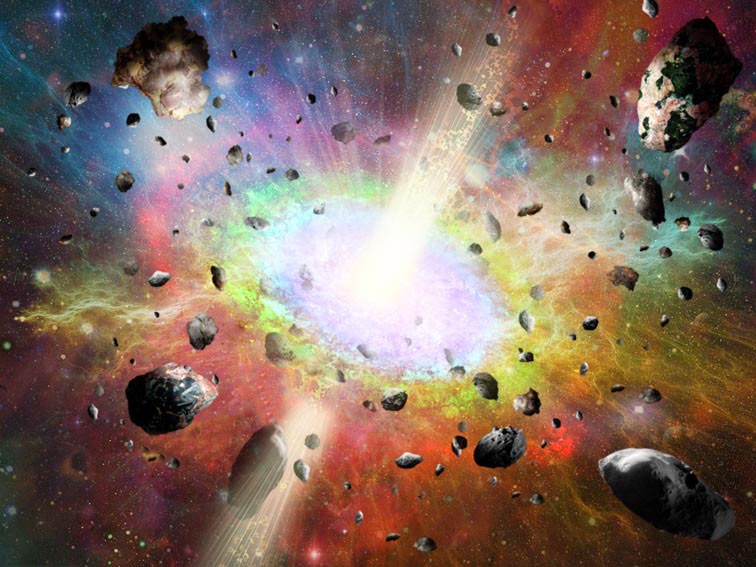
Orbiting the Sun between the planets Mars and Jupiter is a belt made up of millions of rocky lumps: the asteroids. Although most asteroids are found here, a significant few have strayed, as a result of large asteroids breaking up after a collision. The resulting fragments have been knocked out of the main belt and into other orbits around the Sun. Some, known Near Earth Asteroids, cross Earth's path. This, scientists believe, is what happened about 160 million years ago, when a large asteroid, measuring about 160 kilometres (about 100 miles) across, called Baptistina, was struck by another, about 60 kilometres (about 40 miles) wide.
Impact
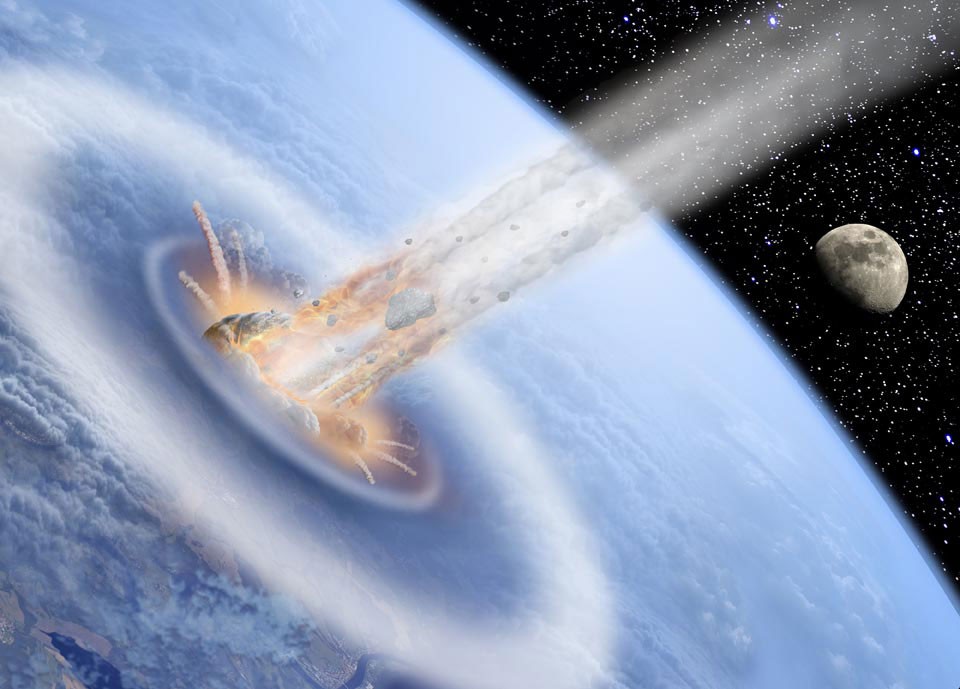
One day, about 66 million years ago, a fragment of this same asteroid, measuring about 10 kilometres (6 miles) across, hurtled across space and collided with Earth. Travelling at 30 kilometres (20 miles) per second, it tore through Earth's atmosphere and crashed into the ocean. Approaching from the southeast, it hit at a shallow angle: about 20–30 degrees.
Explosion
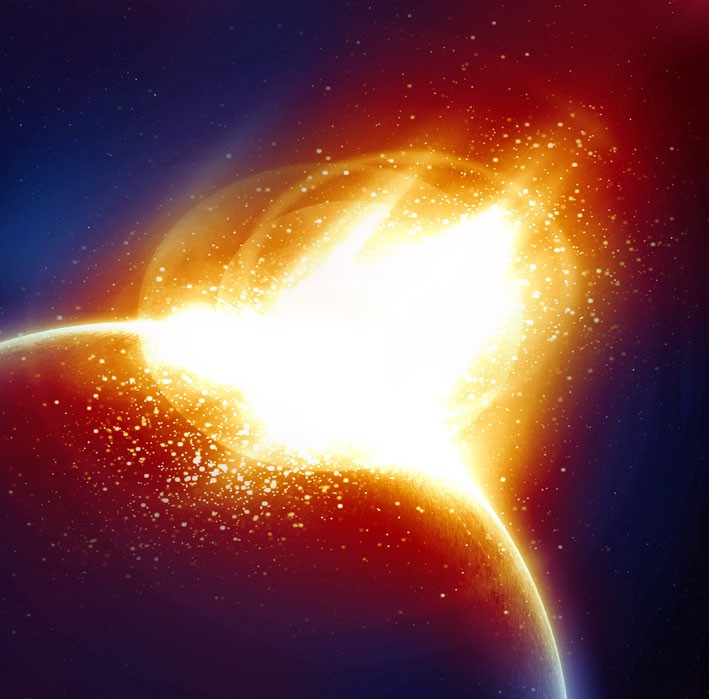
It is impossible to imagine the force of the explosion at the moment the asteroid crashed to ground. The explosive energy released was equivalent to 100 trillion tonnes of TNT—over a billion times more explosive than the atomic bombs that destroyed Hiroshima at the end of World War II. The blast would have completely destroyed everything within a 500-kilometre (300-mile) radius. The intense pulse of heat resulted in a firestorm, incinerating all living things for hundreds of kilometres beyond.
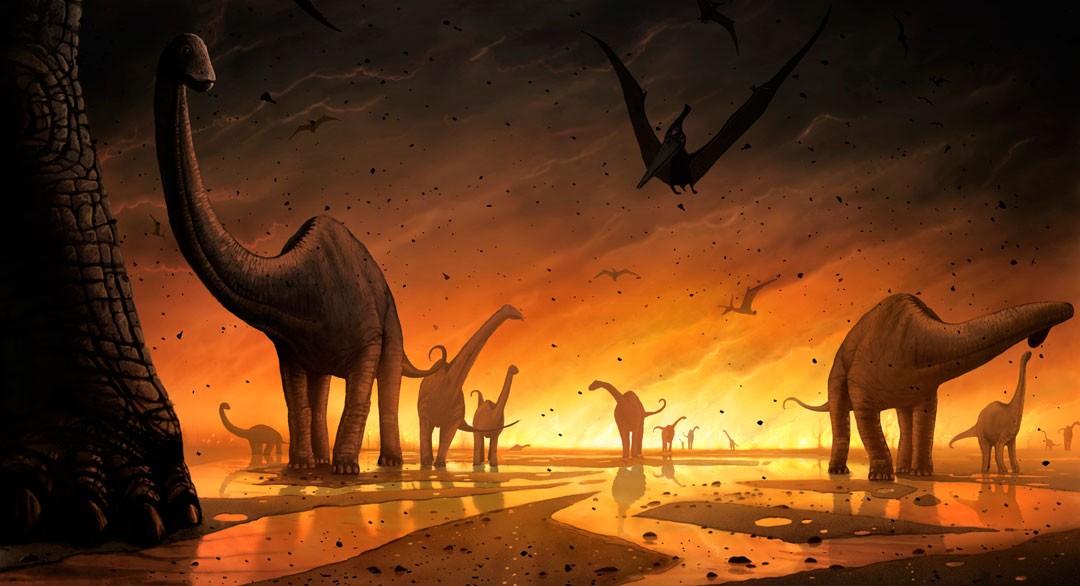
On the ground, the massive explosion of rock and gas would have looked like a massive fireball filling the sky, frying any living creature within several hundred kilometres. Certainly any dinosaur in the area, big or small, would have met an immediate end.
Immediate effects
Landing in the sea, shock waves set off some of the largest tsunamis Earth has ever seen. Called megatsunamis, mountainous waves some 1000 metres (3000 feet) high surged out in all directions, flooding the continents deep inland and triggering a chain reaction of volcanic eruptions , earthquakes and continental landslides that, in turn, generated further tsunamis.
The asteroid itself, vaporized on impact along with a sizeable chunk of Earth's crust, was blasted into the upper atmosphere, blocking out the sun. Later, vast quantities of super-heated dust and ash rained down on Earth, igniting global wildfires. For years afterwards, sulphur dioxide, released from the rocks the asteroid had struck, combined with water in the atmosphere to produce deadly acid rain, killing vegetation all over the world.
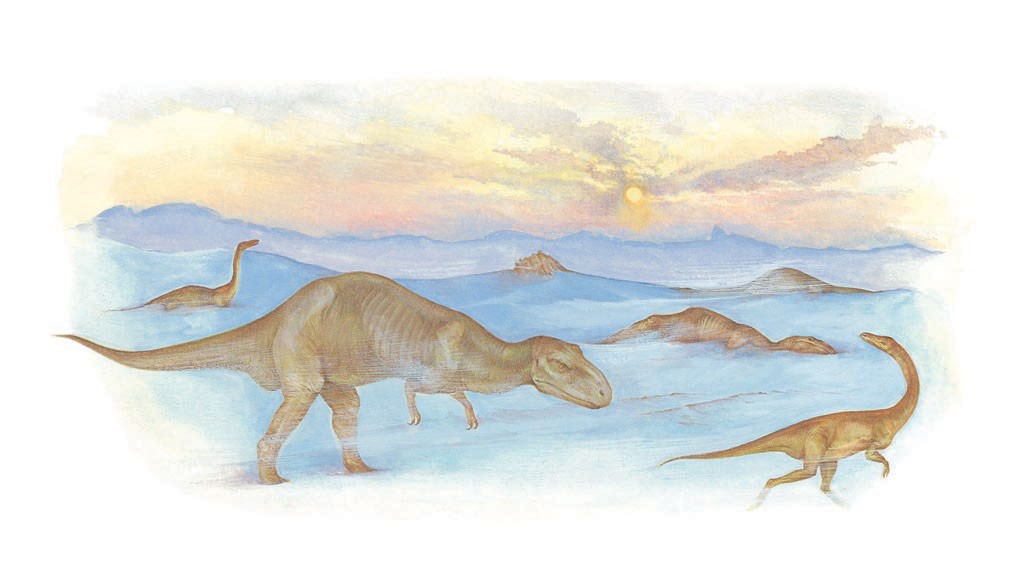
Plant life, the animals that fed on plants, and the animals that fed on them—the entire food chain—was drastically affected by the asteroid impact and its immediate aftermath. The plant-eating dinosaurs died out when the plants on which they depended for food became scarce. Consequently, predators such as Tyrannosaurus rex, also perished.
Long-term effects
Ash and dust probably went on falling for several years after the impact, covering the entire Earth's surface and creating a harsh environment for living things. Sunlight was blocked from reaching the surface by the dust particles and the sulphur dioxide in the atmosphere. In this way Earth's surface was cooled dramatically for years, and photosynthesis by plants was drastically interrupted.

Whether the extinctions occurred gradually (over a few thousand years) or very suddenly (within just a few years) is unknown. There is evidence to suggest that the number of dinosaur species was already declining quite rapidly in the last 6 million years of the Cretaceous Period (falling from 43 species to 30 species in western North America). Possibly the Age of Dinosaurs was drawing to an end anyway, and the asteroid catastrophe finished it off.
Effects on ocean life
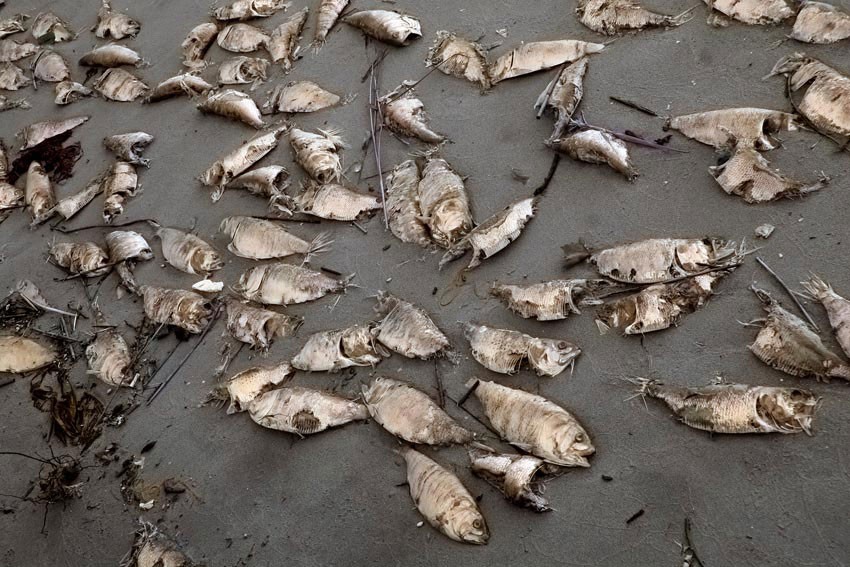
How did the asteroid impact affect life in the sea? Phytoplankton, microscopic plant life that floats in surface waters, suffered the same fate as plants on land and was killed off. This led to the collapse of the food chain on which large marine reptiles and many other species depended. Acid rain, resulting from sulphur dioxide in the air, changed the delicate chemical balance of the seawater, killing off yet more species.
Survivors
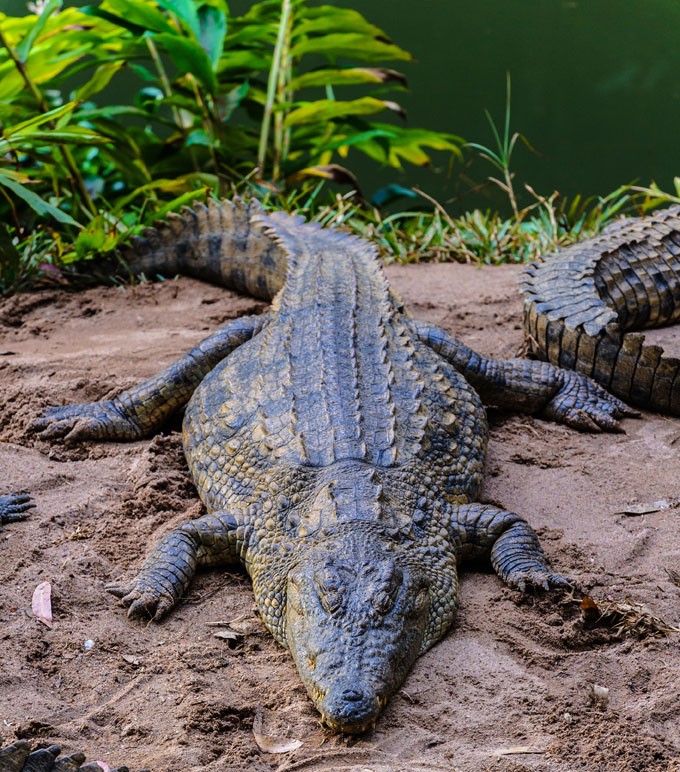
What sort of animal could have survived an environmental disaster on this scale? Why did dinosaurs fail, while birds, mammals and even some other reptiles, make it through? Animals that could burrow, swim or dive would have been able to shelter themselves from the immediate effects. Crocodiles, the only other large land reptiles around besides the dinosaurs, survived because they could go for several months without eating, whereas dinosaurs could not. Lizards and snakes could more easily adapt to new habitats.
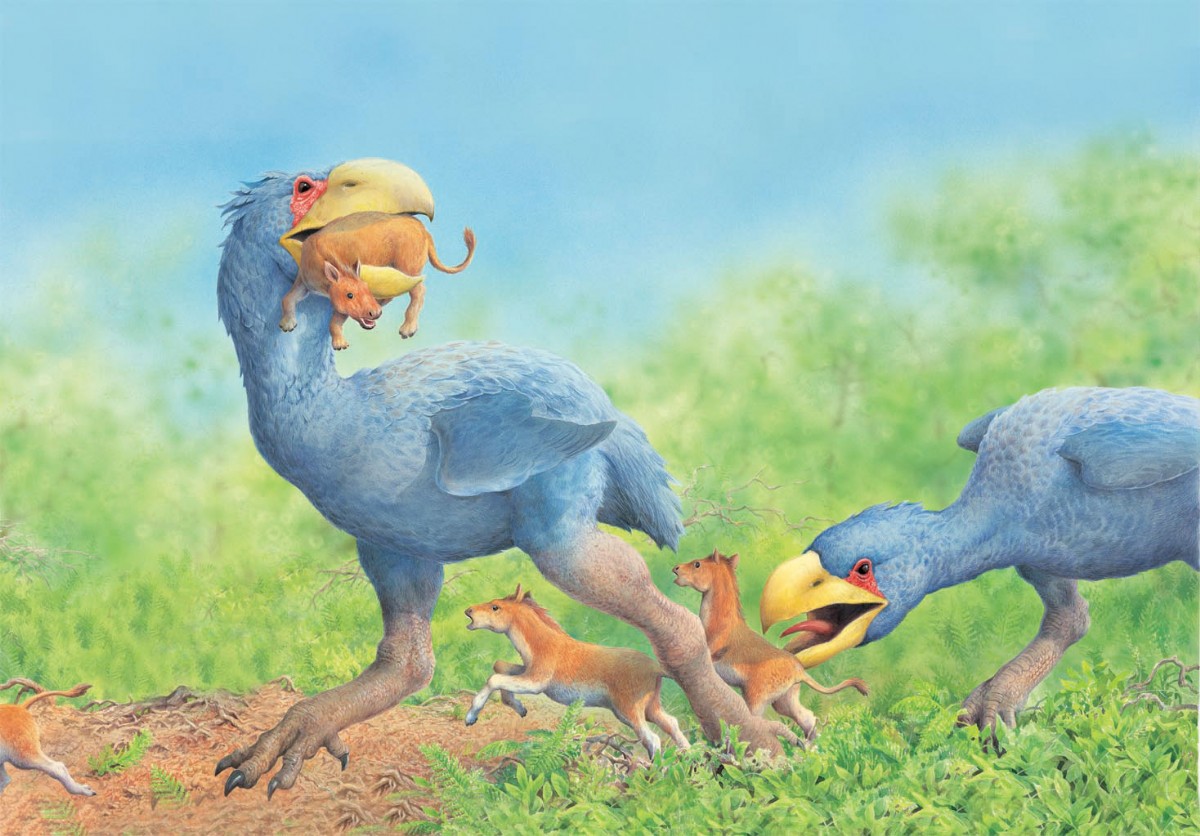
Birds and mammals possessed a number of advantages over dinosaurs. By being small, they could find shelter more easily: under the ground, in trees or in water and marshland. They could also survive on a meagre diet, scavenging for whatever food they could find in a harsh environment. Later, birds and mammals evolved to take over the dominant roles in nature that the extinct dinosaurs once held: large, herding herbivores, giant predators, and so on.
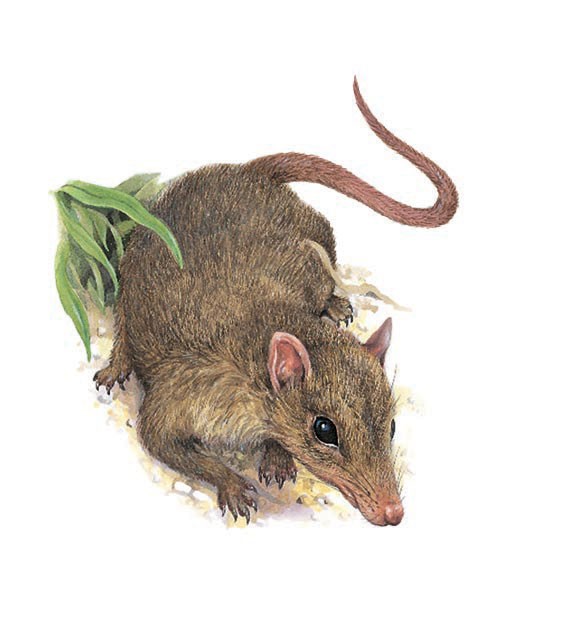
The first mammals had evolved from reptiles about 140 million years earlier, during the late Triassic Period. They lived through the Age of Dinosaurs as small, nocturnal creatures. Being able to shelter by burrowing, or already adapted to aquatic habitats, mammals were better able to survive the asteroid impact than the dinosaurs.
Consultant: Chris Jarvis