
Robotics and AI
AI robots
Intelligent robots are often featured in science-fiction books and movies, in which they think and behave exactly like humans. While this remains the stuff of fiction, technologists today are making significant advances towards achieving AI, artificial intelligence demonstrated by machines. The systems they are creating may be either "disembodied" or "embodied". A disembodied AI system is one that is built into a computer. Chatbots, web bots and virtual assistants (such as Alexa or Siri) are examples of disembodied AI systems. An embodied AI system is one that operates some kind of robot or advanced vehicle.

Social interaction
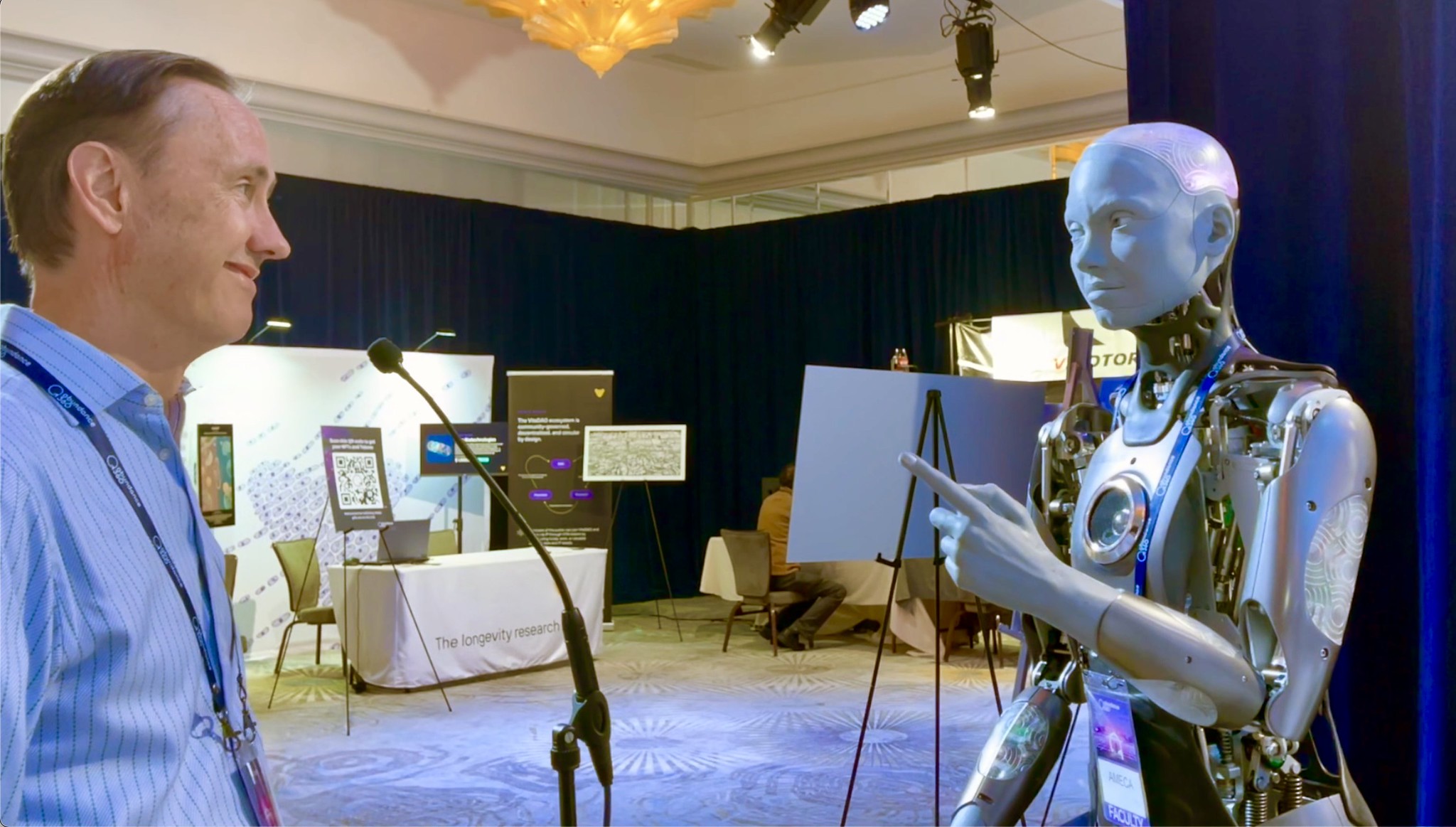
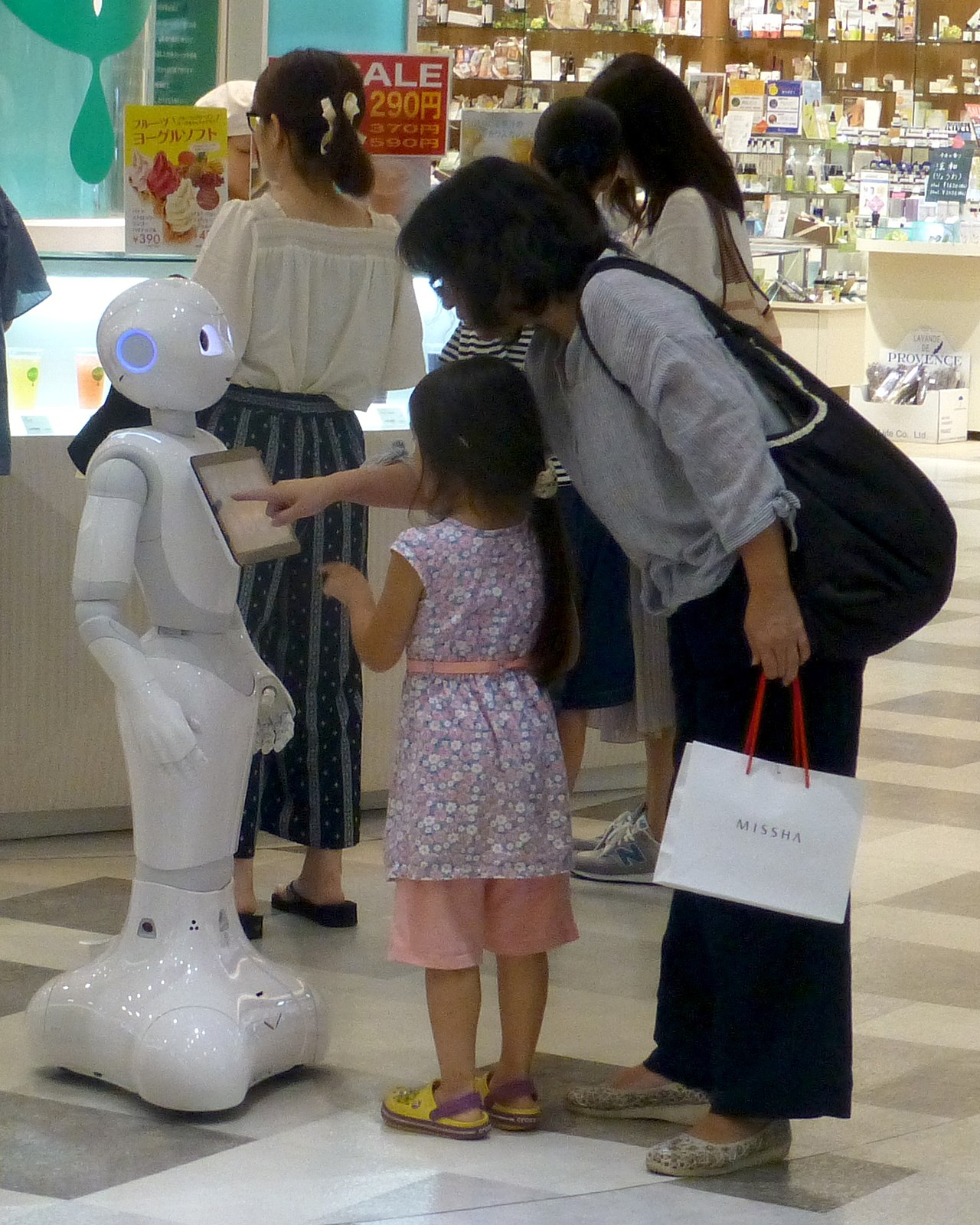
A artificially-intelligent robot may improve its performance by mixing or having conversations with humans. This enables its sensors and input systems to gather data about human language, knowledge, behaviour and so on, providing it with what it needs to "learn". In the case of humanoid robots, these interactions work best if the robot is accepted by humans as something like an "equal creature"—one which looks and behaves somewhat like another human being.
The people who interact with these robots will almost certainly have no training in robotics. This means communication between robot and human must be intuitive—through speech, gestures and facial expressions—rather than via complex computer programming.
Machine Learning
Most modern robots can learn by themselves in a limited capacity. This is called Machine Learning (ML). They recognize if a certain action has achieved a desired result successfully, such as navigating their way around an obstacle. They then store this information and attempt the same action the next time they come across a similar situation. In this way, robotic vacuum cleaners, for example, learn the layout of a room. Such ML systems rely on algorithms, procedures or rules for calculation or problem-solving.
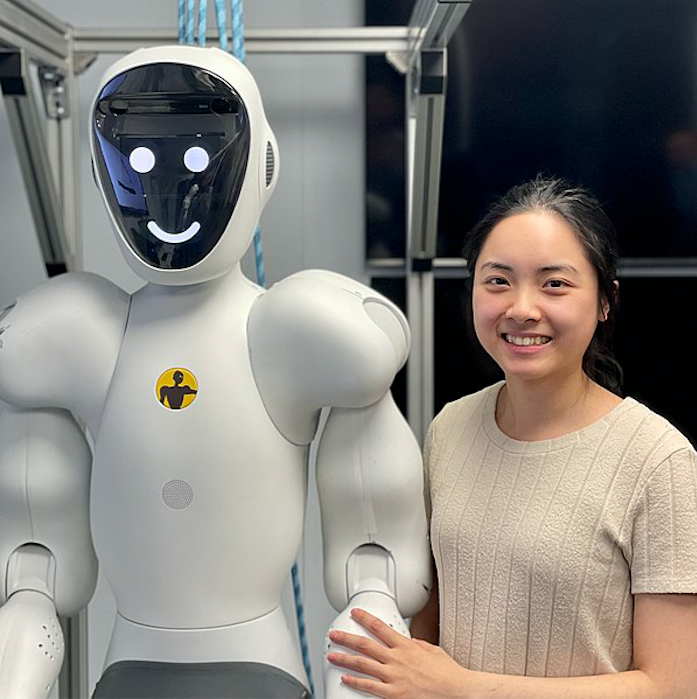
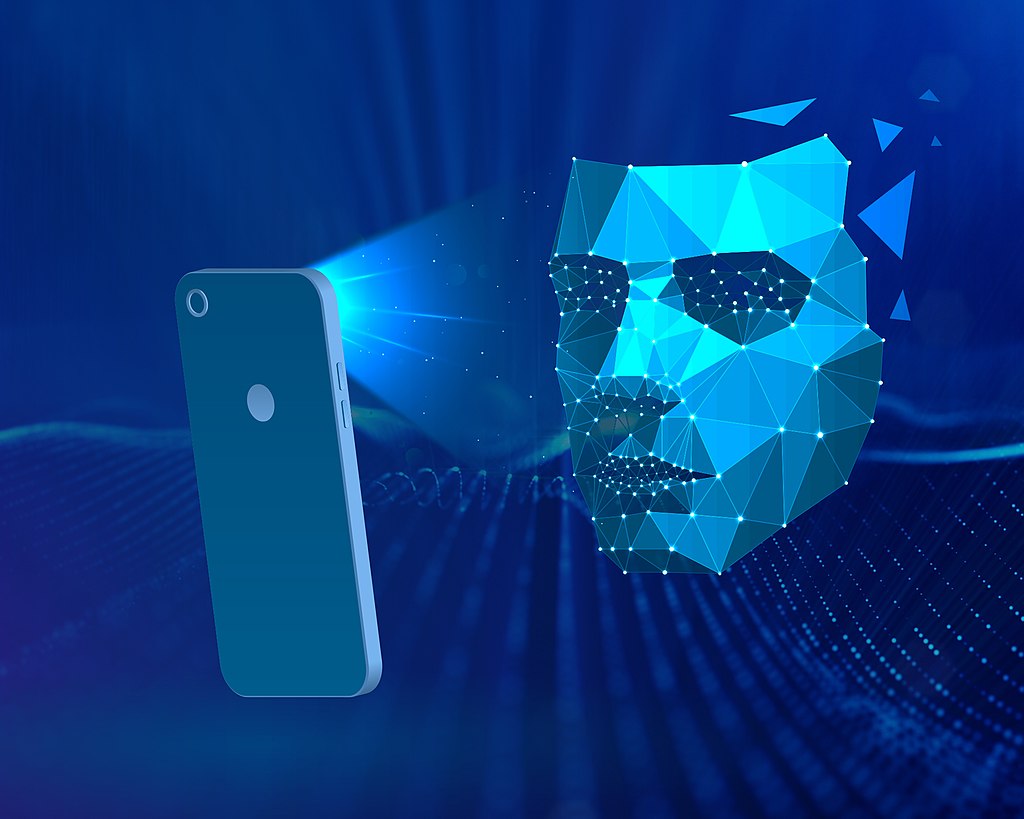
Machine Learning can be applied to different types of interaction with humans. These include: voice recognition (understanding and responding to natural language, including recognizing emotions such as being upset or angry), gesture recognition (from 3D images captured by cameras or scanners) and "reading" facial expressions (also training robots to adopt the same range of facial expressions that humans use).
Sophia
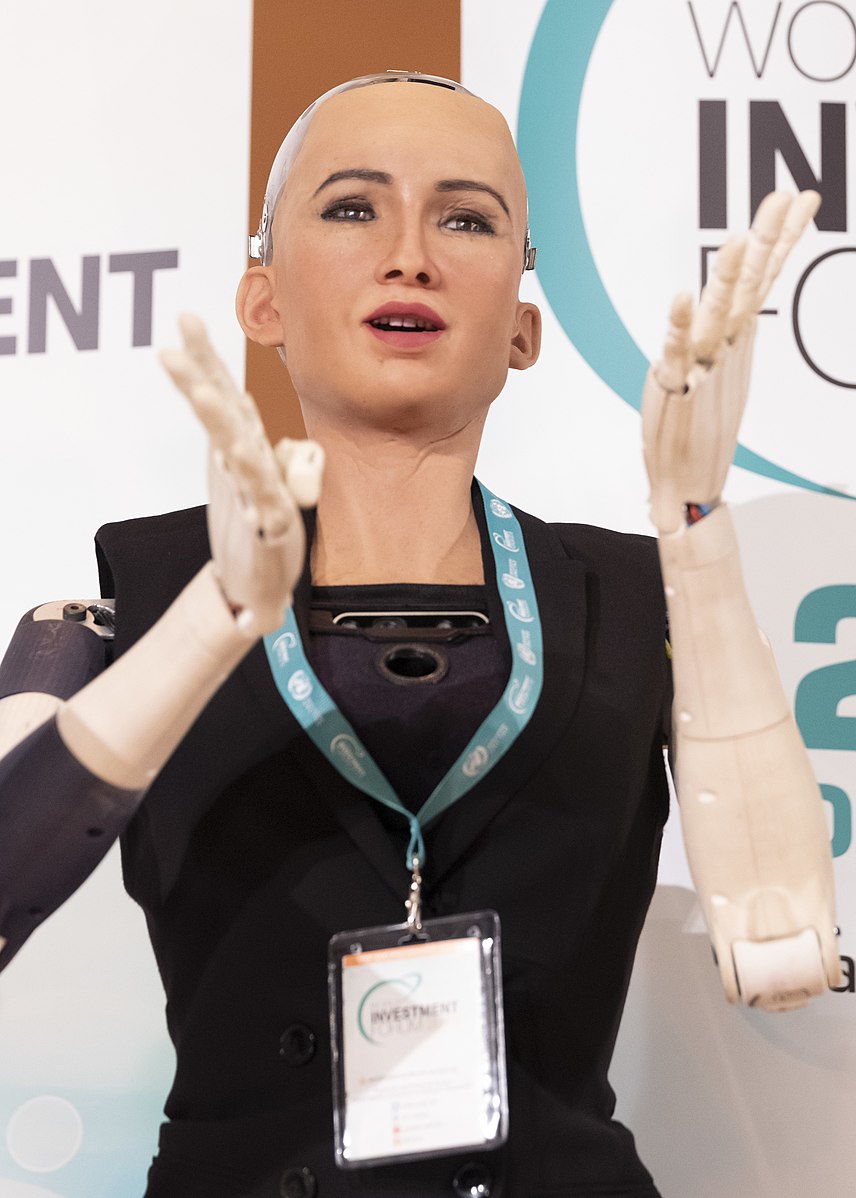
Sophia is a social humanoid robot developed by the Hong Kong-based company Hanson Robotics in 2016. Sophia can mimic human behaviour and (according to its makers) even cause feelings of affection. Just like a human, the robot can also walk about on its own two legs. Modelled on the ancient Egyptian queen Nefertiti, Audrey Hepburn and its inventor's wife, Amanda Hanson, Sophia was designed to act as companion for the elderly at nursing homes, to assist people at events or to work in customer service. A version called "Little Sophia" is designed to teach children how to code.
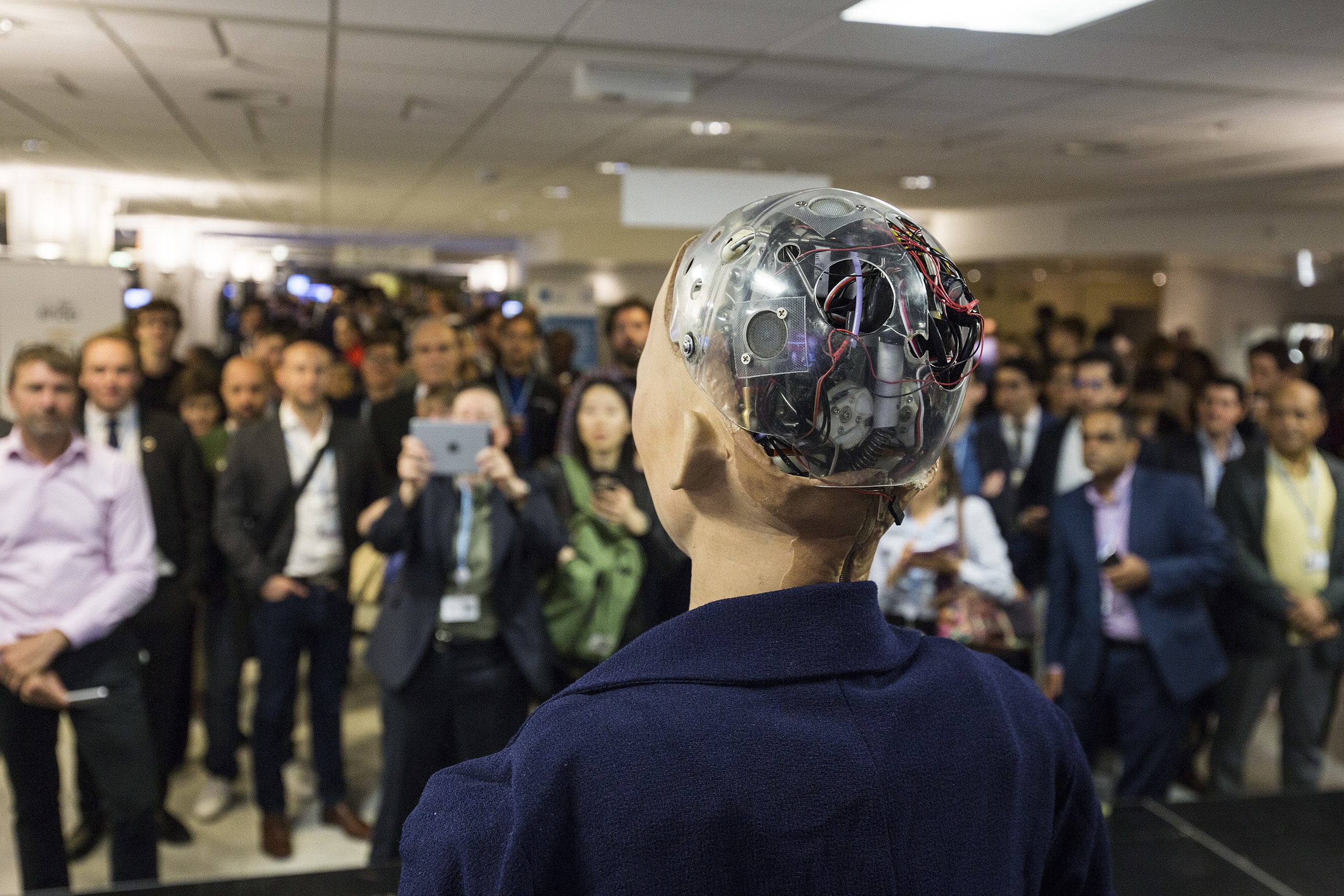
Images from cameras inside Sophia's "eyes" are processed by a computer algorithm to give the robot visual information on its surroundings. Sophia uses AI to enable it to make eye contact and recognize individuals. It imitates human gestures and facial expressions and is able to answer certain questions or take part in simple "conversations" using natural language. It can also sing and create drawings, including portraits. Sophia's AI program analyses conversations and extracts data that will allow it to learn and improve its responses in future.
Considered to be one the most advanced social humanoid robots so far produced, Sophia could not, however, be considered remotely close to having human-level intelligence.
Consultant: Mike Goldsmith