
Art
Impressionists
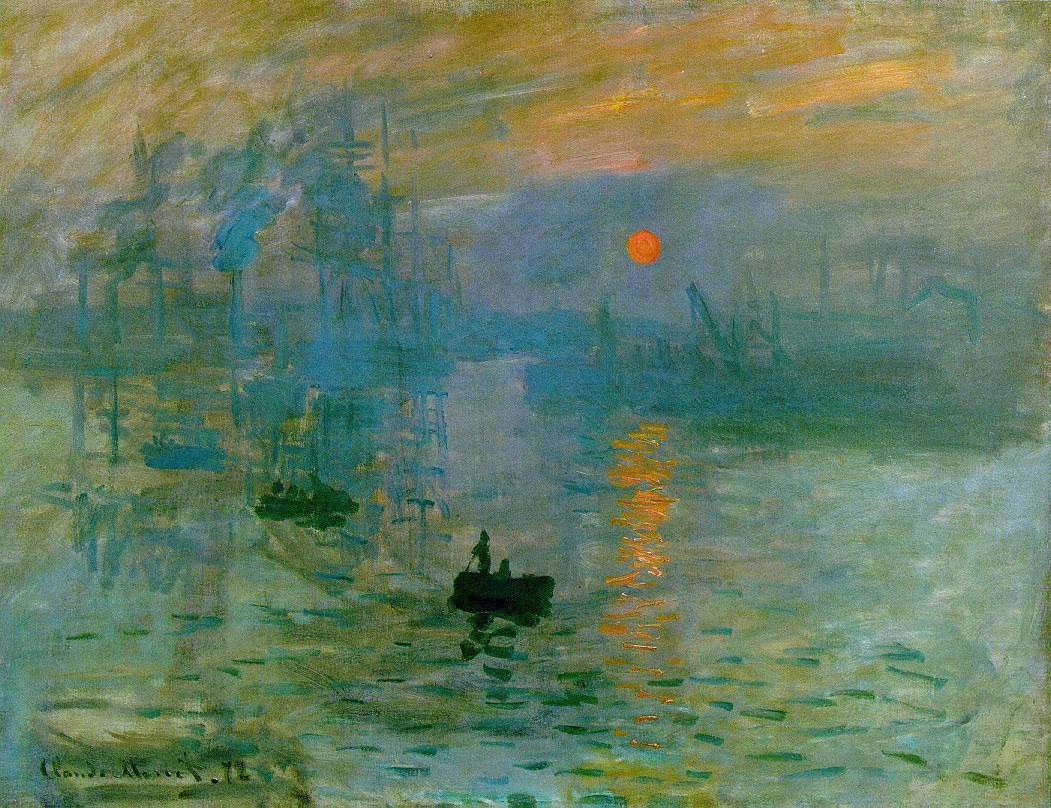
The Impressionists were a group of French painters who became well known during the 1870s and 1880s. They took their name from a painting by Claude Monet called Impression, soleil levant (Impression, Sunrise). The French critic Louis Leroy used the title to invent the word "Impressionism" in a mocking review of the work, and the name stuck. The Impressionists turned against the formal artistic styles of the day. Between 1874 and 1886 they held eight exhibitions of their own work. At first the Impressionists were laughed at, but they gradually gained widespread acceptance for their new style of painting. Today they are among the most popular artists of all.
Who were the Impressionists?
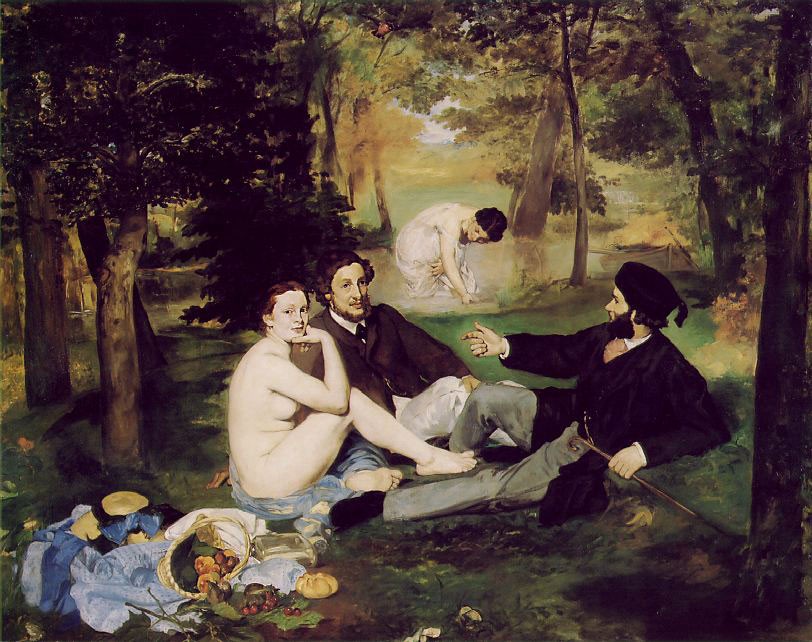
In 1863, the French artist Édouard Manet (1832–83) submitted a painting to the Salon, the exhibition of the Academy of Fine Arts in Paris, an institution that dominated French art at the time. Le déjeuner sur l’herbe (Lunch on the Grass) showed two young men having a picnic with a naked woman. The Salon rejected it, but a number of younger artists supported Manet. On 15th April 1874, a group of 31 artists decided to present their work at an exhibition separately from the Salon. It was here that Monet's Impression, soleil levant was shown.

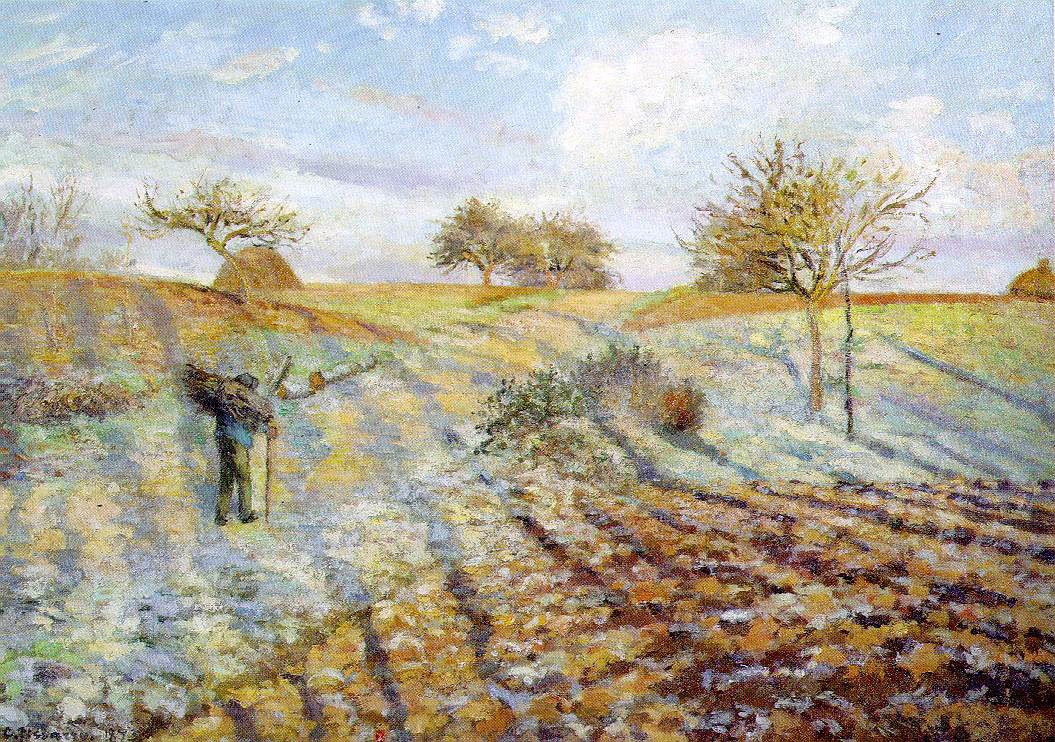
The group included Claude Monet, Pierre-Auguste Renoir, Alfred Sisley, Camille Pissarro, Armand Guillaumin, Paul Cézanne, Edgar Degas and Berthe Morisot—but Manet himself decided not to join them. The Impressionists were not a single school of painters. Some sought to capture light and colour, while Degas, for example, favoured accurate drawing over the use of colour and painted indoor, rather than outdoor scenes.
The Impressionist style
Many Impressionists often painted in the open air (en plein air) rather than indoors in a studio. In this way, they captured an immediate impression of a subject or motif. They painted realistic scenes of everyday life, such as city streets and landscapes, and concentrated on the overall scene rather than its details. Their paintings showed the changing effects of sunlight and weather and tried to depict movement. The Impressionists painted freely and quickly, often using short, thin brushstrokes of colour to produce a shimmering effect.
Claude Monet
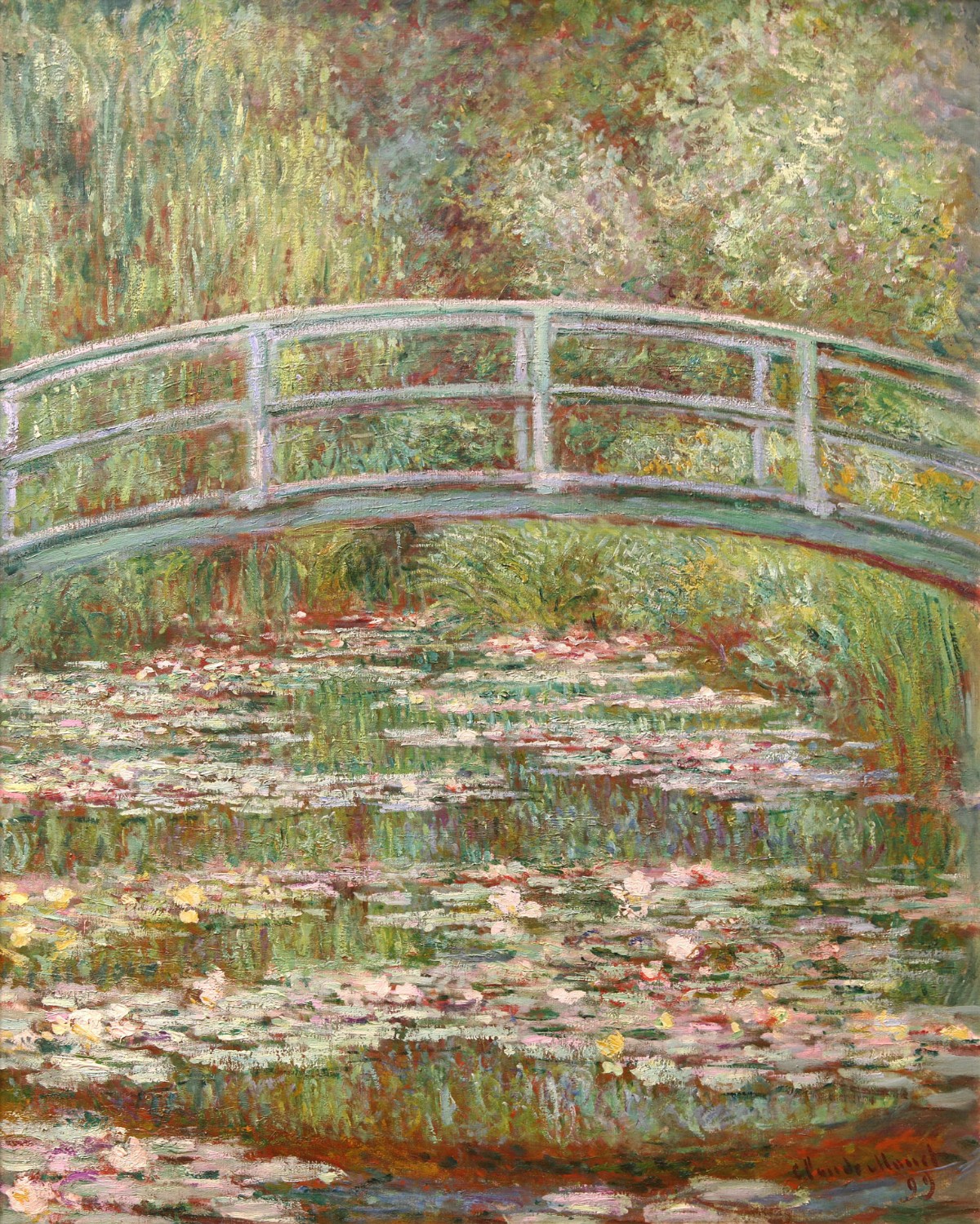
Claude Monet (1840–1926) was probably the most famous of all the Impressionist painters. He painted most of his scenes in the open air. He often painted the same subject—such as haystacks or the west front of Rouen Cathedral—over and over again, in order to show the effects of changing light during the day. Most famously, he painted the water lilies in the pond of his garden in Giverny, Normandy. Over the years, the paintings of the water lilies grew bigger and more abstract until little more than a suggestion of the flowers' form remained.
Edgar Degas
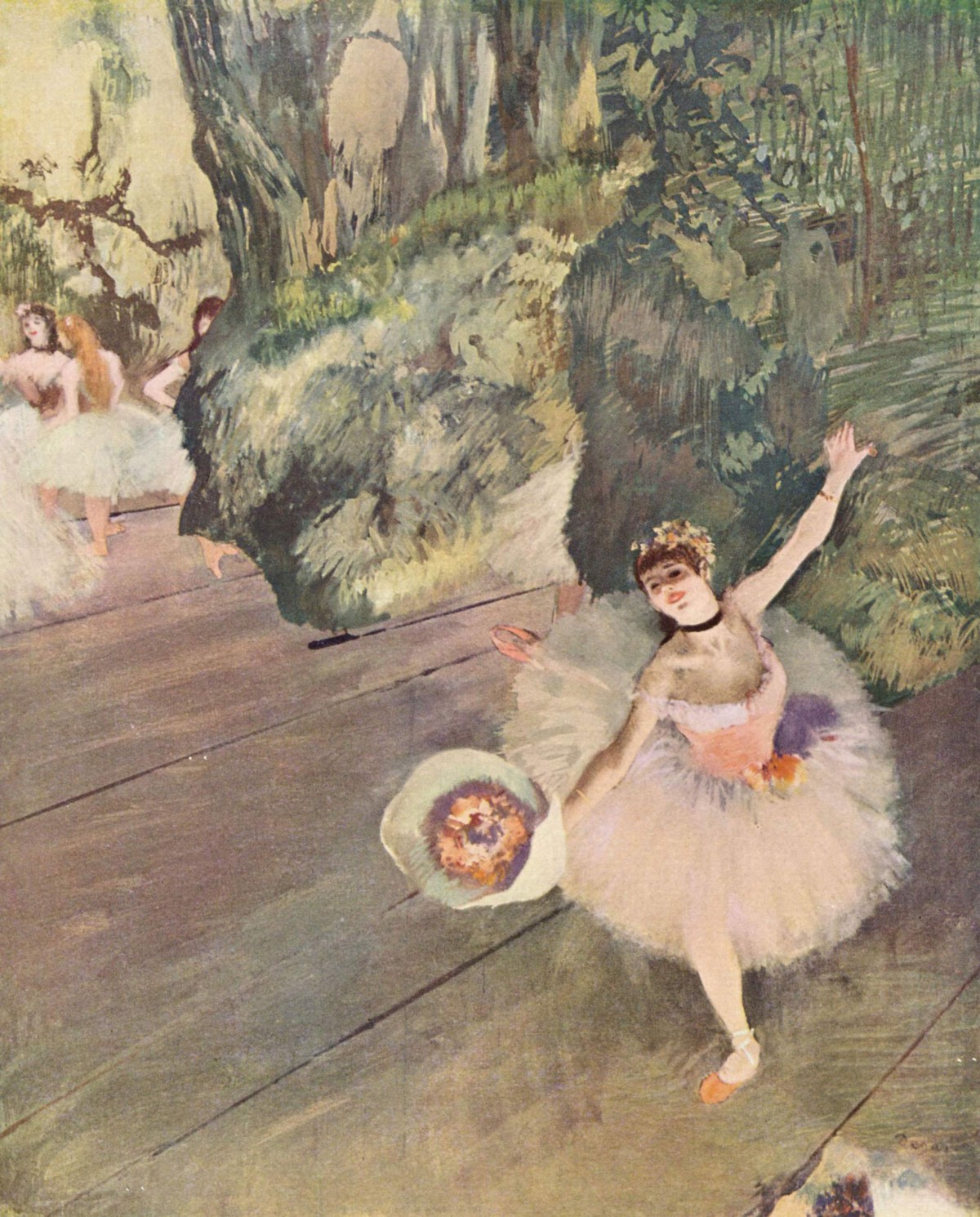
Edgar Degas (1834–1917) was another famous Impressionist painter. But he was not in favour of the term Impressionism and disliked painting out of doors. He always insisted that other non-Impressionists be included in their exhibitions. Degas is particularly famous for his paintings of dancers rehearsing and performing, women bathing and scenes of Parisian life.

Pierre-Auguste Renoir
Pierre-Auguste Renoir (1841–1919) painted pictures that featured human figures, such as The Theatre Box (1874), and crowd scenes of ordinary Parisians, notably the Dance at Le Moulin de la Galette (1876). He also painted female nudes. Renoir often suggested the details of a scene through splashes of colour so that the figures merge with one another and with their surroundings. His paintings are famous for their bright, strong colours. In later life, Renoir moved away from Impressionism towards more formal paintings.
Consultant: Philip Wilkinson