
Theatre

CITE
We have made every effort to follow citation style rules, but there may be some minor differences. If in doubt, please refer to the appropriate citation style manual.
Ancient Greek playwrights. (2026). In Q-files Encyclopedia, Culture, Theatre. Retrieved from
https://www.q-files.com/culture/theatre/ancient-greek-playwrights
"Ancient Greek playwrights." Culture, Theatre, Q-files Encyclopedia, 13 May. 2026.
https://www.q-files.com/culture/theatre/ancient-greek-playwrights.
Accessed 6 Aug. 2026.
Ancient Greek playwrights 2026. Culture, Theatre. Retrieved 6 August 2026, from
https://www.q-files.com/culture/theatre/ancient-greek-playwrights
Culture, Theatre, s.v. "Ancient Greek playwrights," accessed August 6, 2026.
https://www.q-files.com/culture/theatre/ancient-greek-playwrights


Ancient Greek playwrights
Ancient Greek theatre consisted of tragedies (sad plays), comedies (funny plays) and satyr plays (a mixture of the two, also called “tragicomedies”). The greatest writers of tragedy were Aeschylus (525–455 BC), Euripides (480–406 BC) and Sophocles (497–406 BC), while Aristophanes (c. 446–386 BC) was the master of comedy. The work of these four playwrights went on to influence all of Western drama. Over the centuries their plays were copied out by scribes, until the invention of the printing press made it easier to keep the text of the plays safe. Sometimes parts of the plays were lost in translation, while some were damaged or lost altogether. But many have survived to be performed today—more than 2000 years later.
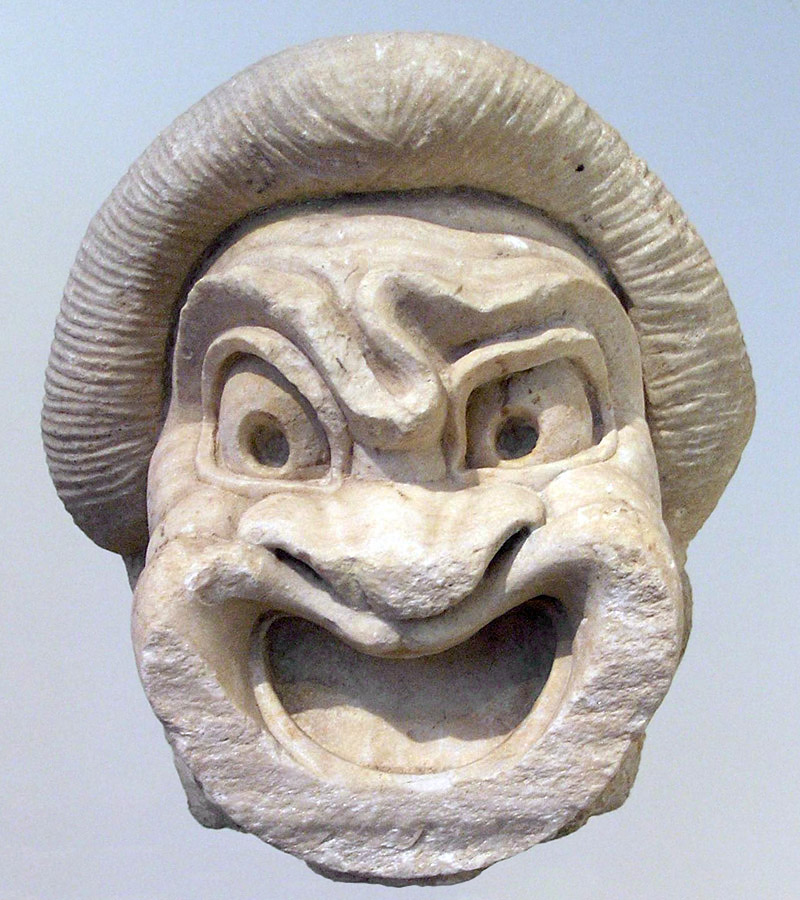
Ancient Greek theatre
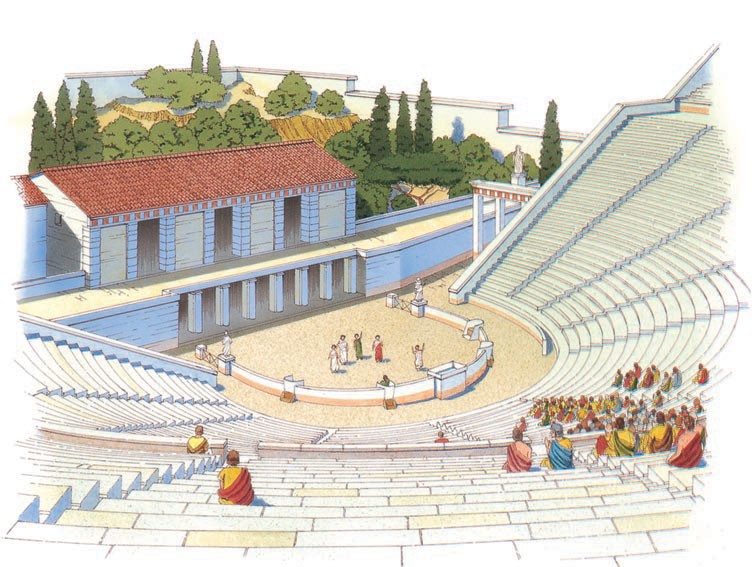
Going to the theatre was an important part of life in ancient Greece. Plays were performed in huge open-air theatres called amphitheatres, cut into hillsides so that they could fit in as many rows of seats as possible. During the play, an onstage group called a chorus commented on the action, sang songs and gave members of the audience the information they needed to help them follow the story. The chorus usually consisted of between six and 24 members, but it could have as many as 50.
Between the 6th and 2nd centuries BC, a yearly theatre competition called the City Dionysia was held in Athens to honour the god Dionysus. Playwrights each had to enter four plays: three tragedies and a satyr play. Aeschylus and Sophocles both took first prize on at least five occasions, while Euripides won three times.

Aeschylus
Aeschylus is sometimes known as the "father of tragedy". He wrote the earliest tragedies that have survived to the present day, including a group of three famous plays (a trilogy) known as the Oresteia. The first play, Agamemnon, tells the story of a woman named Clytaemnestra who plots to murder her husband, the warrior Agamemnon, when he returns from the Trojan War. In the second play The Libation Bearers, Agamemnon’s son Orestes murders Clytaemnestra in revenge, while in the final play, The Eumenides,
Orestes is put on trial for killing his mother.
Today we are used to seeing characters in a play speak to one another onstage, but in ancient Greek theatre the characters usually only spoke to members of the chorus. Aeschylus was the first to write plays in which characters had direct conversations and arguments. This created a more intense atmosphere onstage.
As a young man, Aeschylus made a living by working in a vineyard, but suddenly began writing tragedies after being inspired by a dream. He went on to write about 80 plays, but only seven of them survive today. The story goes that Aeschylus was killed when a tortoise, dropped by an eagle, fell from the sky and hit him on the head.

Aristophanes
Aristophanes was a great writer of comedy during the Golden Age of Greece. His comedies were famous for their risky and rude jokes, and often feature drunk and disorderly characters who cause mischief and play tricks on one another. Aristophanes was a master of a technique called satire, which poked fun at people and situations while also making a serious point about them. His favourite targets were the philosopher Socrates and a powerful Athenian politician named Cleon. He portrayed Cleon as a greedy slave in his play The Knights (424 BC) and won first prize at Athens' theatre festival despite the politician's popularity. In Lysistrata (411 BC), Aristophanes made fun of the bloodthirsty men who refused to stop fighting in the Peloponnesian War. In The Wasps (422 BC) he joked about the Athenian law courts.
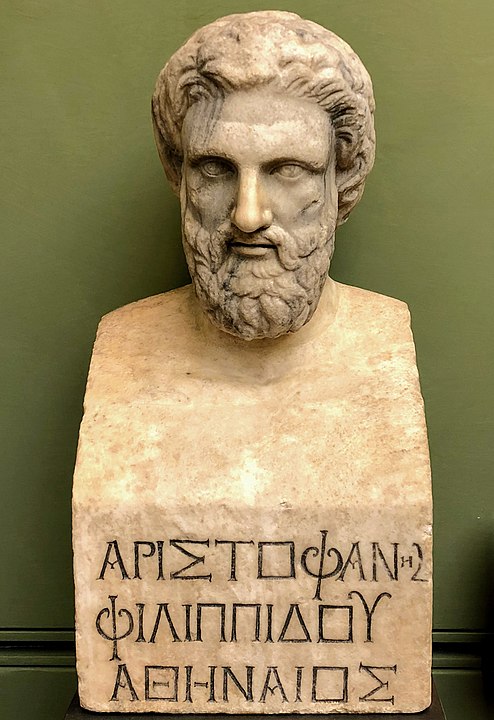
Aristophanes’ plays were full of jokes about local issues, politics and everyday life in Athens, so they can tell us a lot about the way people lived at the time. However, we know very little about the life of Aristophanes himself. Although he was famous and respected during his lifetime, it is likely that he lived a private life, and did not take part in politics.

Euripides
Euripides was one of the best-known writers of Greek tragedy. He is famous for great tragedies such as Medea (431 BC), The Trojan Women (415 BC) and The Bacchae (405 BC), all of which challenged audiences' ideas about familiar stories. Just 19 of the 90 plays Euripides wrote have survived today.
Euripides’ plays often took well-known stories and myths and told them from an unusual point of view. The Trojan Women, the third play in a trilogy about the Trojan War, was about the aftermath of the war. It follows the fates of the women of Troy after their city has been sacked, their husbands killed and their families taken away as slaves.
Euripides also took well-known characters from Greek myths and revealed their more ordinary, human sides. His plays explored their complicated feelings, and showed how emotions such as grief and jealousy could lead to terrible tragedy. In one of his most famous plays, Medea, the main character takes revenge on her unfaithful husband by murdering his lover, and then—in a gruesome twist—the couple's own children.
Euripides’ plays usually end with the sudden arrival of one of the gods, who makes judgements on the various characters or helps to settle an argument. This was a playwriting technique called deus ex machina, meaning “god from the machinery”—on the ancient Greek stage, the actor playing the god would have been lowered on to the stage using a machine such as a crane. It became a classic feature of Euripides' work.
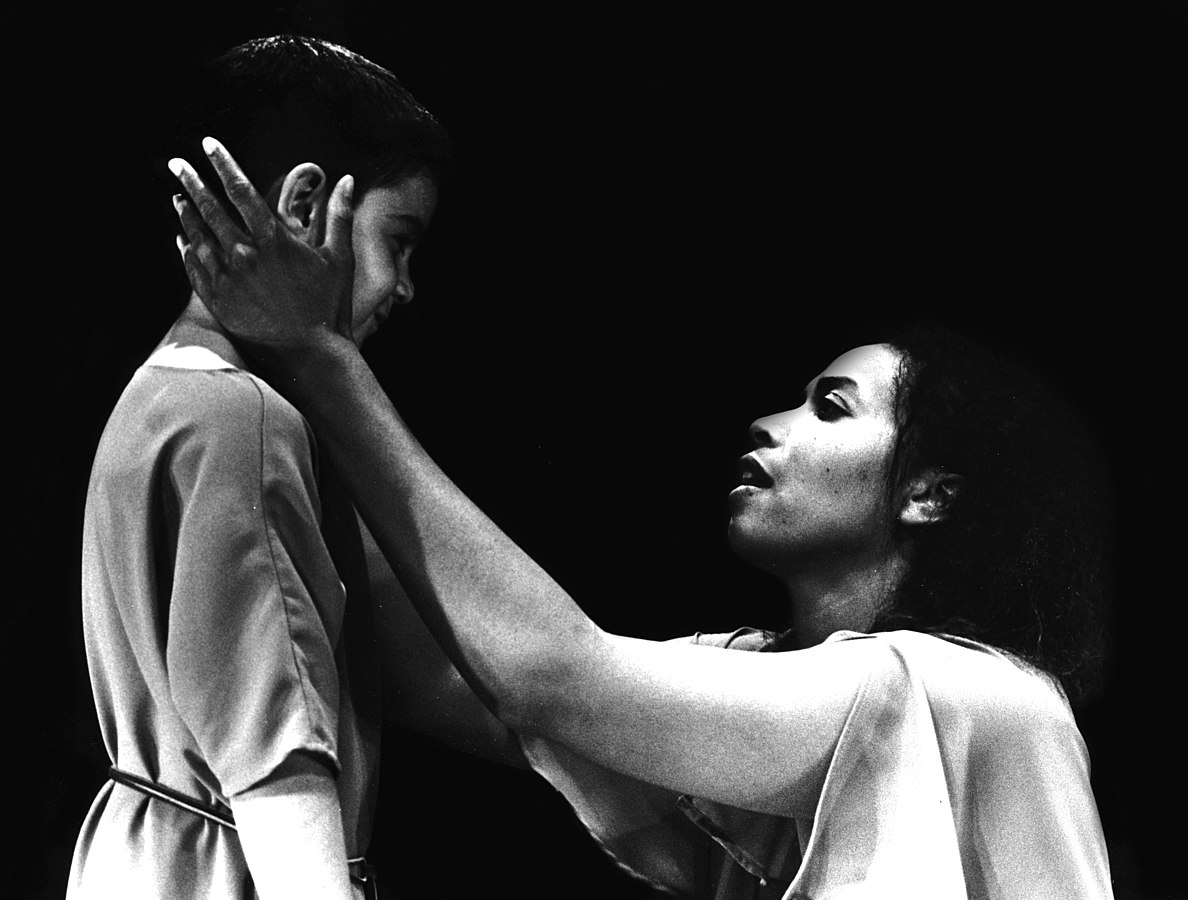
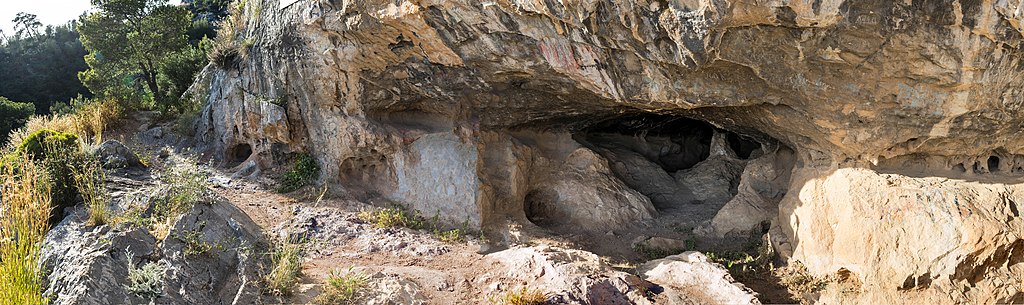
Euripides was born on the Greek island of Salamis, where he lived and worked for most of his life. There are many legends surrounding Euripides, such as that he wrote some of his plays hidden away in a cave on the island. Another story claims that as an old man, Euripides died after being attacked by a pack of ferocious dogs known as the Molossian Hounds, but no one knows whether this is true.

Sophocles
One of the most popular tragic playwrights of his time, Sophocles was rewarded with prizes nearly every time he entered Athens’ annual theatre festival. Sophocles wrote more than 120 plays, but just seven survive today. He is best known for writing the Theban plays: Antigone (441 BC), Oedipus the King (429 BC) and Oedipus at Colonus (401 BC). Set in the Greek city of Thebes, Oedipus the King tells the story of a man who brings a curse on the city for three generations by unknowingly killing his father and marrying his mother. In Oedipus at Colonus, Sophocles describes Oedipus' tragic exile and death. In Antigone (actually the first to be written) Oedipus' daughter is punished by death for trying to give one of her brothers a burial ceremony against the wishes of the new king.
Sophocles introduced some new ideas to Greek tragedy which changed the way it was written and performed. He was one of the first to use painted scenery in his plays to suggest that the action was taking place in different locations. He began using three actors in his tragedies, rather than two, as had been the norm before. In Oedipus the King, Sophocles used a new technique called dramatic irony, which allows the audience to watch events unfold while knowing something that the character onstage does not.
Alongside his long career as a playwright, Sophocles was a treasurer for the city of Athens (working with the city’s finance), a member of a council commanding the Greek army, and a priest. His final work was a piece written in mourning for his fellow playwright Euripides. Sophocles died later the same year.

pics

Without in any way limiting Q-files Ltd’s exclusive rights under copyright, any use of this publication to “train” generative artificial intelligence (AI) technologies to generate text is expressly prohibited. Q-files Ltd reserves all rights to license use of this work for generative AI training and development of machine learning language models.